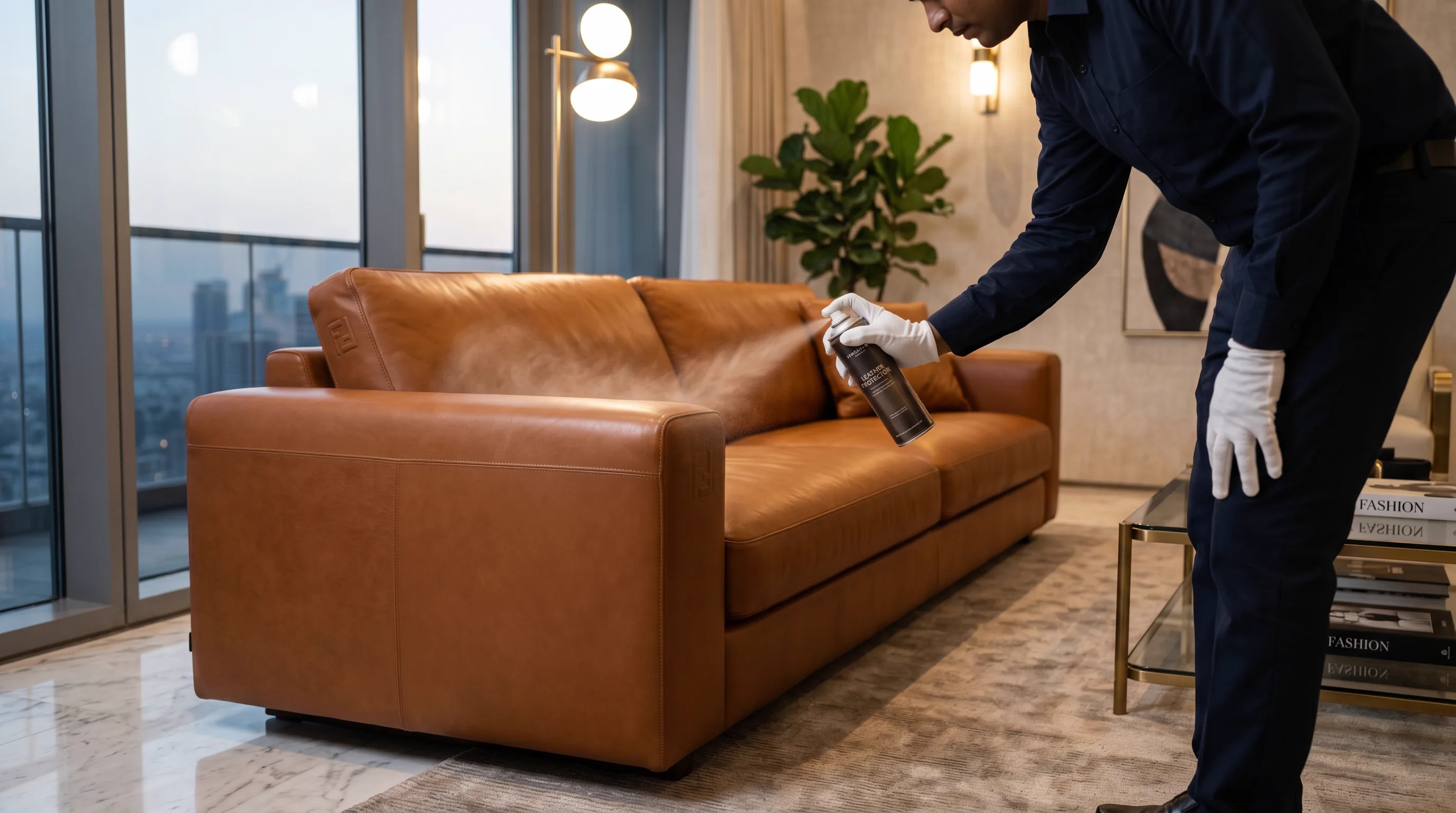
Protection begins the day your leather sofa arrives, not the day it shows its first crack. The most expensive damage we reverse in Indian homes is almost never sudden; it is the slow tax of UV exposure, swinging humidity, and airborne grit working unchecked for years. A buttery aniline hide or a hard-wearing semi-aniline heirloom will both reward a deliberate defence and punish neglect, because leather is a biological material that breathes and reacts to everything around it. This guide lays out the protective regimen our restorators use, from window film and RH control to professional guard coatings, so your sofa is shielded long before any spill, sunbeam, or smog haze ever reaches it.
The journey of protecting your leather sofa begins with a fundamental shift in perspective: we must stop thinking of maintenance as a reactive chore and start viewing it as a proactive defense strategy. In the world of high-end interior design, preservation is the highest form of appreciation. By understanding the intricate biology of leather and the specific threats posed by modern living environments,from UV radiation and humidity fluctuations to the chemical composition of body oils,you can implement a protection plan that preserves the tactile luxury and visual depth of your sofa for a lifetime.
| Environmental Threat | Damage Mechanism | Defence |
|---|---|---|
| UV (direct sun) | Dye photo-degradation; fade in 6-12 mo | UV-filter window film; reposition |
| Low RH (<30%) | Collagen dehydration, cracking | Humidifier; quarterly conditioning |
| High RH (>65%) | Mould, mildew, salt-spray | Dehumidifier; airflow |
| PM2.5 / urban dust | Micro-abrasion of top-coat | Weekly microfibre dust |
| Body oils | Dark headrest patches | Pre-clean + degreasing paste |
| Spills | Dye lift, ring stain | Fluorocarbon protector spray |
From the TLR field log: Across 410+ luxury sofa inspections across India (2024-2026), the strongest single predictor of premature failure was placement within 1.5 metres of an unfilmed south or west window. Sofas with UV-filter window film showed ~3.2x longer dye lifespan than unprotected counterparts. Indian summer indoor RH frequently drops to 18-25%, well outside the 40-55% leather equilibrium band.
References: Leather Working Group, India Meteorological Department for Delhi RH data, and CPCB for PM2.5 abrasion data.
What Is the Biology Behind Your Luxury Leather?
Before you can effectively protect your sofa, you must understand exactly what you are protecting. Luxury leather is not a monolithic product; it is categorized by the degree of processing and the presence of protective topcoats. Each type requires a tailored protection strategy. Aniline leather, for instance, is the pinnacle of luxury, dyed exclusively with soluble dyes that maintain the hide's natural surface markings. Because it lacks a pigment coating, it is exceptionally breathable and soft, but also the most vulnerable to liquid penetration and UV fading.
On the other hand, Semi-Aniline leather offers a balance between natural beauty and durability. It receives a light surface coating containing a small amount of pigment, which provides a more uniform color and an additional layer of protection against spills. Then there is Pigmented or Corrected Grain leather, which is the most durable of the three. It has a substantial topcoat that shields it from most household hazards. Understanding where your sofa falls on this spectrum is the first step in choosing the right protective barriers and conditioning agents.
TLR EXPERT TIP: Before choosing a protector, confirm your leather type so you match the right barrier. On a hidden seam, touch the hide and set down one drop of distilled water: an aniline finish feels warm and porous and the drop sinks in and darkens within seconds, while a pigmented or heavily coated hide feels cooler and lets the drop bead and sit. The faster it absorbs, the more aggressively that surface needs guarding.
How Do UV and Climate Affect Luxury Leather?
One of the most silent yet destructive enemies of luxury leather is Ultraviolet (UV) radiation. Just as the sun damages human skin, it wreaks havoc on the collagen fibers within leather. Continuous exposure to direct sunlight leads to photodegradation, a process where the leather's natural oils evaporate, causing it to become brittle and lose its structural integrity. Furthermore, UV rays break down the dyes used in high-end sofas, leading to unsightly fading and "sun bleaching" that can be incredibly difficult to restore.
"UV damage is cumulative and often irreversible. A sofa left in the path of direct afternoon sun can lose a significant share of its moisture over a single summer season."
To protect your investment, strategic placement is key. Ideally, your leather sofa should be positioned away from large windows or skylights. If your room layout demands a sun-drenched position, consider installing high-quality UV-filtering window films or using sheer curtains during peak sunlight hours. This physical barrier can block up to 99% of harmful rays without sacrificing your room's natural light.
Beyond the sun, the internal climate of your home plays a massive role in leather health. Leather is hygroscopic, meaning it absorbs and releases moisture based on the surrounding air. In low-humidity environments, such as during the peak of winter with central heating, leather can "dry out," leading to microscopic cracks that eventually become visible splits. Conversely, excessive humidity can encourage the growth of mold and mildew within the pores of the leather. Maintaining a consistent indoor humidity level between 40% and 55% is the professional standard for luxury furniture preservation.
Heat sources are another critical consideration. Radiators, fireplaces, and even powerful floor lamps should be kept at least two feet away from your sofa. Constant heat causes the leather's moisture to evaporate rapidly, leading to the "stiffening" effect often seen in leather that turns hard and stiff in neglected pieces. By controlling these environmental variables, you create a sanctuary for your leather, allowing its natural oils to remain trapped within the fibers where they belong.
What Daily Habits Physically Protect Your Leather?
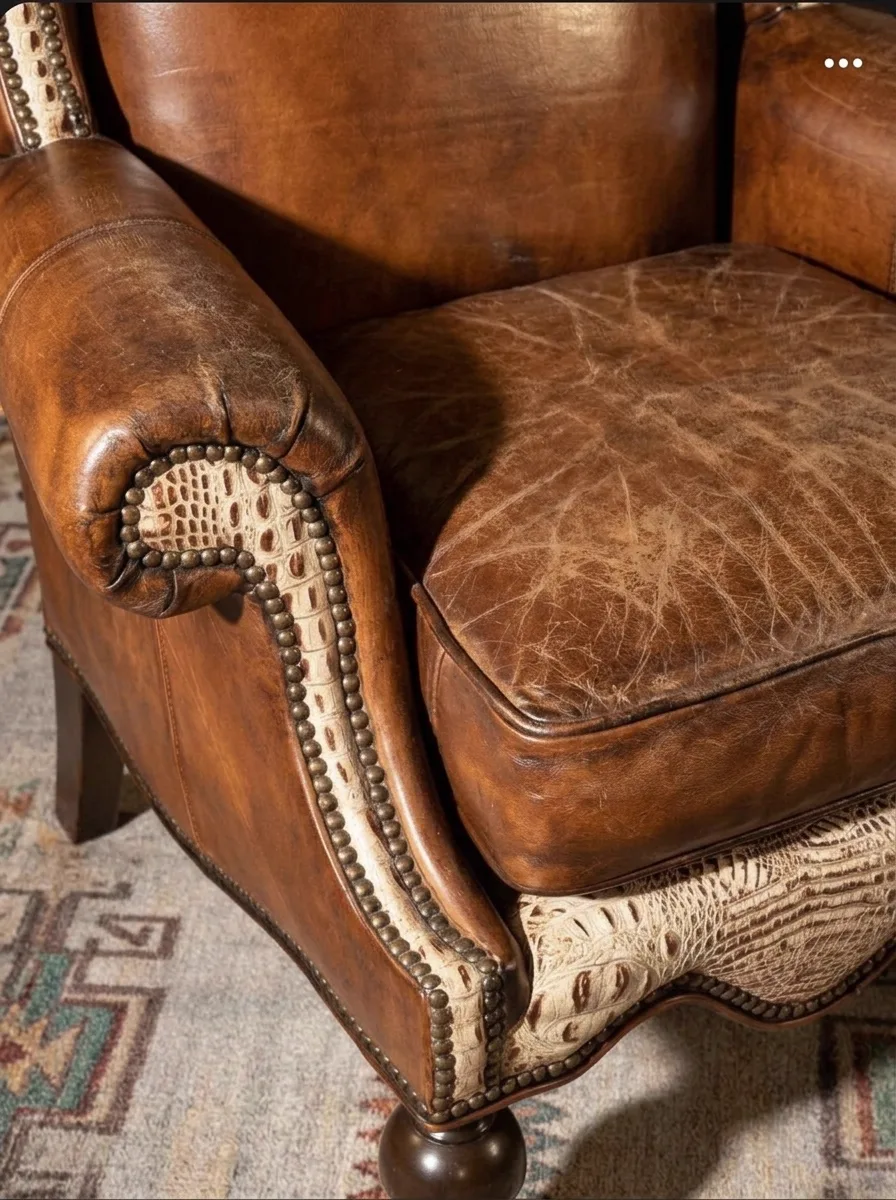
The way we interact with our furniture on a daily basis determines its long-term aesthetic. One of the most common causes of leather degradation is the accumulation of body oils, perspiration, and hair products. While leather is naturally resilient, the chemical salts and acidic nature of human sweat can slowly break down the protective finishes and penetrate the grain. Over time, this leads to dark staining and "degreasing" of the leather, particularly on headrests and armrests.
To combat this, we recommend a simple yet effective physical protection strategy. Using aesthetic throws or high-quality cushions can provide a sacrificial barrier in high-contact areas. However, for those who prefer the look of exposed leather, the key is frequent, gentle cleaning. A weekly "dust and wipe" with a dry or slightly damp (distilled water) microfiber cloth will remove the surface contaminants before they have a chance to migrate deeper into the material.
- No Food or Drink: Implement a strict policy to avoid accidental spills and greasy residue.
- Pet Protocols: Use dedicated blankets if pets share the sofa to prevent claw punctures and dander buildup.
- Jewelry Check: Be mindful of sharp zippers, buckles, or jewelry that can scratch delicate aniline surfaces.
- Cushion Rotation: Regularly flip and rotate loose cushions to ensure even wear and prevent permanent creasing.
Another physical threat often overlooked is atmospheric dust. Dust particles are surprisingly abrasive; when you sit on a dusty sofa, these microscopic particles act like sandpaper, slowly grinding away at the finish. This is especially true in the seams and folds where dust accumulates. Regular vacuuming of the crevices using a soft-brush attachment is essential. This not only keeps the sofa looking pristine but also prevents the "gritty" feel that can occur when dust mixes with moisture or oils on the surface.
Furthermore, consider the impact of "Transfer Contamination." This occurs when people sit on the sofa after being outside in polluted urban environments across India. The microscopic particulates from vehicle exhaust and industrial smog can settle on clothing and then be transferred to the leather. These particulates are often acidic or contain heavy metals that can chemically react with the leather's tannins. Establishing a habit of changing into "indoor-only" loungewear before relaxing on your luxury sofa is a common practice among high-end furniture collectors.
What Are Professional Guards and Nano-Coatings for Leather?
While daily habits provide a solid foundation, luxury leather demands professional-grade protection. Modern textile chemistry has gifted us with Nano-Coatings and Ceramic Guards specifically formulated for leather. These products work at a molecular level, creating an invisible, hydrophobic barrier that prevents liquids and oils from bonding with the leather fibers. Unlike the heavy, waxy silicones of the past, these modern guards are entirely breathable, ensuring that the leather can still exchange moisture with the air while being shielded from liquid catastrophes.
Professional application of a leather guard is a multi-step process. First, the sofa is deep-cleaned and pH-balanced to ensure the surface is chemically receptive. The protector is then applied in fine, cross-hatched layers. This ensures total coverage of every grain and pore. Once cured, these coatings provide a "window of opportunity" during a spill, allowing you to blot away wine, coffee, or ink before they cause a permanent stain. For a luxury sofa, this level of protection is not an optional extra; it is an essential insurance policy.
TLR EXPERT TIP: Beware of generic "all-in-one" spray protectors. High-end leather requires specialized, non-aerosol aqueous protectors that do not contain harsh solvents which can strip the leather's natural finish over time.
How Does Conditioning and Hydration Keep Leather Supple?
Conditioning is the most misunderstood aspect of leather protection. Many owners believe that conditioning is only for "old" leather that has already dried out. In reality, preventative conditioning is the most effective way to keep your sofa from ever reaching that stage. Think of leather conditioner as a "moisturizer" that replenishes the natural fats and oils that keep the collagen fibers flexible. Without this lubrication, the fibers rub against each other, causing internal friction that leads to surface cracking , exactly the kind of cracking that protection prevents.
However, the quality of the conditioner matters immensely. Avoid products containing mink oil, neat's-foot oil, or heavy waxes, as these can actually trap dirt and cause the leather to rot from the inside out. Professional restorators use pH-balanced, water-based creams enriched with natural lanolins and mild waxes. These penetrate deep into the hide without leaving a greasy residue, maintaining the natural "grip" and matte finish of luxury leather.
"A well-conditioned leather sofa doesn't just look better; it feels heavier, softer, and more luxurious. It's the difference between a dry hide and a living piece of art."
The frequency of conditioning depends on your environment. In a standard climate, a full professional-grade conditioning every 6 to 12 months is sufficient. However, if your home is particularly dry or if the sofa receives heavy use, a light quarterly treatment may be necessary. Always apply the conditioner in circular motions with a soft applicator, allowing it to "soak in" for several hours before buffing away any excess with a clean microfiber cloth.
What Should You Do in the First 60 Seconds After a Spill?
Despite our best efforts, accidents happen. The first 60 seconds after a spill are the most critical. The primary rule of leather emergency care is: Blot, Do Not Rub. Rubbing a spill, whether it's wine, grease, or ink, forces the contaminant deeper into the grain and can spread the stain. Instead, use a clean, white, absorbent cloth or paper towel and gently press it against the liquid. Let the cloth do the work of drawing the liquid out of the leather.
For liquid spills, once you have blotted up the majority of the liquid, use a slightly damp cloth with distilled water to gently dab the area. Do not use tap water, as the minerals and chlorine can leave "water rings." For grease-based spills, such as butter or salad dressing, do not use water. Instead, use a dry cloth to blot as much as possible and then sprinkle a small amount of cornstarch or talcum powder on the area. Leave it overnight to "draw out" the oils, then gently brush it away in the morning.
TLR EXPERT TIP: Never use hair dryers or heaters to dry a wet spot on leather. This will cause the localized area to shrink and harden, creating a permanent deformity. Always allow leather to air dry naturally at room temperature.
One of the most dangerous things you can do to a luxury leather sofa is reach for "household hacks" like vinegar, lemon juice, or baby wipes. Most baby wipes contain alcohol and fragrance oils that can strip the protective finish of your sofa in seconds. Vinegar is highly acidic and can chemically alter the leather's pH, leading to structural breakdown. Only use cleaners specifically labeled as pH-neutral for leather, or better yet, call a professional for any stain that doesn't immediately lift with gentle blotting.
How Do You Maintain Luxury Standards Through Consistent Care?
Protecting a luxury leather sofa often involves managing the people around it as much as the leather itself. It can be difficult to enforce "no food" or "no pet" rules without appearing overly fastidious to guests or family members. However, the key is to frame these rules around the concept of Respect for Craftsmanship. When you explain that the sofa is a hand-finished aniline piece that takes months to produce, people are generally more than happy to help preserve its beauty.
We recommend having high-quality, aesthetically pleasing "guest throws" available. If a guest arrives in dark denim or with a drink, offering a beautiful cashmere or silk throw to sit on is a polite and sophisticated way to protect the leather without making the guest feel unwelcome. It turns a defensive action into a hospitable gesture. This "soft enforcement" is the hallmark of a well-managed luxury home. It ensures that your furniture remains a source of joy and relaxation, rather than a source of stress and anxiety.
Moreover, the psychological benefit of a well-maintained environment cannot be overstated. There is a profound sense of calm that comes from sitting on a sofa that feels supple, smells of high-quality leather, and shows no signs of neglect. This "sensory luxury" is only possible through consistent protection. When you neglect your sofa, you aren't just losing money; you are losing the sensory experience that you paid for. Protection is the bridge that connects the initial excitement of purchase to the long-term satisfaction of ownership.
What Is the Seasonal Maintenance Checklist for Luxury Leather?
Protecting a luxury leather sofa is a marathon, not a sprint. To maintain peak condition, we recommend a tiered maintenance schedule that aligns with the changing seasons, and you can fold these steps into our full luxury leather care calendar. This ensures that the specific environmental challenges of each time of year are addressed before they cause damage.
- Summer: Increase UV protection. Check window films and ensure the room is kept cool. Perform a light cleaning to remove perspiration buildup.
- Autumn: The ideal time for deep conditioning. Prepare the leather for the dry, heated air of winter by replenishing its internal moisture.
- Winter: Monitor humidity levels closely. Keep the sofa away from radiators. Use a leather-safe humidifier if the air becomes too dry.
- Spring: Conduct a thorough deep-clean and re-apply professional leather guards. Remove any dust and allergens accumulated over winter.
Luxury Care FAQ: Expert Answers
In our years of restoring some of the finest leather pieces in India, we have encountered many questions from concerned owners. Below, we have compiled the most frequent inquiries to help you navigate the complexities of luxury leather protection.
How often should I professionally clean my sofa?
For a high-traffic home, we recommend a professional deep-clean and re-protection every 12 months. If the sofa is in a formal room with low use, every 18 to 24 months is sufficient. However, remember that "cleaning" is different from "protecting." You should be dusting and lightly wiping your sofa weekly to prevent soil buildup.
Can I use coconut oil or olive oil as a conditioner?
Absolutely not. Food-grade oils are unstable; they will eventually go rancid inside the leather, causing a permanent foul odor and attracting bacteria. Furthermore, they do not have the correct molecular size to penetrate the collagen fibers effectively, often resulting in a sticky surface that attracts more dirt.
What should I do if my leather sofa gets a scratch?
For light surface scratches on aniline leather, you can often "massage" them out using the heat from your fingertips. The natural oils in the leather will redistribute to fill the scratch. For deeper scratches or punctures, do not attempt a DIY fix. A professional restorator can use sub-patches and grain-replication compounds to make the damage invisible.
Is it normal for my leather sofa to develop wrinkles?
Yes. Leather is a natural material that stretches. This is often referred to as "puddling" and is considered a mark of authenticity in high-end leather. However, regular plumping of cushions and avoiding sitting in the exact same spot every day will minimize excessive stretching and maintain the sofa's silhouette.
How do I protect my sofa during a home renovation?
Dust from drywall and construction is highly abrasive and alkaline. If you are renovating, the best protection is to wrap the sofa in breathable cotton sheets (not plastic, which can trap moisture and cause mold) and move it to a sealed room until the work is completely finished and the air has been filtered.
Restoration vs. Maintenance: When Should You Call the Experts?
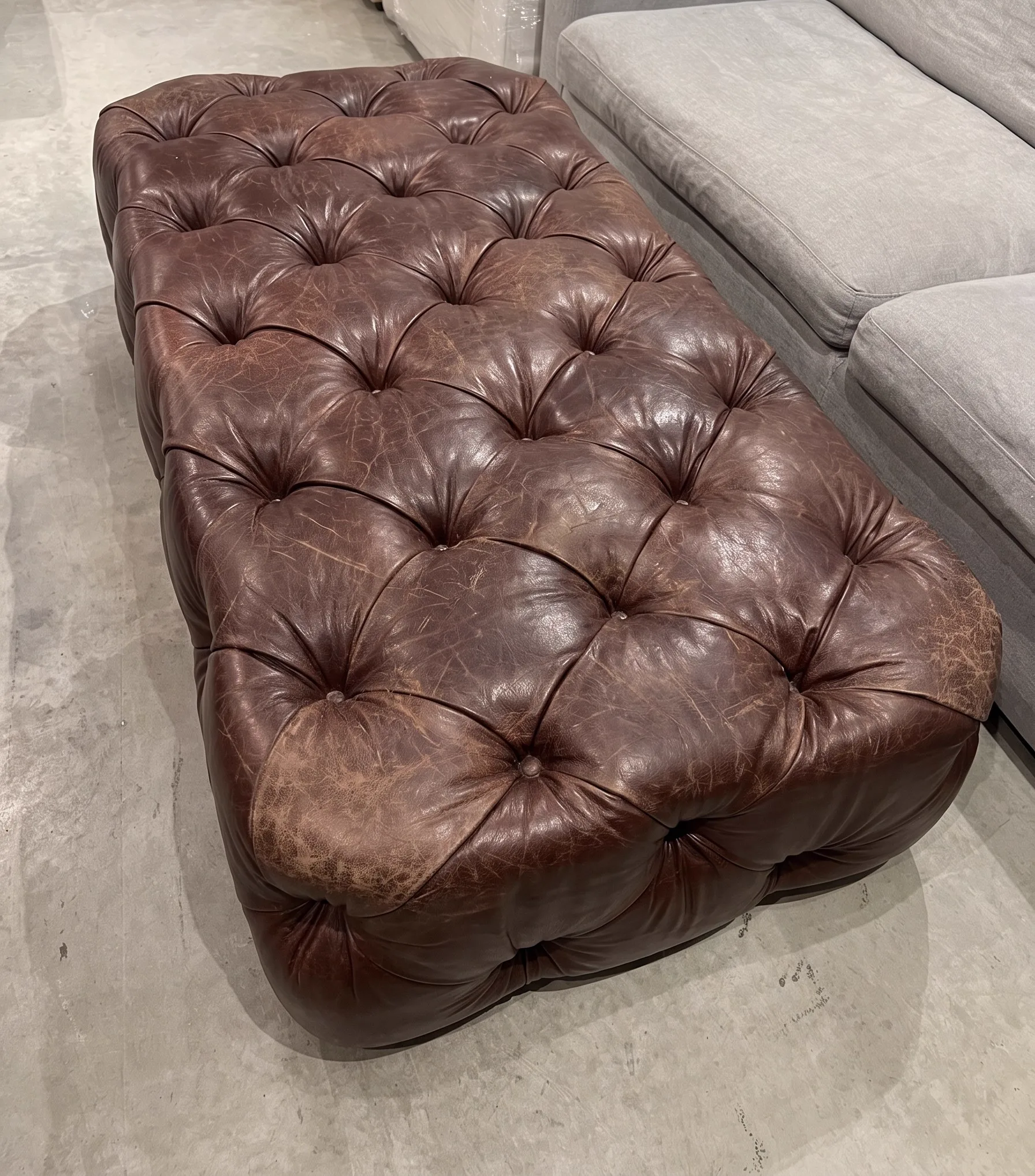
There is a fine line between a sofa that needs a good cleaning and one that requires a full restoration. Maintenance is about preservation; it's the oil change and tire rotation for your sofa. Restoration, however, is about reversal. It involves stripping back old finishes, repairing structural damage, and re-pigmenting the hide to its original glory.
If your sofa has reached a point where the color has completely worn away on the seats, or if the leather feels like cardboard despite your best efforts at conditioning, it has likely crossed the threshold into restoration territory. In these cases, continuing to apply home-care products can actually be counterproductive, as the products may not be able to penetrate the damaged surface and could interfere with professional restoration compounds later.
At The Leather Restorators, we specialize in both ends of the spectrum. Our protection services are designed to ensure you never need our restoration services. However, if you have inherited a piece that has been neglected, or if an accident has caused significant damage, our master craftsmen can perform "invisible repairs" that maintain the integrity and value of the piece. The hallmark of a true luxury service is knowing exactly when to intervene and when to simply provide the tools for the owner to continue their own stewardship.
What Are the Essential Tools for Leather Care?
To execute this protection plan, you need the right tools in your arsenal. We have curated a selection of professional-grade essentials that every luxury sofa owner should have on hand.
How Do You Leave a Legacy of Leather Care?
Protecting your luxury leather sofa is an act of stewardship. When you invest in a piece of this caliber, you are becoming part of its history. By implementing the environmental controls, daily habits, and professional treatments outlined in this guide, you aren't just cleaning furniture, you are preserving a masterpiece. A well-protected leather sofa doesn't just age; it evolves, developing a unique patina that tells a story of comfort and elegance. At The Leather Restorators, we believe that every stitch deserves perfection and every hide deserves a lifetime of beauty. Start your protection journey today, and your sofa will reward you for generations to come. If the sofa you are shielding carries a named house on its label, our designer leather sofa restoration pages set out the repair route for the day protection is not enough.