Pet ownership in India has grown significantly over the past decade, and the combination of a leather sofa and a dog or cat is one of the most common scenarios we assess. Pet-related leather sofa damage in Indian homes has specific characteristics - the hot climate means pets spend more time indoors in AC rooms, shedding and sweating more than in cooler climates; the same AC running that dries the leather also means pets seeking the cool surface of the sofa; and scratching behaviour in cats is intensified by boredom in apartments. This guide addresses each type of pet damage specifically, with realistic repair assessments and practical prevention that works in Indian conditions.
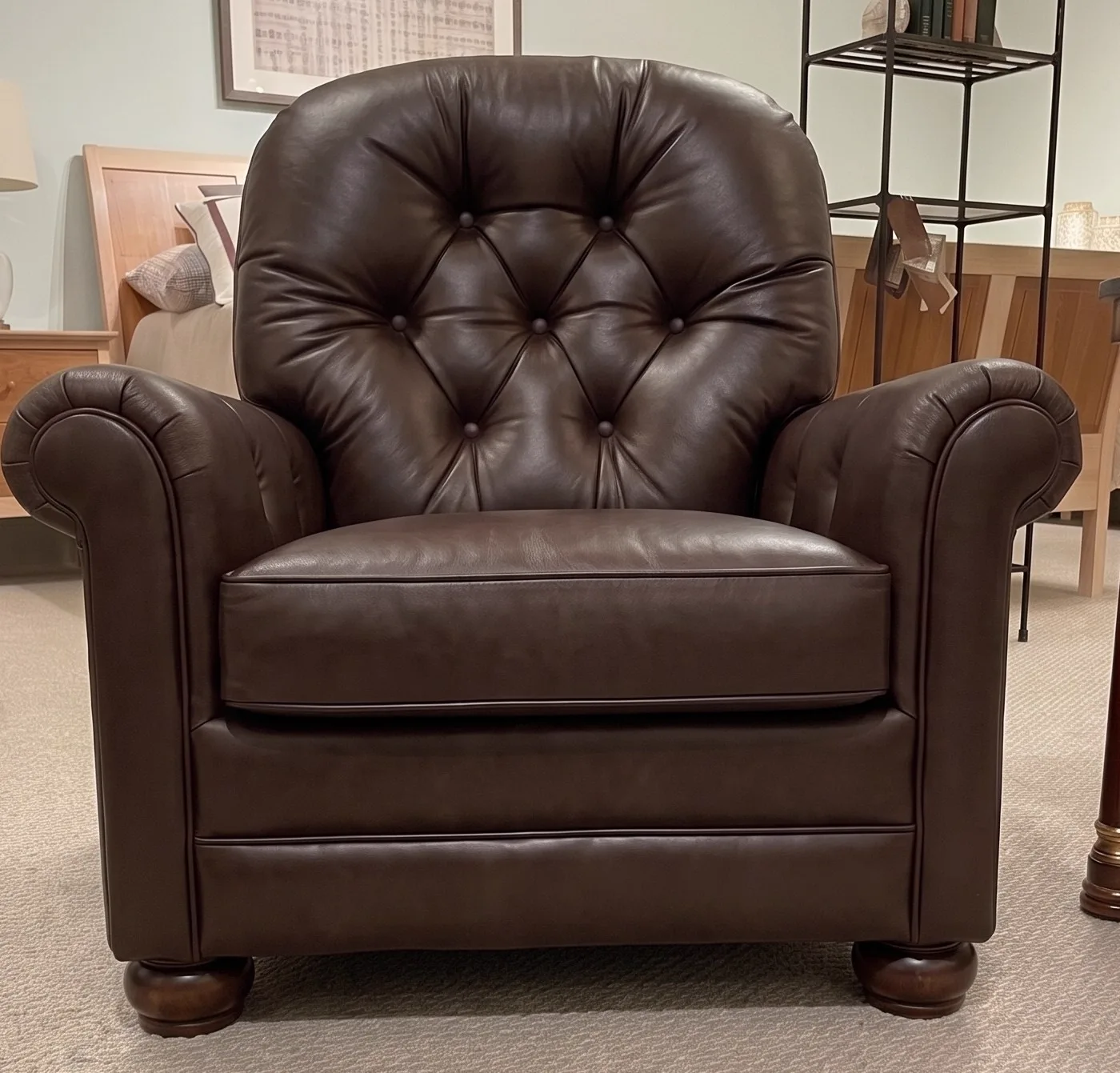
The first question to settle is leather grade. Pet households need pigmented leather - not aniline or semi-aniline. Pigmented leather's polymer topcoat resists scratch penetration, repels surface moisture from paws and drool, and is far more forgiving of the cleaning frequency required in pet households. If you have aniline or semi-aniline leather and a dog or cat, the maintenance burden is significantly higher and the scratch damage risk is greater. The three-finish comparison guide explains the difference in detail.
Scratch Damage: Prevention and Repair
Cat scratching is the most common type of pet leather damage we see. Cats scratch to maintain their claws and mark territory - this is instinctive behaviour that cannot be entirely prevented, only redirected and managed.
Prevention
The most effective prevention is a dedicated scratching post placed within 1 metre of the sofa. Cats scratch in the areas they spend time - if the sofa is their resting spot, the scratch target will be the sofa unless a more attractive alternative is available immediately adjacent. Sisal-wrapped posts are more effective than carpet-covered ones for most cats. Apply a light spray of catnip to the post to attract initial interest.
A leather protector spray applied to the sofa surface every 3 to 4 months creates a harder surface layer that slows scratch penetration. Products like Leather Master Protection Cream or Colourlock Leather Shield (both available on Amazon India) are appropriate. These do not make the leather impervious to cat claws - nothing does - but they reduce the depth of surface scratch marks and make the surface easier to clean after scratch damage occurs. Always check compatibility with your leather finish before applying; test on a hidden area first.
For cats that repeatedly target the sofa arms specifically, a fitted armrest cover or throw protects that zone. This is not cosmetically ideal for a luxury sofa but is the most practical physical barrier.
Repairing cat scratch damage
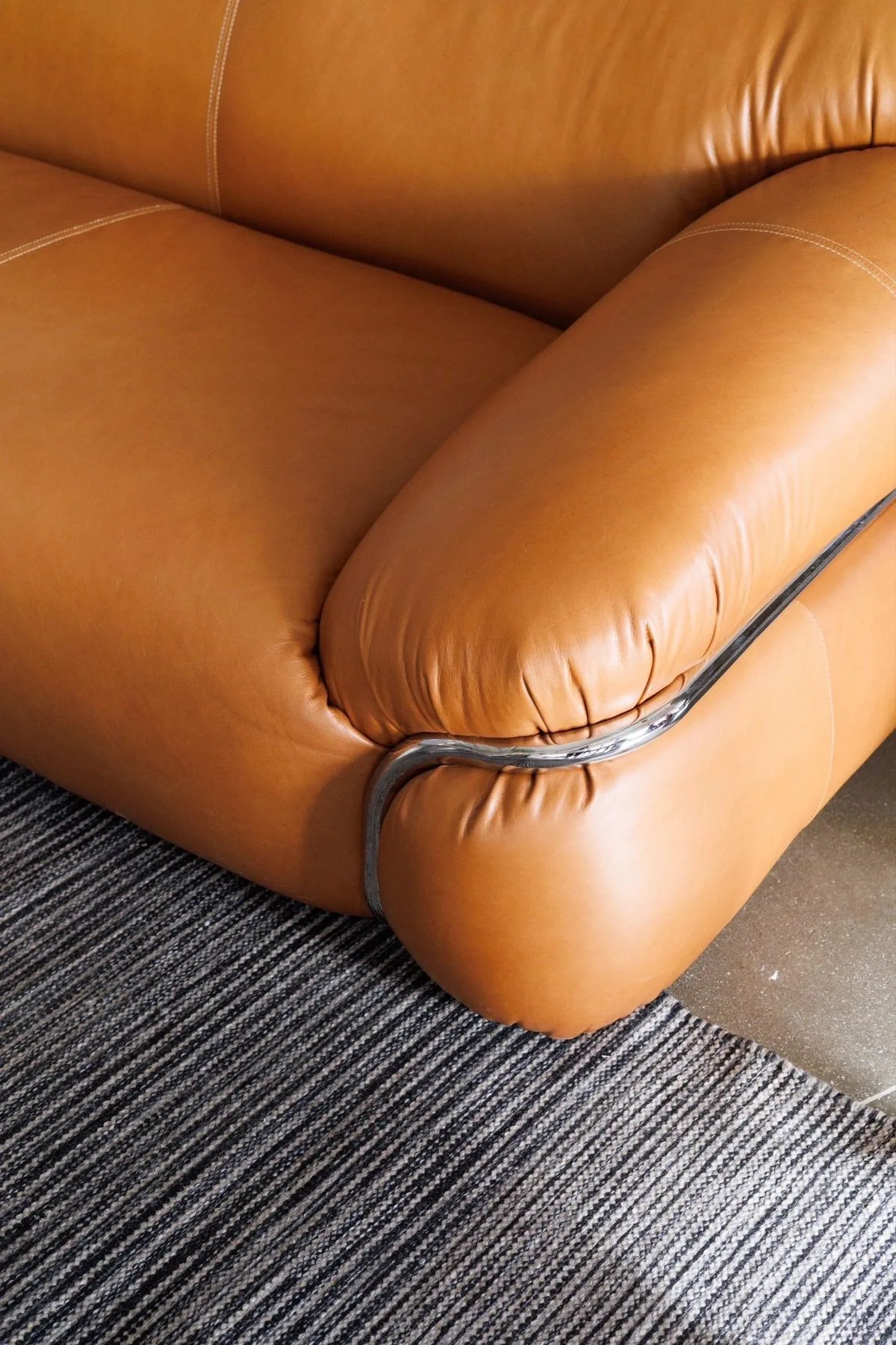
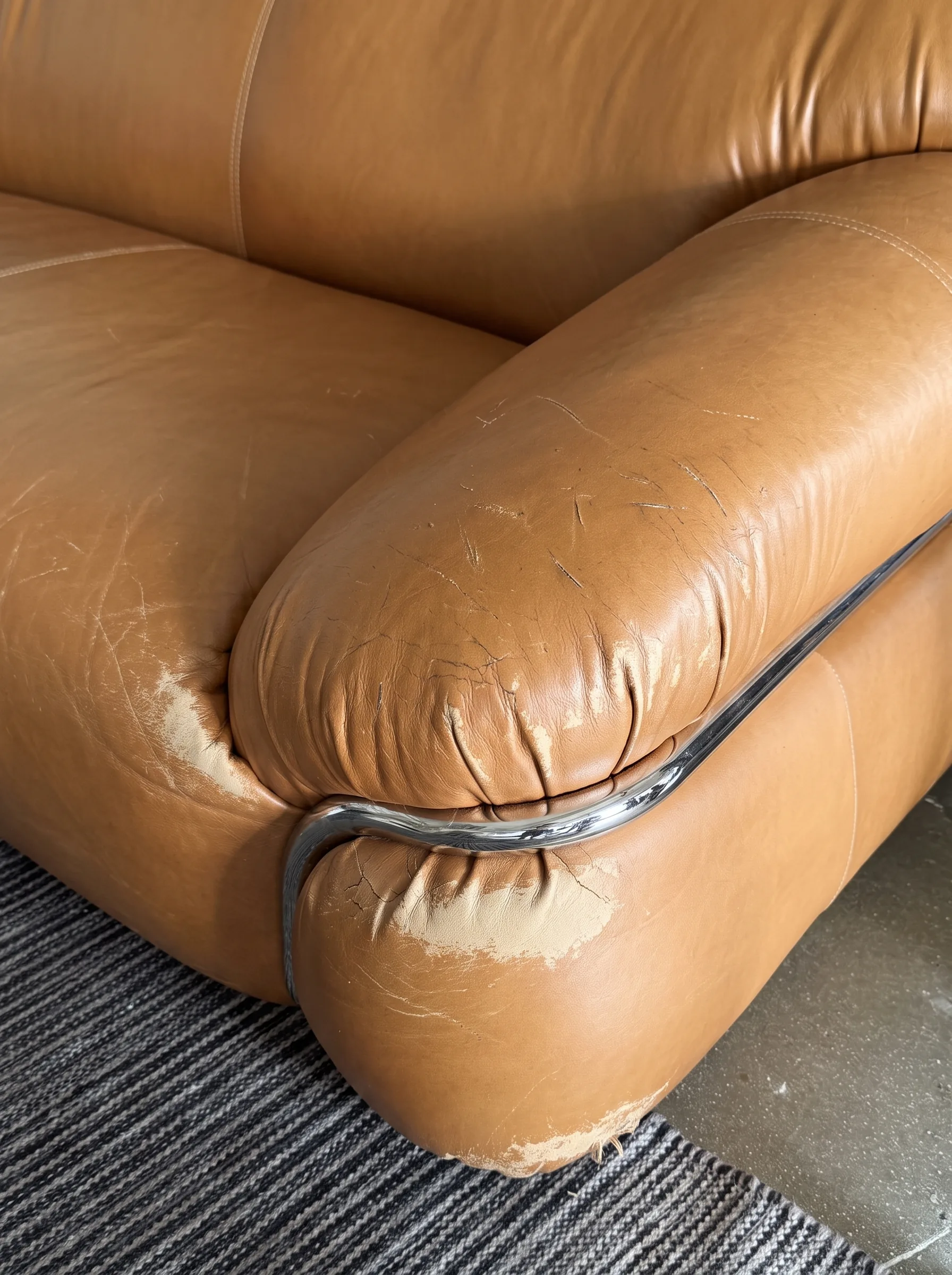
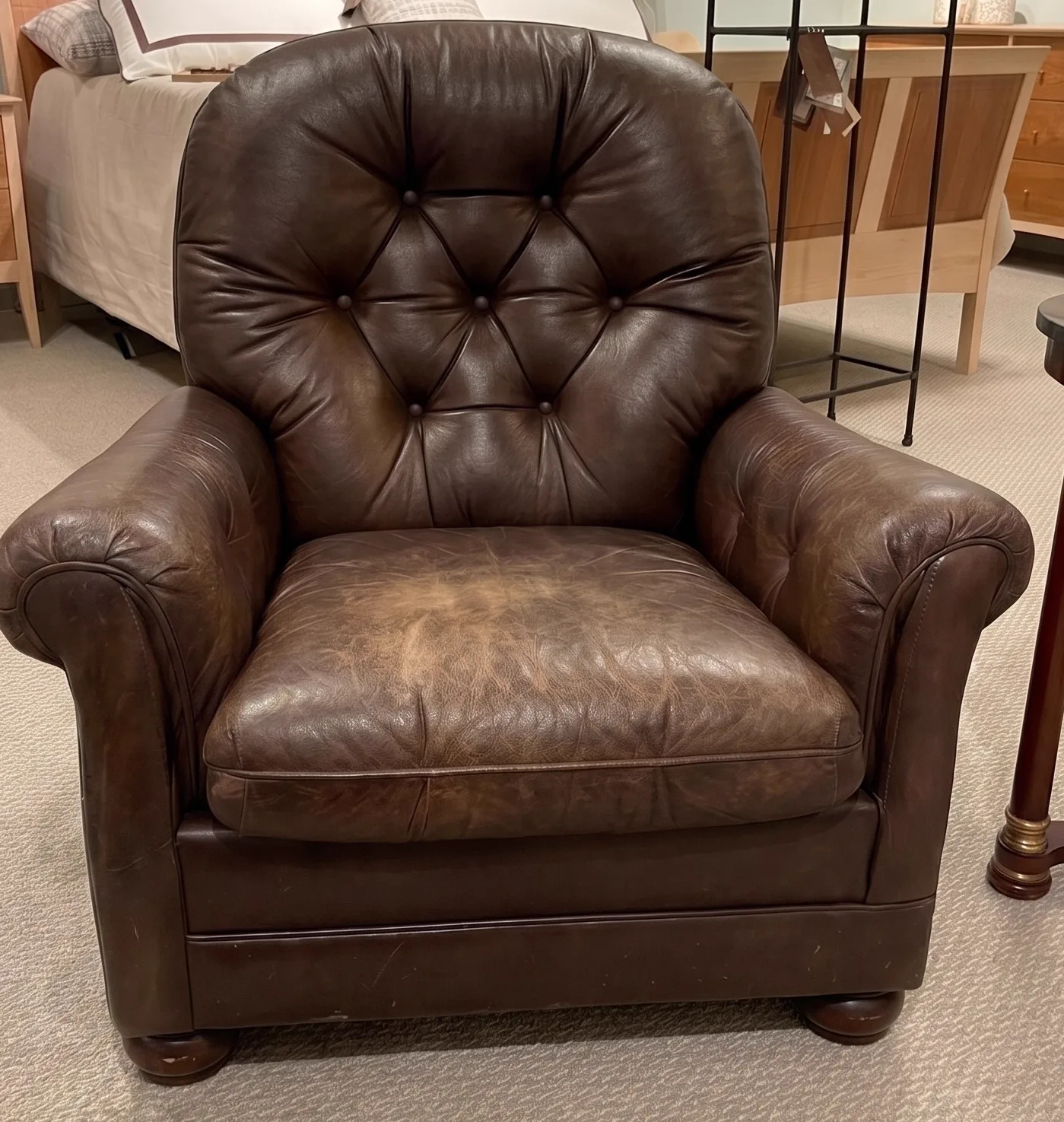
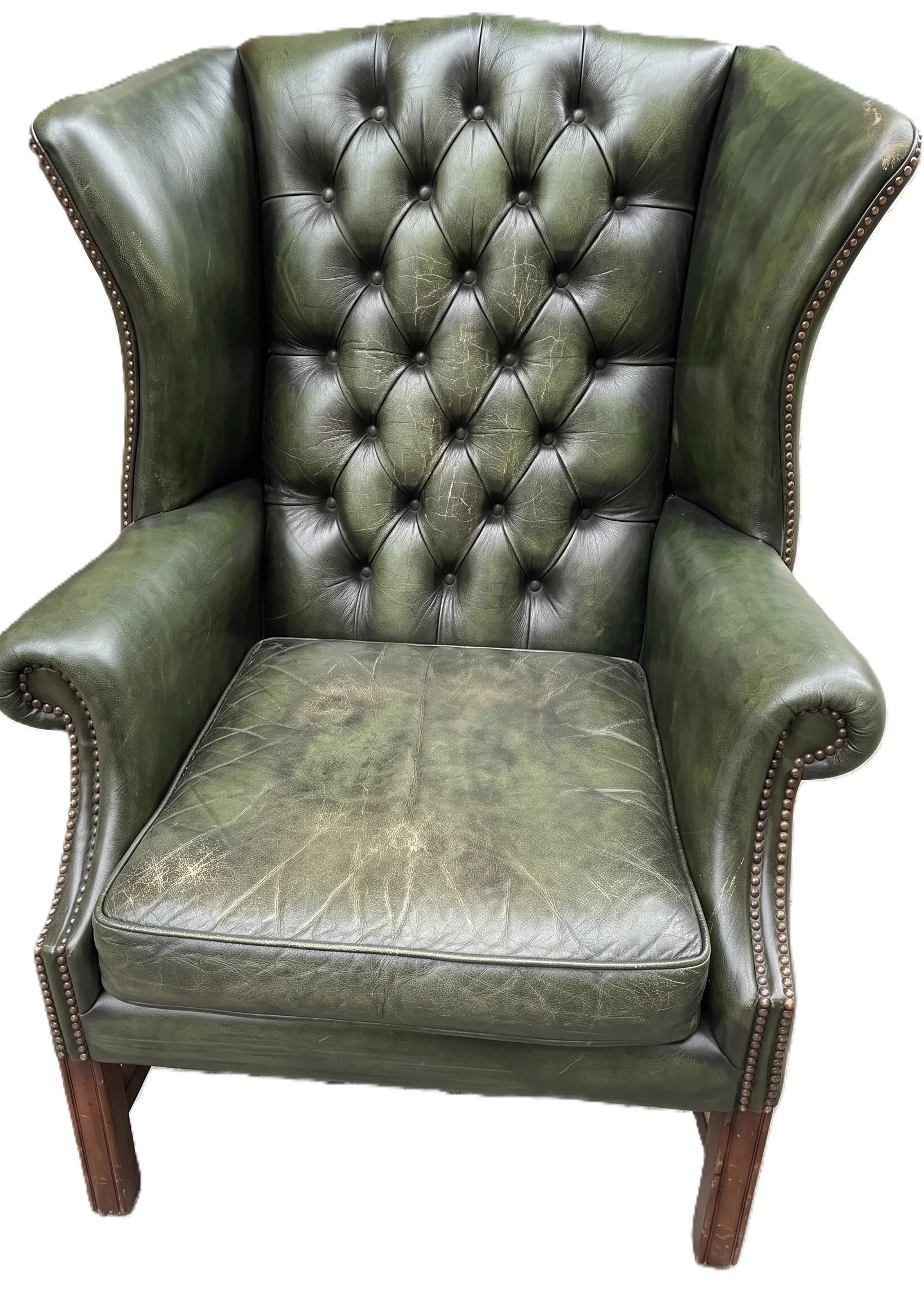
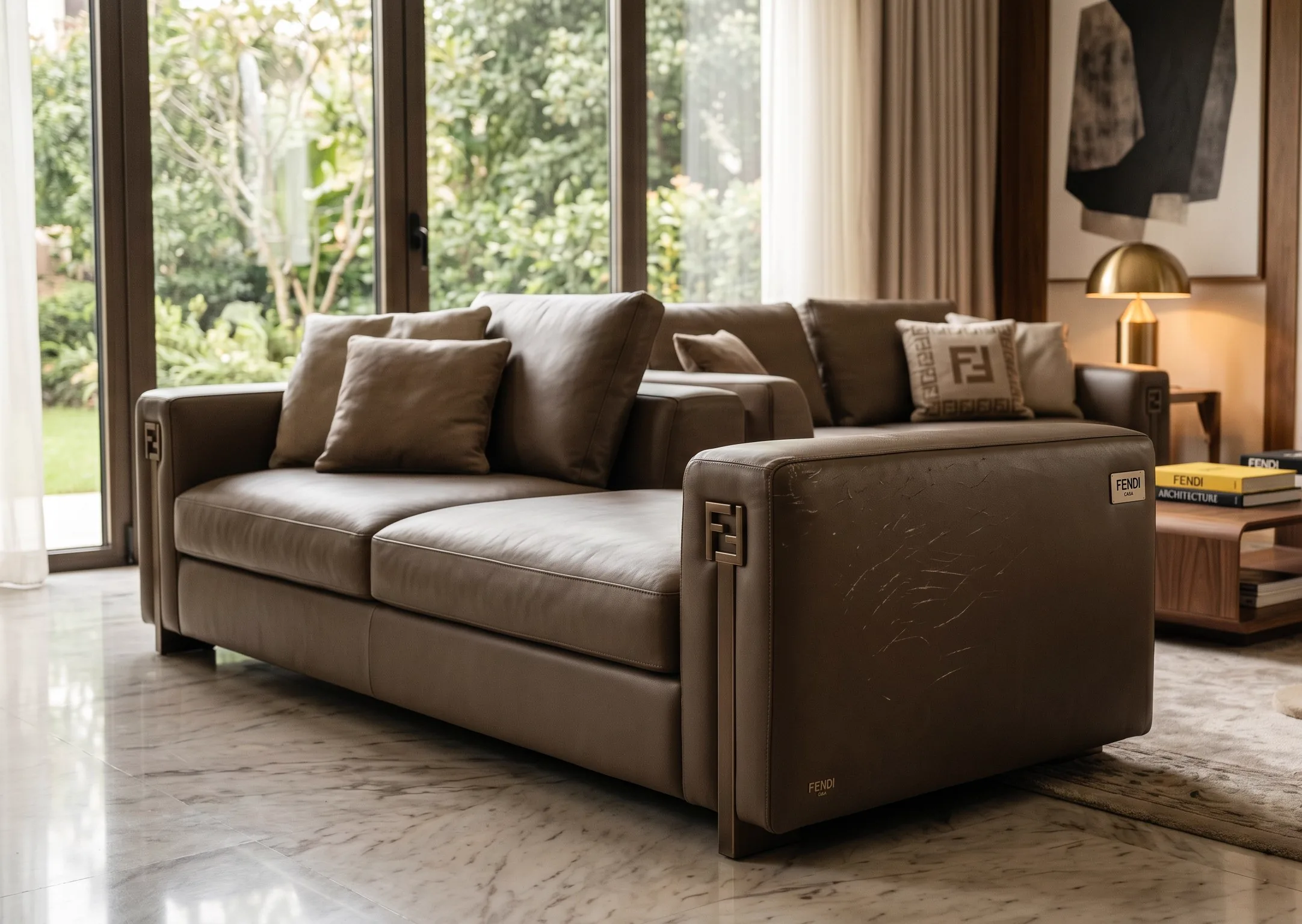
Surface scratch marks (the nail dragged across the surface but has not penetrated through the full leather layer) on pigmented leather respond well to professional restoration. The scratch channel is filled with a flexible leather filler, dried, and the area is re-pigmented with colour matched to the surrounding leather. At normal viewing distance, the scratch is not visible. Under raking light, it may still be detectable. This is the realistic repair outcome - significantly improved, not invisible under all conditions. For a closer look at how deep claw marks are rebuilt on premium hides, see our walkthrough on removing cat scratches from a high-end leather sofa.
On aniline leather, scratch repair is more complex because the dye must be precisely matched and the open grain is less forgiving. Scratches on aniline that have removed dye from the exposed area require professional dye application and blending. The result is good but requires more skilled colour-matching work than pigmented leather repair. The leather repair service covers both types, and our pet damage leather sofa repair takes on claw marks, chewed corners and set-in urine in a single visit rather than as separate jobs.
The scratch depth test: Run a finger lightly across the scratch. If the surface of the scratch feels smooth (the nail has compressed the leather grain without removing material), this is a light surface scratch - sometimes simply burnishing with a warm finger repeatedly will cause the grain to close and the scratch to become much less visible on pigmented leather. If the scratch feels rough or raised at the edges, material has been removed and filler treatment is needed. If you can see white fibre material in the scratch channel, the scratch has penetrated the full leather thickness and is a deeper repair.
Dog-Related Damage: Specific Issues
Claw marks from jumping on and off
Dogs jumping on leather sofas create clusters of fine parallel scratches at the landing and launch points - typically the front edge of seat cushions and the armrests where dogs jump up. On pigmented leather, these clusters of fine scratches are addressable with the same filler and re-pigmentation process as cat scratches. Prevention: clip dog claws regularly. Long claws cause significantly more surface damage than short, well-trimmed ones. A monthly claw trim reduces this damage substantially.
Paw soiling and body oil from contact
Dogs in Indian homes, particularly during monsoon when they come in with wet paws and street dust, deposit soiling onto leather that accumulates rapidly. In AC rooms during summer, dogs sweat through their paws and deposit body oil onto the contact surfaces of the sofa. This is the same mechanism as human body oil accumulation on headrests - it causes darkening at the contact zones and eventually embeds in the leather fibre if not cleaned regularly.
For dog households, the cleaning frequency for the contact surfaces (seat cushions, armrests) should be every 6 to 8 weeks with a pH-neutral leather cleaner. Weekly wipe-down with a barely damp microfibre cloth removes surface-level paw soiling before it penetrates. If paw marks have already set in, our guide on how to clean a leather sofa at home covers the safe products and method to lift them. After any monsoon-season contact, wipe paw contact areas immediately - wet, muddy paw prints left on leather for more than an hour begin to penetrate the grain on pigmented leather and are much harder to remove than fresh marks.
Drool and saliva
Dog drool is slightly alkaline. Regular drool contact on the same area (dogs that rest their head on the armrest, for example) has the same effect as repeated mild alkaline cleaner exposure - it gradually disrupts the surface pH of the leather at the contact zone and accelerates fat liquor evaporation there. Wipe drool immediately with a dry cloth when it occurs. The affected zone should be part of the regular cleaning circuit.
Pet Hair on Leather: Removal
Pet hair on leather is primarily a cosmetic issue rather than a leather damage issue - hair does not embed into leather the way it embeds into fabric. It does, however, accumulate at seam lines and around buttons where regular wiping does not reach, and if left for extended periods, the oily components of pet hair transfer to the leather surface and contribute to body-oil darkening.
The most effective removal method for dog and cat hair from leather is a slightly damp rubber glove. Run the gloved hand across the surface in one direction - the hair gathers by static attraction into neat lines that can be picked up. A rubber lint roller (not adhesive tape) is an alternative. Vacuum with a soft brush attachment first to remove loose hair before using the damp method. Do not use standard tape repeatedly on the same leather area - adhesive residue accumulates and can damage the pigment topcoat if left on the surface for extended periods.
Pet Urine on Leather: Immediate Response
Pet urine on leather requires immediate action. The alkaline pH of urine (pH 7 to 8 for dog urine, similar for cats) causes the same damage as alkaline cleaners - it disrupts the leather surface chemistry and accelerates fat liquor loss. Additionally, uric acid crystals form as urine dries and embed in the leather pore structure, creating a persistent odour source that is very difficult to fully remove after the fact.
- Blot immediately - do not rub: Use multiple dry cloths or paper towels to absorb as much urine as possible before any of the below steps. Press firmly and replace cloths as they saturate. Blotting from the edges inward prevents the urine from spreading.
- Apply dilute vinegar solution to neutralise: Mix white vinegar and water 1:1. Apply to a cloth and wipe the affected area. The mild acidity of dilute vinegar neutralises the alkaline urine and begins to break down uric acid crystals. This is one of the rare cases where dilute vinegar is appropriate on leather - its use is justified by the urine alkalinity it is neutralising. Do not use undiluted vinegar and do not leave on the surface for more than 2 minutes.
- Clean with pH-neutral leather cleaner: After the vinegar wipe, apply pH-neutral leather cleaner to remove the vinegar and any residual urine from the surface.
- Condition the affected area: After cleaning and drying, condition the affected zone specifically. Urine exposure accelerates local fat liquor loss. Condition the full panel, not just the stain spot, to maintain uniform fat liquor levels.
- If odour persists after drying: The urine has penetrated to the foam beneath the leather. Surface treatment cannot reach the odour source in the foam. Professional enzyme-based extraction cleaning is needed to break down the uric acid in the foam substrate and eliminate the odour at source. This is a professional-only treatment - home enzyme sprays do not have the concentration or penetration needed for foam-embedded urine.
Maintenance Schedule for Pet Households
Pet households require a more frequent maintenance schedule than pet-free homes, building on the routines in our broader leather sofa maintenance guide. The following schedule is calibrated for a household with one or two medium-to-large dogs or cats with regular sofa access:
- Weekly: Vacuum the sofa surface with soft brush attachment to remove hair and loose debris. Wipe contact surfaces (seat cushions, armrests) with a barely damp microfibre cloth to remove paw soiling and surface body oil before it penetrates.
- Every 6 to 8 weeks: Full clean of contact surfaces with pH-neutral leather cleaner. This prevents the soiling cycle that leads to embedded body oil darkening at contact zones.
- Every 4 months: Condition the entire sofa. More frequent than the standard recommendation because pet body oil and the more frequent cleaning create a higher fat liquor depletion rate. Use furniture-grade conditioner appropriate for your leather finish.
- Every 12 to 18 months: Professional deep cleaning. In pet households, body oil accumulation and any hair-embedded soiling at seams and piping needs professional extraction to remove. This also provides a professional conditioning and protector application that extends the interval to the next professional visit.
- Every 3 to 4 months: Apply leather protector spray to the contact surfaces. This creates a harder surface layer that slows scratch penetration and repels surface moisture. Particularly important during monsoon when wet paws are most frequent.
"I will tell customers honestly: if you have dogs or cats and a full aniline sofa, you are going to be in restoration much sooner than you would with a pigmented sofa. Aniline is beautiful but it is not a pet-household material in India. If someone comes to me with an aniline sofa after three years of cat access and limited maintenance, the restoration scope is significant. Pigmented leather in the same scenario, with correct cleaning frequency, looks very different at year three - manageable, a few surface scratches to fill, but structurally fine. Material choice matters as much as the maintenance." - Tyson, Lead Artisan, The Leather Restorators
Home Remedies for Common Pet Damage
The following use items available in every Indian household and pharmacy. They address the most common immediate pet-damage situations safely and effectively.
Warm finger burnishing for light cat scratch marks
Many light cat scratch marks on pigmented leather can be significantly reduced - sometimes almost eliminated - with a simple technique that costs nothing and takes 2 minutes. Rub your fingertip firmly back and forth over the scratch mark, applying moderate pressure, for 30 to 60 seconds. The warmth from friction slightly softens the pigmented topcoat and the pressure helps the compressed grain fibres reset to their original position. You will often see the scratch lines become much less visible within 30 seconds of starting. Follow with the flat of your palm pressed firmly over the area for 10 seconds to set the surface. This works on fresh, light scratches on pigmented leather only - not on aniline leather, not on deep scratches, and not on scratches more than a few days old. But for the fresh light marks from a cat's claw pass, this is a genuinely effective home intervention that takes two minutes and costs nothing.
Rubber glove for dog hair removal (the most effective home method)
A plain rubber glove - the kind used for dish washing, available for Rs 30-50 at any supermarket - is the most effective household tool for removing dog or cat hair from leather. Put it on, dip in water until slightly damp, and run it across the leather surface in one direction. The hair gathers into lines by static attraction. Collect the hair lines and continue across the whole sofa. This method is faster and more effective than lint rollers or tape and causes zero damage to the leather surface. The slightly damp rubber also picks up any surface dust along with the hair. Run a dry cloth over the surface after to remove any moisture traces. A rubber glove is the only hair removal tool for leather that is simultaneously effective, harmless, and free (you almost certainly already own one).
Talcum powder for wet paw prints during monsoon
When a dog comes inside during monsoon with wet, muddy paws and runs across the sofa before you can stop it, the instinct is to wipe immediately with a wet cloth. Resist this. Wiping wet mud smears it across the surface and pushes it into the grain. Instead: let the mud dry fully (30 to 60 minutes). Once completely dry, brush off the dried mud with a clean dry brush or soft cloth - it comes off as a dry powder. Then do a gentle damp wipe with a barely wrung cotton cloth to remove remaining traces. This two-step (let dry, then remove) approach gets more of the soiling off the surface and causes less grain penetration than immediate wet wiping. For stubborn dried soil marks after the dry removal, apply a pinch of talcum powder, leave 5 minutes, brush off, then damp wipe.
Baking soda for pet odour between professional cleans
Sprinkle plain baking soda lightly over the cushion surfaces and leave overnight. Vacuum off thoroughly with a soft brush attachment. Safe on all genuine leather when used dry and fully removed. Neutralises the acidic odour compounds from pet body oil, dander, and drool. For monsoon season when pet odour is intensified by humidity, this weekly overnight treatment keeps the sofa smelling fresh between cleaning sessions. Do not use on wet leather - apply only to a completely dry surface and ensure all baking soda is fully vacuumed off before using the sofa.
The urine emergency kit: what to keep ready
If you have a puppy, elderly dog, or an anxious cat, keep a "urine kit" in the living room cupboard so you can respond within the critical first 2 minutes: (1) a stack of old cotton cloths or paper towels for blotting, (2) a small spray bottle with 1:1 white vinegar and water pre-mixed (shake before use), (3) a separate spray bottle with plain water, (4) a clean dry cloth for final drying. When urine happens: blot all liquid first - 30 to 60 seconds of firm blotting with multiple cloths. Spray the vinegar solution lightly onto a cloth (not directly onto the leather - spray goes on the cloth). Wipe the affected area. Spray plain water on a fresh cloth, wipe to rinse. Dry with the final cloth. Condition the area specifically within 24 hours. The entire response should take under 5 minutes. Having the kit assembled means you act within 2 minutes rather than spending that critical window finding materials - and the first 2 minutes are when the intervention actually works.