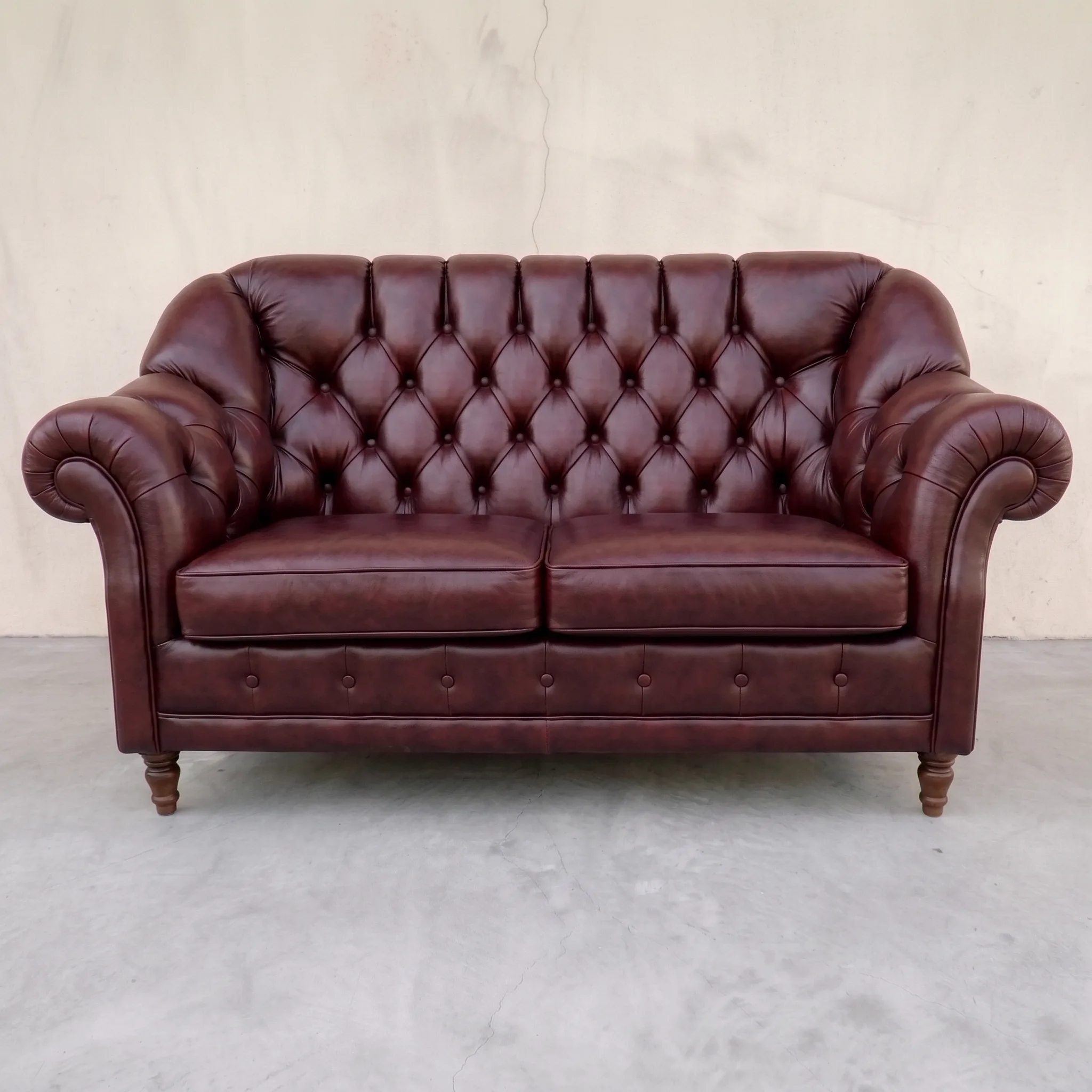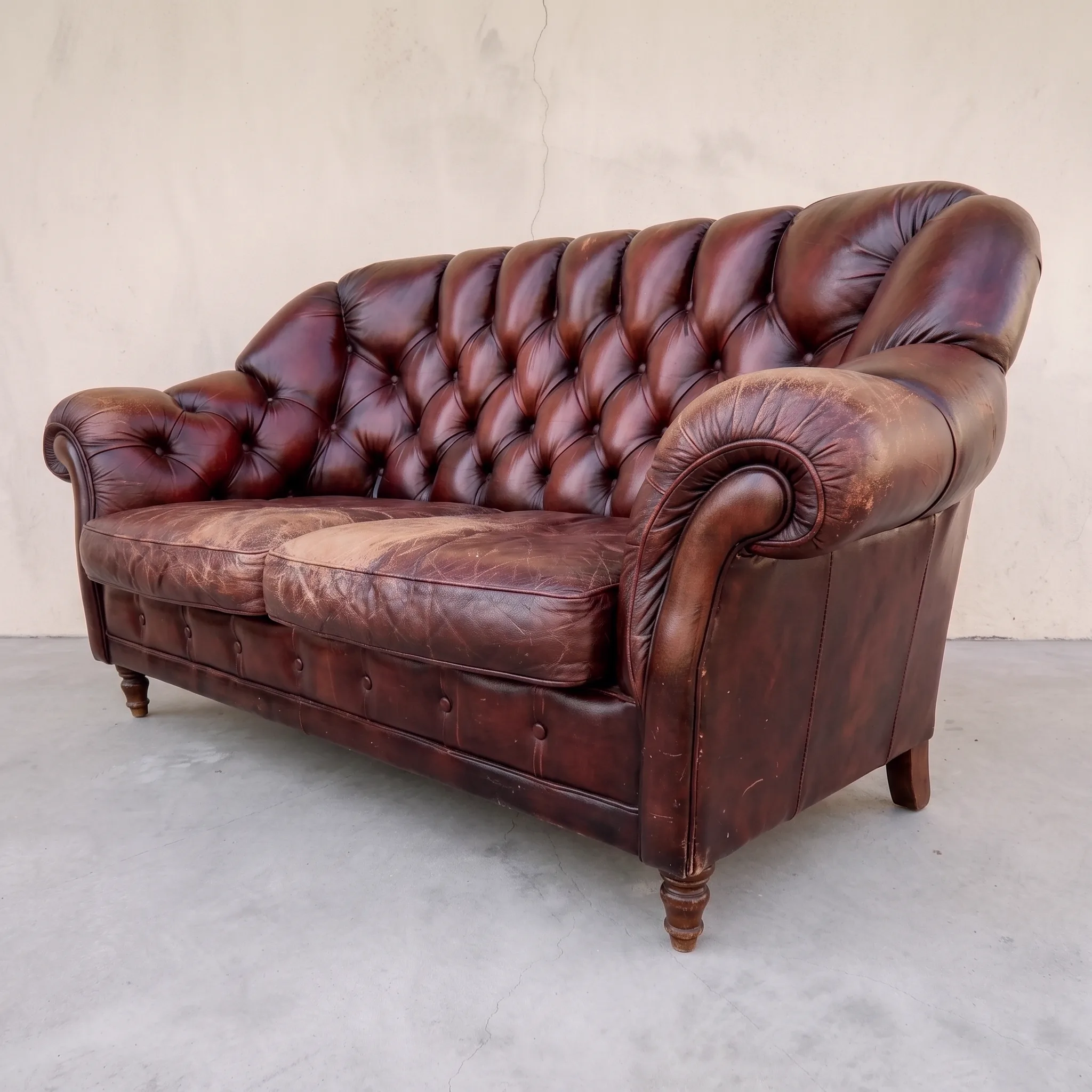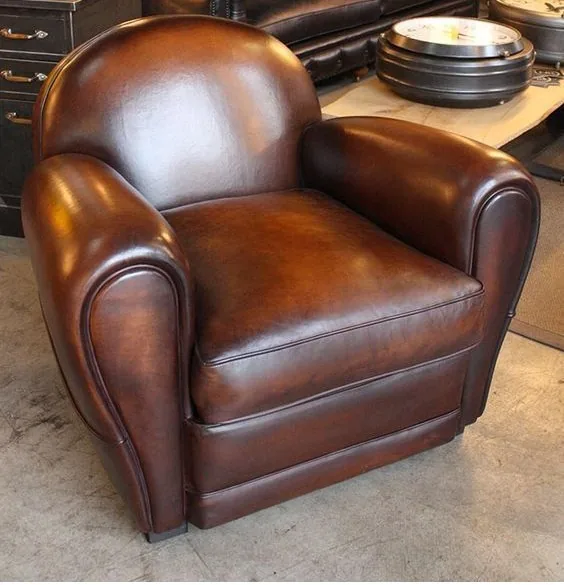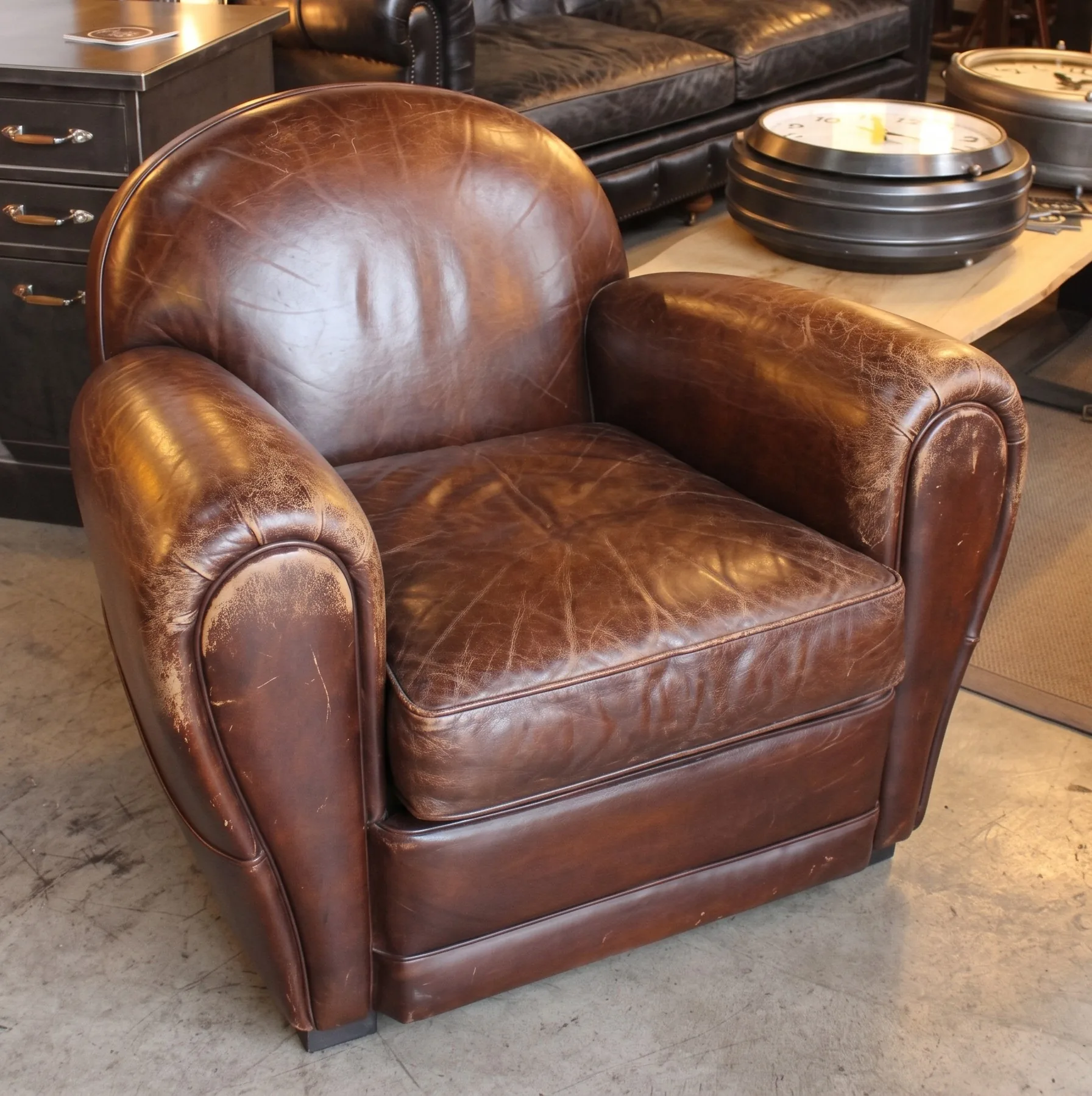
The Indian furniture market uses "leather" as a broadly applied term that can describe full-grain genuine leather at Rs 4 lakhs or bonded leather composite at Rs 60,000 with little disclosure of the difference. Before buying, and before investing in repairs or reupholstery, you need to know what material you are actually dealing with. The six tests in this guide require no equipment other than your hands and a small amount of water, and they can be done at a retailer showroom or on a sofa you already own. Each test has a clear outcome that moves you closer to a definitive material identification.
Understanding why this matters: genuine full-grain or top-grain leather requires conditioning to maintain its lifespan, responds to professional restoration, and can last 20+ years. Bonded leather and PU leatherette have a fixed surface life of 3 to 5 years in Indian conditions, cannot be meaningfully extended through maintenance, and when they peel, the only options are cosmetic patch treatment or reupholstery. The care and repair investment decisions are completely different depending on the material. Getting the identification right is the foundation.
Test 1: The Underside Test
The most reliable single test. Remove a back cushion and examine the inside surface that faces the sofa frame - or lift the sofa and examine the material where it is tucked under the frame base. Any area where the back of the upholstery material is accessible will work.
What you find on genuine leather: The back surface is rough, fibrous, and suede-like. It looks and feels like the inside of a shoe. The fibre structure is visible - a mesh of interlocking protein fibres, slightly irregular. This is the corium, the inner layer of the hide. On high-grade aniline leather, the underside has a particularly open, soft, almost velvety nap. On corrected-grain leather, the underside is smoother but still clearly fibrous and organic.
What you find on bonded leather: The back shows a woven fabric or paper texture - regular, uniform, clearly non-organic. Bonded leather is made on a backing material, and the composite is bonded to this backing. The back surface is the backing, not hide.
What you find on PU leatherette: A plain, clearly woven fabric. No leather smell, no fibrous texture. The material is a fabric substrate with a PU coating on top - and the fabric is exactly what you see on the underside.
Test 2: The Edge Test
Examine the material at any seam edge, cut edge, or the edge visible where cushion covers meet piping. A cross-section view of the material - even if small - is sufficient.
Genuine leather edge: Shows a dense, layered fibre structure. The cross-section looks like compressed felt or very dense cardboard in terms of fibre arrangement - but it is clearly organic protein fibre, not synthetic. On thick full-grain leather, you can see the corium fibres clearly. The edge does not have a distinct "plastic layer on top" appearance.
Bonded leather edge: Shows a distinct layered composite - a thin PU coating on top, a bonded composite layer in the middle (which may have visible leather fibre fragments), and a fabric backing at the bottom. The layering is clear and the PU top layer is identifiable as a smooth, slightly glossy, clearly synthetic film.
PU leatherette edge: A thin PU film over a fabric backing. The two layers are clearly distinct and the PU has no fibre content.
At a showroom: Ask to see the back of a display cushion or the fabric sample book. Any reputable retailer should allow this. If a retailer will not show you the underside or edge of the material, treat this as a warning sign. A retailer confident in the material specification has no reason to restrict inspection.
Test 3: The Smell Test
Genuine leather has a characteristic smell that is immediately recognisable - warm, slightly earthy, organic, and complex. It does not smell chemical, plasticky, or neutral. This smell is produced by the tanning chemicals, the fat liquor, and the organic collagen structure itself. It is present on new leather and persists for years.
PU and bonded leather often have a faint chemical or plasticky smell when new that decreases over time. On older sofas, the smell test is less decisive because the synthetic smell has dissipated. On new sofas or newly reupholstered ones, the smell is a useful quick indicator. The warmth of the material intensifies the smell - place the palm on the surface for 30 seconds and then sniff the area. Genuine leather produces a noticeably more organic smell with warmth.
Note: heavily treated pigmented leathers sometimes have a relatively faint natural smell due to the thick polymer topcoat insulating the organic hide below. Do not rely on smell alone for pigmented leather identification - use it in combination with the underside and edge tests.
Test 4: The Water Drop Test
Apply a single small drop of water (from a fingertip) to a hidden area - the inside of an arm seam, the lower back panel. Observe what happens over 2 minutes.
- Aniline leather: The drop absorbs within 10 to 30 seconds. The absorbed area may darken temporarily (water mark). This is the signature of an open-pore finish with no surface coating. Full aniline is the most absorbent genuine leather finish.
- Semi-aniline leather: The drop beads briefly (15 to 30 seconds) then begins to absorb slowly, spreading slightly as it does. The thin protective coating slows absorption but does not prevent it entirely. The area may show a faint temporary darkening.
- Pigmented genuine leather: The drop beads on the surface for 30 seconds or more before very slowly spreading and beginning to absorb through any micro-defects in the coating. On a well-maintained pigmented surface, the drop may bead for 1 to 2 minutes. This is genuine leather with a protective polymer topcoat.
- PU leatherette and bonded leather: The drop beads and does not absorb at all. After 2 minutes, the drop still sits as a complete sphere on the surface. Wipe away and no mark is left. The PU coating is completely non-absorbent - there is no hide beneath to absorb moisture.
The water drop test is particularly useful for distinguishing aniline and semi-aniline genuine leather from pigmented genuine leather. This matters for care: aniline leather needs conditioners specifically formulated to avoid blotching on bare hide, while pigmented leather tolerates a wider range of conditioning products. The aniline, semi-aniline, and pigmented leather guide covers the full care implications of each finish type.
Test 5: The Grain Pattern Test
Examine the grain pattern closely across a large area of the sofa surface - at least 50cm x 50cm if possible. Use natural or good artificial light.
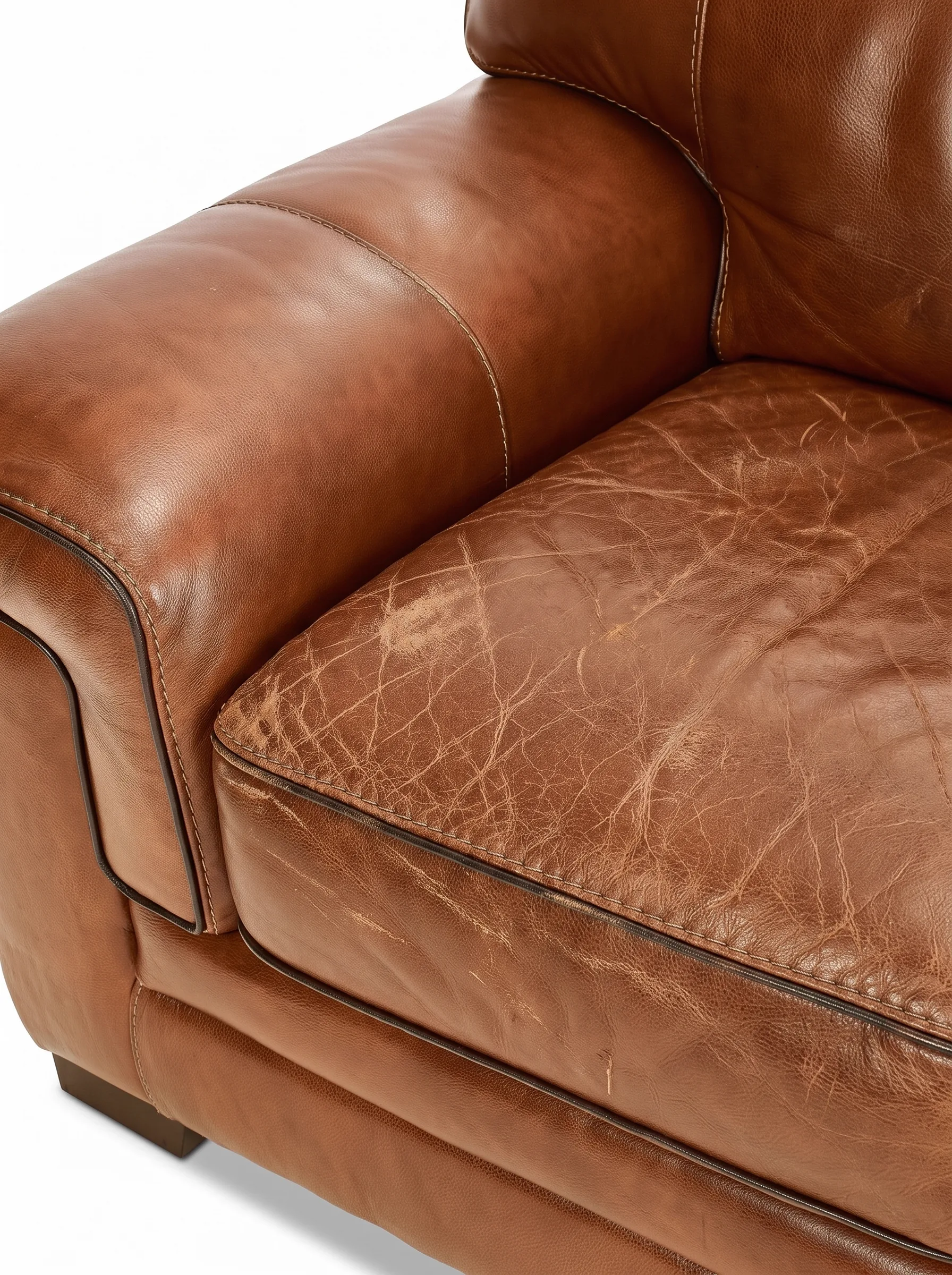
Full-grain and top-grain genuine leather: The grain pattern is irregular and varies continuously across the surface. Pore size, depth, and spacing change subtly from one area to the next. Natural scars, healed scratches, insect marks, and growth marks may be visible - these are features, not flaws, and their presence is strong evidence of genuine hide. No two sections of the same panel look exactly the same at close inspection.
Corrected-grain genuine leather: The natural grain has been buffed off and an embossed grain applied. The embossed pattern does repeat, but because the embossing press is large, the repeat may be hard to detect without careful examination over a large area. The surface will be very uniform in appearance - this is the first indicator of corrected-grain. Under a strong light at a raking angle, the repeating pattern of embossed grain becomes more visible.
Bonded leather and PU leatherette: The grain pattern is uniformly embossed and repeats visibly across the panel. The repeat is typically more frequent than on corrected-grain leather because the embossing roller is smaller. Looking carefully at any two similar-sized areas of the sofa at close range, you will find sections that look identical - the same grain bumps in the same pattern. This identical repetition cannot happen on genuine hide.
Test 6: The Warmth and Flex Test
Place the palm flat on the sofa surface and hold for 30 seconds. Then flex a cushion firmly.
Warmth result on genuine leather: The leather warms to approximately body temperature within 30 seconds and develops a distinctive organic feel under the hand - slightly alive, warm, natural. Remove the hand and the leather slowly cools. Genuine leather is a natural insulator that stores warmth briefly.
Warmth result on PU and bonded: The surface warms more quickly (synthetic materials have lower thermal mass) but feels more uniformly plastic under the hand. The warmth disperses faster when the hand is removed.
Flex result on genuine leather: When you flex a genuine leather cushion, the material wrinkles naturally at the flex point and recovers slowly. The wrinkle behaviour is organic and variable. If the sofa is well-maintained, the flex is silent. If fat liquor-depleted, you may hear a faint crackling that is a maintenance signal (not a structural problem at this stage).
Flex result on bonded and PU: The material may feel stiffer or more uniform in how it flexes. On older bonded leather, flex stress at the same point repeatedly can cause cracking or edge separation at seams - the material has much less flex tolerance than genuine leather collagen fibre.
Reading the Label: What Indian Retailers Say
Indian furniture retail labelling is not standardised. The following terms are commonly used and what they typically mean in practice:
- "Full-grain leather" / "Top-grain leather": These are genuine leather grades with specific meanings. A retailer using these terms correctly is making a verifiable claim. Ask to see the manufacturer's material specification confirming the grade. If the retailer cannot produce it, use the physical tests to verify.
- "Genuine leather": Legally this can apply to bonded leather in India - it contains genuine leather fibre even though the structure is composite. The term is insufficient to confirm full-grain or top-grain status. Use physical tests to verify grade.
- "Premium leather" / "European leather" / "Italian leather feel": Marketing terms with no standardised meaning. Cannot be used to determine material grade. Physical tests are required.
- "Leatherette" / "Rexine": Typically honest labelling for PU or bonded synthetic material. No genuine leather content. The water drop test and underside test will confirm.
- "Half leather" / "Split leather": Split leather (the lower layer of the hide after top-grain is removed) is genuine leather but of lower quality than top-grain. It is often used for the back panels and sides of sofas with full-grain or top-grain on the seat and contact surfaces. This is normal and legitimate practice - it reduces cost while keeping the high-wear areas in premium leather. The label should specify which surfaces are which grade.
"The six tests in this guide are what I use in the first 90 seconds of any sofa assessment. The underside test alone tells me whether I am looking at genuine leather or composite 80% of the time. When customers ask me before they buy, I tell them: do not trust the label, do not trust the salesperson's assurance, and do not trust the price. Do the underside test. A Rs 2 lakh sofa can be bonded leather. A Rs 1.5 lakh sofa from the right manufacturer can be genuine top-grain. Price is not the tell. The back of the cushion is." - Tyson, Lead Artisan, The Leather Restorators
Confirming Your Result: What to Do Next
Once you have run the tests and identified what your sofa is made of, the correct home care approach is completely different depending on the material - and if the tests confirm genuine leather with surface damage, a professional leather sofa repair assessment is the next step. Here is what to do next with what you already have at home.
If it is genuine leather (aniline or semi-aniline): water drop absorbed quickly
Aniline and semi-aniline leather is the most sensitive and the most rewarding to care for. The first thing to do at home: wipe the sofa surface with a barely damp clean cotton cloth - no products, just lukewarm water. This removes surface dust and light soiling without any risk of the alkaline pH damage that household products cause. Wring the cloth extremely well so it leaves almost no visible moisture. Do this weekly. The single biggest home mistake with aniline leather is using anything other than plain water and a properly formulated aniline conditioner. If you have been using household sprays or wet wipes on an aniline sofa and it confirmed as aniline in the water drop test, stop those products immediately - each use is causing cumulative pigment damage.
If it is genuine leather (pigmented): water beads for 30+ seconds
Pigmented leather is more forgiving. At home, the safe cleaning approach is: lukewarm water on a clean cotton cloth, wrung barely damp, in circular motions. For light soiling that the water alone does not shift, a very dilute solution of dish soap (2 drops in 500ml water, well stirred) on a cloth can be used occasionally on pigmented leather - it is less aggressive than household multi-surface sprays and the dilution keeps the pH close to neutral. Wipe with a clean plain-water cloth immediately after to remove all soap residue. This is not a substitute for a proper pH-neutral leather cleaner but it is safer than Colin or Dettol as an occasional interim measure. Always dry with a clean cloth after and keep the sofa away from the AC vent for an hour after any wet cleaning.
If it is bonded leather or PU: water stays as a perfect sphere
No leather conditioner is needed or effective on bonded or PU material - conditioners cannot penetrate the PU coating and are wasted. For routine cleaning, a plain water wipe with a damp cloth is all that is needed and is entirely safe. For soiling, a very dilute dish soap solution (2 drops in 500ml water) wiped with a damp cloth and immediately rinsed with a clean plain-water cloth is effective and safe. The priority maintenance task for a bonded or PU sofa is slowing delamination: keep it out of direct sunlight, reduce AC thermal cycling, and trim any lifted edges with sharp scissors as they appear. None of these cost anything and they meaningfully extend the time before reupholstery or replacement becomes necessary.
Quick reference: the home test kit
Everything needed to run all six identification tests is already in your home: a clean bowl of water, a fingertip (for the water drop), good natural light from a window, your nose, your palm, and a cushion you can remove. The tests take under 5 minutes total. Running them before buying or before investing in any repair work is the most useful 5 minutes you will spend on a leather sofa decision. The six tests replace the need to trust any retailer label, any salesperson's claim, or any price point as a guide to what the material actually is. Where the tests confirm genuine leather and you know who made the piece, our brand-by-brand restoration guides narrow down what that particular hide and finish will need.