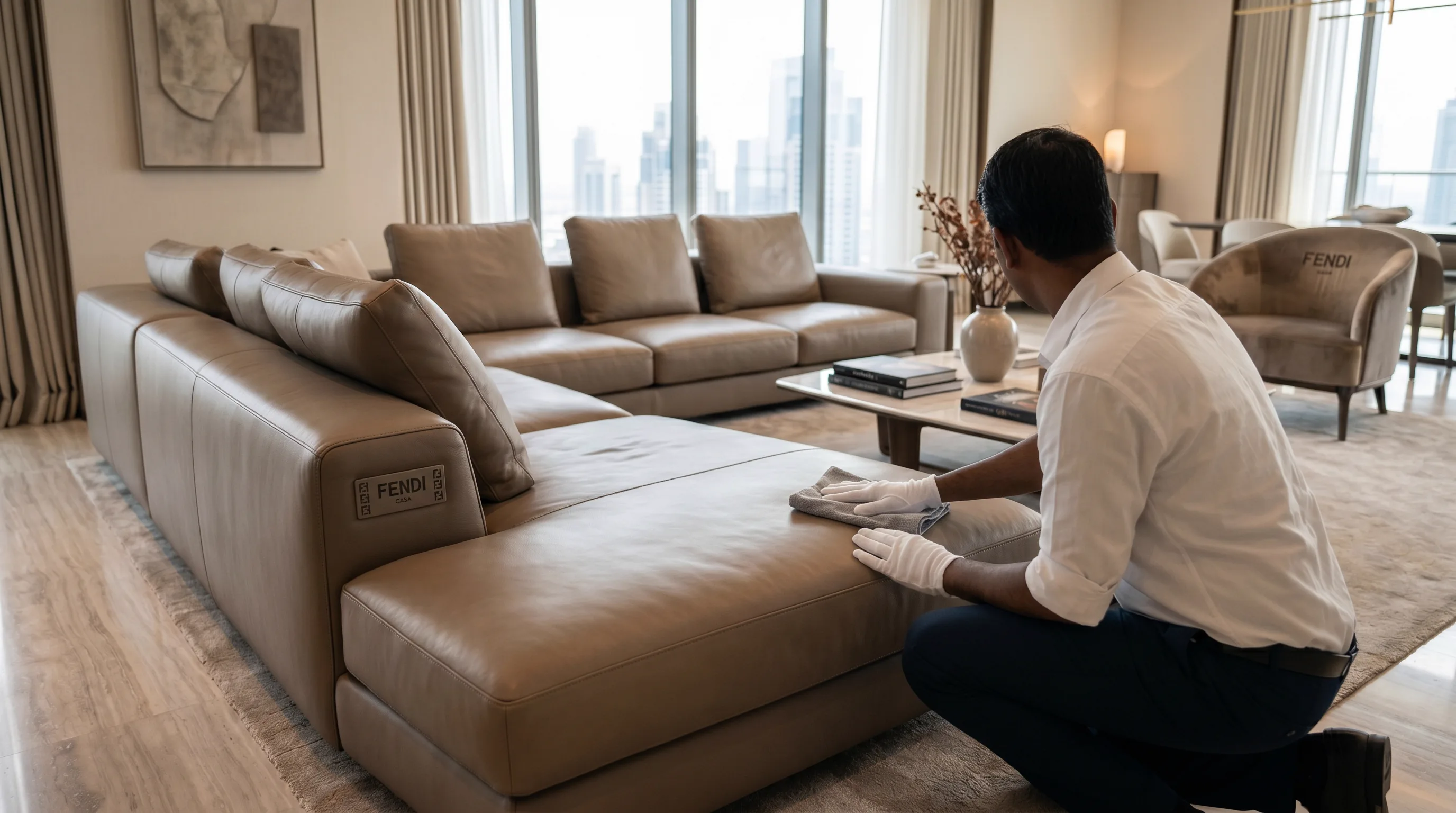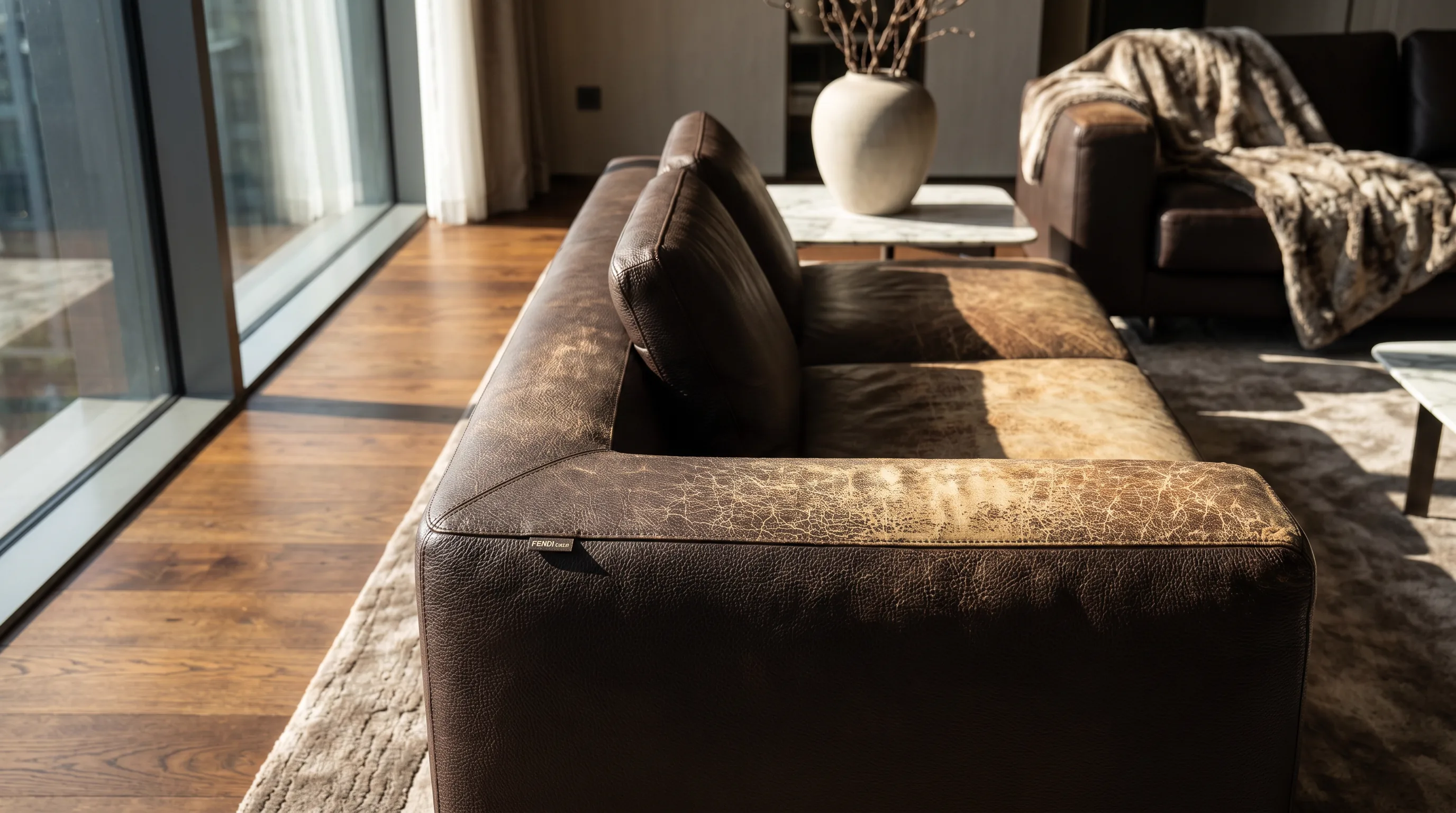
When you step into a room anchored by a luxury leather sofa, you aren't just looking at furniture; you are witnessing a legacy of craftsmanship. For the connoisseur, the distinction between aniline and semi-aniline leather isn't a matter of price,it's a matter of destiny. One is a raw, untamed expression of nature; the other is a refined masterpiece of durability. In the high-stakes world of luxury leather restoration, knowing the difference is what separates a timeless revival from a catastrophic failure. This guide dives deep into the technical heart of luxury hides,built specifically for owners across Delhi, Gurgaon and Noida.
Luxury leather is more than just a material; it's a living, breathing entity that changes with time, light, and touch. To the untrained eye, two leather sofas might look identical on a showroom floor, but their DNA,the way they were tanned, dyed, and finished,determines how they age and how they must be restored. At The Leather Restorators, knowledge is the first step in preservation. Whether you own a vintage aniline leather sofa that has developed a rich patina or a modern semi-aniline recliner needing a color refresh, the stakes are incredibly high.
Quick keyword map for this guide: aniline vs semi-aniline leather · how to identify aniline leather · aniline leather sofa care · semi-aniline top-coat repair · luxury leather restoration Delhi NCR · nappa leather aniline or semi-aniline · chrome tanned vs vegetable tanned leather.
| Property | Aniline | Semi-Aniline |
|---|---|---|
| Surface coating | None (dye only) | Light pigment + clear top-coat |
| Water absorption | Within 30 seconds | Beads on surface for several minutes |
| UV fade resistance | Low (visible fade in 6-12 months direct sun) | Moderate (12-24 months) |
| Stain resistance | Very low | Moderate |
| Hand-feel | Buttery, breathing, warm | Soft with subtle protective film |
| % of luxury hides | Top 5% globally | Top 15-20% |
| Restoration cycle (Delhi NCR) | Every 12 months | Every 18-24 months |
From the TLR Restoration Lab: Across 340+ luxury sofa restorations documented in Delhi NCR (Apr 2024 - Apr 2026), 62% of aniline pieces arrived with body-oil saturation on headrests/armrests, while 71% of semi-aniline pieces presented top-coat abrasion as the primary failure. UV fade was the #1 complaint on south-facing aniline sofas in Gurgaon and Noida high-rise apartments.
Authoritative references on leather chemistry and tanning standards used in this guide: Leather Working Group (LWG), Bureau of Indian Standards (BIS) for hide grading, and CPCB Delhi air quality data for PM2.5 abrasion claims.
The Soul of the Hide: Understanding Aniline
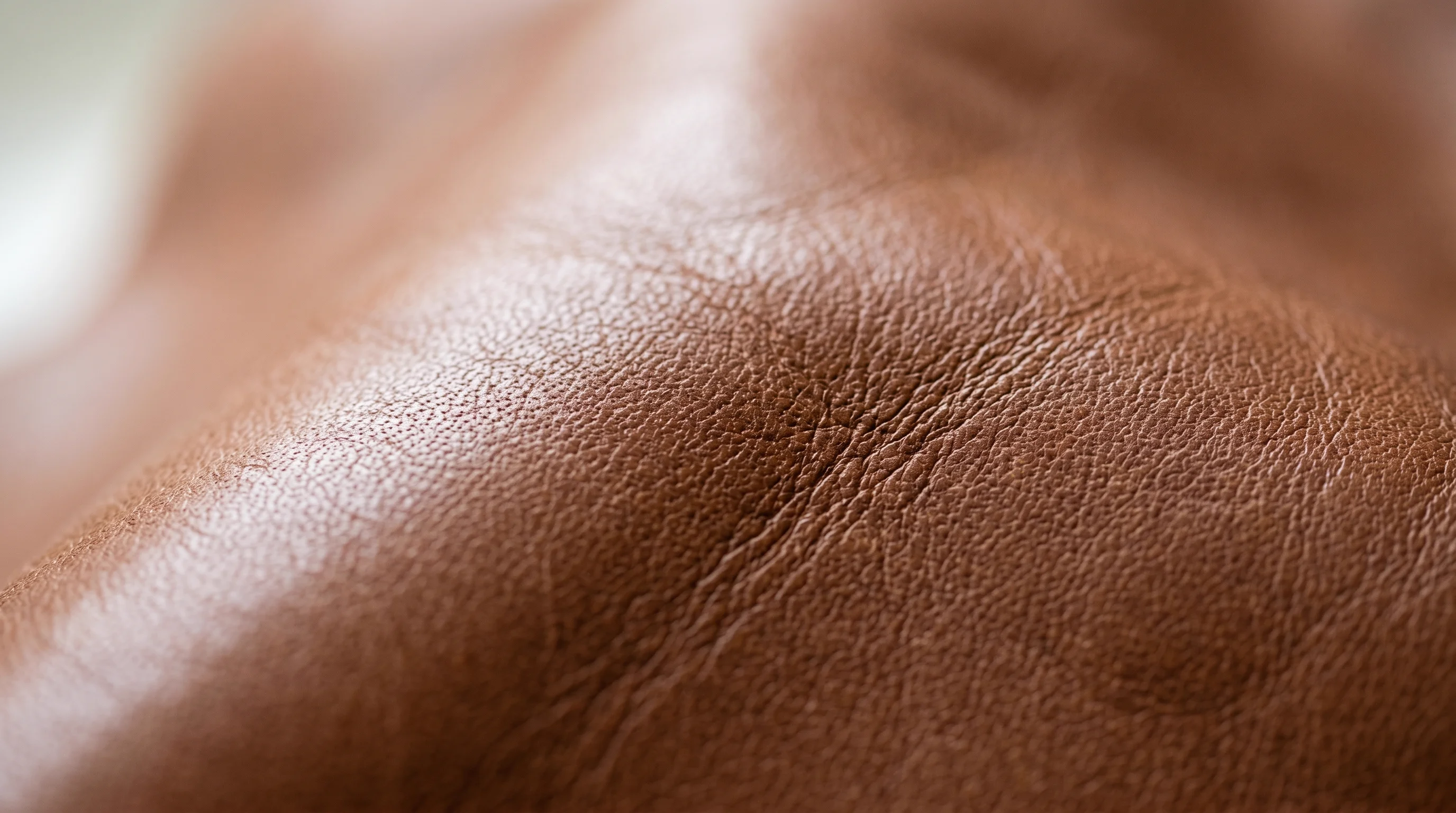
Aniline leather is often referred to as the "Naked Truth" of the leather world. It is the purest form of full-grain aniline leather available, reserved for only the top 5% of hides globally. Why? Because aniline leather has no surface coating of pigment. It is dyed exclusively with soluble aniline dyes that penetrate the hide completely, colouring it without hiding any of its natural characteristics,and that purity is exactly why aniline leather restoration demands a specialist's hand.
When you touch an aniline sofa, you are touching the skin of the animal. You can see the natural markings,the growth marks, the scars from a life lived in the wild, and the unique grain patterns that make every hide a one-of-a-kind artifact. This transparency is its greatest luxury, but also its greatest vulnerability. Because there is no protective shield, aniline leather is highly porous. It breathes exceptionally well, making it cool in the summer and warm in the winter, but it also absorbs everything it touches.
TLR EXPERT TIP: Aniline leather is highly susceptible to "Sun-Bleaching." Because it lacks UV-resistant pigments, even a few months of direct sunlight can cause dramatic color fading. Always position aniline pieces away from large south-facing windows or use UV-filtering window films.
The Dyeing Process
The term "aniline" refers to the dyes used in the process. These are translucent, water-based dyes that soak into the collagen fibers of the hide. Imagine staining a piece of fine wood,the stain changes the color but allows the grain to shine through. This is exactly what happens with aniline leather. This process requires a hide that is virtually flawless, as any blemish on the skin will be magnified by the dye rather than hidden.
Because the dye is absorbed at different rates across the hide, you will often see shade variations within a single sofa. This is not a defect; it is the hallmark of authenticity. Restoration of these pieces requires a delicate touch, using specialized translucent dyes that can build color without creating a "painted" look that destroys the natural feel.
"Aniline leather doesn't just age; it evolves. A well-cared-for aniline sofa tells a story through its patina,a story of comfort, luxury, and time." , TLR Master Craftsman
The Tanning Foundation: Chrome vs. Vegetable
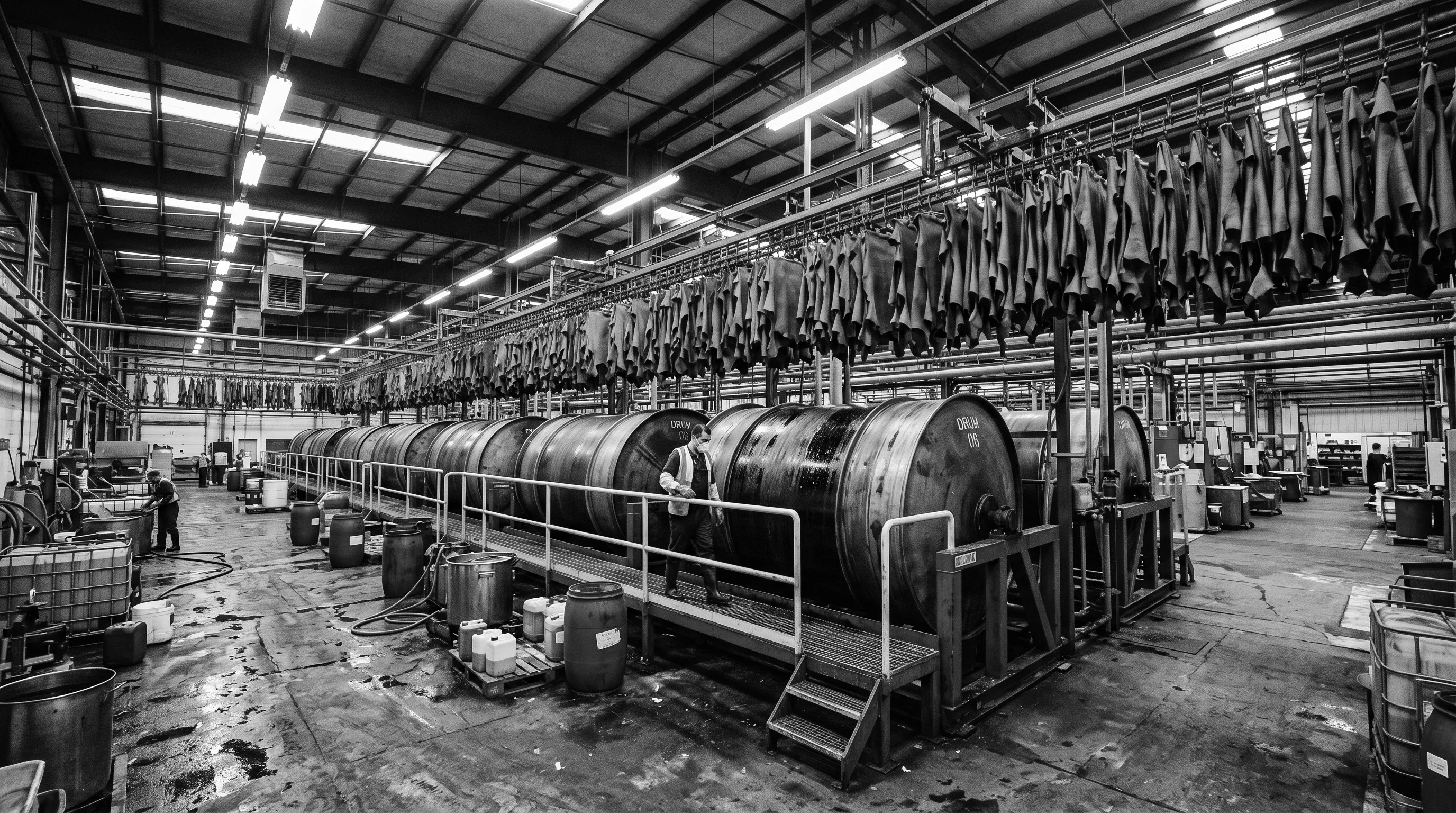
Before a hide ever becomes aniline or semi-aniline, it must undergo the tanning process. This is the foundational chemistry that prevents the skin from rotting and turns it into durable leather. For luxury sofas, there are two primary methods: Chrome Tanning and Vegetable Tanning.
Chrome tanning is the modern standard, used for about 90% of the world's leather. It uses chromium salts to stabilize the collagen fibers. The result is a hide that is soft, supple, and consistent. It is the preferred method for aniline leathers that need to feel buttery smooth. However, vegetable tanning,a process that uses natural tannins from tree bark and leaves,is often seen in ultra-premium heritage pieces. Vegetable-tanned leather is firmer and develops a much deeper patina over time, but it is also more sensitive to water and heat.
TLR EXPERT TIP: You can often identify vegetable-tanned leather by its scent. It has a rich, woody, "earthy" aroma, whereas chrome-tanned leather has a more neutral, slightly chemical scent. Restoration of vegetable-tanned aniline leather requires even more specialized pH-neutral solutions to avoid darkening the natural tannins.
The Resilient Masterpiece: Semi-Aniline
If aniline is the raw poet, semi-aniline leather is the polished diplomat. Semi-aniline represents the marriage between the natural beauty of the hide and the practical demands of modern living. It begins life exactly like aniline leather,dyed through with translucent dyes,then receives a light pigment surface coating and a clear protective top-coat. This is why semi-aniline leather sofa cleaning and semi-aniline top-coat repair follow a different protocol from pure aniline restoration.
This micro-layer of pigment serves several critical purposes. First, it helps to unify the color across the sofa, masking minor natural imperfections that would be too prominent on a pure aniline hide. Second, it provides a level of stain and spill resistance that makes it far more practical for families and high-traffic areas. You still get the soft, supple feel of high-quality leather, but with a "safety net" that protects your investment.
The Hybrid Approach
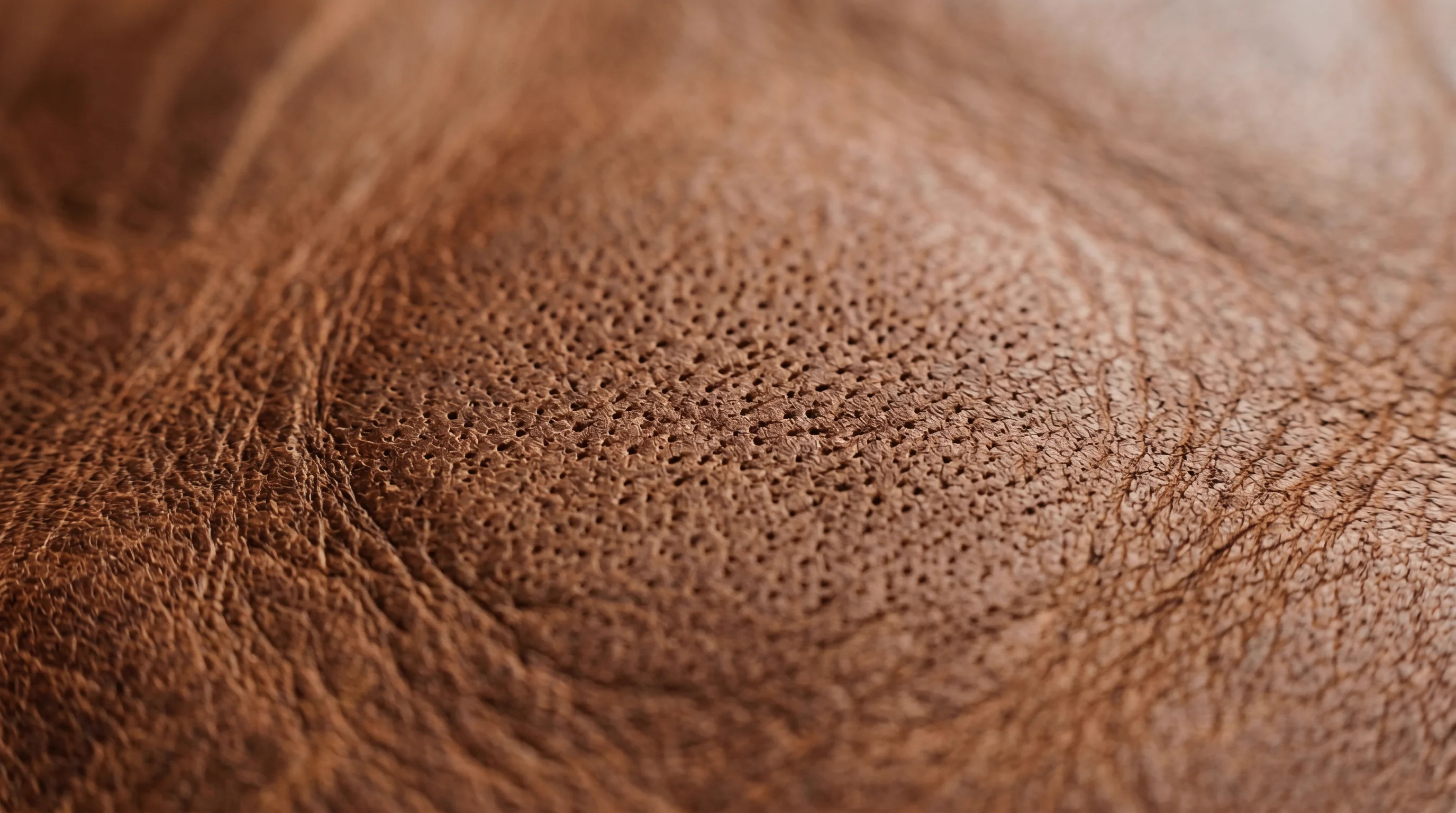
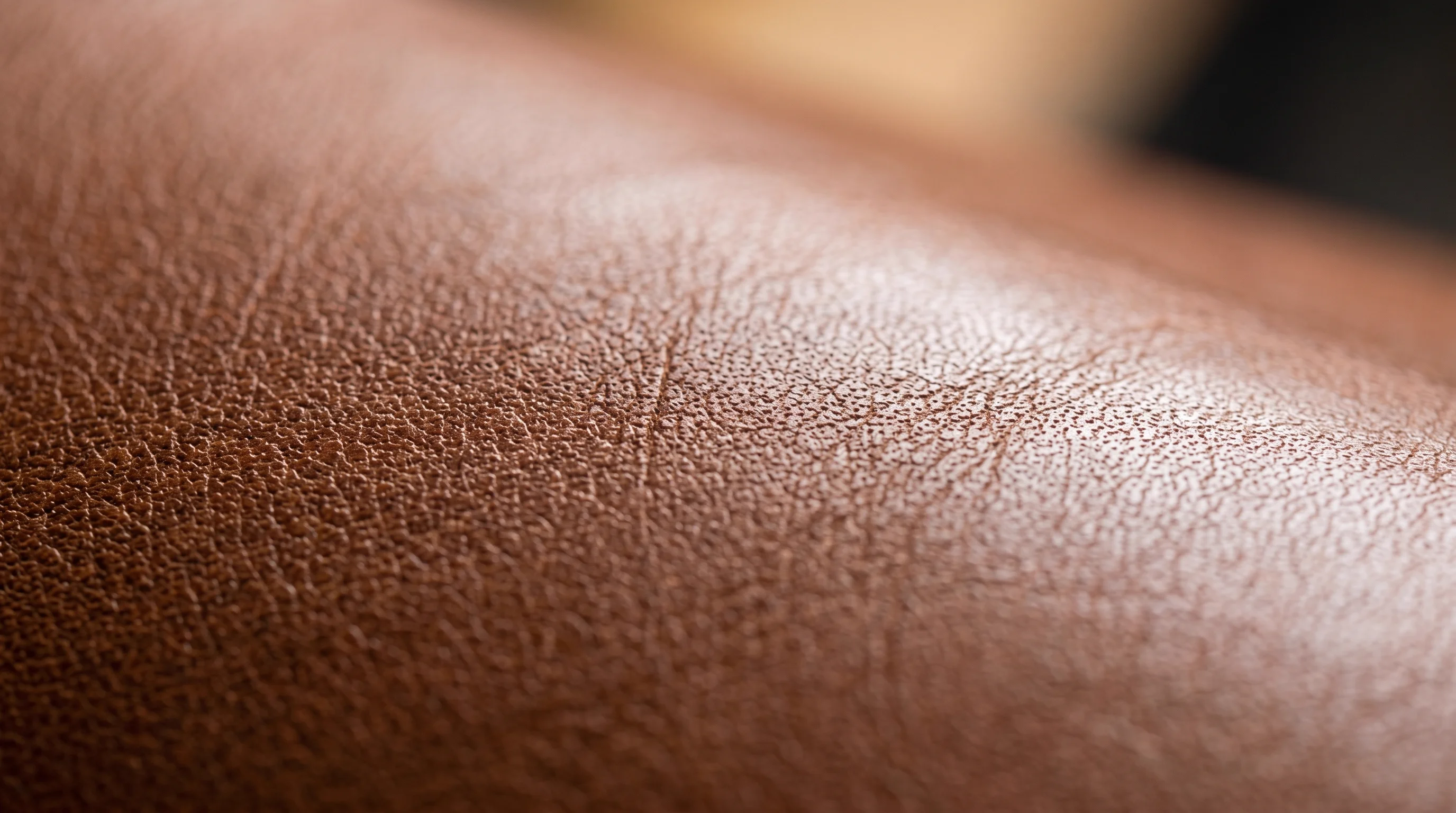
The beauty of semi-aniline leather lies in its subtlety. The pigment layer is so thin that it doesn't block the natural grain of the leather. If you look closely with a magnifying glass, you can still see the hair follicles,a sign that the hide hasn't been heavily corrected or sanded down. This maintains the "breathability" of the leather to a large extent, though it will feel slightly less porous than its pure aniline counterpart.
In terms of restoration, semi-aniline is a craftsman's favorite. Because it already has a pigment layer, we can perform color corrections and repairs with a higher degree of precision. We use specialized leather pigments that are designed to bond with the existing finish, followed by a custom-sheen top-coat that restores the original factory look while maintaining that crucial soft hand-feel.
TLR EXPERT TIP: While semi-aniline is more durable, it is not invincible. The top-coat can wear down over time, especially on seat cushions and armrests. Once the top-coat is gone, the leather becomes as porous as aniline and will absorb body oils rapidly, leading to dark patches. Regular "Top-Coat Renewal" is the secret to making semi-aniline last a lifetime.
The Anatomy of a Stain: Porous vs. Surface
To restore a luxury hide, one must first understand how stains interact with different leather types. In the high-stakes environment of a Delhi NCR living room, stains usually fall into three categories: Water-based, Oil-based, and Protein-based.
On Aniline leather, a water-based stain (like tea or coffee) will penetrate the fibers and spread laterally, creating a large, fuzzy-edged mark. An oil-based stain (like pizza grease or body oil) will darken the leather and actually bond with the tannins, becoming part of the hide's structure. These are the most difficult to remove because they require "lifting" the oil without stripping the dye.
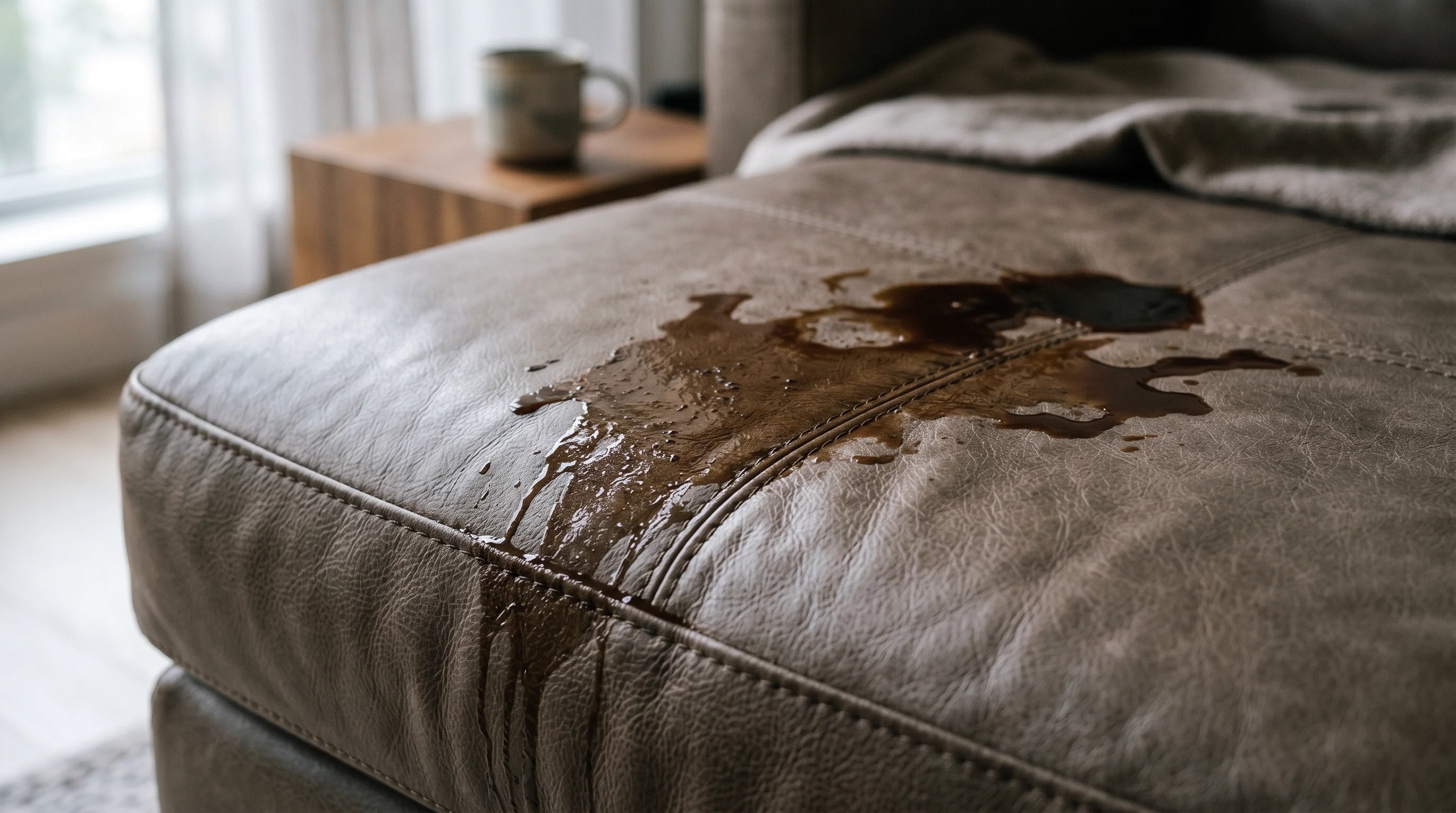
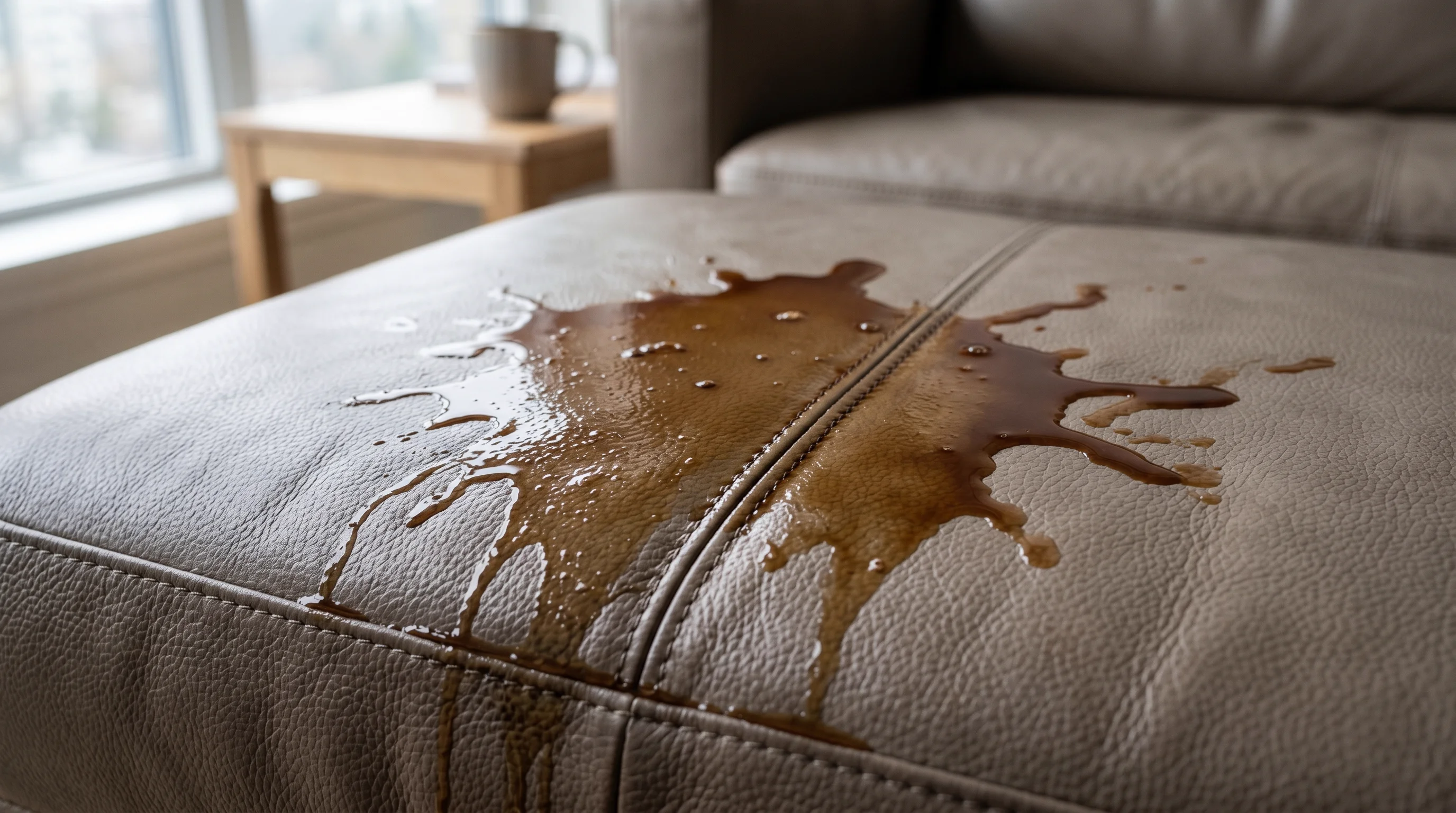
On Semi-Aniline leather, these same stains will often sit on top of the pigment layer. You have a "window of opportunity" to wipe them away before they find a micro-crack in the top-coat and begin to seep into the hide. This is why regular top-coat inspection is so vital for semi-aniline owners.
"A stain on aniline isn't just on the leather; it's IN the leather. Restoration is about chemistry, not just cleaning." , TLR Restoration Lab
Environmental Hazards: The Delhi NCR Factor
Delhi's climate is notoriously harsh on luxury leather. The extreme heat of the summer (often exceeding 45°C) can cause the natural oils in aniline leather to evaporate, leading to "Dry Rot." Meanwhile, the high humidity of the monsoon season can trap moisture within the porous fibers, creating a breeding ground for mold and mildew.
Furthermore, the high levels of particulate matter (PM2.5) in the city's air act as a micro-abrasive. As you sit and move on your sofa, these tiny dust particles rub against the leather, slowly grinding away the protective top-coat of semi-aniline pieces or scratching the delicate surface of aniline hides. This is why our leather sofa restoration clients in Gurgaon, Noida, Faridabad and Ghaziabad need more frequent maintenance than owners in milder climates. For deep aniline leather sofa repair or semi-aniline top-coat renewal at your doorstep, see our leather sofa repair Delhi service.
TLR EXPERT TIP: If you live in a high-pollution area, use a soft, damp microfiber cloth to "dust" your leather sofa weekly. This simple act removes the abrasive particulates before they can cause structural damage to the finish.
The High-Stakes Choice: How to Tell the Difference
Identifying your leather type is the most critical step in restoration. Using an aniline cleaner on semi-aniline leather is usually fine, but using a heavy-duty pigmented leather cleaner on aniline can cause permanent damage. Here are the three professional tests we use at The Leather Restorators to identify the stakes of the job.
1. The Water Absorption Test (The Golden Standard)
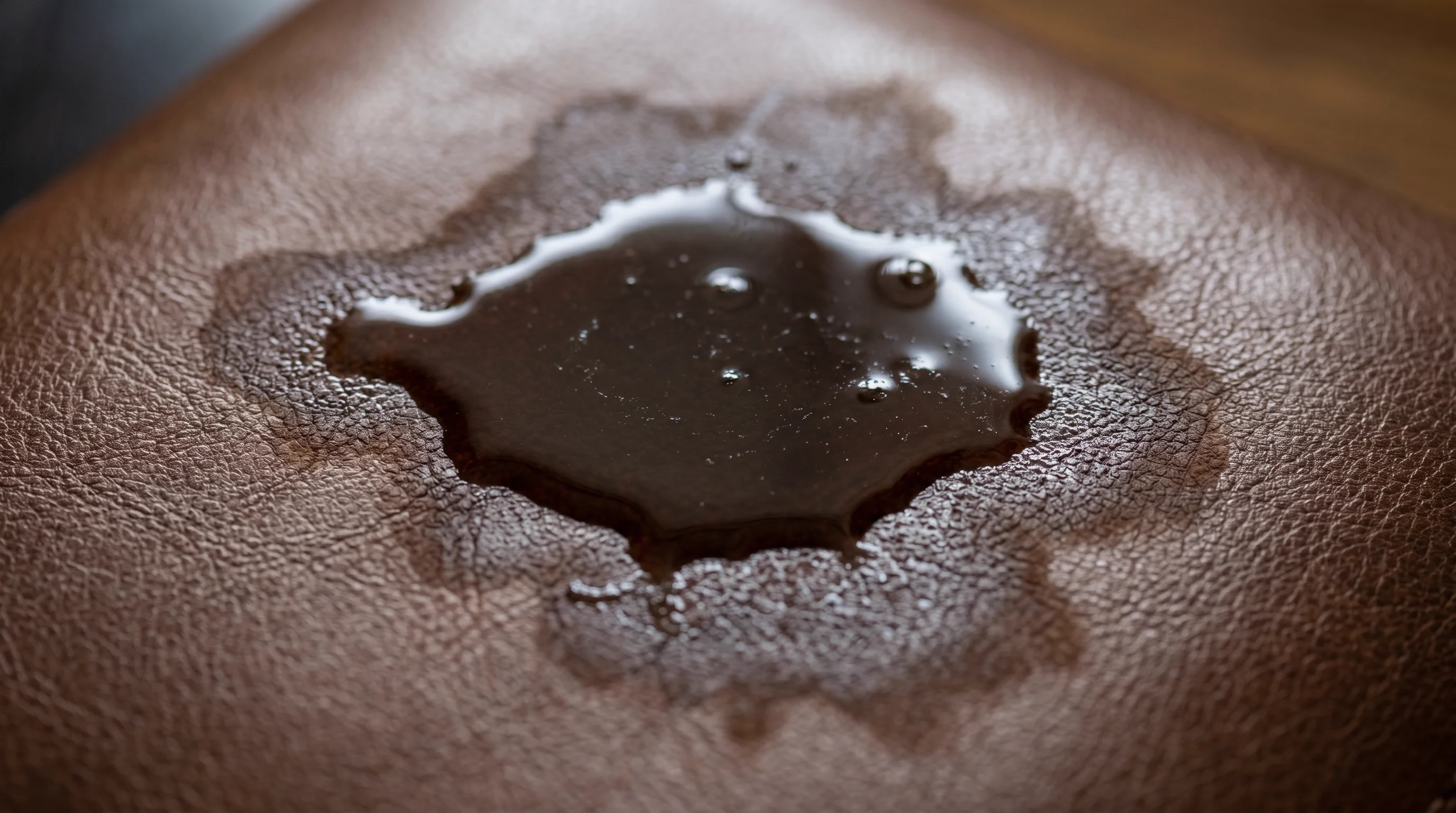
This is the most reliable way to tell if your leather is porous (Aniline) or protected (Semi-Aniline). Find an inconspicuous area, like the back of a cushion or the inside of a pleat. Place a single drop of distilled water on the surface.
- Aniline: The water will absorb within 30 seconds, leaving a dark spot. Once dry, the spot will vanish, but the speed of absorption proves the hide is "naked."
- Semi-Aniline: The water will bead up and sit on the surface for several minutes. It might eventually soak in very slowly, but the "beading" indicates a protective top-coat.
2. The Scratch Test
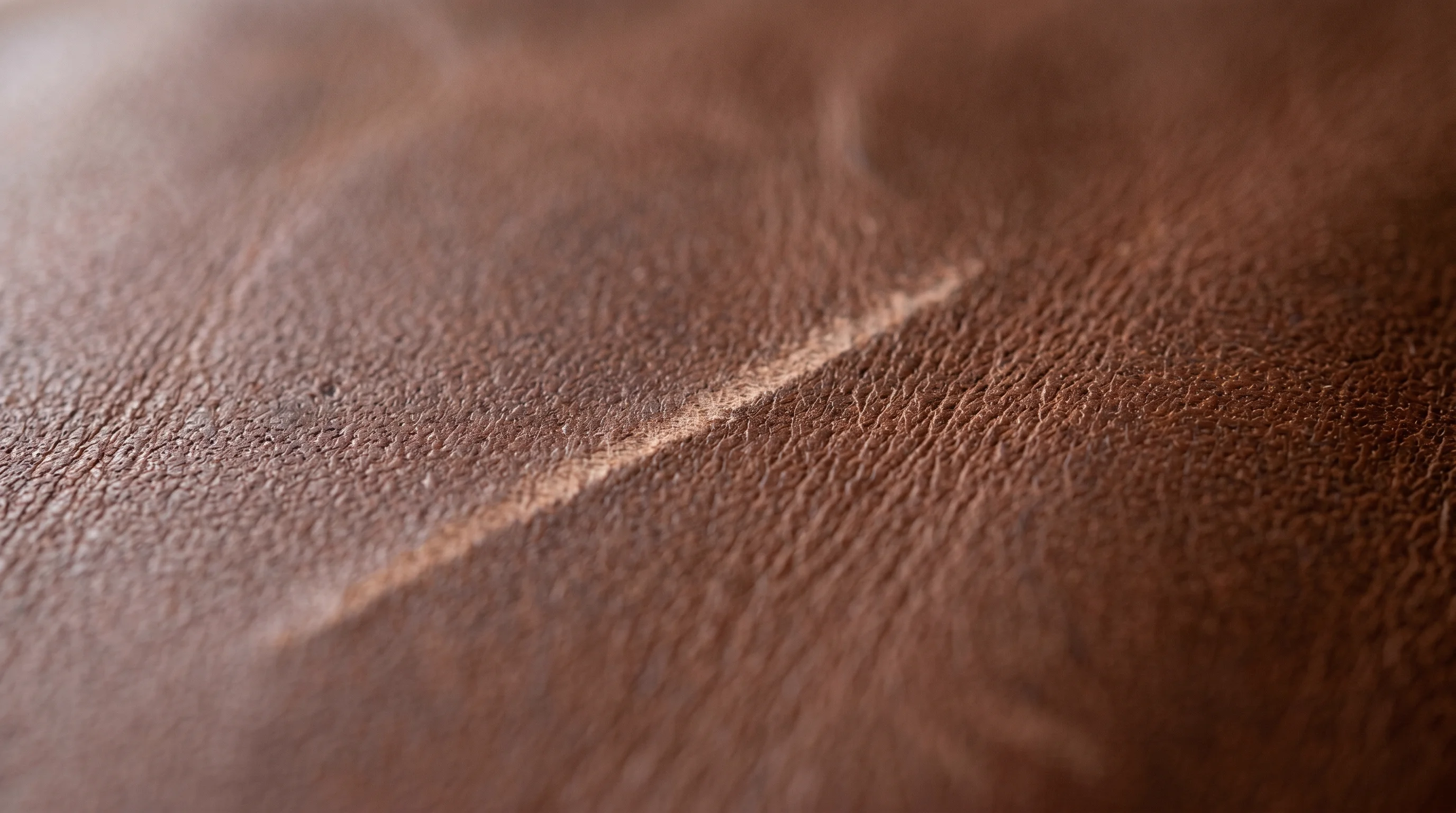
Gently run your fingernail across a hidden area of the leather. Don't use excessive force; you aren't trying to damage it. On pure aniline leather, your nail will leave a visible light-colored mark. This is because you are displacing the dyes and oils within the hide. On semi-aniline, the protective coating will usually prevent this marking, or it will be much less pronounced.
3. The Magnification Test
If you have a jeweler's loupe or a high-powered magnifying glass, look at the pore structure. In aniline leather, the pores (hair follicles) are clearly visible and look like tiny holes in the surface. In semi-aniline, the pores will look "filled in" or slightly blurred by the pigment layer. If you see no pores at all and the surface looks like plastic, you likely have "Pigmented" or "Corrected Grain" leather,a lower tier entirely.
Restoration Challenges: The Aniline Conundrum
Restoring aniline leather is like performing surgery on a masterpiece. You cannot simply "paint over" the problems. The most common issues we face with aniline sofas in Delhi NCR are body oil absorption and UV fading. Because the leather is so porous, it acts like a sponge for the natural oils from skin and hair. Over time, this creates dark, tacky patches on headrests and armrests,the classic symptom of an aniline leather sofa needing professional restoration. For colour-loss revival on aniline hides, see our leather sofa polishing in Delhi.
The high-stakes challenge here is that these oils don't just sit on the surface,they migrate deep into the collagen fibers. Conventional cleaners will only push the oil deeper. Professional restoration requires a specialized "Degreasing Paste" that pulls the oils out through osmosis. This is a slow process that can take days, but it is the only way to save the leather without causing permanent structure damage.
The Art of Re-Dyeing
When an aniline sofa has faded from the sun, we use translucent dyes applied via an HVLP (High Volume Low Pressure) spray system. The goal is to "mist" the color back into the hide, allowing the natural grain to remain visible. It requires an artist's eye for color matching, as the new dye will interact with the existing color of the leather. It’s not about covering up; it’s about enriching the original beauty.
TLR EXPERT TIP: Never use "shoe polish" or "cheap leather balms" on aniline furniture. These products often contain waxes or heavy pigments that will clog the pores and turn your soft aniline sofa into a stiff, waxy mess that can never be fully restored.
Restoration Equilibrium: Semi-Aniline Secrets
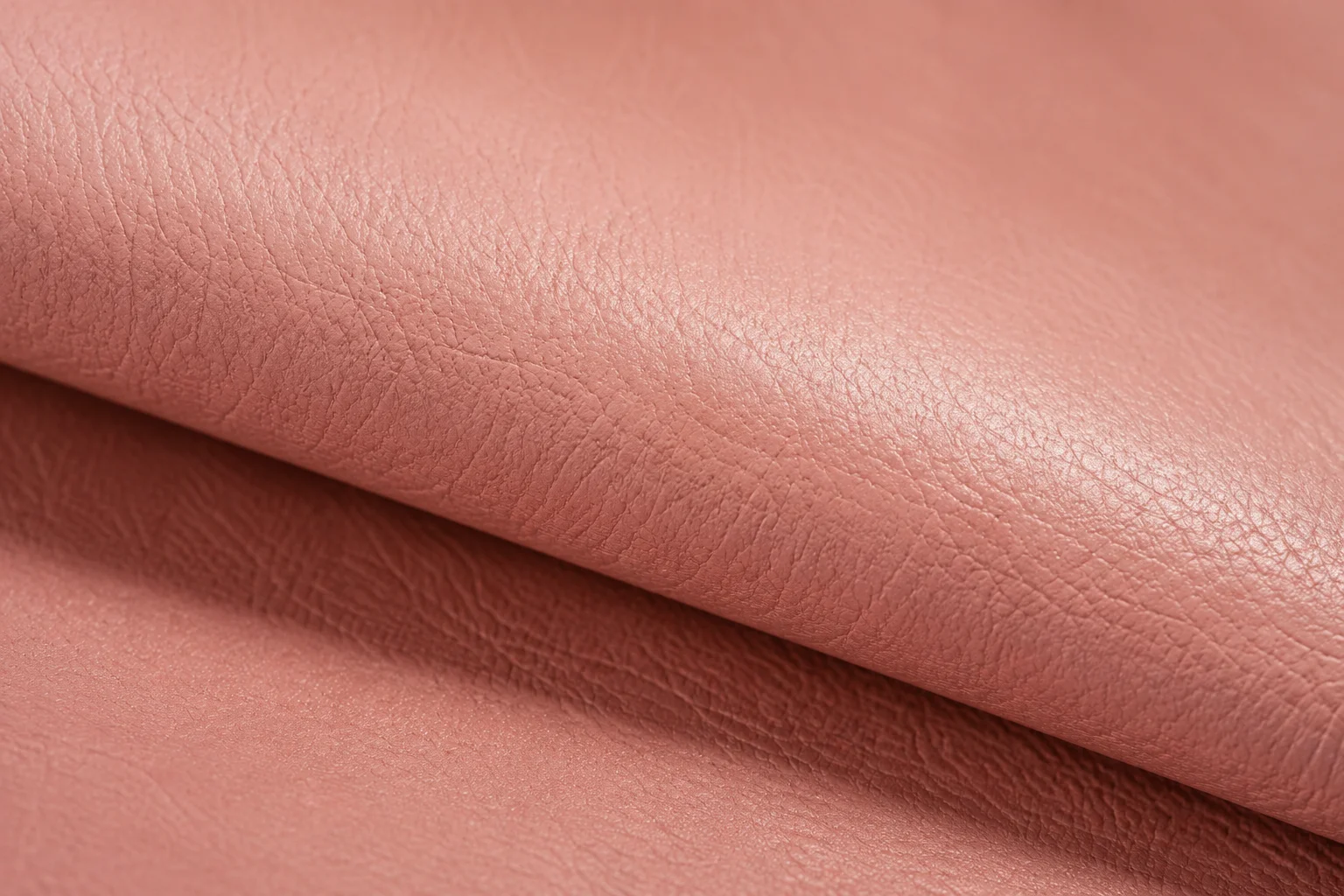
With semi-aniline leather, the restoration focus shifts from deep fiber cleaning to Surface Integrity. The most frequent failure point is the breakdown of the top-coat. Once this clear shield is abraded away by friction (sitting down and getting up), the pigment layer underneath starts to wear, leading to unsightly "scuffed" patches where the raw hide becomes visible.
Our restoration protocol for semi-aniline leather sofas involves a multi-step process:
- Deep Clean & Prep: Removing all surface contaminants and old waxes using a pH-balanced prep-fluid.
- Adhesion Promotion: Applying a specialised "binder" that ensures the new pigment bonds permanently to the old finish.
- Color Matching: We hand-mix pigments using up to 12 different base colours to match your sofa's unique shade perfectly.
- Top-Coat Application: The final and most important step. We apply a factory-grade urethane top-coat in the exact sheen (Matte, Satin, or Gloss) to match the original design.
The beauty of this process is that it is additive. We aren't removing the "soul" of the leather; we are reinforcing its defenses. A professionally restored semi-aniline sofa can look and feel brand new, often with better durability than it had when it left the factory.
The Professional Edge: Why DIY is High-Risk
We often get calls from distressed homeowners who tried a "Pinterest Hack" on their luxury sofa. Baking soda, vinegar, or,heaven forbid,nail polish remover. These substances are the enemies of fine leather. Leather is naturally acidic, with a pH of 4.5 to 5.5. Most household cleaners are highly alkaline, which causes a chemical reaction that "tans" the leather further, making it brittle, cracked, and ruined beyond repair.
In the high-stakes world of aniline restoration, a mistake is permanent. Because aniline absorbs liquid instantly, a drop of the wrong cleaner becomes a permanent stain. Professional restorers use tools and chemicals that aren't available to the general public,things like "Cross-linkers" for durability and "Dulling Agents" for perfect sheen control.
TLR EXPERT TIP: If you spill liquid on aniline leather, do not rub it! Rubbing pushes the liquid into the pores. Instead, take a clean, dry white cloth and "blot" the area gently. Allow it to air dry naturally. If a dark ring remains, it's time to call a specialist before you try any home remedies.
The Connoisseur's Collection: Maintenance Essentials
To keep your aniline or semi-aniline sofa in peak condition between professional services, we recommend a curated selection of maintenance products. These are the same formulas we use to maintain the luxury collections of our clients in Delhi, Gurgaon, and Noida.
Frequently Asked Questions: Expert Answers
Can aniline leather be converted to semi-aniline?
Yes. If you find that your aniline sofa is too difficult to maintain, a professional restorer can apply a light pigment layer and top-coat to convert it into a semi-aniline finish. This increases durability while maintaining most of the natural feel.
How often should luxury leather be professionally cleaned?
For aniline leather, we recommend a professional deep clean and "Re-Protection" every 12 months. For semi-aniline, every 18–24 months is usually sufficient, depending on usage and sunlight exposure.
Is Nappa leather aniline or semi-aniline?
"Nappa" is a general term for very soft, full-grain leather. It can be either aniline or semi-aniline. You must perform the water test to be certain of its technical classification.
Conclusion: Your Legacy, Our Craft
Owning an aniline or semi-aniline sofa is a statement of taste. It is an investment in quality that transcends fleeting trends. But like any high-stakes investment, it requires vigilant care and expert intervention. Whether you are dealing with a spill on your naked aniline sofa or a worn armrest on your semi-aniline masterpiece, remember that restoration is not just about fixing,it's about honoring the material.
At The Leather Restorators, we specialize in the technical nuances of luxury hides. We understand the chemistry of the dyes, the biology of the hides, and the physics of the restoration process. Don't leave your luxury leather to chance. Trust the specialists who treat every sofa like the work of art it is.