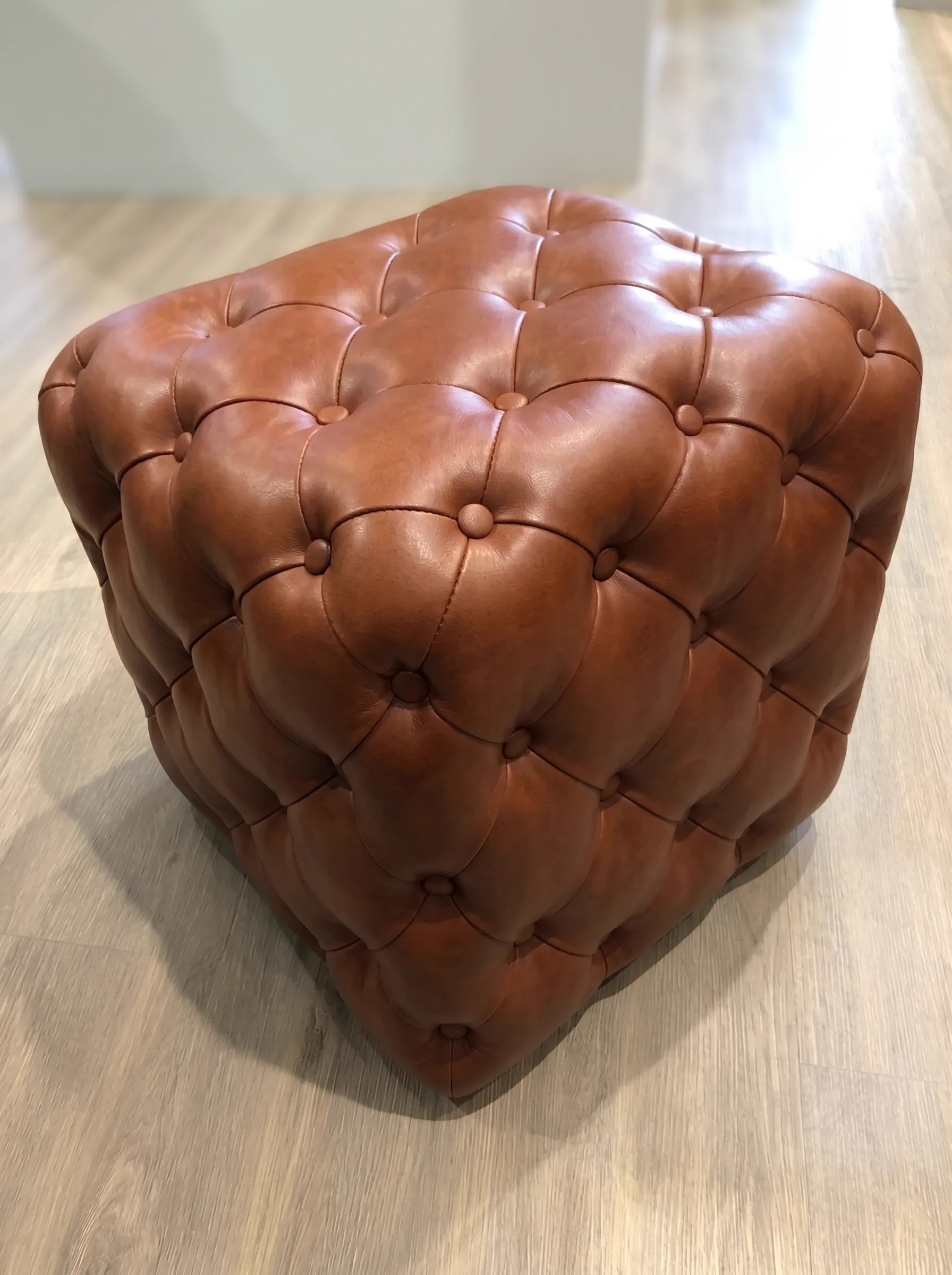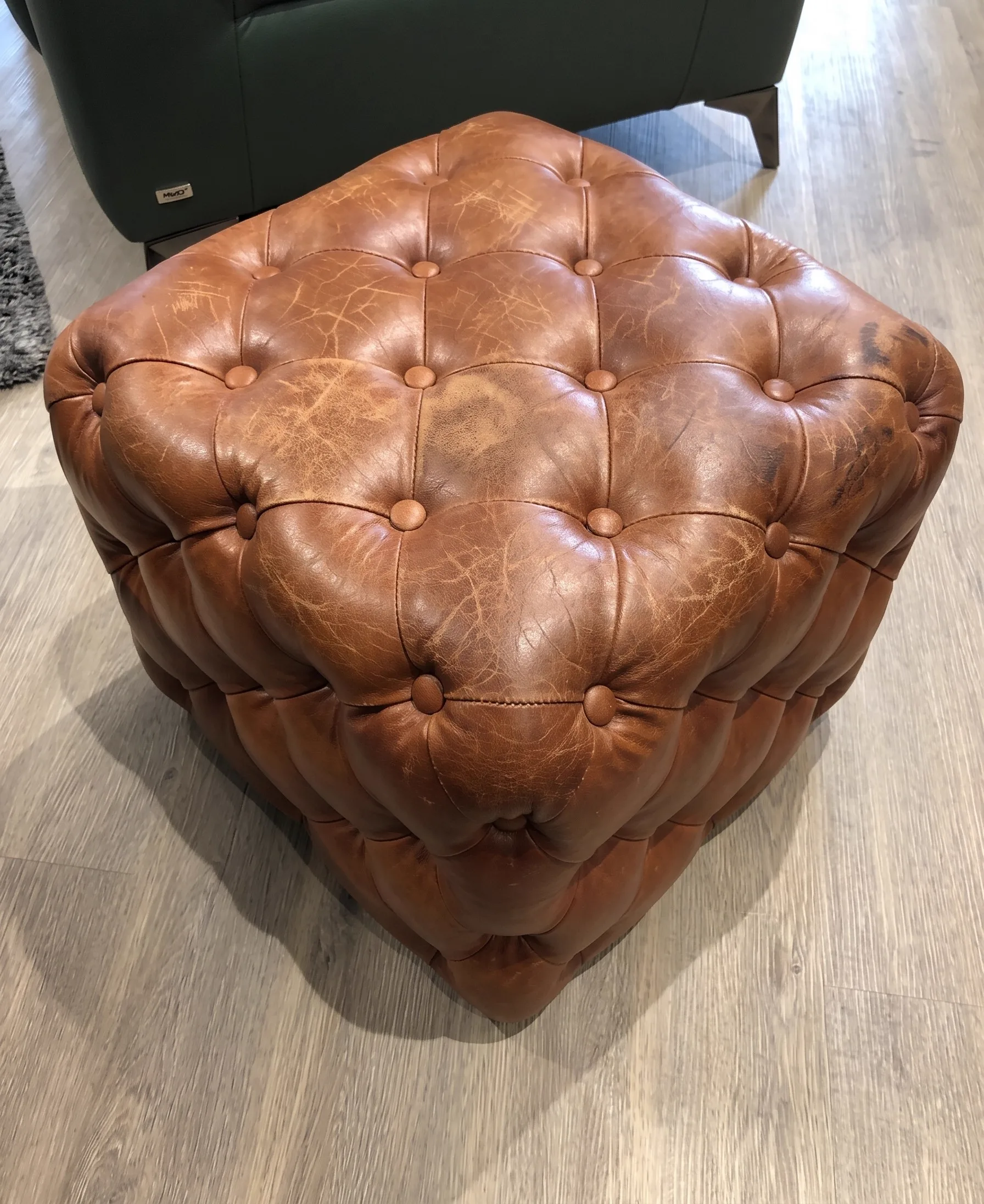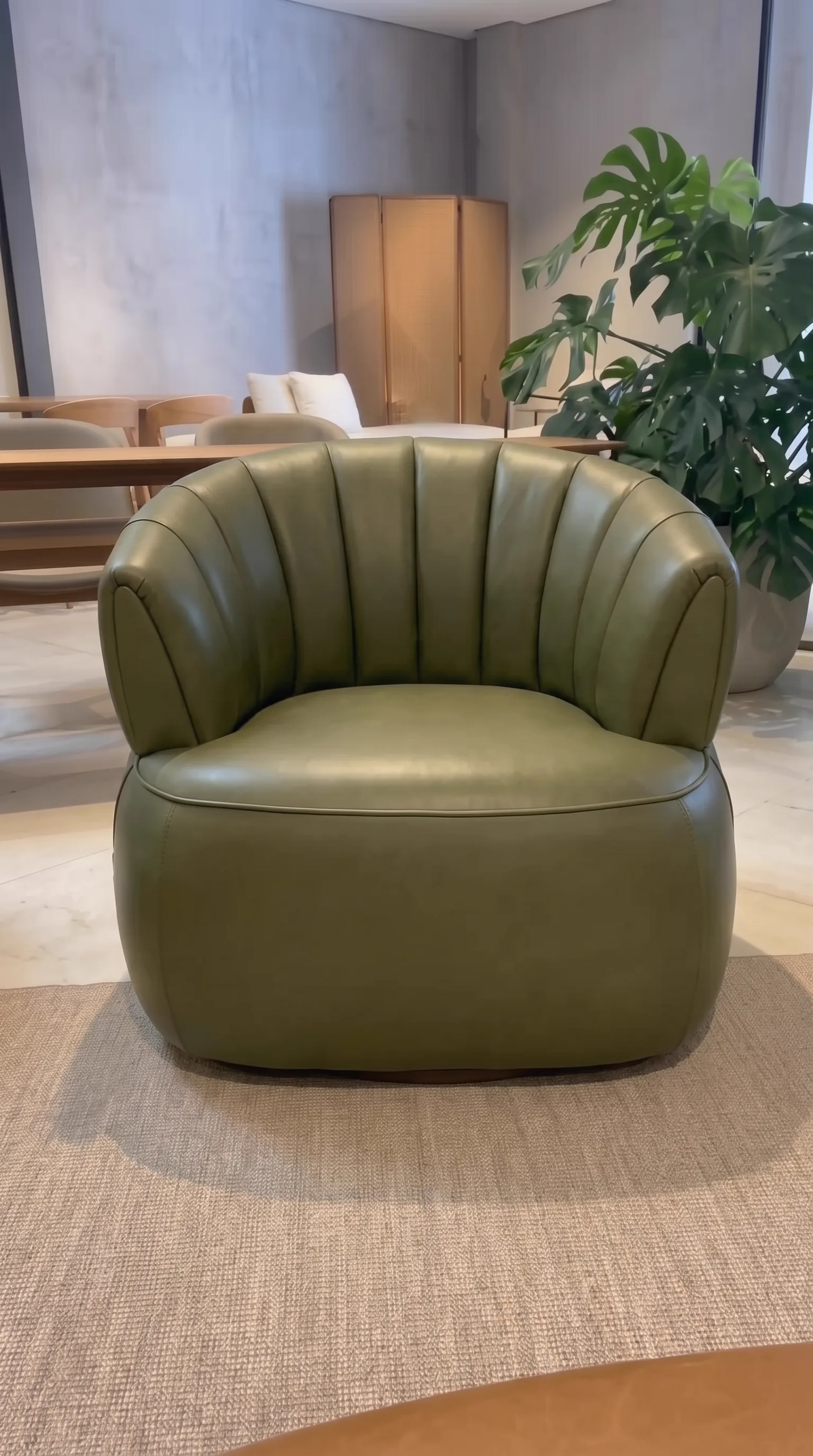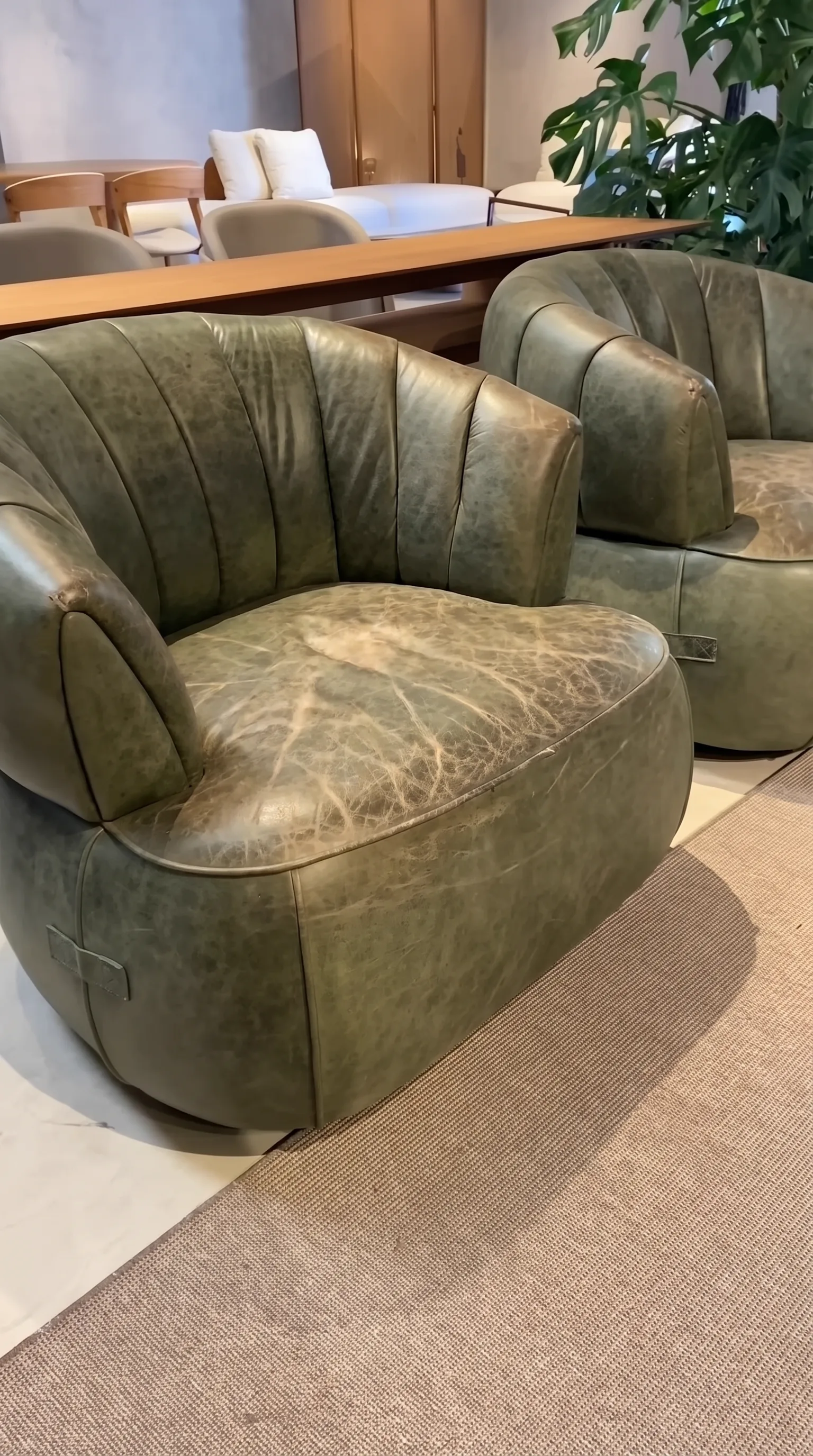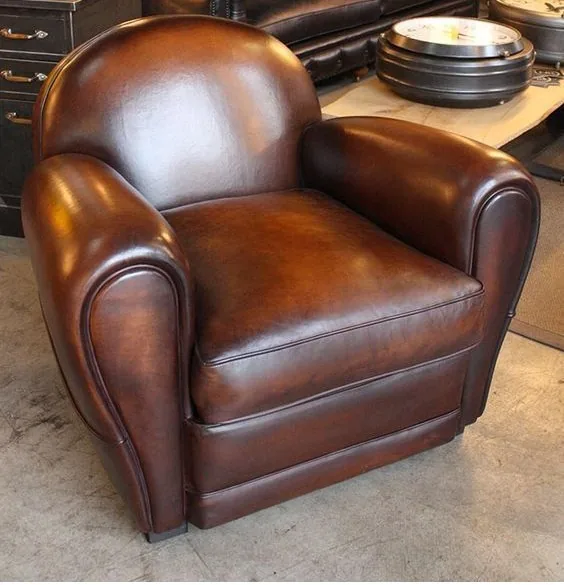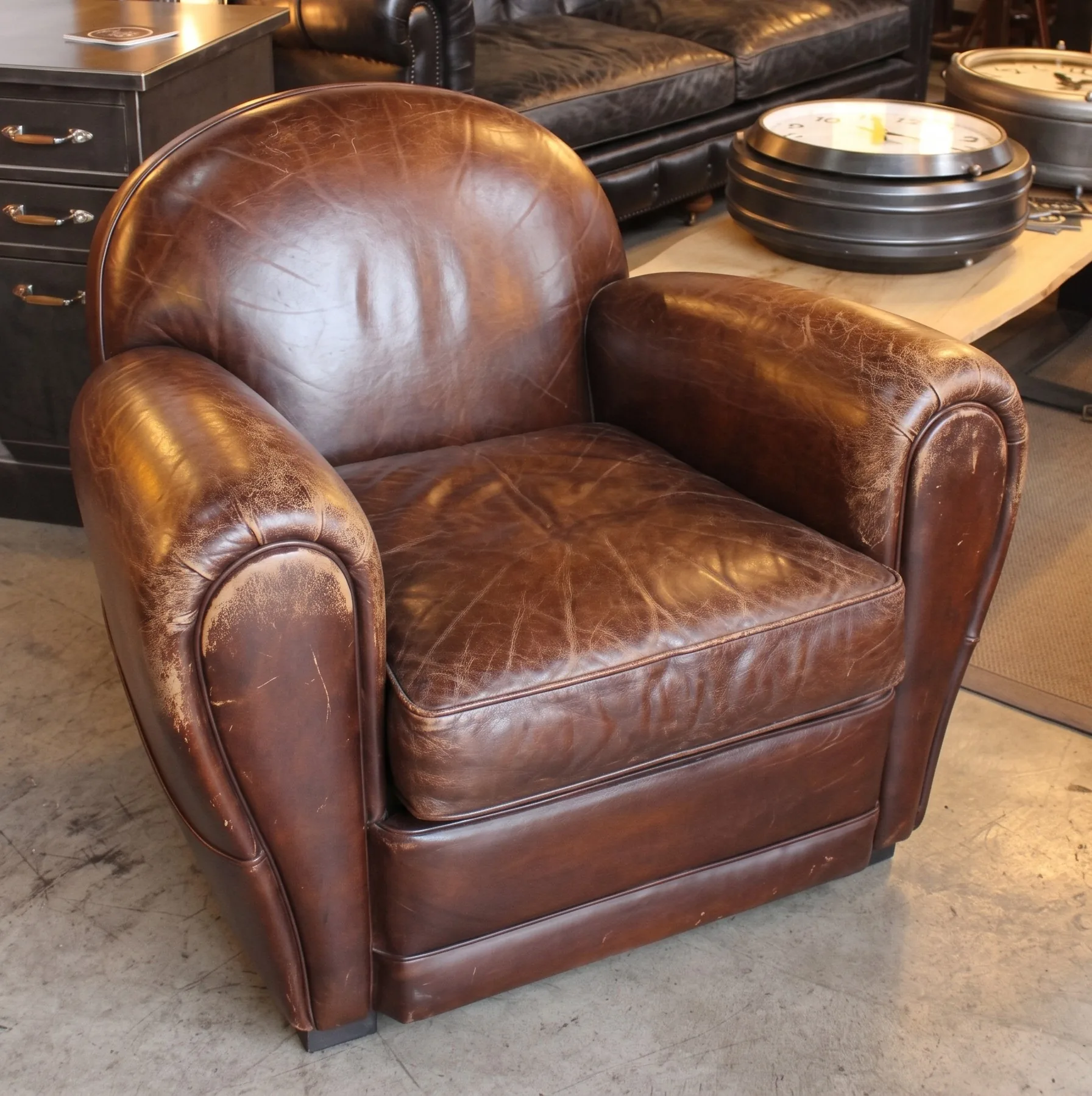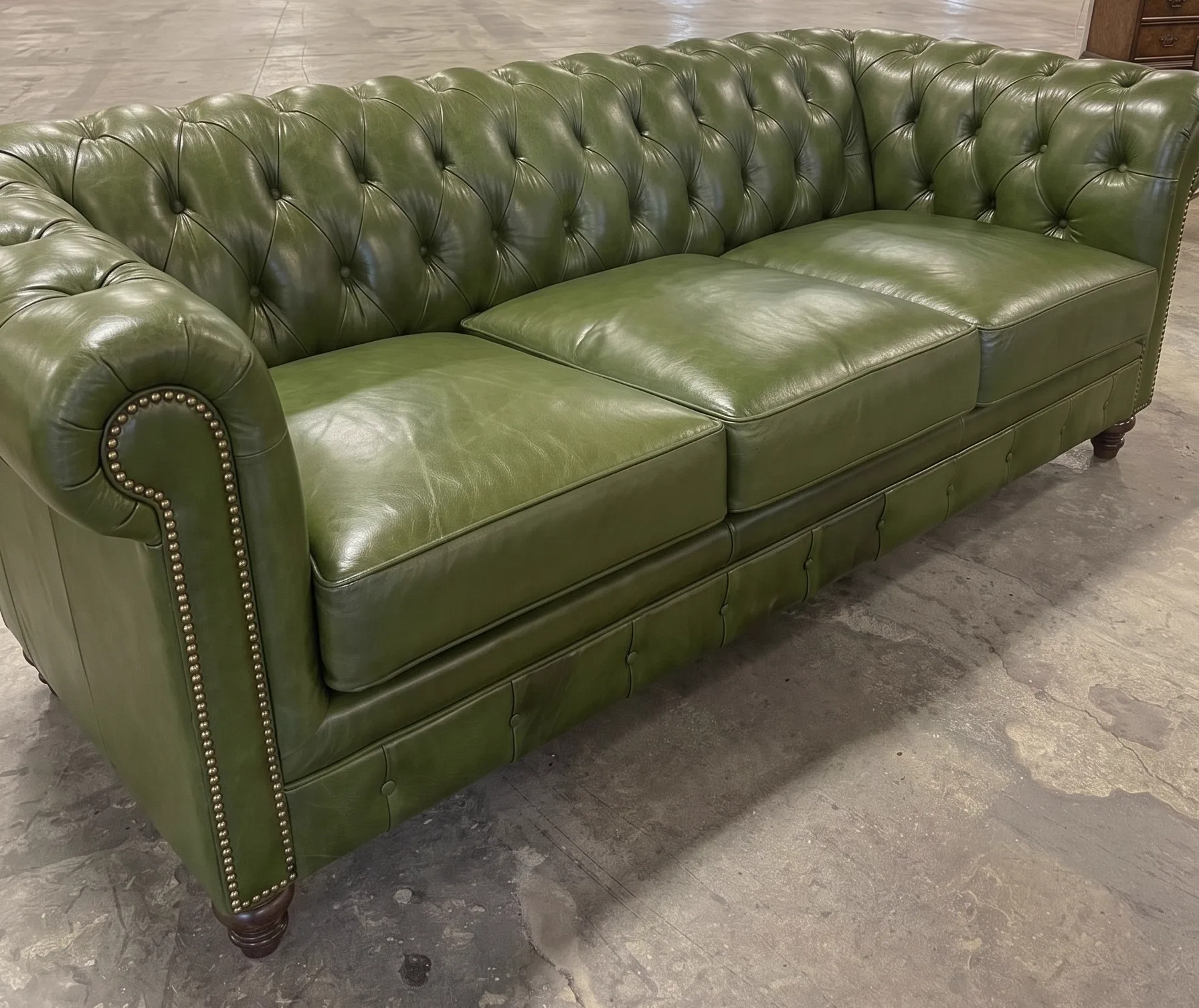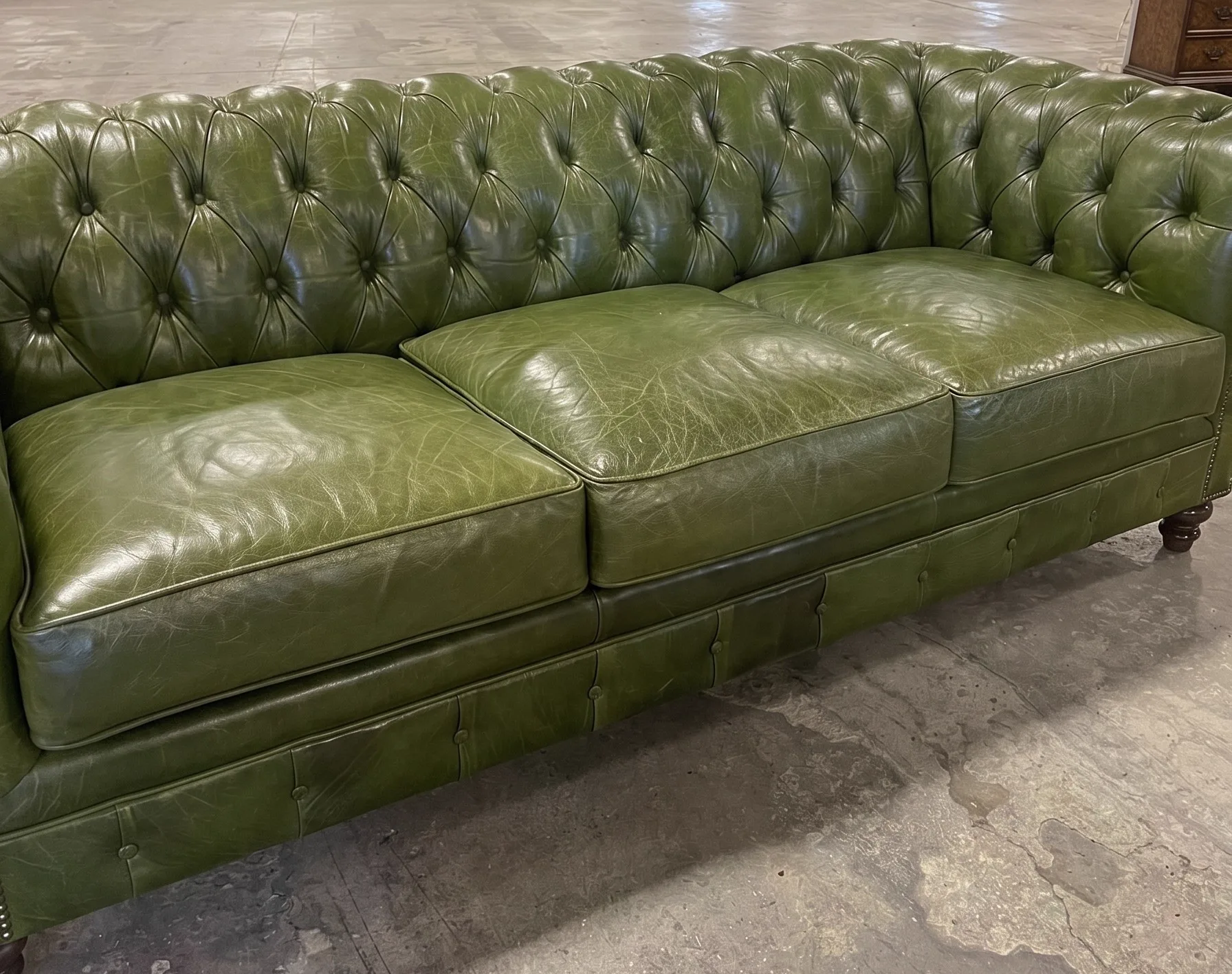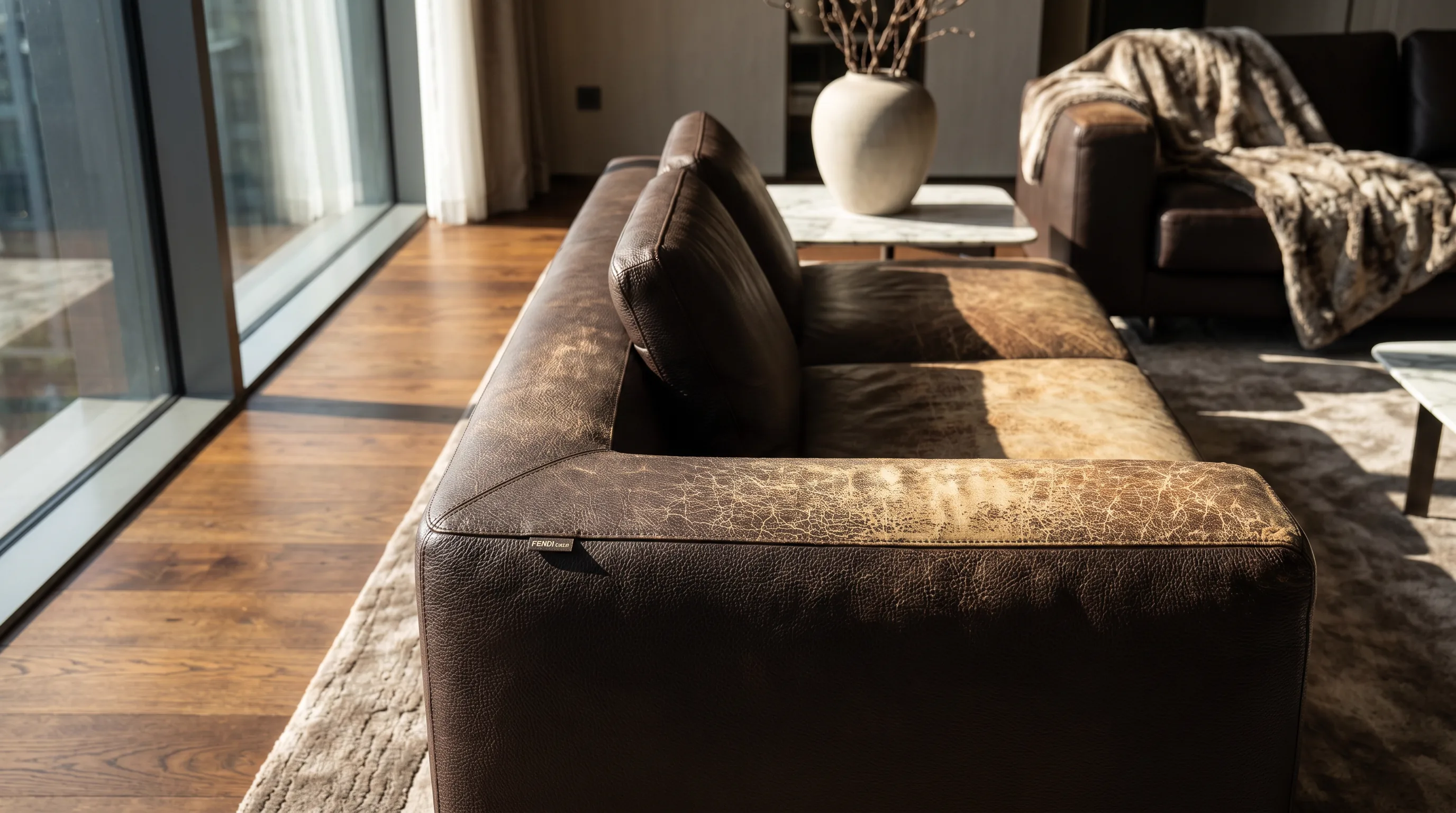
Your leather sofa was a rich, confident colour when it arrived. Two years later it looks washed out - lighter in some patches, almost grey in others. The armrests look different from the seat back. You have not done anything wrong. What you are looking at is UV degradation and oxidation at work, accelerated by the specific conditions inside an Indian home. The colour has not gone - in most cases it can be brought back. But first you need to understand what actually happened to it.
Leather fading in India is not the same as leather fading in Europe. Delhi's UV index regularly peaks at 10-12 in summer, a level the WHO classifies as extreme, far above the 4-6 typical of northern European cities. Combined with the temperature swings between summer heat, AC cooling, and winter cold, the coloured topcoat on most leather sofas faces stress that the factory finish was not designed to handle indefinitely. The result is visible within two to four years if no protective measures are taken.
What Actually Fades First: the Dye or the Topcoat?
There are two distinct colour-bearing layers on a pigmented leather sofa. The first is the dye layer, which is worked into the hide during tanning and gives leather its base colour. The second is the pigmented topcoat, a polymer layer applied over the dyed hide that provides the visible colour, the surface sheen, and UV protection.
Think of it like a painted wall. The pigment in the paint is the colour. The clear varnish over it is the topcoat. When UV radiation hits the sofa, it first attacks the topcoat. The polymer breaks down, losing its UV-blocking ability, and the colour in the topcoat begins to bleach. Once the topcoat is compromised, UV reaches the dye layer directly and bleaches that too. Most fading you see is topcoat breakdown, not dye loss - which is why professional re-coating can often restore colour without full re-dyeing.
TLR EXPERT TIP: To check whether fading is topcoat or dye loss, find a hidden area of the sofa - the underside of a cushion or the back panel - that has never seen sunlight. Compare that colour to the faded area. If the hidden area is significantly deeper in colour, the dye is intact and the visible fading is topcoat breakdown only. This means a topcoat restoration rather than a full re-dye is sufficient - and significantly cheaper.
Why Do Indian Homes Accelerate Leather Fading?
UV Intensity
Delhi receives an annual UV index of 10-12 on peak summer days - classified as extreme. Most imported leather sofas are finished with topcoats designed to European or North American UV standards, where indices rarely exceed 6-7. This means the topcoat is degrading significantly faster than the manufacturer's expected lifespan. A sofa near a south or west-facing window in a DLF or Vasant Kunj flat can show visible fading within 18 months. For the molecular detail of how sunlight breaks down dye and topcoat, see our craft note on UV degradation under India's harsh sun.
Temperature Cycling
The daily cycle of hot afternoon sun heating the leather surface, followed by AC cooling the room to 22-24 degrees, causes the topcoat polymer to expand and contract repeatedly. This thermal cycling causes microscopic cracking in the topcoat surface that accelerates UV penetration and dye exposure. It also causes the topcoat to delaminate from the dye layer over time. Left unchecked, these surface fractures can progress into full UV-driven cracking that needs structural repair rather than just recolouring.
Body Oil Accumulation on Armrests
Armrests fade differently from the seat back and seat base. The mechanism here is not UV but chemical: the natural oils and sweat from arms and hands have a mildly alkaline pH that disrupts the acid-balanced dye over months of contact. Armrests in Indian homes accumulate this faster because the climate produces more perspiration. The result is a colour change that looks like fading but is actually dye displacement - the two require different treatments. If you are noticing your armrests darkening from body oil rather than lightening, that is the same chemistry running in the opposite direction and is worth reading separately.
What Can You Do at Home vs What Needs a Professional?
Home Actions (Slow Further Fading)
- Install UV-blocking window film on south and west-facing glass. This single step reduces UV hitting the sofa by 70-90% and is the most effective preventive measure available. Available from hardware stores for Rs. 350-600 per square foot.
- Reposition the sofa so no surface receives more than two hours of direct sun per day.
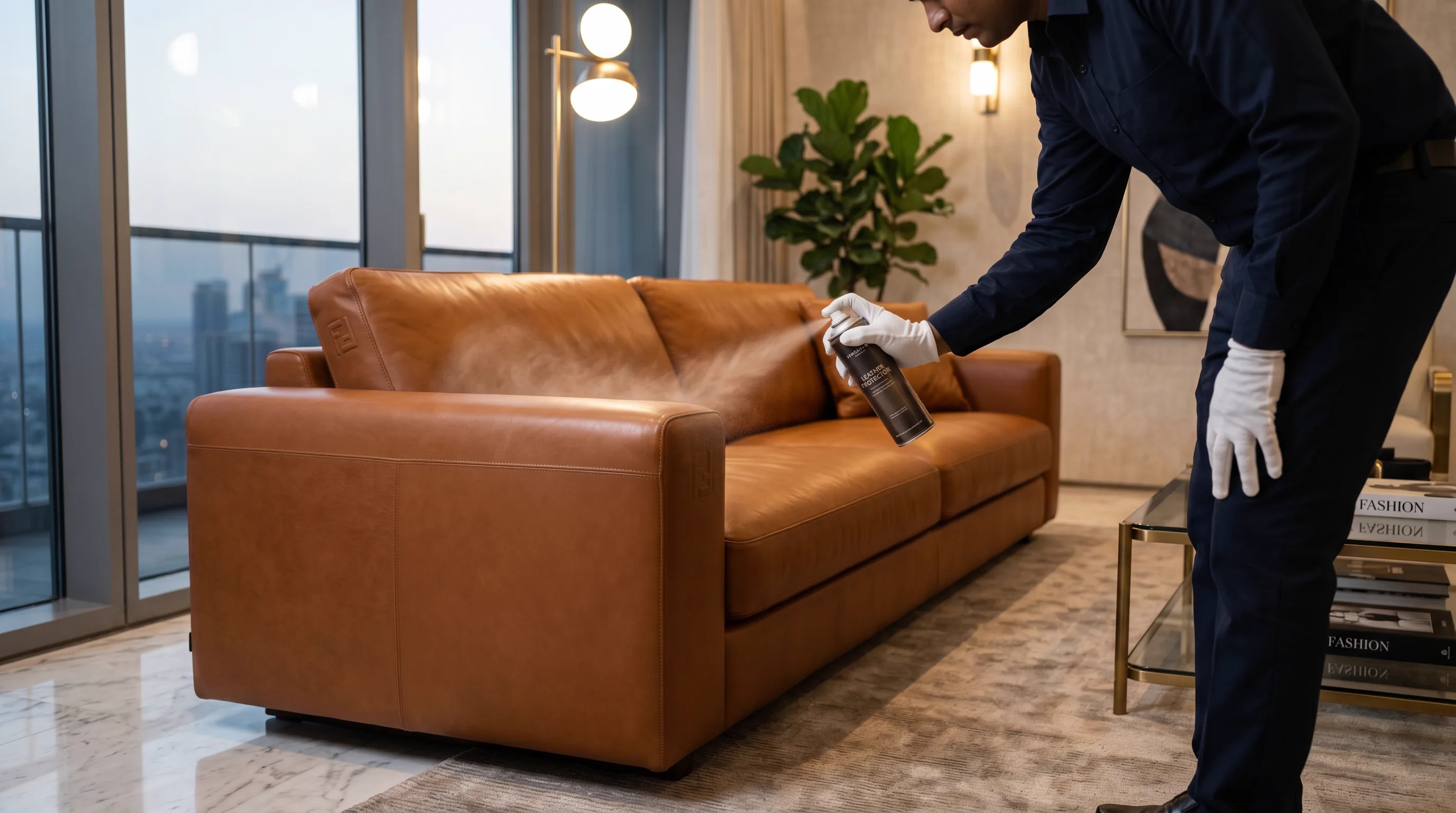
- Apply a UV-protective leather conditioner every three months. These contain UV absorbers that augment the degraded topcoat temporarily. They do not restore faded colour but slow further loss.
- Clean armrests fortnightly with a pH-balanced leather cleaner to remove accumulated body oil before it continues displacing the dye.
Professional Restoration (Restore Lost Colour)
Once colour has visibly faded, home products cannot restore it. The two professional options are:
- Topcoat restoration: If the dye layer is intact (confirmed by the hidden-panel comparison test above), a professional can apply a new pigmented topcoat matched to the original colour. This involves light surface preparation, colour matching, and HVLP spray application. Typical cost: from Rs. 5,500 per seat (final price confirmed at the free home diagnosis) depending on sofa size.
- Full re-dyeing: When both dye and topcoat are degraded, the hide is stripped back to the base dye layer, re-dyed, and a fresh topcoat applied. This is a more involved process but returns the sofa to near-original appearance. Cost: from Rs. 12,000 per sofa (final price confirmed at the free home diagnosis).
Our leather sofa repair service covers both options with colour matching done on-site before any product is applied. Where the bleaching has already set in, our leather sofa colour fading repair page details the pigment system and UV-rated topcoat we use to bring a sun-struck panel back to the shade of the ones that stayed shaded.
"Colour restoration is not painting over a problem. It is chemistry. The new topcoat has to bond to the existing substrate at the right pH, with the right flexibility rating, or it peels within six months. This is why DIY dye kits almost always fail on sofas that have already lost colour." - Tyson, Lead Artisan, The Leather Restorators
TLR EXPERT TIP: After any professional colour restoration, apply a UV-protective leather topcoat protector every six months. The new topcoat is as vulnerable to Indian UV as the original was. Protection applied within the first month of restoration extends the result's lifespan by two to three years.
Why Aniline Leather Fades Faster Than Pigmented Leather
Not every leather sofa fades at the same rate, and the single biggest factor is the finish type. Aniline leather - the most natural-looking and often the most expensive - is coloured by a transparent dye that soaks into the hide, with little or no pigment topcoat sitting over the surface. There is nothing between the Indian sun and the dye. UV light reaches the colour directly and bleaches it from day one, which is why a deep brown or oxblood aniline sofa near a window can look chalky within a single summer.
Pigmented (protected) leather works the opposite way. A coloured polymer topcoat sits on top of the hide and takes the UV hit first, shielding the dye underneath. This is the most common finish on family sofas precisely because it is the most fade-resistant in a harsh-light climate like ours. Semi-aniline leather sits between the two - it carries a thin pigment layer for a little protection while keeping much of the natural grain visible, so it fades faster than fully pigmented leather but slower than pure aniline.
The practical implication for owners in India is simple: match your protection to your finish. If you own an aniline or semi-aniline sofa, UV control is not optional - window film and sun-avoidance are the only things standing between the dye and the light. If you are unsure which finish you have, a drop of water tells you a lot: on aniline it darkens and soaks in within seconds; on pigmented leather it beads and sits on the surface.
Which Sofa Colours Fade Fastest in Indian Sun
Colour choice decides how visible fade will be long before the sofa ever reaches your living room. The least stable shades under Indian UV are dark blues, deep greens, and bright reds. These rely on dye chemistry that breaks down unevenly - a navy sofa often shifts toward a dull grey-violet, a forest green drifts toward yellow-khaki, and a bright red loses its saturation and turns a flat brick tone. Because the change is a colour shift rather than simple lightening, it reads as blotchy and obvious even from across the room.
By contrast, tans, browns, and blacks are far more stable. They are built on earth-tone and carbon pigments that hold up better to UV, so they fade slowly. They are not immune, though: tans and mid-browns can warm over time, taking on an orange cast, while blacks and charcoals can grey out into a washed, dusty finish as the topcoat thins. The fade is gentler and more even, which is part of why these colours stay presentable for longer in bright Indian flats.
Whatever the colour, the fade is rarely uniform. The panels that face the window - typically a corner section, one arm, or the seat back nearest the glass - take the most direct light and fade first and fastest. The result is a sofa that looks two different colours: a sun-struck arm or corner against a protected body. Spotting this early on the window-facing panels is the clearest signal that it is time to act.
An Indian UV-Protection Calendar
Protecting leather colour in India is less about constant effort and more about doing a few right things at the right time of year. The single highest-impact move is a one-time job: fit UV window film on the south and west-facing glazing in the room, the panes that carry the harsh afternoon and evening sun. Done once, it keeps cutting UV every day for years and is the foundation everything else builds on.
The rest is seasonal. As the harsh months arrive, reposition or rotate the sofa so the same arm or corner is not always the one in the light - turning it through the year spreads the exposure and prevents one panel running far ahead of the rest. Through peak summer (April to June), when Delhi's UV index sits at its extreme high, draw sheer curtains across the worst windows during the afternoon to take the edge off the direct beam without darkening the room. Then, each October as the season turns, inspect the window-facing panels closely against a shaded part of the sofa - this is the moment to catch early fade and book a topcoat restoration before it spreads into a full re-dye. Built into the year this way, UV protection becomes four small habits rather than one expensive surprise.
Frequently Asked Questions
Can faded leather sofa colour be restored at home?
Minor surface dullness from dehydration can be improved at home with a quality leather conditioner and a topcoat protector. But genuine colour fading where the dye has bleached out requires professional re-dyeing using colour-matched pigmented dyes. Home leather dye kits rarely match the original colour accurately and can leave visible tide lines.
How long does leather sofa colour last in India?
In direct sun with no UV protection, pigmented leather begins showing visible fading within 18-24 months. With UV-blocking window film and regular conditioning, the same sofa can maintain colour for 8-12 years. Aniline leather fades faster than pigmented leather because it has no protective topcoat.
Why is my leather sofa fading only in one spot?
Localised fading points to a specific light source - a window, a lamp, or a skylight that hits that zone more than others. It can also indicate a previous cleaning with the wrong product that stripped the topcoat in that area. Check for a window or lamp directly opposite the faded spot.
Does leather sofa colour fading mean the sofa needs replacing?
No. Colour fading is a surface-level problem. The structure of the sofa - the hide, the foam, the frame - is unaffected by dye fade. Professional re-dyeing and topcoat restoration can return the sofa to near-original appearance at a fraction of replacement cost.