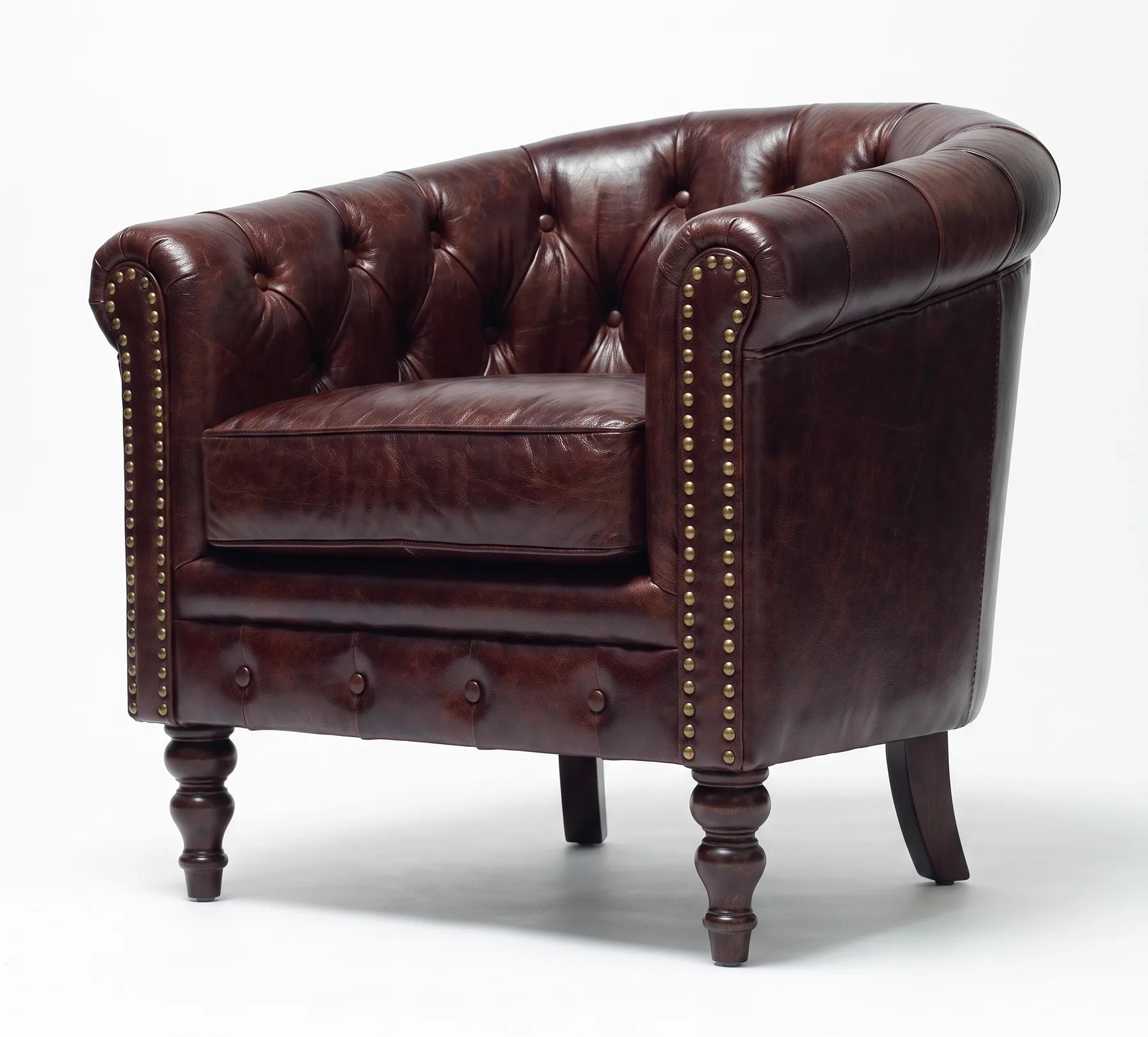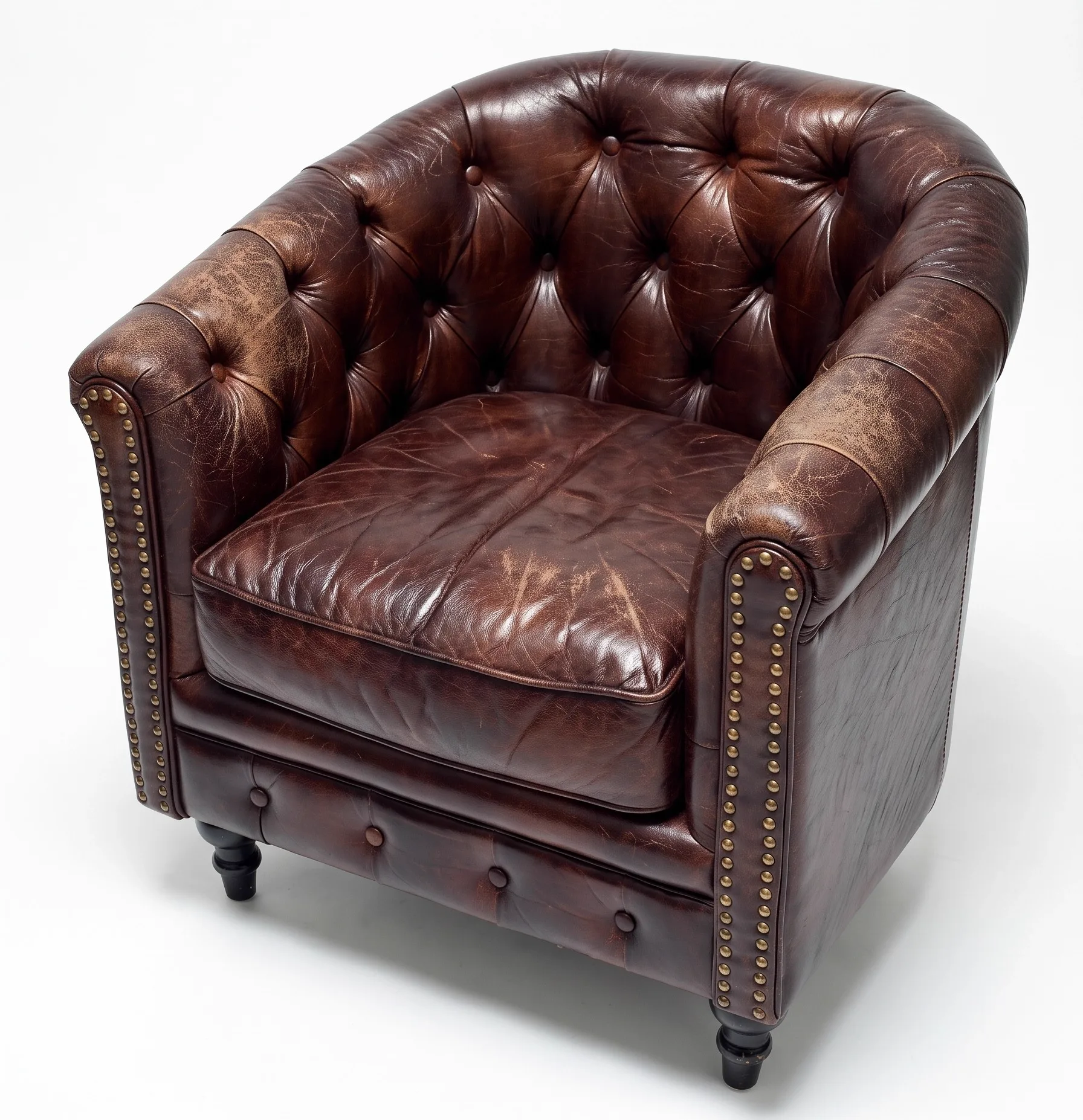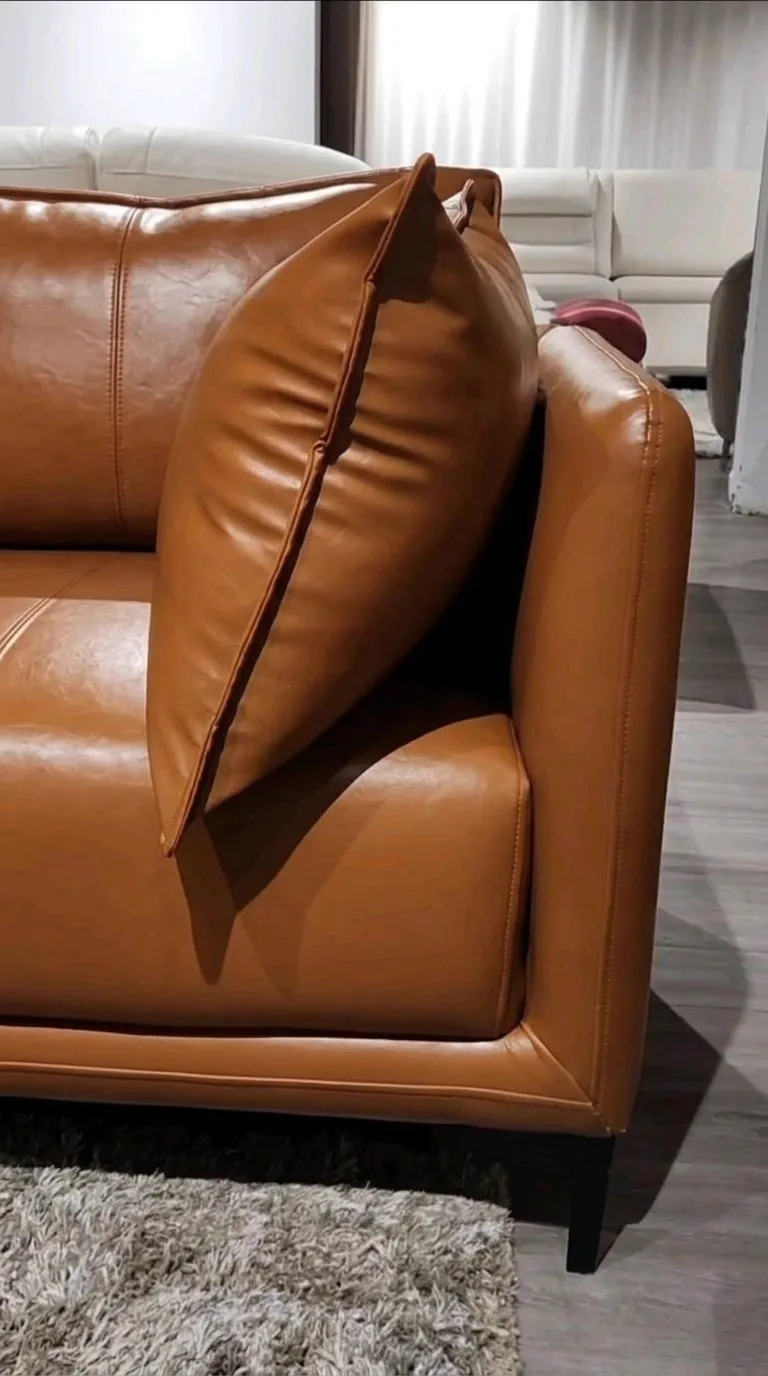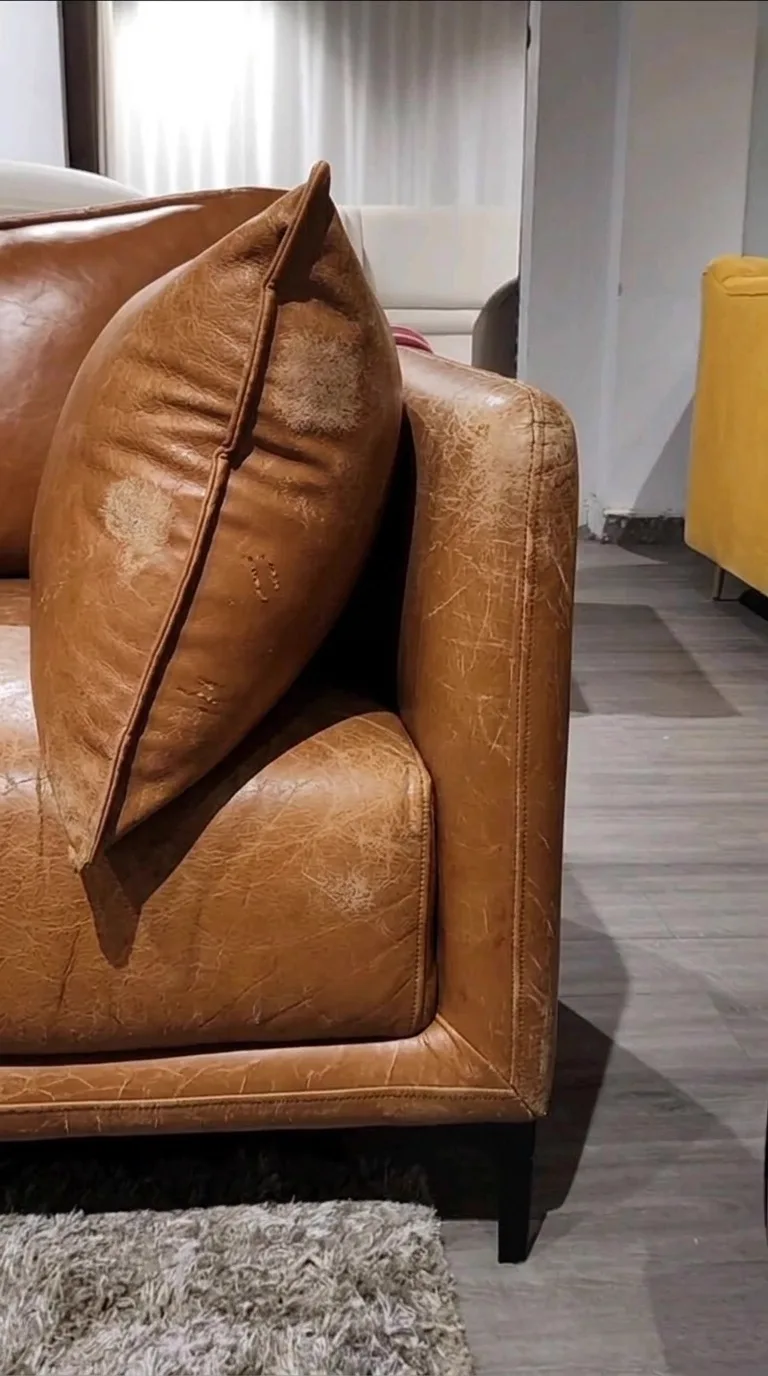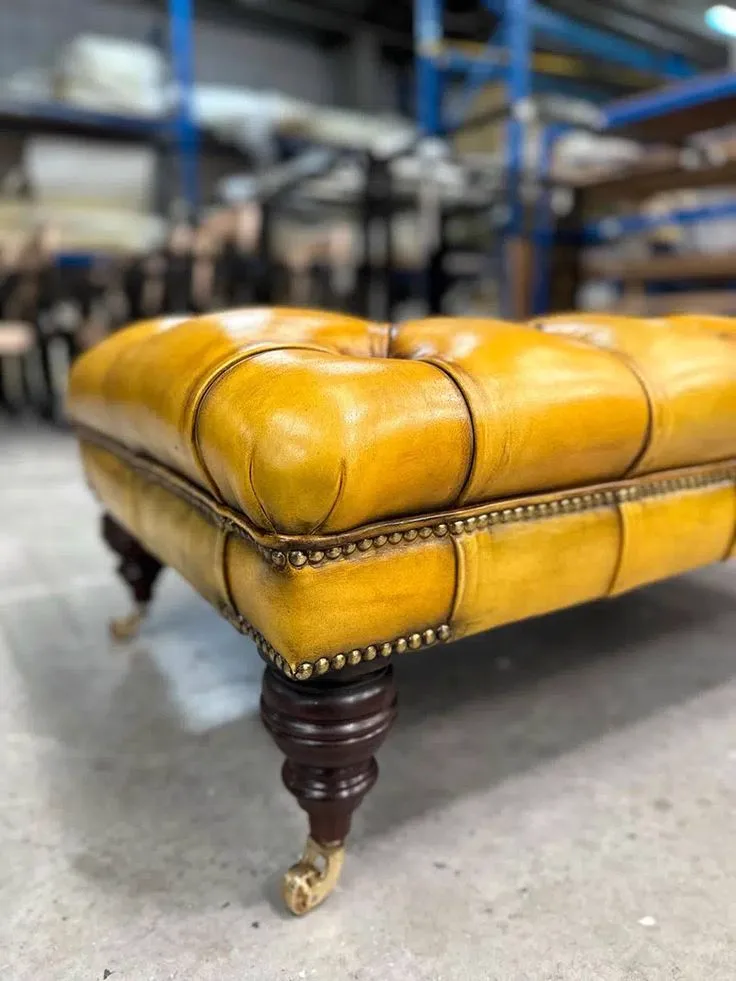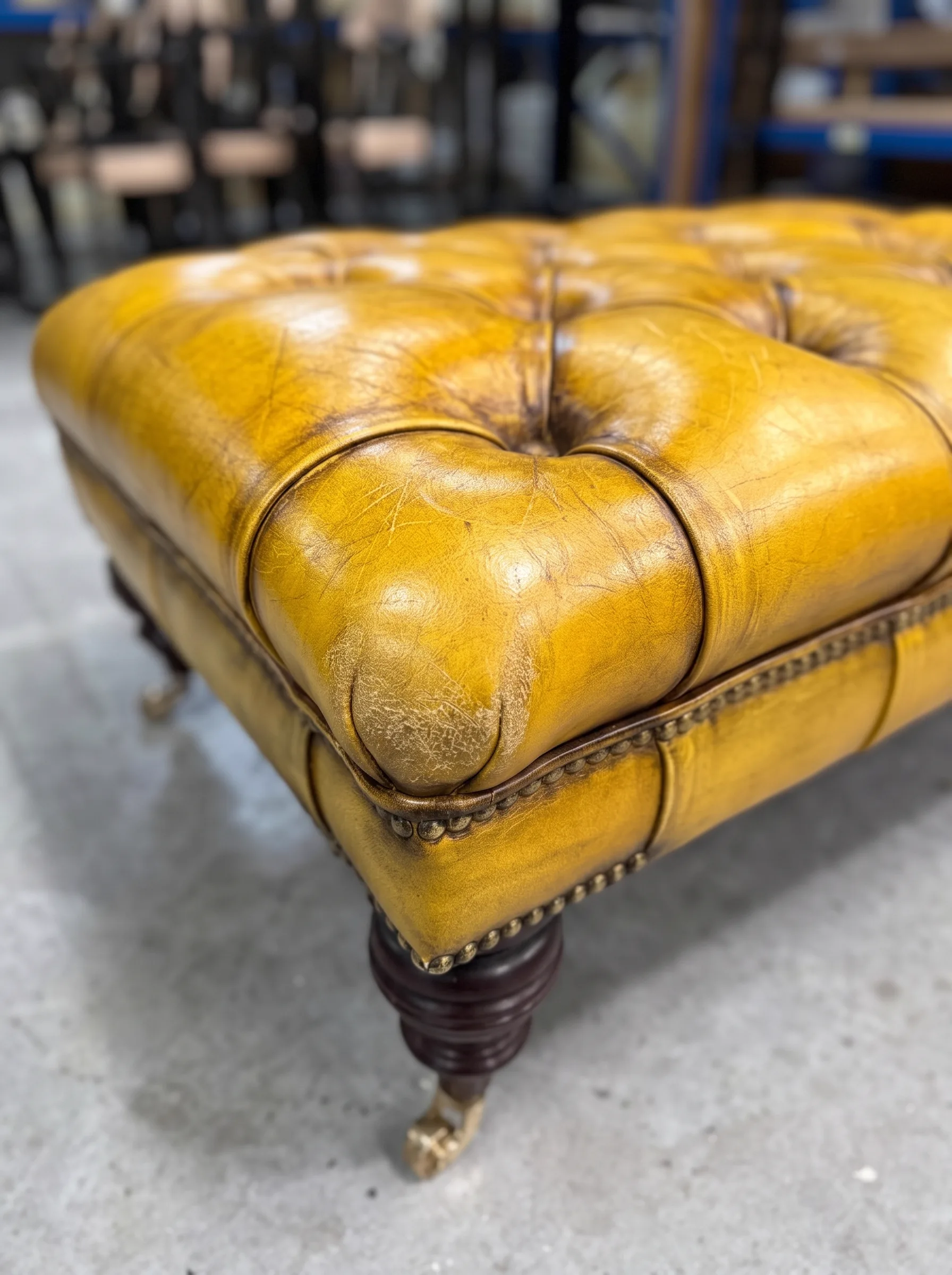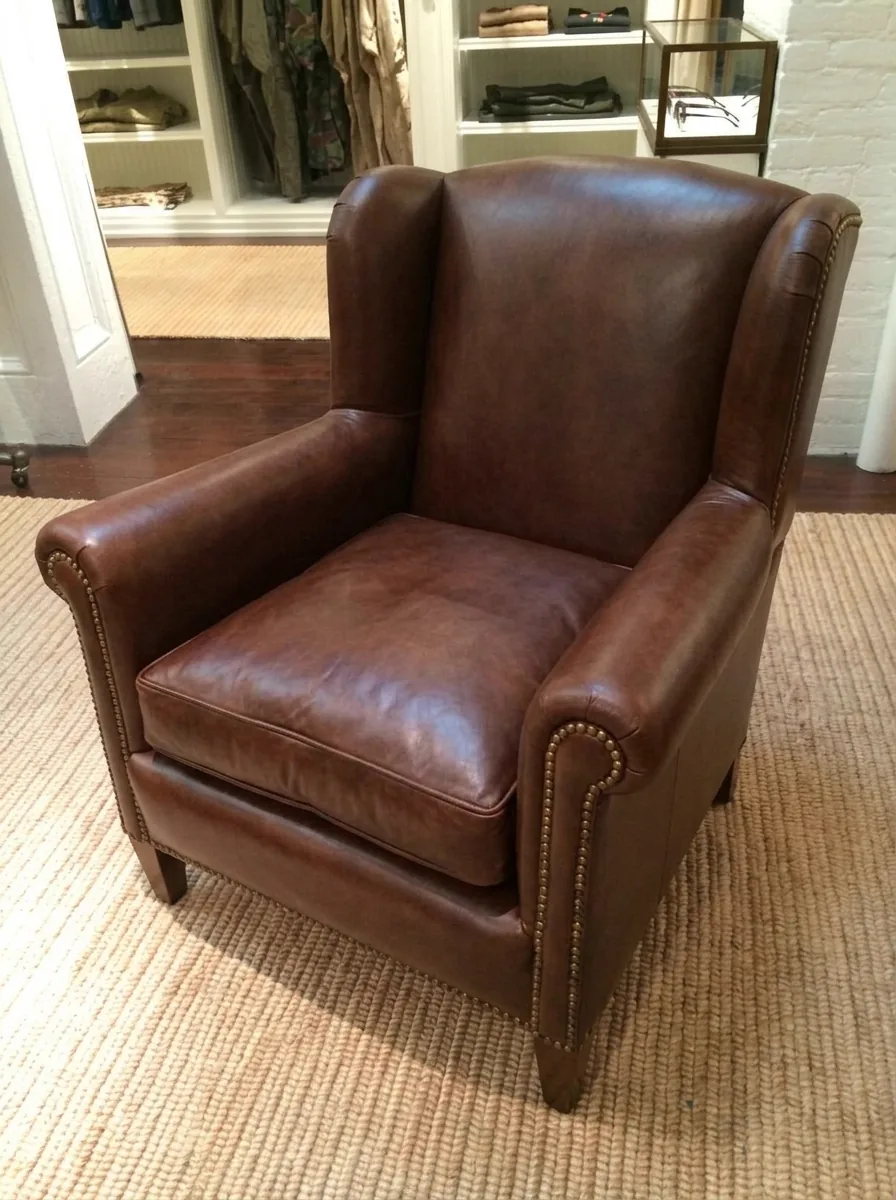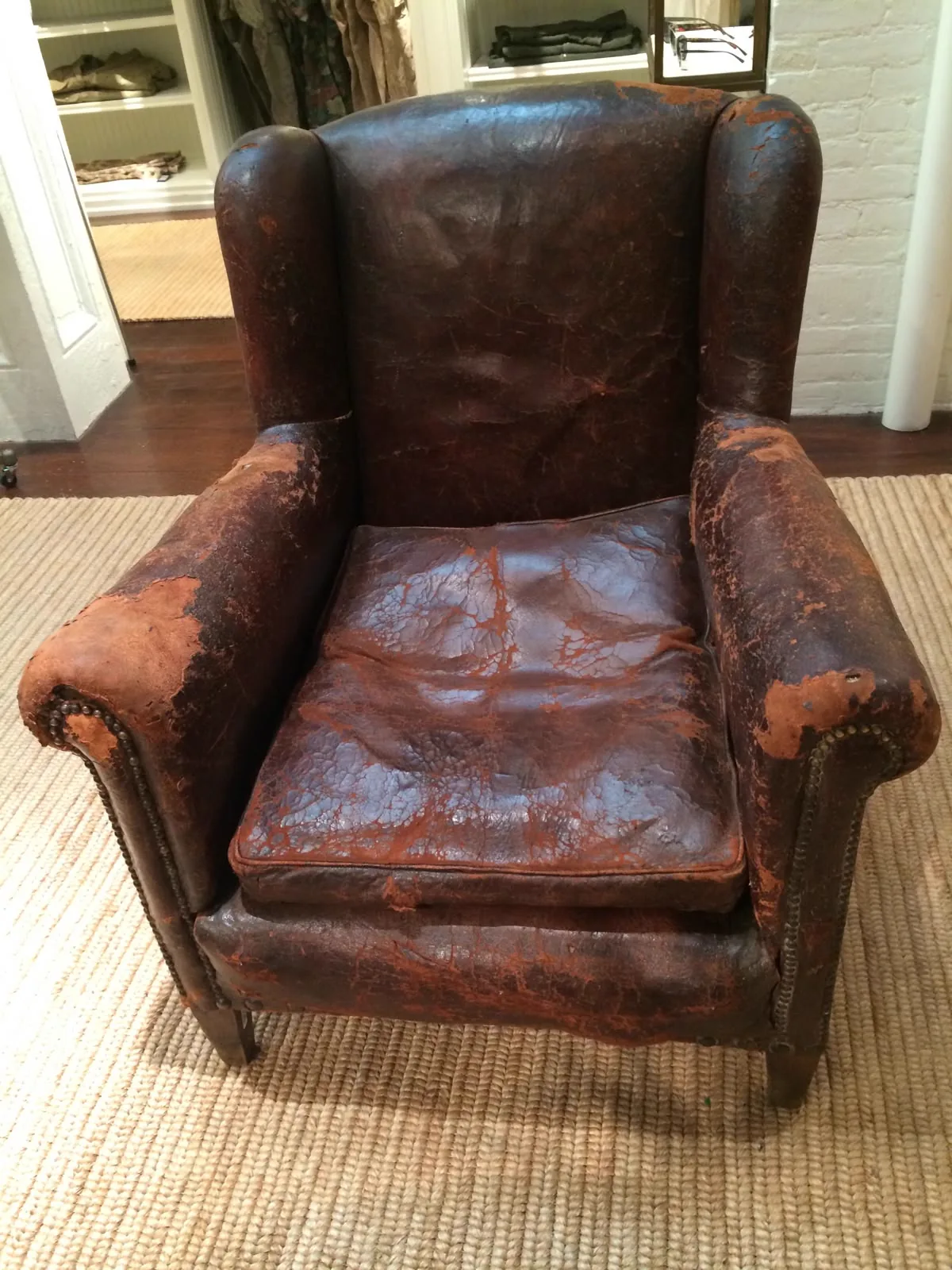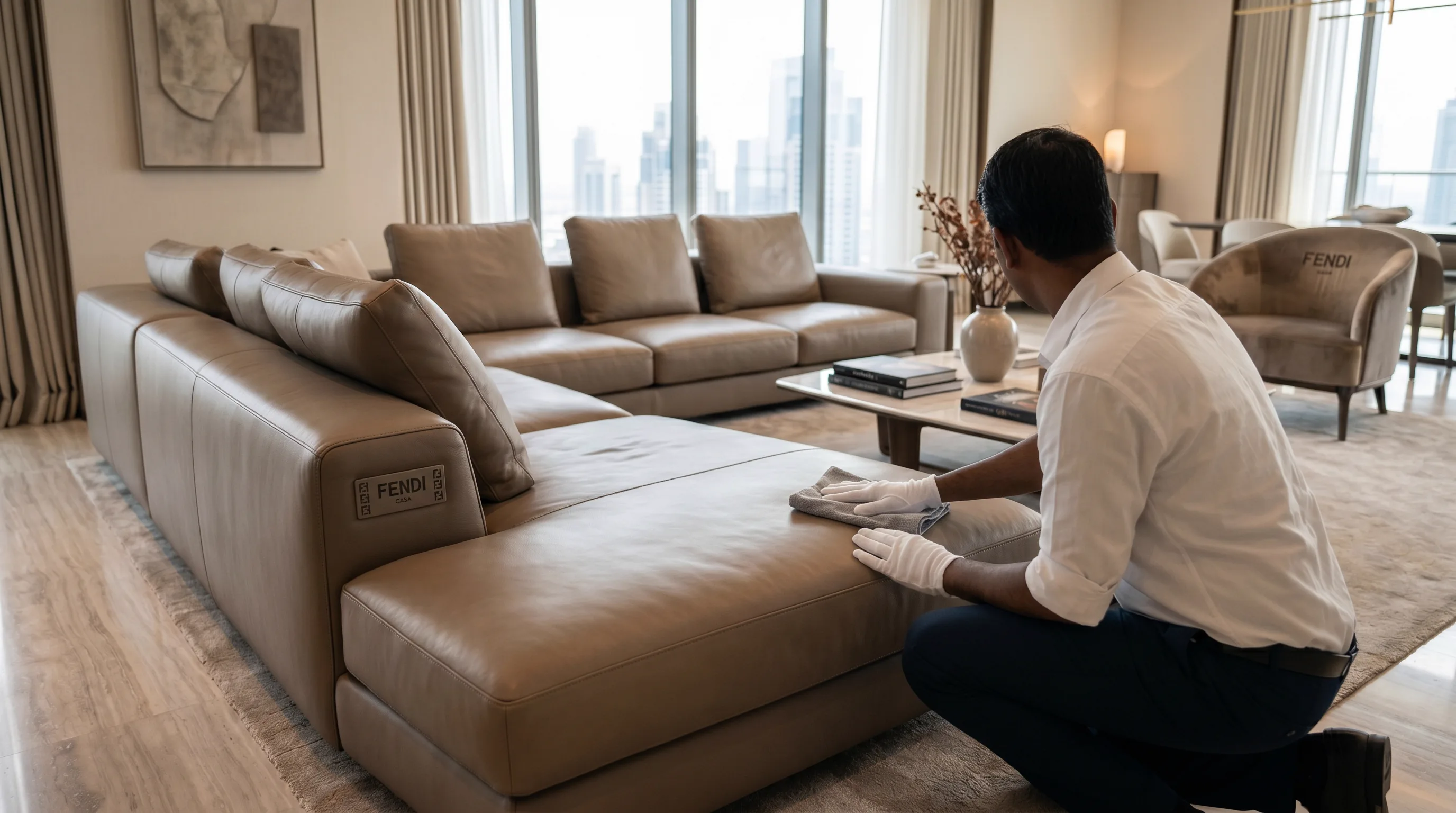
You sit down and the leather does not give the way it used to. It feels board-like. The seat creaks slightly. The surface looks dull rather than alive. Your leather sofa is not old enough to justify this, and you did not do anything obviously wrong. So what happened? The answer almost always comes down to one thing: the leather has lost the internal moisture and oils that made it flexible. This guide explains why that happens, what makes it worse in Indian homes, and exactly how to bring the suppleness back.
Stiffness is one of the earliest warning signs leather sends before cracking begins. Most people miss it because the change is gradual. The sofa does not become rigid overnight. But by the time it feels noticeably hard, the collagen fibre network has been under stress for months, and the next stage is the leather cracking once the fibres dry out completely. The good news is that at the stiffness stage, the damage is still largely reversible with the right approach.
What Makes Leather Flexible in the First Place?
Leather is built from millions of interlocked collagen fibres. When the hide was tanned, those fibres were treated with fatliquors - oil-based compounds that coat each fibre and allow them to slide past one another when the leather bends. Think of it like a bundle of dry spaghetti versus cooked spaghetti. Dry spaghetti snaps. Cooked spaghetti bends. The fatliquors are what keep leather in the cooked-spaghetti state.
Over time, those oils evaporate. Heat accelerates it. Low humidity accelerates it faster. In an Indian flat where AC runs eight to ten hours a day through summer, the drying rate is three to four times what it would be in a naturally ventilated room. The fibres begin sticking to each other rather than sliding. That friction is what you feel as stiffness.
TLR EXPERT TIP: Run the back of your hand across the seat cushion and the armrest. If the armrest feels noticeably stiffer, that is the high-use zone losing moisture fastest from body heat and friction. Armrests always dehydrate before the seat back. This tells you the conditioning programme has already been delayed too long.
Authoritative references on the fibre-drying and humidity factors above: the Leather Working Group (LWG) for leather fatliquoring and conditioning standards, and the India Meteorological Department (IMD) for India's seasonal humidity ranges.
What Are the Main Causes of Stiffness in Indian Homes?
Air Conditioning
Split AC units pull humidity from the room continuously while running. Indoor humidity in India during summer AC use drops to 18-25% RH. Leather needs 40-55% RH to retain its natural oils. At 20% RH, a conditioned leather surface loses measurable moisture within six to eight weeks. Sofas positioned directly in front of an AC blower harden fastest - we see this pattern repeatedly across homes in India.
Room Heaters in Winter
The reverse problem hits in December and January. Convection heaters and oil-filled radiators raise room temperature while keeping windows shut. The warm, dry air acts identically to AC in terms of moisture stripping from leather. Many Indian homeowners condition the sofa in summer but forget that winter heating does equal damage.
Direct Sunlight Through Glass
UV radiation breaks down the polymer topcoat on pigmented leather and directly degrades the collagen below. Afternoon sun through west-facing glass raises the surface temperature of a leather seat by 15-20 degrees Celsius above room temperature. That localised heat drives moisture out of the leather significantly faster than ambient air alone.
Infrequent or No Conditioning
Most leather sofa owners in India condition once when the sofa arrives, then never again. The factory-applied oils in a new sofa last approximately 12-18 months under normal Indian home conditions. After that, the leather is running on depleted reserves. Three years without conditioning in an Indian home typically produces visible stiffness and the beginning of surface micro-cracks - learn to tell these apart in our cracking vs creasing guide. The chemistry behind this is the slow depletion of fat-liquor - the oils bound into the leather fibres during tanning.
How Do You Restore Suppleness at Home?
Step 1 - Remove the Drying Source
Before applying any product, address the cause first. Move the sofa at least 1.5 metres from the AC blower. If it sits against a sun-facing window, install UV-blocking film (available in hardware markets for Rs. 350-600 per square foot) or reposition the sofa. No conditioner holds if the environmental drying continues unchecked.
Step 2 - Clean First
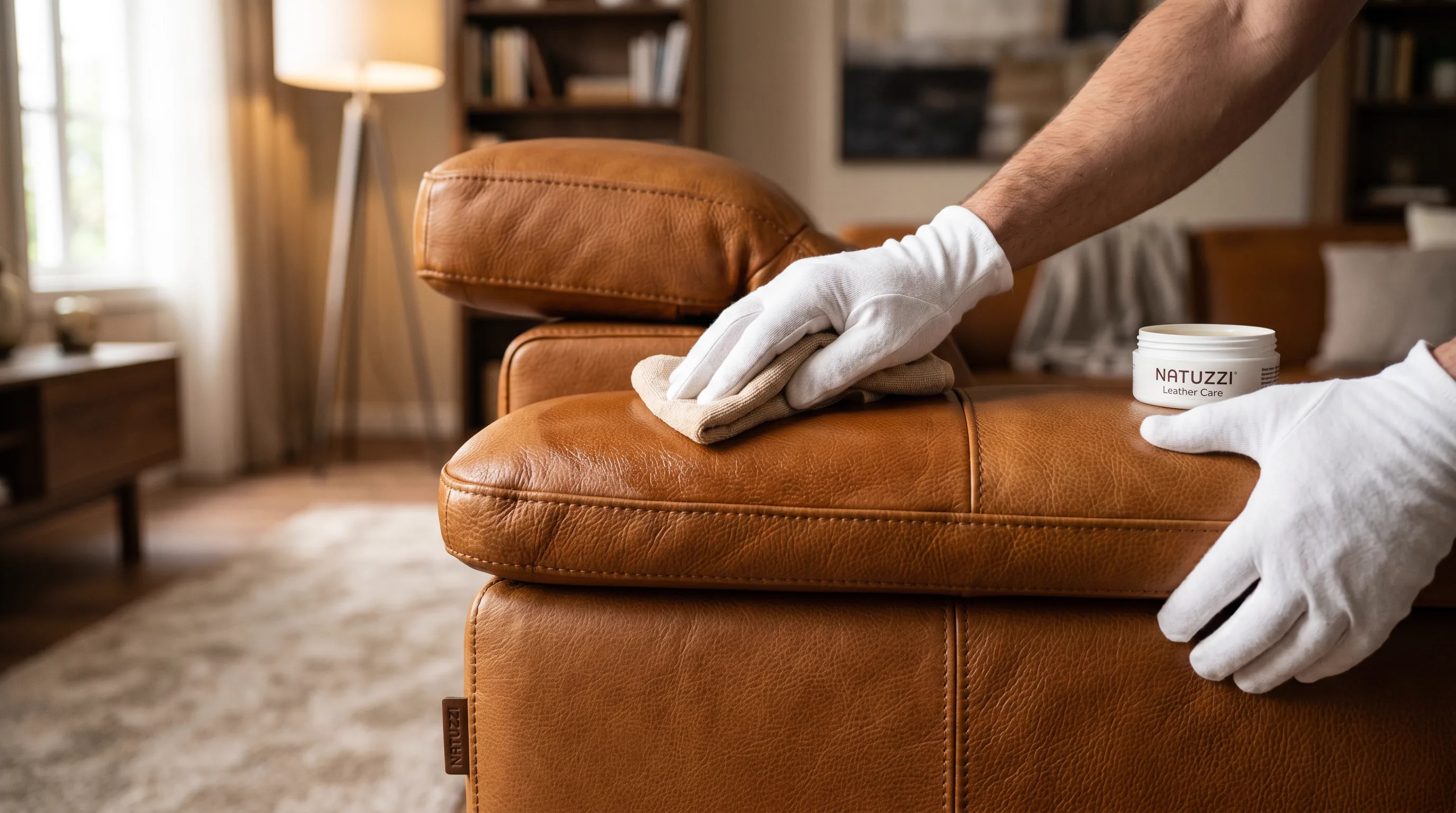
Body oil, dust, and pollution residue coat the pores of leather in Indian homes. Applying conditioner over this layer means the conditioner sits on the contamination, not on the leather. Use a pH-balanced leather cleaner on a white microfibre cloth, working in small sections. Let the surface dry for 15-20 minutes before conditioning.
Step 3 - Apply Conditioner Correctly
Use a conditioner specifically formulated for leather - not olive oil, not coconut oil, not petroleum jelly. These do not penetrate the collagen structure and turn rancid within weeks. Apply a pea-sized amount to a soft cloth and work it in using slow circular strokes over a 30cm section. The leather should absorb the product within 15 minutes. If it sits on the surface after 30 minutes, buff the excess off with a dry cloth.
TLR EXPERT TIP: For severely stiff leather, do not try to condition the entire sofa in one session. Work zone by zone over two consecutive weekends. Heavy application in one go overwhelms the pores - the leather cannot absorb it all and the excess attracts dust. Two lighter applications a week apart produce better penetration than one heavy dose.
Step 4 - Repeat After 7 Days
One conditioning session replenishes surface moisture. The second session, a week later, pushes oils deeper into the fibre network. For leather that has been neglected for two or more years, a professional deep conditioning treatment using heated application tools achieves penetration levels impossible to replicate at home. Our leather sofa conditioning service uses professional-grade penetrating conditioners heated to optimise absorption.
What Should You Not Do When Leather Feels Stiff?
- Do not use cooking oils: Olive oil, coconut oil, and mustard oil are popular home remedies in India. None penetrate leather's collagen matrix. They sit on the surface, oxidise, and turn rancid within three to four weeks, producing a distinctive sour smell and a tacky film that attracts dust and abrades the finish - the same residue that leaves leather feeling sticky in summer once the heat rises.
- Do not apply heat directly: Some people use a hair dryer on stiff leather to warm it up before conditioning. Direct heat above 40 degrees Celsius causes irreversible fibre contraction. The leather shrinks slightly and the surface becomes even more rigid.
- Do not scrub with wet cloth: Rubbing stiff leather aggressively with a wet cloth abrades the topcoat and deposits moisture unevenly - leading to tide marks and localised softening that looks worse than uniform stiffness.
- Do not over-condition: More is not better. Over-conditioning blocks the leather's pores, traps moisture, and in the humid Indian monsoon, creates the ideal environment for mould growth inside the fibre structure.
"Stiffness is leather asking for help before it starts cracking. In 12 years of restoration work across India, the sofas that needed full panel replacement were almost always the ones whose owners had ignored the stiffness stage for two or more seasons." - Tyson, Lead Artisan, The Leather Restorators
When Should You Call a Professional?
Home conditioning handles stiffness caught early. Call a professional when:
- The leather has visible cracks alongside the stiffness - conditioner alone will not fill existing damage
- The surface feels rough or grainy under your palm - this indicates topcoat breakdown, not just dehydration
- The stiffness is localised to one panel while the rest of the sofa is fine - this suggests a manufacturing defect or a previous amateur repair that sealed off that section
- Two rounds of home conditioning in two weeks produced no noticeable change
Our doorstep leather sofa repair service in India covers conditioning, topcoat repair, and crack treatment in a single visit across India. Stiffness has a humid-weather opposite, too - if your sofa turns sticky and tacky in summer, that points to surface breakdown rather than dryness.
Frequently Asked Questions
Can a hard and stiff leather sofa be made soft again?
Yes, in most cases. If the stiffness is from moisture loss and not structural fibre breakdown, professional deep conditioning can restore significant suppleness within two to three treatments. Severely dehydrated leather that has begun cracking may need filler and re-dyeing alongside conditioning.
Why does my leather sofa feel stiff only in winter?
Cold temperatures slow the movement of natural oils within the collagen fibre network. In North Indian winters, the combination of low temperature and dry air from room heaters strips residual moisture rapidly. The leather literally tightens as oils congeal. Gentle conditioning in October before the cold sets in prevents this.
Is it normal for a new leather sofa to feel stiff?
Yes, for genuine leather. Factory finishing leaves the surface firm. A new aniline or semi-aniline sofa needs two to three months of regular use and one conditioning session to break in naturally. If it remains rigid after six months, the leather grade or finishing process may be the issue.
How often should I condition leather to prevent stiffness?
In most Indian conditions, condition every three months. Critical windows are March (before AC season) and October (before winter heater use). Sofas near AC vents or west-facing windows need conditioning every six to eight weeks.