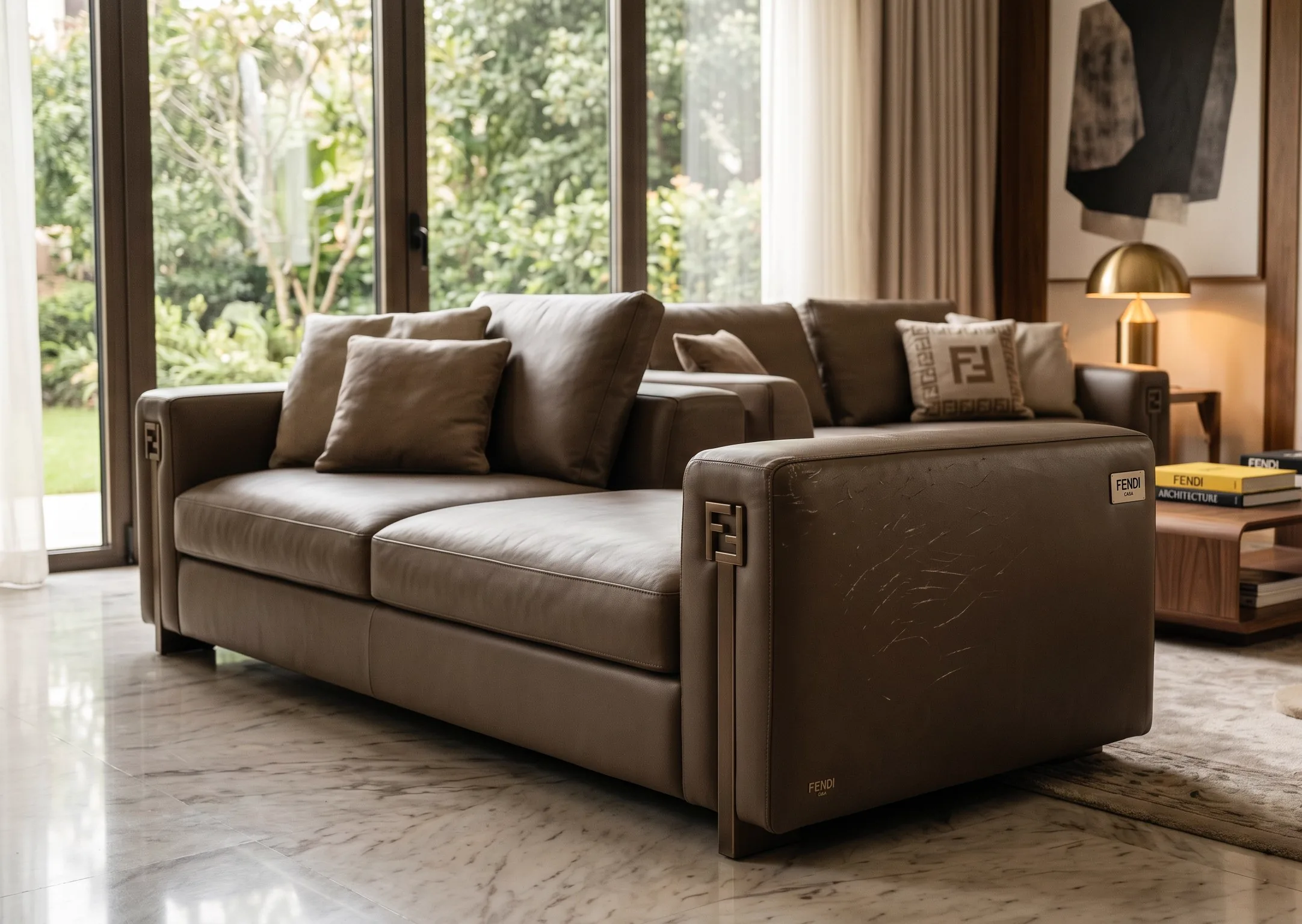
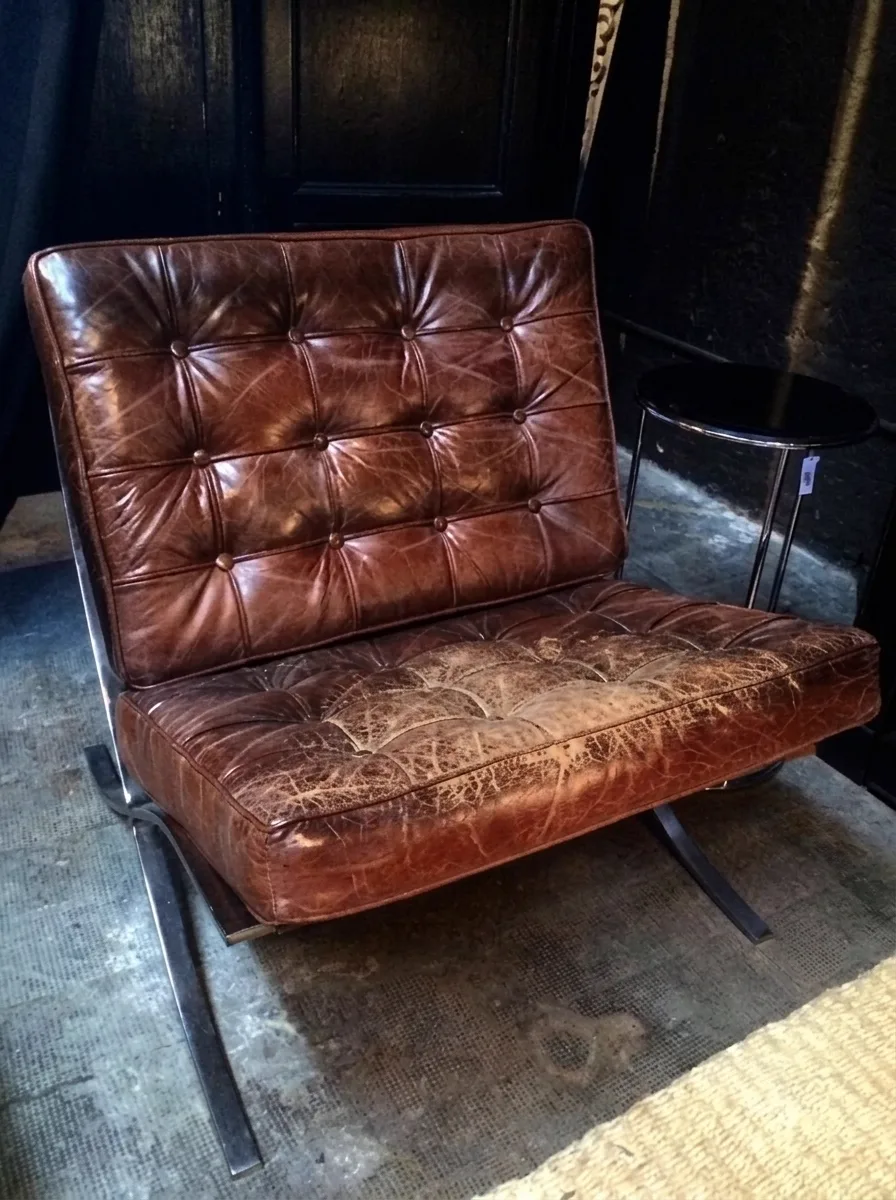
Before / AfterRecolour & Crack Fill
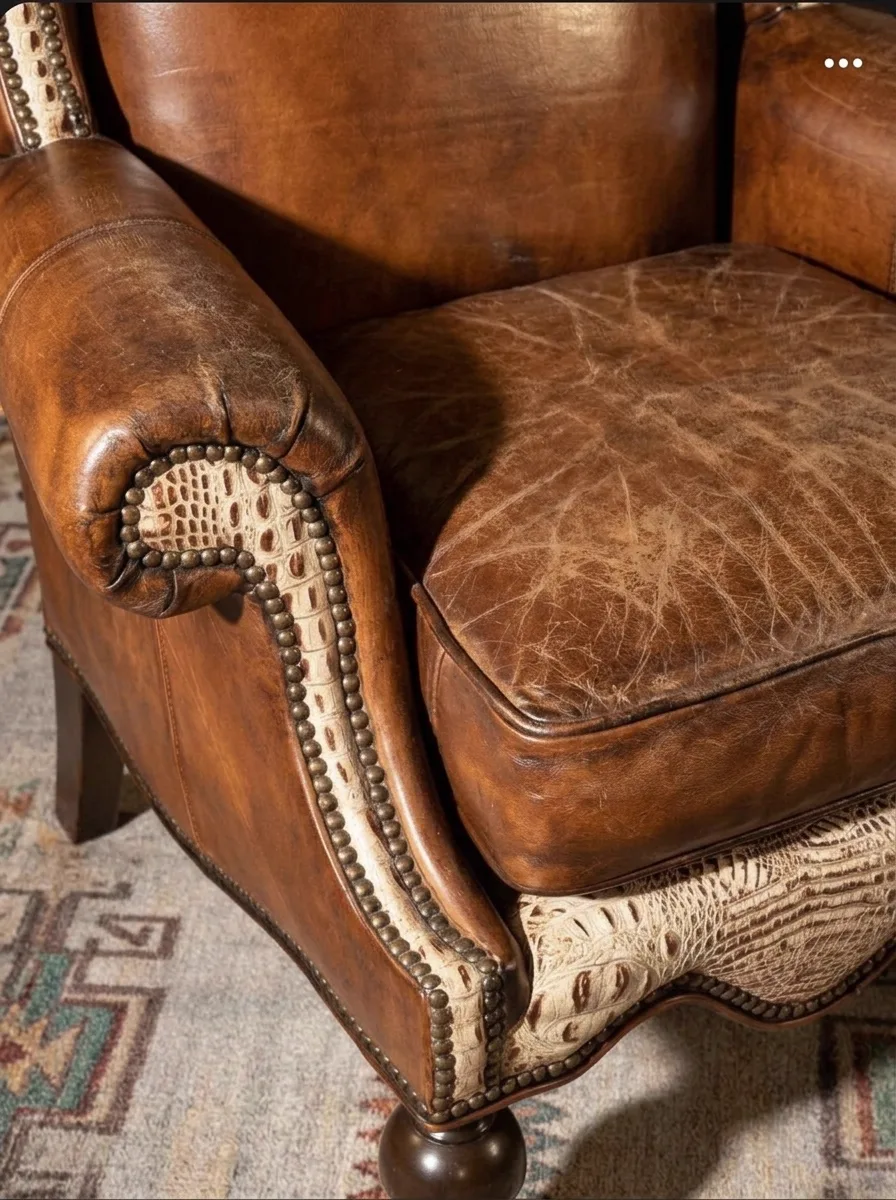
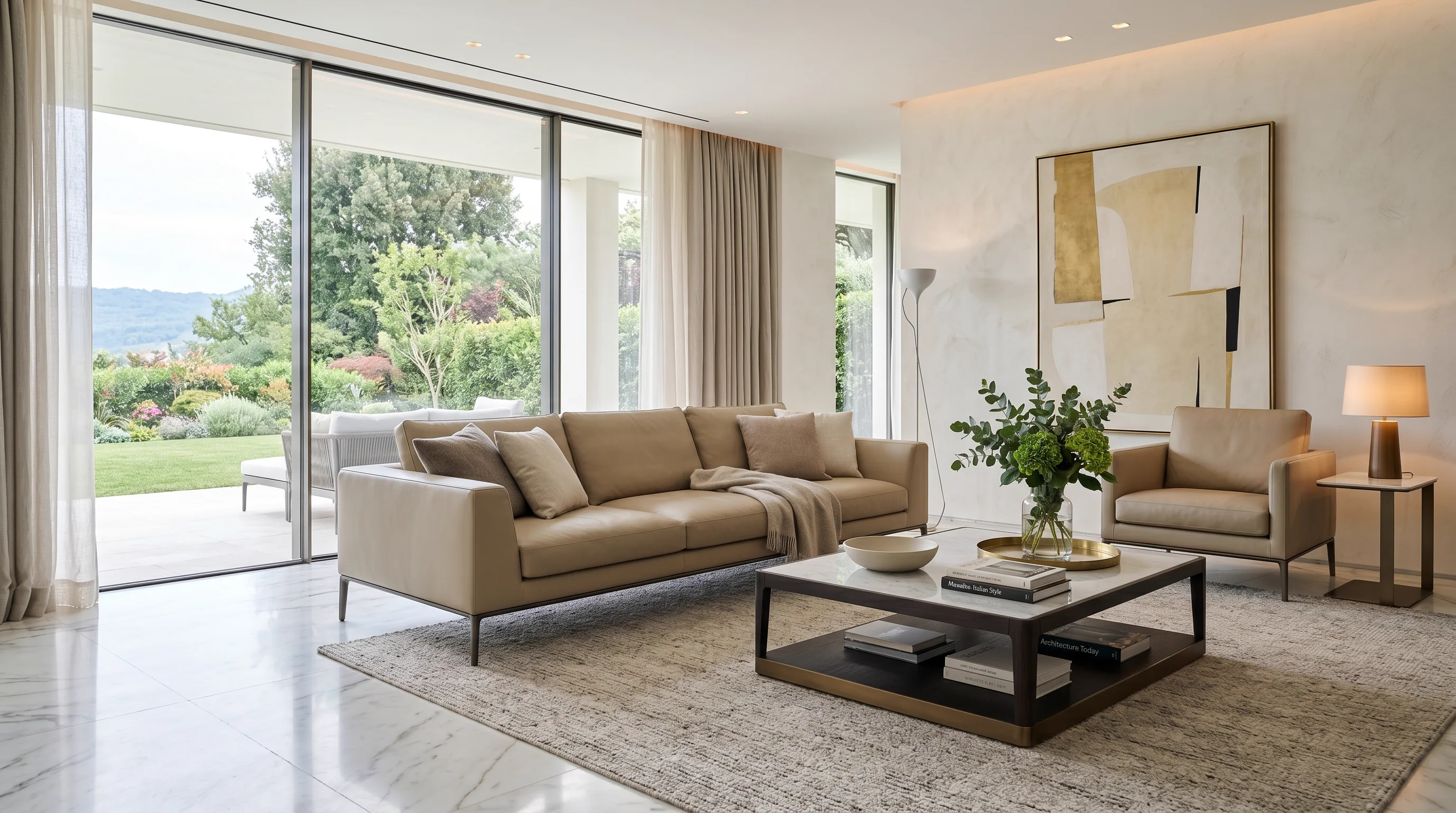
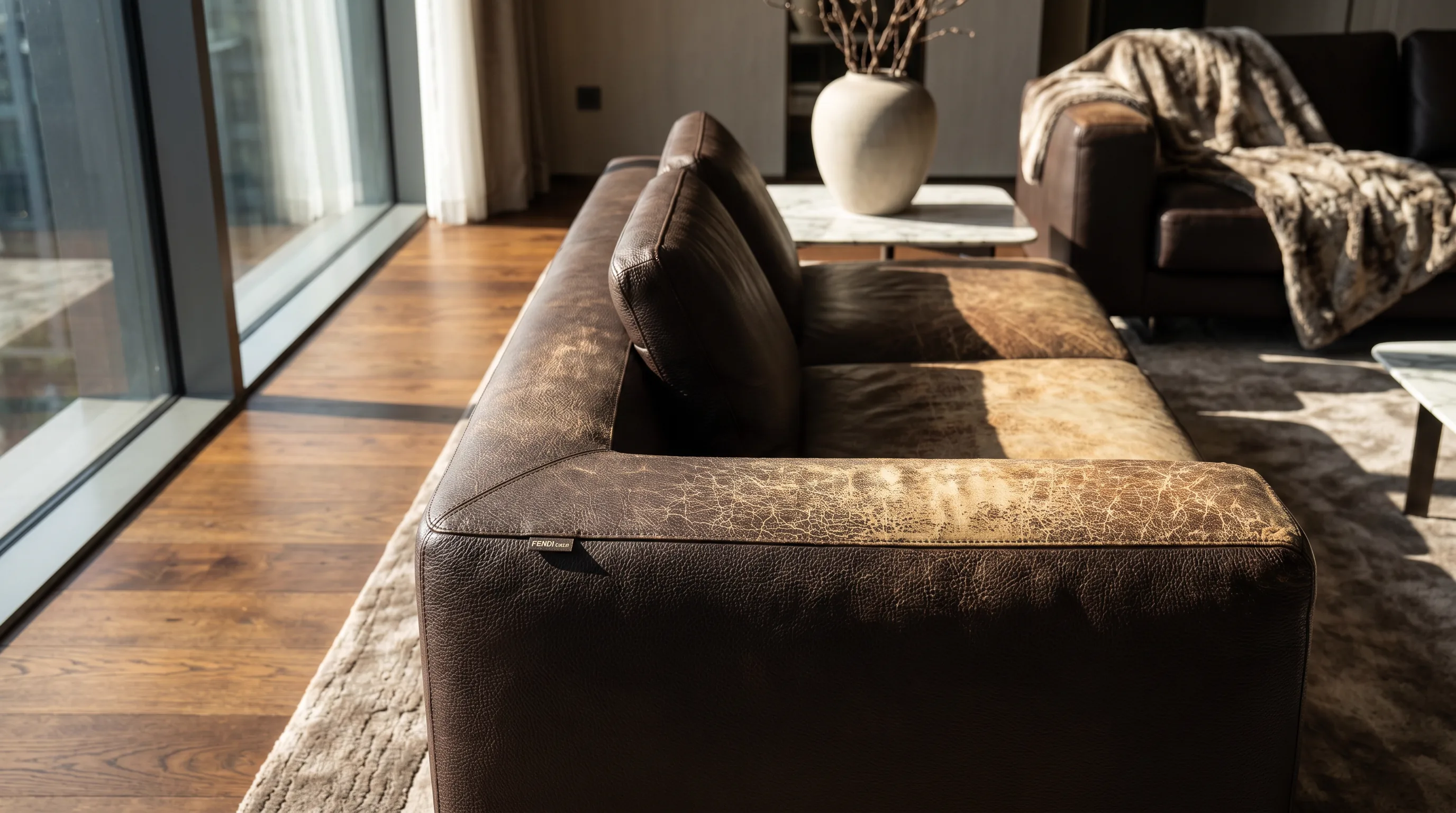
Leather is hide; it dries out under India's 45-degree heat, AC air, and monsoon mildew. Store products can't reverse it - professional deep conditioning (clean, then fat-liquor penetration) extends life most. With cracking, condition after repair.
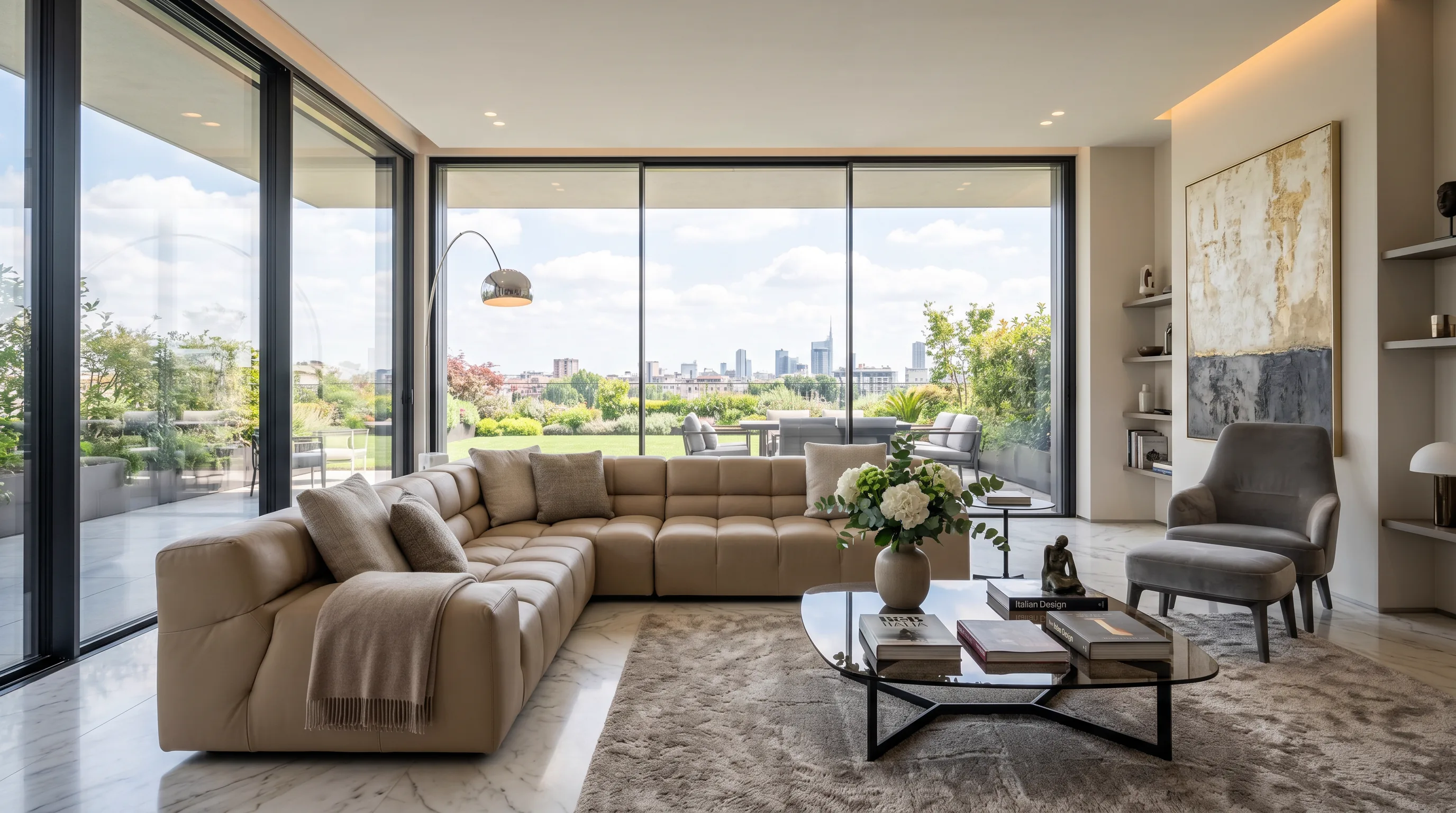
Professional conditioning penetrates the grain - consumer products sit on the surface. The difference is visible within one treatment.
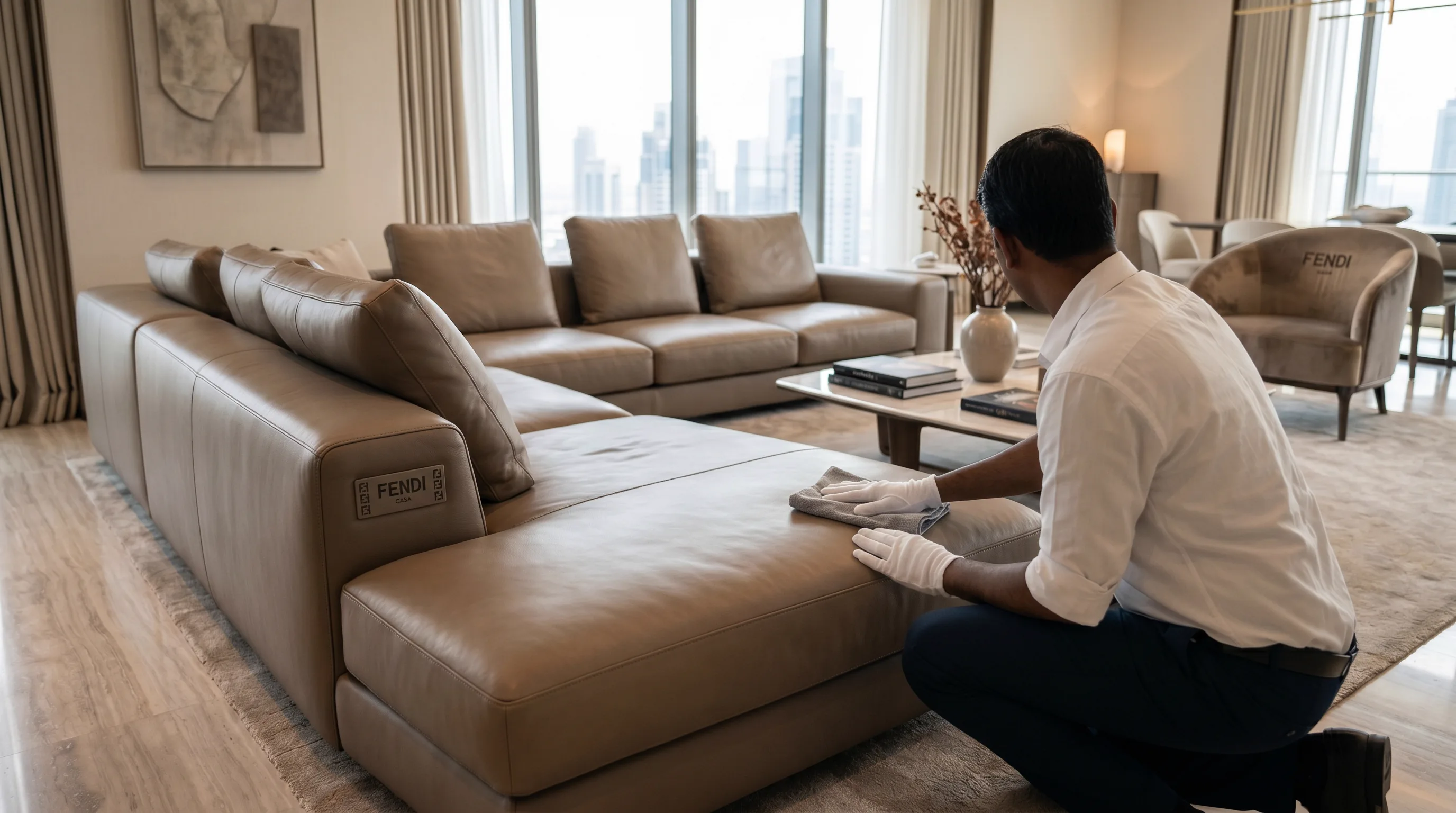
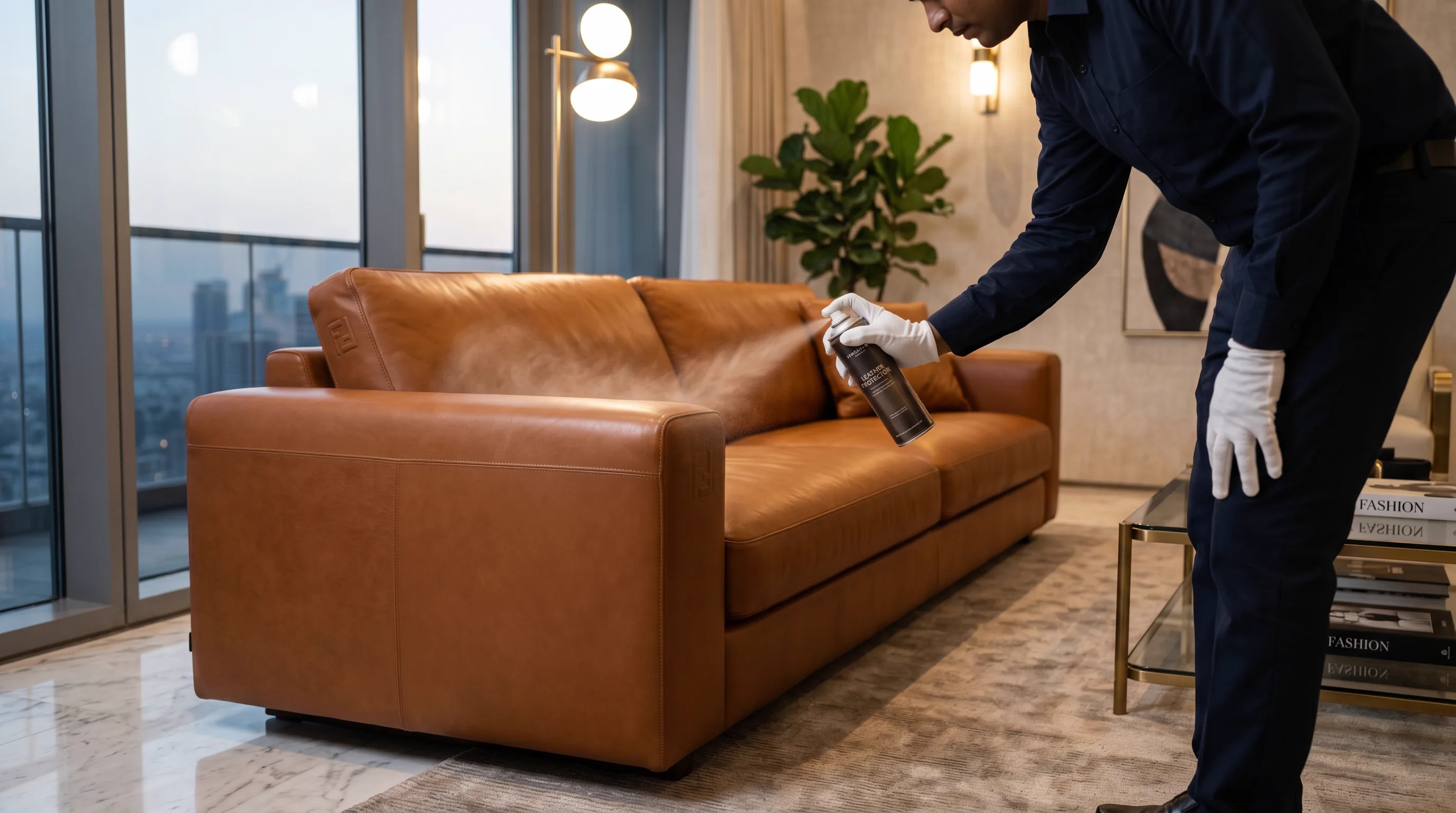
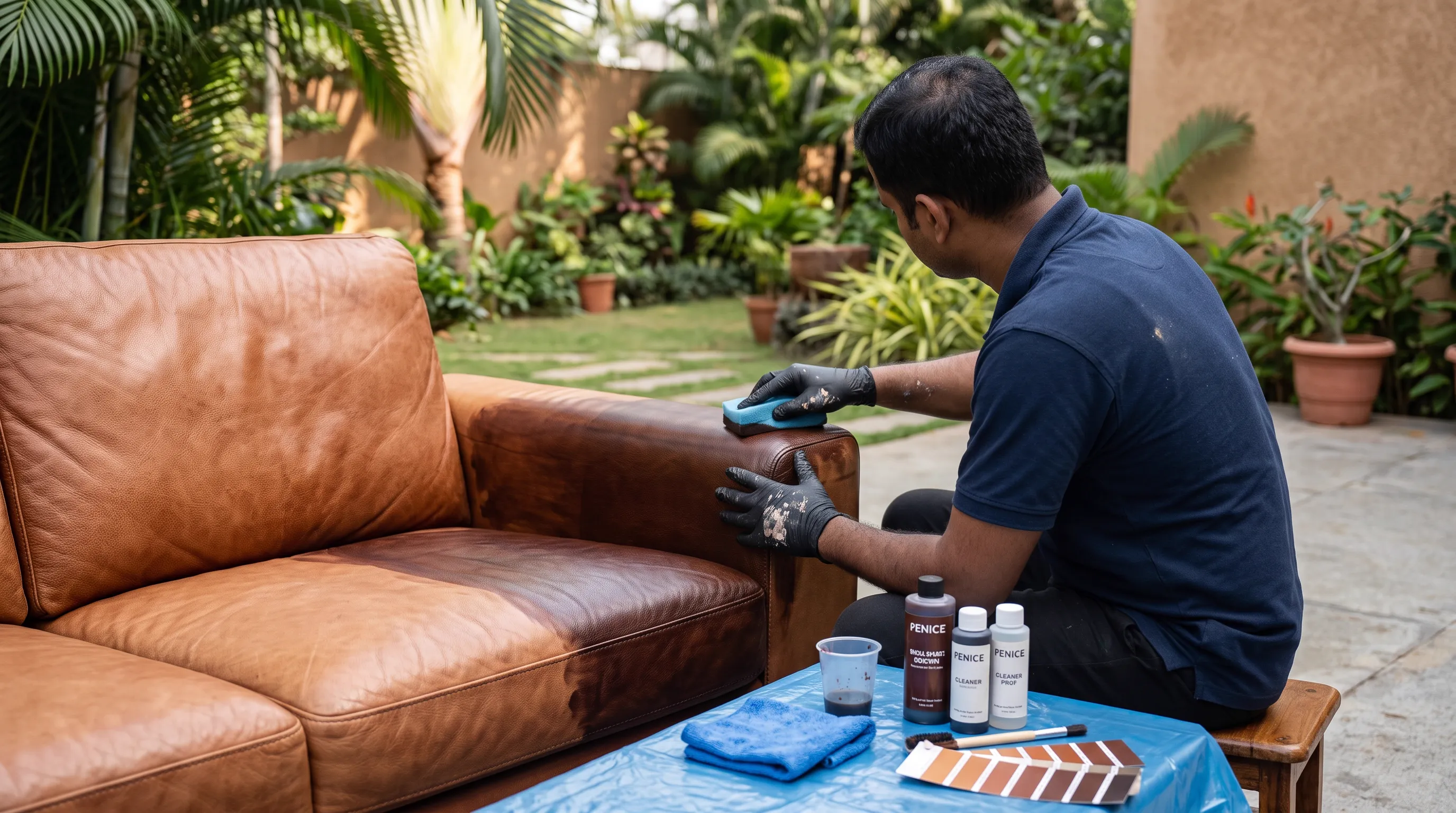
Photographed in studio · IndiaA four-step process that achieves lasting suppleness, not just surface shine.
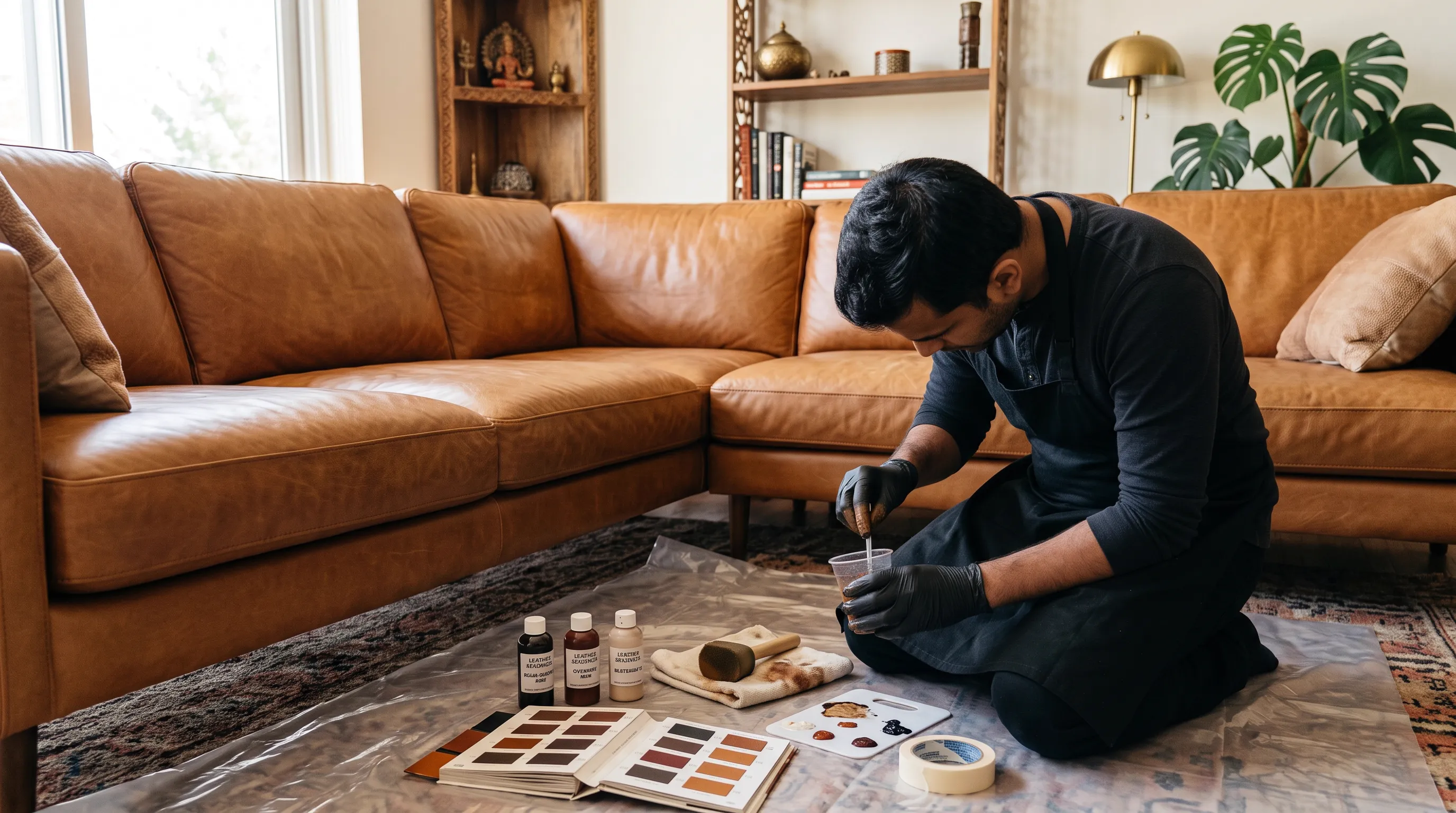
Learn MoreWe identify the leather type (aniline, semi-aniline, pigmented, nubuck) and assess moisture level - we can feel this by pressing the leather and observing how it moves and springs back. Dehydrated leather feels stiff and rigid; well-conditioned leather feels responsive and springy. We note the current condition as a baseline to gauge the result at the end of the session.
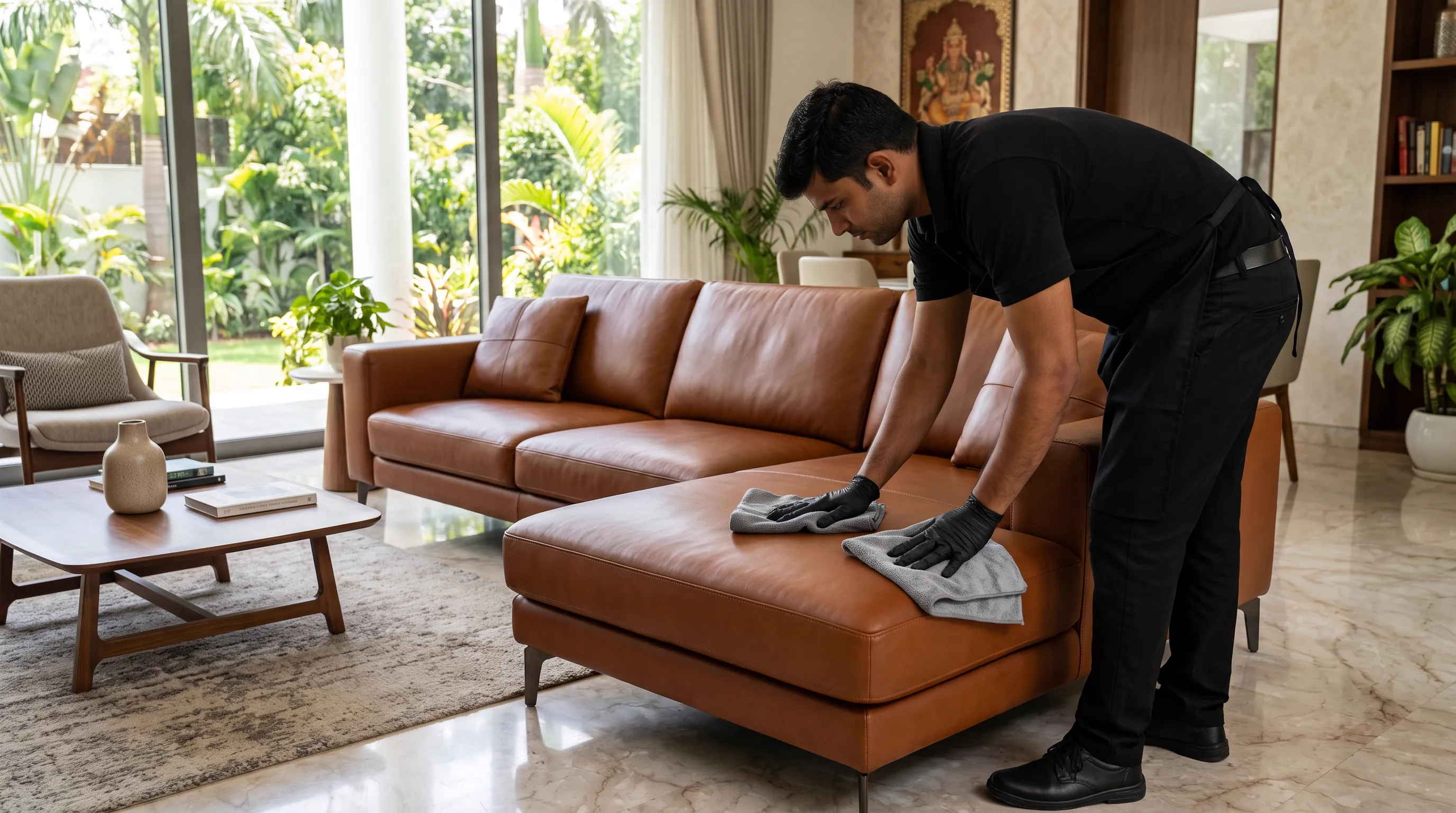 01.
01.
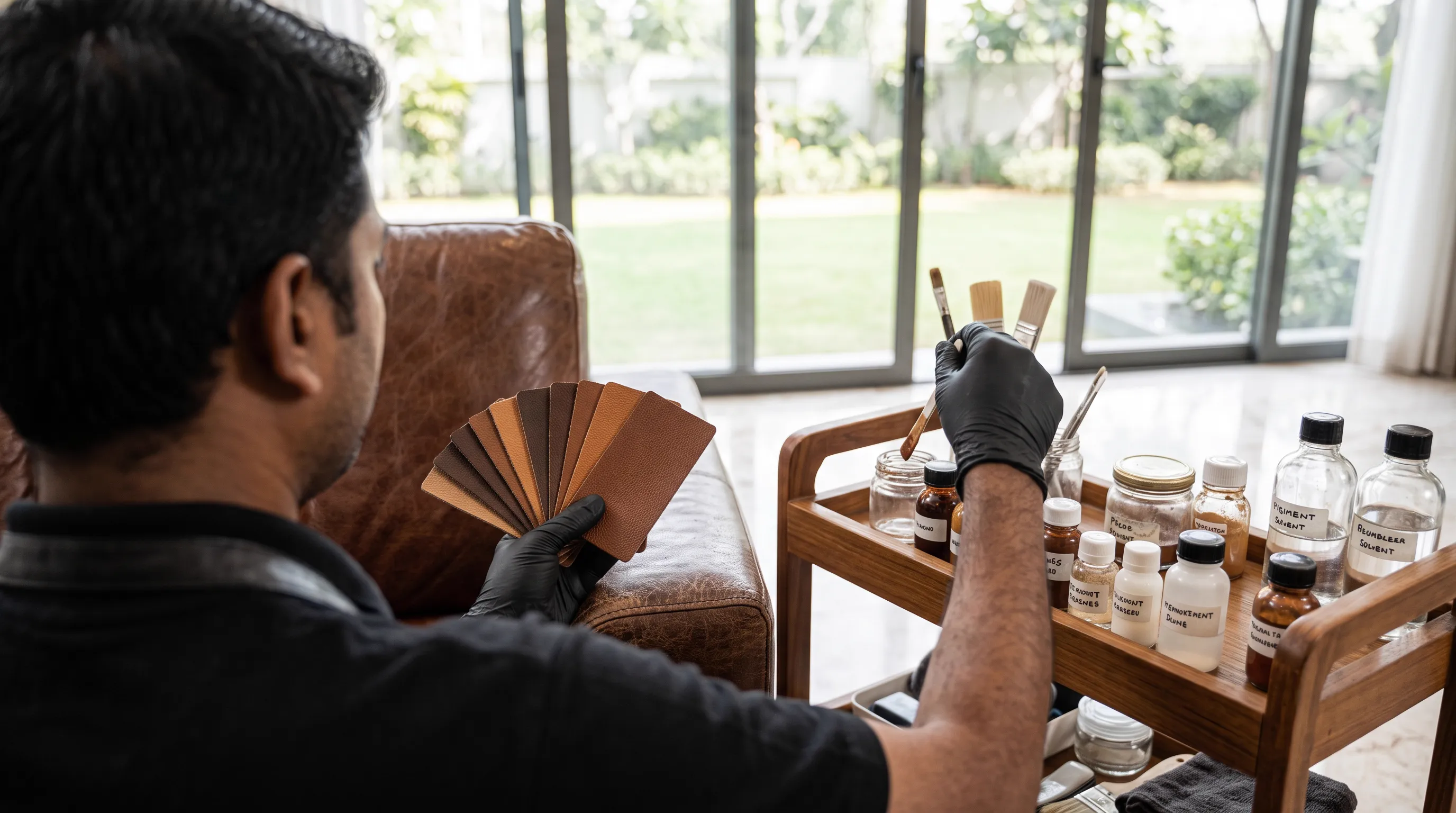
Thorough cleaning to remove soil, body oil film, product build-up, and surface oxidation layer. We use leather-safe pH-neutral cleaners appropriate to the leather type. Aniline leather in particular must be cleaned with care - aggressive cleaning removes some surface colour. The clean reveals the true leather colour and opens the grain for conditioning.
 02.
02.
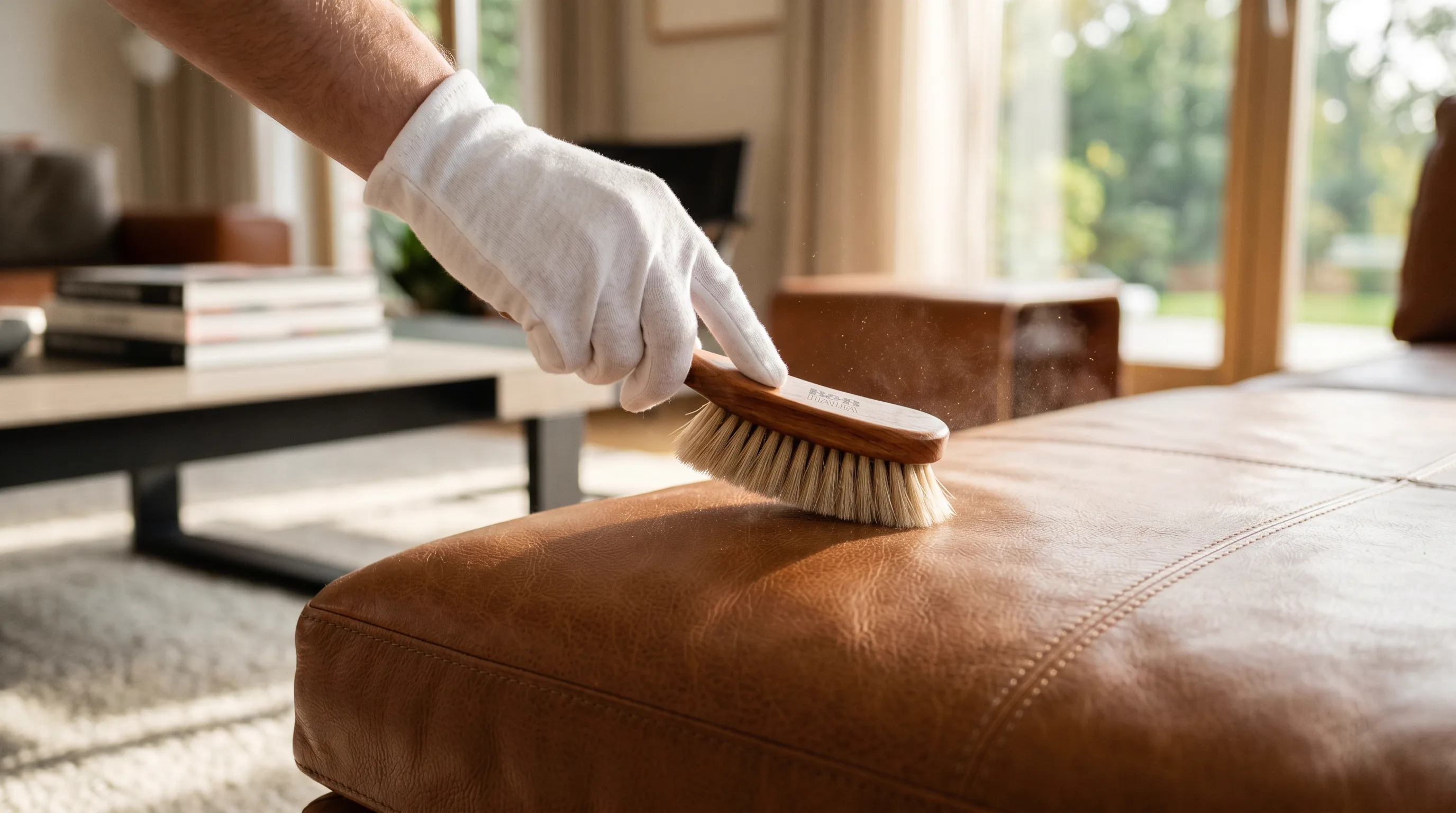
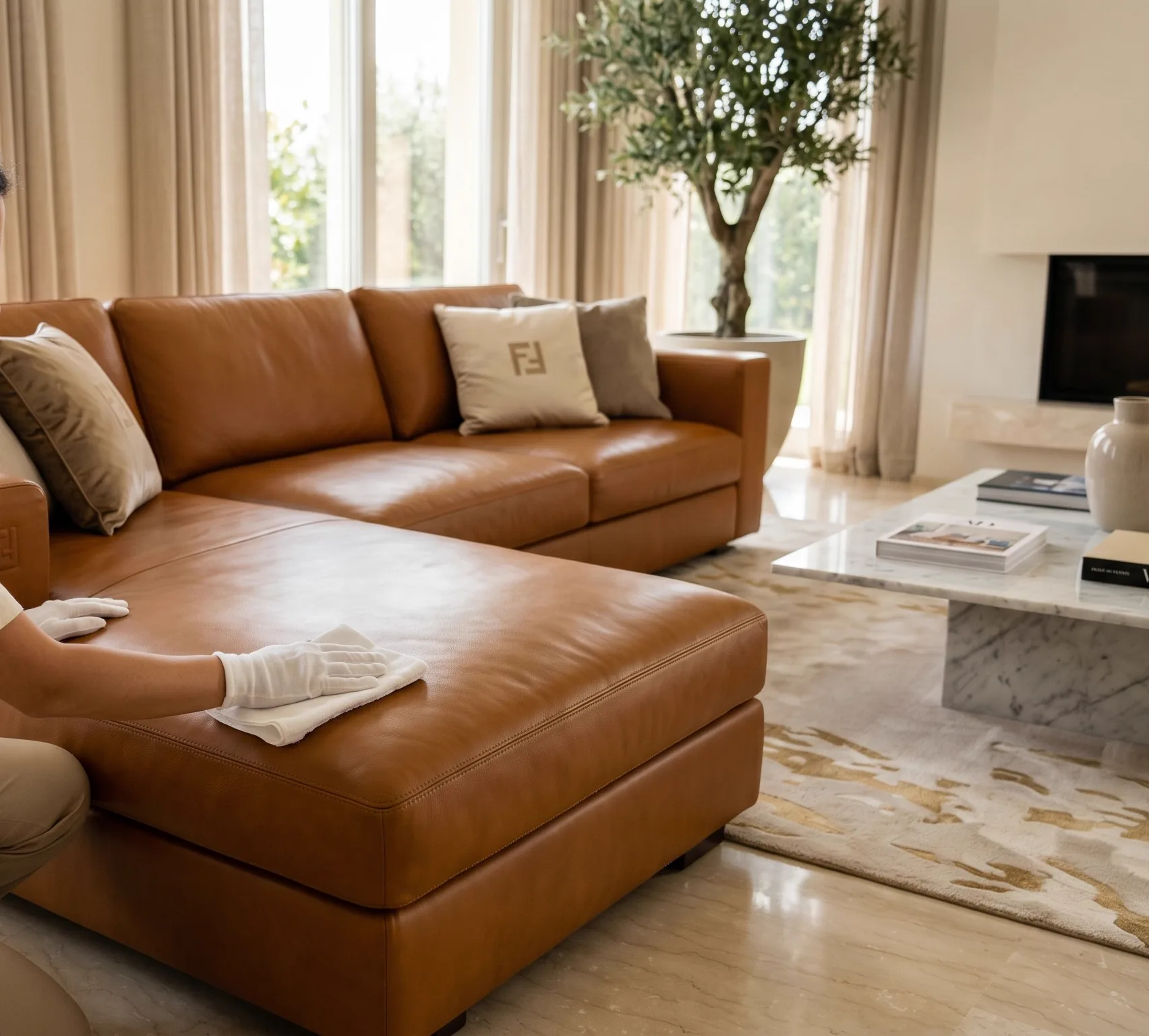
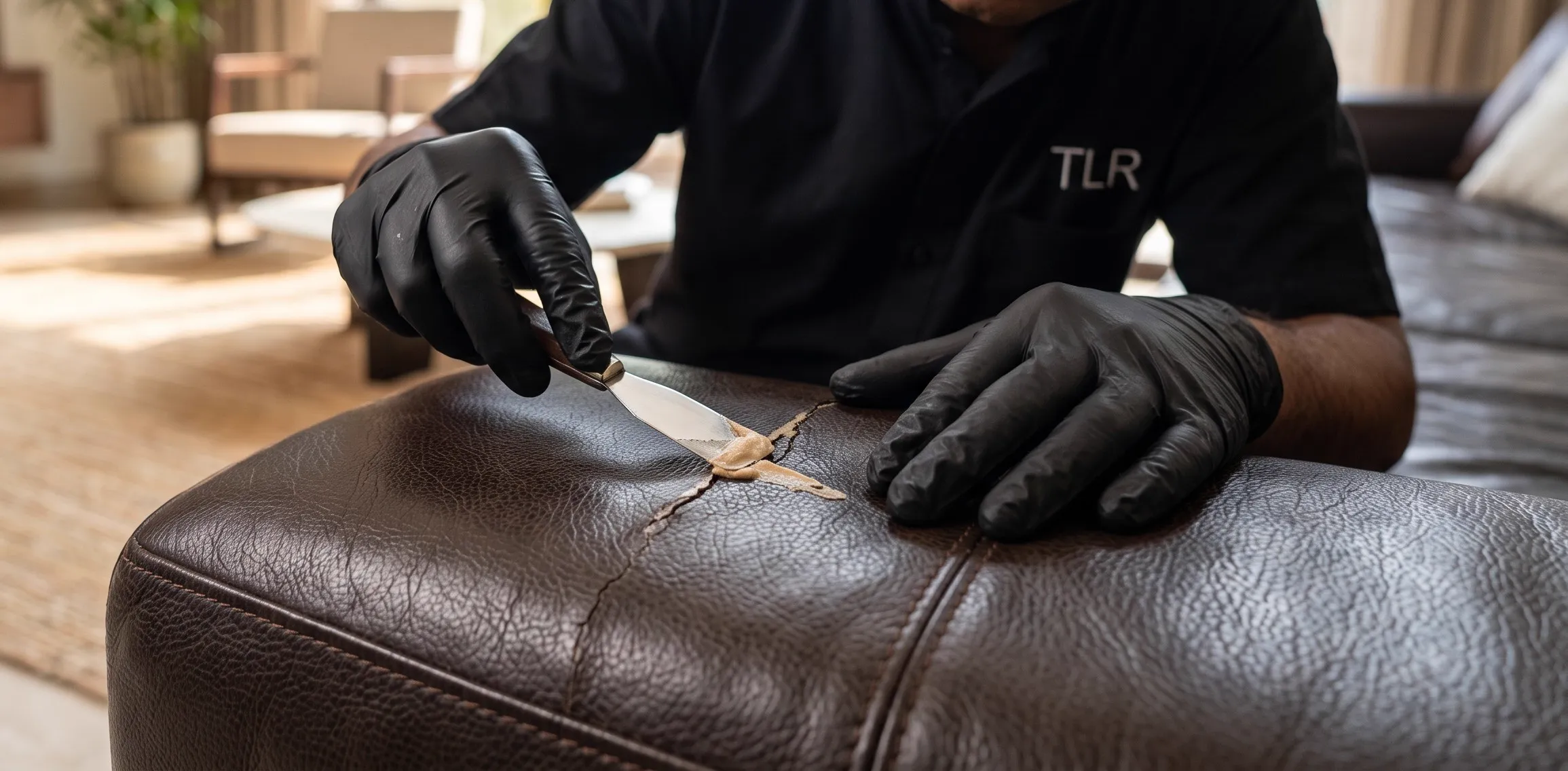
Conditioning is applied in 2-3 thin passes by soft brush or applicator pad, working one section at a time. Each pass is allowed 5-8 minutes absorption time before the next. Total contact time of the full conditioning cycle is 20-30 minutes for a standard 3-seater. The leather visibly changes under the treatment - it darkens slightly as it absorbs, then lightens back toward its natural tone.
 03.
03.
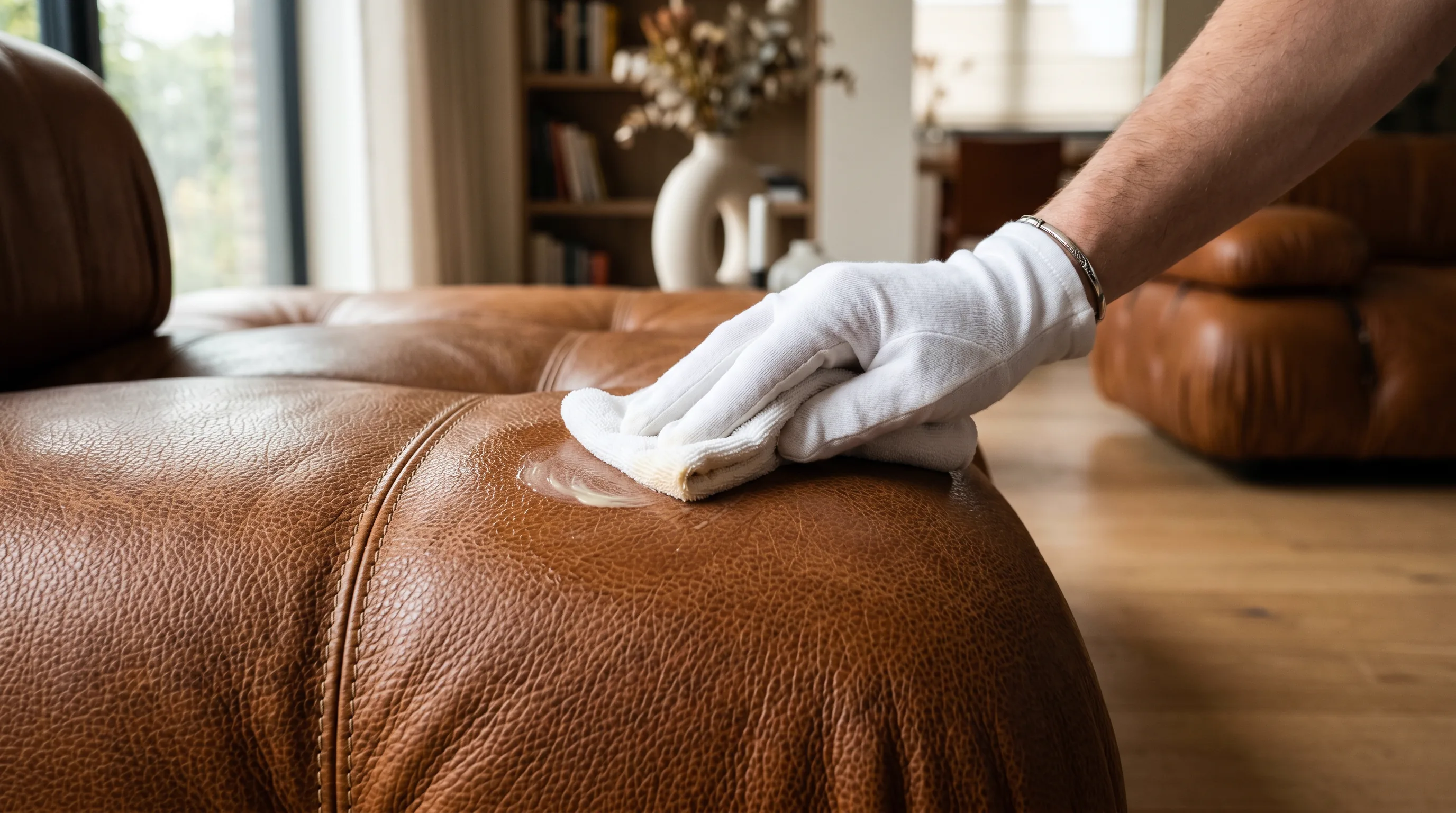
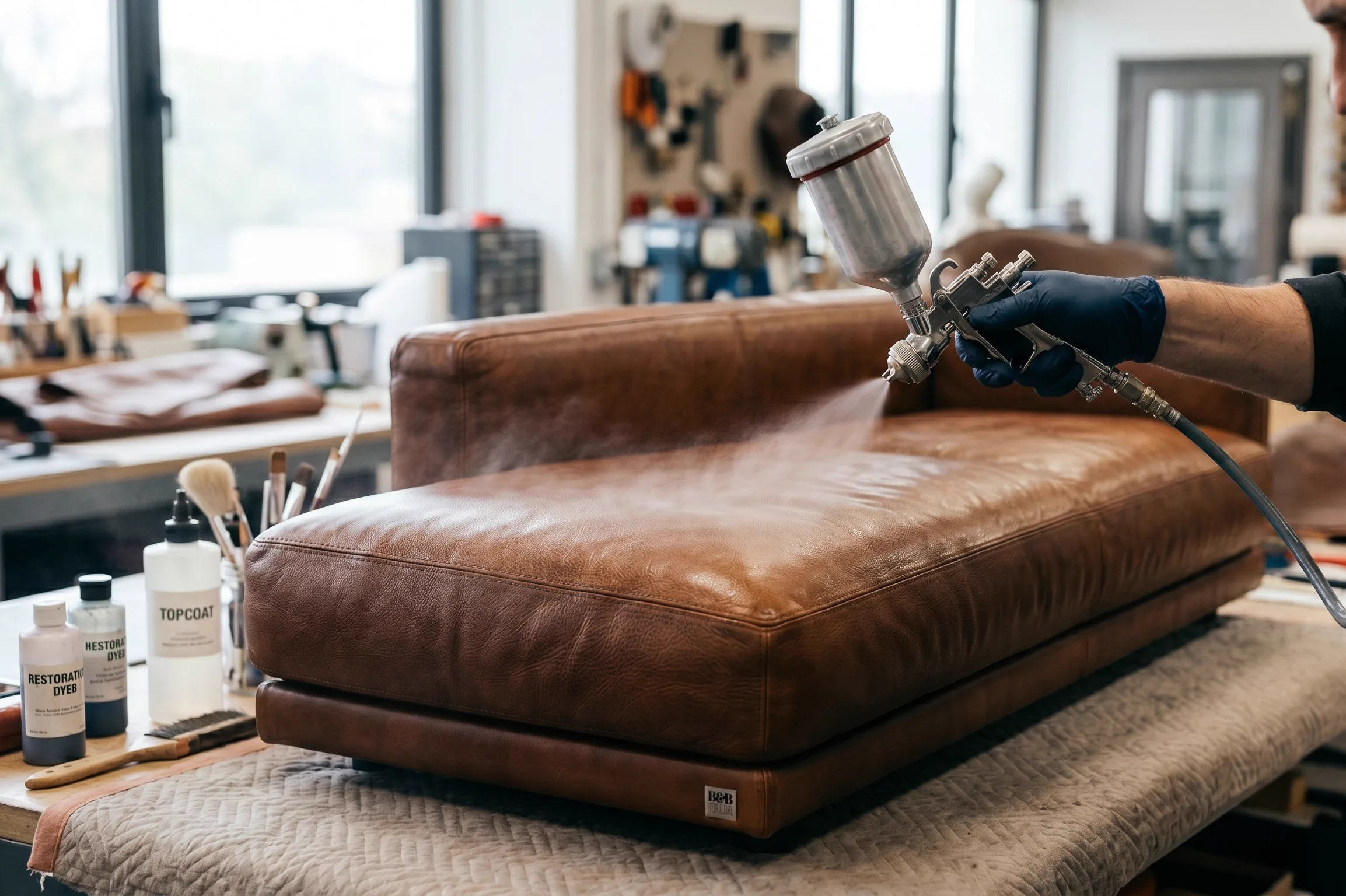
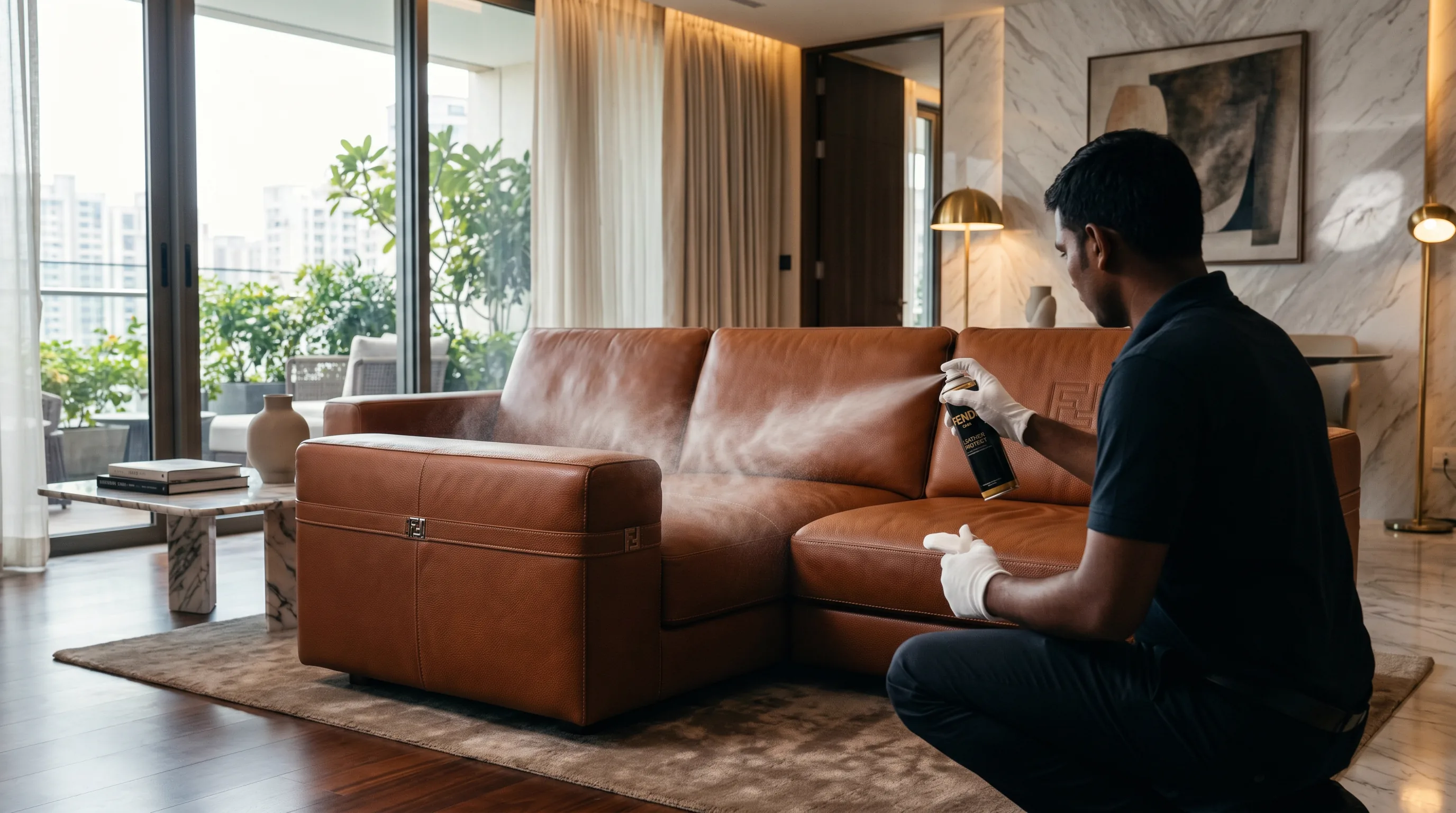
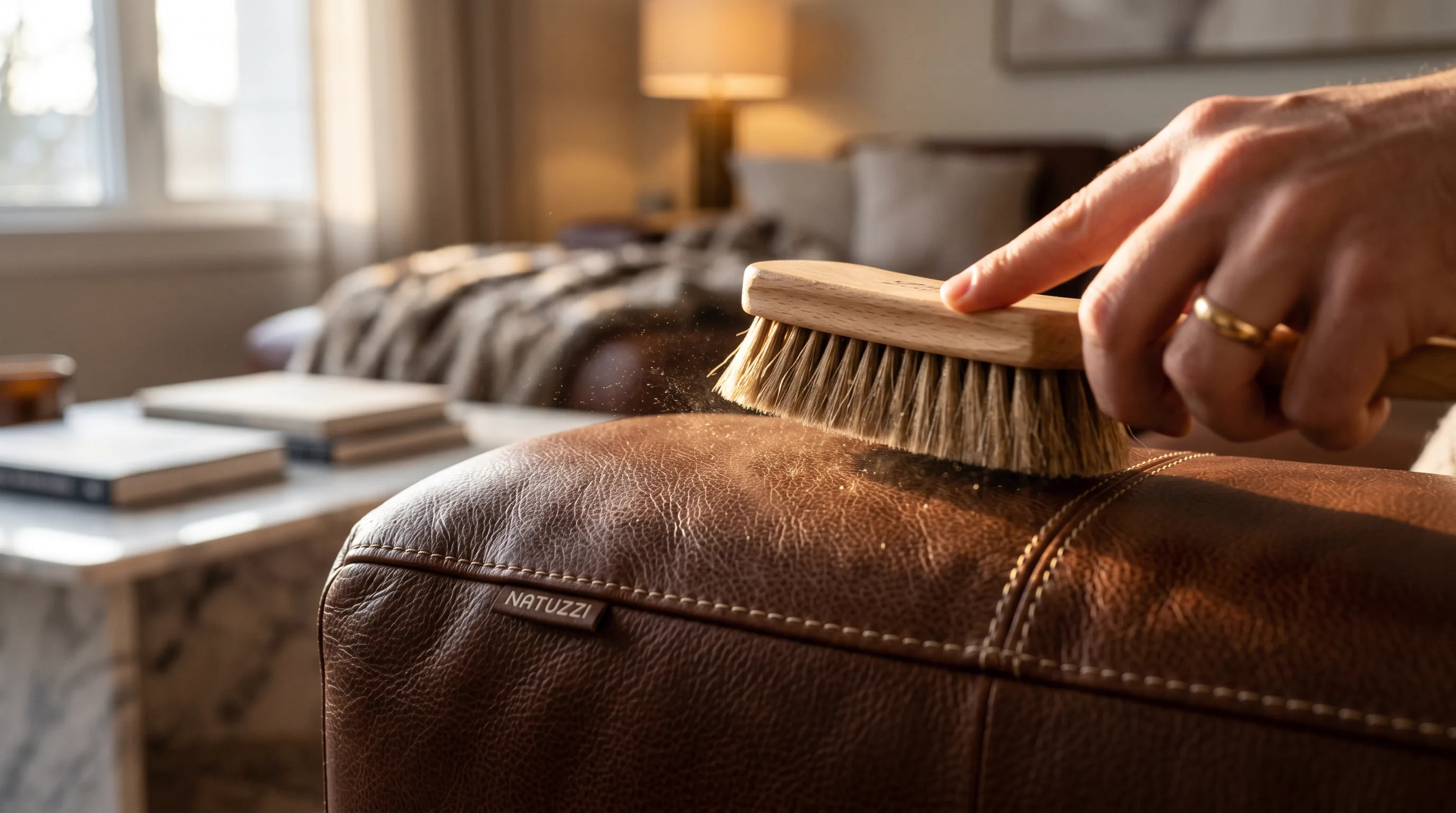
A light topcoat seal is applied to lock in the conditioning and protect the surface between visits. We leave the sofa open to air-dry for 1-2 hours before normal use. We provide written care guidance specific to the leather type: what to wipe with (dry white cloth), what to avoid (baby wipes, Colin, vinegar, damp cloths), and how far from the AC vent to keep the sofa. This aftercare guidance is calibrated to India's AC culture.
 04.
04.
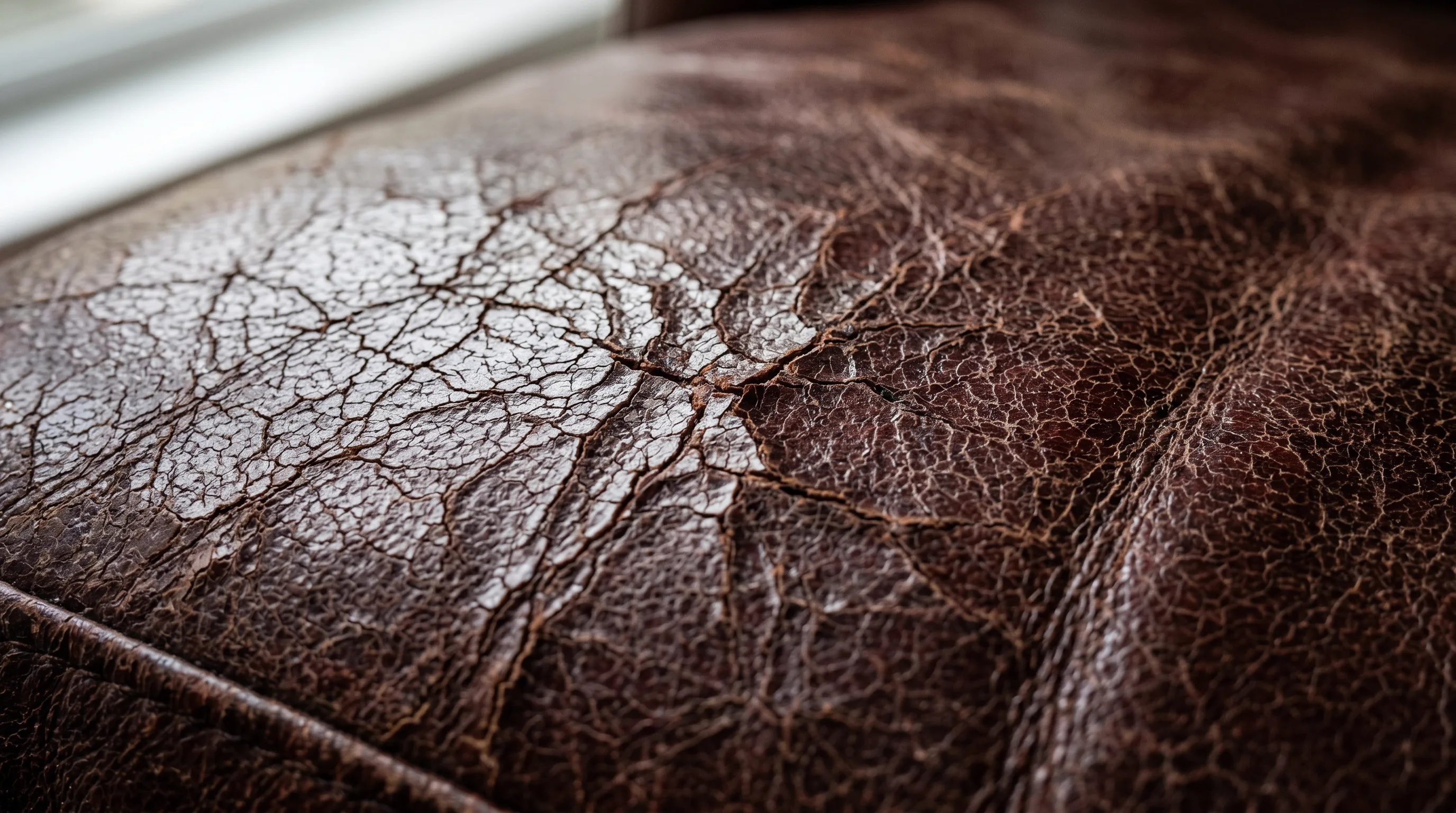
Leather deteriorates in a predictable sequence that most Indian sofa owners are not aware of until it is too late. Moisture loss from the hide (caused by AC at 18-22 degrees for 8+ hours daily and dry winter air) causes micro-cracking of the topcoat lacquer first - visible as a network of surface crazing. The exposed grain then begins to stiffen as the fat-liquors that keep it supple evaporate. Stiff grain creases under sitting pressure rather than bending smoothly - these crease lines become the deep cracks that eventually run through the leather. The entire sequence from dry air exposure to visible cracking takes 18-36 months in Indian conditions - significantly faster than the international standard of 3-5 years because of the extreme climate swing.
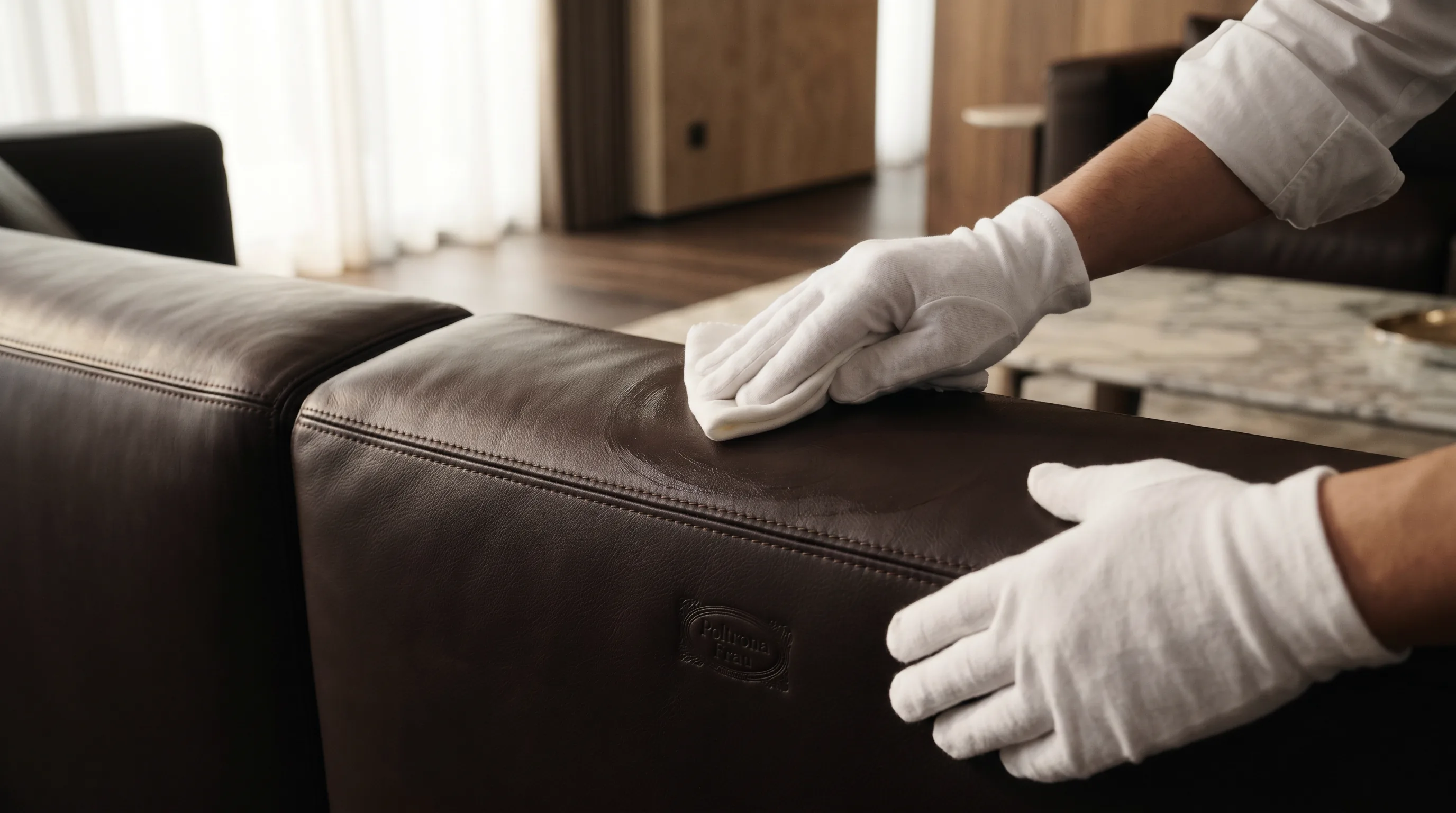
Professional conditioning interrupts this sequence by replenishing fat-liquors before they reach critical depletion. The key difference from consumer products is penetration depth. Consumer conditioning products are typically wax or silicone-based - they form a surface film that makes the leather look shiny but does not reach the grain. Professional fat-liquor conditioners are water-based formulations with small molecular size that penetrate the grain structure and actually restore the oils that keep leather supple. They also require a clean surface to absorb - conditioning dirty leather is like moisturising skin with SPF30 over a layer of grime. We always clean first. After 12 years and 1,100+ sofas in India's climate, we have the conditioning schedule and product weights calibrated to this specific environment.
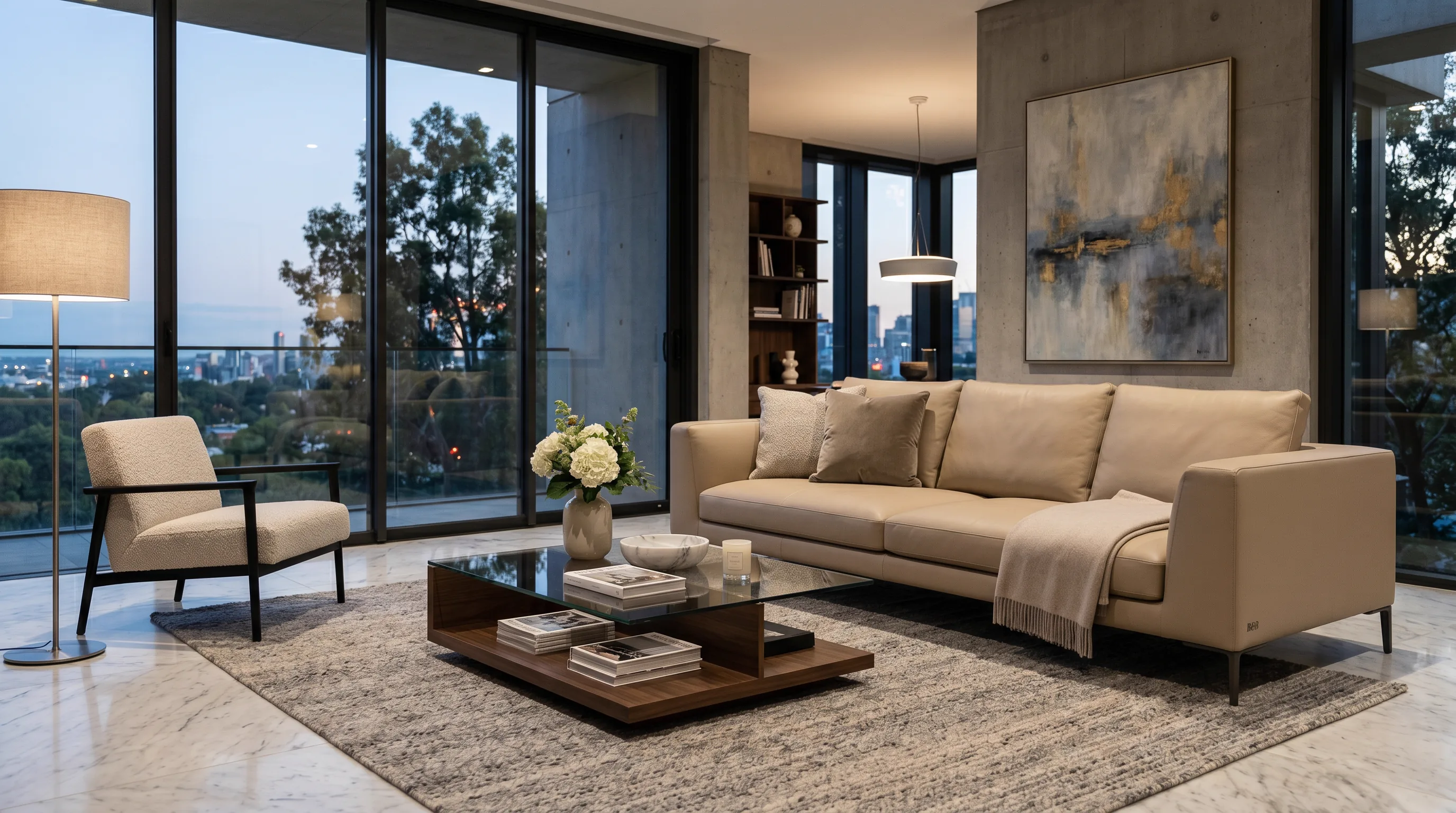
Multiple thin passes achieve greater grain penetration than one heavy application of the same total volume.
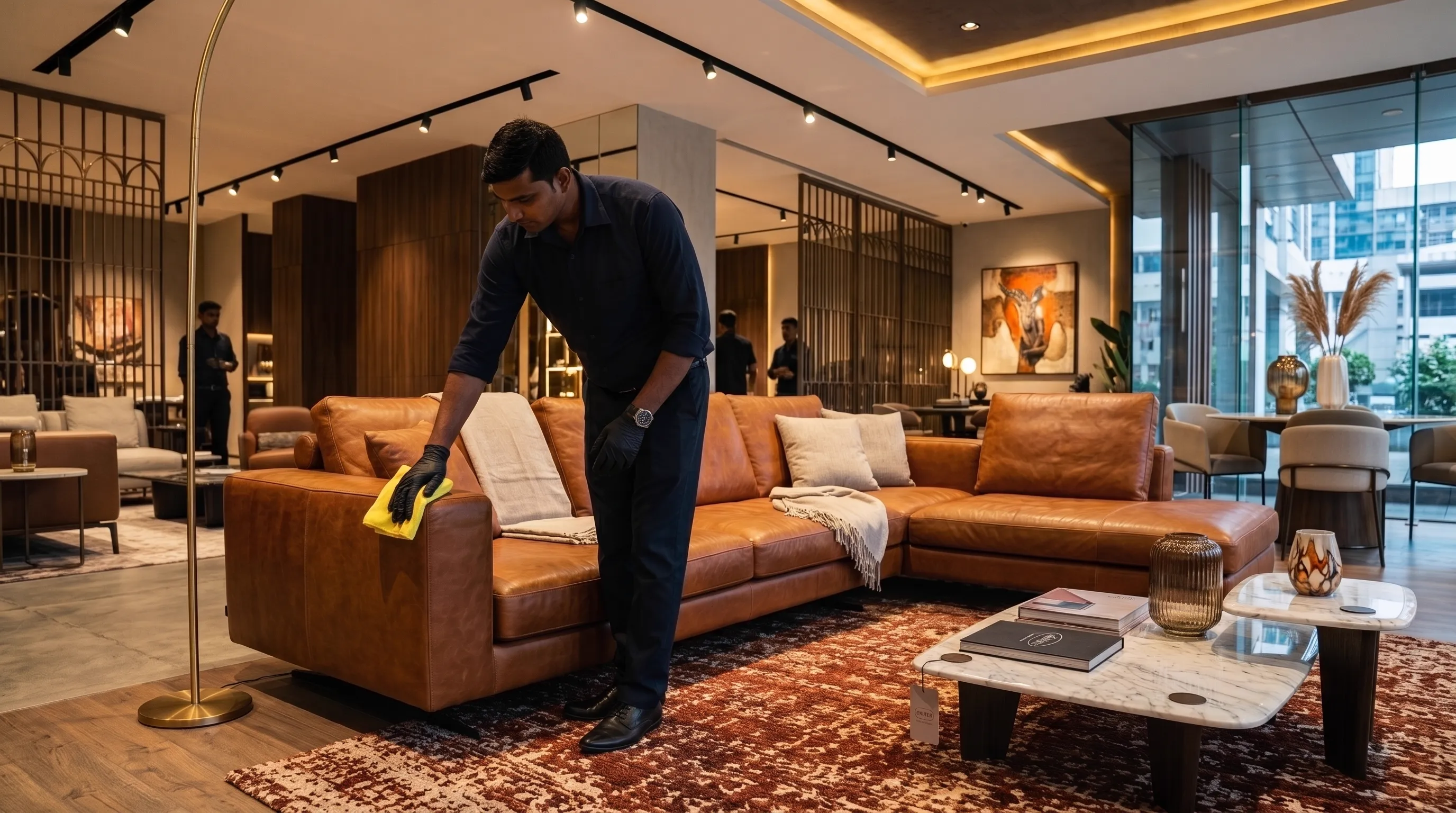
Photographed in studio · India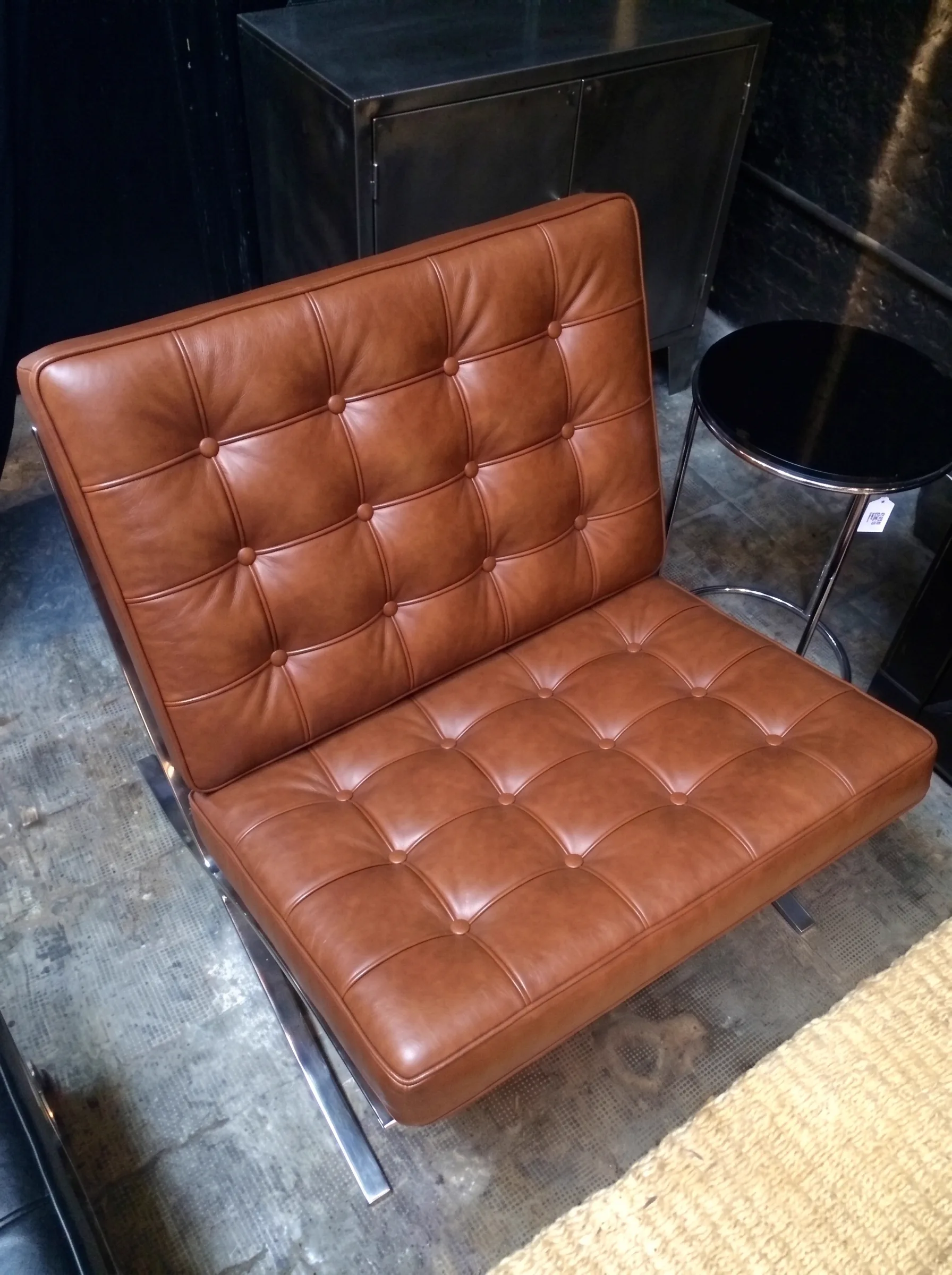
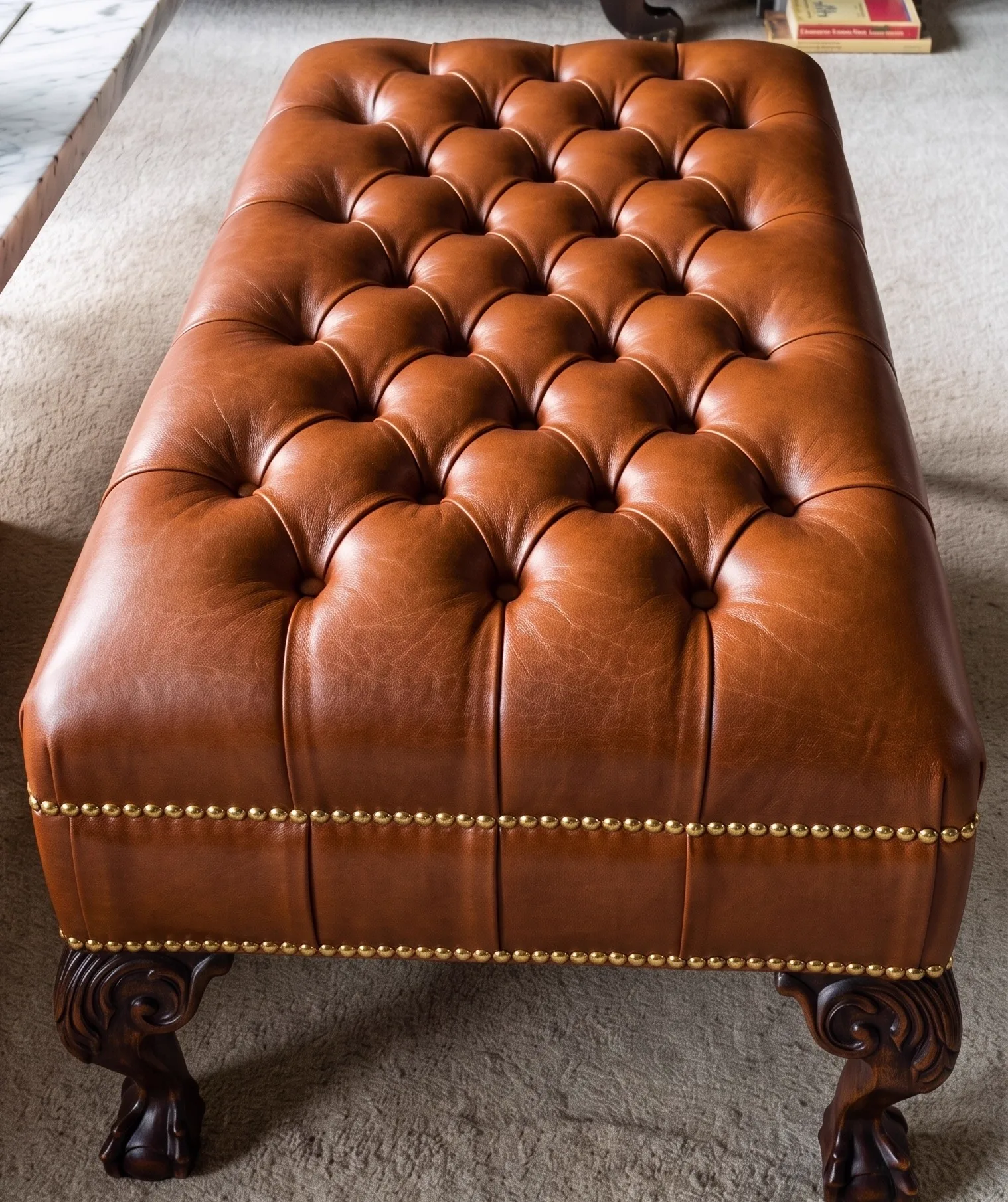
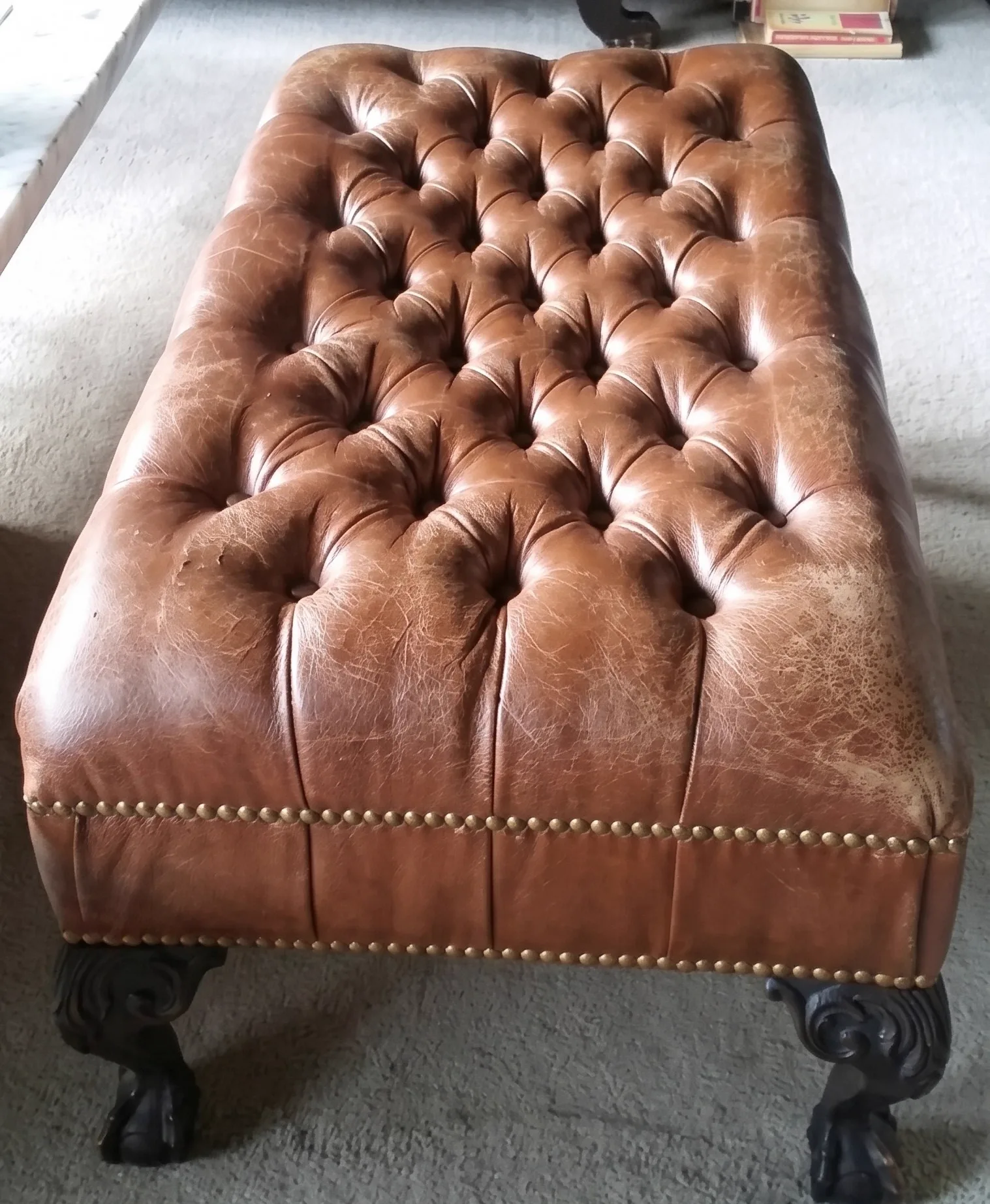
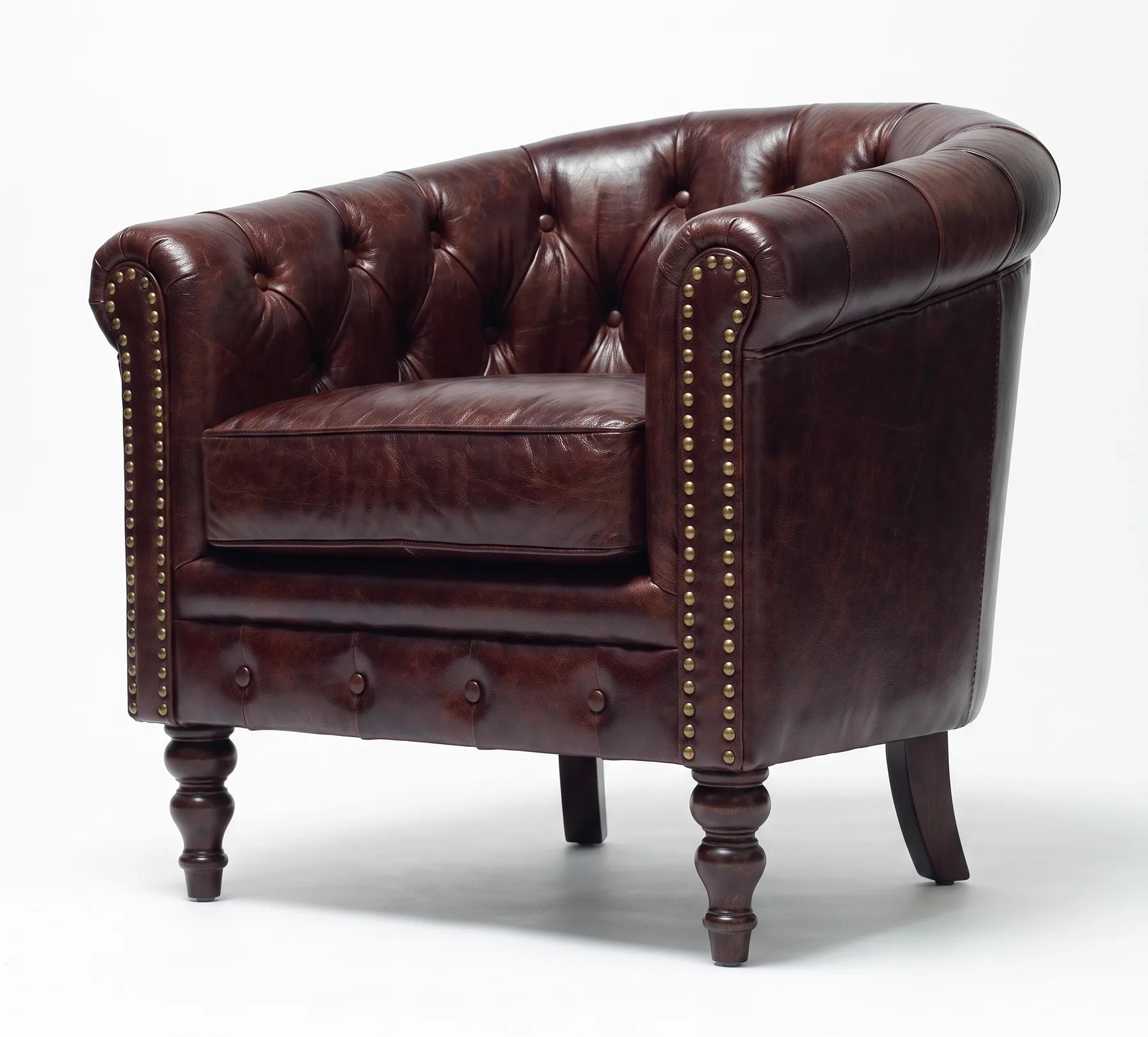
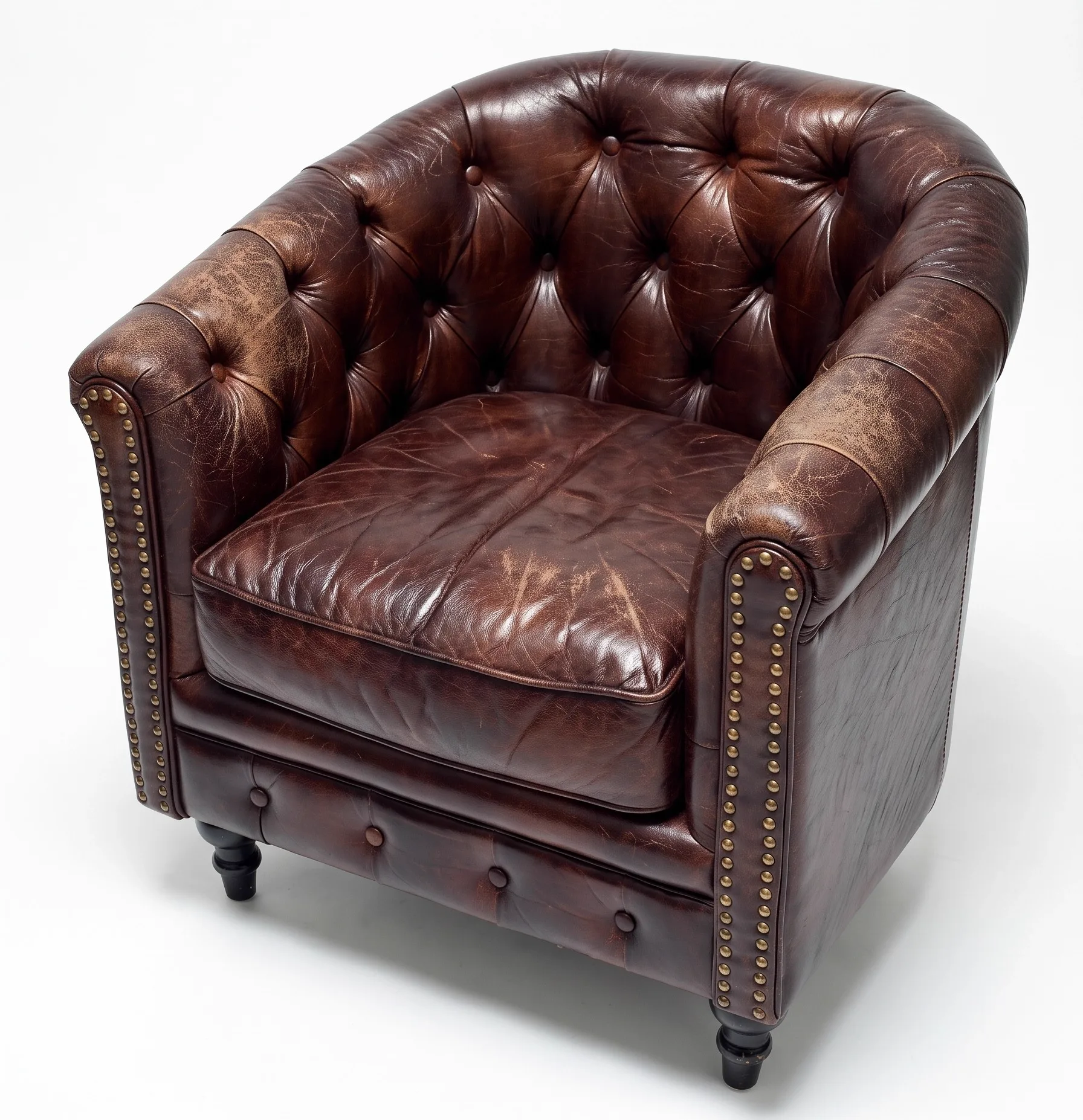
Six differences between what we do and what a Rs 400 consumer product can do.
Learn moreProfessional conditioning uses water-based fat-liquor formulations with a molecular size small enough to penetrate the leather grain. Consumer products use wax or silicone polymers that sit on the surface and create a protective film - useful, but not the same as restoring the internal moisture that keeps leather supple. Once you feel the difference between professionally conditioned leather and consumer-treated leather, there is no going back.
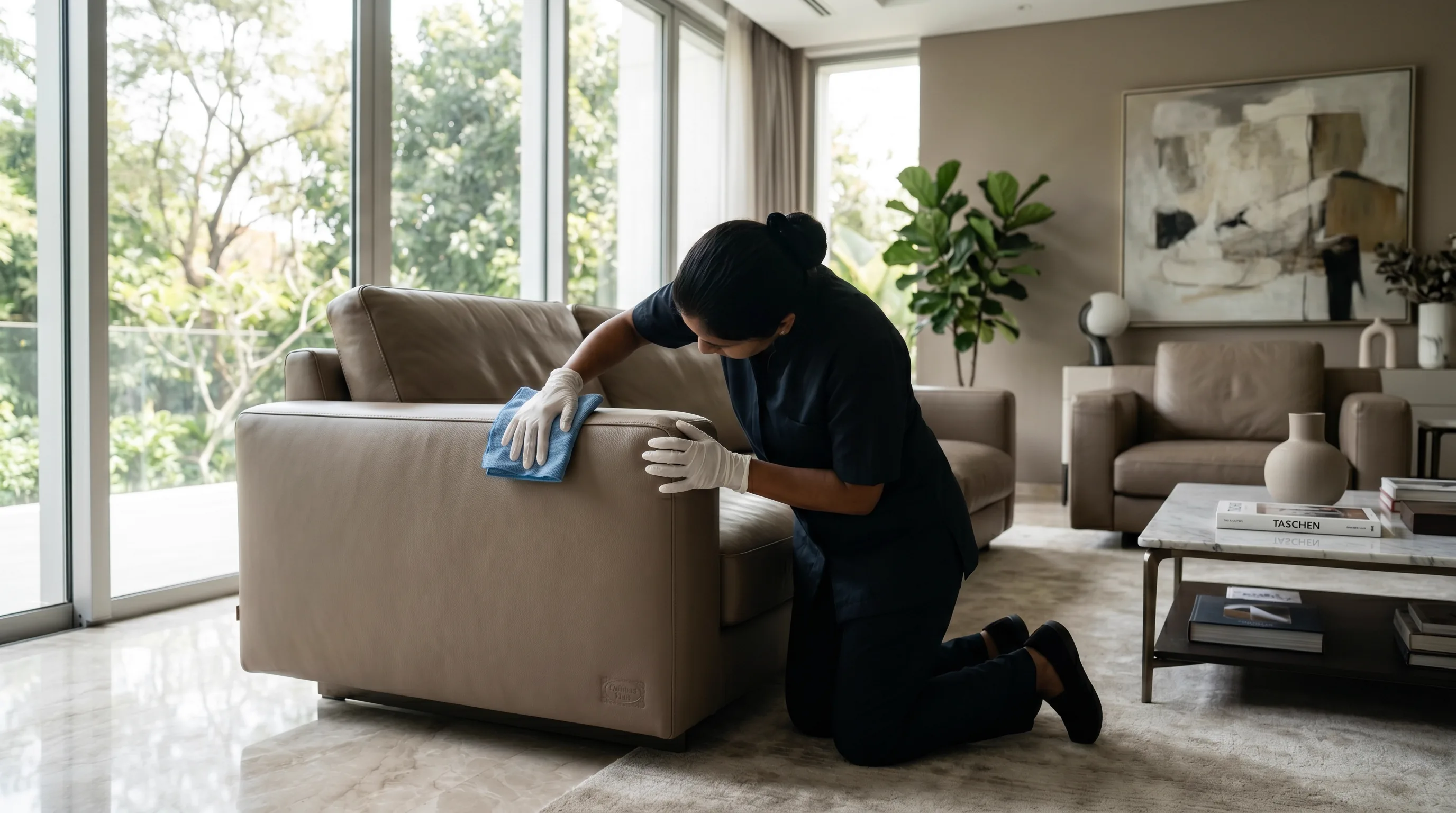 Atelier
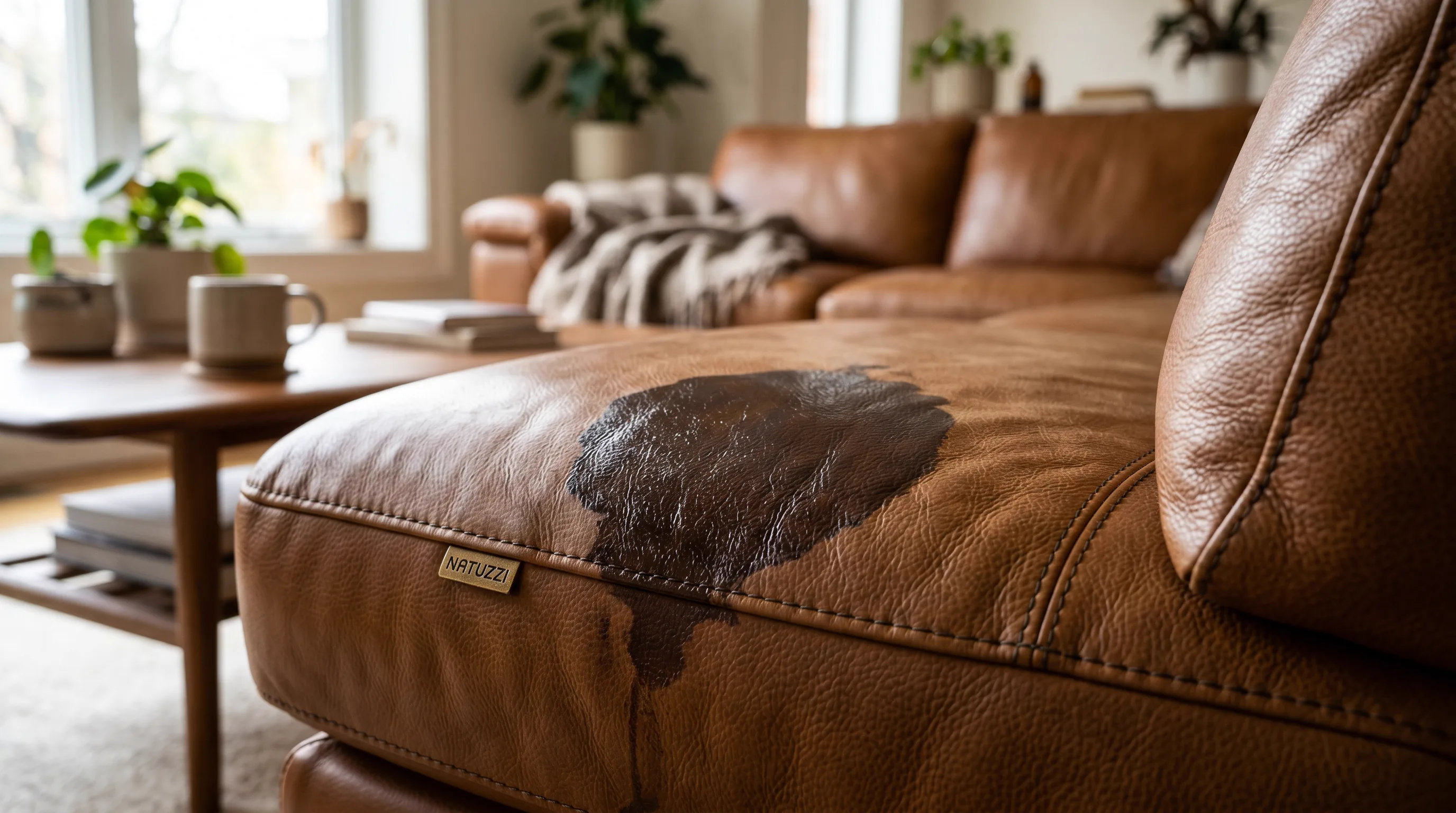
Conditioning dirty leather is ineffective - the soil layer, oil film, and product build-up on the surface blocks penetration just as effectively as a wax. We clean the leather completely before conditioning, removing the barrier that prevents professional products from reaching the grain. This is why one professional conditioning session outperforms years of consumer product application.
India's climate is extreme by leather care standards: summer peak of 45 degrees, winter lows with RH dropping below 20%, monsoon humidity above 85%. Each season strips leather differently. We use a heavier conditioning weight before the dry winter (October-November visit) and a lighter, anti-mildew formulation before the monsoon (June visit). Consumer products cannot make this distinction.
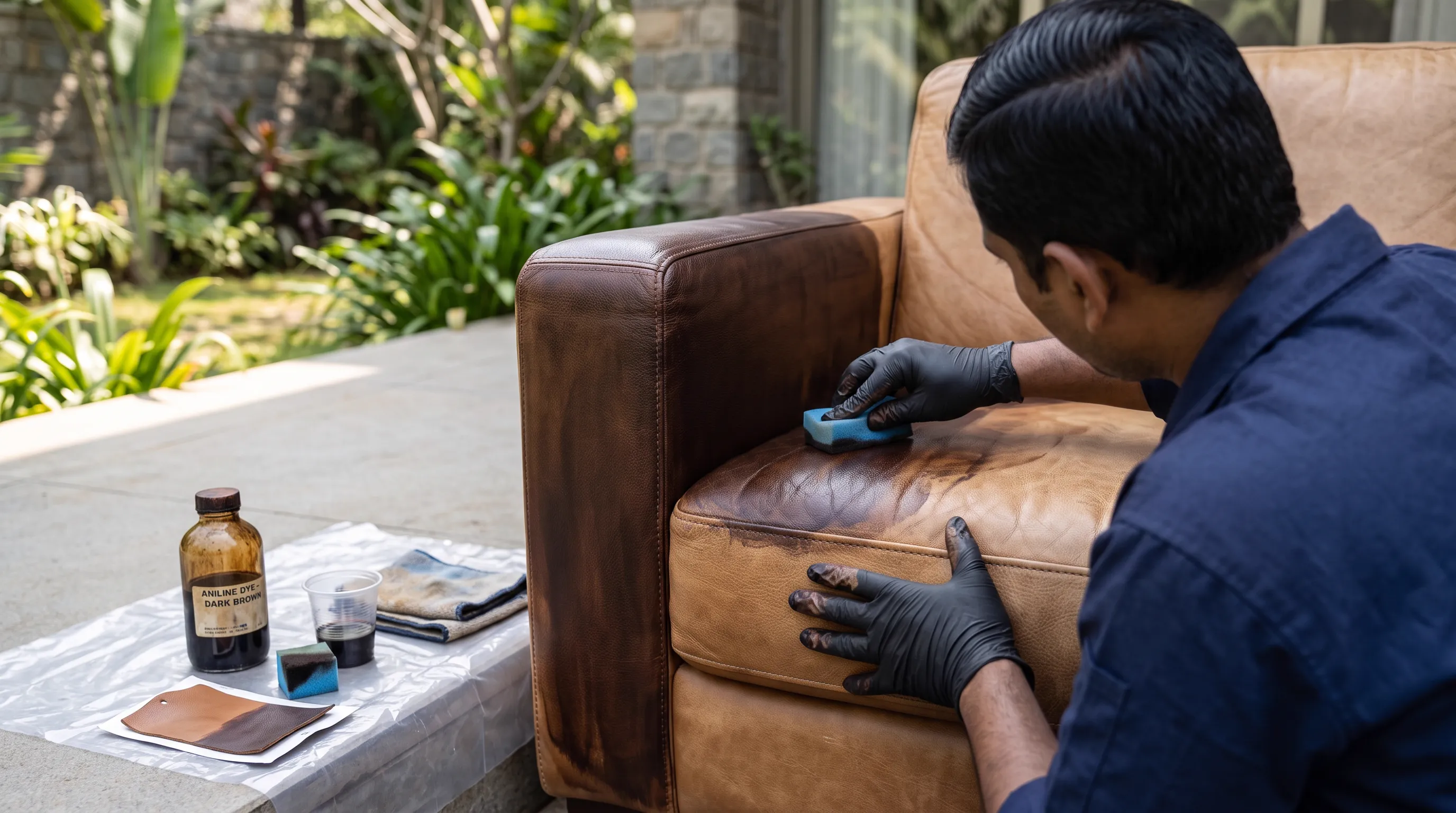 On-Site,
A single heavy application of conditioner often sits on the surface instead of penetrating - the grain can only absorb so much per pass. Professional technique applies conditioner in multiple thin passes, each allowed to absorb before the next is applied. This progressive absorption reaches deeper into the grain than a single application of the same total volume, producing better suppleness with the same amount of product.
Aniline, semi-aniline, pigmented, nubuck, and faux-leather each require different conditioner chemistry and application methods. Aniline is highly porous and absorbs aggressively - use too heavy a product and it darkens temporarily. Pigmented leather has a sealed surface layer that needs a different penetration approach. We identify the leather type before selecting the product.
Regular conditioning prevents cracking, and cracking is the expensive failure. Repairing cracked leather costs Rs 6,500-12,000 per seat - a bill that starts at Rs 6,500 per seat on a 2-3 seater sofa. A quarterly conditioning cadence keeps the hide supple and heads that repair off before it ever begins; across a year of visits it remains a fraction of a single crack repair. Prevention is always cheaper than cure on leather. Your conditioning price is confirmed at the free home diagnosis.
Fat-liquor conditioning that reaches where consumer products cannot.
Photographed on-site · IndiaSingle-visit or quarterly recurring conditioning - tailored to your leather type.
One deep conditioning treatment that begins with a leather type assessment and a deep clean first. We follow with multi-layer fat-liquor conditioning, a protective topcoat seal, and written aftercare guidance.
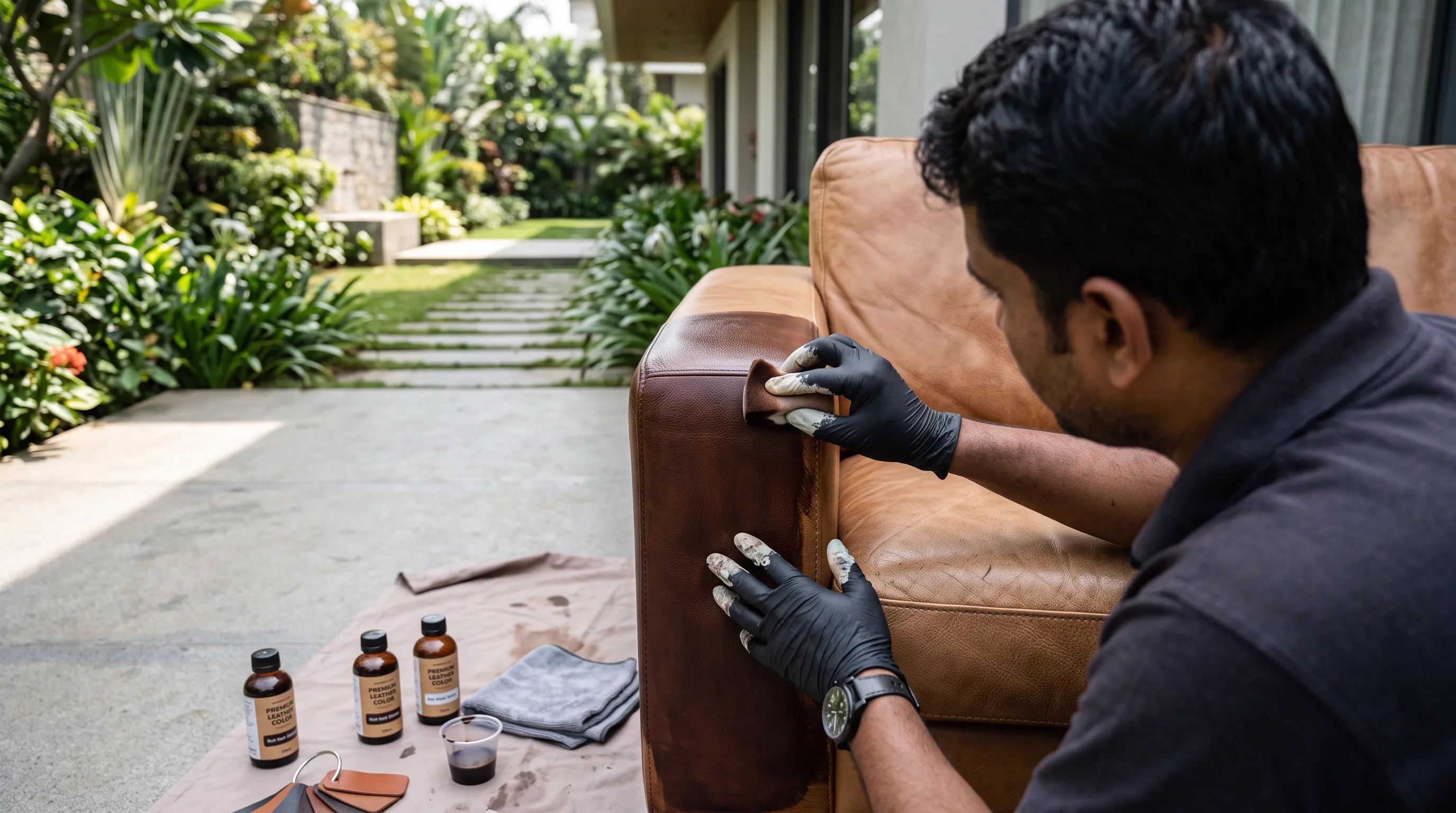
Four scheduled conditioning visits per year with a clean included each visit and seasonal product adjustment. Reminders and scheduling are handled for you, plus priority booking.
Conditioning plus scratch and scuff repair using our full conditioning protocol with minor scratches repaired and small colour touch-ups. An odour check is included and a condition note is provided.
Final price confirmed at free home diagnosis.
What leather owners across India ask us most often about conditioning.
Still have questions? Our leather specialists are just a call away.
Call a Specialist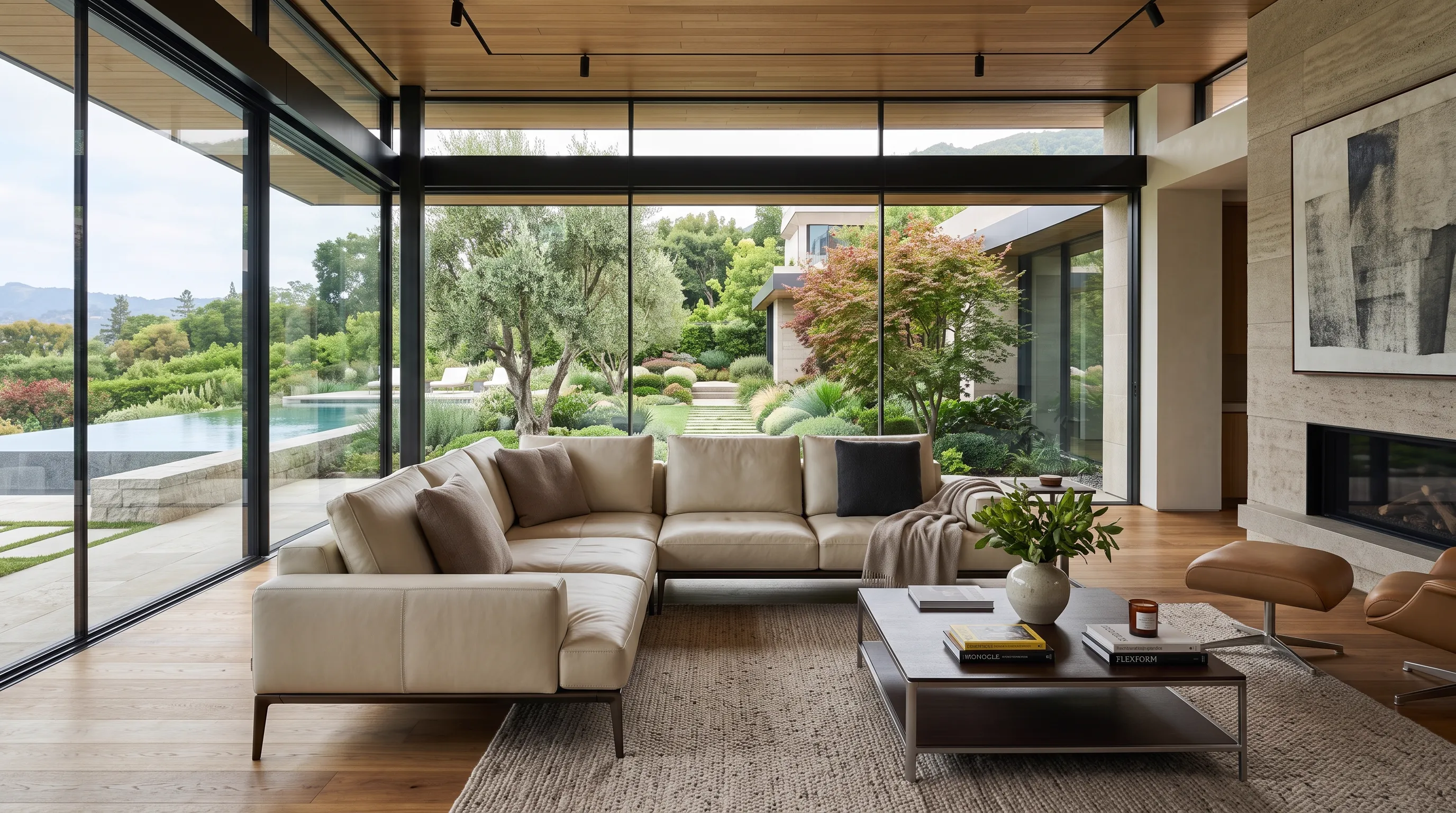
The Leather Restorators - professional conditioning across India since 2014.
Photographed on-site · India"After two dry Indian winters my Italian leather sofa felt like cardboard. I'd tried the consumer conditioning products with no real improvement. One professional visit and the leather felt completely different - supple, responsive, with the natural sheen I remembered. Now on the quarterly plan."
"They explained exactly why my shop-bought conditioners weren't working - I'd been slapping them over years of soil build-up. The clean before conditioning changed everything. Doing it properly after a real clean is a completely different outcome. I finally get why leather care is a specialist job."
"Eight-year-old leather sofa on the quarterly conditioning plan for three years now. Guests last month assumed it was recently bought. The compounding effect is remarkable - each visit the leather takes the conditioning faster and holds it longer. Prevention is obviously cheaper than repair once you've seen both."
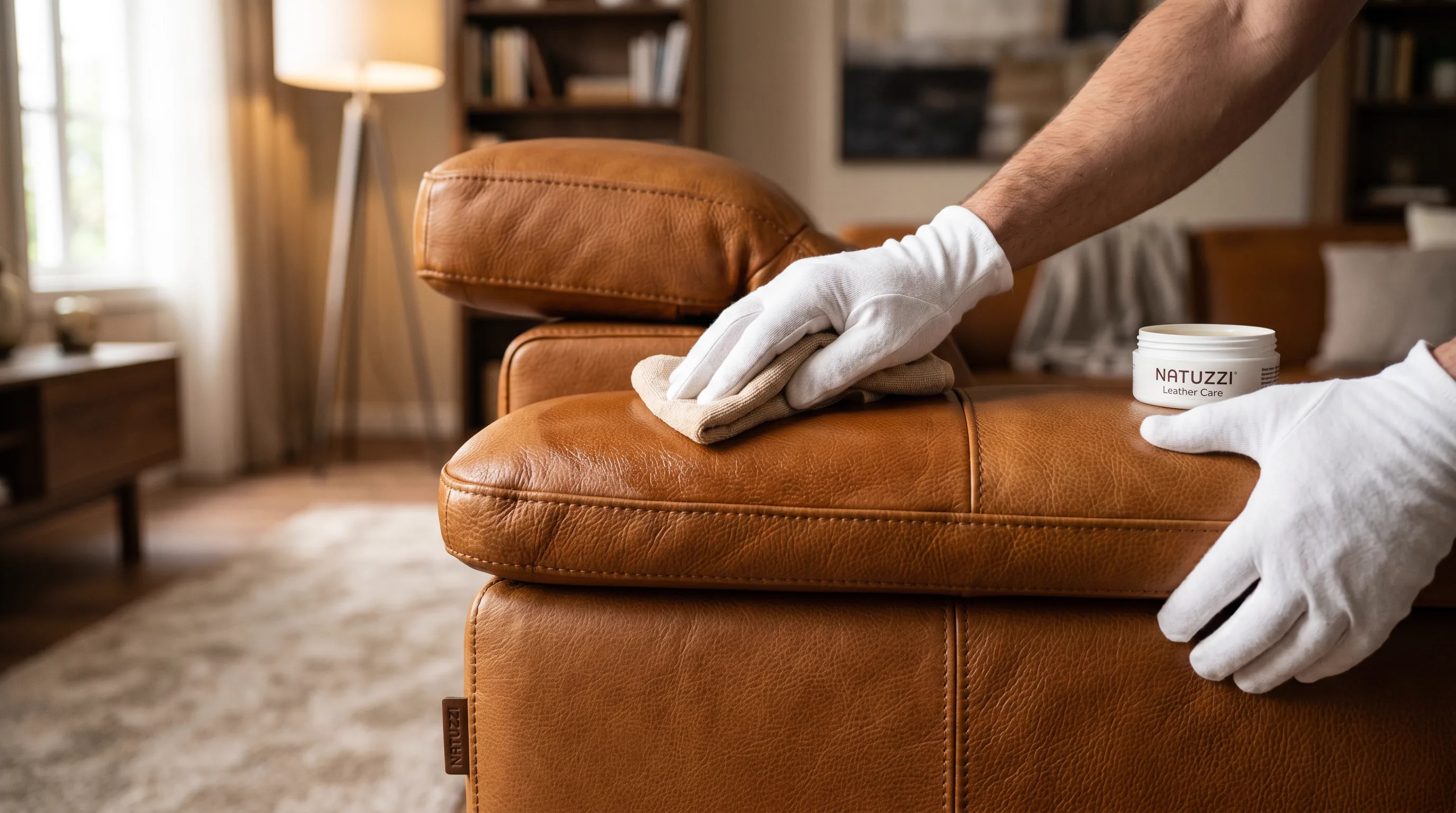
Book Conditioning
Call or WhatsApp to book professional leather conditioning across India.
Quote turnaround
Tell us how dry or stiff your leather feels, and we will send a conditioning plan within 24 hours.
A leather specialist will be in touch within 24 hours to discuss your restoration plan.
Return to Website