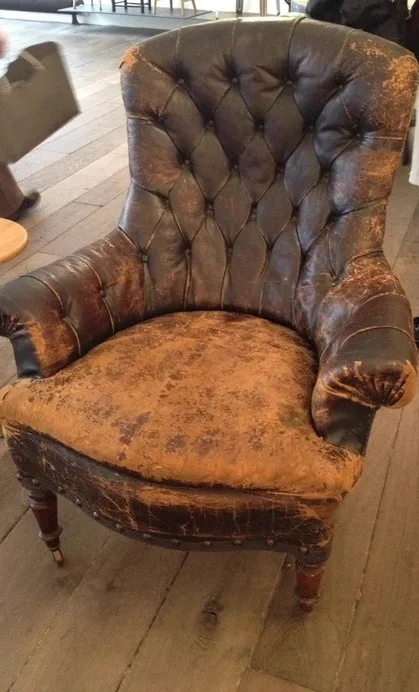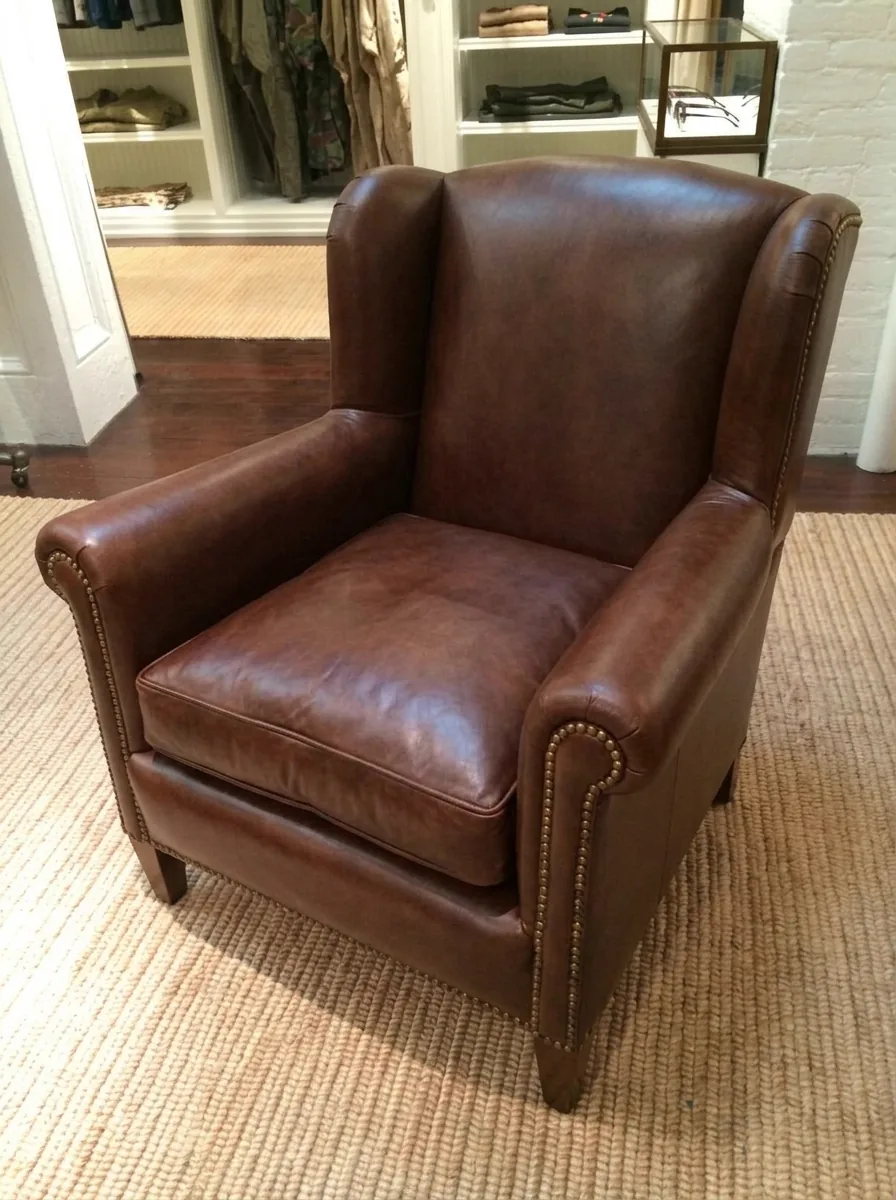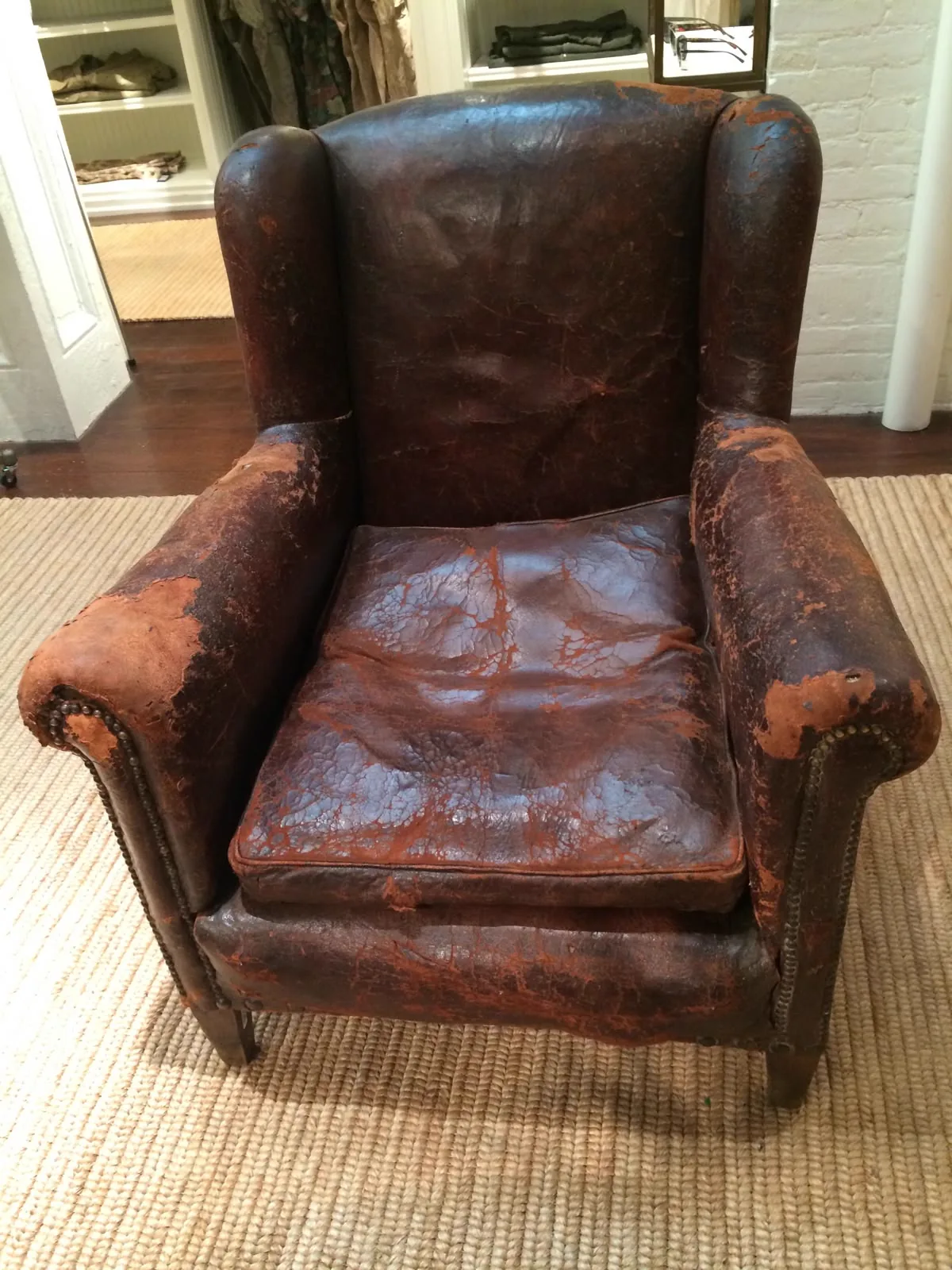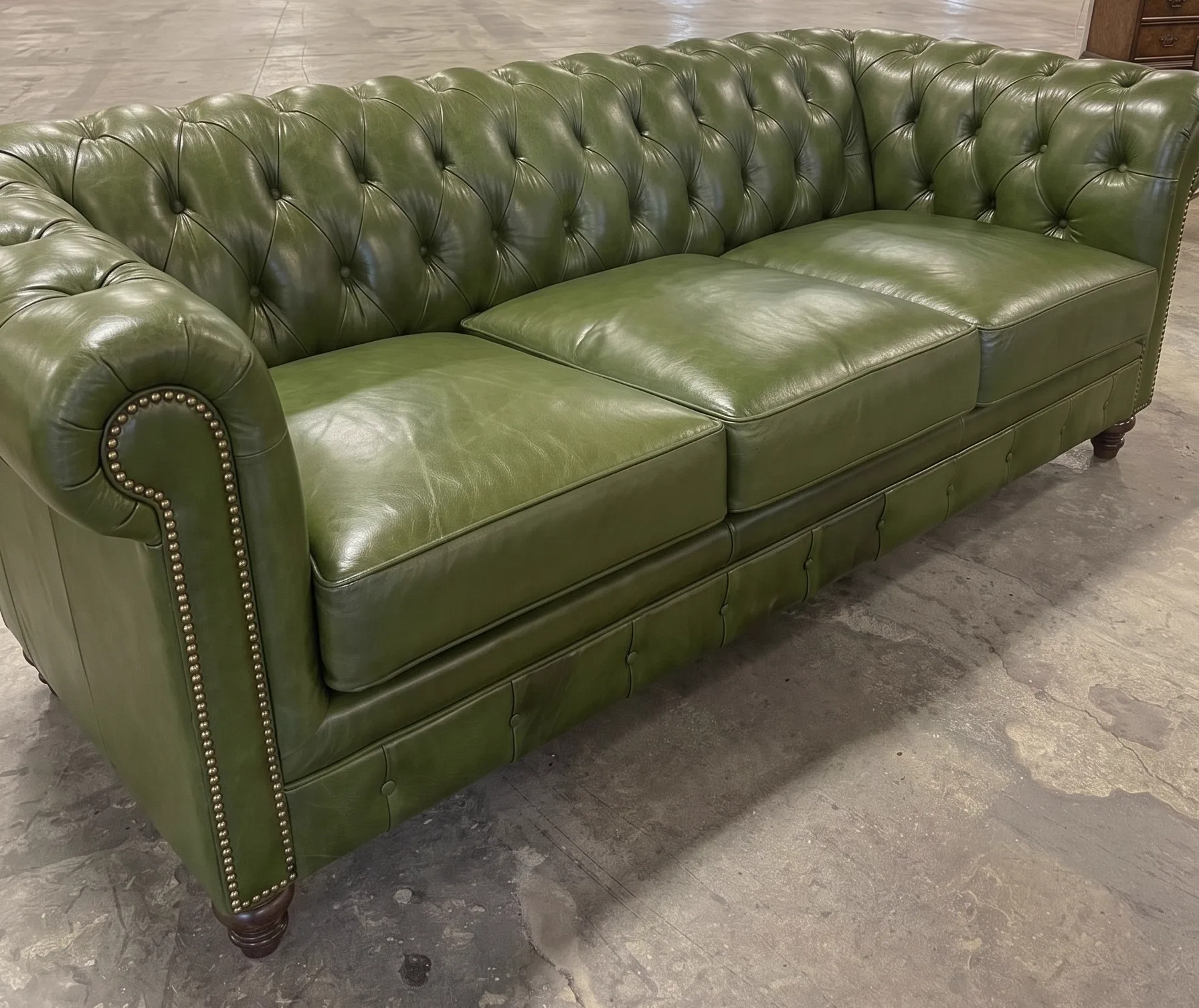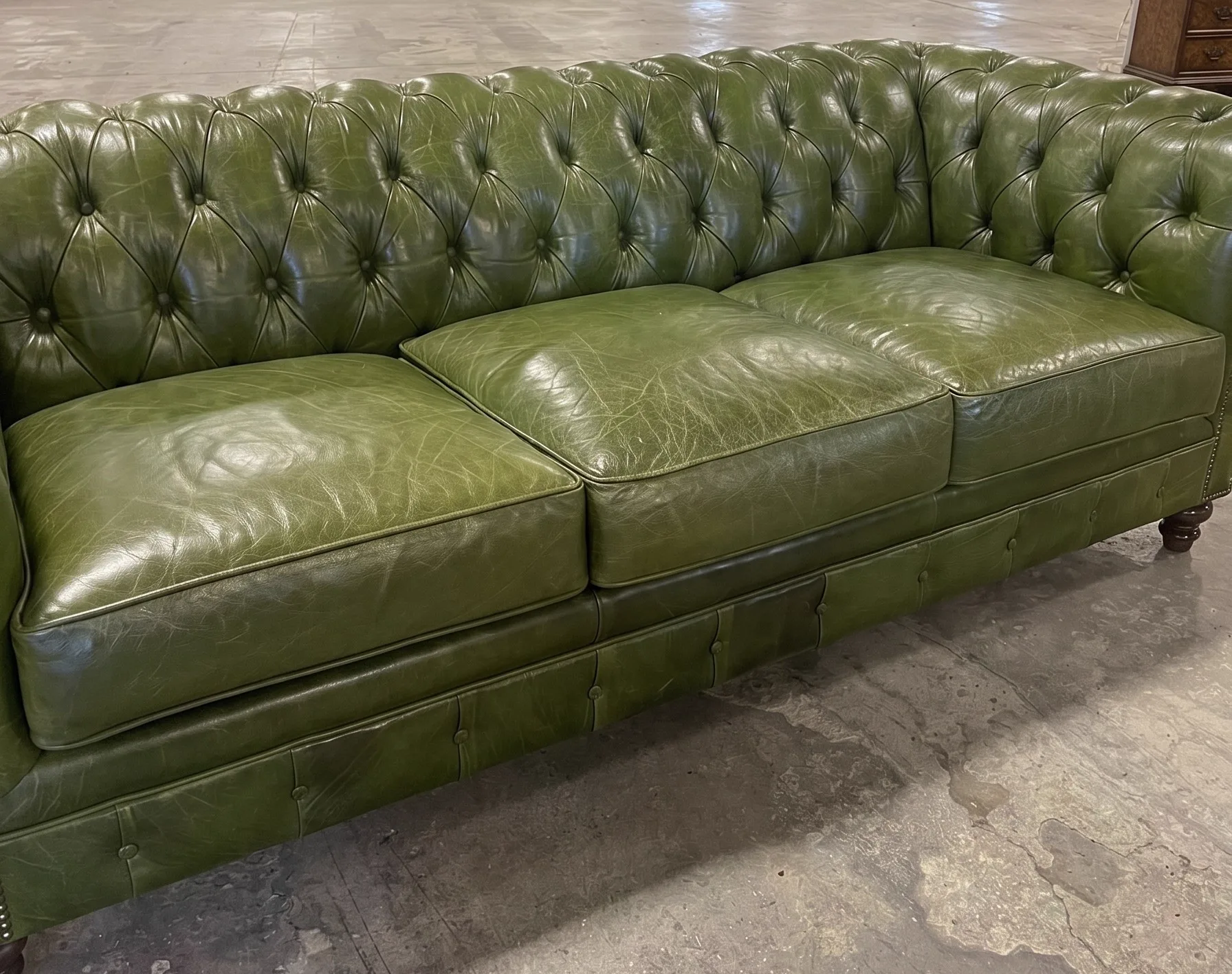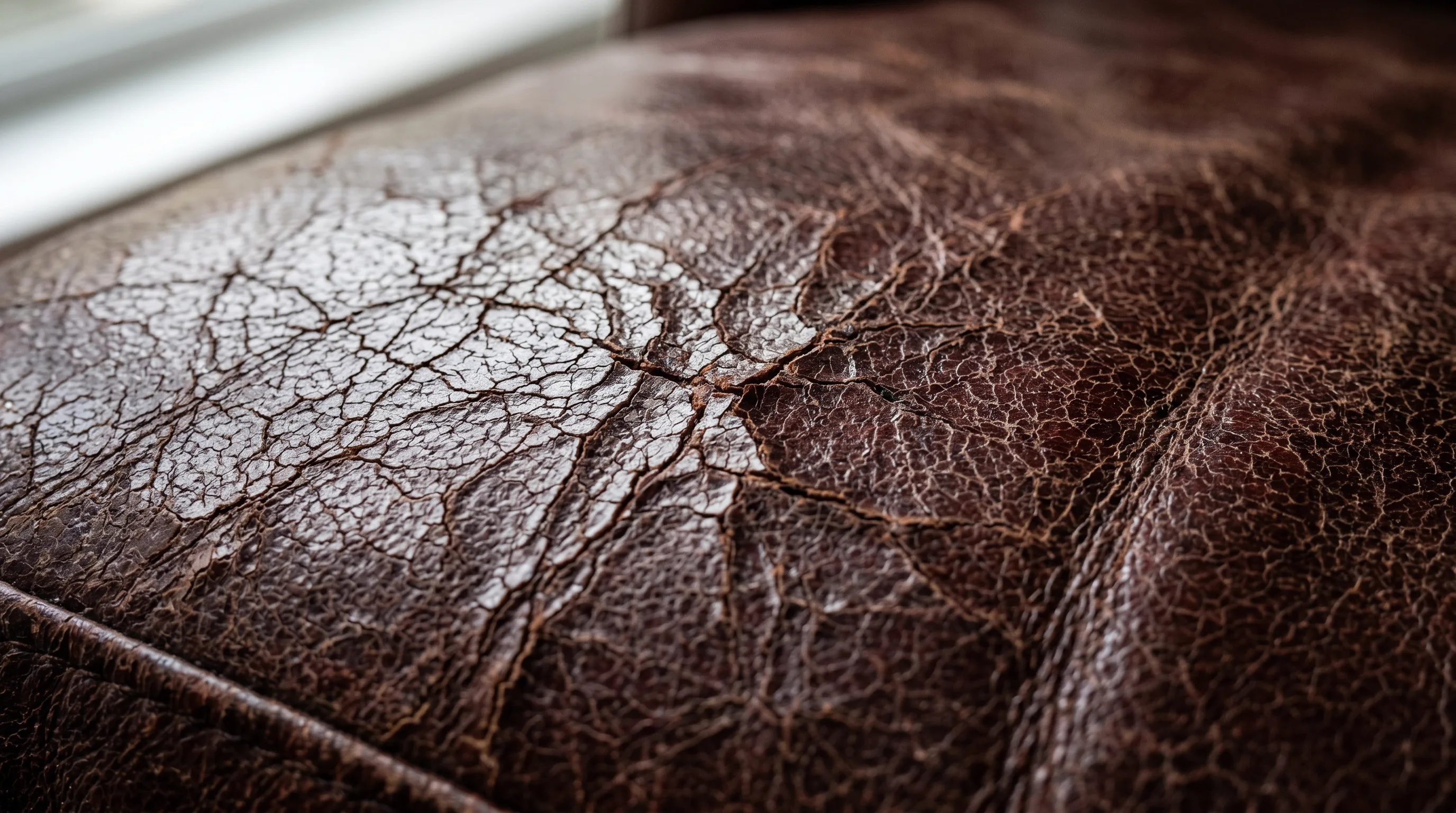
A peeling leather sofa is one of the most common complaints we receive from Delhi NCR customers - and also one of the most misunderstood. When most people call about a "peeling leather sofa," they are describing a material failure that has almost nothing to do with leather. The sofa is almost certainly made of bonded leather, bicast leather, or PU leatherette - not genuine leather - and the peeling is the polyurethane coating separating from the base material. India's climate, with its extreme heat, humidity cycling, and UV load, accelerates this failure significantly. Understanding what is actually happening is the first step to making a sensible decision about repair versus replacement.
Genuine leather does not peel in the same manner. It cracks, stiffens, fades, and wears at contact points - but it does not produce the sheet-separation peeling that is characteristic of polyurethane-coated materials. If your sofa is peeling in sheets or flakes, it is almost certainly not genuine leather, regardless of what the purchase receipt says. This guide explains the difference, the specific causes that accelerate peeling in Indian conditions, and the realistic options available to you.
What Material Is Actually Peeling
Three materials produce the peeling behaviour that most customers describe:
Bonded leather
Made from shredded leather fibre scraps and polyurethane binder, pressed onto a fabric or paper backing and coated with a polyurethane top layer. The top layer peels away from the composite base. It is the most common material in the mid-price range at Indian furniture retailers and is often sold as "leather" or "leatherette" without further specification. Bonded leather has a typical surface life of 3 to 5 years in temperate climates - 2 to 4 years in Indian conditions. Once peeling begins, it progresses rapidly across the entire seating surface. The guide to bicast, bonded, and PU leather covers the material science in full.
Bicast leather
Made from the split hide (the lower, lower-quality layer of the original skin after the top grain is removed) coated with a thick polyurethane layer that gives it a uniformly shiny appearance. Bicast was popular in early 2000s Italian furniture and is still present in the Indian market. The polyurethane coating on bicast is typically thicker than bonded leather and takes longer to begin peeling, but when it does peel, it comes off in larger, thicker sheets. Bicast can be identified by its very uniform high sheen and the lack of any natural grain variation.
PU leatherette
Fully synthetic - a polyurethane coating over a fabric base with no leather content at all. The most common material in budget furniture. PU leatherette typically has a shorter surface life than bonded leather (2 to 3 years in Indian conditions) and begins peeling at seam edges and high-contact zones first. It is the easiest to identify: the underside of the material is clearly a woven fabric, and the material has no leather smell whatsoever.
How to identify your material in 60 seconds: Look at the bottom back panel of the sofa where the material is tucked under the frame - usually there is a small accessible area. On genuine leather, the underside is rough, fibrous, and suede-like. On bonded leather, the underside shows a fabric weave or paper texture. On bicast, the underside shows a split hide with a fabric bonded to it. On PU leatherette, the underside is plain woven fabric with no leather texture at all. The edge at any seam or cut is also diagnostic: genuine leather shows natural layered fibre. Synthetic and composite materials show a clearly layered or homogeneous composite cross-section.
Why India Accelerates Peeling
Polyurethane coatings on bonded leather, bicast, and PU leatherette degrade through three primary mechanisms that are significantly more intense in Indian conditions than in the temperate climates for which most furniture is designed.
Thermal cycling from AC use
The AC creates repeated cycles of temperature change in the room - cold when running, warm when off. Polyurethane and the composite base material have different thermal expansion coefficients. Repeated expansion and contraction creates micro-stress at the bond interface between the polyurethane coating and its substrate. Over hundreds of cycles, this micro-stress propagates as delamination. Delhi AC season (April to October, often running 10+ hours a day) creates more thermal cycling in one year than these materials experience in two years in a European apartment.
UV degradation
Polyurethane is more UV-sensitive than genuine leather. India's UV index of 10 to 11 from March through September photochemically degrades the PU coating, making it brittle and causing it to lose adhesion to the substrate. UV degradation of PU is irreversible. The process cannot be slowed by conditioning (conditioners do not penetrate PU) and there is no protective spray that meaningfully extends PU life under sustained India-level UV exposure. A sofa in a room with direct afternoon sun will show peeling within 18 to 24 months in an Indian setting.
Humidity-induced bond failure
During Delhi monsoon, ambient humidity at 70 to 85% allows moisture to work between the PU coating and the substrate at any microscopic defect in the bond (seam edges, stitching holes, scratches). This moisture infiltration progressively weakens the adhesive bond across the panel surface. When the humidity then drops with the return of AC, the now-weakened bond fails and the delamination becomes visible. The onset of peeling in the post-monsoon period (October to November) is characteristic of this mechanism.
Options When Peeling Has Started
Once peeling has started on bonded leather, bicast, or PU leatherette, you have three practical options. None of them returns the material to original condition. The choice is between temporary cosmetic treatment, reupholstery, or replacement.
- Temporary cosmetic treatment (small peeling areas only): Leather binder paint - a flexible, coloured adhesive paint - can be applied to small peeling areas to stabilise the edge and blend the appearance. This is a temporary fix that buys 6 to 18 months. The underlying delamination continues progressing beneath the treatment. For sofas with peeling confined to one or two small areas, this can extend functional life without visible degradation. For widespread peeling, this is a maintenance burden with diminishing returns.
- Reupholstery with genuine leather: The frame and cushion structures are usually sound even when the covering material has failed. Stripping the old bonded leather and reupholstering with genuine leather is the most durable long-term solution. A sofa reupholstered in genuine leather will outlast the original synthetic covering by 15 to 20 years with correct maintenance. The full leather recover service covers this process and pricing. It is a significant cost but converts a disposable product into a long-lasting one.
- Reupholstery with alternative materials: High-quality synthetic velvet, linen, or woven upholstery fabrics are excellent alternatives for high-use family sofas where genuine leather maintenance is not practical. These fabrics have no polyurethane layer to delaminate and are well-suited to Indian humidity conditions. Cost is typically lower than genuine leather reupholstery while providing a very durable surface.
- Replacement: If the sofa frame is also compromised (loose joints, sagging springs, foam degradation), reupholstery may not be cost-justified. A professional assessment of frame and cushion condition is worth doing before committing to reupholstery cost. If frame repair is also needed, replacement with a genuine leather sofa from a transparent retailer who specifies material correctly may be the better economic decision.
Genuine Leather Peeling: When It Does Happen
Genuine full-grain or top-grain leather can, in specific circumstances, develop a type of surface peeling that is distinct from bonded leather delamination. This is rare but worth understanding.
Topcoat flaking after chemical exposure
Pigmented leather has a polyurethane or acrylic topcoat applied over the hide surface. If this topcoat has been repeatedly cleaned with alkaline products (household sprays, disinfectants, wet wipes containing propylene glycol), it can stiffen, crack, and eventually begin to flake - producing a peeling appearance. The leather beneath is usually intact. This is repairable: the degraded topcoat is removed, the hide is cleaned and re-fatliquored, and a new matched topcoat is applied. Professional restoration of this type is well within the capabilities of the leather sofa repair service.
Semi-aniline topcoat separation
Semi-aniline leather has a thin protective topcoat. If the hide has dried severely (from AC damage or neglect), the hide contracts while the topcoat does not, causing the topcoat to separate and peel in small areas. This is a sign of advanced fat liquor depletion combined with topcoat degradation. Treatment requires re-fatliquoring followed by topcoat repair. Unlike bonded leather delamination, this is localised and fixable - in coastal homes, where salt-laden humid air loosens the adhesive under the finish and lifts it at the seat folds and inner arms first, that work is done as peel rebonding at home in Chennai in a single visit, from Rs 6,500 per seat.
What to Ask Before Buying a Leather Sofa in India
The single most effective intervention is avoiding bonded leather and bicast altogether at point of purchase. The Indian furniture market has significant labelling ambiguity - "leather," "leatherette," "premium leather," and "Italian leather feel" are all terms that may or may not describe genuine leather. The questions to ask the retailer before purchase:
- Is this full-grain or top-grain genuine leather? These are the only two grades of genuine leather that will not peel in the bonded-leather manner. Any other answer ("premium leather," "high-quality leather feel," "European leather") is a deflection that should be followed up with the next question.
- What is the leather content percentage? Bonded leather typically has 10 to 20% leather content (the shredded fibre). The retailer may not know this number. If the salesperson cannot clearly state "this is 100% genuine full-grain leather," ask to see the material specification from the manufacturer.
- Can I see the underside of a cushion or a material sample edge? A retailer confident in the material will allow this. The identification criteria above (underside texture, edge cross-section, smell) will give you a definitive answer without relying on any label or sales claim.
"We get called about peeling sofas every week. And in 90% of cases, what the customer calls 'leather' is bonded leather that has delaminated. The sofa was sold as 'leather' because it was never technically misrepresented - the material does contain some leather fibre. But it behaves completely differently from genuine leather in Indian conditions. The customer paid a premium price expecting a genuine leather lifespan. They got a 3-year synthetic lifespan. The information asymmetry at point of sale is the core problem." - Tyson, Lead Artisan, The Leather Restorators
Home Solutions for Peeling Sofas
For a sofa that is already peeling, genuine home repair is limited - but there are several things you can do right now to slow the progression, improve the appearance temporarily, and make a more informed decision about the repair or replacement path. All of the following use items available in Indian homes or at low cost locally.
Trimming loose peeling edges immediately
When the PU surface layer begins to peel, the loose edge curls upward and continues to catch on clothing, hands, and pets - accelerating the delamination. Use small, sharp scissors (nail scissors work well) to carefully trim the raised edge flat against the surface. You are not removing the peeling area - just eliminating the lifted edge that acts as a catch point and accelerates further peeling. Cut as close to the still-adhered surface as possible. This simple step dramatically slows how quickly a small peeling area becomes a large one. Do this as soon as you notice any lifting edge, and repeat as needed.
Temporary stabilisation with a PVA glue spot fix
For a small area where the PU layer has partially lifted but is still attached at one edge, you can re-adhere the edge with a tiny amount of white PVA craft glue (Fevicol MR or any school PVA glue, available for Rs 30-50 at any stationery shop). Apply a minimal amount to a toothpick and work it under the lifted edge. Press the edge down firmly with a clean cloth and hold for 30 seconds. Leave undisturbed for 2 hours. PVA is flexible when dry, non-toxic, and adheres PU back to the substrate in small areas. This is a temporary fix - the underlying delamination continues - but it buys weeks to months on a small peeling area and prevents the peeling from spreading as fast. Do not apply to large areas and do not use instant glue (Feviquick/super glue) - it dries rigid and cracks, which accelerates the separation.
Disguising peeled areas with leather paint from a local artist supply shop
Fabric paint or acrylic craft paint in a colour matched to your sofa (available at Hobby Ideas stores or any art supply shop for Rs 80-150 per tube) can be applied to a peeled area to restore the visual appearance temporarily. Mix the colour carefully with a small amount of Fevicol to add flexibility to the dried film. Apply thin layers with a flat brush, letting each dry fully before the next. This does not repair the damage but it makes a peeled area look significantly better from a normal viewing distance. It will not be perfect and will require reapplication every few months, but for a sofa you are not ready to reupholster or replace yet, this is a legitimate home management approach that costs almost nothing.
Slowing delamination with UV blocking and humidity control
The two most effective things you can do at home to slow further delamination on a bonded or PU sofa: block direct sunlight using curtains or a sheet draped over the sofa during peak sun hours, and reduce AC thermal cycling by not switching the AC on and off repeatedly in short intervals - keep it at a stable temperature rather than cycling it. Both of these reduce the primary accelerators of PU delamination in Indian conditions at zero cost. They will not stop the progression but they will meaningfully slow it, buying you more time before reupholstery becomes urgent.
Cornflour for surface tackiness that attracts lint
Degrading PU surfaces often develop a slightly tacky feel that attracts dust and lint, making the appearance worse than the structural damage alone. Apply a very light dusting of plain cornflour (maize flour from the kitchen) to the tacky area, leave 5 minutes, and brush off with a soft dry cloth. This temporarily reduces the surface tackiness and removes trapped dust and fibre. It needs repeating periodically but is entirely safe on any PU or bonded surface and makes living with a degrading sofa significantly more manageable while you assess your repair or replacement timeline.