Before / After
Recolour & Feed
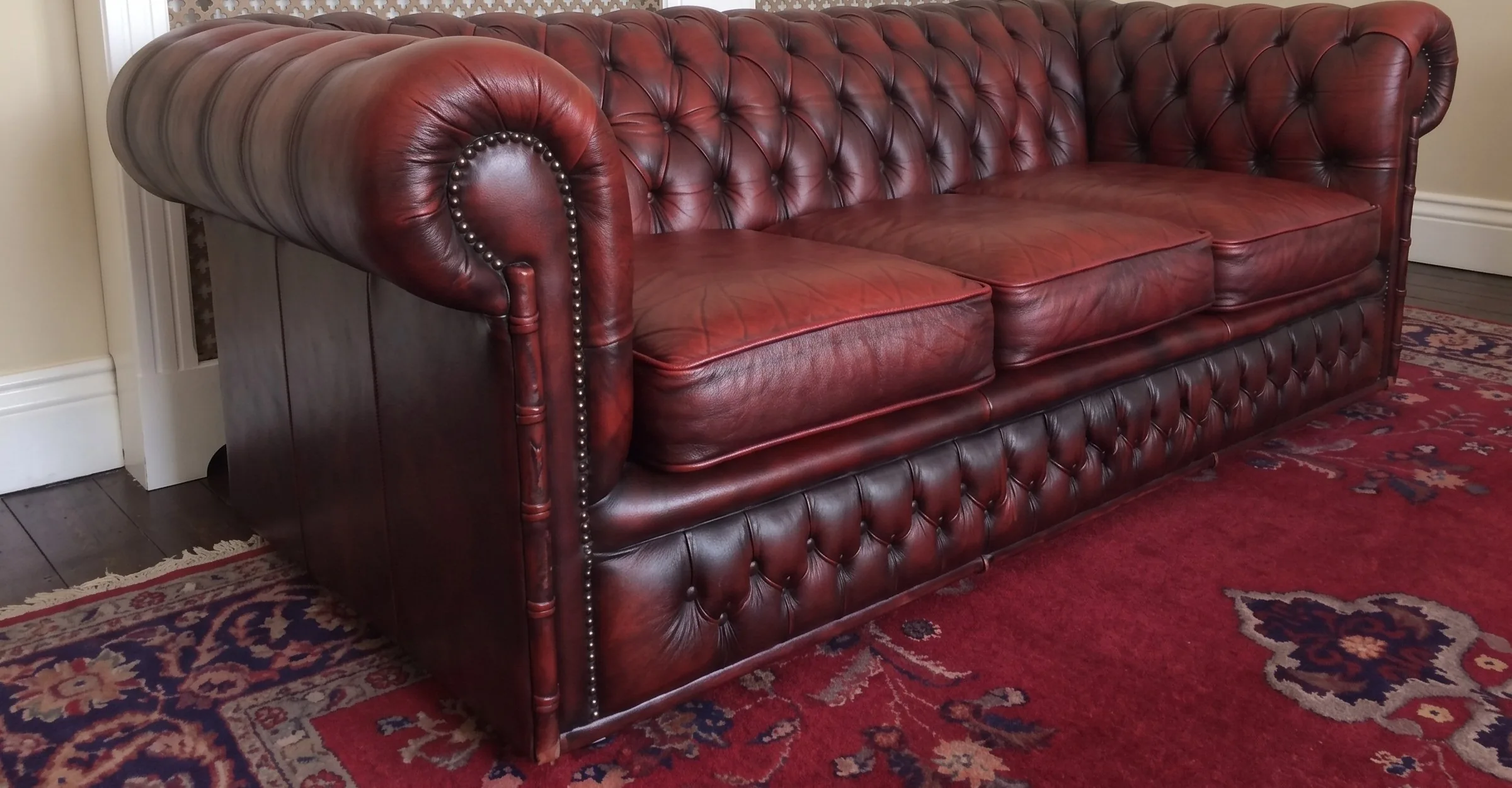
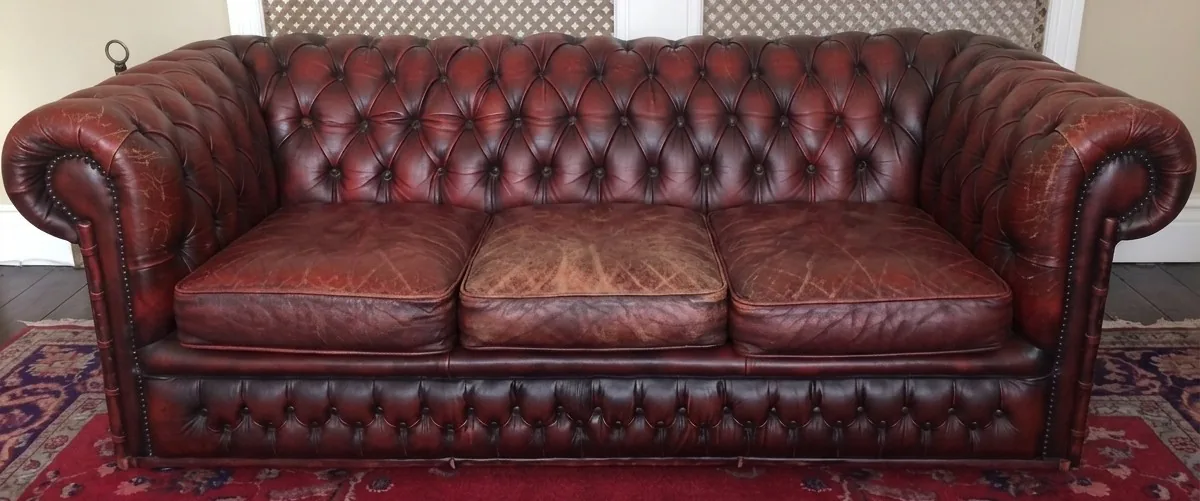
New leather, new foam, sometimes a new frame - kept on the same sofa silhouette you already live with. The bracket past restoration, when the hide has gone further than conditioning can hold.
Reviewed by Tyson, Lead Artisan · Updated June 2026
Most leather sofa work in India is restoration: keep the original hide, treat the failure mode, condition, recolour, walk away. Reupholstery is the next bracket. The hide has gone past what conditioning will hold - cracked through the corium, torn beyond patching, or the foam has collapsed and the frame is wobbling. That is when the cover comes off. Reupholstery is simply full-scope upholstery for a leather sofa - the frame is stripped and every layer, hide to foam to springs, is rebuilt in place rather than patched over. If you are not sure what leather your own sofa is wearing, our 60-second leather finder is a quicker starting point than guessing.
The honest version of the decision tree lives in reupholstery vs restoration. Most sofas that come in expecting a full reupholster end up as full recover jobs or, in a third of cases, end up restoration after all. A few weeks of conditioning and a recolour can buy another decade. See our guide on how long a leather sofa actually lasts in India for the fuller picture.
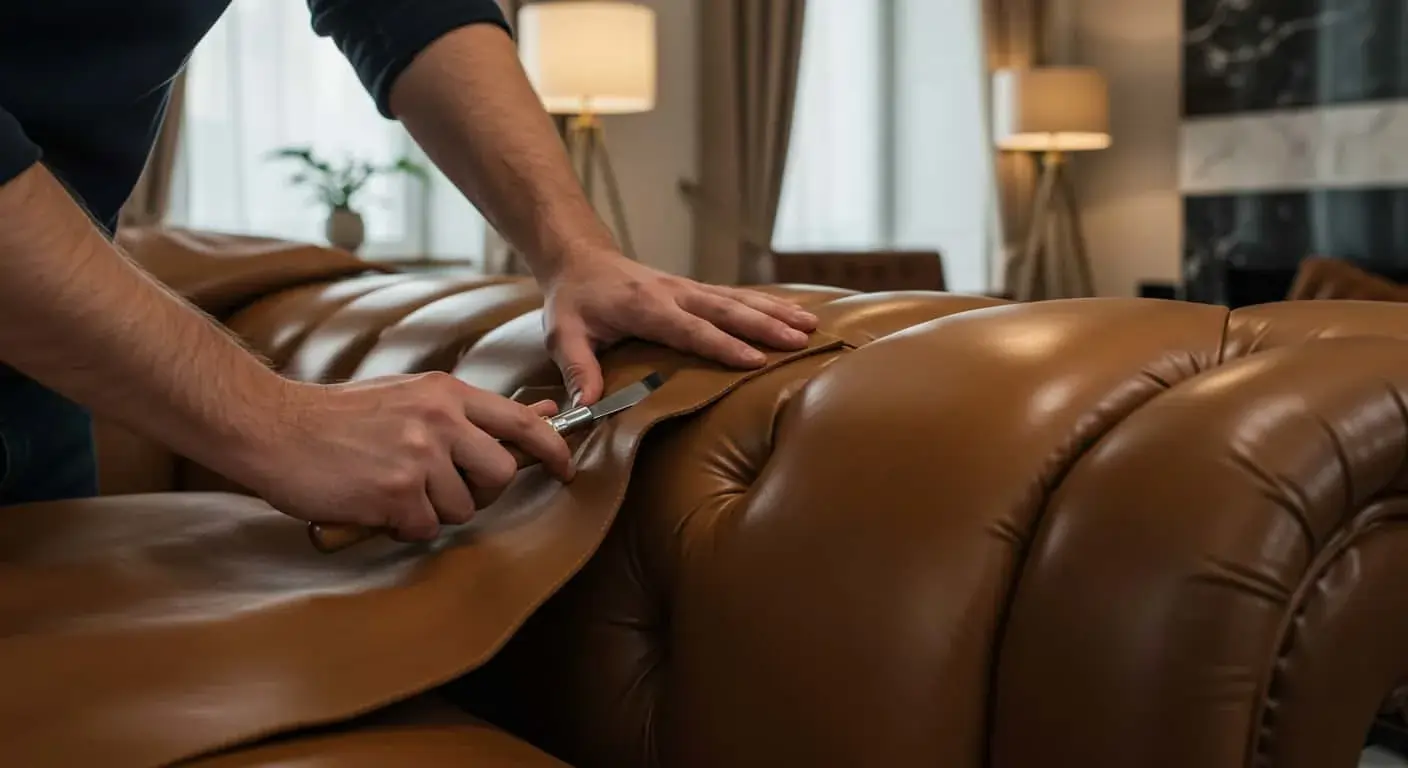
When reupholstery is the right call, the spectrum runs from a single panel replacement - one cushion, one armrest, one back panel - up to a full leather recover where every visible square inch is renewed. The cleanest cases are sectionals where one module took all the wear; the hardest are vintage chesterfields where pigment and grain have to match a 30-year-old hide.
The structure underneath is its own decision. Cushion foam replacement is the most common - sagging seats, lost loft, foam compressed below 50% recovery. Frame rebuild is rarer and bigger - cracked rails, loose joints, broken webbing. Recliner reupholstery sits separate because the mechanism layer changes the order of operations. The studio sources the hide directly, matches weight and tannage to the original, and works over multiple visits.
Leather sofa upholstery - what most owners simply call reupholstery - is priced by the depth of work, not by the room. The lightest scope is a single leather panel replacement - one arm, one seat face, one back panel - hand-cut and colour-matched to dE 2 against the surviving hide. Cushion foam replacement is costed per seat, with the original leather cover re-stitched wherever it can be saved. A structural frame rebuild and spring retie sits a step above that, and recliner reupholstery higher still because the hide has to be fitted around a moving mechanism.
Partial leather sofa upholstery - new hide on the panels that have failed, original hide kept where it still passes the flex test - sits between single-panel work and a full recover. A complete strip-to-frame full leather recover renews every visible square inch across two doorstep visits and moves with hide grade and seat count. Because scope drives the number, every job is quoted from the free in-home diagnosis, sent as a written WhatsApp estimate within 30 minutes. There is no travel surcharge inside city limits, anywhere we serve in India.
Most sofas that arrive expecting a full recover do not need one. The test is mechanical, not cosmetic. Fold a worn panel: if the finish crazes but the hide springs back, the leather is sound and a recolour will buy another decade - that is restoration, covered in our reupholstery vs restoration guide. If the fold opens a crack down into the corium, or the grain has gone papery and lifts away, the hide is past conditioning and the panel has to be replaced. Roughly a third of diagnoses end as restoration after all, which is why the honest call is made at your address before any commitment.
Structure has its own threshold. A seat cushion that sits more than 40 mm below its original loft has lost foam density and needs a refoam, not a recover. A sofa that lists, creaks under load, or bounces unevenly has a spring or webbing failure beneath the hide - frame-scope work, even when the leather above is still good. Sitting on a failing foundation accelerates hide wear, so frame faults are worth catching early. The cleanest reupholstery cases are sectionals where one module took all the wear; the hardest are vintage Chesterfields where new pigment and grain must match a 30-year-old hide.
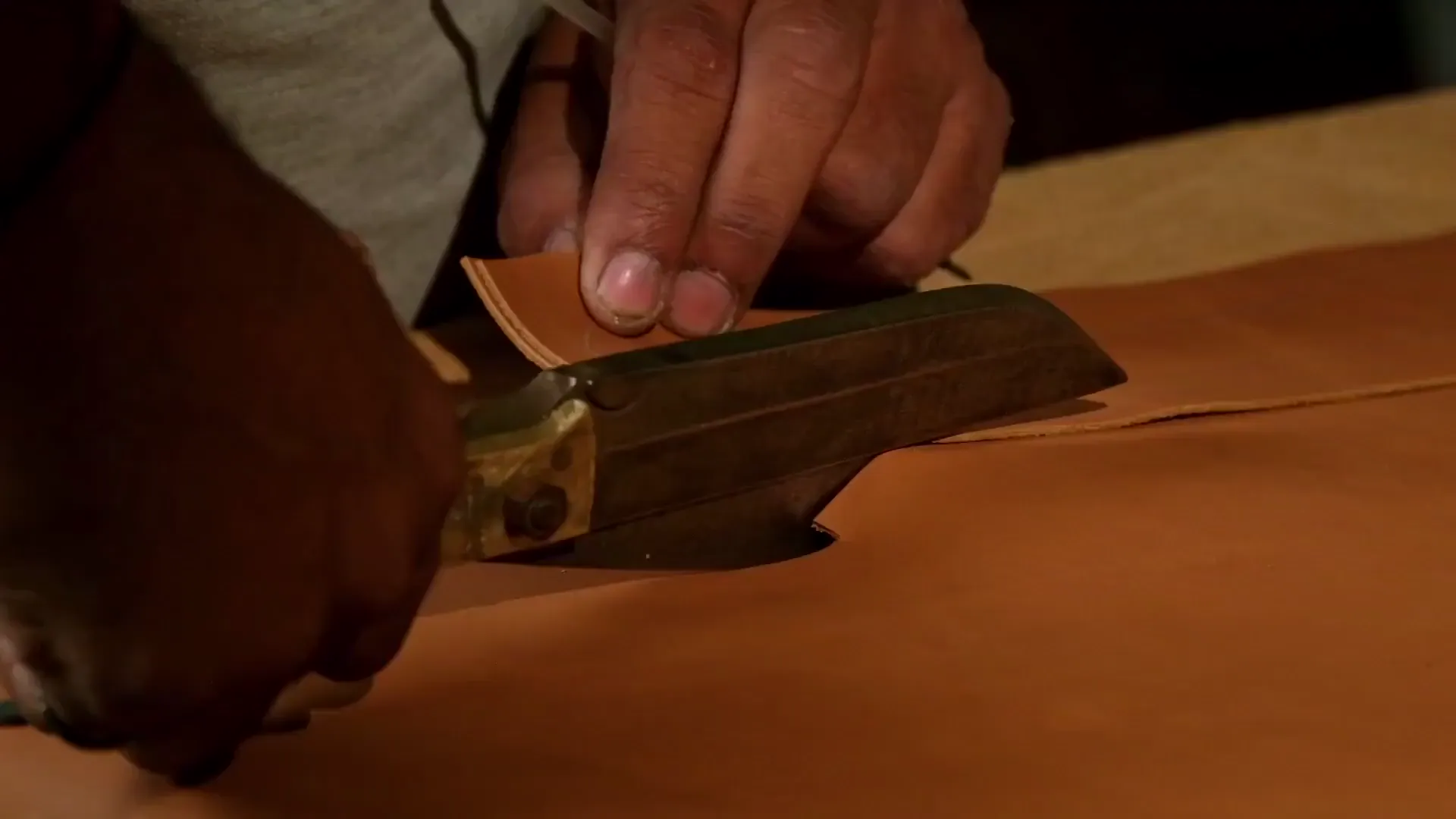
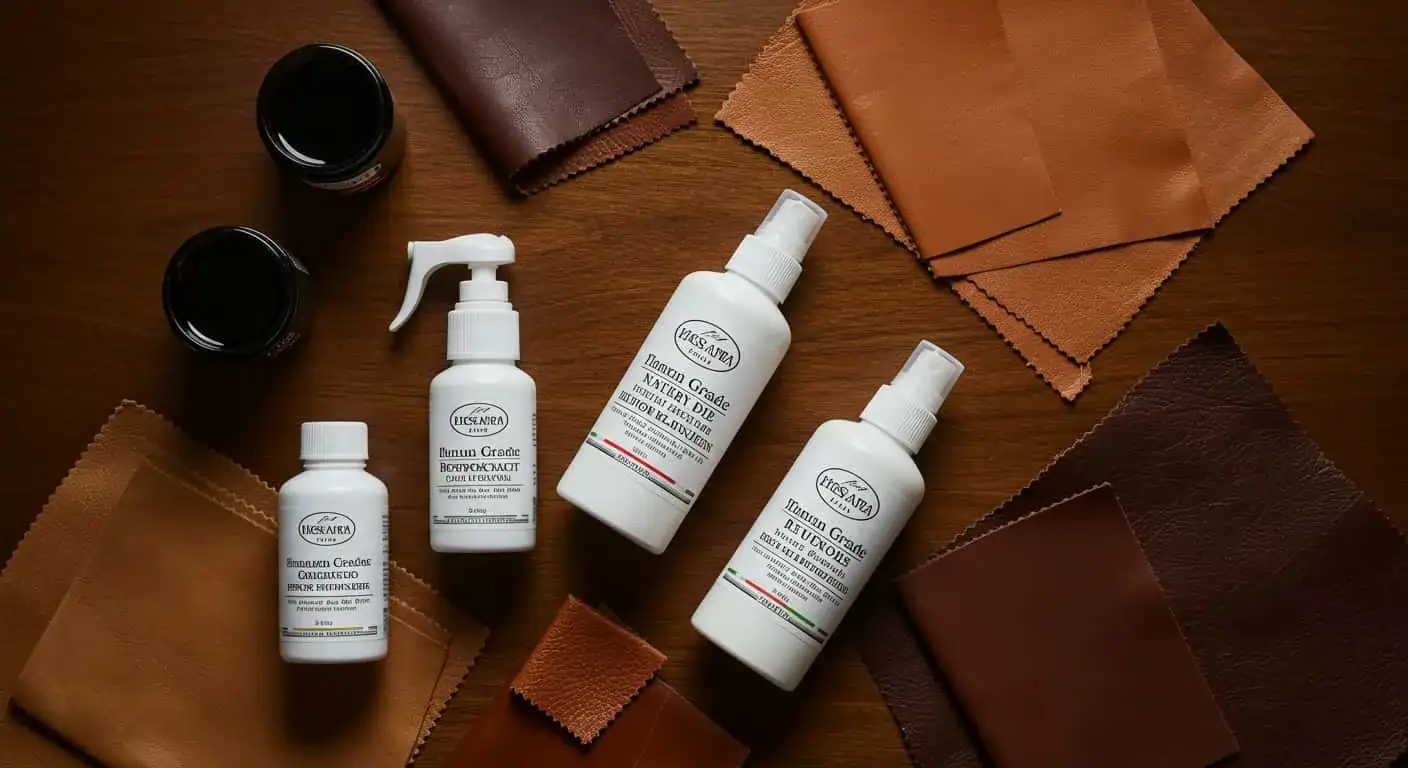
Good leather sofa upholstery starts with the hide, chosen before a single stitch is cut. We source directly from four tanneries and stock six grades: full-grain for heirloom rebuilds, top-grain corrected for family living rooms, nappa and semi-aniline for formal drawing rooms, aniline for collectors who want the natural surface, and pigmented for the hardest-wearing households. Weight and tannage are matched to the original hide - or deliberately upgraded when the original was a bonded-leather shortcut that failed early. A doorstep swatch box comes to every visit so the grade, weight and finish are decided in your own light, not under a showroom lamp.
On partial work, colour match is the make-or-break detail. We read the existing hide with a spectrophotometer, mix pigment to dE 2 or under, and verify under D65 daylight - below the threshold a human eye can detect, so a replaced panel disappears into the rest of the sofa. New seams are sewn with T210 bonded nylon, edges skived and folded by hand, and seat cores rebuilt with D40 foam and a Dacron wrap for loft that lasts. Start with a free diagnosis and we will tell you which route - and which hide - your sofa actually needs.
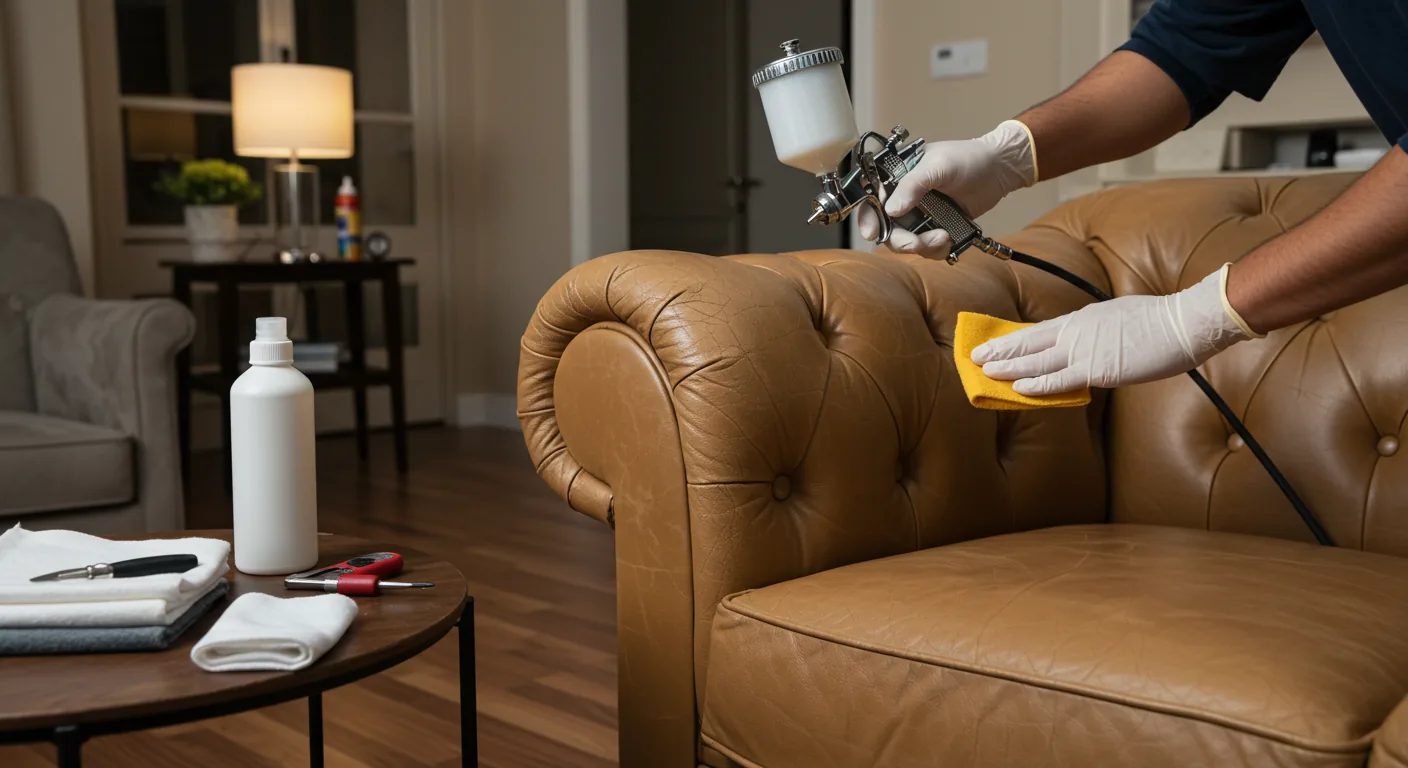
A kiln-dried hardwood frame outlives three sets of hide. The leather fails first - the bones rarely do. Reupholstery keeps the piece you chose and renews only what wore out.
Photographed in studio · IndiaEvery upholstery route below starts with the same free in-home diagnosis. The sofa tells us which one it needs.
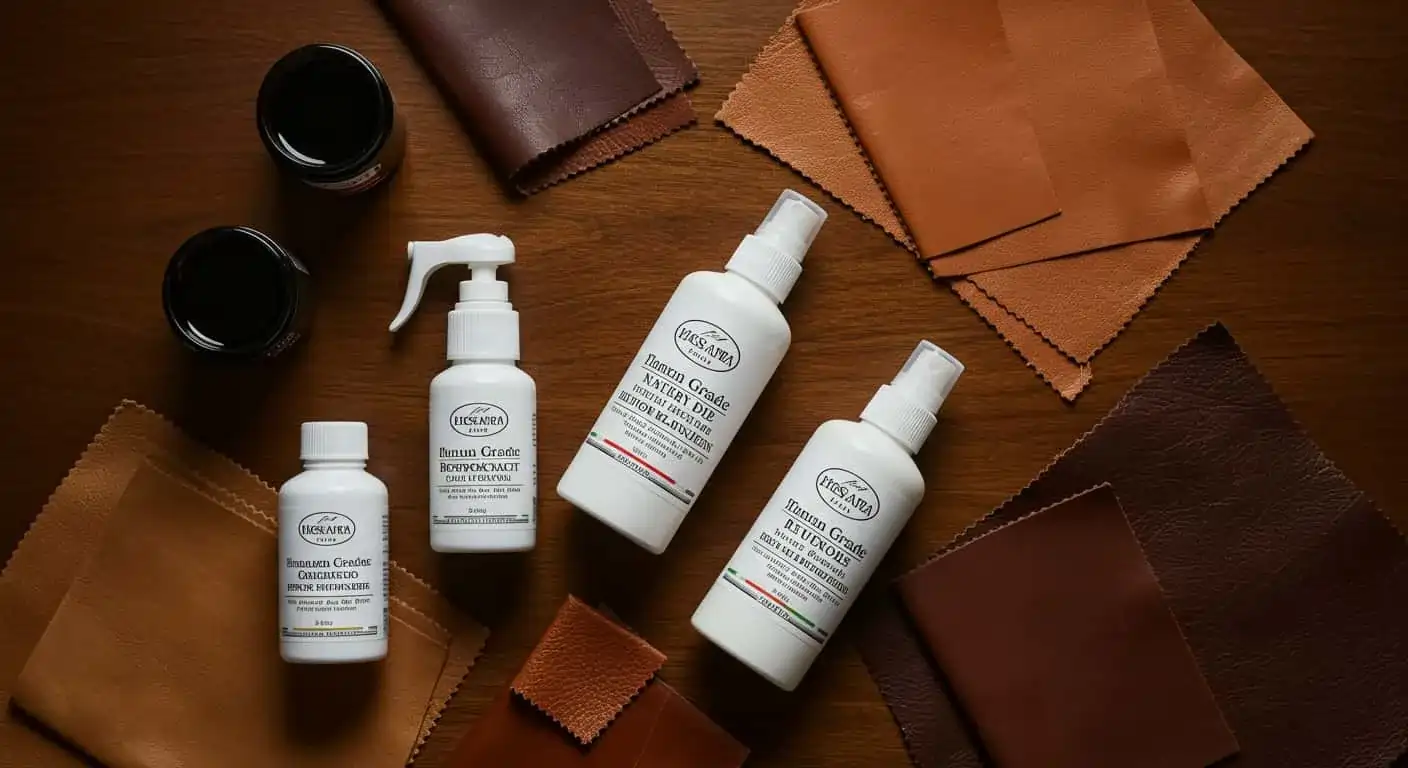
The full picture - what reupholstery is, what it costs, and exactly how it differs from restoration. Start here if you are not sure which route fits.
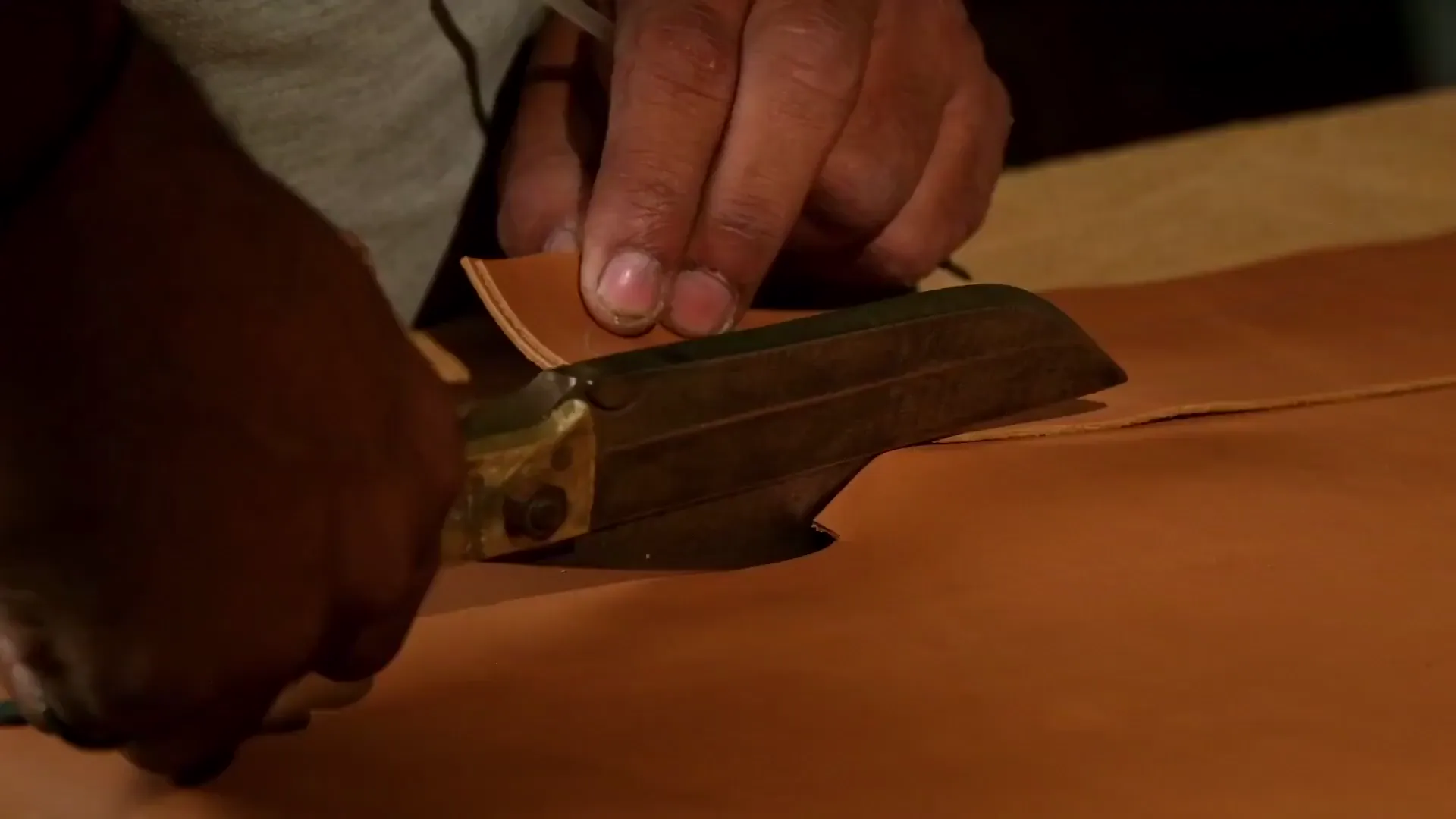
Every visible panel renewed - hide, stitching, edging. Strip to frame, new hide throughout.
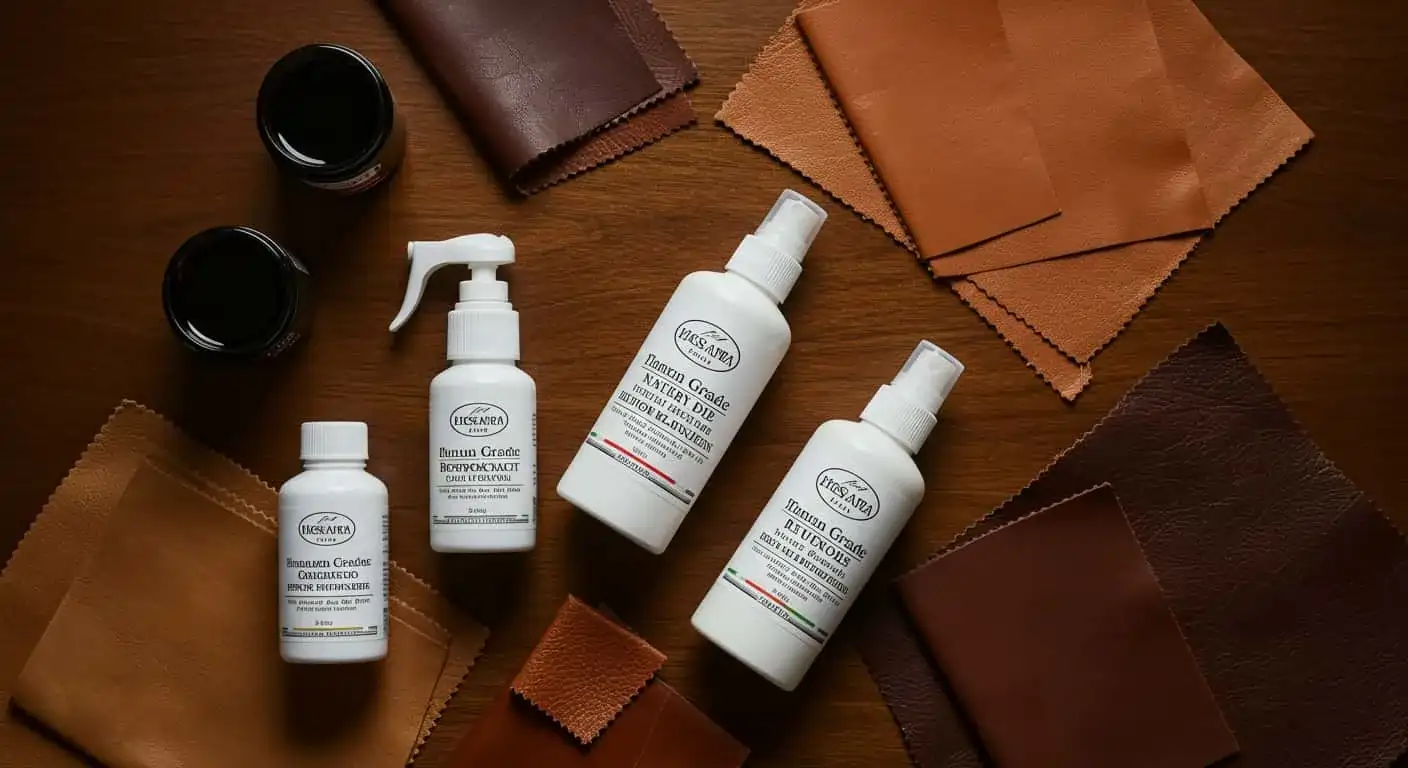
One cushion, one armrest, one back panel - hide-to-hide colour match to the rest of the sofa.
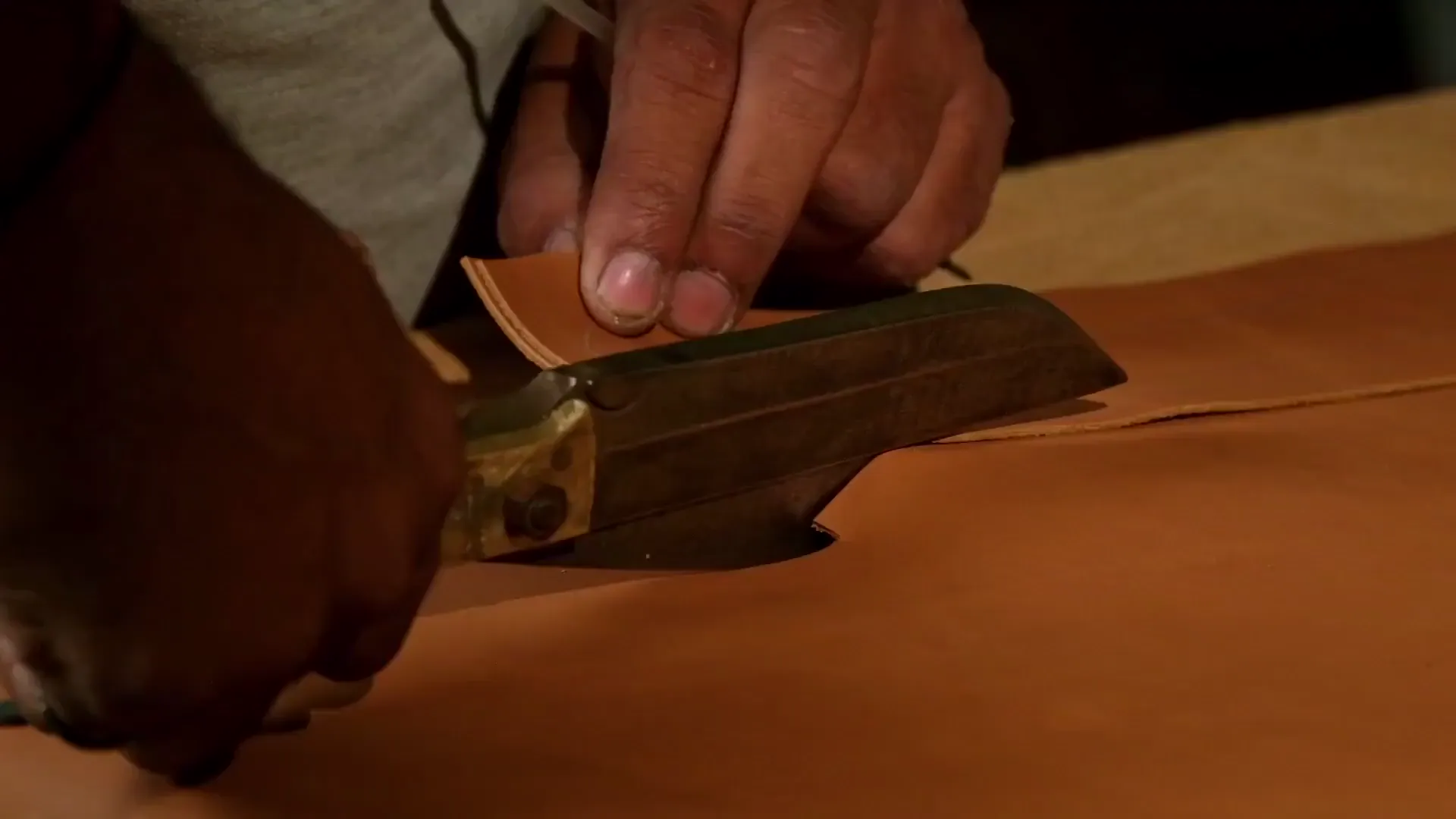
Mechanism-aware reupholstery for single and multi-seat recliners - hide replaced around the moving parts.
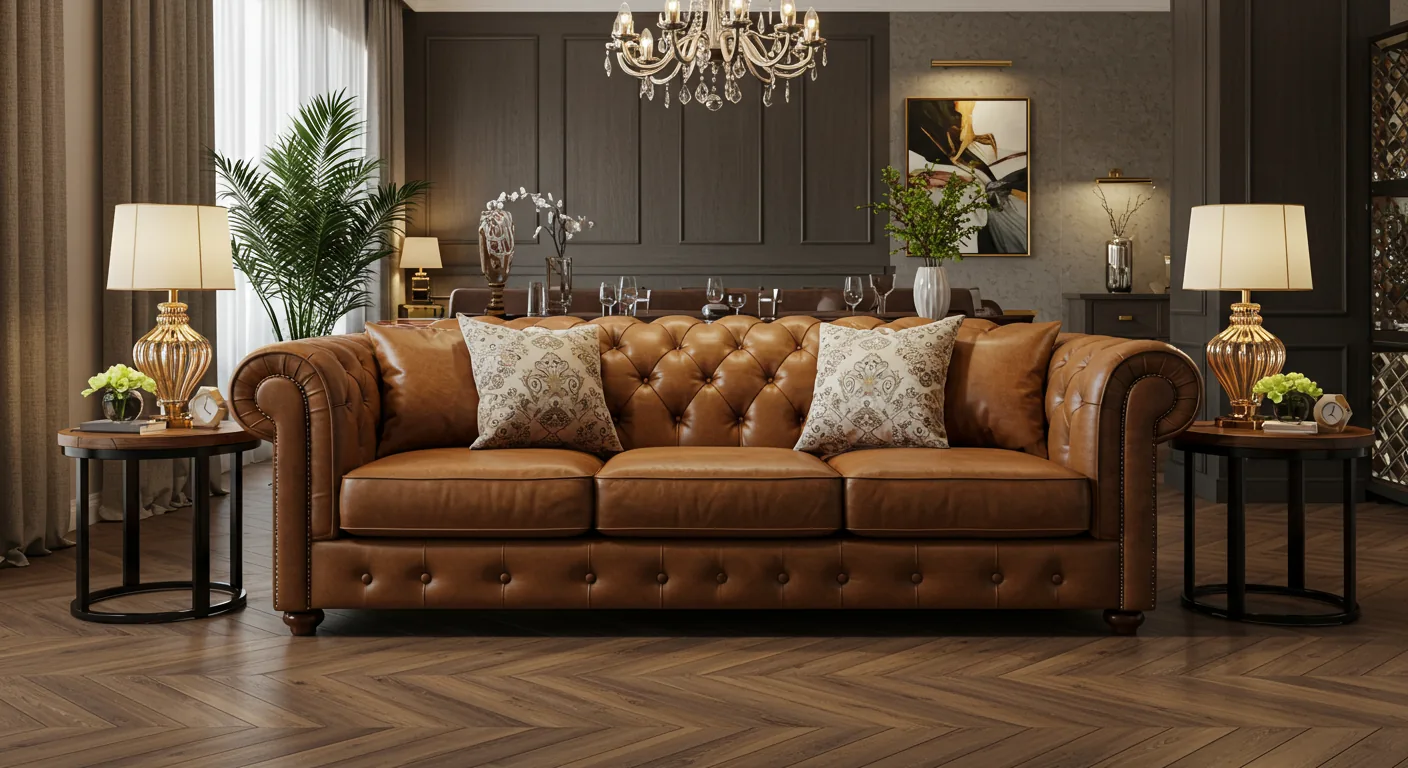
High-density foam, matched profile, original leather cover re-stitched where it can be saved.
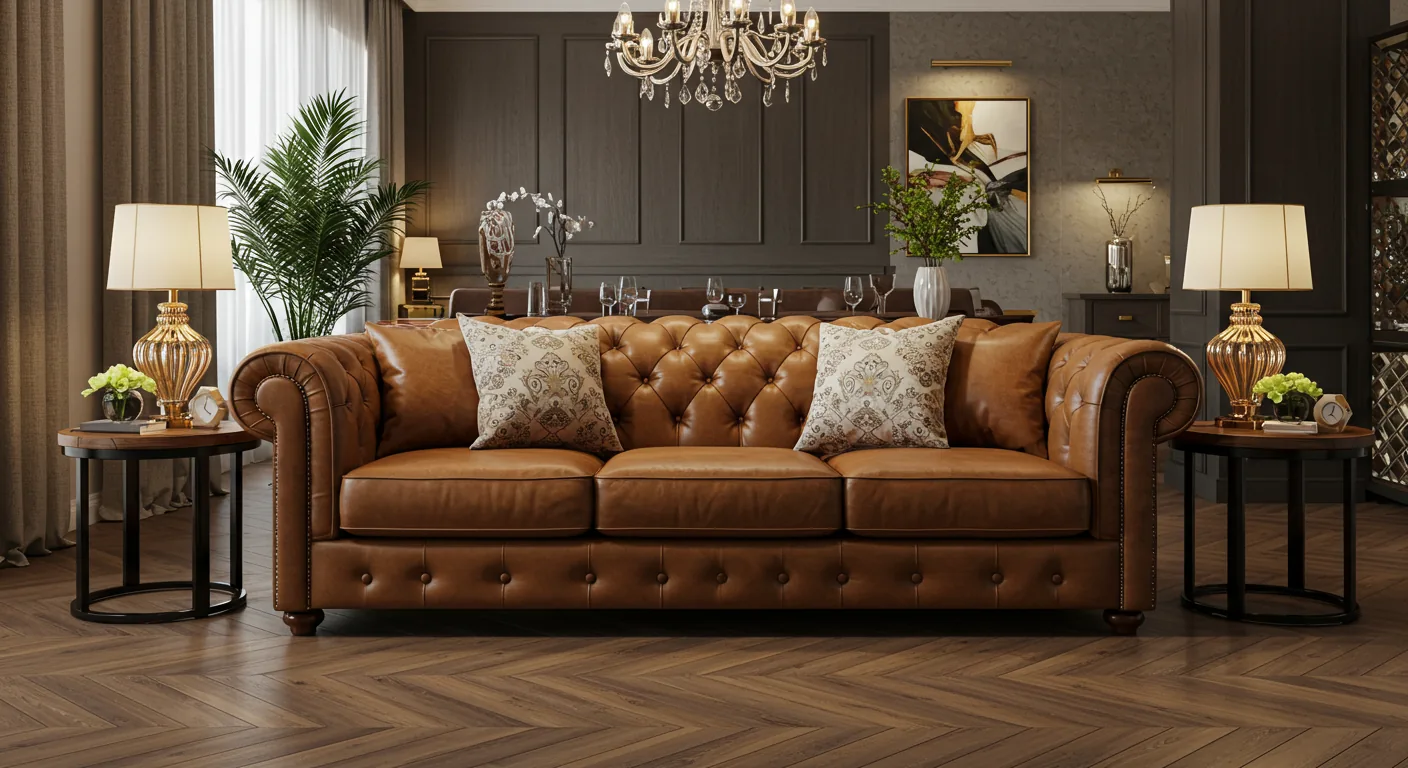
Cracked rails, loose joints, broken webbing, bottomed-out springs. The level below the foam.
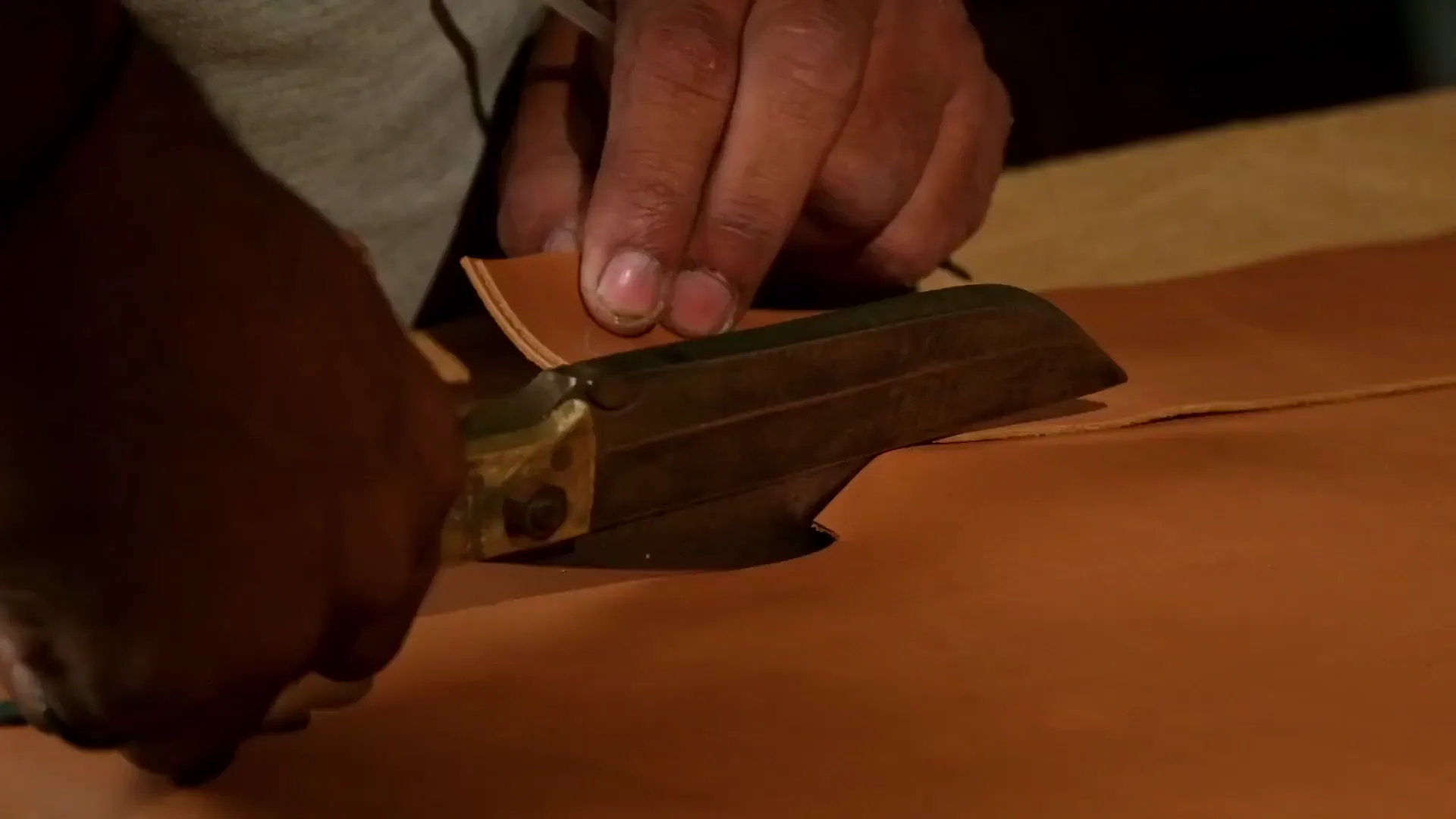
The honest decision tree - and why most sofas need a recolour, not a recover. Read before you commit.
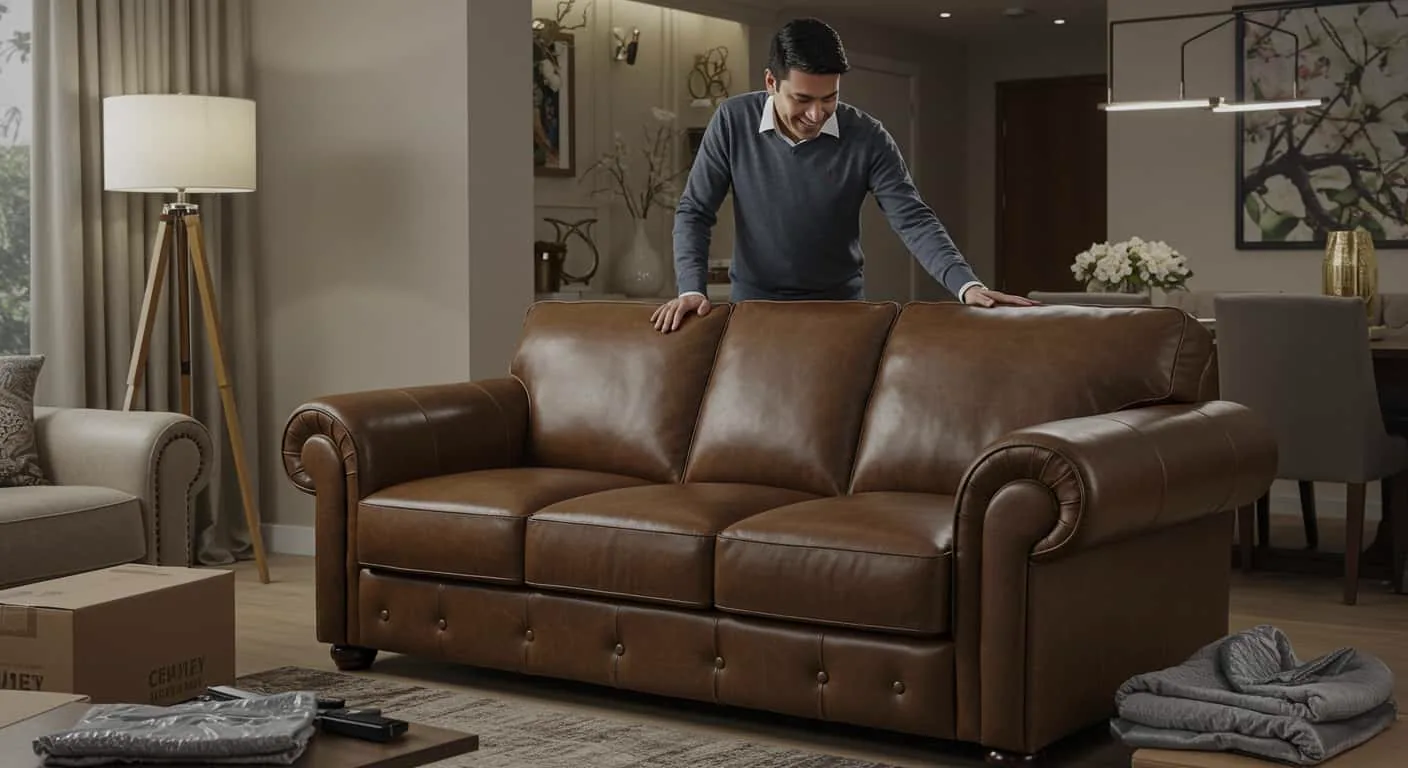
Sourced directly from four tanneries, six grades stocked - full-grain to pigmented. Weight and tannage matched to the original, or upgraded if the original was a bonded shortcut.
Photographed in studio · IndiaDrag the handle. Same hide, same frame - only the colour and finish were renewed.
Honest answers to what owners actually ask before booking.
Leather sofa upholstery is the second most expensive thing you can do to a sofa, after replacing it. The free in-home diagnosis tells you whether the hide is past restoration or still has years left. No charge for the visit.

Tell us about your sofa. A leather specialist will respond the same day - no obligation.