Before / AfterClean, Condition & Recolour
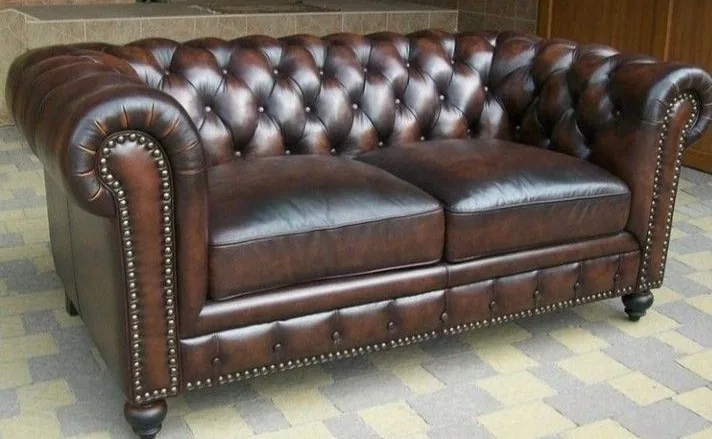
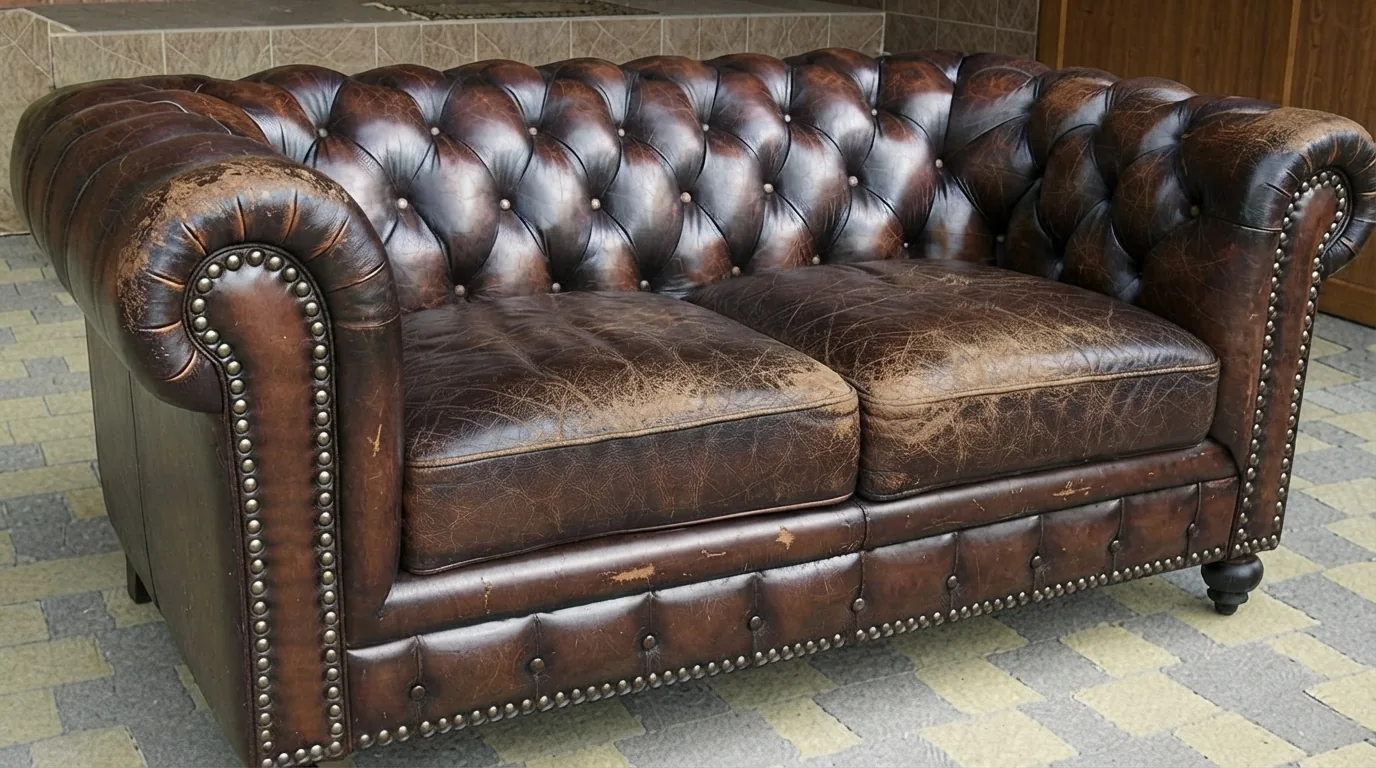

Conservator-grade removal protocols for the eleven most common leather sofa stains in Indian homes. Chemistry, tools available at any kirana or chemist, and an honest success rate for each plate.
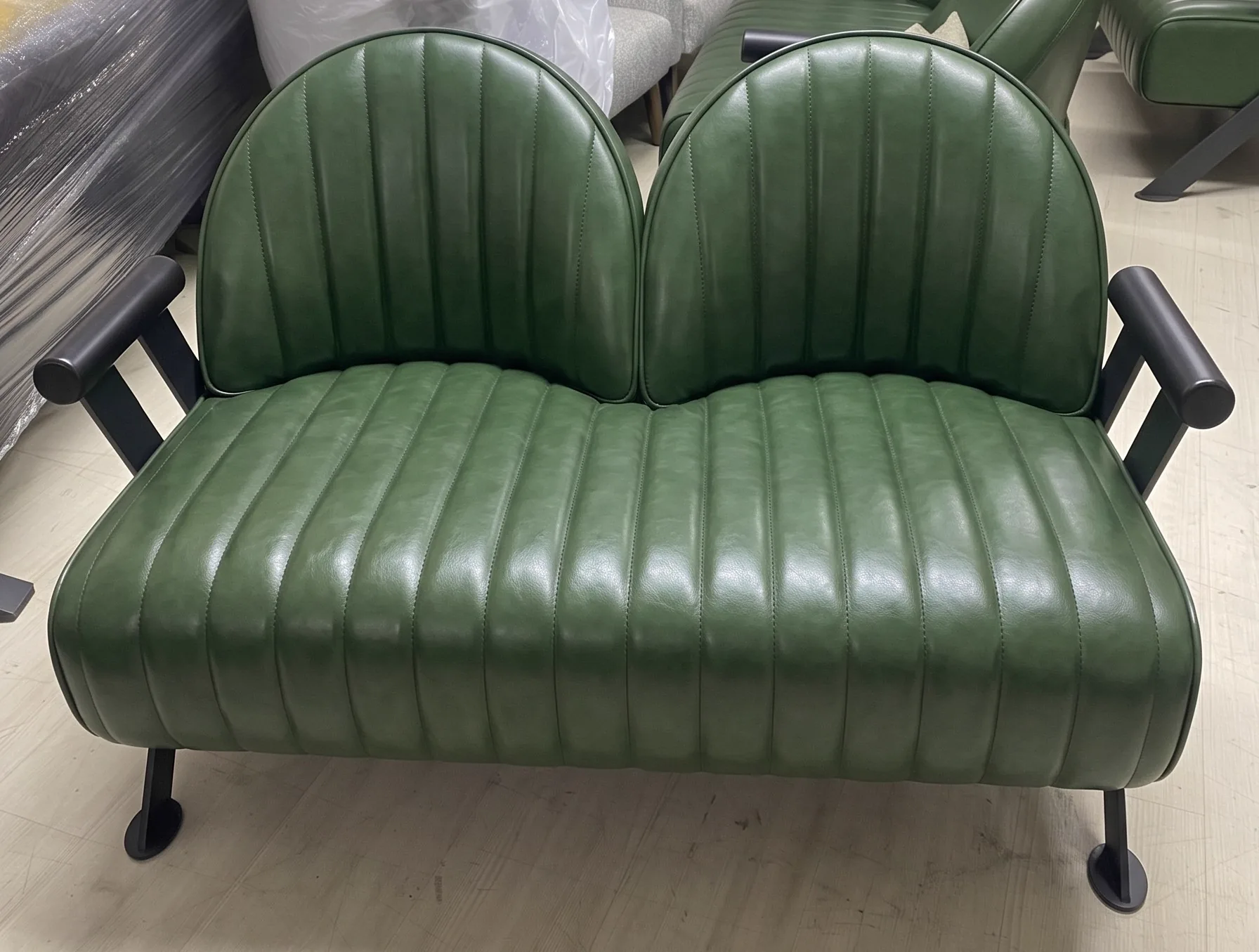
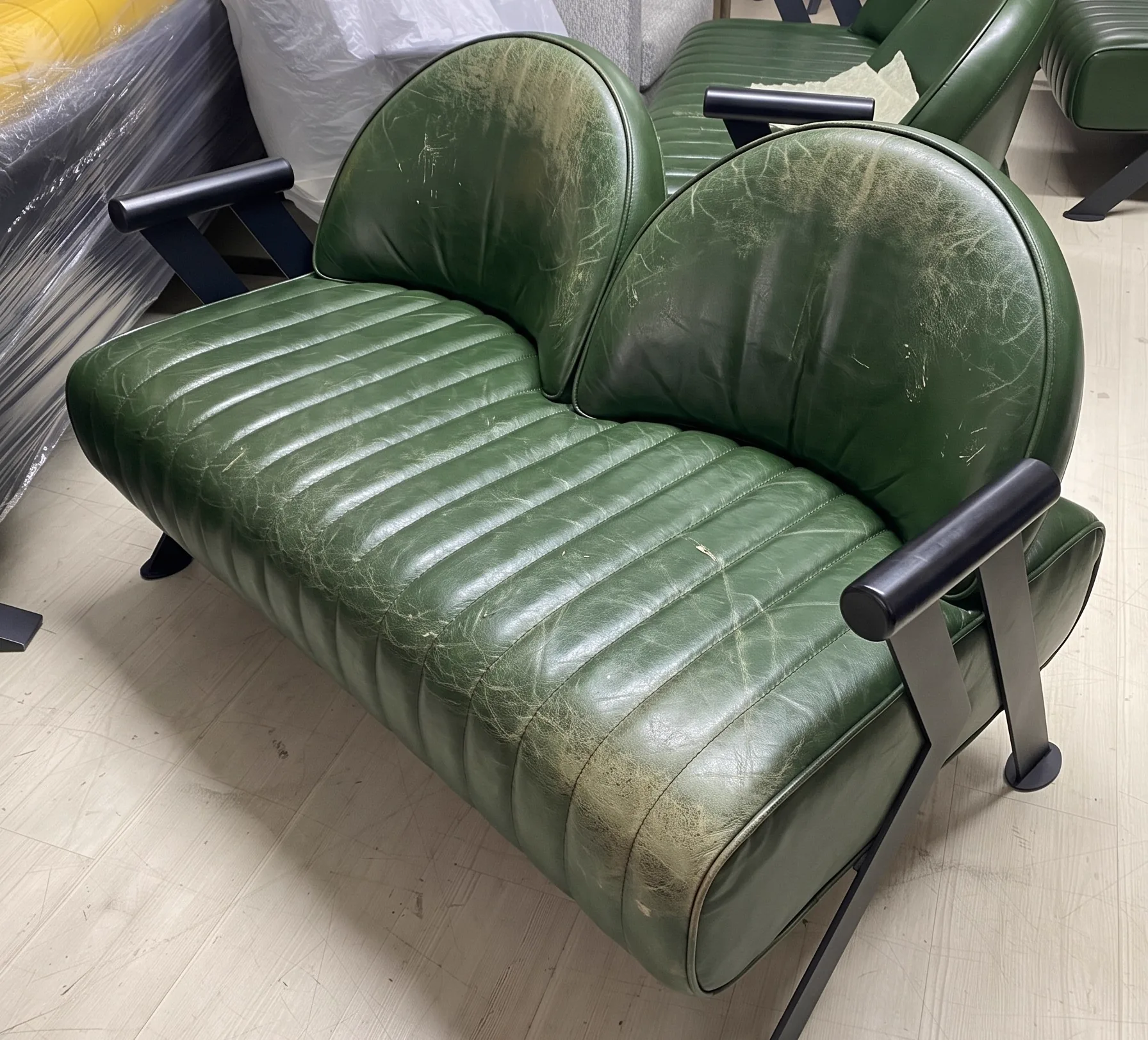
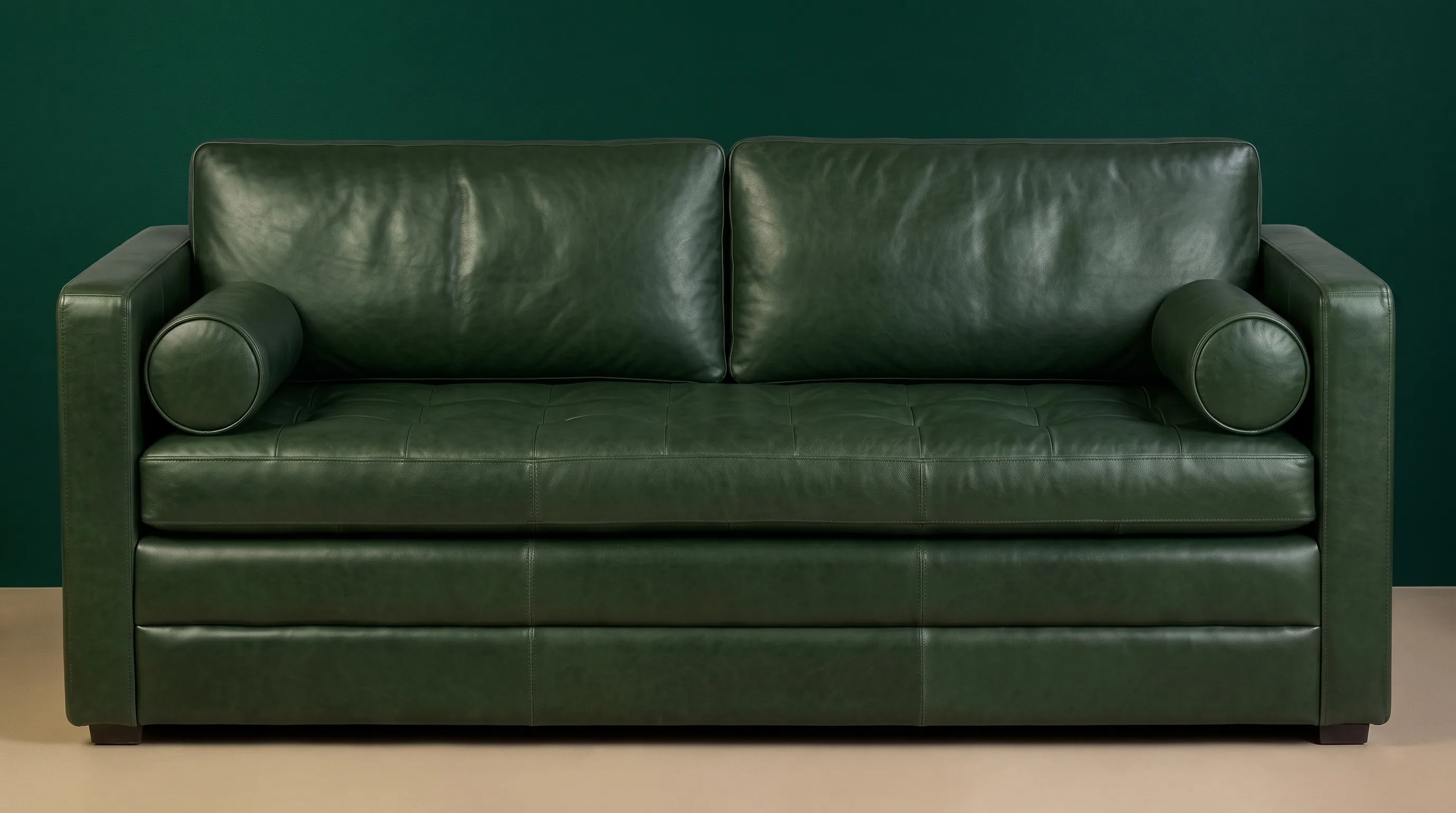
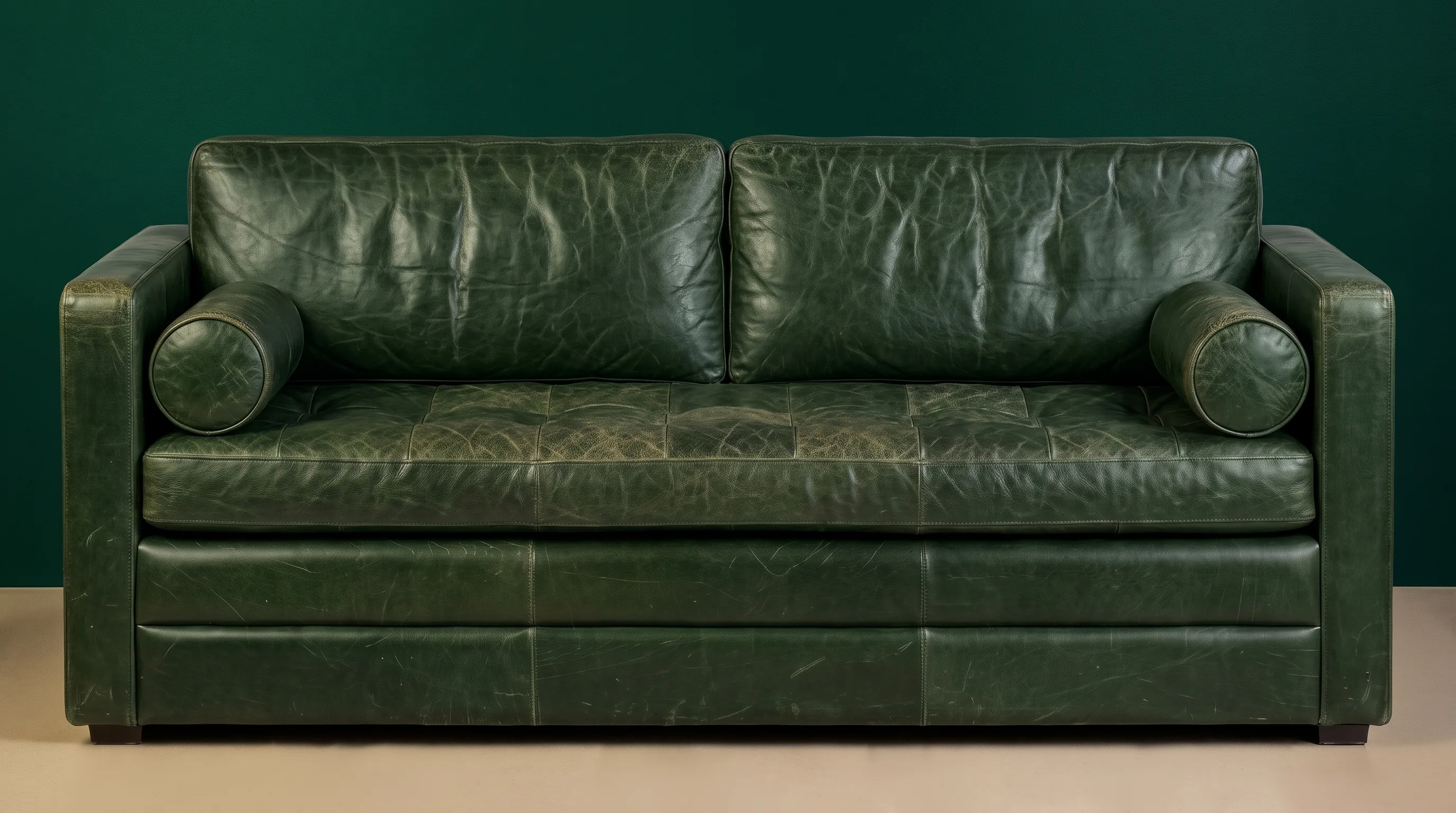
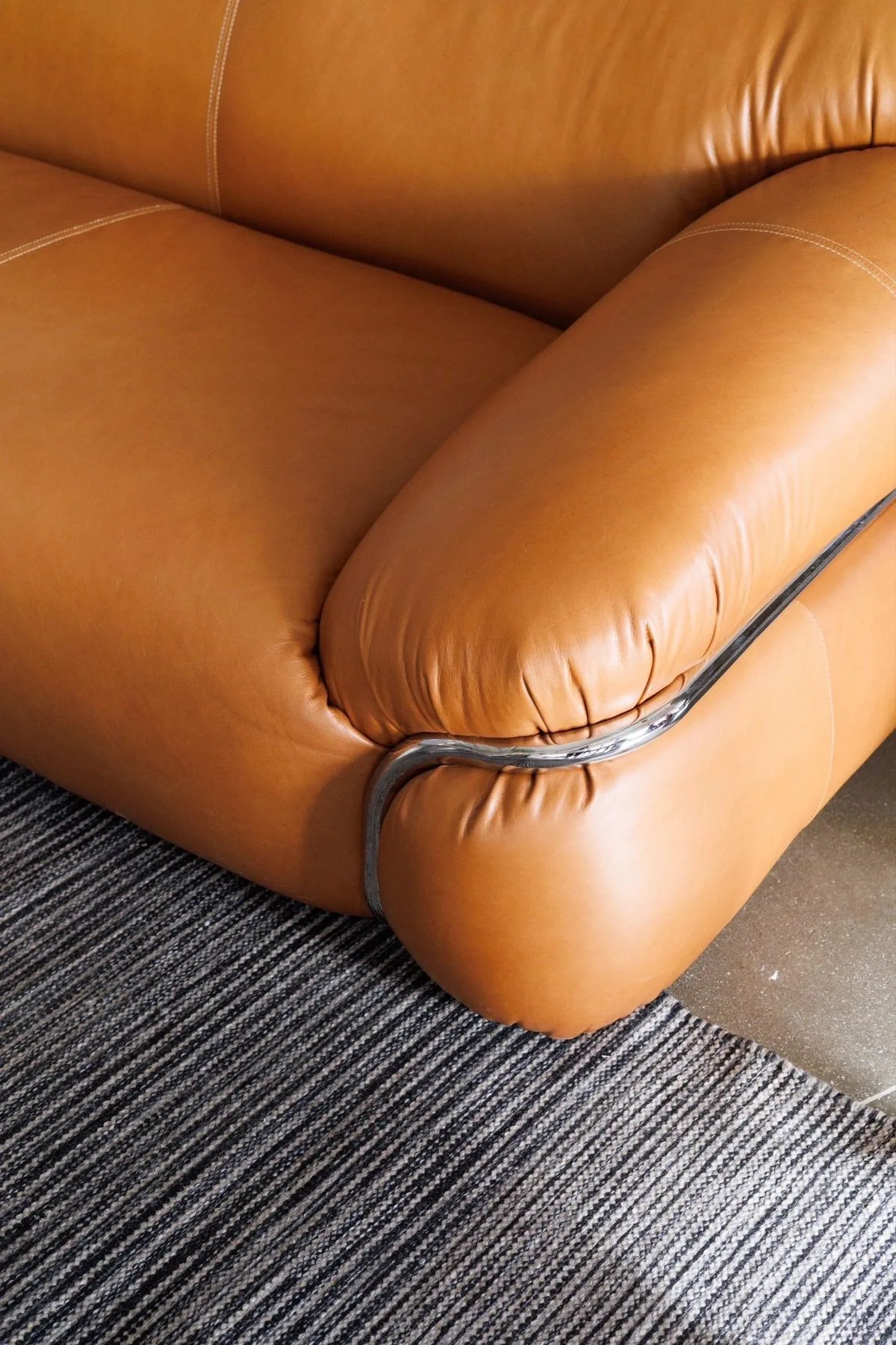
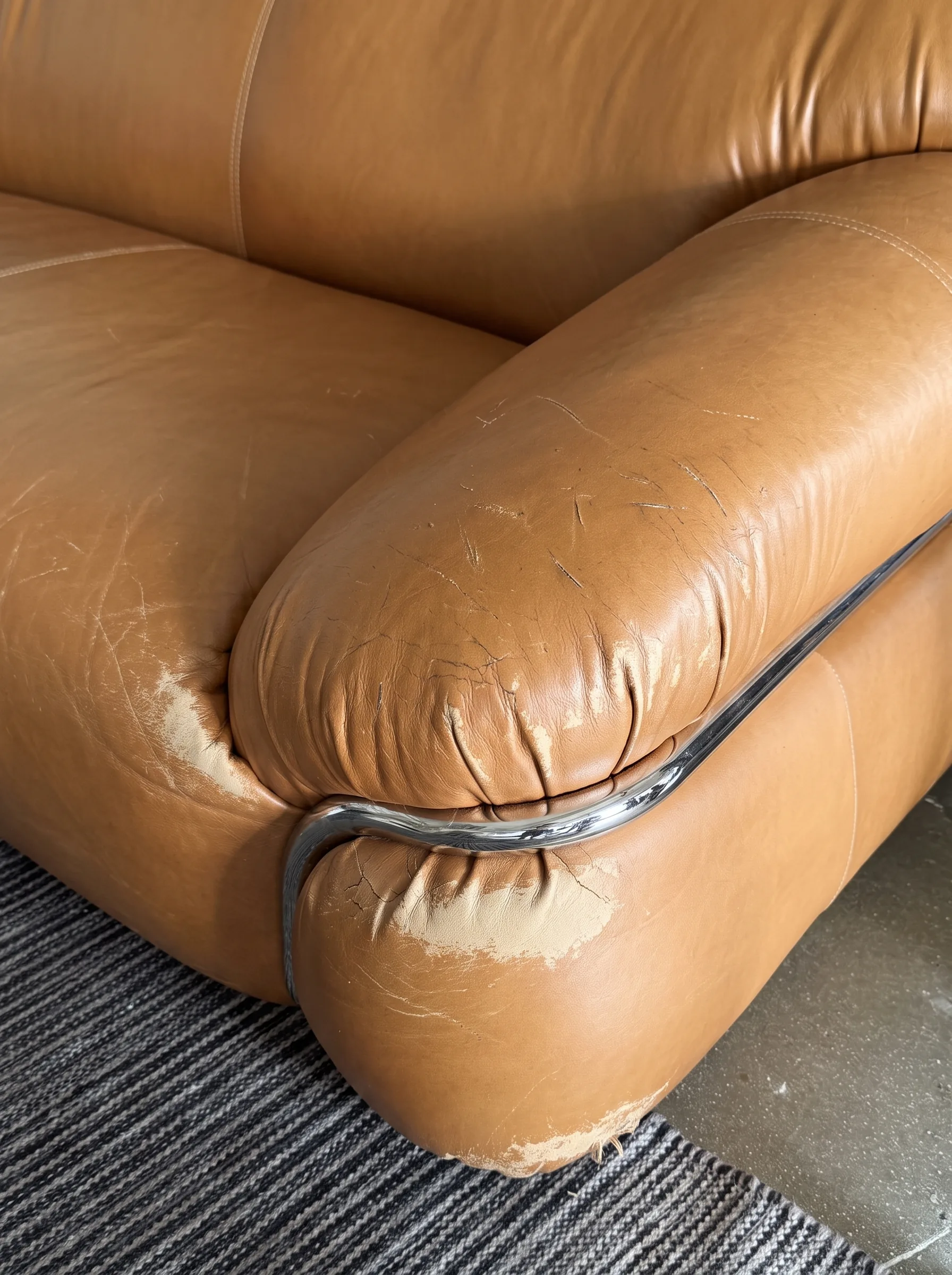
Most leather sofa stain removal guides tell you what to do. This one tells you what is happening in the leather, why the protocol works, and - most importantly - when it will not. Every plate has a DIY success rate and a clear line between what home methods can achieve and when a studio call makes more sense.
Tyson, our lead artisan, has reviewed and field-tested every protocol here against real intake cases from the studio in Faridabad. The India context matters: kirana sourcing instead of specialist stores, humidity and monsoon variables, the specific stains that Indian households actually see - turmeric from a haldi function, paan from dinner, SPF from the balcony-door armrest in April.
The three leather-finish types - aniline, semi-aniline, and pigmented - determine how a stain behaves more than any other variable. Every plate has a hide matrix. Read yours before you reach for anything.
Each plate is a complete field manual - chemistry, step-by-step removal, hide matrix, tools, and FAQ. Sorted by plate number, which loosely follows stain frequency in Indian homes.
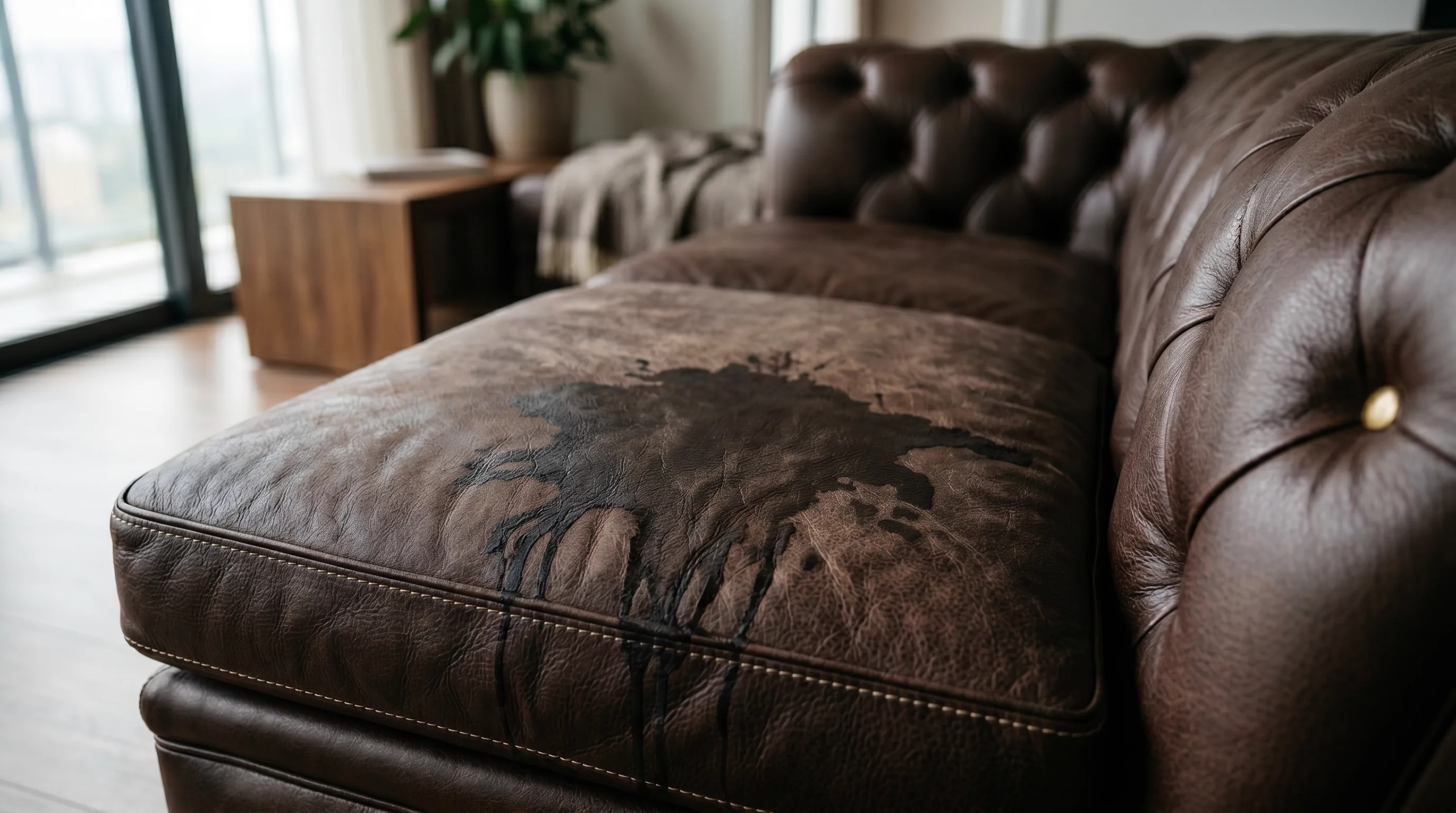
Ballpoint, gel, and fountain pen ink each have different dye carriers. The swab-rotate discipline - a fresh swab every 2-3 mm of progress - determines success more than the solvent.
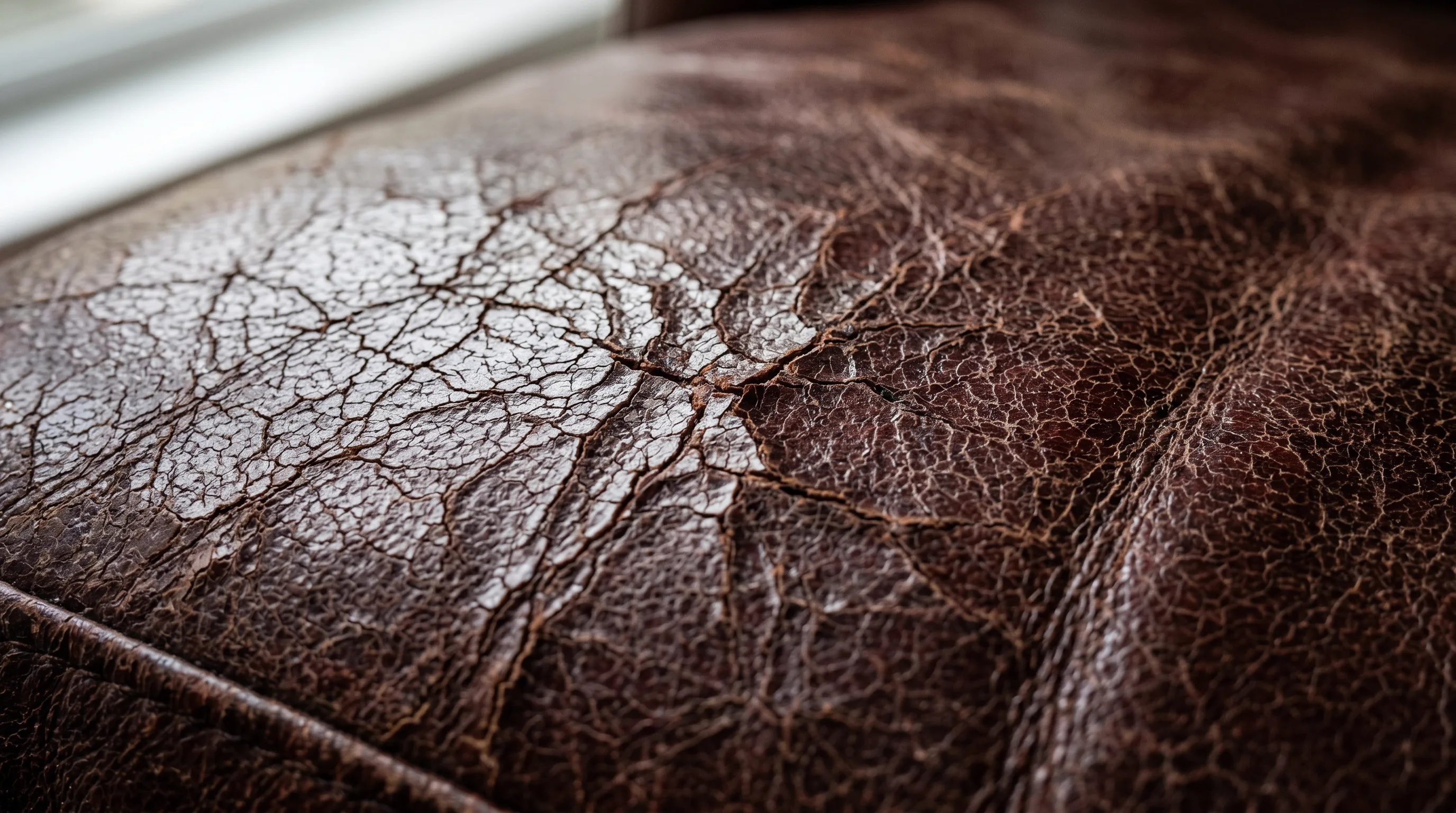
Tannin and anthocyanin pigment. Salt poultice in the first 5 minutes is the game-changing Indian-kitchen technique. Speed matters more than the product.
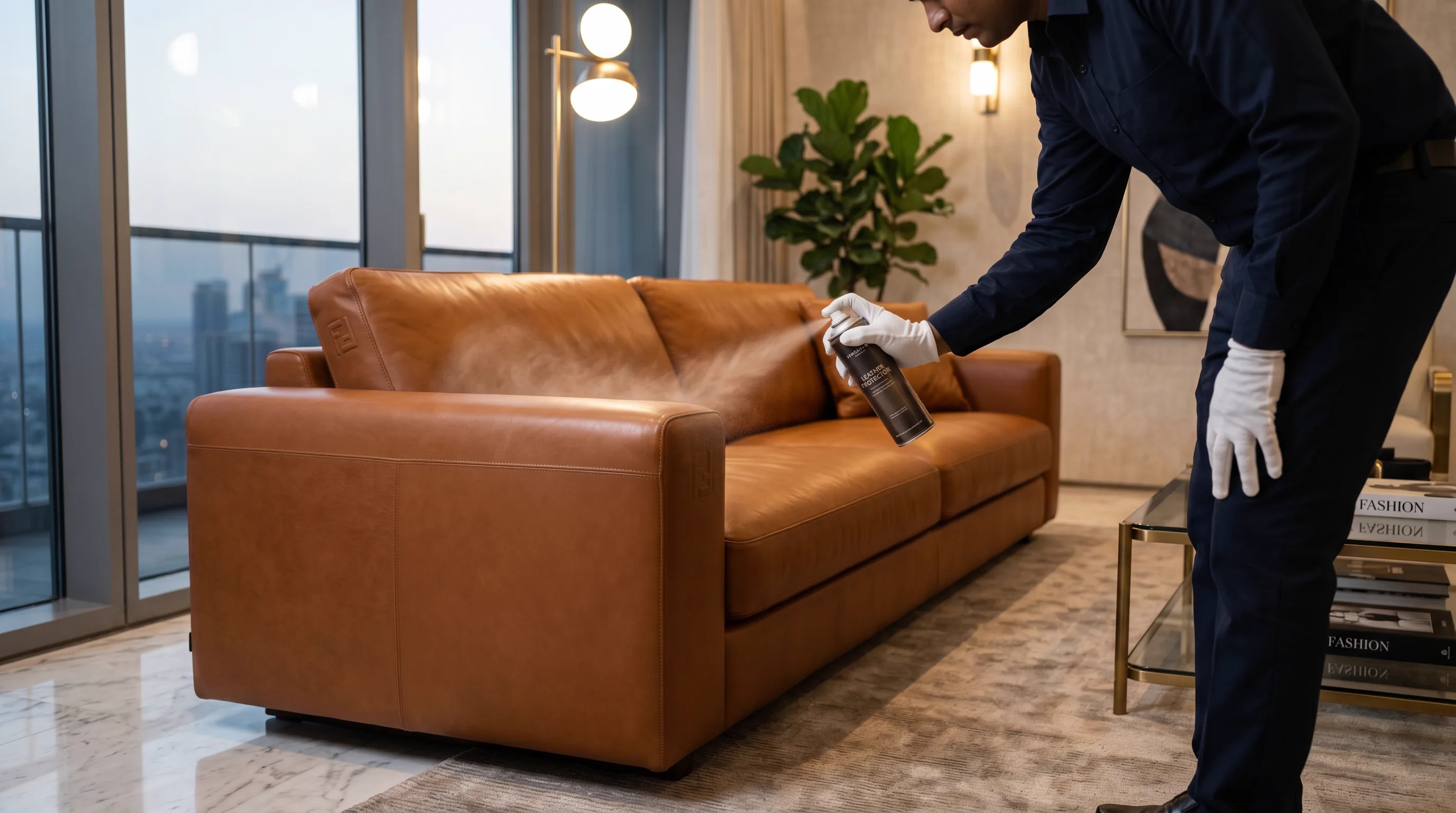
Cold water only - always. Hot water denatures haemoglobin and locks the stain permanently. Saline solution (ORS or salt water) is the single most effective home treatment.
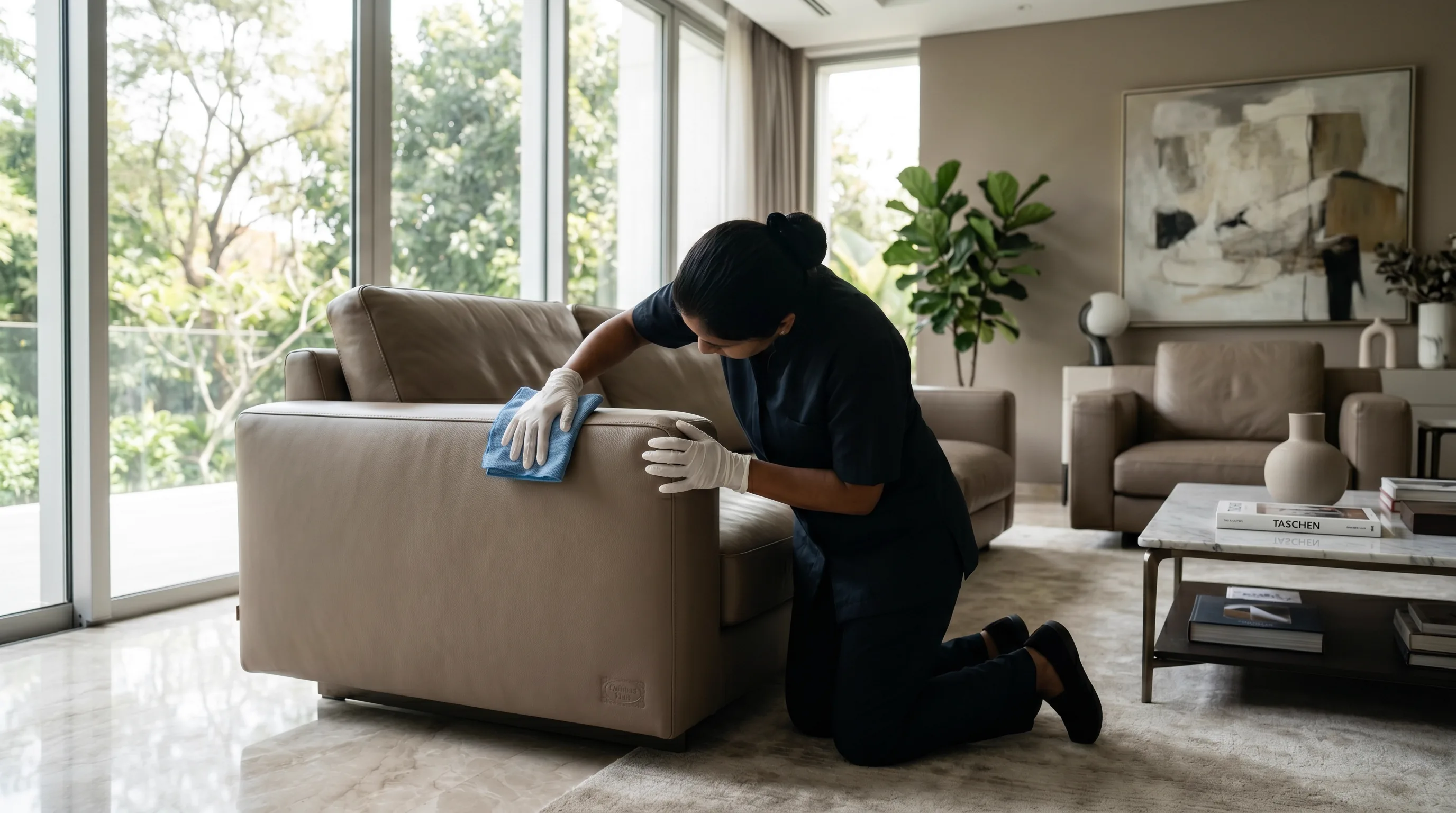
Two components: water-soluble tannin and a lipid residue from milk. Masala chai adds a spice-oil layer. Address tannin first with cool water, then the oily residue separately.

India's most stubborn household stain. Curcumin bonds with leather collagen on contact. Critical warning: alkaline cleaners turn turmeric red permanently. The aniline leather window is 2-3 minutes.
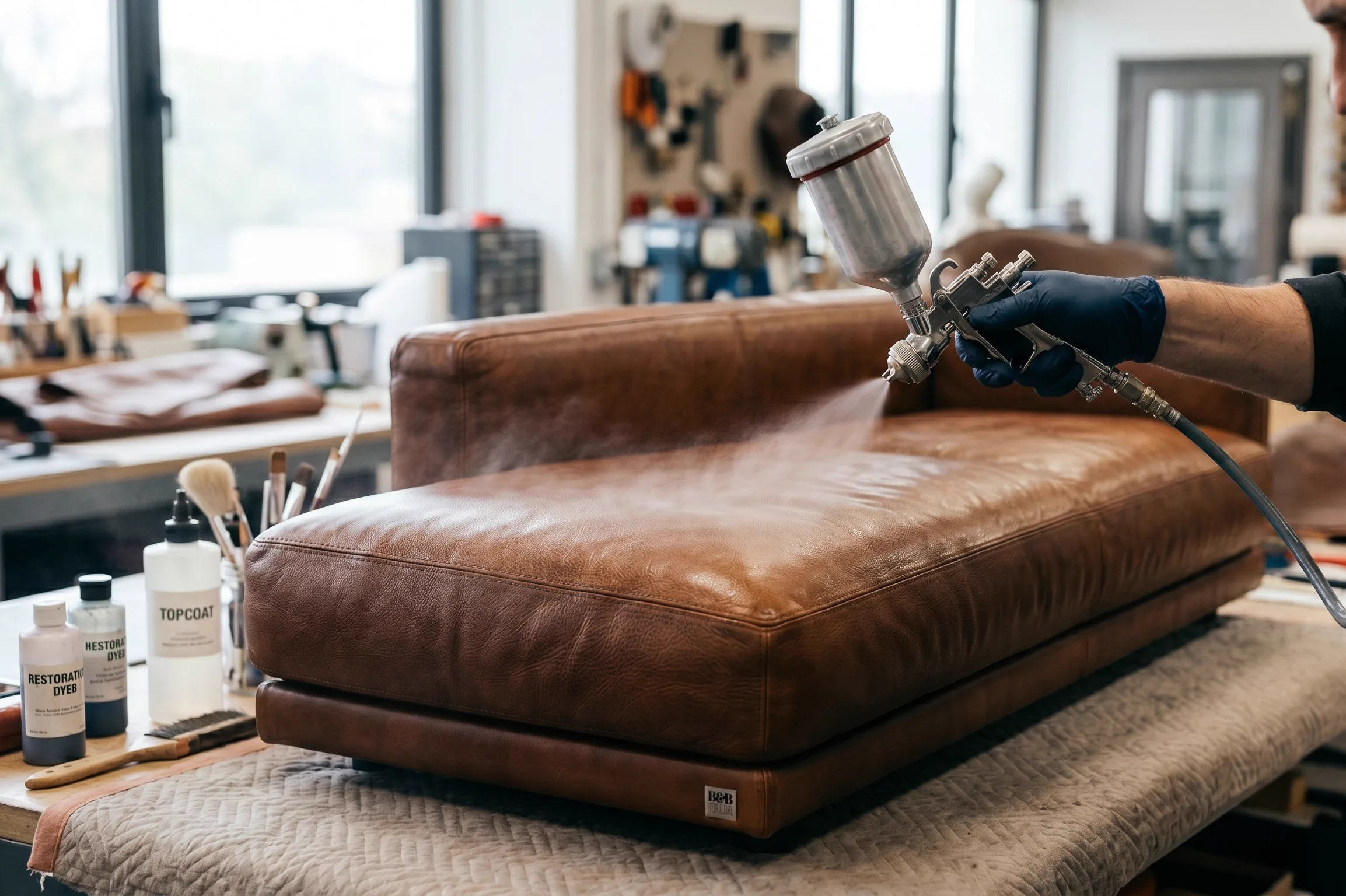
Pure lipid. Cornstarch absorption before any liquid is the entire first phase. Ghee carries milk solids that soap must address separately. No reactive chemistry - this stain is about speed and technique.
Two-step lift: wax phase first, then pigment. Modern formulations add silicone. The shaadi context in Indian homes means silk-transfer and lipstick often arrive together on the sofa back.
The classic headrest crown pattern. Coconut, amla, bhringraj, and mustard oils penetrate the grain as they heat to body temperature. Cornstarch first - always. Herbal pigments need a separate step.
Avobenzone reacts with iron in leather dye under UV, shifting the colour to orange permanently. Silicone carrier requires IPA to dissolve. Keep the sofa out of direct sun before you start.
Uric acid crystals are the odour source - they re-release ammonia every monsoon season if left untreated. Only enzymatic cleaners break them. A UV torch reveals the full extent beyond what normal light shows.
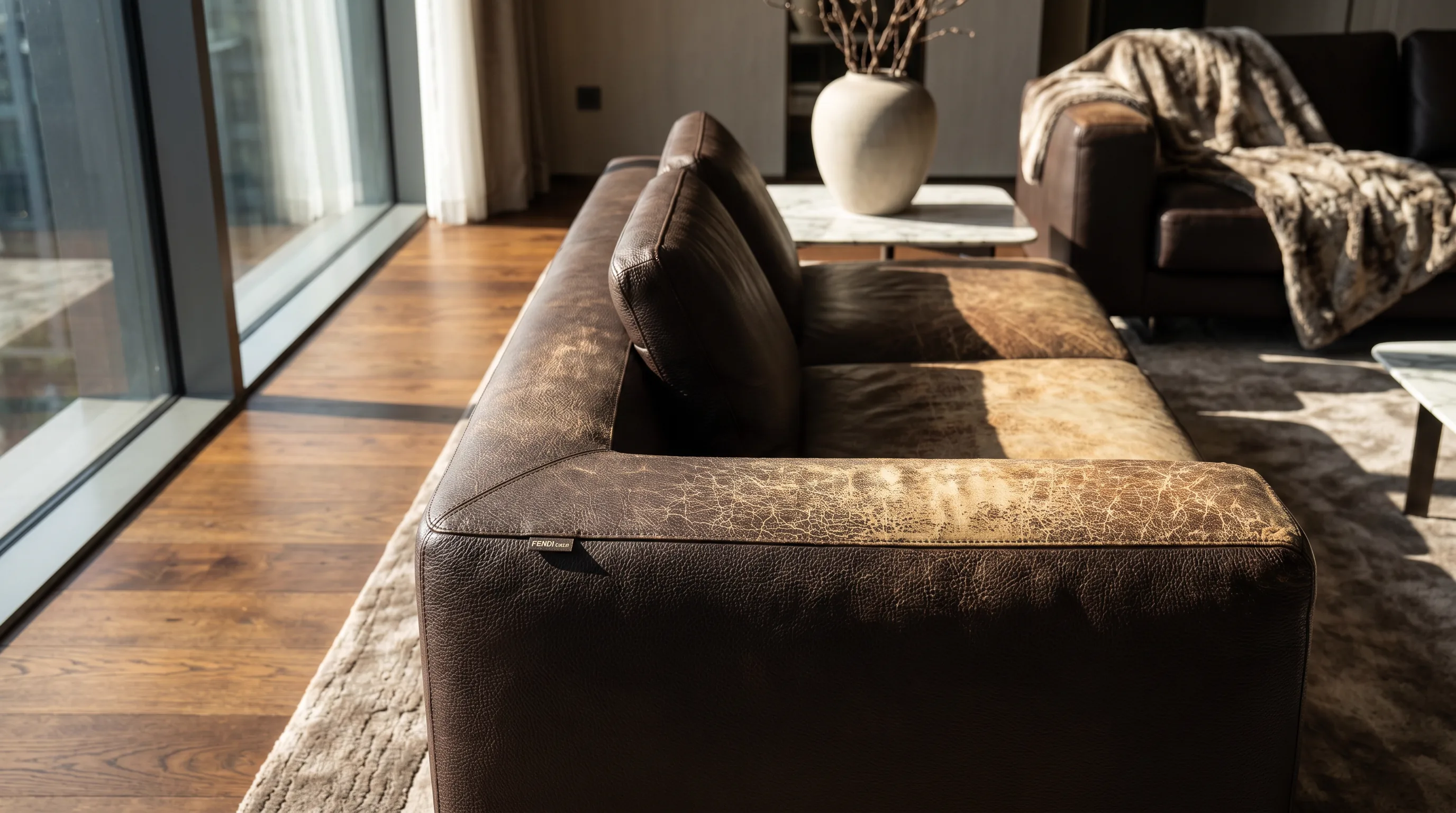
The hardest stain class in the Atlas. Lawsone from henna bonds with collagen and darkens over 48 hours. Paan's chuna turns tannin brilliant red on impact. DIY success is honest at 35% for set stains.
The eleven plates fall into six chemistry families. Knowing the family tells you the opening move before you even read the plate - and tells you which products will make any stain in that family worse.
Four checks that take under two minutes and change the outcome of almost every stain treatment.
If the stain is set, the leather is aniline, or the protocol has already stalled - send a daylight photograph on WhatsApp. We will tell you honestly whether it is recoverable, what we would do, and roughly what it costs. No commitment, no pressure. Faridabad studio, pan-India by photograph.
Tell us about your sofa. A leather specialist will respond the same day - no obligation.