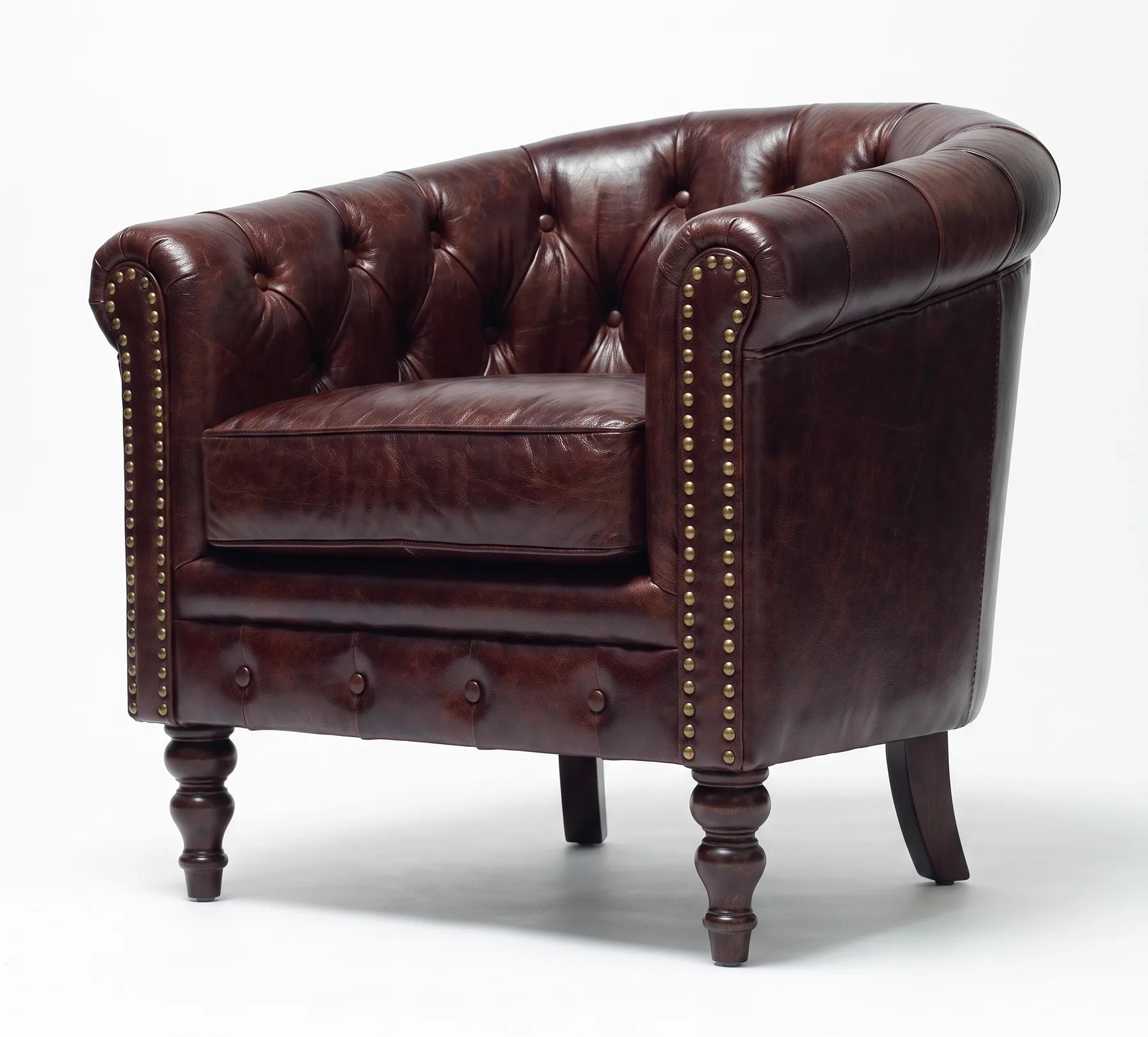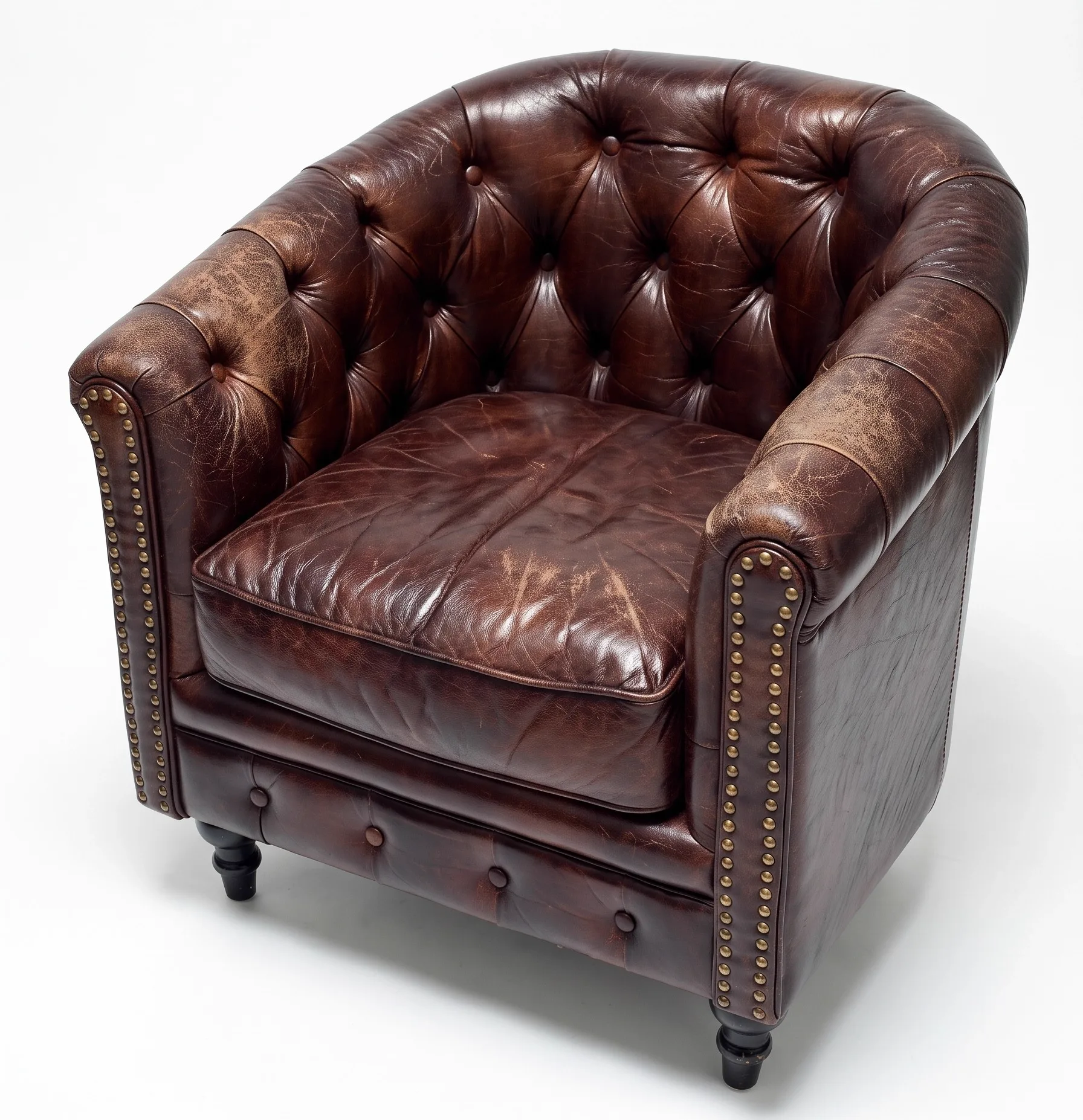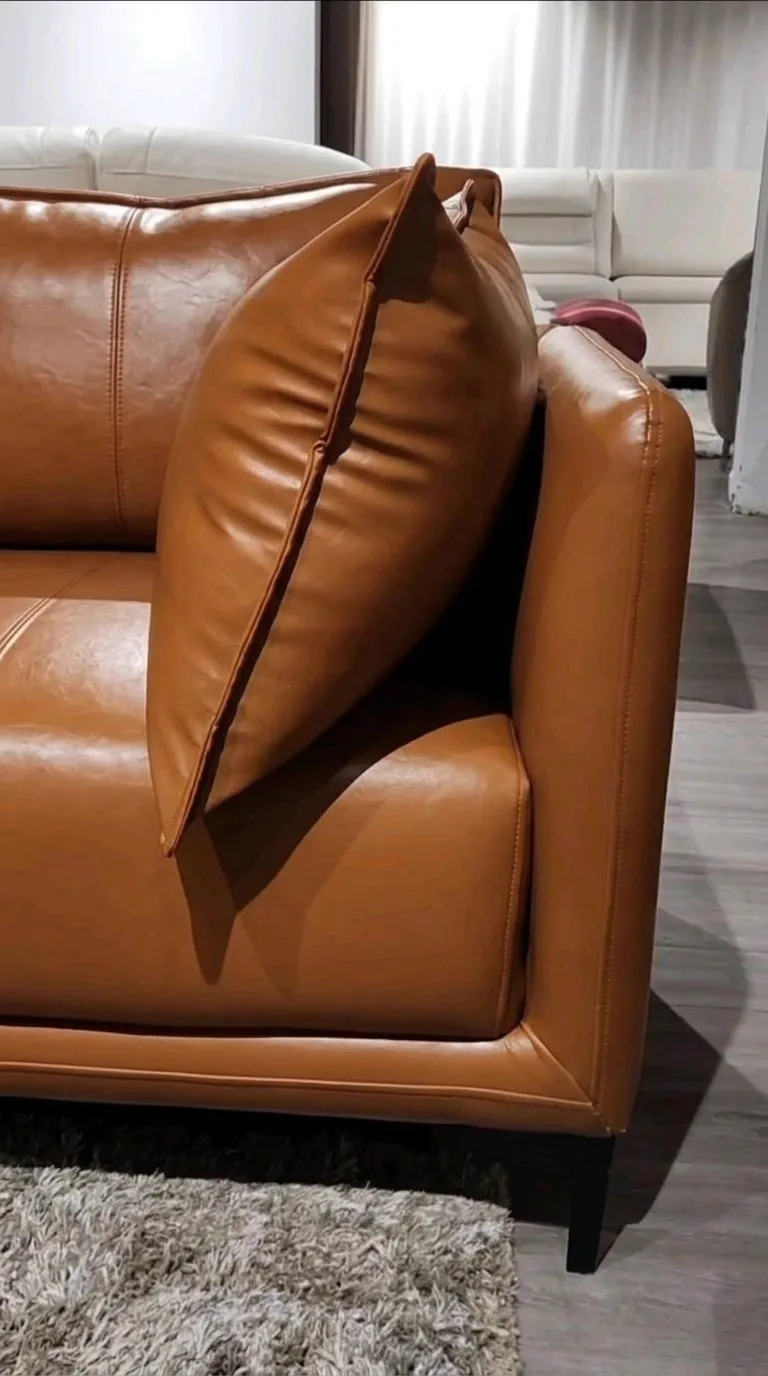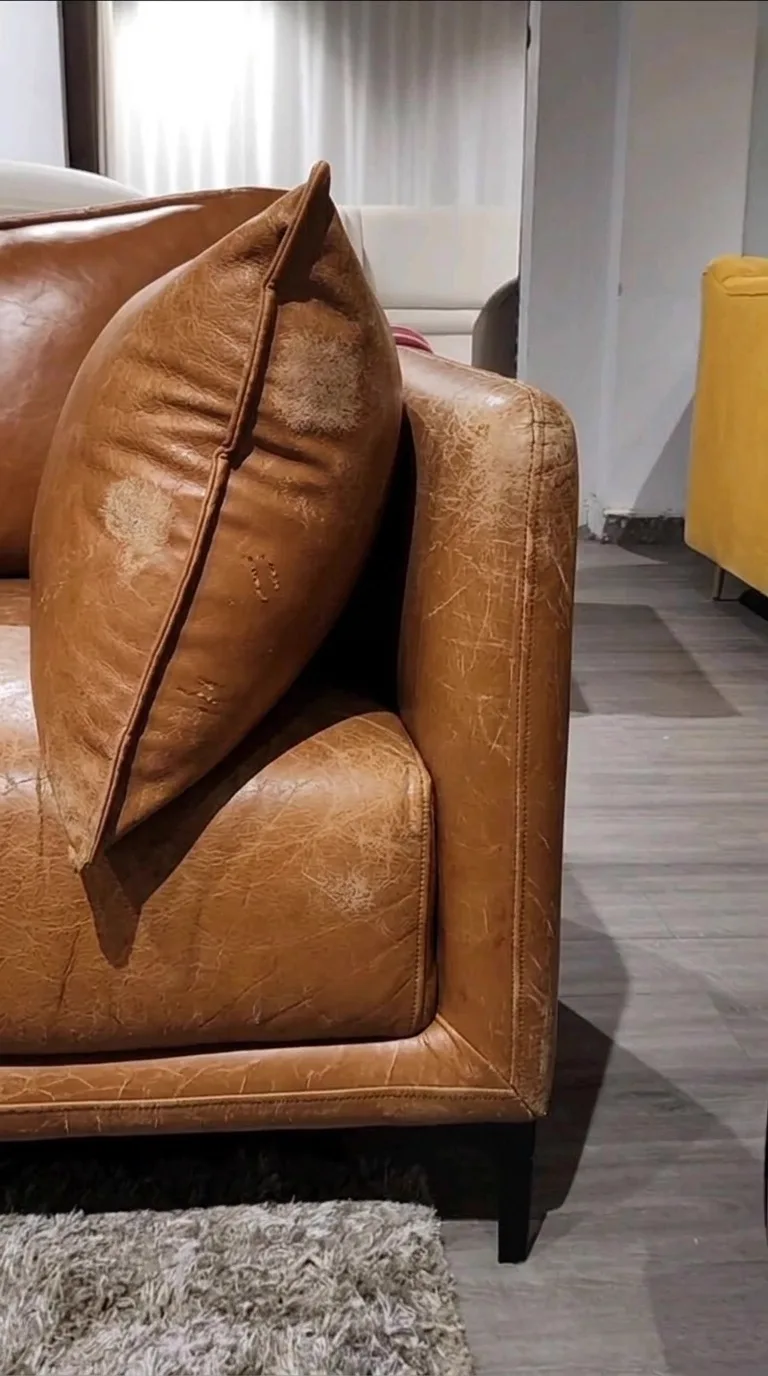
The most common cause of leather sofa cracking in Delhi NCR homes is not age, sunlight, or poor quality leather. It is air conditioning. A standard 1.5-tonne split AC running 8 to 10 hours a day in an Indian living room reduces indoor relative humidity to levels that are measurably more damaging to leather than anything most European climate guides have ever needed to address. If your leather sofa sits in a room with AC and has never been conditioned on a Delhi-appropriate schedule, it is drying out right now - and the cracking that will appear in two to three years is already being set in motion today.
This guide explains the exact mechanism by which AC destroys leather, how to identify whether your sofa is already in a fat liquor deficit, and what the correct prevention and recovery protocol looks like for Delhi NCR conditions specifically. The monsoon leather care guide covers the opposite end of the humidity cycle - the damage that comes from excess humidity rather than deficit. Both are real and both require distinct responses.
How AC Actually Damages Leather
Leather is a biological material that equilibrates to the humidity of its surroundings. The collagen fibre matrix inside every piece of genuine leather maintains a water activity - a measurable moisture level - that keeps the fibres lubricated and sliding freely. When ambient relative humidity drops sharply, moisture migrates out of the leather towards the drier air. This moisture migration also carries fat liquor - the engineered oil emulsion that is the leather's primary lubricant - to the surface, where it evaporates. The reverse swing does its own damage: where a long damp season is followed by hours of dry AC on the same panel, the finish swells and then tightens until it crazes into a spider of fine lines and lifts - the failure behind most requests for AC-crazing repair in Bengaluru, and one we treat at home in a single visit.
A standard AC unit removes approximately 1 to 3 litres of moisture from room air per hour of operation. In an enclosed living room with the AC running from 10am to 10pm, indoor RH can fall to 25 to 35% even in months when outdoor RH is moderate. In March and April before the monsoon, when outdoor humidity is already low, indoor AC rooms can reach 15 to 20% RH. Leather kept at 20% RH for sustained periods loses fat liquor at a rate that is roughly three times faster than leather in a 55% RH environment.
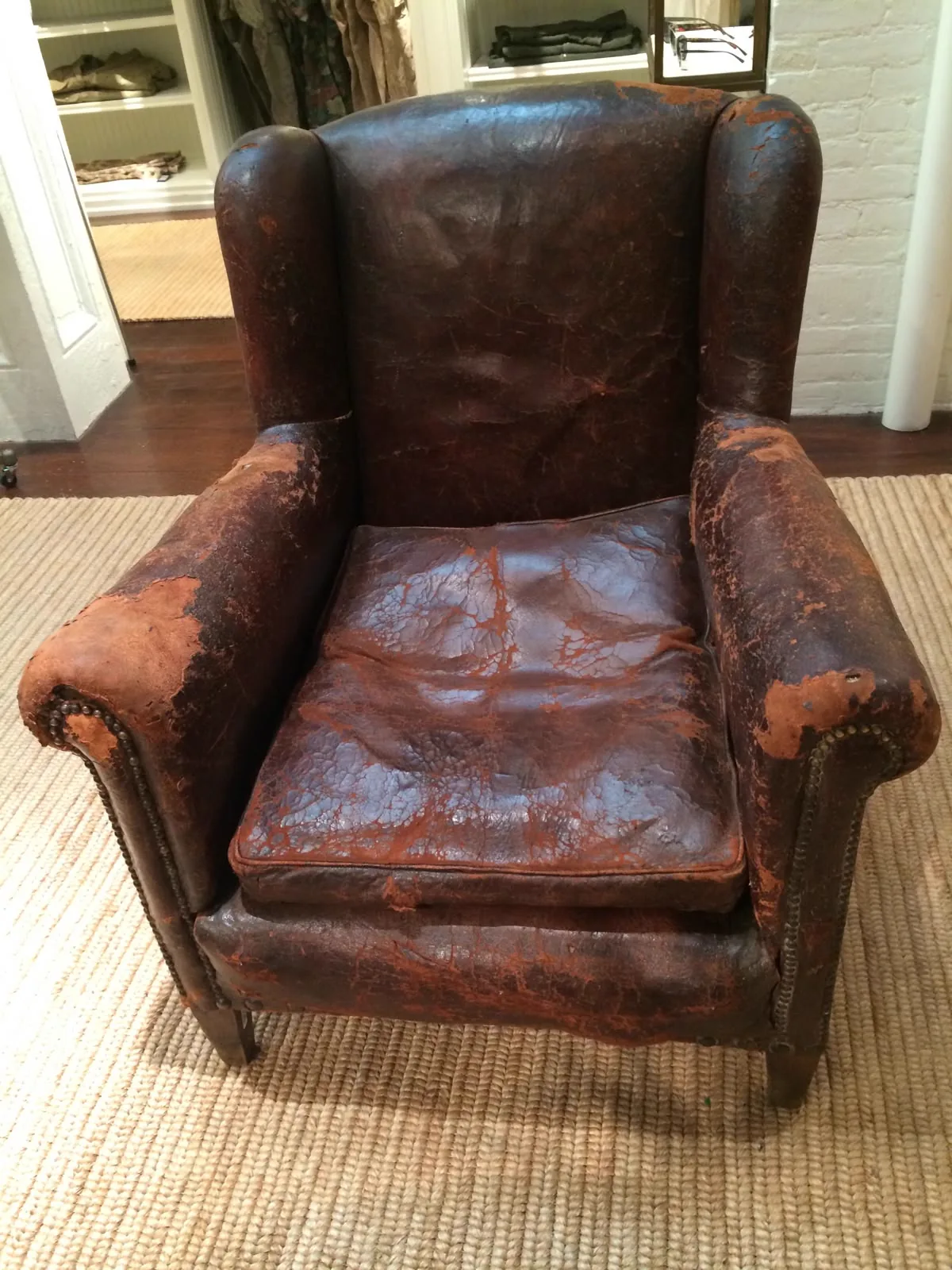
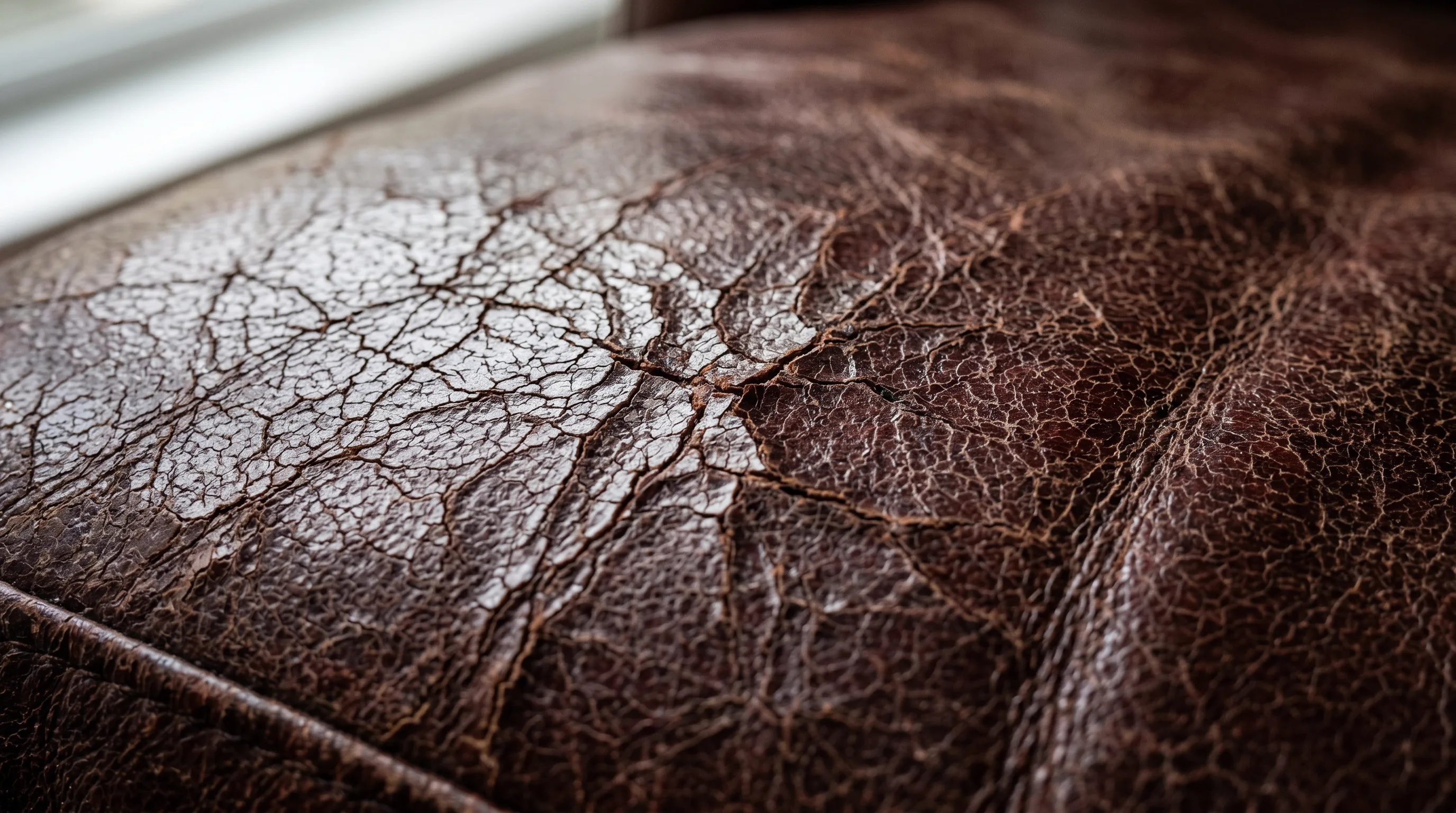
The damage accumulates invisibly for the first 12 to 18 months. The sofa looks fine. It may feel slightly firmer than when new, but most owners attribute this to the cushion settling. Then the flex lines start to show surface checking - fine networks of surface cracks along the front edge of seat cushions, across headrests, and at armrest creases. By the time these are visible, the fat liquor deficit is already advanced. Surface cracking that you can see with the naked eye means the fibre bonding process has started. See the fat liquor guide for the full science of what is happening at fibre level.
The position test: If your sofa sits directly below a ceiling cassette AC or within 1 metre of a wall unit, look at which surfaces are cracking first. If the seat backs, headrests, and cushion tops are cracking while the arms and lower sections are fine, this is the pattern of direct vent damage. The cold dry airflow falls directly onto horizontal surfaces. The arms are partly shielded by the sofa body. This positional pattern is almost diagnostic - it tells you the cause without any further testing.
Delhi-Specific Risk Calendar
The AC damage risk is not uniform across the year. Delhi NCR has a distinct humidity cycle that creates different risk windows for different types of leather damage. Understanding this calendar helps you time interventions correctly.
- February to May (extreme depletion risk): Pre-monsoon Delhi has outdoor RH of 20 to 40%. AC running in this period drops indoor RH to 15 to 25%. This is the most aggressive fat liquor depletion period of the year. Any sofa in a room with AC running more than 6 hours a day in this window needs conditioning by end of May at the latest. Do not wait for the standard 12-month schedule.
- June to September (monsoon - AC still running): Outdoor RH is 70 to 85% during monsoon. But most Delhi households continue running AC to control the humidity inside - paradoxically, this means the sofa oscillates between being dry (during AC hours) and slightly humid (during non-AC periods). This cycling - repeated expansion and contraction at the fibre level - is mechanically stressful for already-dry leather and accelerates cracking at flex points. The monsoon protocol covers the mould and adhesive risks specific to this season.
- October to January (low but moderate AC use): Delhi winters have lower AC usage but indoor RH remains moderate at 40 to 55% in most homes. This is the least aggressive period for AC-related leather damage and is the best window for conditioning without the complications of monsoon humidity or summer heat affecting absorption.
Prevention Protocol for AC Rooms
Prevention is significantly cheaper than repair. A sofa in an AC room that is correctly maintained costs almost nothing to keep in good condition year after year. The same sofa neglected for three years requires professional crack-filling, re-pigmentation, and possibly panel replacement costing several thousand rupees. The following protocol is calibrated for Delhi NCR AC conditions specifically.
- Sofa placement - 1.5 metres minimum from any vent: Redirect the AC louvres away from the sofa direction. If the sofa sits below a ceiling cassette AC, this is the highest-priority change you can make. Even a 45-degree louvre redirect significantly reduces the direct airflow onto the sofa surface. If repositioning is not possible, the conditioning frequency must compensate.
- Maintain indoor RH at 45 to 55%: A room humidifier running alongside the AC is the most effective single intervention. At 45% RH, fat liquor depletion slows to a rate that a twice-yearly conditioning schedule can fully compensate. Buy a hygrometer (available for under Rs 500) to measure actual RH. The AC thermostat display is not a humidity measurement. A basic humidifier in the living room costs Rs 2,000 to 4,000 and will extend the sofa's life by years.
- Condition every 4 months for aniline and semi-aniline: This is twice the manufacturer recommendation but is the correct interval for Delhi NCR AC rooms. Aniline leather in a room with AC running 8+ hours daily loses fat liquor fast enough that annual conditioning leaves a 6 to 8 month window of fat liquor deficit each year. Use only conditioning products rated for furniture leather - see the India conditioning products guide for verified options available locally.
- Condition every 6 months for pigmented leather: Pigmented leather has a protective top coat that slows fat liquor loss. In AC rooms, twice-yearly conditioning is the correct schedule. Apply in October (after the monsoon risk passes and before winter) and in March (before the pre-monsoon AC season begins). These two windows avoid the complications of monsoon humidity and peak summer heat on absorption.
- Wipe with barely damp cloth weekly: A weekly wipe-down with a barely damp microfibre cloth removes dust, body oil, and surface deposits before they penetrate the leather. This also provides a small amount of surface moisture that slightly offsets the AC drying effect. Do not use wet cloths - excess moisture causes water marks on aniline and can swell and stress the adhesive layer on bonded upholstery.
Assessing Existing AC Damage
If your sofa has been in an AC room without regular conditioning, the following tests will tell you how far the fat liquor deficit has progressed - and what is still recoverable at home versus what needs professional intervention.
The flex test
Lift a back cushion and flex it firmly in both directions. Listen carefully. A faint crackling or creaking sound - like dry paper - before any visible surface cracks appear indicates early-stage fat liquor depletion. This stage is fully recoverable with a thorough conditioning session. If you can see surface checking with the naked eye (a fine network of surface cracks), the fat liquor deficit is already advanced. Conditioning at this stage slows further progress but will not close cracks that are already visible.
The touch test
Place the palm flat on the seat back and hold for 5 seconds, then slide the hand slowly down. On well-conditioned leather, the hand slides with minimal drag. On fat-liquor-depleted leather in AC rooms, there is a dry, almost papery friction. The surface feels slightly rough relative to the smooth surface of new leather. This tactile change is one of the earliest indicators of depletion - it usually appears before any visual cracking is detectable.
The water bead test - but for AC damage
Apply a drop of water to a hidden spot on pigmented leather. The drop should bead up and stay on the surface for 30+ seconds before slowly spreading. If the drop absorbs within 10 seconds on a sofa that was not aniline to begin with, the topcoat has degraded sufficiently that the leather beneath is now absorbing moisture and losing fat liquor through the topcoat defects. This is a sign of advanced AC and UV damage to the protective layer - professional topcoat restoration is needed.
What Can Be Recovered and What Cannot
This is the question we get most often from Delhi customers who are seeing their sofas crack. The honest answer is that the recovery potential depends entirely on how far the fibre bonding has progressed.
Fully recoverable with conditioning
If the sofa feels stiff or dry but shows no visible surface cracks to the naked eye, a thorough conditioning session - possibly two thin applications 24 hours apart - will restore full suppleness. The flex test crackling will disappear after conditioning absorbs fully. This is the ideal intervention point. Every sofa in a Delhi AC room should be assessed at this stage and treated before surface cracks appear.
Partially recoverable with professional treatment
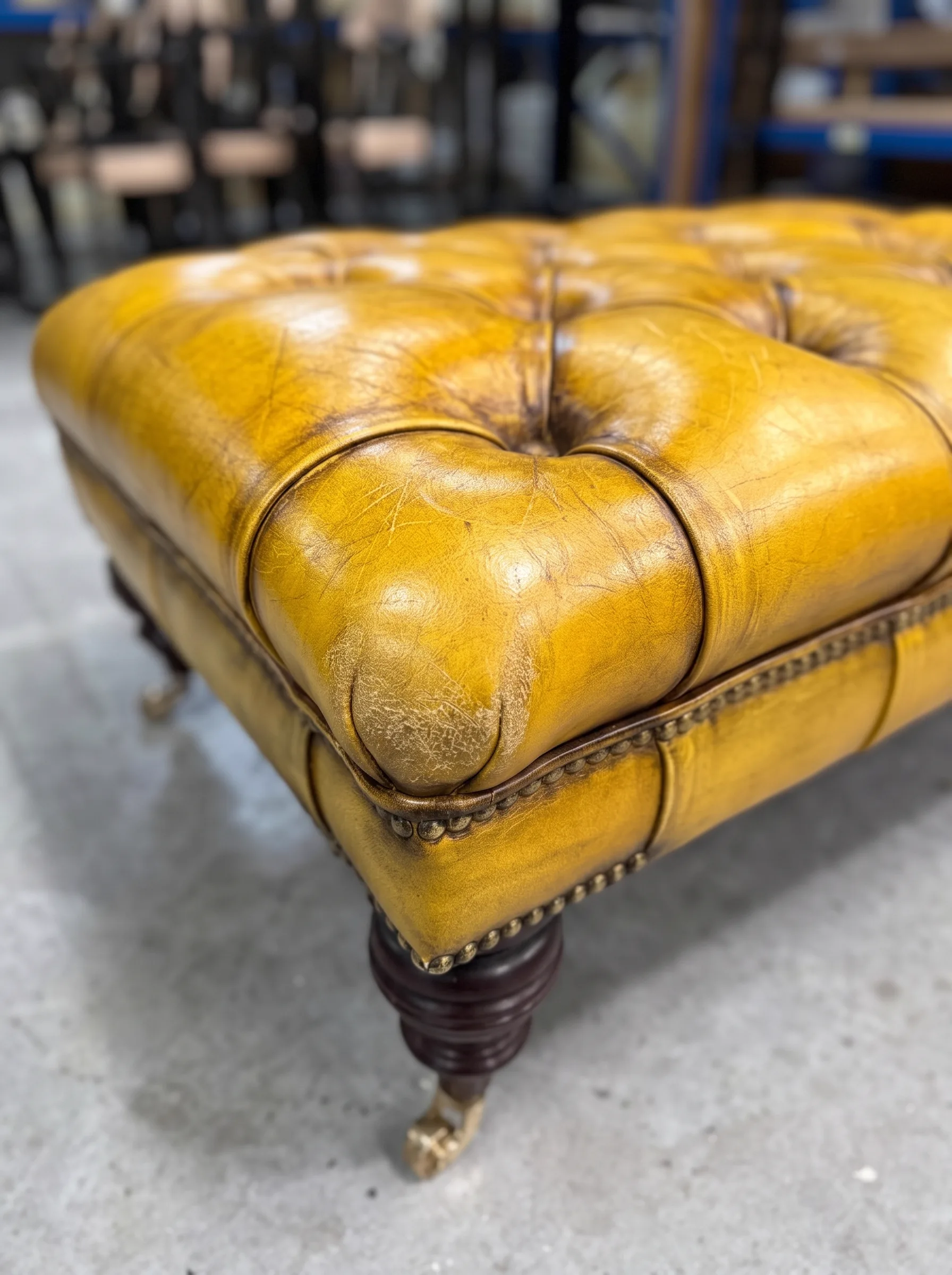
Surface checking (fine surface cracks visible under close inspection, not deep structural cracks) can be significantly improved by professional treatment. The process involves pH-neutral cleaning, professional-grade re-fatliquoring at depth using penetration assist techniques, crack-filler application to close the surface checking, and topcoat blending to restore surface uniformity. This does not return the leather to its original condition but stops further progression and dramatically improves appearance. The leather sofa repair service covers this treatment for Delhi NCR.
Requires panel replacement
Deep structural cracking - cracks that go through the full thickness of the leather, with visible opening and lifting at the edges - cannot be repaired by crack-filling. The collagen fibre matrix has broken down structurally. The only restoration option is to replace the cracked panel. On modular sofas this is a targeted repair. On single-piece sofas, panel replacement requires skilled leather panel replacement work matched to the existing colour and grain.
"In 15 years of working on Delhi NCR sofas, the pattern is almost always the same: the customer tells me the sofa 'suddenly' started cracking. But when I look at the placement - directly below the AC, in a room that runs 24/7 in summer - and ask about conditioning history, there has been none. The sofa did not suddenly crack. It dried out over three years and the cracking became visible all at once. The damage was cumulative and silent. Prevention is so much cheaper than what I have to do to fix it." - Tyson, Lead Artisan, The Leather Restorators
Mistakes That Make AC Damage Worse
Using furniture polish on leather
Spray furniture polishes - including well-known brands commonly used on Delhi living room furniture - contain silicone that coats the leather surface without penetrating it. In an AC room, this silicone layer acts as a barrier that traps whatever fat liquor remains below it while also preventing conditioning products from absorbing later. The surface looks shiny but the drying continues underneath. When cracking eventually breaks through the silicone layer, it is more advanced than it would have been without the polish.
Applying oil-based home remedies
Coconut oil, olive oil, almond oil, and mustard oil are regularly recommended in Indian home care advice for "moisturising" leather. In AC rooms specifically, these oils create an additional problem beyond the standard oxidative rancidity issue. The oil seals the surface pores, preventing the natural moisture exchange that the leather needs to equilibrate to changing indoor conditions. The leather becomes trapped in a dry state under an oil film that oxidises, darkens, and goes rancid within months. See the coconut oil damage timeline for the documented progression.
Conditioning only when cracking is visible
The most common timing mistake. By the time surface cracking is visible, conditioning will slow further progress but cannot reverse what has happened. The correct approach is preventive conditioning on a schedule calibrated to AC usage - before any dryness symptoms appear. Set a calendar reminder: condition in March (before AC season begins) and in October (after monsoon, before winter). This two-intervention schedule prevents the deficit from ever reaching the crack-visible stage.
Home Remedies You Can Do Right Now
If you do not yet have a dedicated leather conditioner, the following steps use items available in every Indian home and will arrest further drying until you get the correct product. These are stopgap measures - not permanent replacements for furniture-grade conditioner - but they are safe and genuinely effective as a first response to AC-induced drying.
The warm water wipe (immediate relief for a very dry sofa)
Fill a bowl with lukewarm water - not hot, not cold. Soak a clean cotton cloth (an old cotton dupatta or muslin works well) and wring it until barely damp. Wipe the sofa surface slowly in long strokes, one panel at a time. The moisture reintroduces a small amount of surface hydration that temporarily relieves the papery dryness caused by AC exposure. Immediately follow with a dry cloth to absorb any excess. This will not replace fat liquor but it halts the surface friction and slight crackling you feel on a very dry sofa. Allow to air dry completely before sitting. Do not do this on aniline leather more than once a week - aniline absorbs moisture readily and excess will cause water marks.
Talcum powder for surface stickiness from old product residue
If someone previously applied furniture polish or a silicone-based spray to the sofa and it has left a sticky, slightly tacky surface, sprinkle a light layer of plain talcum powder (Johnson's or any plain talc - not scented, no added oils) over the affected panel. Leave 15 minutes, then brush off with a clean dry cloth. The talc binds to the silicone residue on the surface and allows it to be removed without solvents. This clears the surface barrier before you condition, so the conditioner can actually penetrate rather than sitting on top of the silicone film.
Checking indoor humidity with a wet bulb approximation
If you do not have a hygrometer, soak a thin cotton cloth in water, wring it well, and place it over a regular thermometer bulb. Hang it in the AC room for 5 minutes with air circulating around it. Note the temperature. If the wet-bulb reading is more than 8 degrees Celsius below the room temperature shown on a second dry thermometer, your indoor RH is below 40% - the danger zone for leather. This is not a precise measurement but it tells you whether the AC environment is genuinely low-humidity and prompts urgent conditioning action. The easier answer: buy a Rs 400-500 digital hygrometer from Amazon or a local electronics shop - this is the single most useful tool for protecting a leather sofa in Delhi NCR.
Redirecting AC airflow without moving the sofa
If your sofa is directly below a ceiling cassette AC and you cannot reposition it, improvise an airflow deflector: tape a sheet of cardboard or a thin plastic cutting board to the louvres of the AC using insulation tape to redirect the airflow horizontally toward the wall rather than vertically downward onto the sofa. This simple change dramatically reduces the direct airflow hitting the sofa surface without requiring any work from a technician. It is not a permanent solution, but it immediately reduces the localised low-humidity zone above the sofa while you arrange a proper louvre adjustment.
The Rs 200 prevention kit: Plain microfibre cloth (3 pieces, Rs 80-100 at any supermarket), a small bowl, and clean lukewarm water. Weekly damp wipe with this kit removes dust and body oil before they penetrate and provides a small surface moisture top-up that partially compensates for AC drying. This costs almost nothing and does genuinely meaningful work in between conditioning sessions. It will not replace a proper conditioning schedule but it maintains the leather surface between sessions and extends the interval at which surface dryness becomes critical.