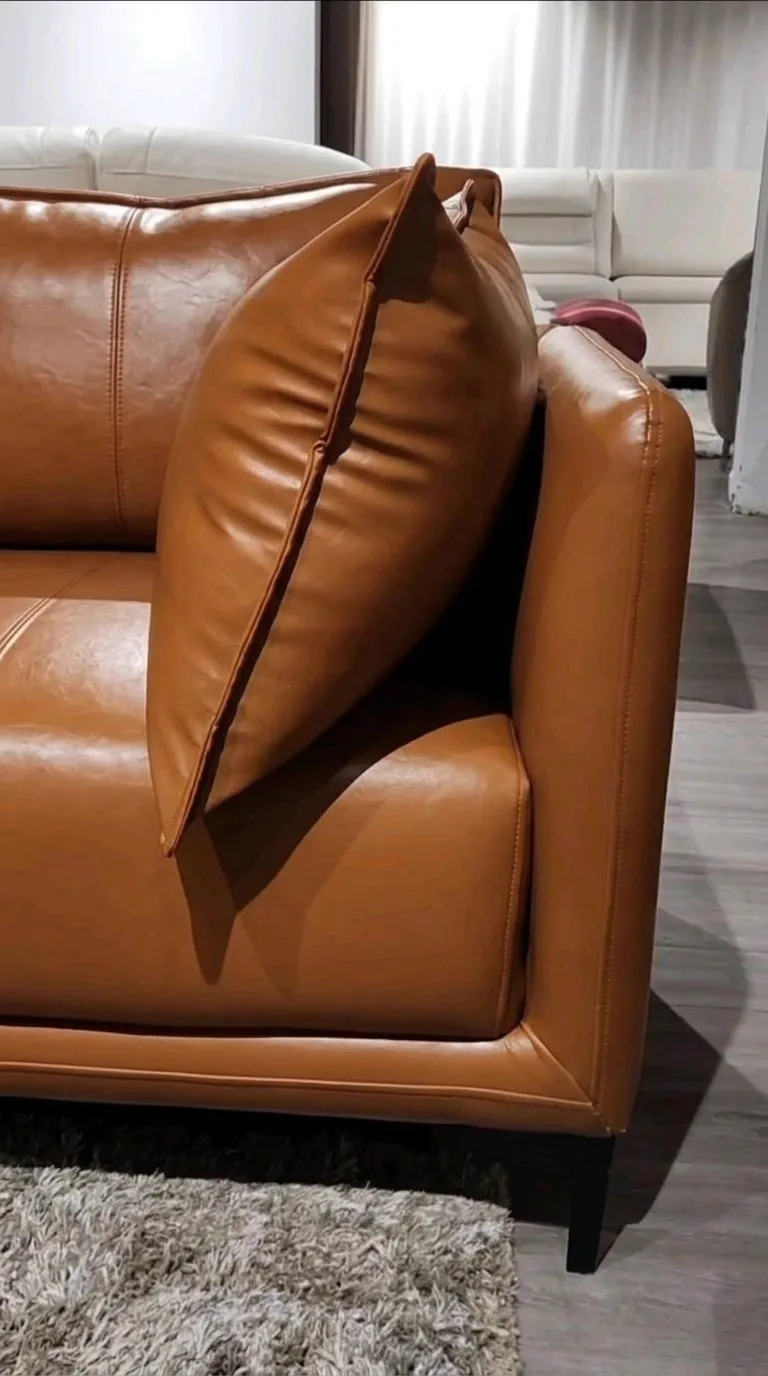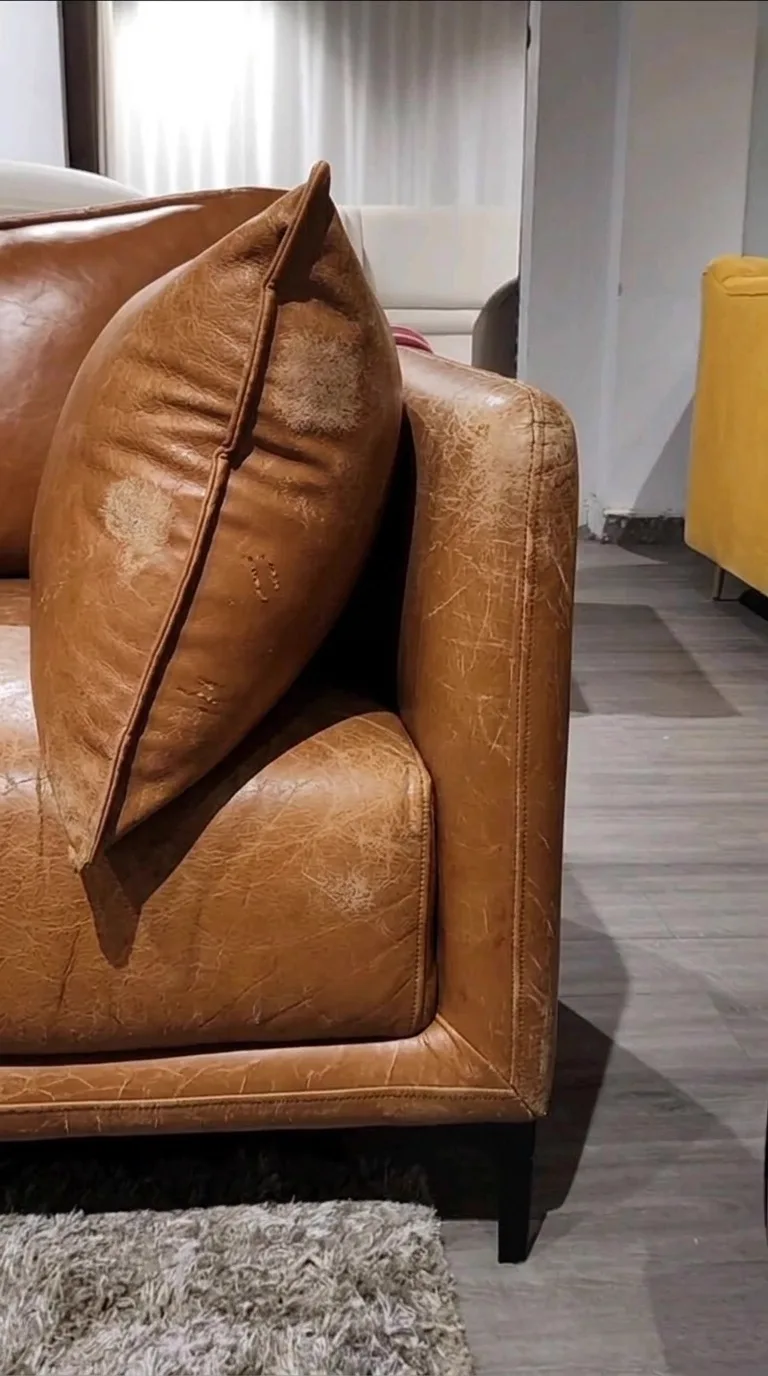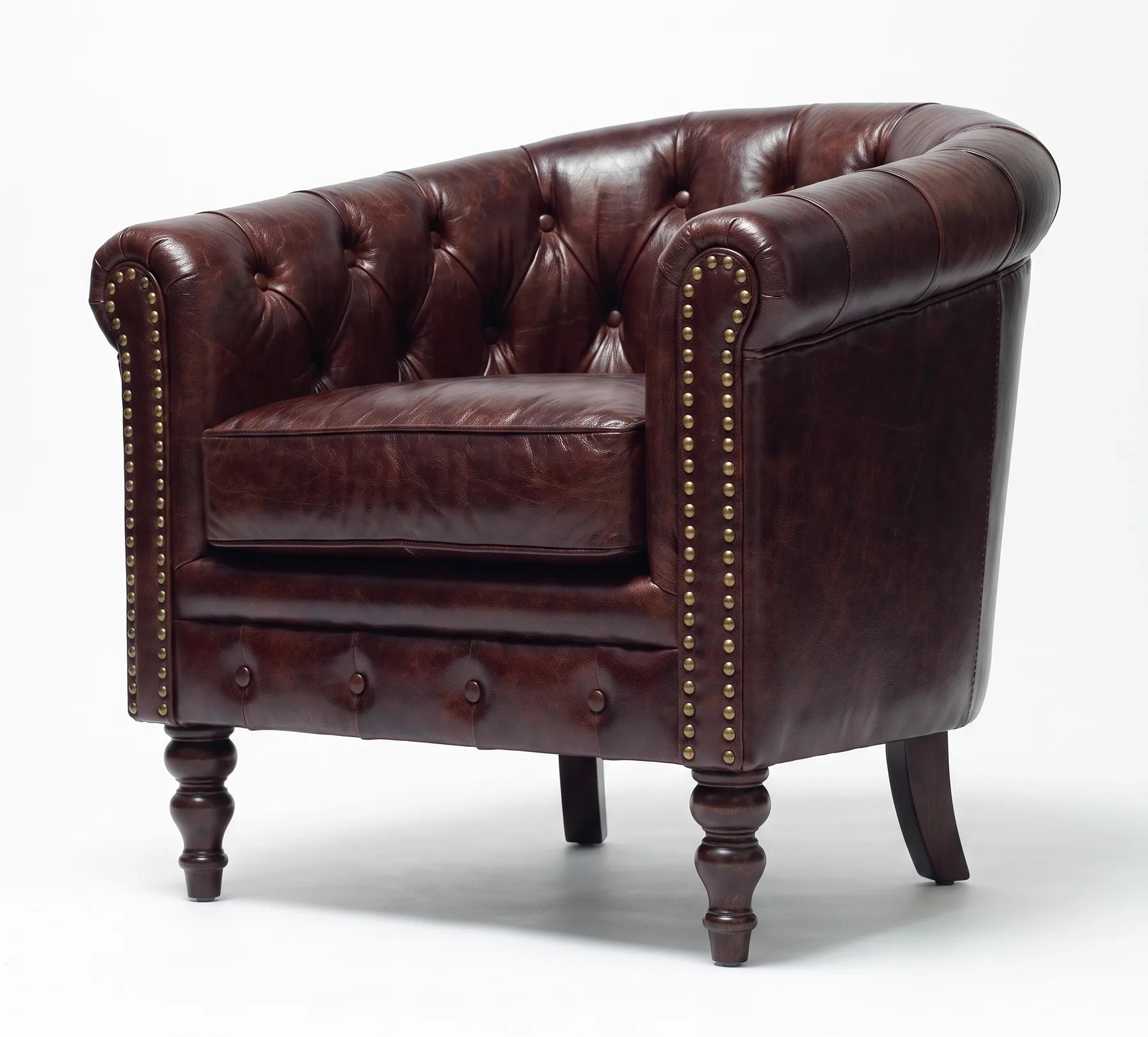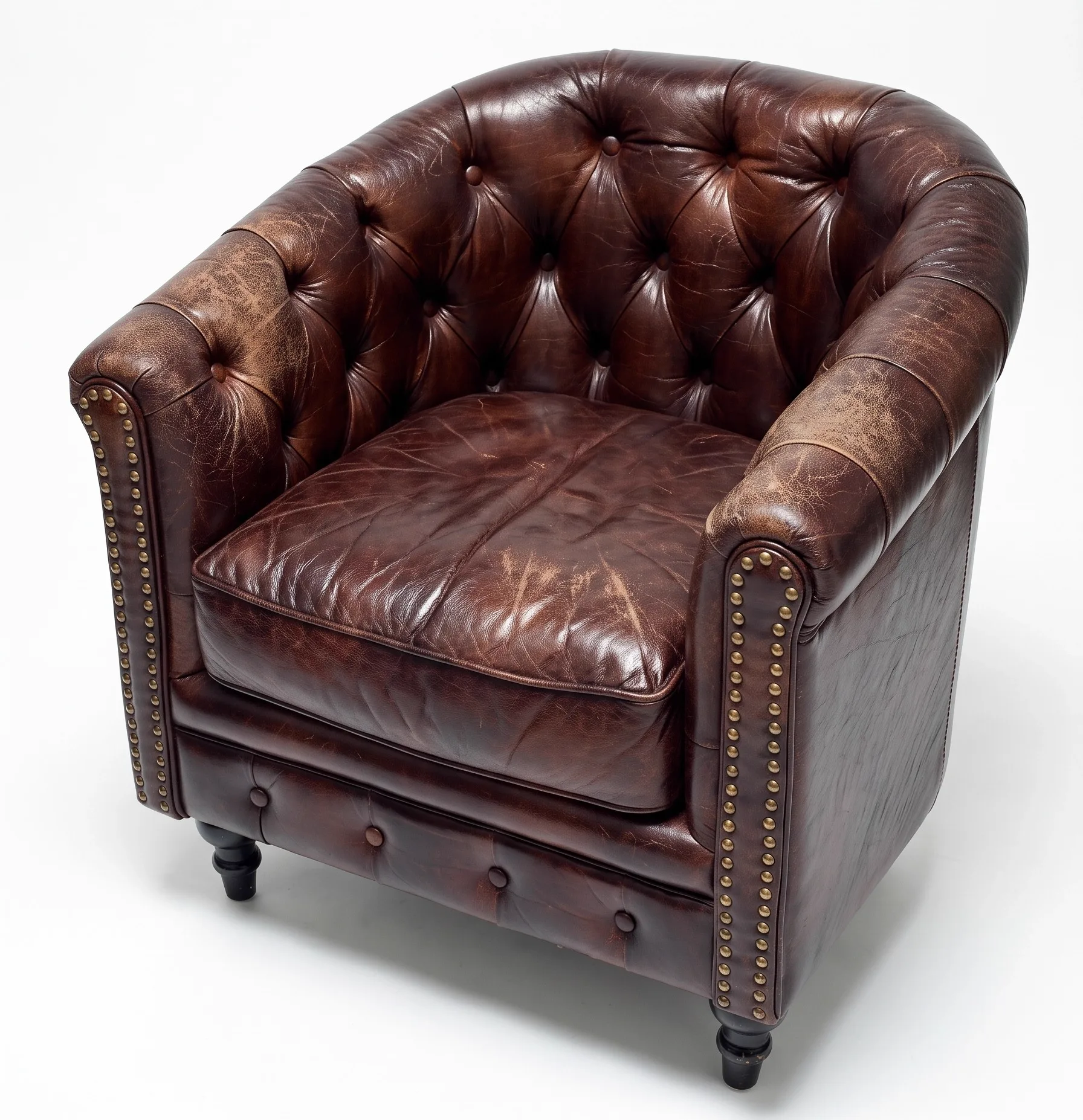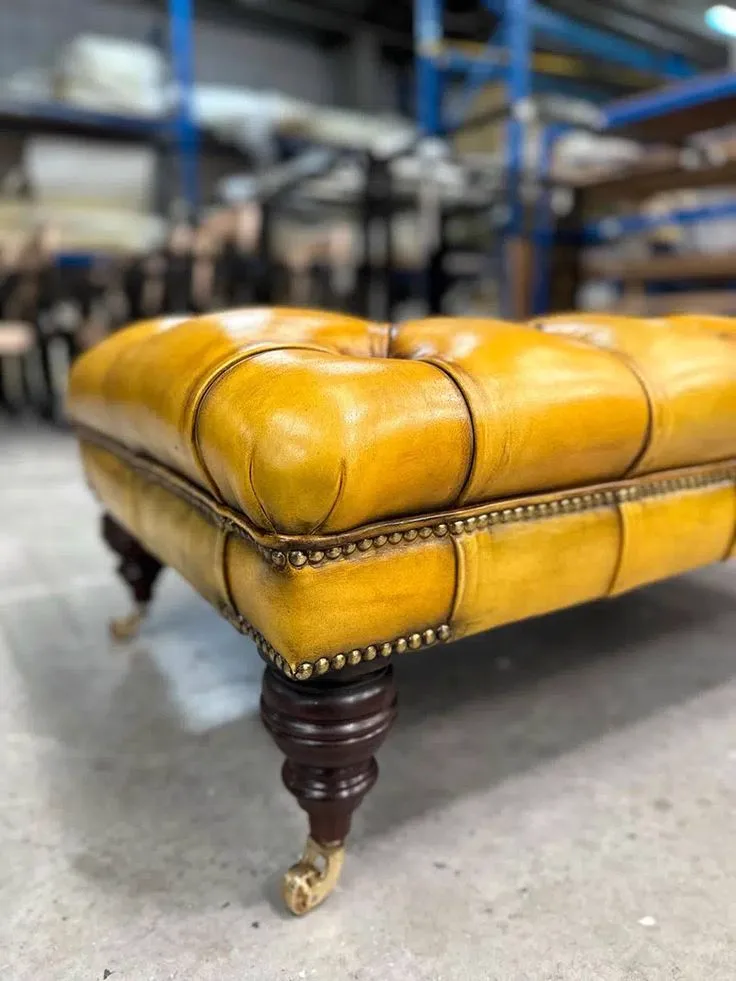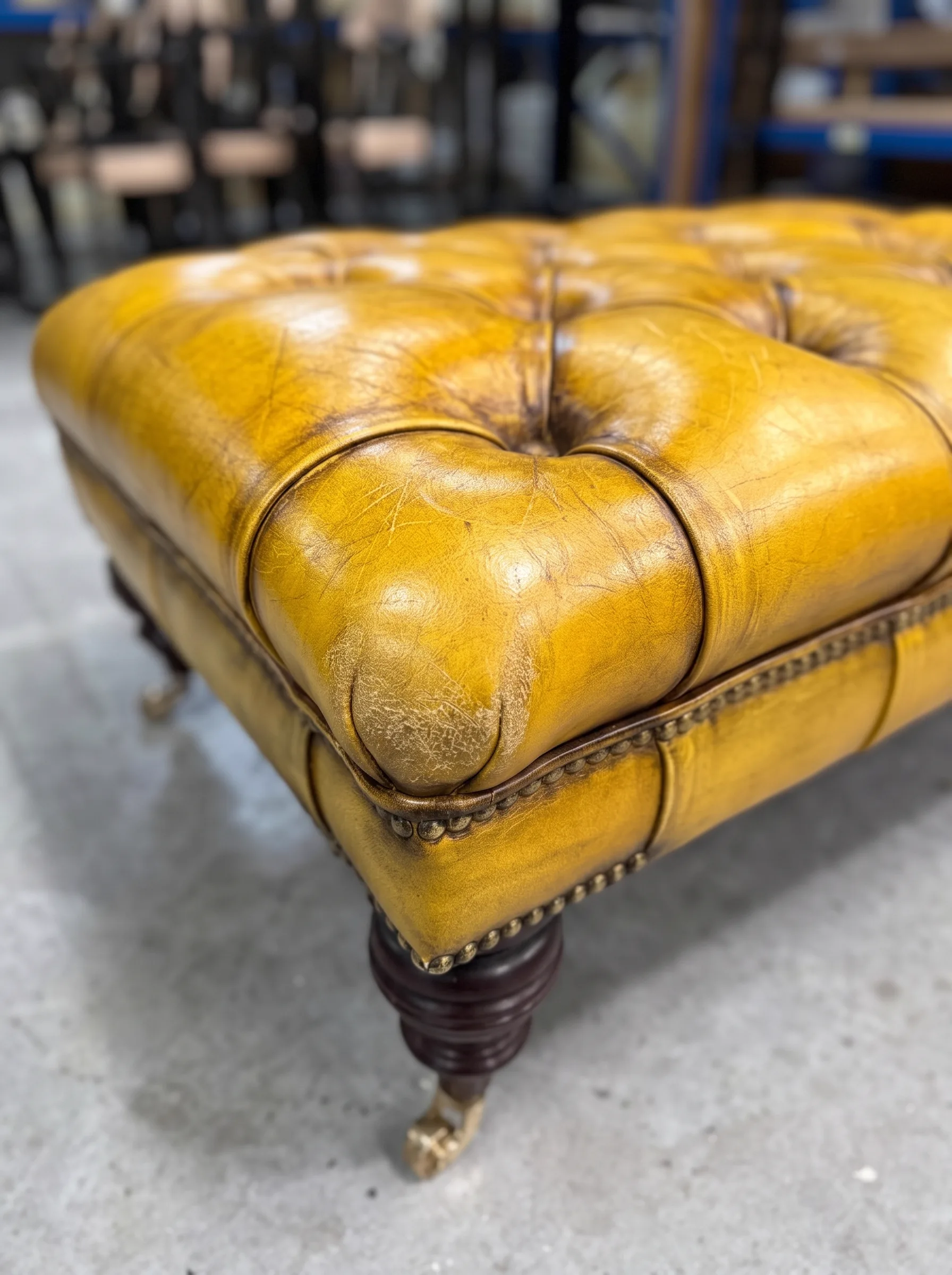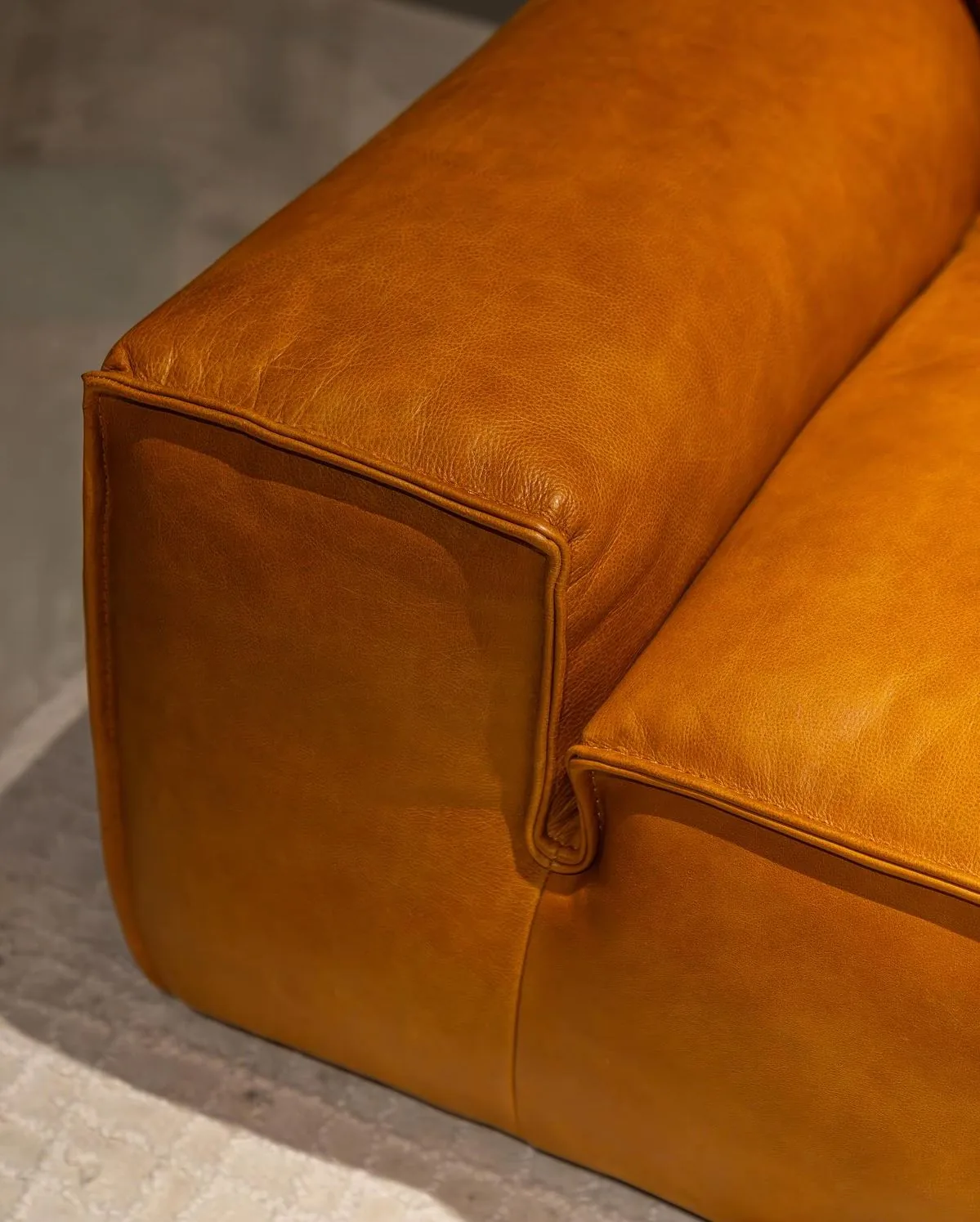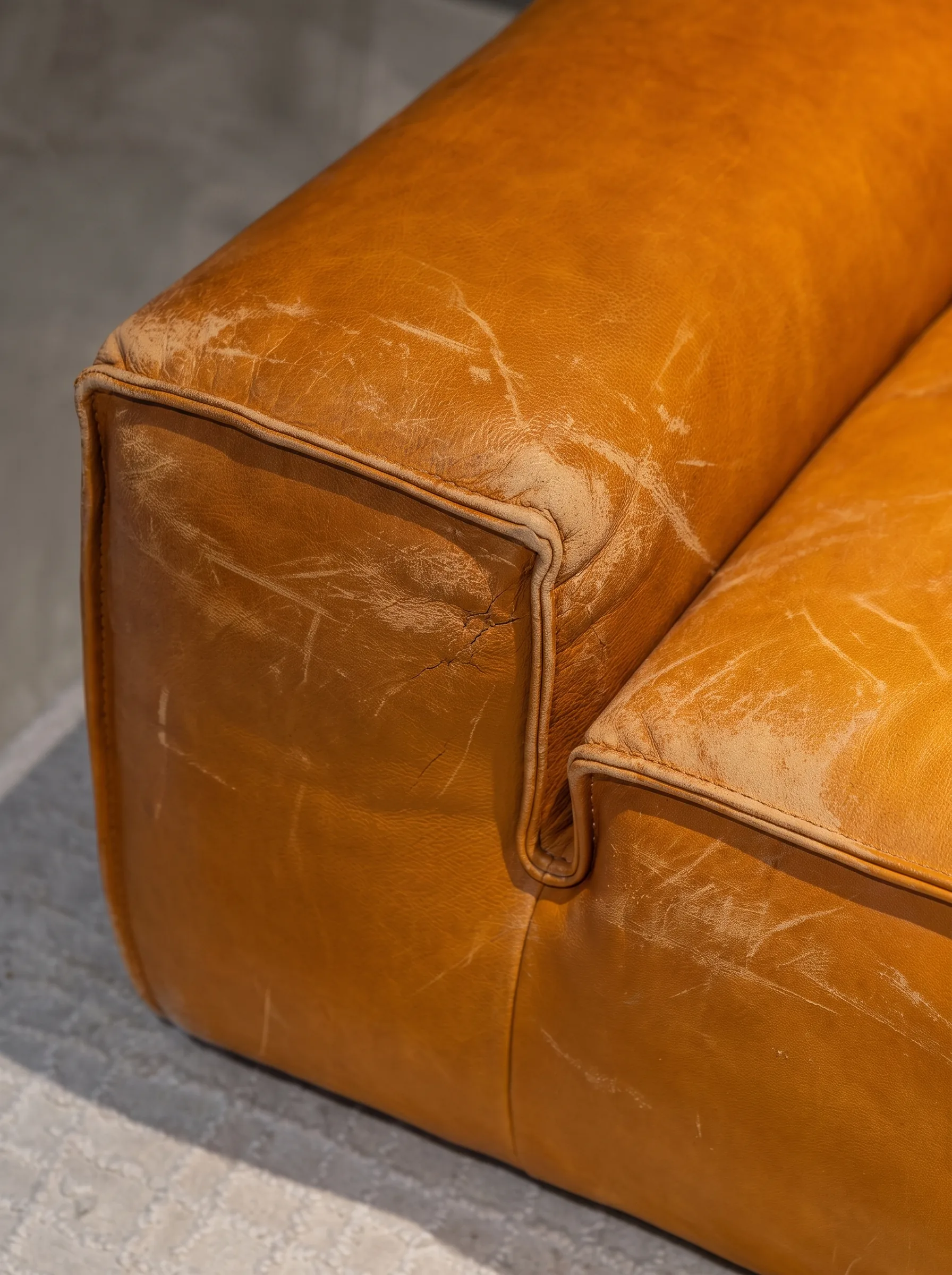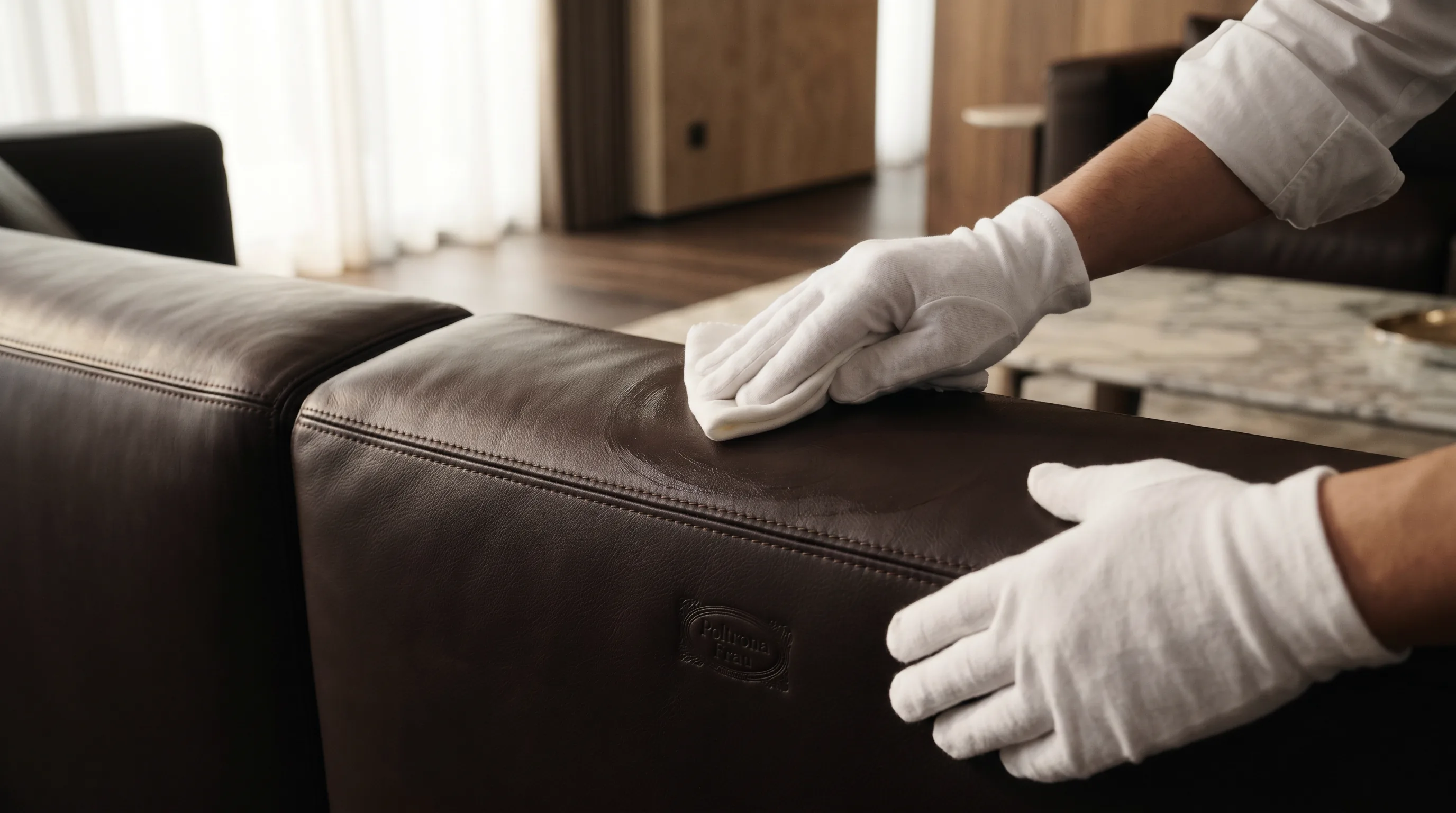
Your leather sofa is sitting on a ticking clock, and the countdown has nothing to do with how carefully you clean it. The real variable is fat liquor , the invisible emulsion inside the hide that decides whether your Frau armchair is still heirloom-grade at thirty years or brittle at twelve, whether your Natuzzi nappa drapes like silk or stiffens like cardboard, whether your Fendi Casa Selleria piece develops the tactile depth its tannery designed for. Every other care decision , the right pH, the right conditioner, the right schedule , exists to protect fat liquor. Without it the hide is dead. With it the hide outlives its owner. This article covers what fat liquor is, how it gets into the leather, why it depletes, and when workshop re-fatliquoring is the only fix that works. Terms used throughout are defined in the leather conservation glossary; the background chemistry is in the guides on tanning chemistry and the science of moisturizing.
What Is Fat Liquor and What Does It Do?
Fat liquor is an emulsion , oil and water held in suspension by surfactants [chemicals that keep the two mixed] , worked into every premium hide at the tannery during the finishing cycle. The water phase carries the oil deep into the fibre matrix. The water then evaporates. The oil deposits as a microscopic film on every collagen bundle inside the hide. That deposited oil is the fat liquor. It typically makes up 4 to 12 percent of the finished hide weight. That small fraction is the difference between leather that flexes for forty years and leather that fails inside twelve.
Modern fat liquors are blends of sulphated natural oils , neatsfoot, fish, vegetable , with synthetic emulsifiers tuned to the tanning chemistry of the specific hide. The sulphation adds a polar group to the oil molecule that lets it form a stable emulsion with water. Without sulphation the oil and water separate immediately and never penetrate the hide. The oil blend, the sulphation level, and the emulsifier package together determine how the fat liquor behaves inside the hide for the next several decades.
Different tannages take different fat liquor profiles. A chrome-tanned aniline hide bound for a Poltrona Frau Pelle SC armchair gets a different blend than a vegetable-tanned hide going to a saddle workshop. The tannery's fat liquor choice is one of the things that separates a heritage Italian luxury hide from a generic upholstery panel. The same raw hide processed through different fat liquor profiles produces noticeably different finished leathers.
The key rule: fat liquor is not optional in premium leather , it is the substance that defines the category. Every product you apply to luxury leather must either replenish fat liquor (a well-formulated conditioner) or at least not strip it (a pH-neutral cleaner). Products that strip fat liquor without replacing it , kitchen oils, alkaline cleaners, silicone sprays , destroy the chemistry that makes luxury leather what it is.
How Does Fat Liquor Get Into the Hide?
Fat liquoring is one of the late stages of the tannery's finishing cycle. It happens after tanning has stabilised the hide chemistry but before surface dyeing and finishing. The full sequence is in the tanning chemistry guide. The fat liquor stage sits at a specific point in that sequence and depends on every step before it.
The fat liquor bath
The hide goes into a rotating drum filled with fat liquor emulsion at a controlled temperature , typically 40 to 60 degrees Celsius. The heat opens the fibre matrix and lets the emulsion penetrate deeply. The drum rotates for one to several hours depending on the hide thickness and the target fat liquor percentage. During rotation, the surfactants carry the oil molecules into every accessible space inside the hide.
Fixation and drying
After the bath, the tannery adjusts the pH to fix the fat liquor against the collagen fibres. The hide then goes through a controlled drying cycle , starting at higher humidity to prevent surface case-hardening, then gradually reducing as moisture leaves the hide. As the water phase evaporates, the oil phase deposits onto the fibre surfaces it was carried to. By the end of drying, the fat liquor is permanently fixed inside the hide.
The percentage matters
Tanneries set fat liquor targets to match the end use. Furniture-grade chrome-tanned hides typically run 6 to 10 percent fat liquor by weight. Garment leather runs higher , 8 to 14 percent , because garments flex more and at sharper angles. Saddle leather runs lower , 3 to 6 percent , because the firmness needed for tack work does not suit high lubrication. The percentage is one of the things that separates leather grades within the same broad category.
What Does Fat Liquor Actually Do Inside the Hide?
The function is mechanical. Every time someone sits on a sofa, leans against an armchair, opens a wallet, or walks in leather shoes, millions of collagen fibre bundles inside the hide slide past one another. That slide can happen cleanly or with friction. Fat liquor is what determines which.
Fibre lubrication
Each fibre bundle carries a microscopic film of fat liquor on its surface. When two bundles flex past each other, the films meet and the bundles slip cleanly. Without the films, the bundles bind, friction builds, and microscopic damage accumulates at every flex point. Multiply that across millions of fibres and millions of flex cycles per year, and you have the mechanism that eventually destroys leather without fat liquor.
Tactile depth and drape
Fat liquor is also why premium leather feels the way it does. The slight oiliness of well-conditioned leather, the way it drapes over a frame rather than standing rigid, the buttery hand of a fresh Pelle SC piece , all are direct expressions of fat liquor in the fibre matrix. The same hide processed with the wrong fat liquor profile , or none at all , feels papery, stiff, and lifeless. When owners call leather "buttery," they are responding to the lubrication signature.
Patina pathway
The patina that builds on premium leather over decades , the deepening tonal contrast in high-contact zones, the subtle softening of the surface, the gradual emergence of the hide's service signature , also depends on fat liquor. Without enough fat liquor the hide cannot move and reshape under use. Without movement and reshaping, no patina develops. The dramatic patina of heritage Frau and Maxalto pieces is the result of forty years of intact fat liquor combined with regular use.
Why Does Fat Liquor Deplete Over Time?
Fat liquor leaves the hide through three mechanisms running continuously across its service life. None can be stopped entirely. They can only be slowed and replenished.
1. Natural evaporation and migration
The lighter oil components in the fat liquor blend gradually evaporate from the surface and migrate within the hide over years. Even leather in ideal storage loses fat liquor at a measurable rate. The mechanism is slow , a properly maintained chrome-tanned hide loses perhaps 15 to 25 percent of its original fat liquor over twenty years through this pathway alone.
2. Mechanical loss through use
Each flex cycle disturbs the fat liquor film slightly. Over millions of flex cycles, small amounts are physically displaced and lost. High-flex zones , seat fronts, armrest tops, hinge points on modular sectionals , lose fat liquor faster than low-flex zones. That is why a corner module in a B&B Italia sectional shows dryness signs years before a terminal module , covered in the B&B Italia and Maxalto modular care guide.
3. Stripping by wrong products
The fastest depletion mechanism , and the one entirely under your control , is wrong-chemistry stripping. Alkaline household cleaners (dish soap, all-purpose sprays, baby shampoo) bind fat liquor and wash it away along with the contamination they were meant to lift. The mechanism is in the pH balance of leather guide. Repeated wrong-pH cleaning can strip 30 to 50 percent of fat liquor over five years, turning what should be a slow natural decline into rapid structural failure.
Below a critical fat liquor threshold , around 50 to 60 percent of original quantity depending on the hide , the failure cascade begins. The cascade is in the science of moisturizing: loss of slip, micro-fracturing of fibres, surface laxity, and eventually fibre delamination. The cascade is irreversible past a certain point. Fix it early and restoration is straightforward. Leave it late and full reconstruction is required.
Home Conditioning vs Workshop Re-Fatliquoring: Which Do You Need?
Two fixes replenish fat liquor at different scales. Knowing which one applies to your situation is one of the most important decisions in leather ownership.
Surface conditioning
A well-formulated leather conditioner is a smaller-scale version of the tannery's fat liquor emulsion. Applied to the surface in small quantities, it penetrates through the grain layer and replenishes some of the depleted fat liquor in the upper hide. The 7-step conditioning steps in the science of moisturizing use this mechanism , it works because the consumer emulsion is built to behave like the tannery's, just in smaller quantity.
The limit is depth. Surface conditioning reaches the upper grain layer effectively. It does not reach the deep corium where most of the fat liquor sits. That is why scheduled conditioning every six to twelve months prevents fat liquor depletion but cannot reverse it once depletion has reached the corium. Conditioning is prevention, not cure.
Workshop re-fatliquoring
Re-fatliquoring is the workshop fix that addresses depletion through the full hide depth. The hide comes off the upholstery frame, goes into a controlled-temperature emulsion bath that mirrors the original tannery process at smaller scale, dries under tension to prevent shrinkage, and gets reattached. The work takes one to several days per piece and runs into the tens of thousands of rupees per hide. But it restores fat liquor to original specification and resets the flex life of the leather.
The chemistry is tannage-specific. Chrome-tanned hides take a chrome-compatible fat liquor blend. Vegetable-tanned hides take a vegetable-compatible blend. Aldehyde-tanned hides take a third, narrower-tolerance blend. Every re-fatliquoring job starts with tannage identification per the tanning chemistry guide. Applying the wrong fat liquor blend to a hide is one of the few mistakes worse than not re-fatliquoring at all.
The combined fix , workshop re-fatliquoring followed by panel-level micro-pigmentation where pigment loss has occurred , is what brings a heritage Frau, Natuzzi, or Fendi Casa piece from end-of-life back into two to three more decades of service.
How to Spot the Signs of Fat Liquor Depletion
Fat liquor depletion is invisible until late in the timeline. But the early signals are consistent across hides and tannages. Recognising them at the right stage determines whether the fix is conditioning, re-fatliquoring, or full reconstruction.
Stage 1 , Subtle hand change
The earliest signal. Your sofa feels marginally less buttery than it did , slightly less yielding under fingertip pressure, slightly drier to the touch. You can only detect it by comparing against a freshly conditioned piece of the same model. At this stage, scheduled conditioning per the moisturizing steps stops the decline.
Stage 2 , Visible grain laxity
The hide settles slightly looser across the panel. The cushion "feels different." Faint stress lines appear under raking light. The technical name for this is loose grain. Conditioning still helps here, but a workshop visit is increasingly the right call , surface conditioning alone may not reach the depleted depth.
Stage 3 , Surface cracking
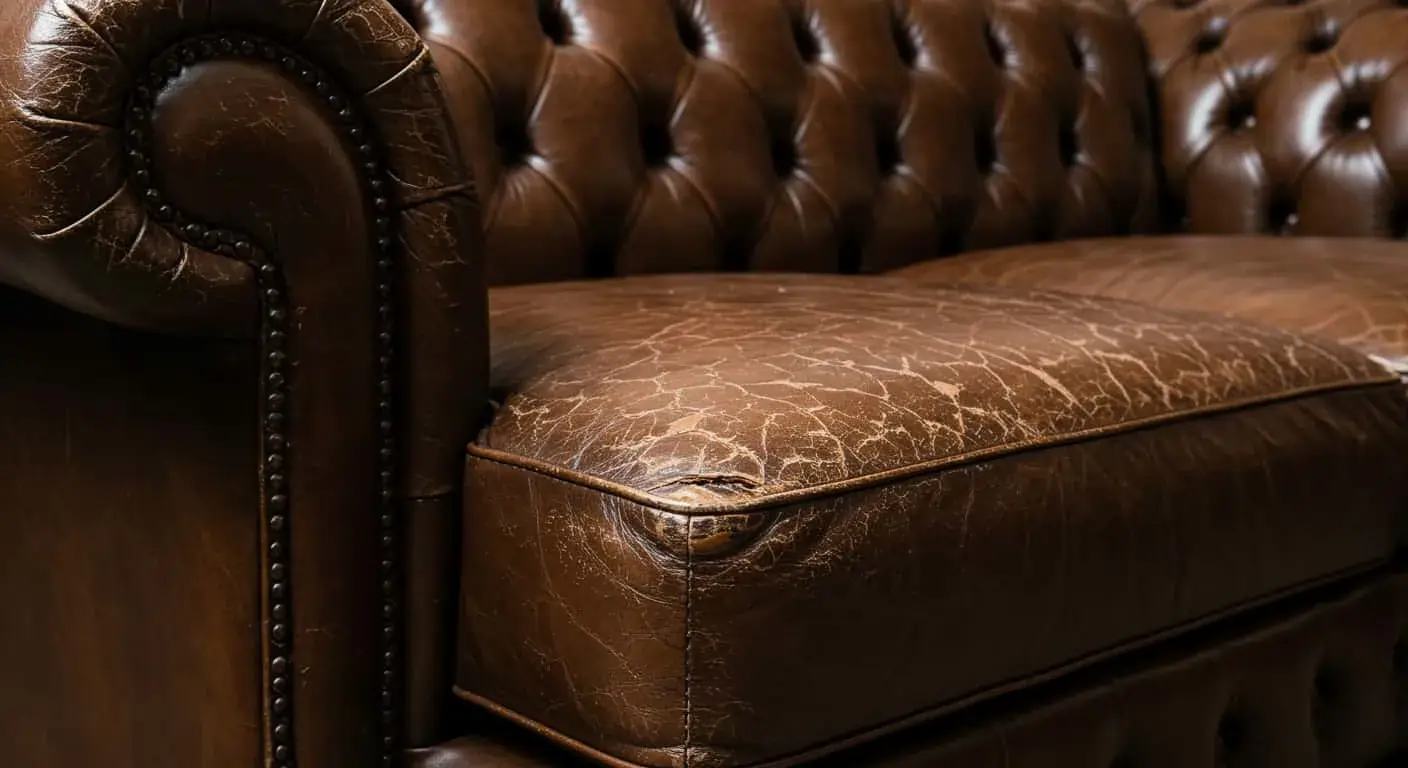
Visible micro-cracks appear in the grain layer, typically first on the seat front and arm caps. The hide feels dry under fingertip pressure. Workshop re-fatliquoring is required at this stage. Surface conditioning only hides the symptoms.
Stage 4 , Fibre delamination
The grain layer begins to separate from the corium beneath. Cracks deepen. Pigment lift may follow. Re-fatliquoring combined with panel-level micro-pigmentation is required. Caught at the boundary between stage 3 and stage 4, the results are indistinguishable from the original. Caught deep in stage 4, full panel reconstruction may be necessary.
The cost difference between stages is stark. Stage 1 conditioning runs into the low thousands per session. Stage 3 re-fatliquoring runs into the high tens of thousands per piece. Stage 4 reconstruction runs into the lakhs. Catching the decline early is the difference between routine maintenance and major surgery.
"Fat liquor is what makes leather behave like leather instead of like cardboard. Once you understand that every other care decision is in service to fat liquor, the protocols stop feeling arbitrary and start feeling inevitable."
How Fat Liquor Behaves Across Different Tannages and Finishes
Different tannages and finishes interact with fat liquor in distinct ways. The breakdown below is the reference for matching the right care to your specific leather.
Chrome-tanned aniline (Frau Pelle SC, Natuzzi Iconic)
Highest fat liquor sensitivity. The aniline finish has no protective coat , fat liquor depletion shows in the surface character within months. Condition every 6–9 months in India. Re-fatliquoring every 8–12 years for heritage pieces. Brand-specific steps are in the Natuzzi and Poltrona Frau care guide.
Chrome-tanned semi-aniline (Natuzzi Editions, B&B Italia mainstream)
Moderate sensitivity. The thin pigment layer buffers some surface depletion signs. Condition every 8–12 months. Re-fatliquoring every 10–15 years.
Chrome-tanned pigmented (Natuzzi entry, B&B Italia contract)
Lowest sensitivity in the chrome category. The polymer top-coat seals the hide and slows fat liquor migration. Condition once a year, mainly to keep the top-coat itself supple. Re-fatliquoring is rarely needed before 20 years.
Vegetable-tanned (saddle leather, English club, traditional craft)
Different chemistry entirely. Vegetable hides take heavier traditional dressings , neatsfoot, mink, beeswax-based saddle compounds , that would damage a chrome hide. Condition every 4–8 months. The wider tolerance lets you use shorter intervals with traditional products.
Pull-up (Chesterfield-style, Restoration Hardware)
Wax-oil saturated full-grain. The wax matrix partly substitutes for fat liquor at the surface, but the underlying hide still needs fat liquor at depth. Re-wax every 12–18 months. Re-fatliquoring is rarely required because the wax matrix protects the underlying chemistry. Detailed in the pull-up versus pigmented guide.
Why Every Leather Care Decision Comes Back to Fat Liquor
Every conversation about premium leather care comes back to fat liquor. The pH-neutral cleaning steps exist to avoid stripping it. The conditioning schedule exists to replenish it. Tannage identification exists to match the right chemistry to the hide. Climate control exists to slow its depletion through India's seasonal extremes. Workshop re-fatliquoring exists to restore it when home conditioning is no longer enough.
Once you understand that, the whole framework makes sense. Why not coconut oil? Because it does not deposit fat liquor , it deposits a different oil that oxidises and damages the hide. Why pH-neutral cleaners? Because alkaline cleaners strip fat liquor faster than they lift contamination. Why a conditioning schedule rather than cleaning only when something looks wrong? Because preventing depletion costs far less than reversing it. The framework is not arbitrary. It follows from one substance and what protects or destroys it.
NCR owners of luxury leather can book expert leather sofa repair at home, surface refinement, or a doorstep assessment across Noida, Faridabad, and Ghaziabad. Every intake starts with tannage identification and fat liquor depletion staging , every decision that follows flows from those two diagnostics.
Save this page. The next time anyone in the household asks why your leather sofa needs all this care, the answer is one phrase: fat liquor. Everything else follows from that.