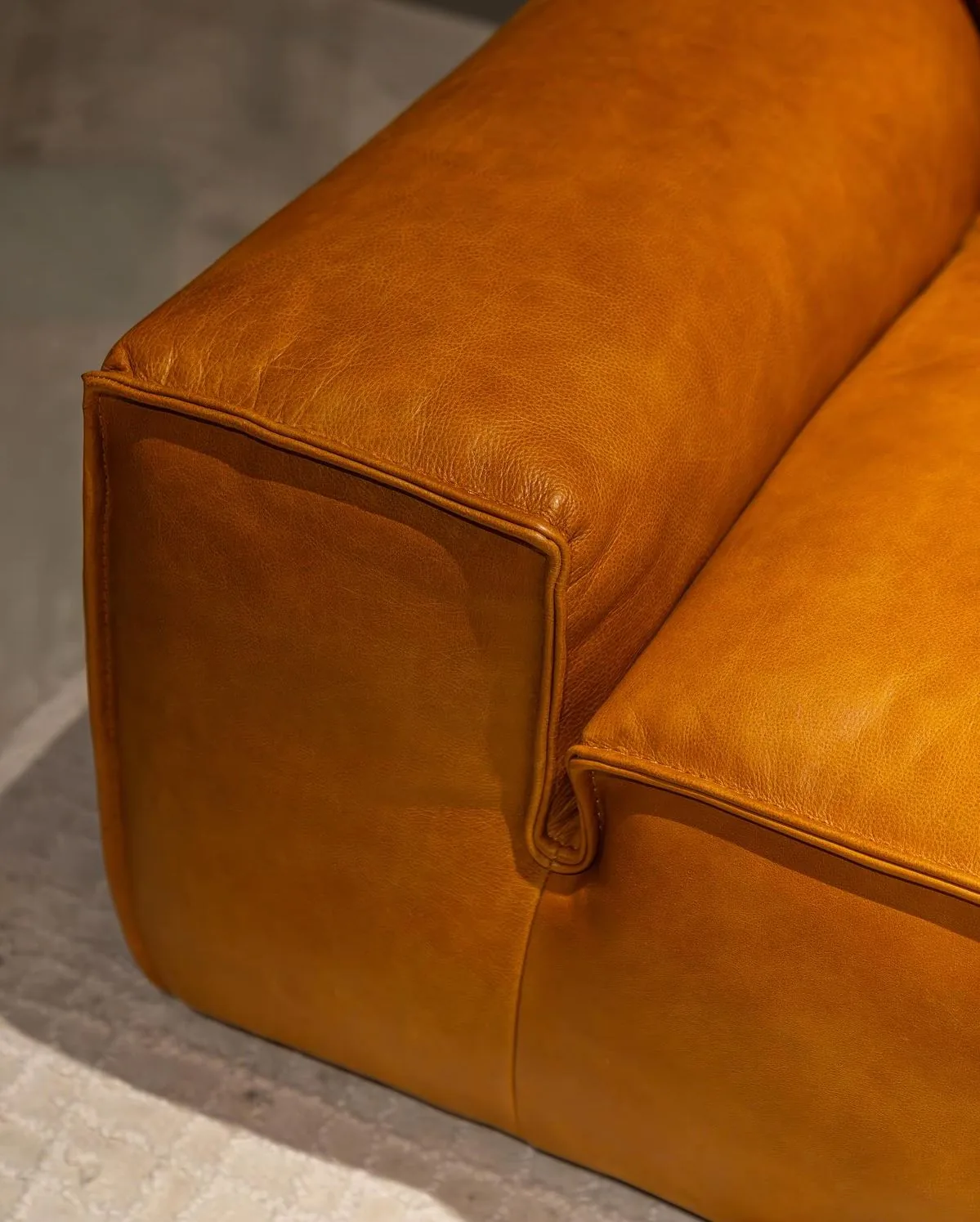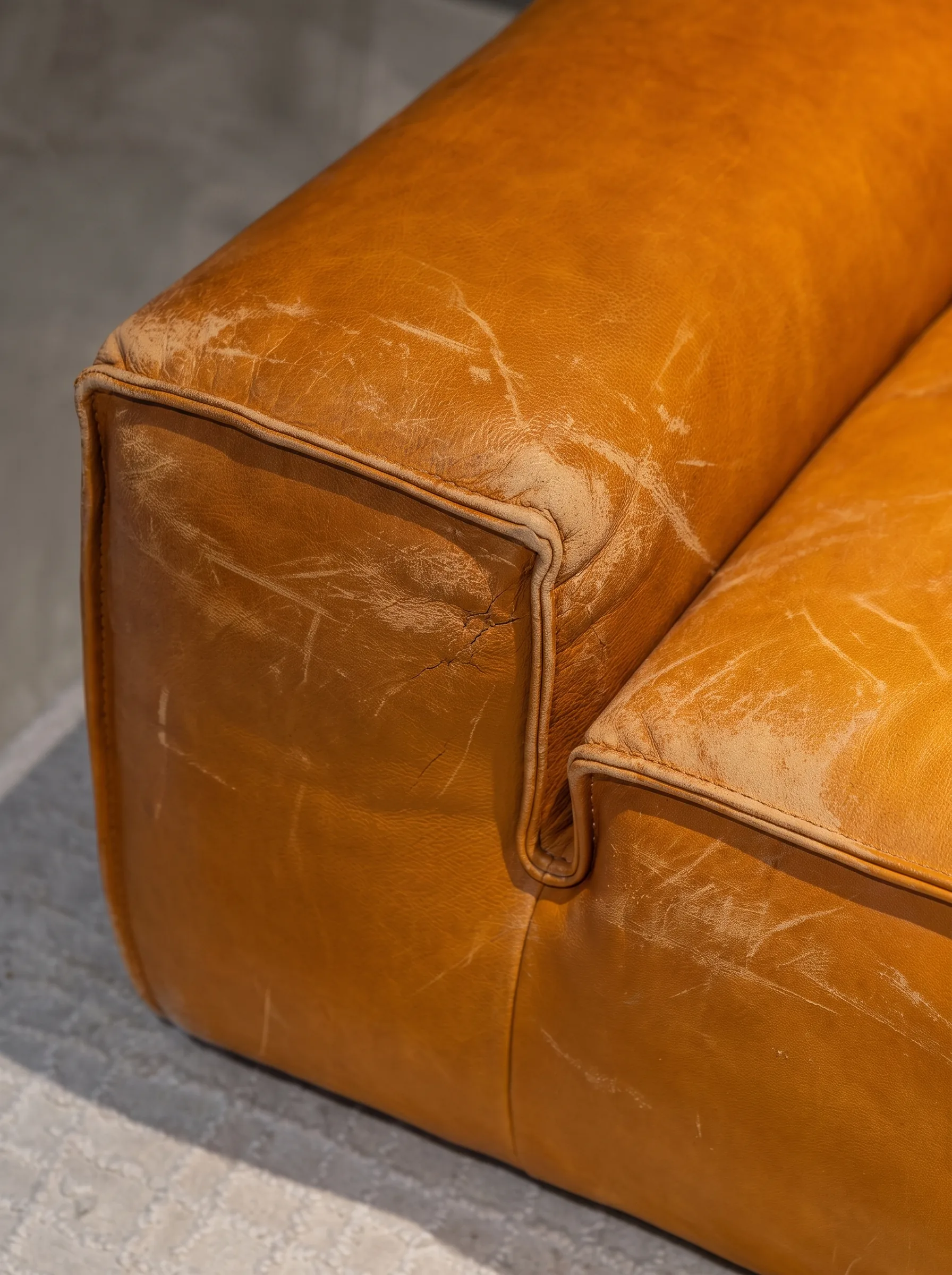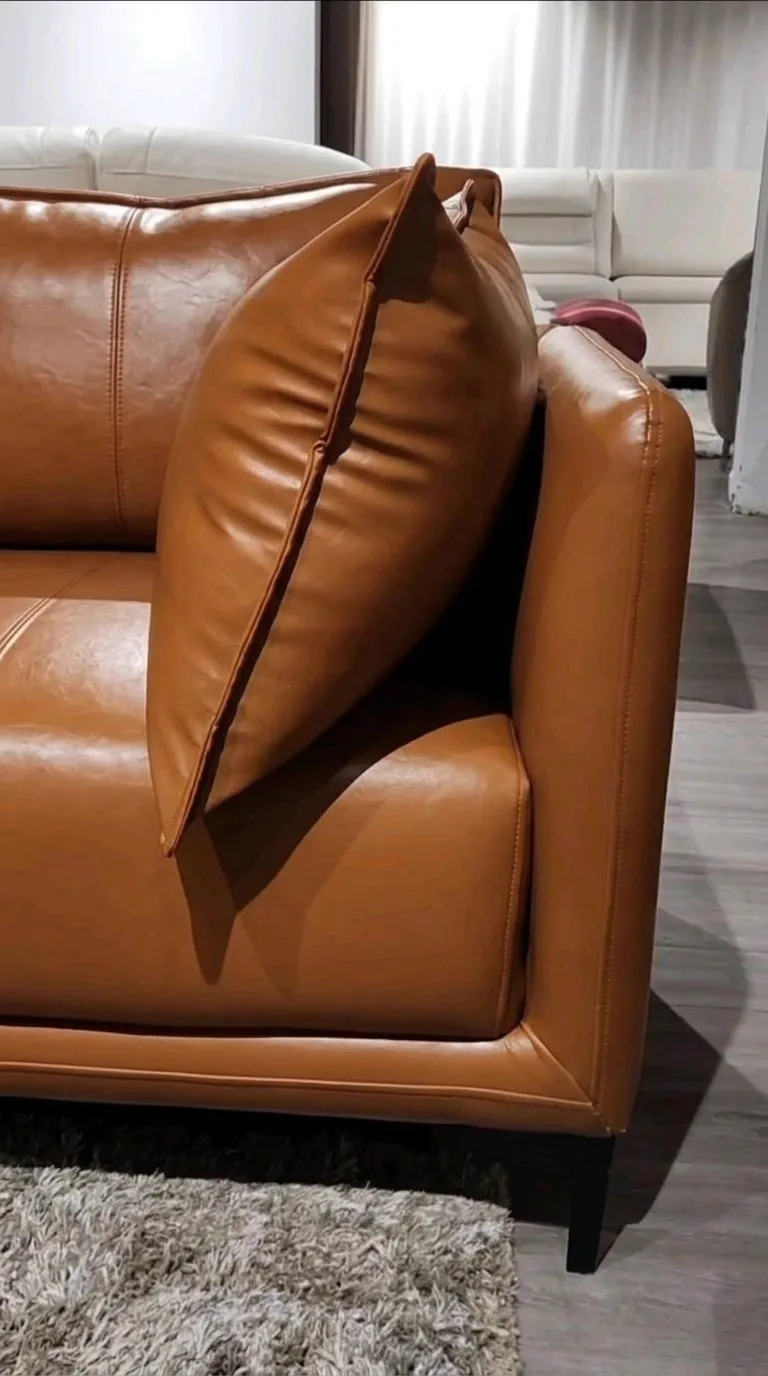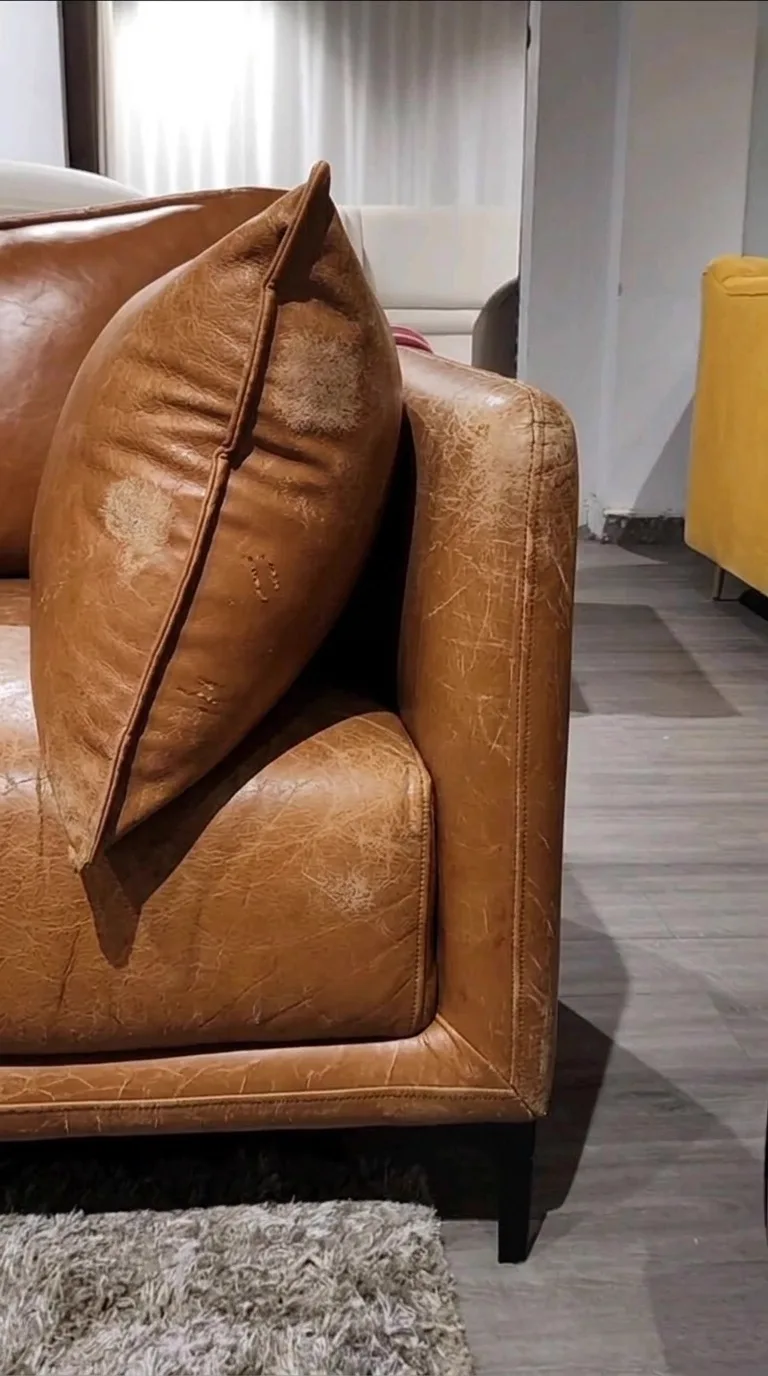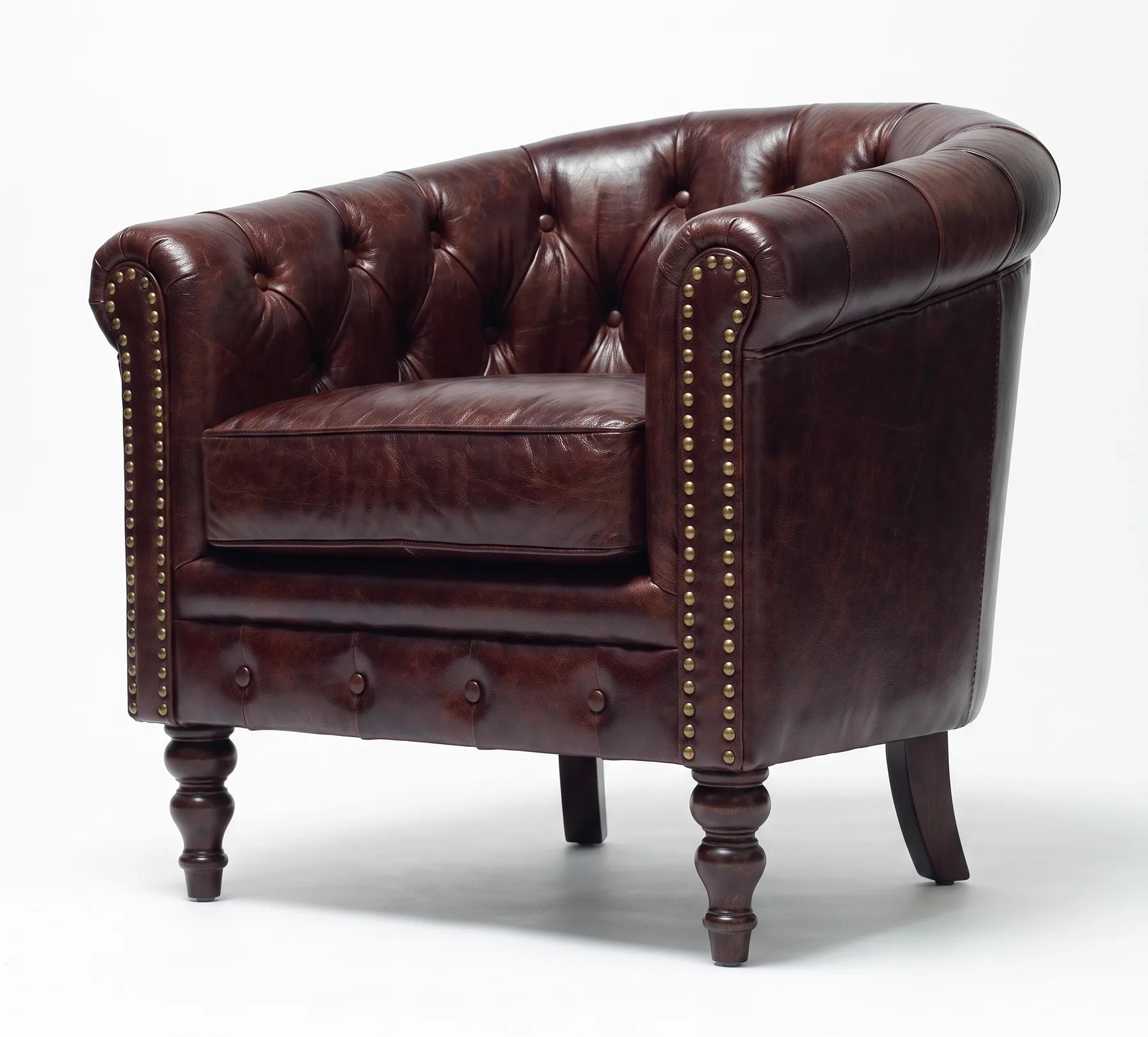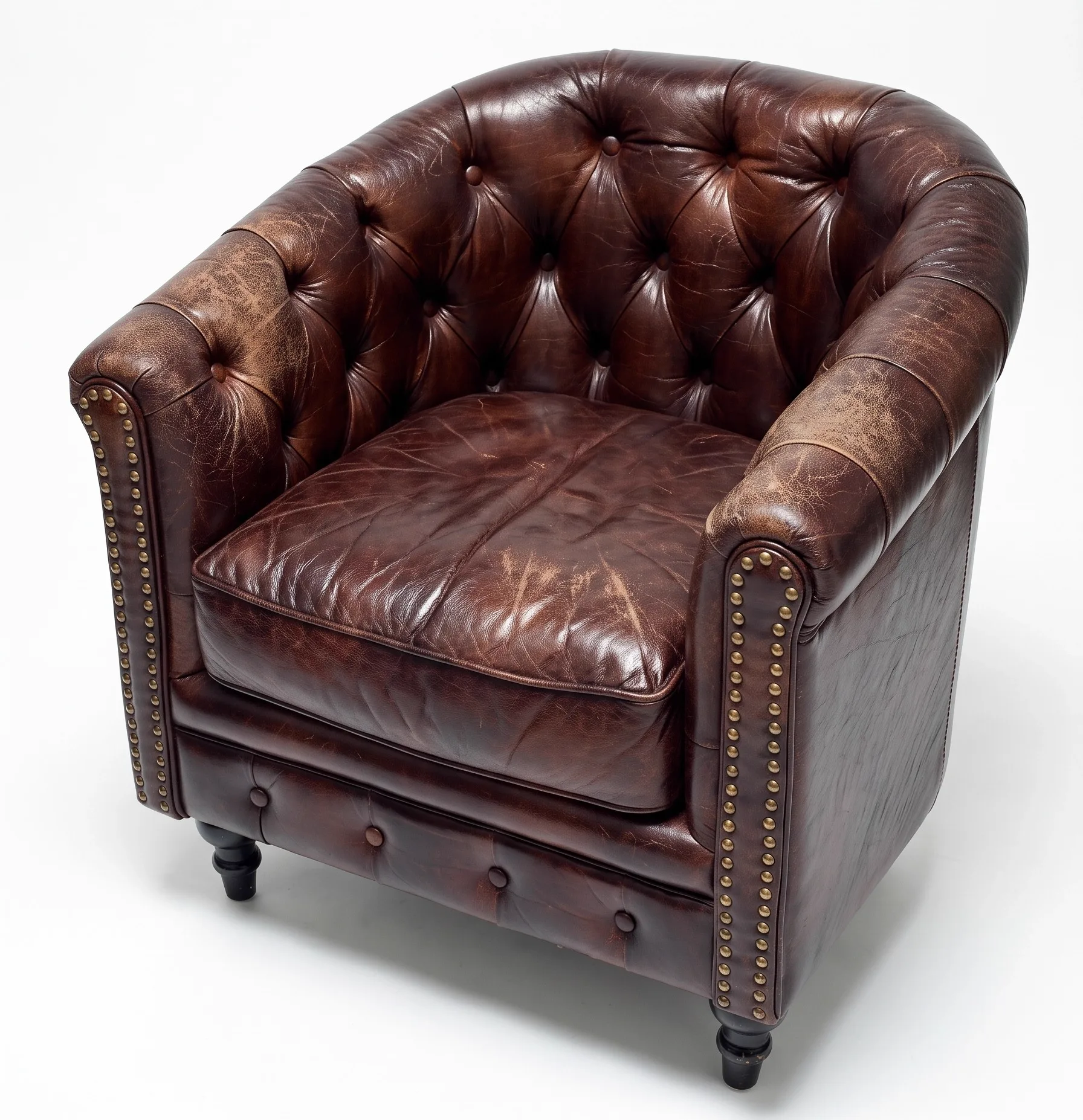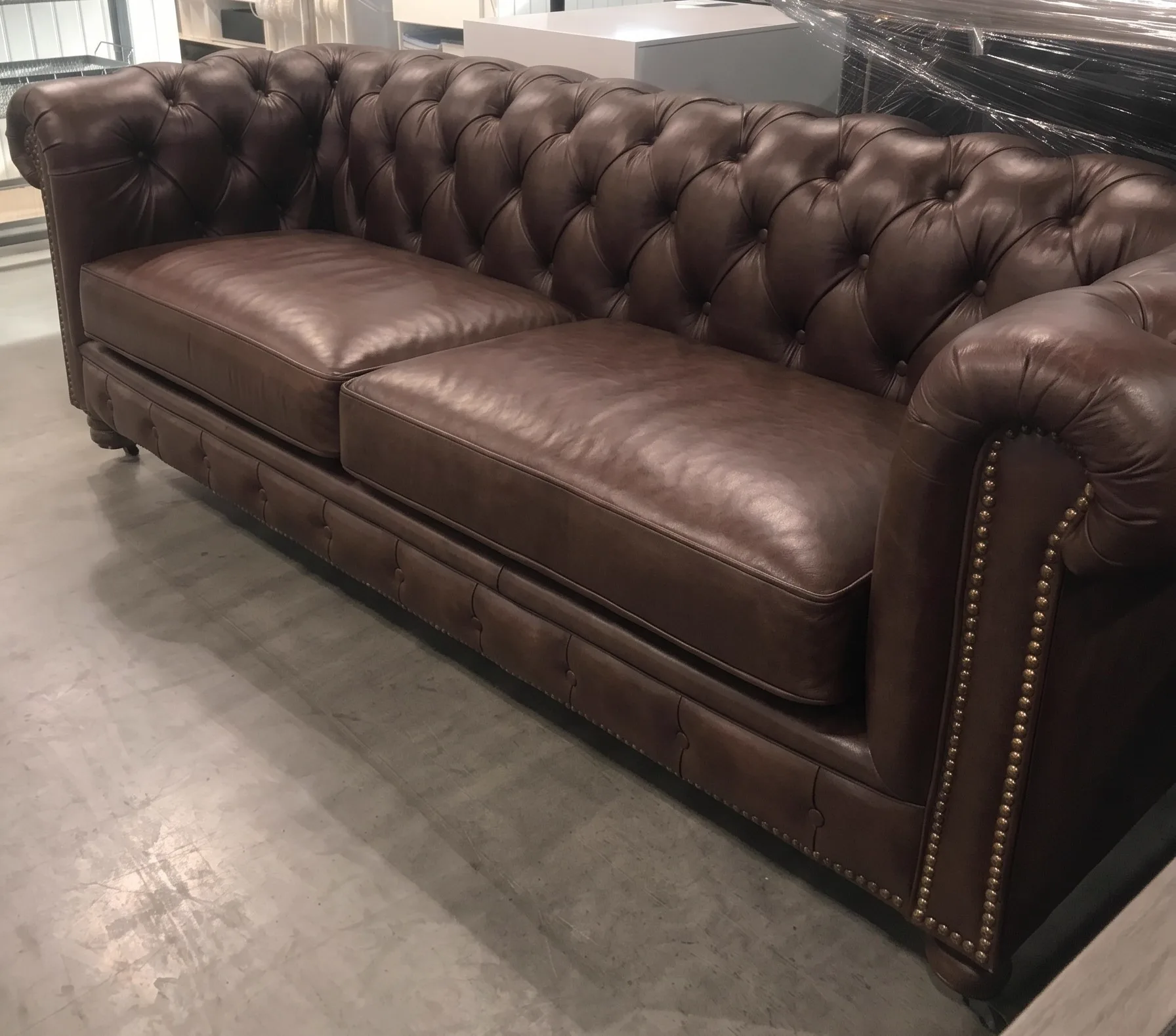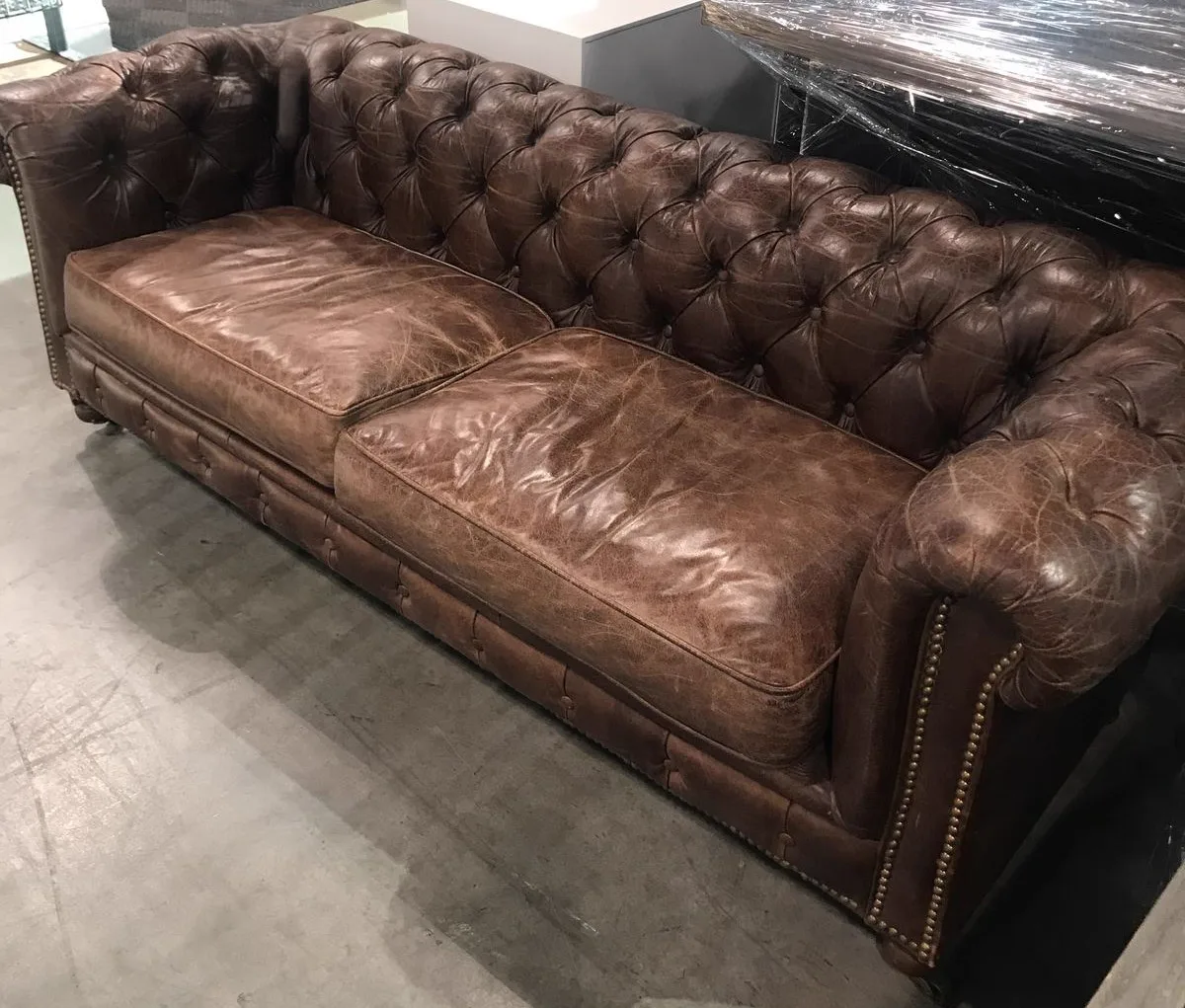
Conditioning is the single most neglected step in leather sofa care. Most people clean their sofa when it looks dirty. Almost nobody conditions it on schedule. And yet conditioning is what prevents the cracking, stiffening, and colour loss that every leather sofa eventually develops without it. This guide explains what conditioning actually does inside the leather fibre, how to apply it correctly at home, how often, and which products are worth buying in India.
The confusion about conditioning runs deep. We get calls from customers asking why their sofa cracked despite being "well maintained" - and when we ask about conditioning, they describe applying coconut oil, olive oil, or a shoe polish product they found at home. None of these are conditioning in the leather care sense. Some actively accelerate damage. Getting this right is not complicated once you understand what is actually happening inside the leather when you condition it correctly.
What Conditioning Actually Does
Leather is tanned collagen - an interlocking matrix of protein fibres lubricated by a formulation called fat liquor. Fat liquor is not a single ingredient; it is an engineered emulsion of oils, waxes, and surfactants applied to the hide during the tanning process to keep the collagen fibres sliding freely against each other. When fibres slide freely, the leather is supple and flexible. When they begin to stick and bond together, the leather feels stiff, develops surface cracking (checking), and eventually tears at flex points.
The fat liquor depletes over time through two routes: evaporation (the oil phase migrates to the surface and oxidises away) and extraction (cleaning, contact with clothing, and direct sunlight pull it out). A conditioner's job is to replenish this fat liquor before the fibres start bonding. This is not a cosmetic process - you are maintaining the internal lubrication of a biological material. The detailed science of leather moisturising covers the chemistry in full.
The reason conditioning cannot be substituted with random oils is that not all oils behave the same way inside collagen fibre. The right conditioner uses oils with compatible fatty acid profiles that absorb into the fibre without oxidising or going rancid. The wrong oils - plant-based oils like coconut, olive, or almond - have high levels of unsaturated fatty acids that undergo oxidative rancidity inside the hide. The oil oxidises, the oxidation products cross-link with the collagen, the leather darkens permanently and develops a rancid smell within 4 to 6 months. This damage cannot be reversed. See the coconut oil damage timeline for the documented progression.
Visible test for fat liquor depletion: Flex a sofa cushion firmly in both directions. If you hear a faint crackling or creaking sound before any surface cracks are visible, the fat liquor is nearly gone and conditioning is overdue. If you see surface cracks already, conditioning alone will not reverse them - the fibre bonding has started. Surface cracking visible to the eye means the deficit is advanced and may need professional re-fatliquoring to fully recover flexibility.
What happens if you over-condition
More conditioning is not better. Over-conditioning - applying conditioner too frequently or in excessive amounts - causes the pore structure of the leather surface to become saturated. The excess conditioner cannot absorb and sits on the surface, where it forms a sticky film that traps dust and body oils. The sofa surface becomes dull, tacky to touch, and attracts soiling faster than unconditioned leather. On pigmented leather, over-conditioning can cause the pigment layer to soften and show fingermarks. On aniline leather, it can cause uneven darkening and blotchiness.
The rule is thin coats, proper wait time, buff off excess. One thin application every 4 to 12 months (depending on finish type) is sufficient. Conditioning sits inside a larger care routine - the year-round leather sofa maintenance schedule shows where it fits alongside weekly dusting and annual professional cleaning. If you apply and the leather immediately absorbs it with no residue at all, that is a signal the leather was very dry and a second thin coat after the first has fully absorbed (wait 24 hours) is justified. If the leather still shows surface product after 30 minutes, you applied too much.
How Often to Condition by Finish Type
Conditioning frequency depends on your leather finish and your environment. Identify your finish first using the water drop test: a drop on a hidden spot, absorbed in under 30 seconds means aniline or semi-aniline; beading on the surface means pigmented. The three-finish identification guide explains the full identification process.
- Aniline leather (full-grain, no protective coating): Every 4 to 6 months. Aniline has no barrier coating - fat liquor depletes fastest because the surface is fully exposed. In Indian climates with heavy AC use (which dries air aggressively and pulls moisture from the hide), err toward every 4 months through summer. Aniline leather also needs conditioning in winter when indoor heating (where used) creates low-humidity conditions. Use only conditioners specifically formulated for aniline - standard conditioners can blotch aniline if they contain incompatible emulsifiers.
- Semi-aniline nappa (thin protective coating): Every 6 months. The thin top coat slows fat liquor evaporation slightly compared to full aniline. Still condition twice yearly in Indian climates. Semi-aniline shows fat liquor depletion as a subtle loss of softness - the cushion begins to feel slightly firmer than when new. If you notice this, do not wait for the next scheduled conditioning session.
- Pigmented leather (full protective top coat): Every 12 months in moderate climates. Every 6 months in Indian climates given AC and monsoon humidity cycling. Pigmented leather is the most forgiving finish for conditioning because the top coat acts as a partial barrier. However, the fat liquor still depletes over years - pigmented leather that is never conditioned will crack along flex lines (seat cushion fronts, arm crease zones) within 5 to 7 years even without any chemical or UV damage.
- After any professional deep cleaning: Condition within 24 hours, always. Professional cleaning uses solvent-based or extraction-based systems that remove soiling but also extract surface fat liquor in the process. Failing to condition after a professional clean is one of the most common reasons sofas develop cracking within months of a service that was supposed to extend their life. Every professional clean at The Leather Restorators includes conditioning as standard for this reason.
- After any stain removal treatment: Spot cleaning with cleaners, stain removers, or alcohol-based products depletes fat liquor locally in the treated area. After any spot treatment, condition the entire panel (not just the stain spot) to maintain uniform fat liquor levels. Conditioning only the treated spot can cause a visible difference in sheen or softness at the boundary.
Step-by-Step: How to Condition a Leather Sofa
This process applies to all genuine leather finishes. Do not use this on leatherette or PU sofas - those need a different product (PU protector spray, not leather conditioner). If you are unsure whether your sofa is real leather or leatherette, the identification test in the leatherette cleaning guide will confirm it.
- Step 1 - Clean first, always. Condition over dirt and the conditioner seals the contamination into the fibre structure permanently. Follow the full method in the leather sofa cleaning at home guide first, then wipe with a barely damp microfibre cloth and let the sofa dry completely - at least 30 minutes in normal conditions, longer in humid monsoon weather. Do not condition damp leather. Moisture in the fibre prevents conditioner from absorbing properly and can create water marks on aniline leather.
- Step 2 - Test on a hidden spot. Apply a small amount of conditioner to the inside of a cushion seam or the lower back panel. Leave 10 minutes and check for darkening, blotching, streaking, or any surface change. Most quality conditioners do not darken pigmented leather. On aniline, minor temporary darkening is normal and fades within 30 minutes. If the test area shows permanent blotching or streaking after 30 minutes, the conditioner is not compatible with your leather finish and you should not proceed.
- Step 3 - Apply to cloth, not to sofa. Put a small amount (less than you think you need - roughly a five-rupee coin sized amount per cushion panel) on a soft microfibre cloth or foam applicator. Never pour directly onto the sofa surface. Direct application creates concentration spots where the conditioner pools, leading to blotching on aniline and over-saturation on pigmented leather.
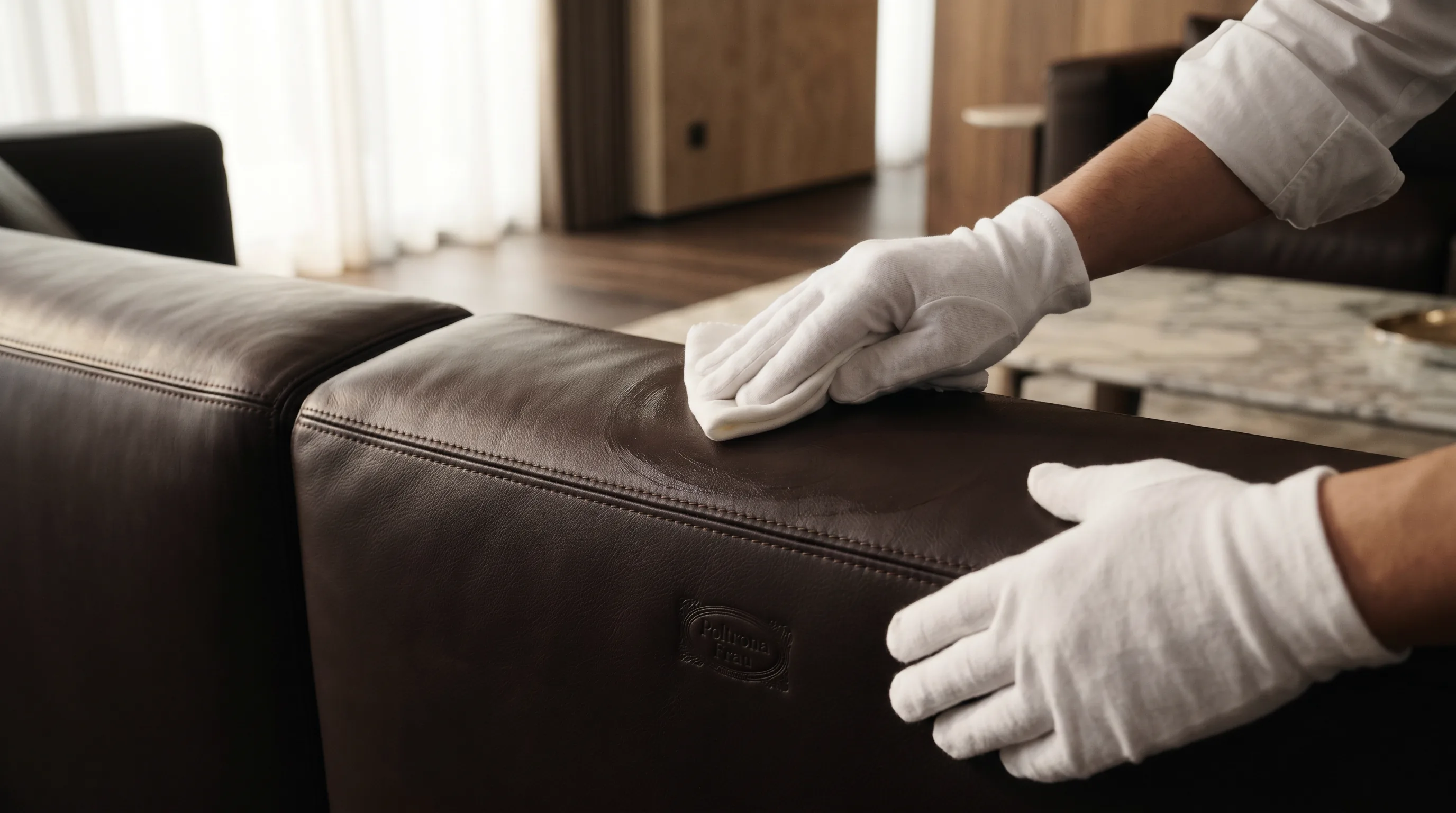
- Step 4 - Work panel by panel in circular motions. One cushion or one back panel at a time. Small circles, light-to-medium pressure. The goal is even thin coverage, not saturation. Work the conditioner in until you see a slight sheen across the entire panel. Pay extra attention to flex points - the front edge of seat cushions, armrest tops, and any area that shows the most wear from contact.
- Step 5 - Leave to absorb for 20 to 30 minutes. Do not sit on the sofa during this time. Keep the room at normal temperature - do not apply conditioning in full summer heat (35+ degrees C) as the product absorbs too fast and unevenly. In winter, warming the sofa surface with a hairdryer on low setting for 30 seconds before conditioning improves absorption depth slightly.
- Step 6 - Buff off excess. Use a clean dry microfibre cloth to buff away any conditioner still sitting on the surface. Work in circular motions. If the cloth picks up a significant amount of product, you applied too much - this is not a problem, just buff more thoroughly. The buffed surface should feel smooth and slightly supple, not slick or oily.
- Step 7 - Allow 2 to 4 hours before normal use. The conditioner continues absorbing after buffing. Light use is fine after 2 hours. Avoid prolonged contact (sitting for more than an hour, children lying on the sofa) for 4 hours to allow full absorption without the conditioner being physically displaced by pressure before it sets.
Which Products to Use in India
The Indian market has limited genuine furniture leather conditioners available retail. The problem is not lack of products - it is an excess of incorrectly labelled or incorrectly positioned products. Shoe conditioners, saddle conditioners, and generic "leather care" products sold at hardware stores and supermarkets are not formulated for furniture upholstery leather. The following are verified options available on Amazon India as of 2026. For the full product comparison including current pricing, see the leather sofa cleaning products India guide.
Leather Master Leather Conditioner
Danish brand, formulated specifically for furniture leather. Non-comedogenic - does not block the pore structure of the leather surface. pH-balanced to stay within the safe 4.5 to 5.5 range for leather. Safe on aniline, semi-aniline, and pigmented finishes without modification of application method. Available on Amazon India, typically arriving within 3 to 5 days. This is the workshop first recommendation for home conditioning across all sofa types. It absorbs cleanly, leaves no greasy residue when applied correctly, and does not alter colour on pigmented or semi-aniline leather.
Fenice Leather Care Cream
Italian brand widely used in professional automotive and furniture leather care. Available on Amazon India. Works well on pigmented and semi-aniline finishes. Slightly heavier formulation than Leather Master - it absorbs more slowly and the buffing step is more important to prevent surface residue. Not our first recommendation for aniline leather because the heavier emulsion can temporarily alter the look of bare aniline. Appropriate as a conditioner-plus-light-protector product for high-traffic pigmented sofas.
Bickmore Bick 4
US brand, available on Amazon India. Colourless, odour-minimal conditioner safe on most finished leather. One of the most widely trusted conditioners in professional leather care internationally. Works well for pigmented and semi-aniline sofas. Not the first choice for full aniline - the wax content can leave a slightly cloudy residue on bare aniline grain if excess is not buffed thoroughly. Best applied in very thin coats with thorough buffing.
What to avoid
Neatsfoot oil - traditional horse equipment oil that penetrates leather but causes oxidative darkening over time as the oil rancidifies. Mink oil - same oxidation and darkening problem, plus mink oil has variable fatty acid composition depending on source, making behaviour unpredictable on fine upholstery leather. Silicone-based "leather conditioners" - coat the surface without penetrating, block the pore structure, and cause the pigment layer to soften and separate from the hide over time. Any conditioner labelled for shoes, boots, or saddles - formulated for much thicker, harder-wearing leather than sofa upholstery and often too heavy for furniture leather. Vaseline and petroleum jelly - sit on the surface, attract dust permanently, cause darkening. Olive oil and coconut oil - see the coconut oil damage guide for the documented damage sequence.
"The most common mistake we see: people buy a conditioner recommended for car leather seats and apply it to a Natuzzi or Durian aniline sofa. Car leather is pigmented, thick, and engineered for durability. Aniline furniture leather is completely different chemistry - thinner, more absorbent, more sensitive. The conditioner choice must match the finish type, not just the material category." - Tyson, Lead Artisan, The Leather Restorators
Common Conditioning Mistakes to Avoid
Conditioning without cleaning first
Body oil, dust, and surface soiling are present on every sofa that has been in use for more than a week. Applying conditioner over this contamination seals it into the fibre. The conditioner's emulsifiers can partially bind surface soiling into the leather structure, making it harder to remove later and creating a gradual darkening effect on light-coloured leather. Always clean before conditioning, even if the sofa looks clean to the eye.
Applying in hot conditions
Conditioning in direct sunlight or in rooms above 35 degrees C causes the conditioner to absorb too rapidly and unevenly. The oil phase penetrates faster than the emulsifier system can distribute it, leading to blotchy absorption on aniline and semi-aniline. If the room is hot, close the curtains and allow the sofa surface to cool for 20 minutes before conditioning. The ideal conditioning temperature is 18 to 25 degrees C.
Conditioning only the visible areas
People condition the seat cushion tops and front armrests - the parts they see and touch daily. The back panels, cushion sides, and lower sections get ignored. This creates uneven fat liquor levels across the sofa, where the untreated sections dry out faster because the treated sections develop a relative humidity gradient. Condition the entire sofa uniformly, including the back panels and all armrest surfaces.
When Home Conditioning Is Not Enough
Home conditioning maintains a sofa in good condition. It does not reverse advanced fat liquor loss, structural cracking, or surface damage. If your sofa already shows surface cracking visible to the eye, persistent stiffness despite conditioning, or colour change in high-contact zones, it needs professional intervention beyond what home conditioning can provide.
Professional conditioning uses a fundamentally different process. The hide is cleaned with a pH-neutral solvent system, the existing fat liquor residue is chemically assessed, and a professional-grade re-fatliquoring compound is applied under controlled temperature using a penetration-assist technique (gentle warming plus specific application pressure) to maximise absorption depth into the fibre. This reaches the full depth of the hide rather than just the upper 20 to 30% that home conditioning reaches. The result is measurably improved suppleness and a longer interval before the next conditioning is required.
For sofas showing early surface cracking, conditioning alone will not close the cracks. The fibre bonding that creates cracking needs professional crack-fill treatment followed by re-pigmentation. The cracked leather sofa repair guide explains what can be recovered professionally and what requires panel-level replacement. The Delhi NCR professional cleaning service includes conditioning as standard on every visit.