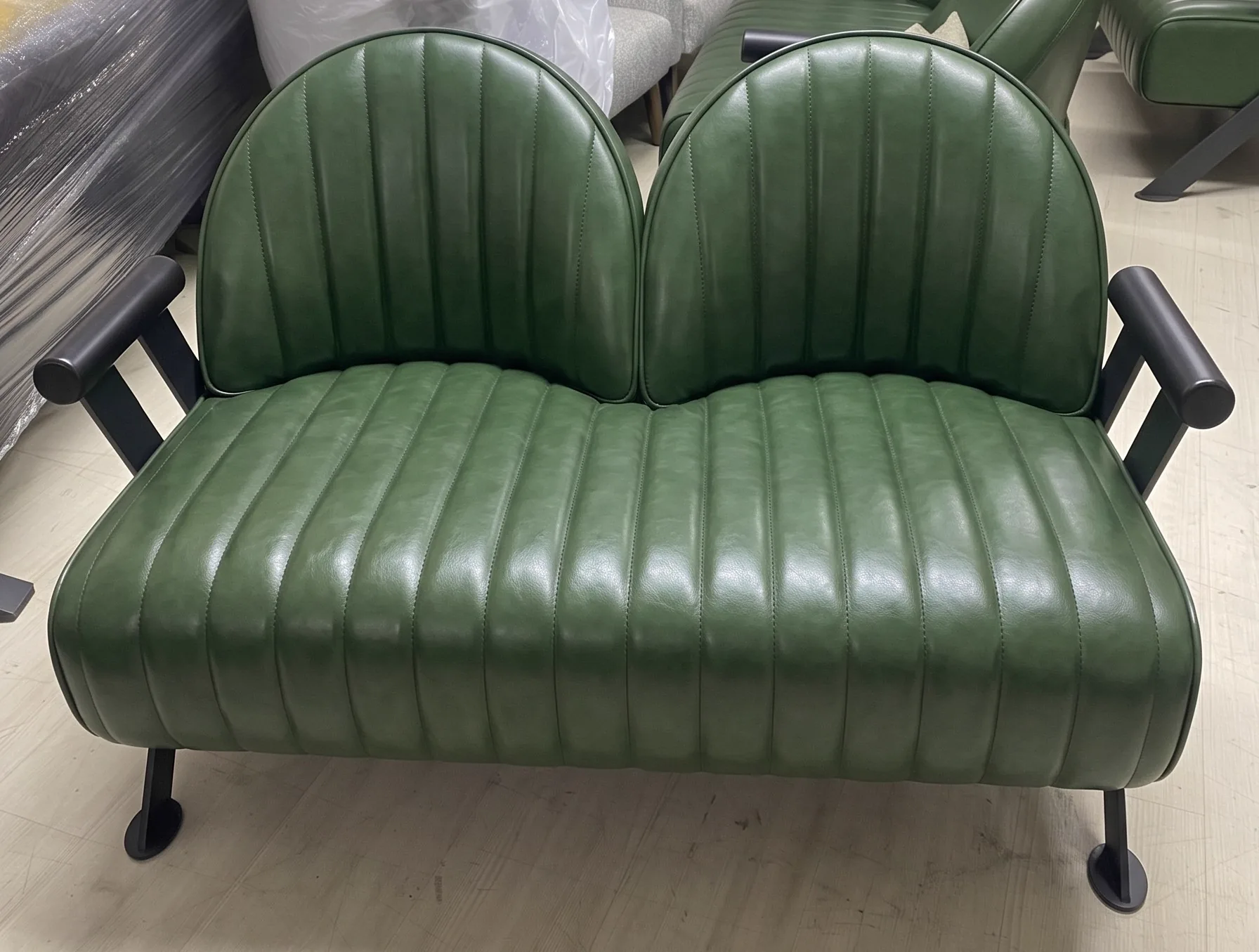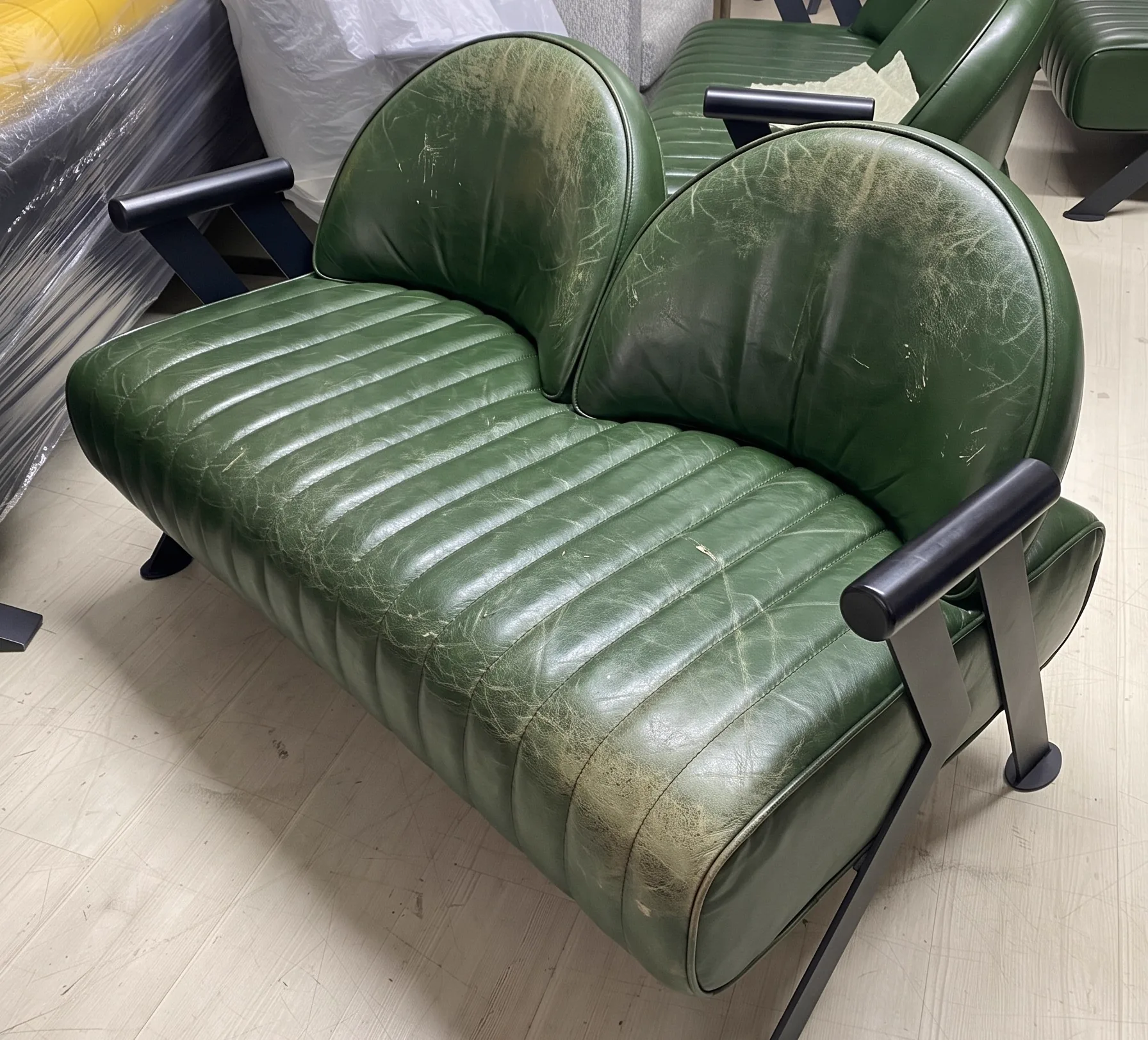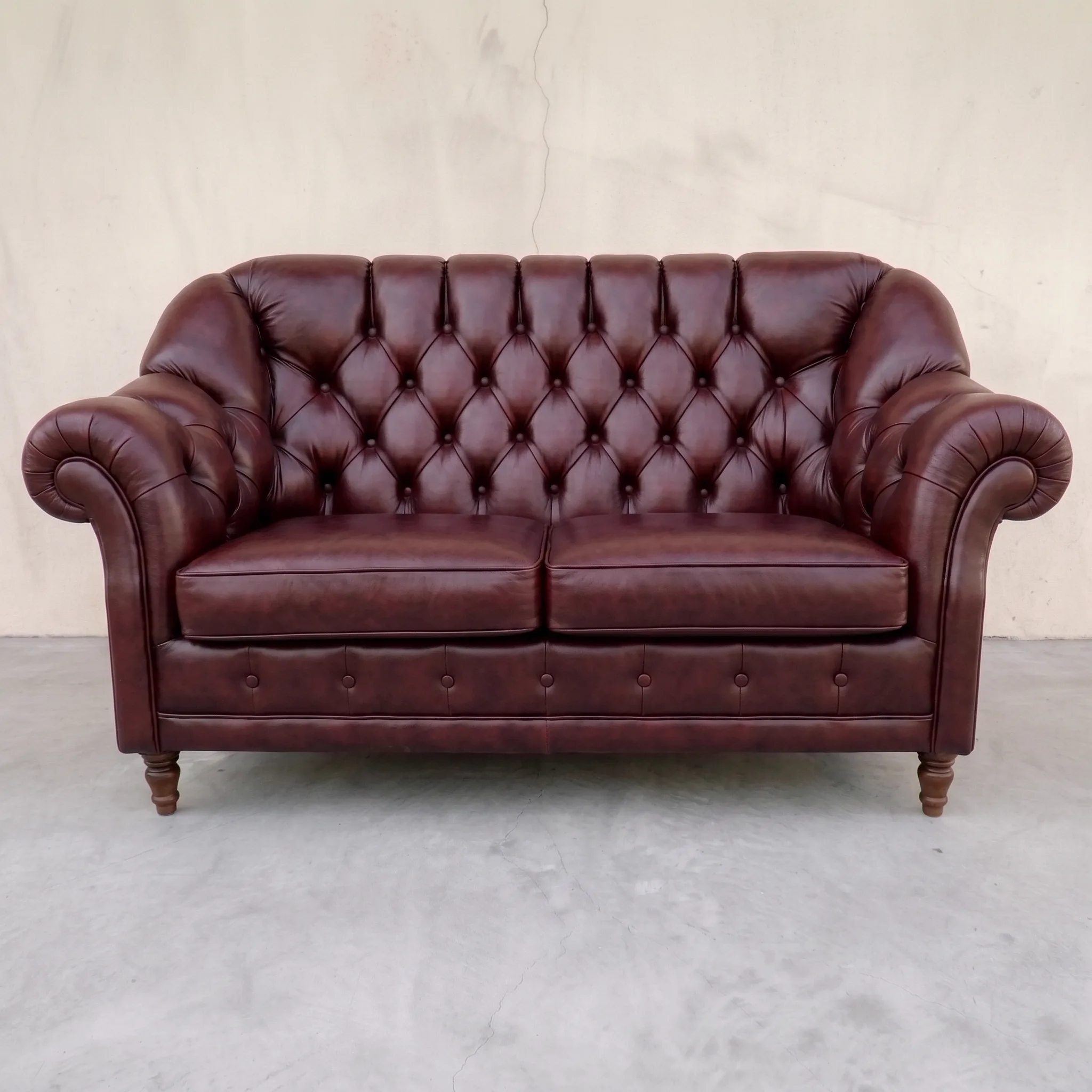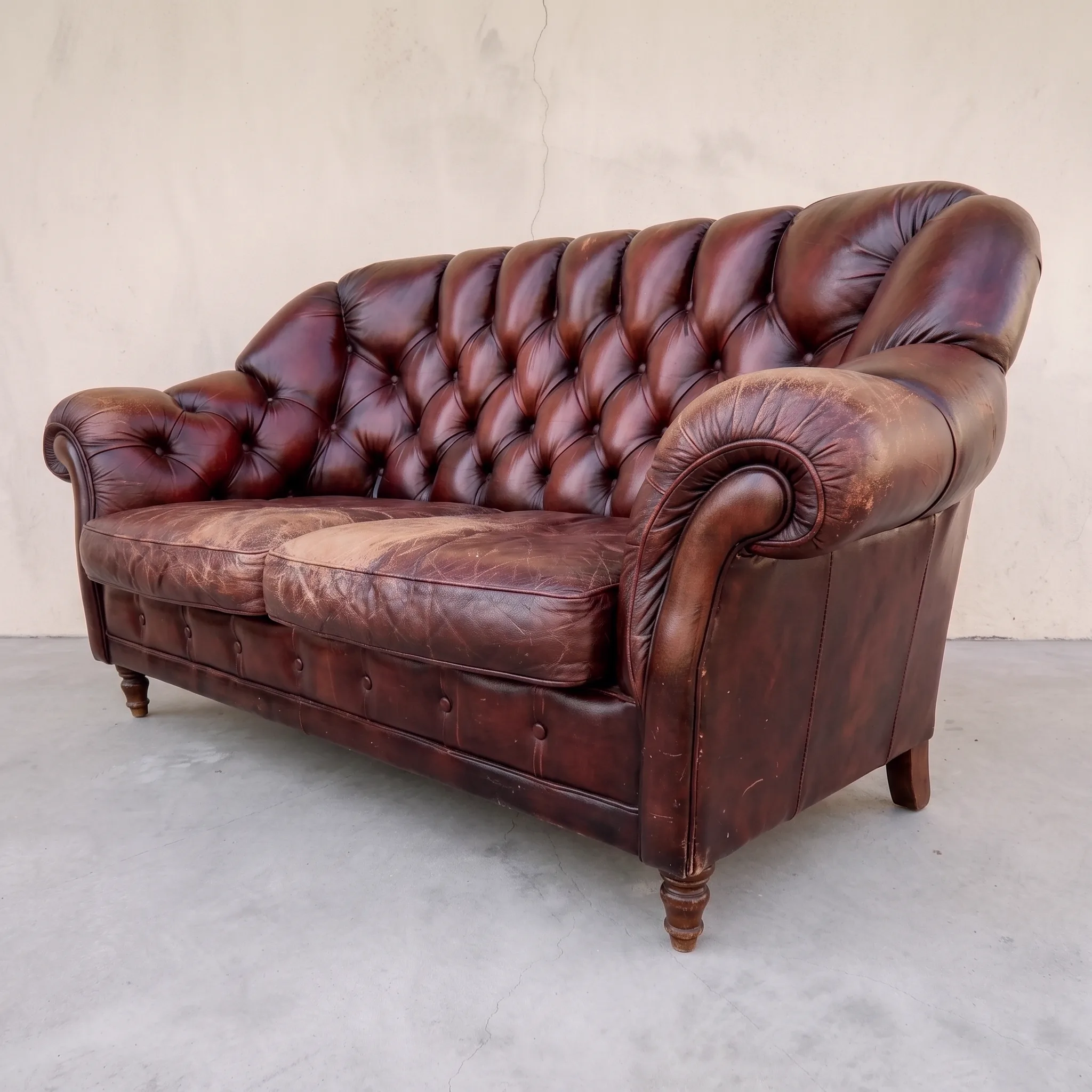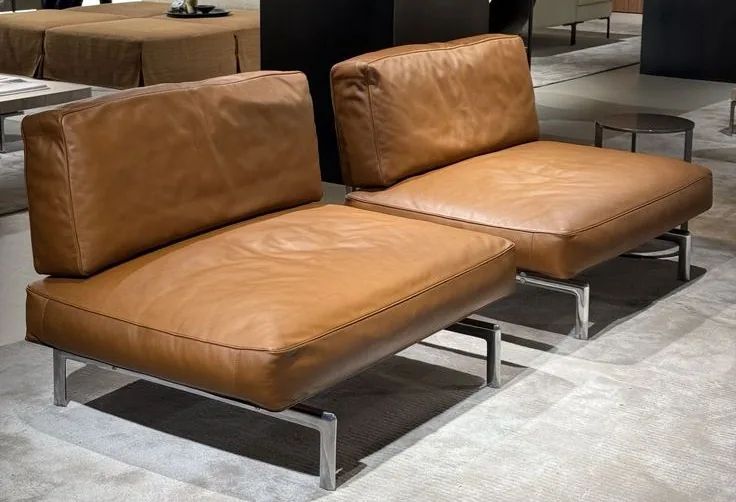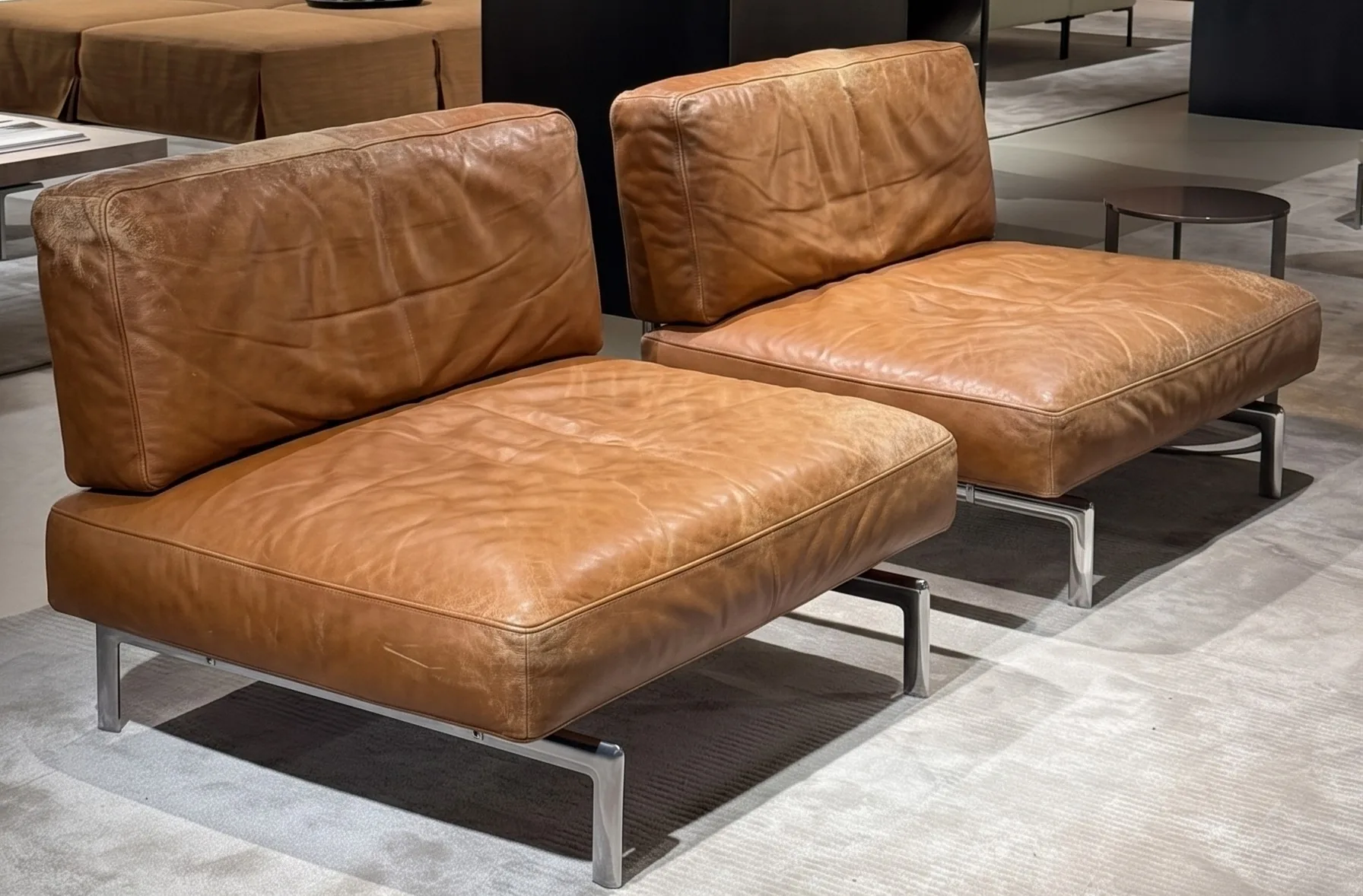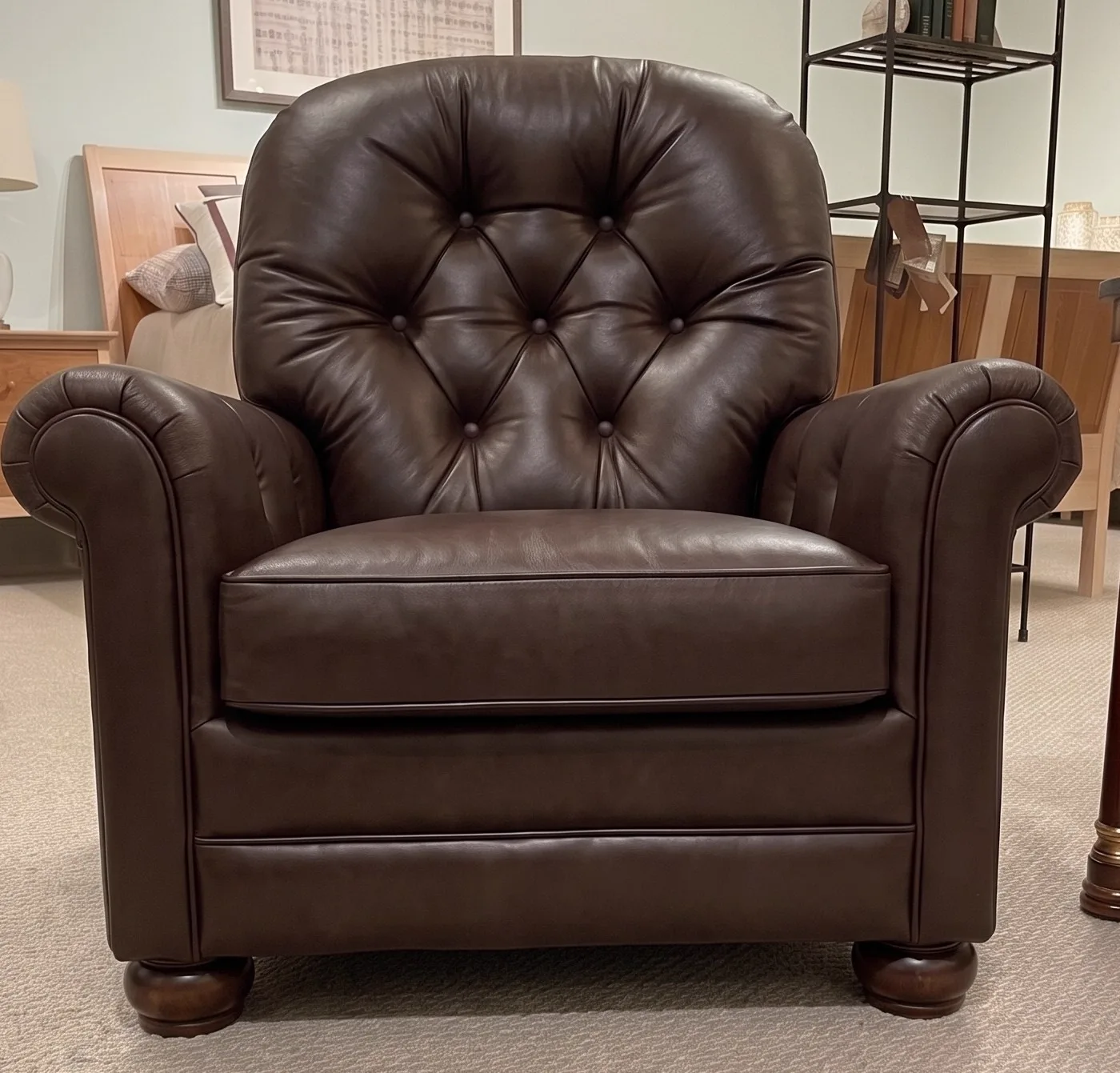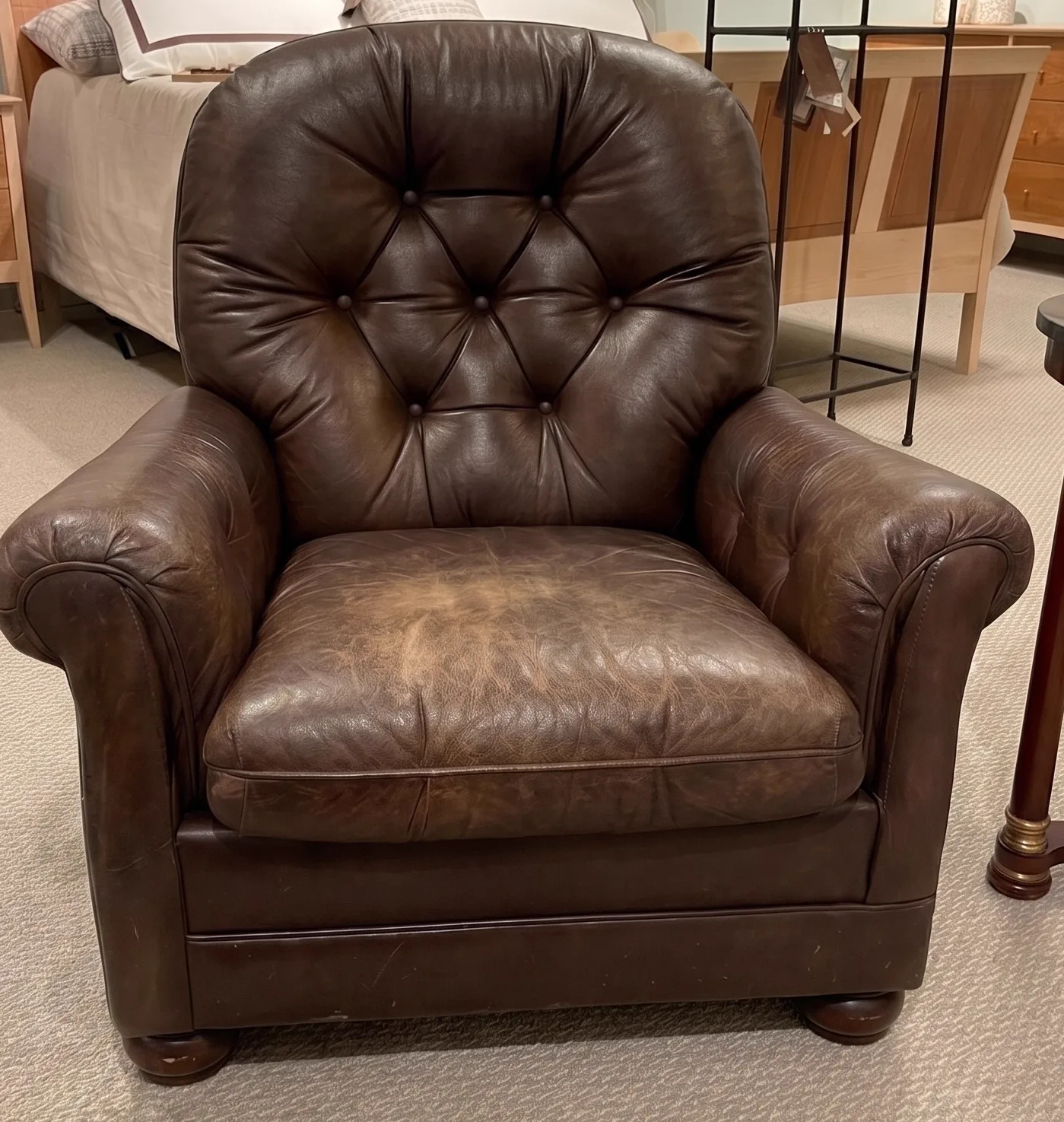
Leatherette, PU leather, faux leather, bonded leather - these names all describe synthetic sofa upholstery that is not real leather. In India, a large share of sofas in the Rs. 20,000 to Rs. 80,000 price range are leatherette, particularly from brands like Hometown, Pepperfry, IKEA, and many online-first furniture brands. The cleaning rules for leatherette are different from real leather in important ways, and applying the wrong advice from real leather care guides causes unnecessary damage. This article is specifically for leatherette and faux leather sofas.
The biggest cleaning mistake we see in our workshop is people treating leatherette like real leather. They buy expensive leather conditioners from Amazon, apply saddle soap, or follow YouTube tutorials meant for genuine hide - and end up accelerating the breakdown of their PU coating. Leatherette fails in ways real leather does not, and it tolerates things real leather cannot handle at all. Understanding the difference before you start cleaning protects the sofa from well-intentioned damage.
Leatherette vs Real Leather: Why the Rules Differ
Real leather is tanned animal hide - a collagen fibre structure with pH-sensitive dye and fat liquor chemistry that household chemicals directly damage. Leatherette is a polymer coating (usually polyurethane, abbreviated PU) applied over a woven fabric base. It has no collagen, no aniline dye, and no fat liquor to protect. The surface you are cleaning when you clean a leatherette sofa is essentially a thin layer of plastic film, not a biological material.
This matters for cleaning because the failure modes are completely different. Real leather fails from chemical damage - acid stripping the dye, alkaline chemicals breaking the fibre bonds, oils causing rancidity inside the hide. Leatherette fails from mechanical damage - cracking, peeling, and delamination of the PU coating from the fabric base. Leatherette can handle mild soap and gentle cleaners that would damage real leather. What it cannot handle is abrasion, acetone-based products, and sustained UV exposure, all of which accelerate the cracking and delamination process.
There is also an important subcategory distinction. PU (polyurethane) leatherette is more flexible and durable than PVC leatherette. PVC leatherette is stiffer, cheaper, and cracks faster in temperature-variable climates. Bonded leather is a third category - it uses real leather scraps bonded with polyurethane, which means it has some of real leather's failure modes alongside leatherette's delamination problem. If your sofa is peeling in sheets revealing a fibrous backing, it is likely bonded leather, not PU leatherette. The cleaning method below applies to all three, but the long-term failure profile differs.
The detail guide on how leatherette differs from genuine leather, bonded leather, and bicast leather is in the bicast, bonded, and PU leather guide. If you are not certain what your sofa is made of, read that first.
Quick identification test: Press a fingernail gently into a hidden seam edge. Real leather stretches and recovers with visible grain. Leatherette feels uniformly firm and shows no grain stretch. If peeling is already happening at seams or edges, it is almost certainly leatherette or bonded leather. Another test: breathe on the surface. Real leather absorbs moisture and darkens slightly. Leatherette stays unchanged because moisture cannot penetrate the polymer coating.
How India's climate affects leatherette differently from real leather
India's temperature swing between summer (45 degrees C) and winter (5 degrees C) puts particular stress on leatherette. PU polymers expand and contract with temperature at a different rate than the woven fabric base underneath. Over time this differential expansion weakens the bond between the PU layer and the backing - this is why Indian sofas in direct sunlight near windows or balcony doors typically begin peeling within two to three years regardless of cleaning habits. Keeping leatherette sofas at least 1.5 metres from any window with direct afternoon sun extends functional lifespan significantly.
Monsoon humidity (80 to 90% RH across India during July and August) creates a different problem. PU surfaces trap moisture at the contact points - armrests, seat cushion edges, headrest zones - and this creates ideal conditions for surface mould to develop on the underside of the cushions and in crevices. Leatherette mould is primarily a surface phenomenon and easier to clean than mould on real leather, where spores can penetrate into the collagen fibres.
Step-by-Step Home Cleaning for Leatherette Sofas
This routine handles routine soiling, food spills, dust buildup, and light stains on any PU or faux leather sofa. Do the full routine monthly, or whenever the surface looks dull or feels sticky. For weekly maintenance, steps 1 and 5 are sufficient.
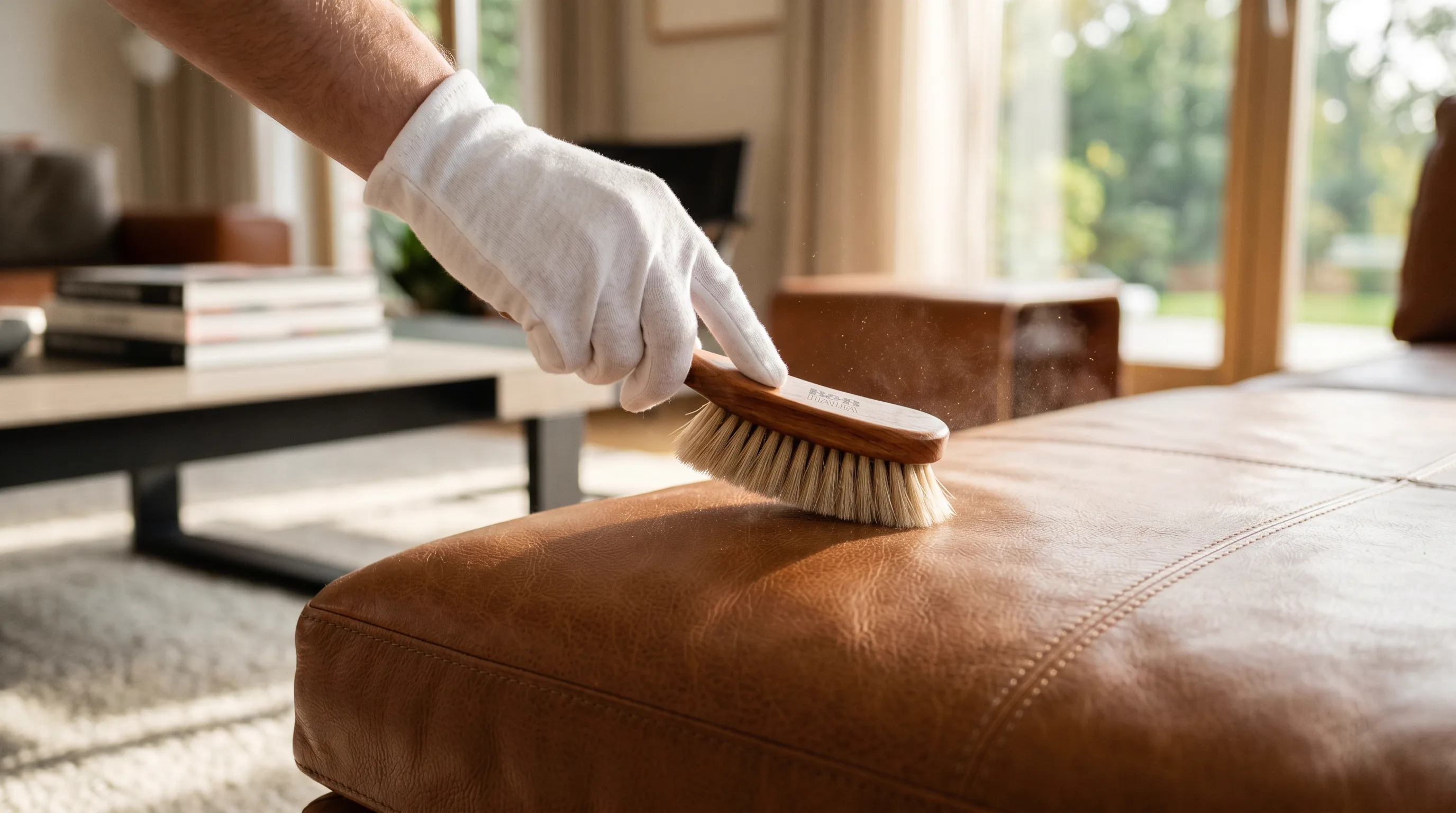
- Step 1 - Dry dust first. Use a dry microfibre cloth or a soft brush to remove surface dust and crumbs. Do this before adding any liquid. Rubbing liquid into dust creates abrasive paste that micro-scratches the PU surface. Check the seat crevices with a soft brush - food particles and dust pack into these gaps and cause localised staining over time.
- Step 2 - Make a mild soap solution. One drop of mild liquid dish soap (Vim Liquid, Pril, or any unscented variant) in 500ml warm water. Mix gently. This concentration is safe for PU coating and effective for surface soiling. Do not increase the soap concentration - more soap does not clean better and is harder to rinse off completely, leaving residue that dulls the finish.
- Step 3 - Wipe in sections. Dip a microfibre cloth in the solution, wring out well (the cloth should be damp, not wet - if water drips when you squeeze it, wring more), and wipe one seat cushion or panel at a time using gentle circular motions. Do not scrub. Excessive pressure on worn or older PU coating accelerates surface dulling.
- Step 4 - Rinse residue. Use a second cloth dampened with plain water (no soap) to wipe away soap residue. Soap left to dry on leatherette creates a sticky surface that attracts dust and eventually dulls the finish. This rinse step is the one most people skip, and it is what causes the "cleaned but still looks dirty" result.
- Step 5 - Dry immediately. Use a dry microfibre cloth to buff dry. Do not leave the surface damp. Allow air drying for 30 minutes before sitting on the sofa. In monsoon months when ambient humidity is high, use a small fan to assist drying - residual moisture in the crevices is the main cause of mould developing between cushions.
- Step 6 (optional) - Apply PU protector. Every 6 to 12 months, apply a PU leather protector spray (available on Amazon India under brands like Fenice or Leather Master). Spray onto a cloth first, not directly onto the sofa surface. Wipe in thin, even coats. This delays UV yellowing and surface cracking by adding a sacrificial UV-blocking layer. Do not use real leather conditioners on leatherette - they are formulated to penetrate collagen fibre, cannot penetrate PU, and leave a greasy film that attracts dust.
Tough Stains on Leatherette: What to Use
Ink stains
For fresh ink on leatherette (within the first hour), rubbing alcohol (isopropyl alcohol at 70%, available at medical stores or pharmacies across India) on a cotton bud applied directly to the ink mark - not the surrounding surface - lifts ink from the PU surface without damaging it. Work from the outside of the stain inward in small circular motions. The alcohol evaporates quickly, so you can re-apply immediately if needed. Wipe with a damp cloth after to remove any alcohol residue, then dry immediately.
For dried ballpoint ink that has been sitting for more than a day, the approach changes. The ink has partially bonded with the PU surface and a single cotton bud application will not be enough. Apply 70% IPA to a cotton pad, press firmly on the stain for 30 seconds to re-solubilise the ink, then wipe. Repeat up to three times. If the ink does not lift by the third attempt, it has bonded into microscopic surface scratches and will require professional spot treatment. Do not escalate to acetone - it will remove the ink along with the PU coating underneath.
Important: this method is for leatherette only. On real leather, alcohol dries the hide, disrupts the fat liquor emulsion, and strips the finish. The guide to cleaning pen marks on real leather is in leather sofa home remedy cleaning.
Grease and food oil stains
Blot fresh grease immediately with a dry cloth. Do not rub - rubbing spreads the oil laterally and pushes it into surface micro-pores. The goal is to lift the oil vertically out of the surface. Press the cloth firmly, lift, move to a clean section, press again. Continue until no more oil transfers. Apply a small amount of cornstarch or baking soda over the remaining grease mark, leave 30 minutes, then brush off gently with a soft brush and wipe clean with the soap solution.
The absorbent powder draws the residual oil out before it sets into the PU surface. Cornstarch works slightly better than baking soda for oily food stains because it has a finer particle size and higher oil absorption capacity. For curry or ghee stains specifically - which are common in Indian households - apply the cornstarch layer within 10 minutes. Turmeric in curry is a dye compound and can stain PU permanently if left for more than 30 to 45 minutes at room temperature.
Pen marks, scuffs, and surface scratches
A Mr. Clean Magic Eraser (melamine foam) used very lightly on pigmented leatherette can remove pen marks and surface scuffs. Cut a small piece, dampen it slightly, and press gently without scrubbing. The melamine foam works like extremely fine sandpaper - it abrades the surface micro-layer to remove the mark. This works precisely because it removes surface material, which means pressure matters enormously. Too much pressure on thin or aged PU coating leaves a dull patch that cannot be reversed without refinishing.
Test on a hidden spot on the underside of an armrest first. If the test area shows any dulling or change in sheen, stop and use the soap-and-water method instead. Do not use magic erasers on real leather under any circumstances - see the magic eraser damage guide for why.
For white leatherette specifically: white PU coating shows all marks more visibly but is also harder to clean without leaving trace evidence. The magic eraser approach is more forgiving on white leatherette than on coloured variants because you are removing surface soiling against a white base. Start with the soap solution before escalating to melamine foam, as white leatherette is often thinner PU coating than darker variants from the same manufacturer.
Mould and mildew (monsoon)
A solution of one part white vinegar to four parts water applied with a cloth, wiped on and left for two minutes, then wiped off and dried immediately, kills surface mould on leatherette without damaging the PU coating. Vinegar is safe on leatherette PU because there is no collagen or aniline dye to damage - the acetic acid attacks the mould cell walls without affecting the polymer surface. This is the opposite of the rule for real leather, where vinegar causes structural damage to the collagen fibres and should never be used.
After the vinegar treatment, wipe with plain water, dry thoroughly, and allow air circulation for several hours. Mould on leatherette is usually a surface-only problem if caught early. If the mould has penetrated into the fabric base layer through seam gaps or existing cracks, it cannot be fully removed at home and will return within weeks. In that case, the seam penetration needs professional treatment to clean the backing fabric and reseal the seam with a PU-compatible adhesive.
Musty smell without visible mould
A leatherette sofa that smells musty without showing visible mould has mould or bacteria growth in the backing fabric or inside the cushion foam - not on the PU surface. Cleaning the surface will not resolve the smell because the source is beneath it. The solution is to allow the sofa to dry thoroughly in a ventilated area with a fan for 24 to 48 hours, ideally with cushions removed and standing upright separately. For persistent smell, a fabric deodoriser spray applied to the cushion underside (the fabric side, not the PU side) and left to dry fully can help. If the smell persists after a full dry-out, the foam core has microbial growth and needs replacement.
What to Avoid on Leatherette
- Acetone / nail polish remover: Dissolves the PU coating on contact within seconds. Leaves permanent white patches and rough texture that cannot be reversed without professional refinishing. The fact that acetone removes nail polish does not mean it is a safe solvent for any plastic - PU is chemically vulnerable to ketone solvents.
- Harsh scrubbing with abrasive pads: Scotch-Brite or rough sponge pads remove the PU top coat layer by abrasion. Once the top coat is gone, the underlying fabric base is exposed and will absorb every stain completely. This damage cannot be restored at home. Even magic eraser foam must be used with minimal pressure for this same reason.
- Real leather conditioners (neatsfoot oil, mink oil, petroleum-based products): These are formulated to penetrate collagen fibre structures. On leatherette they cannot penetrate the PU surface, sit on top, attract dust, and over time form a sticky film that degrades the PU finish. People sometimes report that their sofa feels "worse" after conditioning with leather products - this is why.
- Direct sunlight without UV protection: UV radiation breaks down the polymer chains in PU through photo-oxidation. This yellows white leatherette (even in indirect sunlight near windows), cracks dark leatherette along stress lines, and accelerates delamination. This is the single largest cause of early leatherette failure in Indian homes due to the intensity of sunlight and long sun hours. A UV-blocking window film or curtains makes a significant difference.
- Bleach and strong alkaline cleaners: Strip colour and degrade PU on contact. Dettol liquid (phenolic compound) diluted heavily is borderline acceptable for disinfecting leatherette, but must be wiped off within one minute and rinsed thoroughly. Never use Dettol at full strength or let it dwell on the surface.
- Petroleum jelly (Vaseline): Commonly suggested online as a leatherette protector. Does not protect PU and creates a petroleum film that softens and degrades the surface over time. The viral suggestion to apply Vaseline to stop leatherette peeling is completely incorrect - it accelerates delamination.
"Most leatherette sofas we see with severe early peeling have one thing in common - they were near a window with afternoon sun. UV damage compounds with every exposure. No amount of cleaning can reverse it once it starts. The only protection is physical - move the sofa or block the sunlight." - Tyson, Lead Artisan, The Leather Restorators
When Leatherette Peels: What Can Be Done
Peeling leatherette is delamination - the PU coating separating from the fabric base. It is one of the most common complaints about lower-end faux leather sofas in India after two to three years. The delamination typically starts at the seat edges and armrest tops, which are the highest-stress contact points. Once started, it propagates even without further UV or chemical exposure because the adhesive bond in the surrounding area is already weakened.
Home remedies for peeling (nail polish, superglue, iron-on patches) address the symptom without fixing the cause and usually accelerate further peeling. Superglue specifically is problematic - it bonds the peeling flap back down, but the rigid glue joint creates a stress concentration point at its edges. The surrounding PU delaminates faster because it is now fighting against a stiff bonded patch instead of failing gradually. Within weeks the peeling returns, now with stiffer edges that crack off in larger pieces.
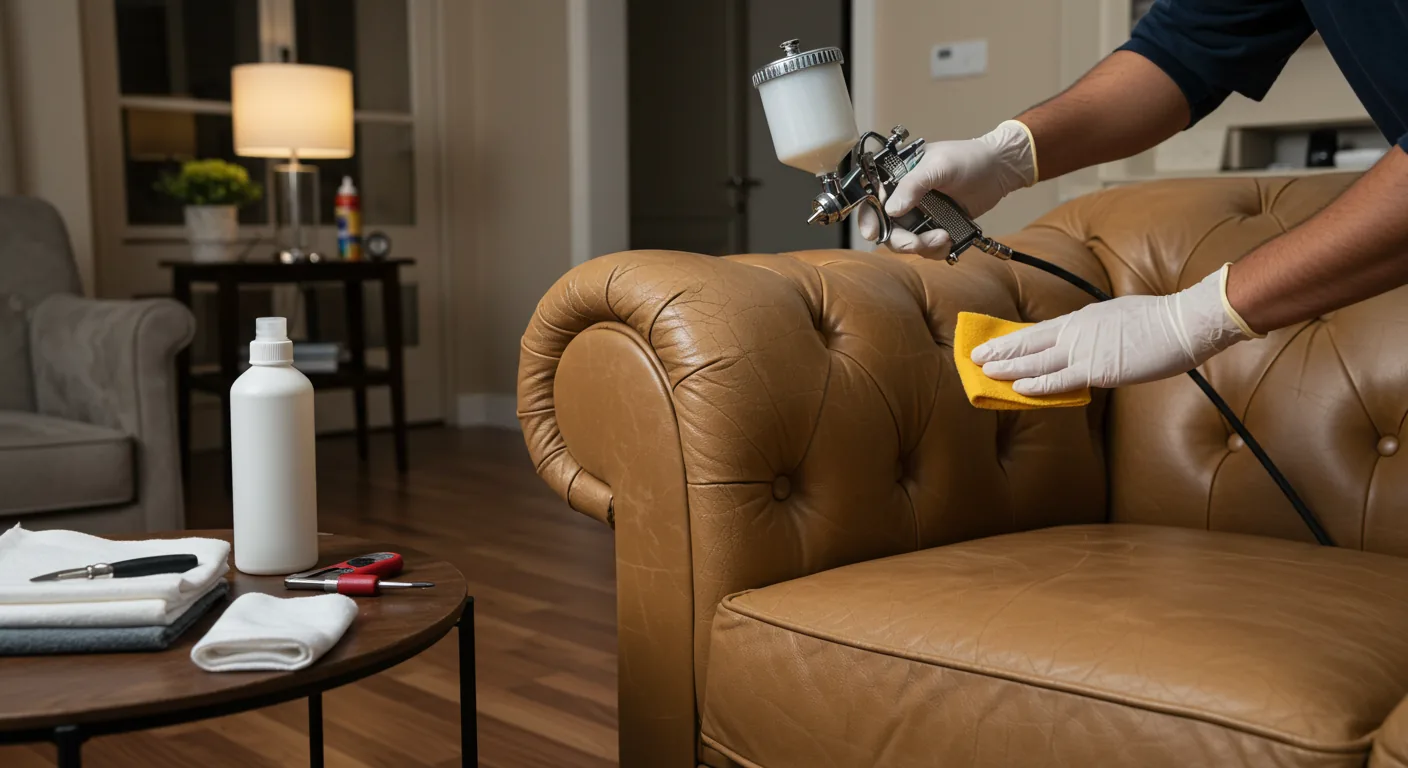
Professional repair for leatherette peeling involves removing the compromised PU layer in the affected zone and applying a matching PU coating using spray equipment. The base fabric is cleaned and re-primed, then multiple thin coats of flexible PU finish are built up to match the original colour and texture. This is the same process as automotive interior repair. The result is visually correct and the repaired zone typically lasts two to three additional years if kept from UV exposure. The repaired area may have a slightly different texture from the original embossed grain, particularly if the original grain was deeply embossed.
The question of whether to repair or replace depends on the extent of delamination and the sofa's base value. If less than 30% of the surface area is affected and the frame is structurally sound, repair is usually more economical. If delamination is widespread or the sofa frame shows wear, replacement is more cost-effective than repeated repair cycles. The professional repair guide for faux and bonded leather sofas covers the cost ranges and decision framework in detail: faux and bonded leather sofa repair. If a look at the cut edge shows soft fibres running through the cross-section rather than a PU skin over woven fabric, the sofa is genuine hide and needs the opposite approach - professional leather sofa cleaning and conditioning, not a PU refinish.
Common Questions About Leatherette Cleaning
Can I use Dettol or antiseptic liquid to disinfect my leatherette sofa?
Dettol Original contains chloroxylenol, a phenolic disinfectant, at approximately 4.8%. At this concentration it is mildly corrosive to PU coating with prolonged contact. For surface disinfection - for example after illness in the household - dilute Dettol 1:20 in water, wipe on, leave for 60 seconds, then wipe off with plain water and dry immediately. Do not use undiluted Dettol on leatherette, and do not let it dwell on the surface. For routine cleaning without a specific disinfection need, the mild soap-and-water routine is preferable and safer for the PU surface.
My white leatherette sofa is turning yellow. Can it be reversed?
Yellowing in white leatherette is UV photo-oxidation of the PU polymer. The UV radiation breaks the chemical bonds in the polymer chains, creating chromophore groups that absorb blue light - which the eye perceives as yellowing. This process is permanent at the molecular level. No cleaning product removes UV-induced yellowing because it is a structural change in the material, not surface soiling. Some PU whitening sprays exist in automotive detailing markets that can provide a temporary cosmetic improvement, but they do not reverse the underlying chemistry. Professional refinishing with fresh white PU coating is the only restoration option.
Does leatherette need conditioning like real leather?
No. Real leather requires conditioning because the collagen fibres dry out over time as the fat liquor (lubrication chemistry applied during tanning) depletes. This causes stiffness and cracking. Leatherette has no collagen fibres and no fat liquor - it is a polymer coating that does not dry out in the same way. Leatherette can crack, but from UV degradation and mechanical stress, not from moisture loss. Applying real leather conditioner to leatherette does nothing beneficial and can harm the PU surface as described above. The PU protector spray applied every 6 to 12 months serves a different function - it adds a UV-blocking and friction-reducing layer, not conditioning in the leather sense.
How long should a leatherette sofa last with proper care?
A mid-range leatherette sofa (Rs. 30,000 to Rs. 60,000 bracket) with proper care typically lasts 5 to 8 years before delamination becomes widespread. Budget leatherette (thin PU coating, PVC base) often fails at 2 to 3 years regardless of care, particularly in sun-exposed positions. The key variables are UV exposure, frequency of contact-point stress (seat edges, armrests), and humidity cycling. Sofas in air-conditioned rooms away from direct sunlight consistently outlast those in non-AC rooms with window exposure by a factor of two to three.