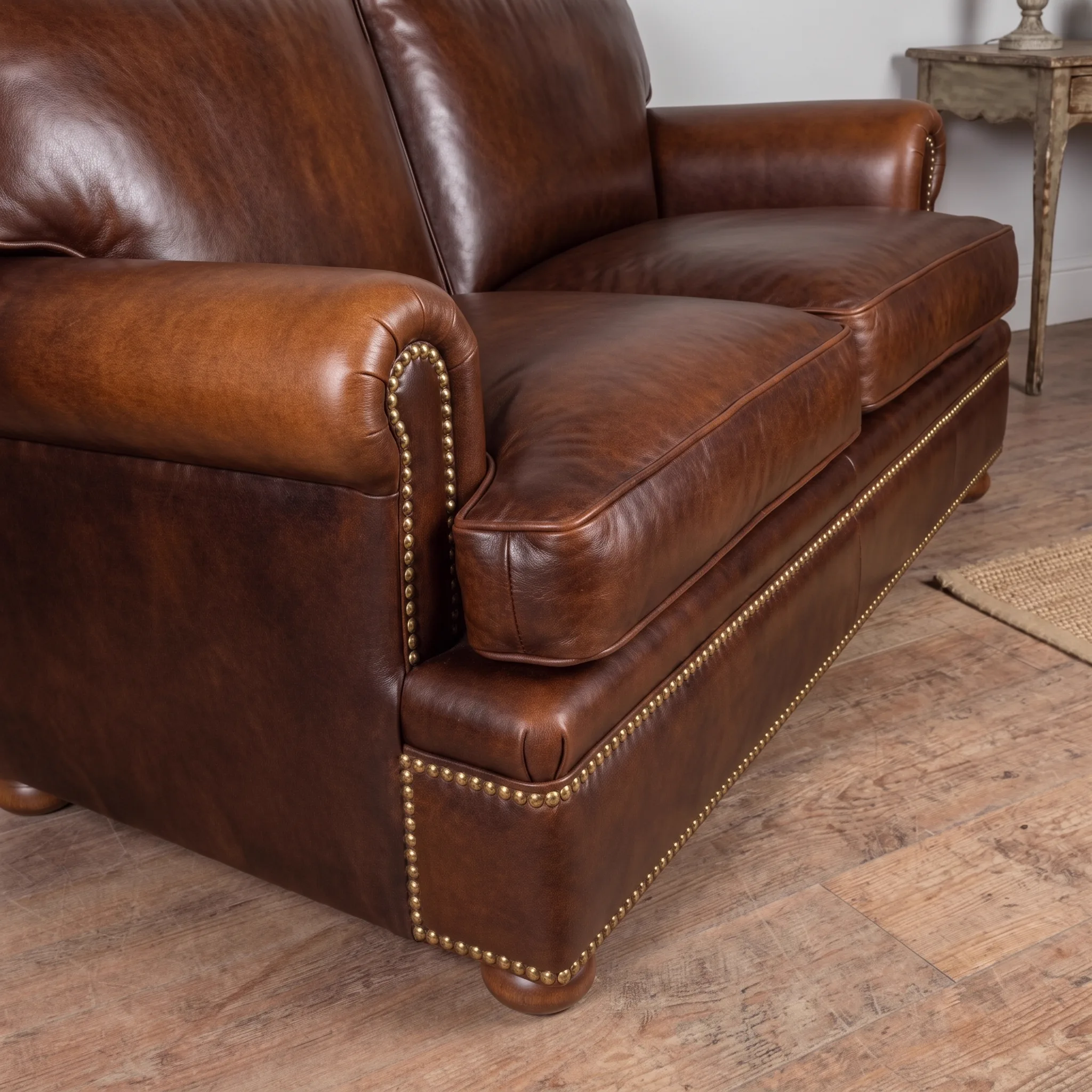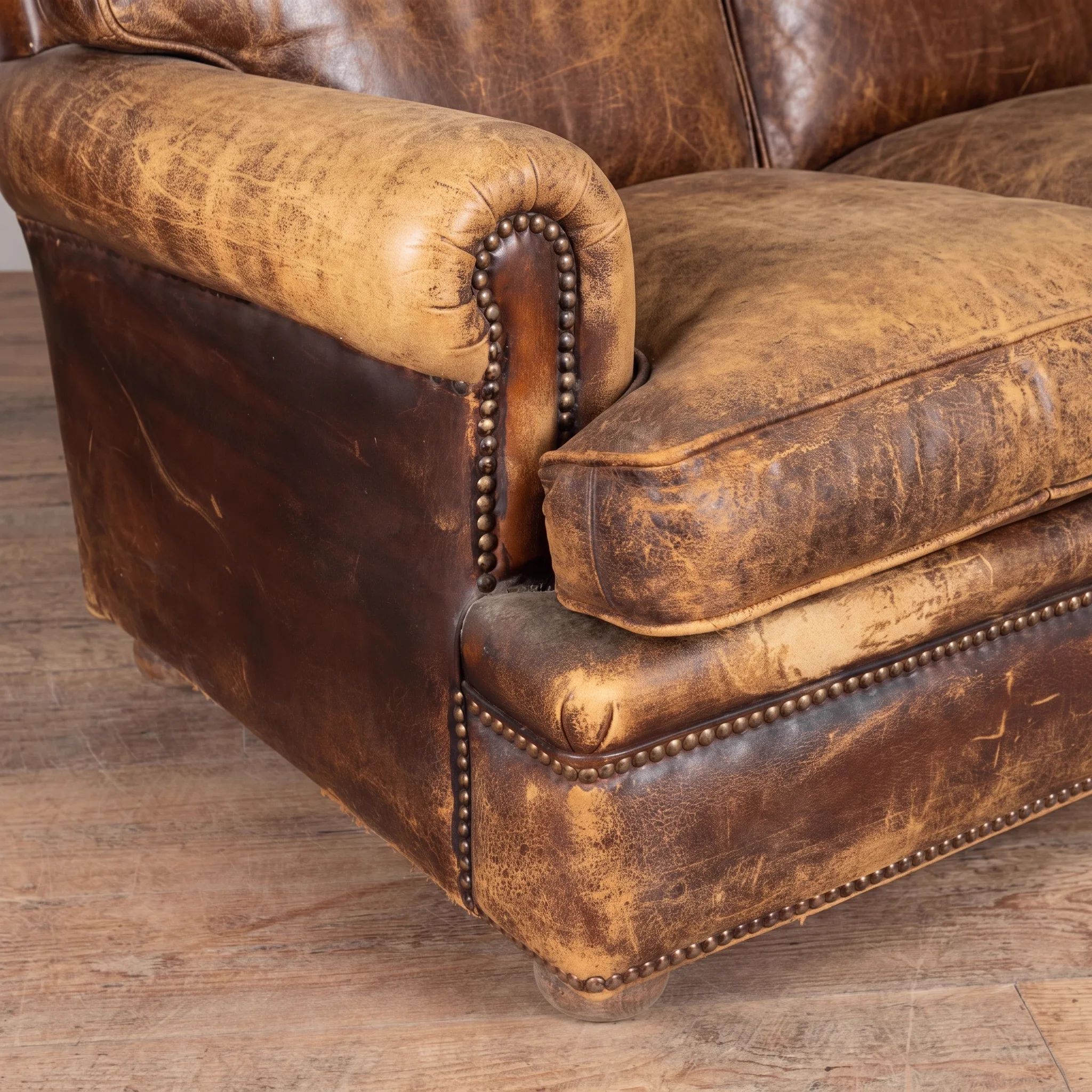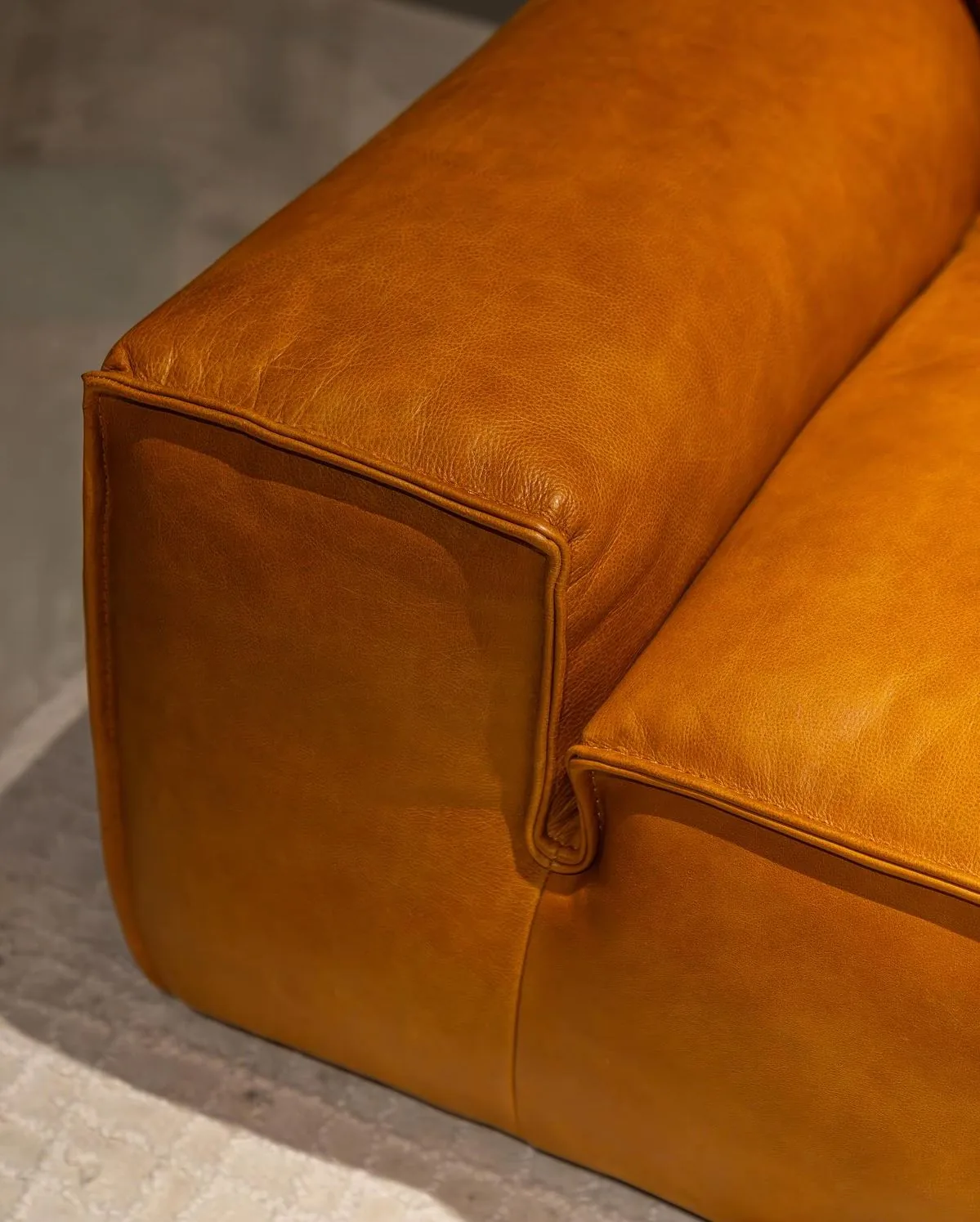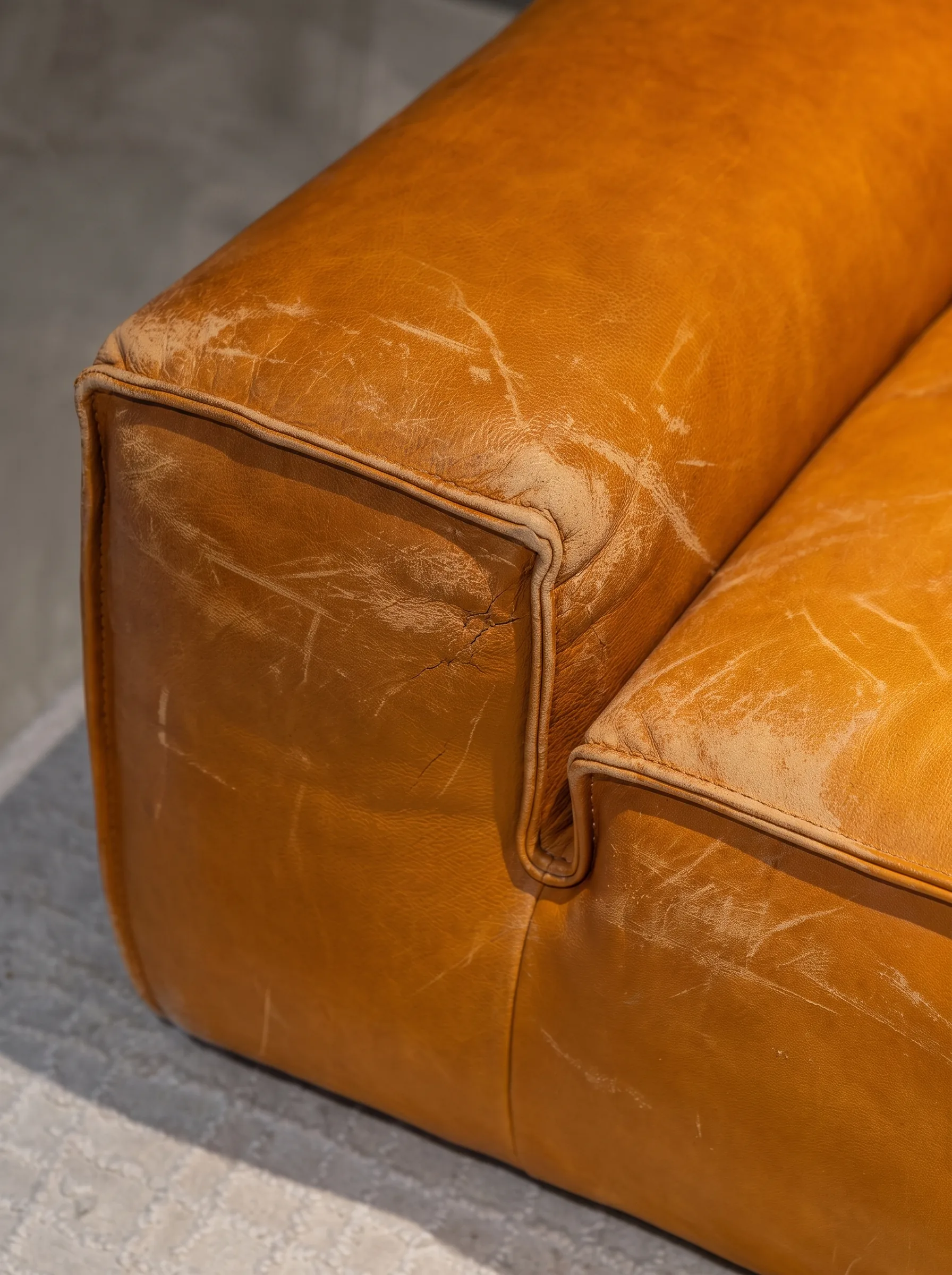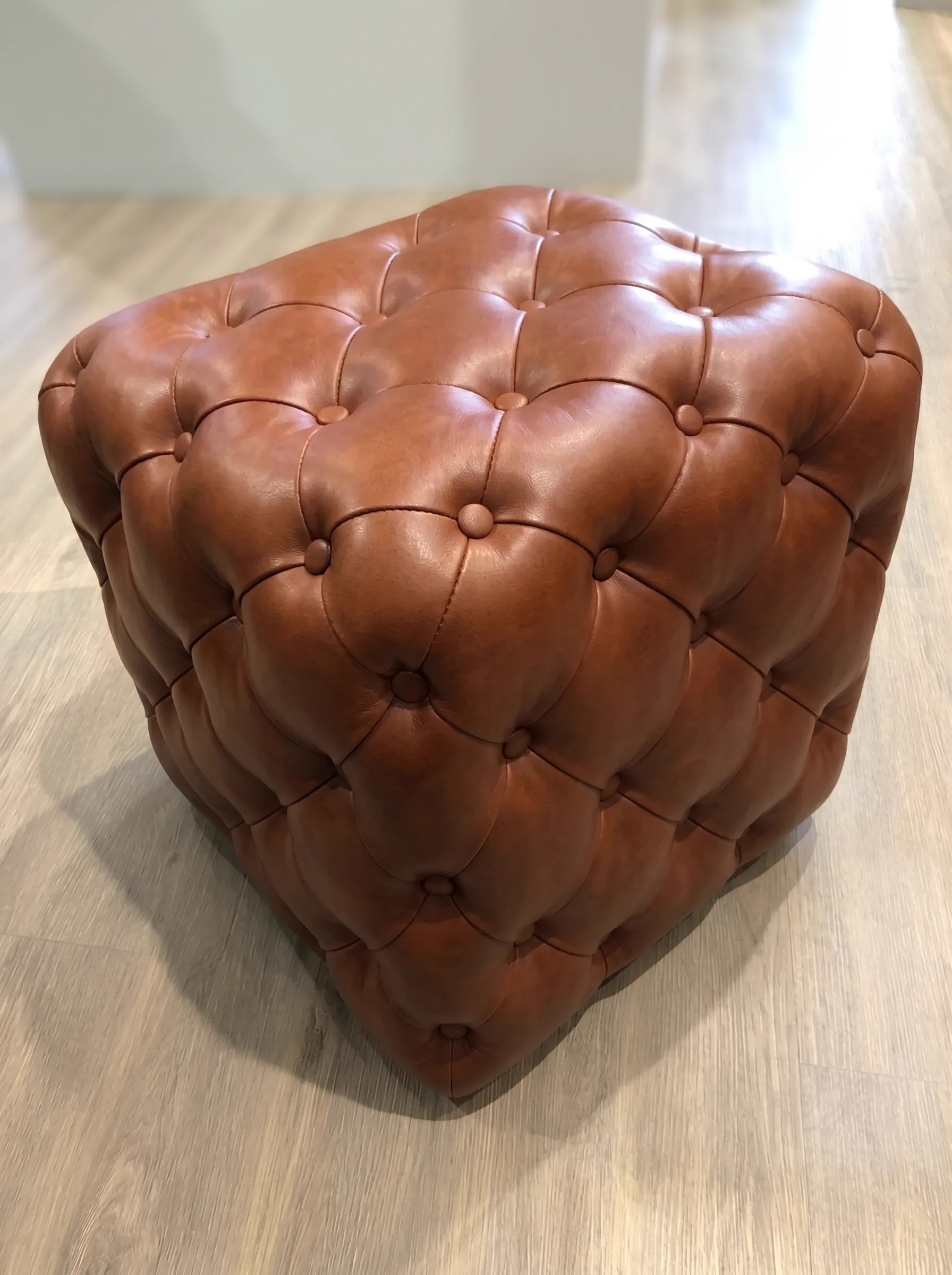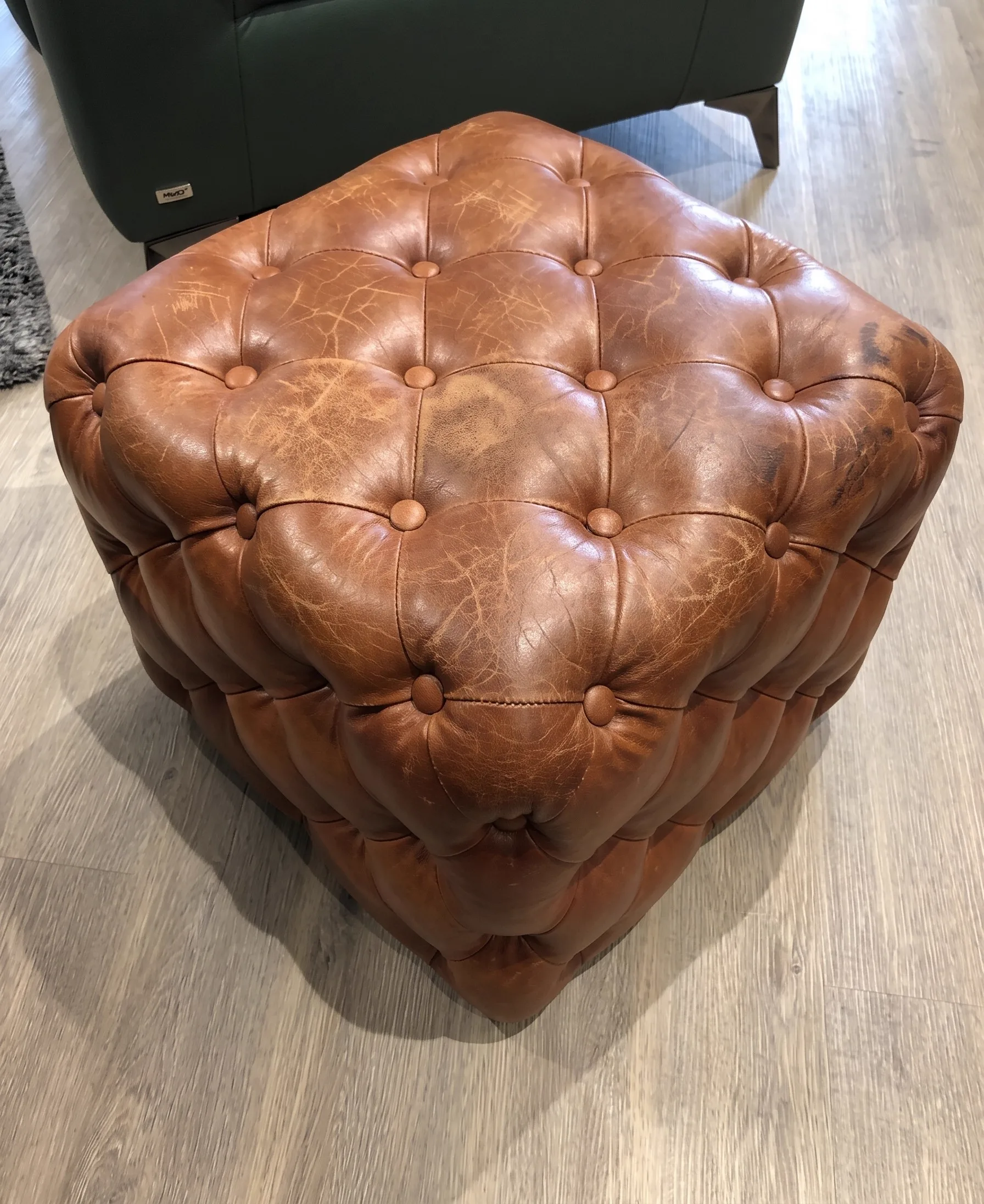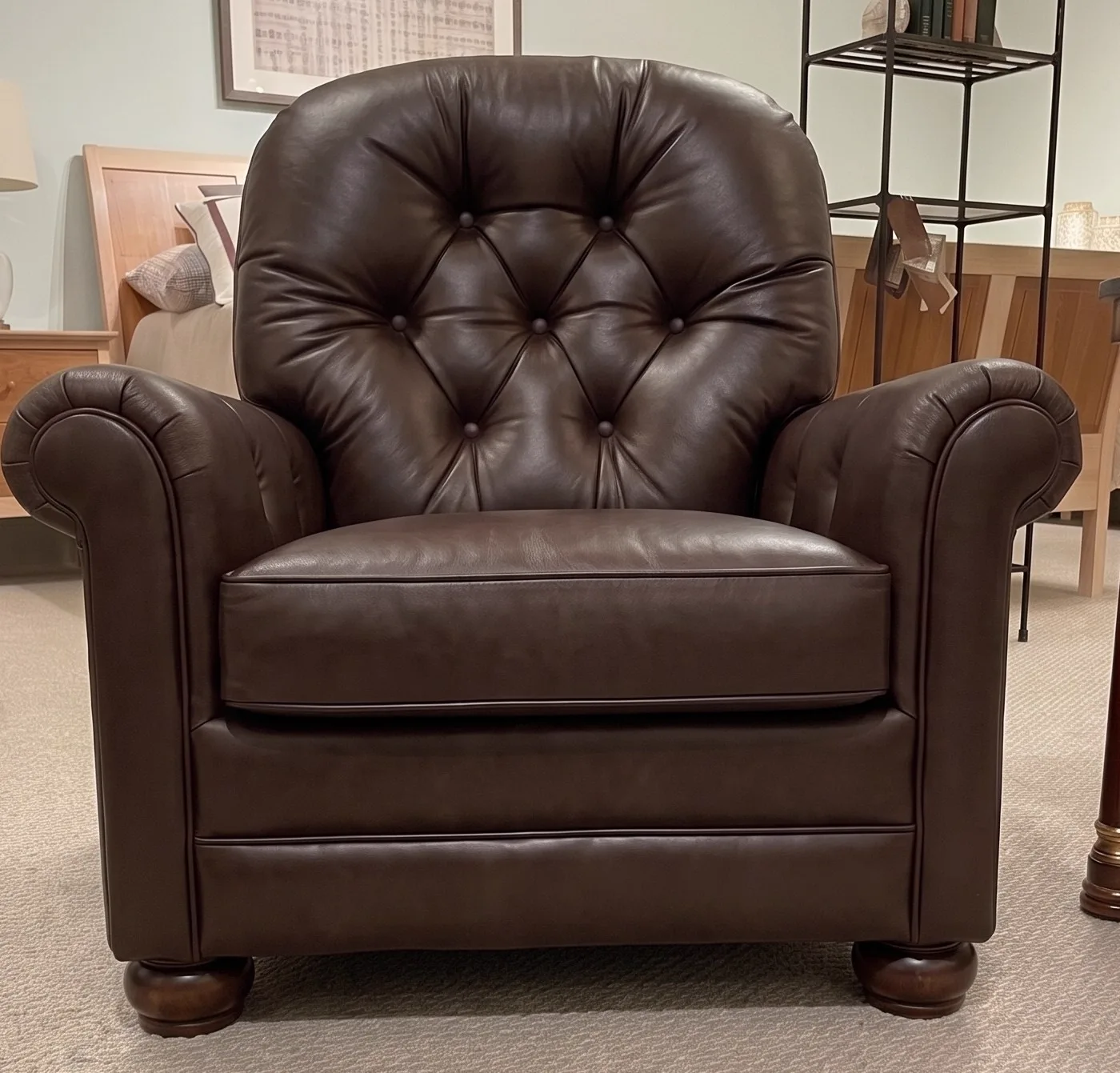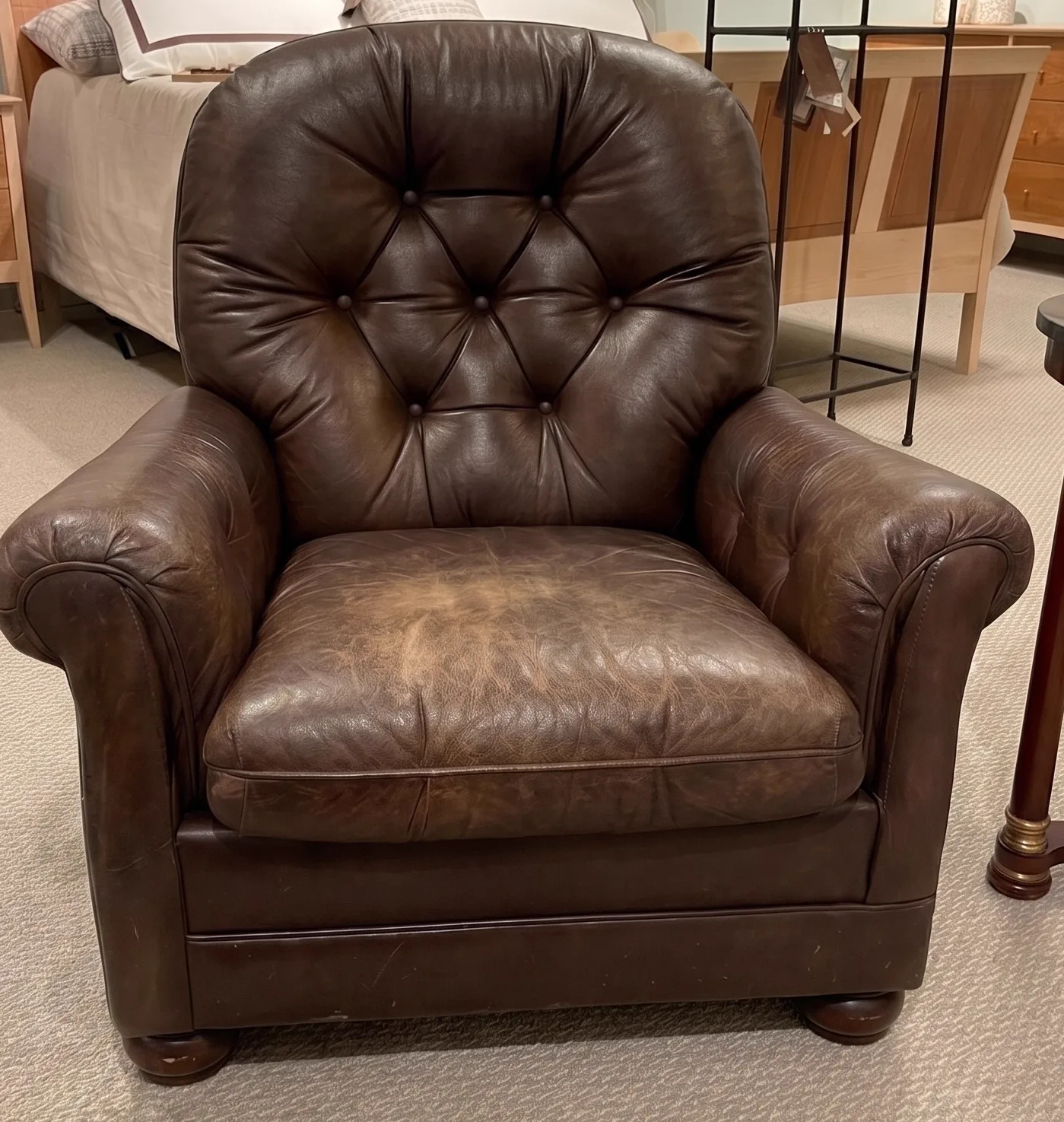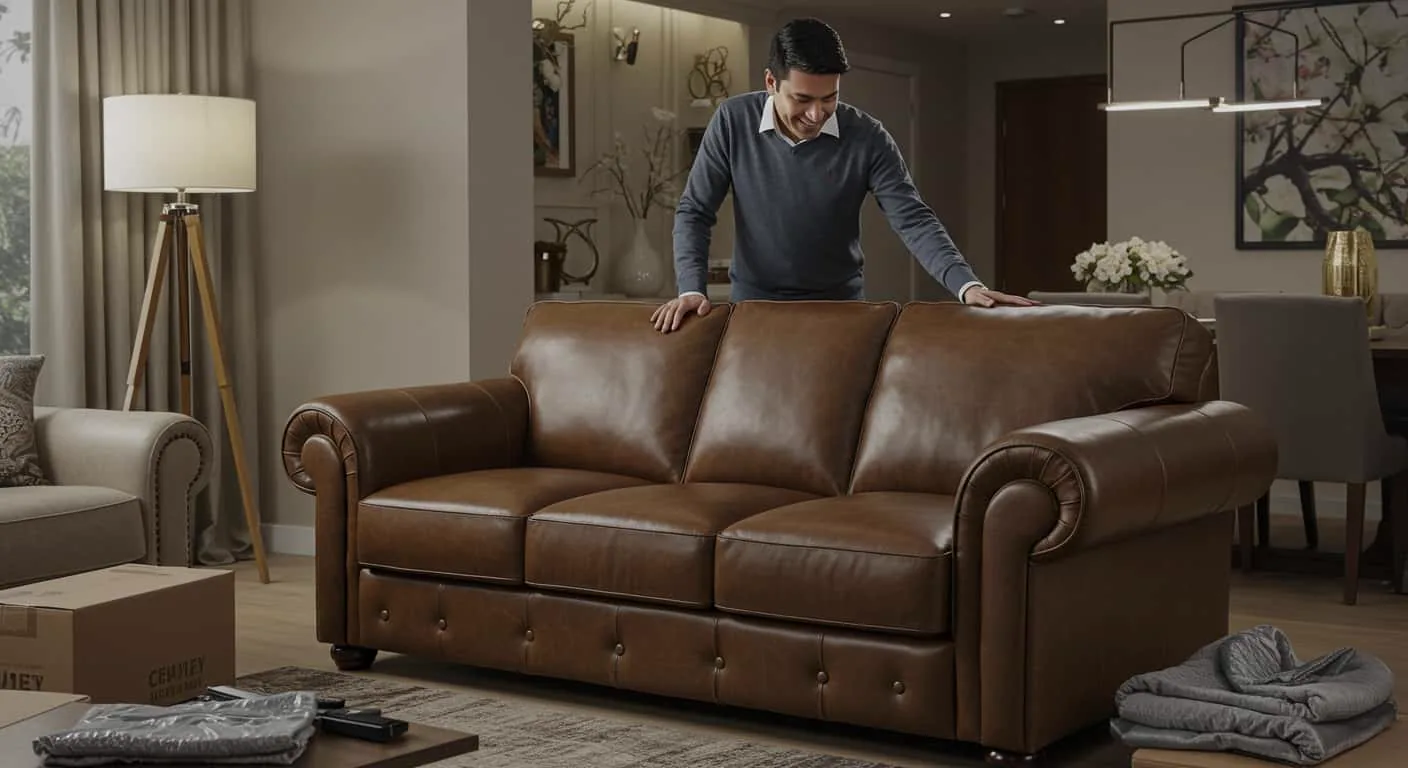
This comparison is written from a different vantage point than most. I have spent years cleaning, restoring, and repairing both leather and fabric sofas across India homes. I have seen what both materials look like at year 3, year 8, and year 15 under Indian conditions. This is not a manufacturer's brochure comparison. It is what actually happens to both materials in Indian living rooms - in the heat, in the monsoon, under ceiling ACs, with children, with cooking odour, with the specific cleaning habits most Indian households have. The honest answer is that neither material is universally better. The right answer depends on your specific situation, and this guide gives you the framework to decide correctly.
The Question Most People Ask First: Heat and Comfort
Leather absorbs and holds heat more than fabric. In a room without air conditioning in May, a leather sofa will feel noticeably warmer to sit on than a fabric sofa at the same room temperature. This is a real difference and it is the most common concern I hear from Indian buyers considering leather for the first time.
The practical significance depends entirely on how you use the room. In a continuously air-conditioned room - which is the reality for most urban upper-middle-class Indian living rooms from April to October - the leather sofa equilibrates to room temperature within minutes of the AC running. At 24 to 26 degrees Celsius, leather does not feel hot. In a non-AC room, or a room where AC is used only in the evenings, leather is genuinely less comfortable during the afternoon heat.
Fabric is cooler to the touch because it does not conduct heat the same way. Cotton and linen fabrics in particular feel comfortable even in warm rooms. This is a legitimate advantage of fabric in Indian summer conditions and it is worth weighing honestly if your home is not air-conditioned through the day.
The AC room caveat: Air conditioning solves the heat problem for leather but creates a different challenge - AC drying. At 20 to 30% indoor relative humidity, unconditioned leather loses fat liquor and begins cracking within 3 to 5 years. Fabric has no equivalent vulnerability to AC drying. If you choose leather for an AC room, twice-yearly conditioning is not optional - it is the maintenance that makes leather viable in that environment. The full mechanism is explained in the AC damage guide.
Cleaning and Maintenance in Indian Conditions
This is where leather has a genuine and significant advantage over fabric in India, and it is not close. Consider the cleaning scenarios that are specific to Indian homes:
Spills - chai, dal, sabzi
On genuine leather: blot immediately with a dry cloth. If addressed within 2 to 3 minutes, the surface is unaffected. Even a delayed response - 10 to 15 minutes - typically results in a light surface stain that professional cleaning removes completely. The non-porous surface of pigmented leather means liquids sit on the surface rather than penetrating the fibre.
On fabric: the liquid penetrates the fibre immediately. For light spills, blotting removes a significant portion but the remainder sets in the fibre as it dries. For coloured liquids - chai, haldi, dal - the tannins and pigments bond to fabric fibre and do not come out with surface cleaning. Professional extraction cleaning is required for complete removal, and for some stains it is not fully achievable.
Dust and allergens
Delhi's air quality means indoor dust accumulation is substantially higher than in most global cities. On leather, dust sits on the surface and is removed completely with a damp cloth in 5 minutes. On fabric, dust embeds in the fibre structure and requires vacuuming to remove from the surface, with deeper particles requiring professional extraction. For households with members who have dust allergies or asthma, this difference is clinically significant - fabric sofas in Indian homes are known allergen reservoirs.
Cooking odour
This is the one scenario where fabric has a meaningful disadvantage that is specific to Indian cooking. The volatile oils in deep-frying, the compounds in masala, and the fat particles from cooking penetrate fabric fibre and bond to it. A fabric sofa in an open-plan kitchen-living room in an Indian home will absorb cooking odour progressively. Professional cleaning removes a significant portion but after several years of high-use cooking, the odour is embedded in the foam padding beneath the fabric - professional cleaning of the surface fabric does not reach this. Leather is not immune to cooking odour but the non-porous surface resists absorption significantly more than fabric, and professional cleaning removes surface odour from leather reliably.
Lifespan Compared in Indian Conditions
Lifespan is where the comparison is most nuanced - and where the leather vs fabric question is most often answered incorrectly because people compare the wrong things. The comparison must be like-for-like on quality level.
Genuine leather (full-grain / top-grain) vs quality fabric
Genuine full-grain leather with correct maintenance in Indian conditions: 20 to 25 years. Top-grain genuine leather: 15 to 20 years. A quality fabric sofa (cotton-linen blend or performance fabric, Rs 60,000 to 1.2 lakh range) in Indian conditions: 8 to 12 years. At equivalent quality investment, genuine leather has a substantial lifespan advantage. See the full lifespan guide for the India-specific breakdown by material grade.
Bonded leather or PU vs fabric - the comparison that misleads people
Bonded leather and PU leatherette are sold as "leather sofas" in the Rs 30,000 to 90,000 Indian market. Their lifespan in Indian conditions: 3 to 5 years before surface peeling begins. A fabric sofa at the same price point lasts 6 to 10 years. The perception that "leather sofas don't last" in India comes almost entirely from this comparison. People buy what they believe to be a leather sofa, it peels after 4 years, and they conclude leather does not perform well in India. The material is not genuine leather and the conclusion is wrong. For a guide to identifying the difference before purchase, see how to identify genuine leather.
Quality fabric degradation patterns in India
Quality fabric sofas in Indian conditions degrade primarily through: UV fading (sun-exposed sections fade while covered sections do not, creating visible patchwork after 4 to 6 years), seam and piping wear (the highest-stress points show wear before the fabric field itself), and embedded soiling in the foam (which changes the feel of the sofa before the fabric shows visual wear). A quality fabric sofa at year 8 to 10 typically looks visually presentable but feels firmer than new (foam compression) and has embedded odour that cannot be fully cleaned. Genuine leather at year 8 to 10, maintained correctly, looks better than new and feels the same.
Real Cost Over Time: The Honest Maths
The purchase price comparison is misleading because it ignores lifespan, maintenance costs, and replacement costs. Here is the full cost comparison for Indian buyers:
Scenario A: Rs 3 lakh genuine leather sofa
Purchase: Rs 3,00,000. Annual conditioning (twice yearly, professional-grade): approximately Rs 2,000 per year for products, or Rs 4,000 to 6,000 for professional conditioning service every 2 years. Professional cleaning every 2 years: Rs 3,000 to 5,000 per session. Lifespan: 20 years. Total cost over 20 years: approximately Rs 3,80,000 to 4,20,000. Cost per year: Rs 19,000 to 21,000.
Scenario B: Rs 80,000 quality fabric sofa
Purchase: Rs 80,000. Professional cleaning once yearly (extraction cleaning for Indian home soiling levels): Rs 3,000 to 5,000 per year. Replacement at year 10: Rs 80,000 (assuming same price level). Total cost over 20 years: approximately Rs 2,20,000 to 2,60,000. Cost per year: Rs 11,000 to 13,000. Fabric is cheaper per year at equivalent quality - this is honest. The gap closes if you factor in the superior appearance and lifespan of genuine leather at year 15 versus a second-purchase fabric sofa at year 5.
Scenario C: Rs 60,000 bonded leather sofa
Purchase: Rs 60,000. No maintenance extends lifespan significantly. Replacement at year 4 to 5: Rs 60,000. Total cost over 20 years: 4 to 5 replacement cycles = Rs 2,40,000 to 3,00,000. Cost per year: Rs 12,000 to 15,000, plus the disruption, disposal, and reselection cost of replacing a sofa 4 to 5 times. This is the most expensive option per year of use relative to what you get, and the most common choice in the mid-range Indian market.
Genuine leather vs fabric: side by side
| Factor | Genuine leather (full/top-grain) | Quality fabric |
|---|---|---|
| Initial cost (3-seater) | Rs 2 lakh and above | Rs 60,000 to 1.5 lakh |
| Lifespan in India | 15 to 25 years with maintenance | 8 to 12 years |
| Maintenance | Twice-yearly conditioning; wipe spills dry | Annual extraction cleaning; vacuum dust |
| Indian-climate fit | Excellent in AC rooms; needs UV and humidity control | Cooler in non-AC heat; traps dust, odour, allergens |
| Resale value | Holds value; full-grain can appreciate with patina | Minimal resale; soiling and wear reduce it sharply |
The 10-year cost
Over a 10-year horizon the gap narrows but the order holds. A Rs 3 lakh genuine leather sofa, conditioned and cleaned on schedule, runs roughly Rs 3,30,000 all-in across 10 years - about Rs 33,000 per year - and is still mid-life with a decade left. A Rs 80,000 quality fabric sofa with annual cleaning runs about Rs 1,20,000 across the same 10 years (Rs 12,000 per year) but is at the end of its usable life and due for replacement. A Rs 60,000 bonded leather sofa, replaced twice in 10 years, costs around Rs 1,80,000 (Rs 18,000 per year) and is never out of a 4-to-5-year replacement cycle. Fabric wins the 10-year cash outlay; genuine leather wins cost-per-remaining-year of life; bonded leather loses on both.
Who Should Choose Which Material
Based on the conditions above, here is the practical decision framework:
- Choose genuine leather if: You have an air-conditioned living room, you want minimal cleaning effort for spills and daily dust, you have children (easy cleanup), your budget allows Rs 2 lakh or above for the sofa, and you are willing to do twice-yearly conditioning. In this scenario, leather is the correct long-term choice on every measure except initial cost.
- Choose quality fabric if: Your room is not continuously air-conditioned, you prefer a cooler seating surface in summer, your budget is Rs 80,000 to 1.5 lakh and you want the best quality at that price point, or you change your interior aesthetic more frequently than every 10 years. Quality fabric in this scenario gives better comfort and comparable value.
- Avoid bonded leather and PU leatherette regardless: At any price point in the Rs 30,000 to 90,000 range where bonded leather and PU are sold as "leather sofas," you are better served by a genuine fabric sofa at the same price. The 3 to 5 year lifespan of bonded leather in Indian conditions means you are on a 4-year replacement cycle for the rest of the time you own a sofa. It is the worst of both worlds - it looks like leather initially but has none of leather's durability.
- Homes with cats: If you have cats with untrimmed claws, both materials are vulnerable but in different ways. Cat scratches on leather leave visible surface marks that require professional leather sofa repair. Cat scratches on fabric snag and pull threads, creating visible pilling and thread pulls. Neither is ideal. If cat scratching is inevitable, a performance fabric (Crypton, Sunbrella, or heavy-weave linen) is more forgiving than leather for repair.
"The most common regret I see is from buyers who chose a mid-range 'leather' sofa at Rs 60,000 to 80,000 thinking they were getting leather durability. They were not. They were getting bonded leather or PU with a 3 to 5 year lifespan. The decision to buy leather or fabric should be made on genuine leather versus quality fabric - not on whatever the Rs 70,000 market is selling as leather. The labelling in the Indian furniture market is genuinely confusing and the consequences of choosing wrong are significant." - Tyson, Lead Artisan, The Leather Restorators
Making the Decision for Your Home
The comparison between leather and fabric is genuinely not one-sided. Both materials can be excellent choices for Indian homes if bought at the right quality level and maintained correctly. The decision should be driven by: your room's cooling situation (AC or not), your tolerance for maintenance (leather needs conditioning, fabric needs extraction cleaning), your budget, and how long you want to keep the same sofa.
If you are leaning toward leather, the single most important next step is to learn how to verify that what you are buying is genuine leather before purchase. The guide to identifying genuine leather explains the three tests that reliably distinguish genuine leather from bonded leather and PU in a showroom setting. Getting this right before purchase is more valuable than any amount of maintenance knowledge.
If you already own a leather sofa and want to understand where it stands in its lifespan - and what its remaining life looks like with correct care - the leather sofa lifespan guide covers the India-specific assessment in detail. And if the piece you own carries a maker's name worth protecting, our pages on leather sofa restoration by brand explain what each house's finish responds to.