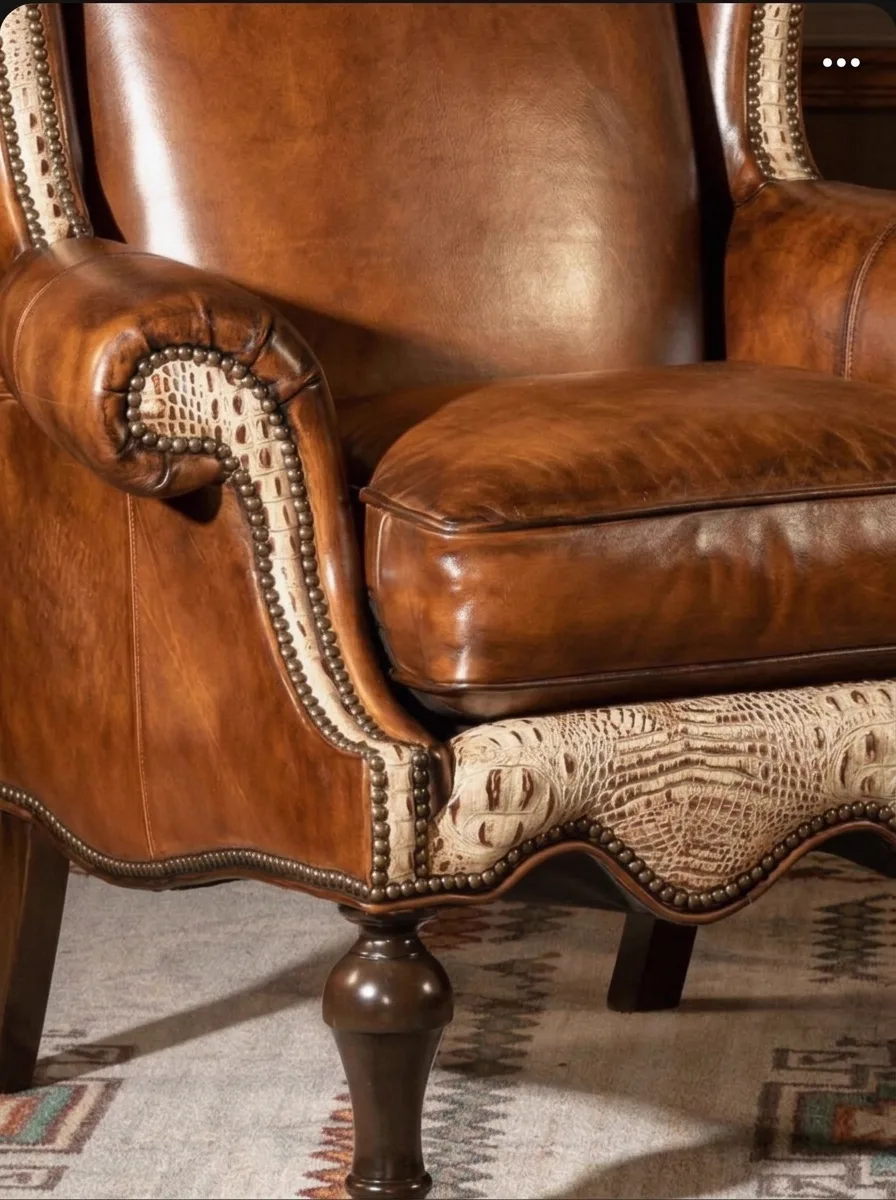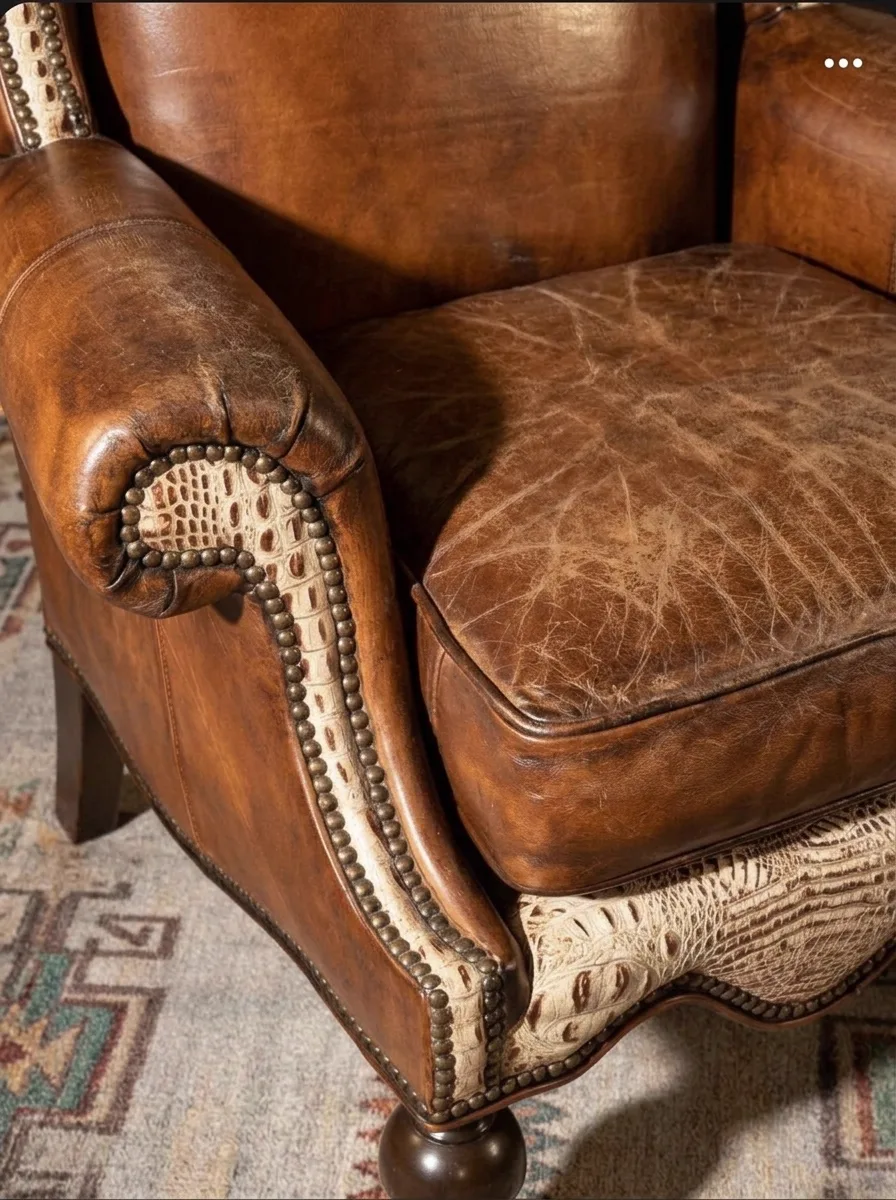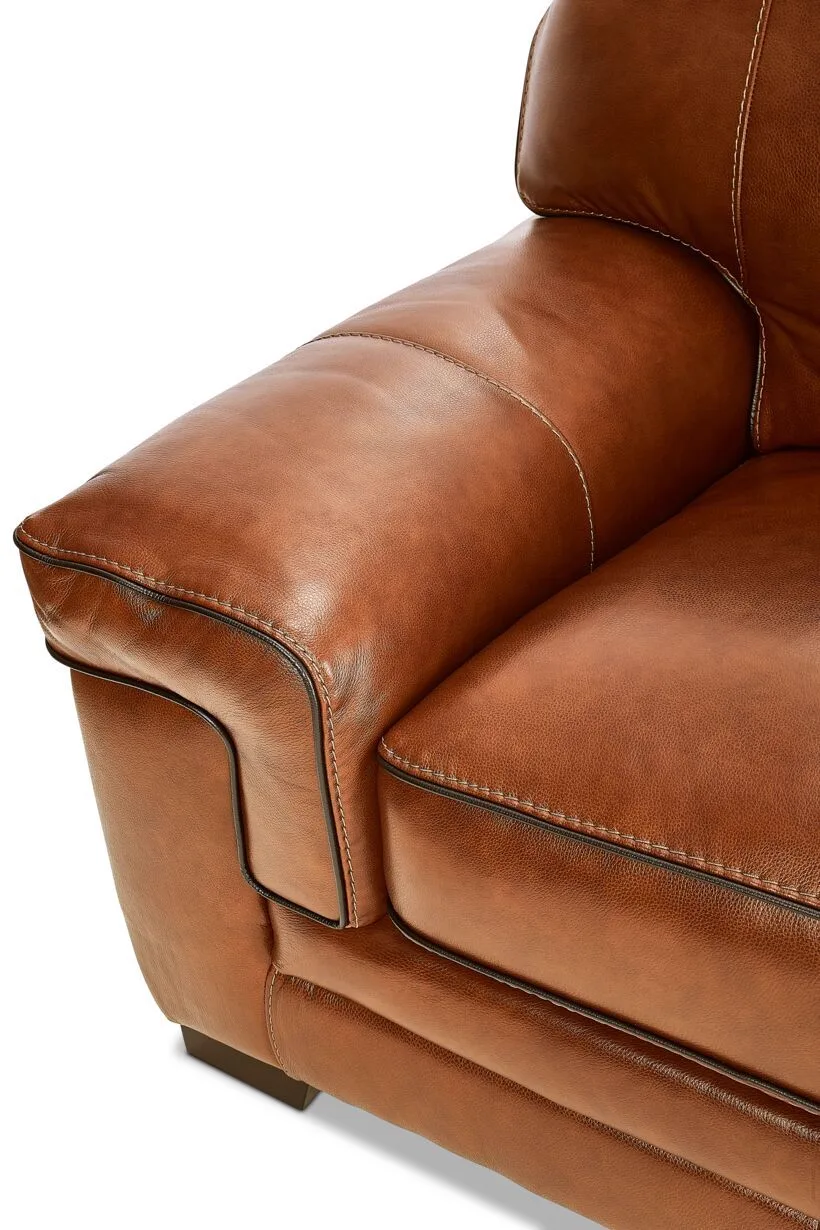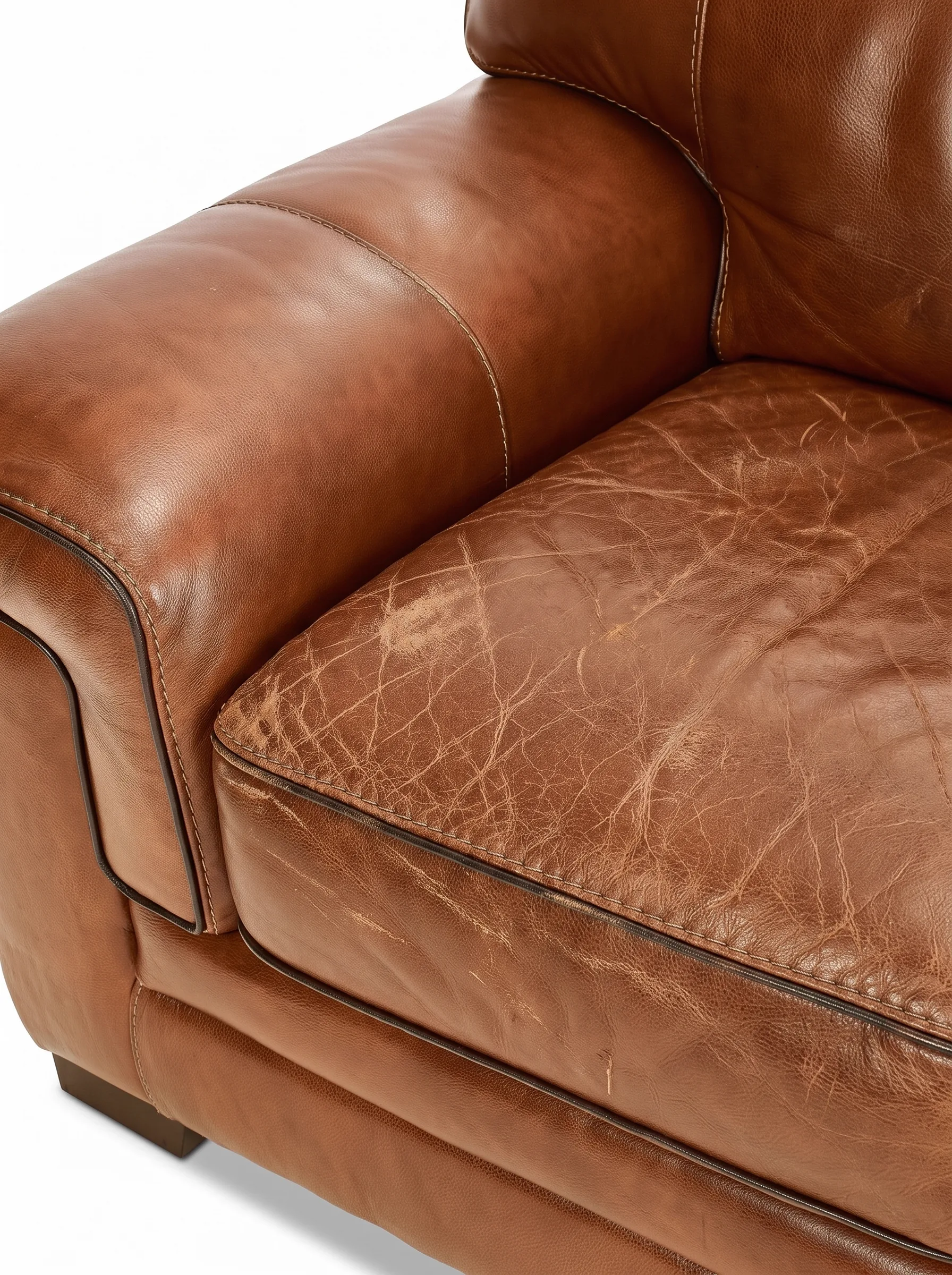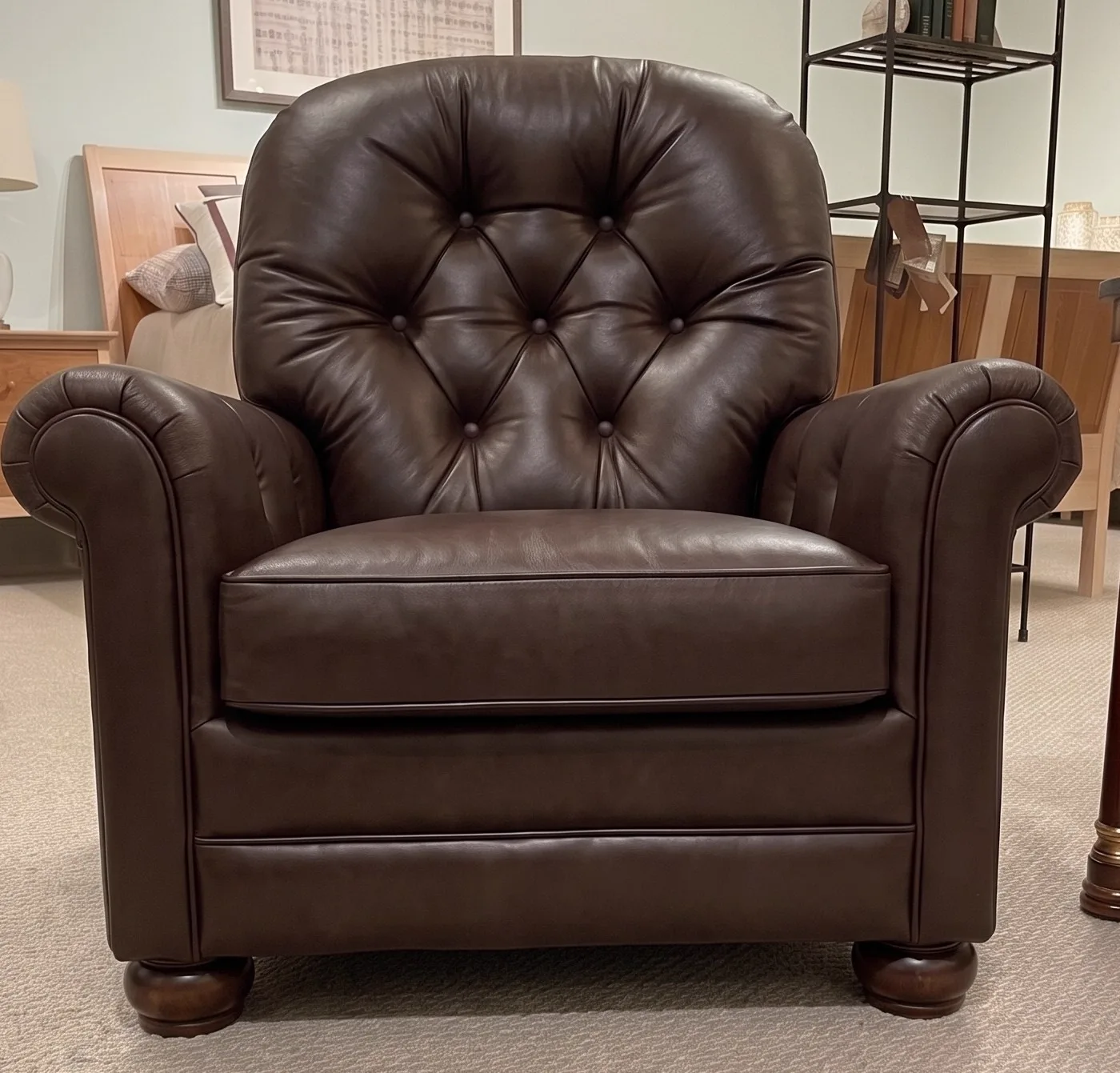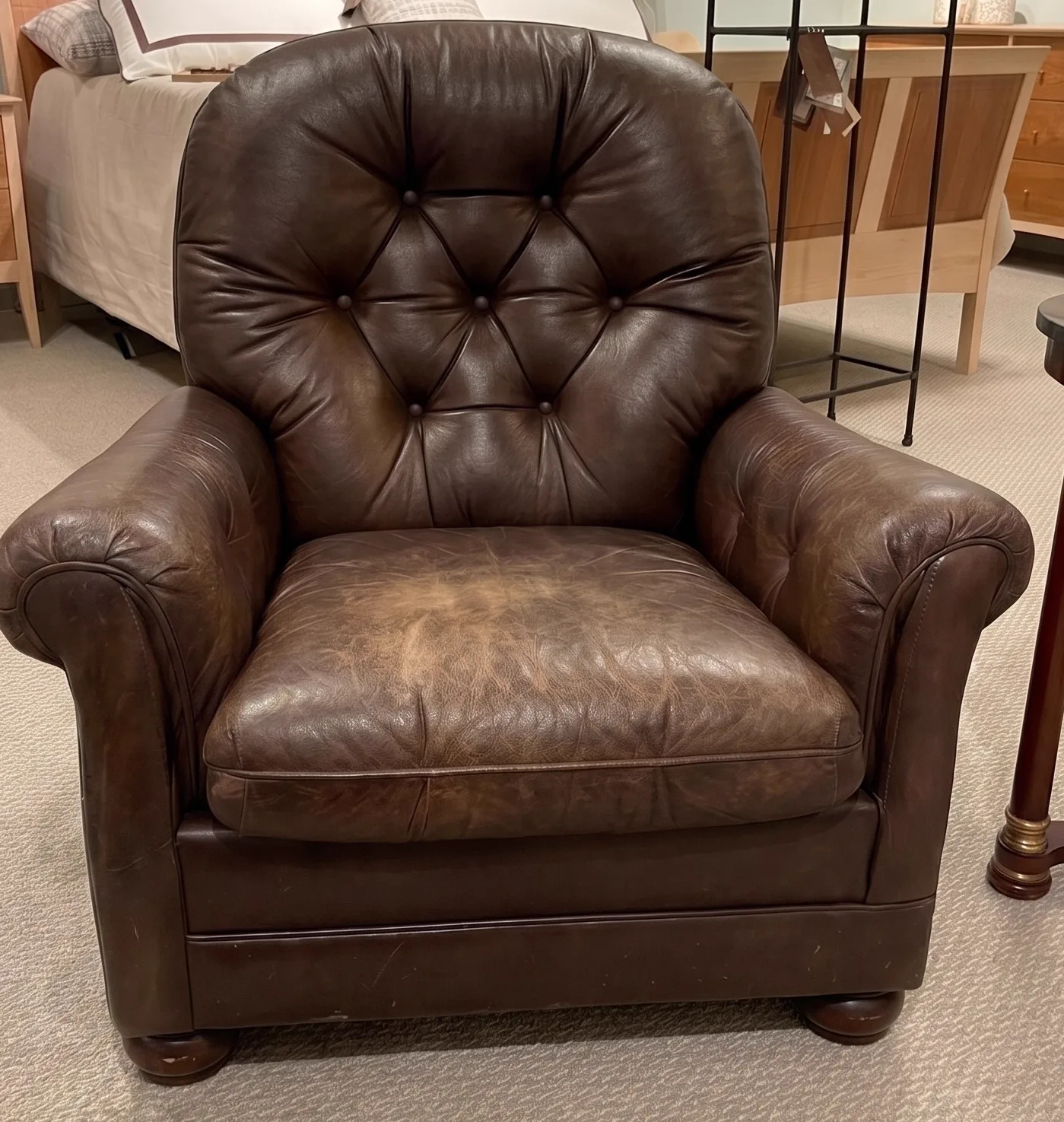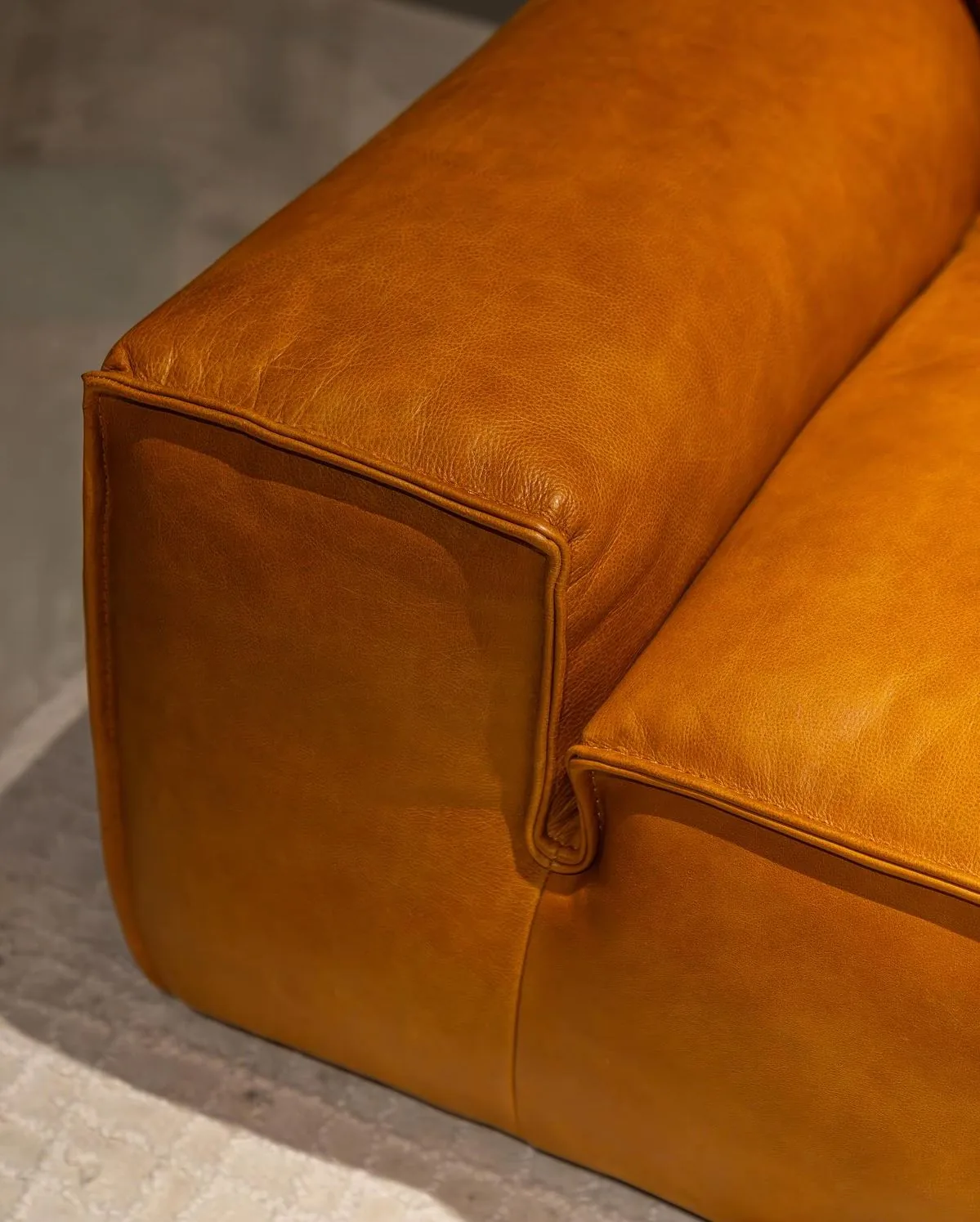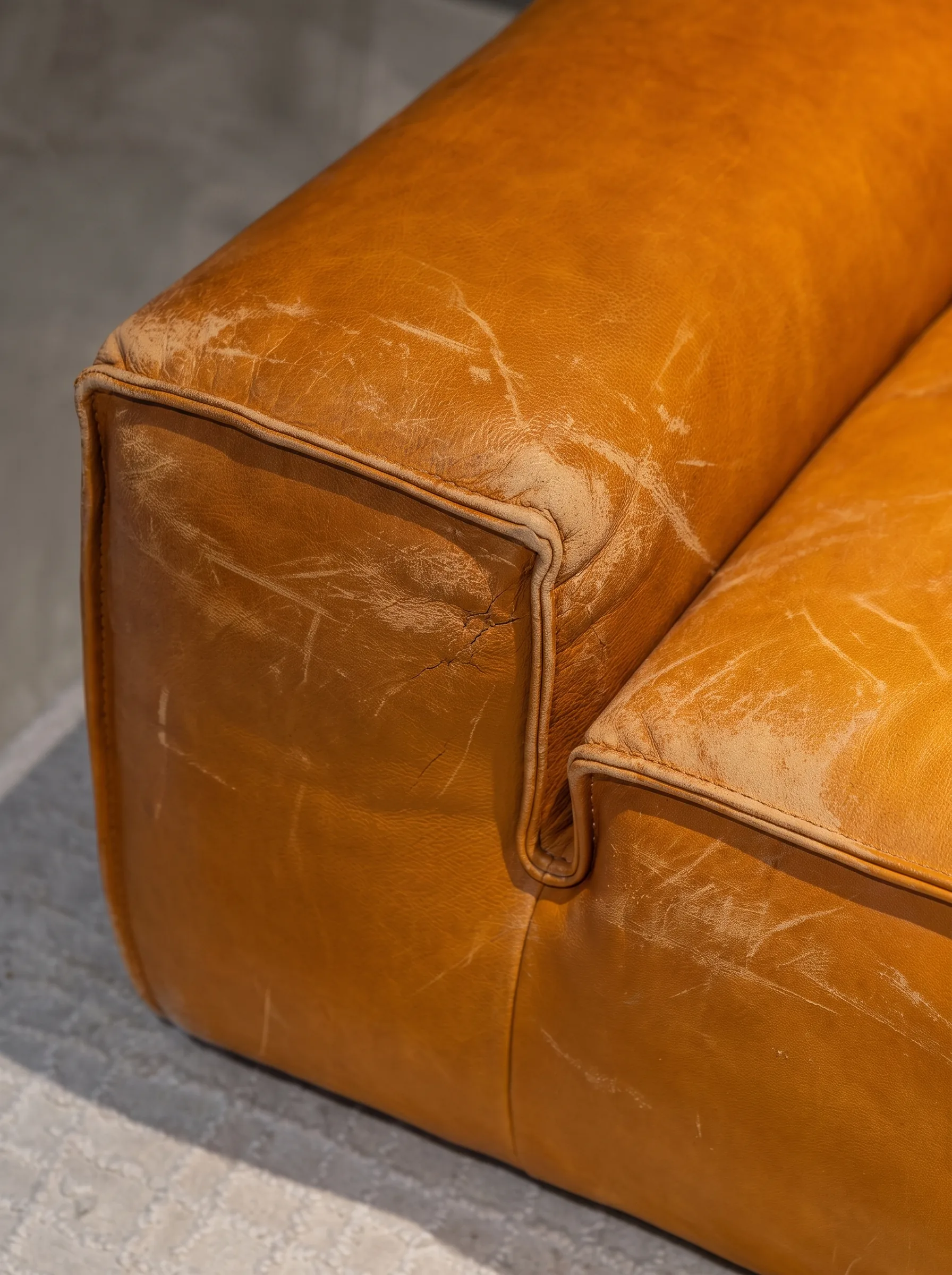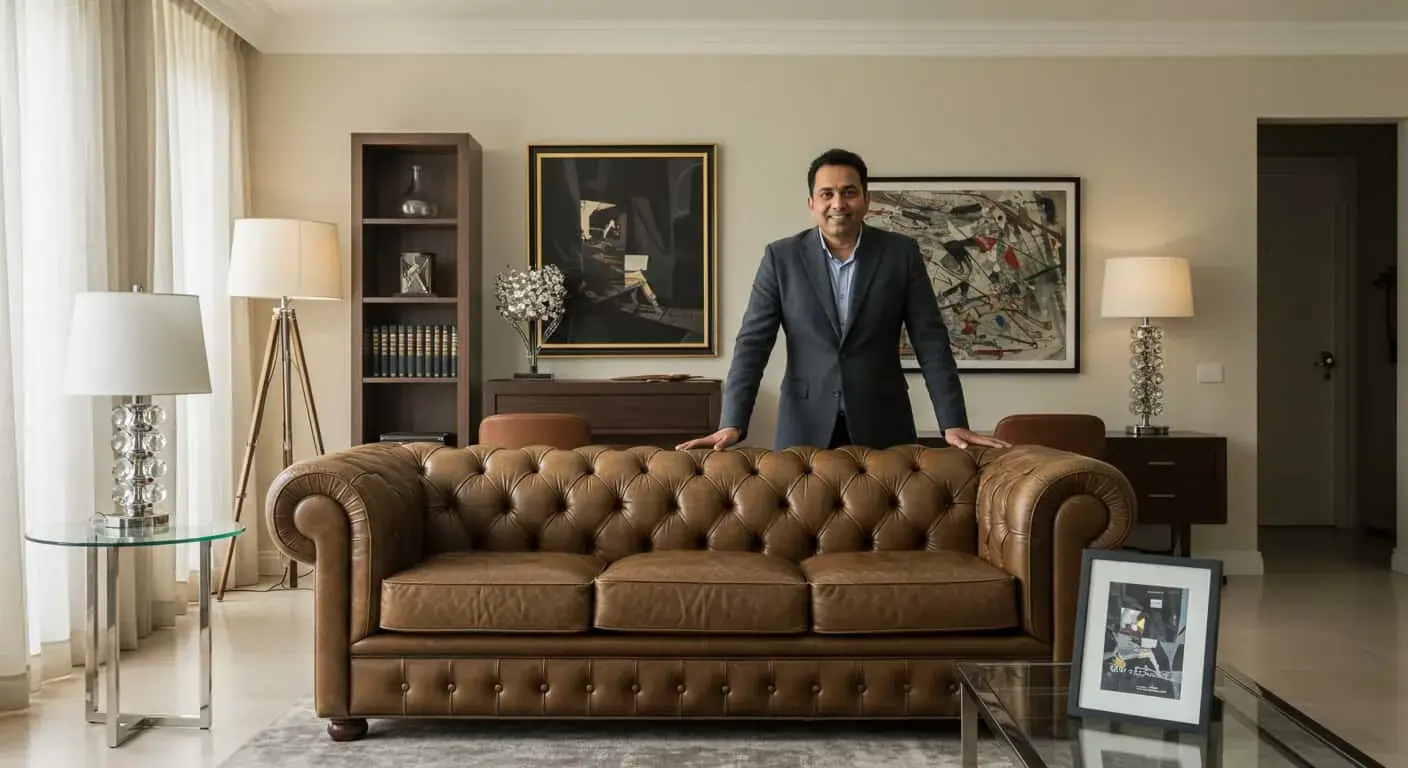
A leather sofa that receives no maintenance looks fine for two or three years, then declines fast. A leather sofa on the right maintenance schedule looks better at ten years than most sofas look at two. The difference is not expensive products or professional visits every month. It is a simple routine done consistently, matched to how Indian homes actually stress leather - AC drying cycles, monsoon humidity, summer heat, dust, and daily use. This guide gives you that routine, broken down by frequency and season.
The intake assessment data from our workshop tells the story clearly: sofas arriving for restoration that have had no maintenance typically need two to three times as much work as sofas on a basic routine - and are often at a stage where some damage is irreversible. A sofa that has been dusted weekly, conditioned twice a year, and had one professional clean arrives for its first restoration (if ever needed) in substantially better condition than one that has had nothing done to it. The numbers are not subtle.
Before You Start: The Setup Rules
Three placement and environment rules that matter more than any cleaning product. These are decisions made once, and they determine the baseline rate at which your sofa deteriorates regardless of what you do after.
- 60cm minimum from AC outlet. AC air is heavily dehumidified - typical AC output in cooling mode has relative humidity of 40 to 50% at the vent. Direct AC airflow on leather extracts fat liquor at three to four times the normal evaporation rate. A sofa directly under a wall AC unit in summer is being conditioned dry every month regardless of what products you apply. If moving the sofa is not possible, redirect the vents away from the sofa, use a deflector panel, or run the AC on fan-only mode when you are not in the room and need the sofa protected.
- No direct sunlight. UV degrades aniline dye through photochemical oxidation - the dye molecules absorb UV, the absorbed energy breaks chemical bonds, and the dye compounds transform into lighter, lower-absorbance forms. The result is visible fading within one season of two-hour daily direct exposure. UV also accelerates surface oxidation on all leather types, contributing to cracking and hardening of the pigment layer on finished leathers. If the room layout puts the sofa in sunlight, use UV-filtering curtains or window film. Standard glass blocks some UV but not all - UV-filtering film on windows reduces UV transmission by up to 99%.
- Know your finish before buying any product. Every maintenance decision - what cleaner, what conditioner, how often - depends on whether your sofa is aniline, semi-aniline, or pigmented. The water drop test takes ten seconds: a drop of water on a hidden spot, watch for 30 seconds. Absorbed = aniline or semi-aniline. Beading = pigmented. The finish identification guide explains what each result means and how to read the grain and texture as additional confirmation. Do this once and record it - you will make better purchasing decisions for the life of the sofa.
Weekly and Monthly Maintenance
Every week: dry dust (non-negotiable)
A dry microfibre cloth, a soft brush, or a vacuum with a soft brush attachment removes surface dust, pet hair, and food particles. This step is the most skipped and, in India, the most important. Dust particles are abrasive - particularly the silica-rich mineral dust common in Delhi's ambient particulate. Left on the surface and then sat upon, this dust grinds into the leather finish at the microscopic level every time the material flexes. Over months, this creates a dull, fine-scratched surface that cannot be polished back.
Delhi's PM2.5 levels (routinely 100 to 300 micrograms per cubic metre in winter, 50 to 100 in other seasons) mean the particulate film on indoor surfaces is denser than in most other cities. A sofa in an Indian home near a window or door accumulates a visible dust layer within a week during smog season. Five minutes per week with a dry cloth prevents this from compounding into finish damage. No liquid is needed for this step - adding liquid to dust creates an abrasive paste that does more harm than dry dust alone.
Every month: damp wipe for pigmented leather
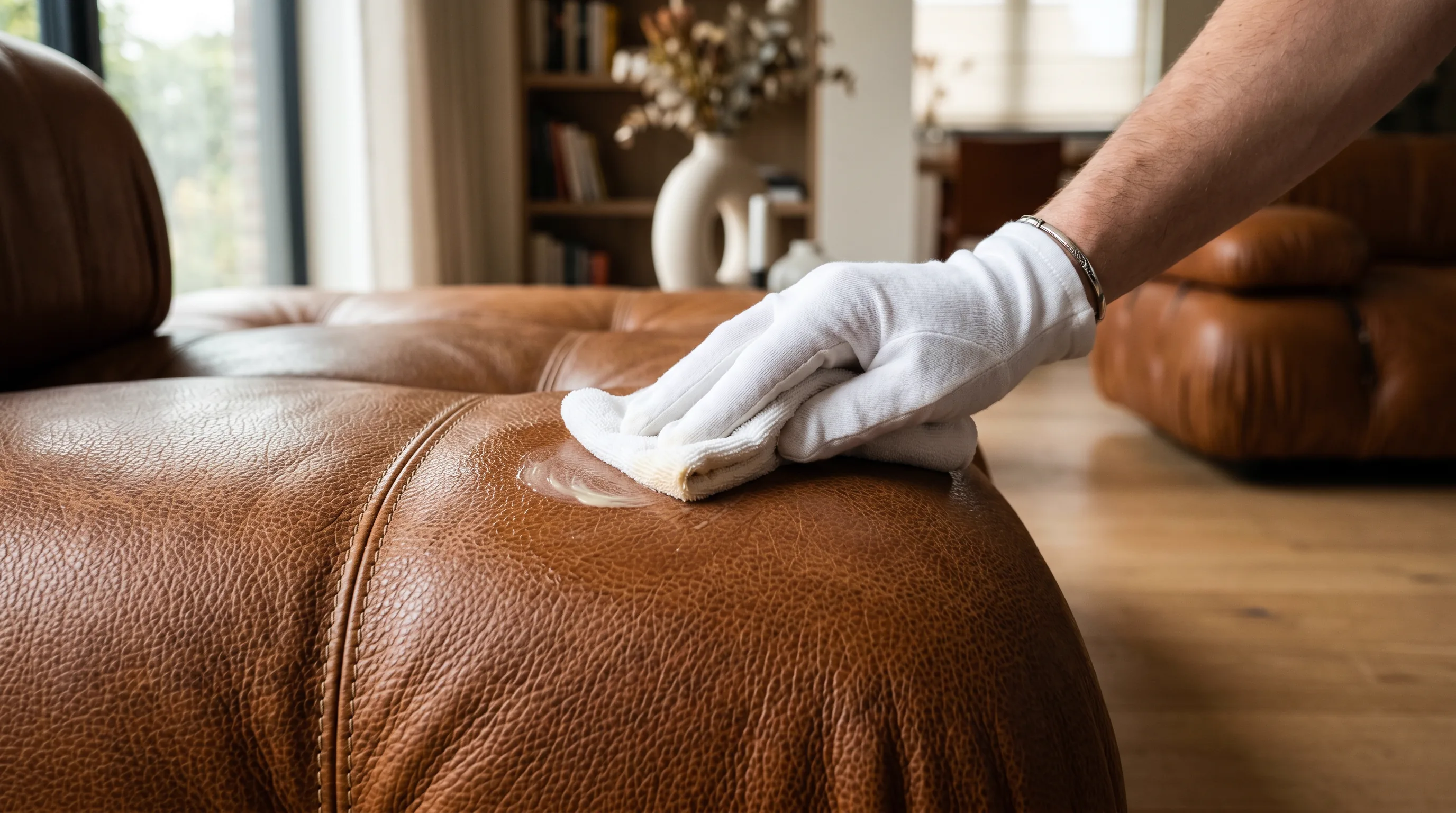
For pigmented leather: a microfibre cloth dampened with distilled water (not tap water - Delhi tap water is hard, and mineral deposits left on leather after drying create visible whitish marks that are difficult to remove) wrung nearly dry. Wipe one panel at a time in the direction of the grain. Dry immediately with a second dry cloth. This removes the surface film of body oils from skin contact, cooking vapour residue, and light soiling that builds up over a month of normal use. For a deeper monthly clean and the correct technique for each finish type, follow the leather sofa cleaning at home guide.
For aniline and semi-aniline leather, skip the damp wipe in most months. Dry dusting is sufficient for routine maintenance on these more sensitive finishes because the moisture from even a barely damp cloth can temporarily alter the surface appearance of bare aniline - a brief darkening that fades within an hour but can be alarming the first time it happens. Use a barely damp cloth on aniline only when visible soiling appears that dry dusting cannot address, and dry immediately with a second cloth.
Spill response - immediate protocol
Blot - do not rub. The distinction is critical. Rubbing a spill on leather does two things: it spreads the spill laterally across a larger surface area, and it drives the liquid downward into the fibre structure. Blotting lifts the liquid vertically without spreading it. Use a clean dry cloth. Press firmly, lift, move to a clean section of cloth, press again. Continue until no more liquid transfers to the cloth.
For water-based spills (tea, coffee, juice, chai): blot until no more liquid transfers, then leave to air dry at room temperature. Do not use a hairdryer or direct heat - heat causes the leather surface to dry too rapidly, which can create tide-mark rings visible after drying. For oil or grease spills (ghee, cooking oil, body lotion, hair product): blot surface liquid, apply a generous amount of dry baking soda or cornstarch directly over the grease mark, do not touch it for 30 minutes (the powder is drawing oil upward by capillary action - touching it disrupts this), then vacuum off gently with a soft brush attachment and wipe the area with a barely damp cloth. For curry stains specifically, act within 10 minutes - turmeric is a strong dye that bonds to protein surfaces and becomes very difficult to remove after 30 minutes.
Six-Monthly and Annual Maintenance
Every 6 months: condition (April and October)
This is the non-negotiable step. Conditioning replenishes the fat liquor that keeps leather collagen fibres sliding freely. Without it, the fibres begin to bond and the leather stiffens, eventually developing surface cracking along flex lines. The full application method - how much product, what pressure, dwell time, and buffing - is in the leather conditioning guide. For product selection by finish type and what is available in India, see the India products guide.
Schedule conditioning twice a year in India, timed around the two highest-stress periods. April conditioning protects the hide before the AC-intensive summer months (May to July) when fat liquor evaporation is fastest. October conditioning restores fat liquor before winter, when indoor heating (where used) dries air and after the monsoon season when damp-and-dry cycling has stressed the fibre. These two windows align with the natural pattern of leather stress in India's climate and require no precise date - any time in April and October is appropriate. If you would rather not handle conditioning yourself, our professional leather sofa conditioning service applies a deeper re-fatliquoring treatment at the doorstep.
For aniline leather with heavy AC exposure, a third light conditioning session in July (mid-summer) may be warranted if the hide begins to feel noticeably less supple than after the April treatment. Feel the seat cushion edges - if they have hardened relative to the back cushions (which get less direct AC), a supplemental conditioning is justified.
Once a year: professional deep clean
Home cleaning removes surface soiling. Professional cleaning uses extraction equipment to remove embedded soiling from the hide structure - body oils that have penetrated the grain, airborne cooking vapour deposits that home cleaning cannot fully reach, and any residue from care products building up in the pore structure over time. This embedded soiling cannot be removed by surface wiping, regardless of product. Attempting to do so with stronger home products typically damages the finish before it removes the embedded contamination.
A professional clean once a year extends the period between conditioning requirements (because clean pores absorb conditioner more effectively), catches any early damage before it progresses, and gives a trained eye the opportunity to assess the sofa's condition and flag anything developing before it becomes a costly repair. The Delhi NCR professional cleaning service includes conditioning as standard and covers doorstep service across all NCR areas. Timing the professional clean for March (before summer) or September (after monsoon, before winter smog) aligns with the natural maintenance cycle.
Seasonal Adjustments for India
Summer (April to June): peak AC stress
This is the highest-risk season for fat liquor loss in India. AC units run 12 to 18 hours per day. Indoor relative humidity drops to 30 to 45%. The hide dries faster in these three months than in the remaining nine combined. The April conditioning is critical - do not postpone it into May or June when the damage is already accumulating. Condition in the first two weeks of April before the AC season begins in earnest.
Additional summer precautions: do not place cold water glasses or chilled beverage cans directly on leather - condensation moisture enters the grain surface, then rapid evaporation in low-humidity air pulls fat liquor to the surface with the moisture. Always use coasters. Do not leave leather cushions in direct sunlight from open balcony doors during morning hours. Avoid sitting on the sofa immediately after applying sunscreen or body lotion - these products transfer to leather and some formulations (particularly those containing silicone or mineral oil) affect the finish chemistry.
Monsoon (July to September): humidity and mould risk
The monsoon leather care guide covers this season in full with specific protocols. The key risk is mould - monsoon humidity in India reaches 80 to 90% RH, which creates conditions where mould can establish on leather surfaces, particularly in seam gaps, cushion undersides, and the rear panels that receive no air circulation. Run AC in dry mode when home - dry mode dehumidifies without aggressive cooling, protecting leather from both humidity extremes (too wet creates mould, too dry creates fat liquor loss).
Inspect seam areas and cushion undersides weekly during July and August. Mould appears as small grey-green or black patches, often beginning in the seam lines. Caught within the first week, surface mould on pigmented leather can be removed with a cloth barely dampened with 70% isopropyl alcohol diluted 1:3 in water, wiped and dried immediately. For aniline leather with mould, call a professional - alcohol on bare aniline risks stripping the dye. Mould that has penetrated seams or is returning within weeks of cleaning has reached the backing fabric and needs professional treatment.
The monsoon season also creates the damp-dry cycling that stresses leather fibre: the hide absorbs ambient moisture during high-humidity periods, then dries rapidly when AC is run. This cycling accelerates fat liquor migration to the surface and evaporation. Conditioning after the monsoon season ends (September or October) restores what the cycling has depleted.
Winter (November to February): smog and dust
Smog season in India means PM2.5 levels regularly exceeding 200 to 400 micrograms per cubic metre in November and December. Fine particulate settles on all indoor surfaces daily, including leather. Increase dry dusting frequency to twice weekly during November through January. The winter smog leather care guide explains why wiping smog film with a damp cloth without dry-dusting first causes micro-scratching - the particulate becomes an abrasive paste. Always dry-dust before any damp wiping during smog season.
Winter indoor heating where used (room heaters, oil radiators, heat pumps) also dries air. If you use a room heater, keep the leather sofa at least 1.5 metres away from it. The October conditioning handles winter preparation; if you have heavy heater use through December and January, a supplemental light conditioning in January is warranted for aniline and semi-aniline sofas.
Everyday Habits That Extend Sofa Life
- Rotate cushion positions every 3 months. Seats take significantly more load than backs. The seat cushions at the most-used positions (typically centre seat or one end seat) develop compression and crease-set faster than the rest. Rotating cushions between positions - swapping seat to back positions and rotating seat positions left-to-right - distributes wear and prevents one area developing permanent deformation before the sofa is anywhere near end of life.
- No sharp objects on leather surfaces. Keys, belts with metal buckles, children's toys with hard edges, rings worn on hands when sitting - all cause surface cuts and abrasion marks. Leather cuts penetrate the fibre structure and cannot be fully repaired without visible professional colour-matching work. The cut panel retains a faint outline of the repair even with professional fill and re-pigmentation.
- No newspaper, printed packaging, or dyed fabric directly on leather. Newspaper ink transfers to leather on pressure contact - the oils in printing ink bond with leather protein and the colour cannot be removed without stripping the finish. Dyed fabric (particularly freshly washed dark jeans or dark denim) can transfer dye to aniline leather permanently. Use a neutral-coloured cotton throw as a barrier if dye transfer from clothing is a concern on light-coloured aniline sofas.
- No sitting on armrests. Armrests are not structurally designed to bear body weight. Regular sitting on armrests causes seam failure at the armrest-seat junction, panel deformation under load, and in some sofa constructions, frame stress that cannot be repaired without full reupholstery. The leather in the armrest zone is also typically thinner than seat leather, so it shows wear faster under load it was not designed for.
- Coasters without exception. Hot cups cause localised heat damage to leather finish - at temperatures above 60 degrees C (typical for freshly made chai), the pigment layer on pigmented leather can soften and deform, leaving a permanent ring mark. Cold glasses cause condensation moisture damage: the water droplets enter the grain, and when the area dries (accelerated by AC airflow), the drying process pulls fat liquor to the surface where it evaporates, leaving a tide-mark ring. Both types of marks are visible to the eye and require professional treatment to minimise.
- For homes with pets - specific protocol: See the full guide to protecting a leather sofa from pets. Trim pet nails every 3 to 4 weeks. Use washable cotton throws over the pet's preferred sofa spots (the throw absorbs the dander oils and is washable; the leather is not). Blot pet accidents immediately with a dry cloth, then a barely damp cloth. Do not use commercial pet odour eliminators directly on leather - most contain enzyme solutions or peroxide-based oxidisers that are not safe for leather chemistry. If a pet urine accident has soaked in and cannot be addressed within minutes, call a professional. Urine that sets in the foam absorbs permanently and creates persistent odour that surface cleaning cannot address.
"The most expensive repair jobs we handle are always sofas that had two or three years of no maintenance, then one bad DIY cleaning attempt with the wrong product. The sofa arrives needing full re-pigmentation, conditioning treatment, and seam repair - work that costs more than the full maintenance bill for the same sofa over five years. There is no shortcut to this arithmetic." - Tyson, Lead Artisan, The Leather Restorators
Warning Signs That Need Professional Attention
Maintenance prevents these problems from developing. If you are already seeing them, home maintenance will not fix them - it may make some of them worse. Professional assessment is needed to determine what is recoverable and what the correct treatment sequence is.
- Surface cracking that does not soften after two conditioning applications: The fibre bonding that causes visible cracking is beyond what surface conditioning can reverse. Professional re-fatliquoring (deeper penetration conditioning) and crack-fill treatment is required.
- Colour change - darkening, lightening, or uneven tonal patches: Colour change indicates either dye damage (UV fading, chemical contact) or finish layer compromise. Neither is reversible through home cleaning. Re-pigmentation with colour matching is required.
- Persistent odour after cleaning - rancid, musty, or chemical smell: Persistent smell originates below the surface - in the foam core, the backing fabric, or from oxidised fat liquor or applied oils inside the fibre. Surface cleaning cannot address sub-surface contamination. The source must be identified and treated at depth.
- Peeling or flaking surface: On real leather, this indicates the pigment layer is separating from the hide - typically from chemical damage or severe fat liquor loss. On leatherette (see the leatherette guide), it is PU delamination. Both require professional treatment; neither is correctable at home.
- Stiffness that does not improve with conditioning: If two conditioning applications produce no measurable improvement in suppleness, the fat liquor deficit is severe enough that professional re-fatliquoring is needed. Continuing to apply surface conditioner over severely bonded fibres may improve surface feel slightly without addressing the structural stiffness.
- Set ink, grease, or dye transfer stains that home cleaning cannot remove: Stains that have had more than 24 hours to bond with the fibre are typically beyond home product capability. The longer they sit, the more the stain compounds integrate with the leather structure. Professional extraction with commercial-grade solvents and extraction equipment is required.
- Mould returning within 2 to 3 weeks of home treatment: Recurring mould means the spores have established in the seam backing fabric or foam. Surface treatment kills the surface colony but not the subsurface source. The seam needs professional treatment and re-sealing.
For any of these, the professional assessment service identifies what is recoverable and what the repair involves before any commitment to a service. Assessment is always done before any treatment recommendation - the right intervention depends on the specific condition of the specific sofa.