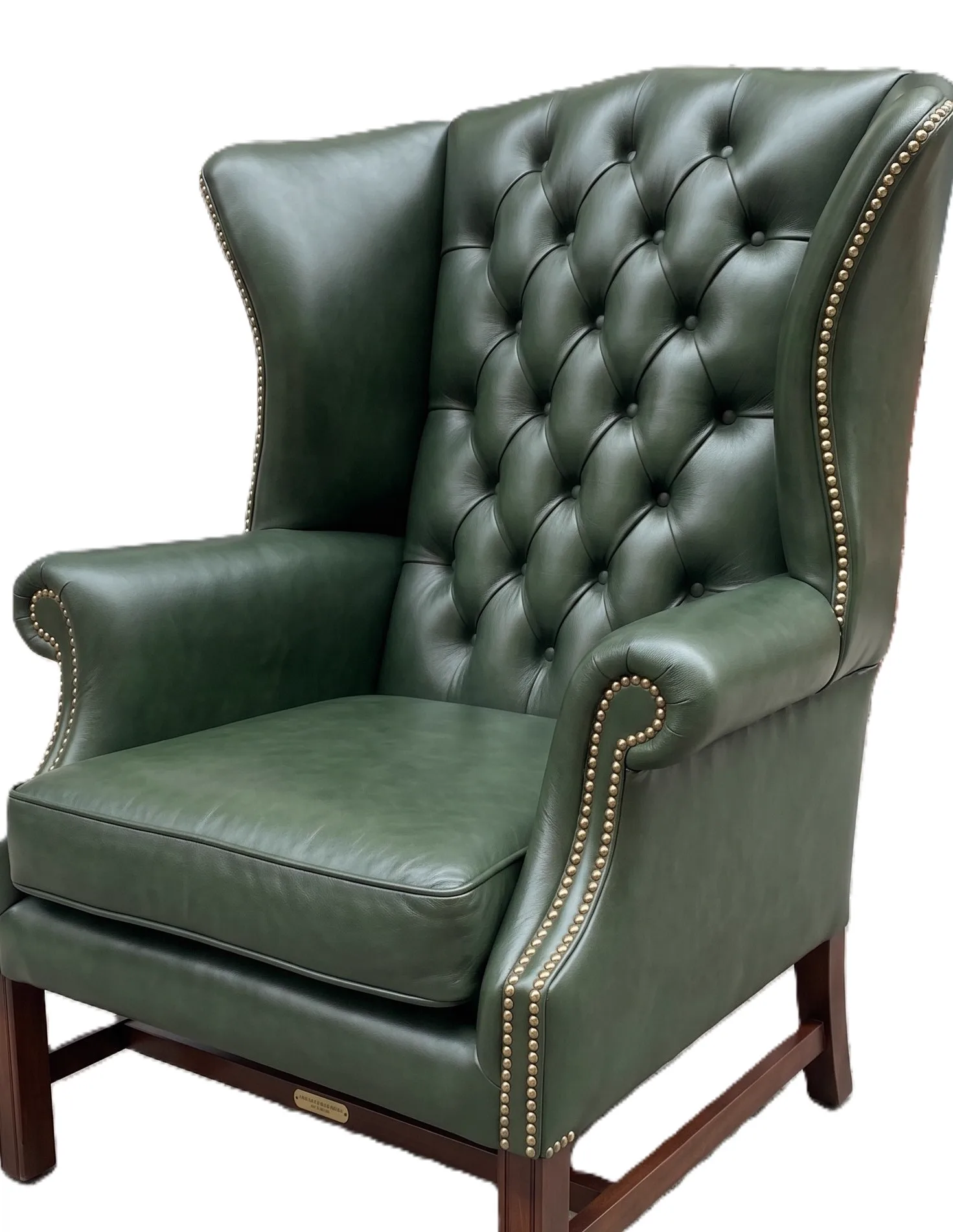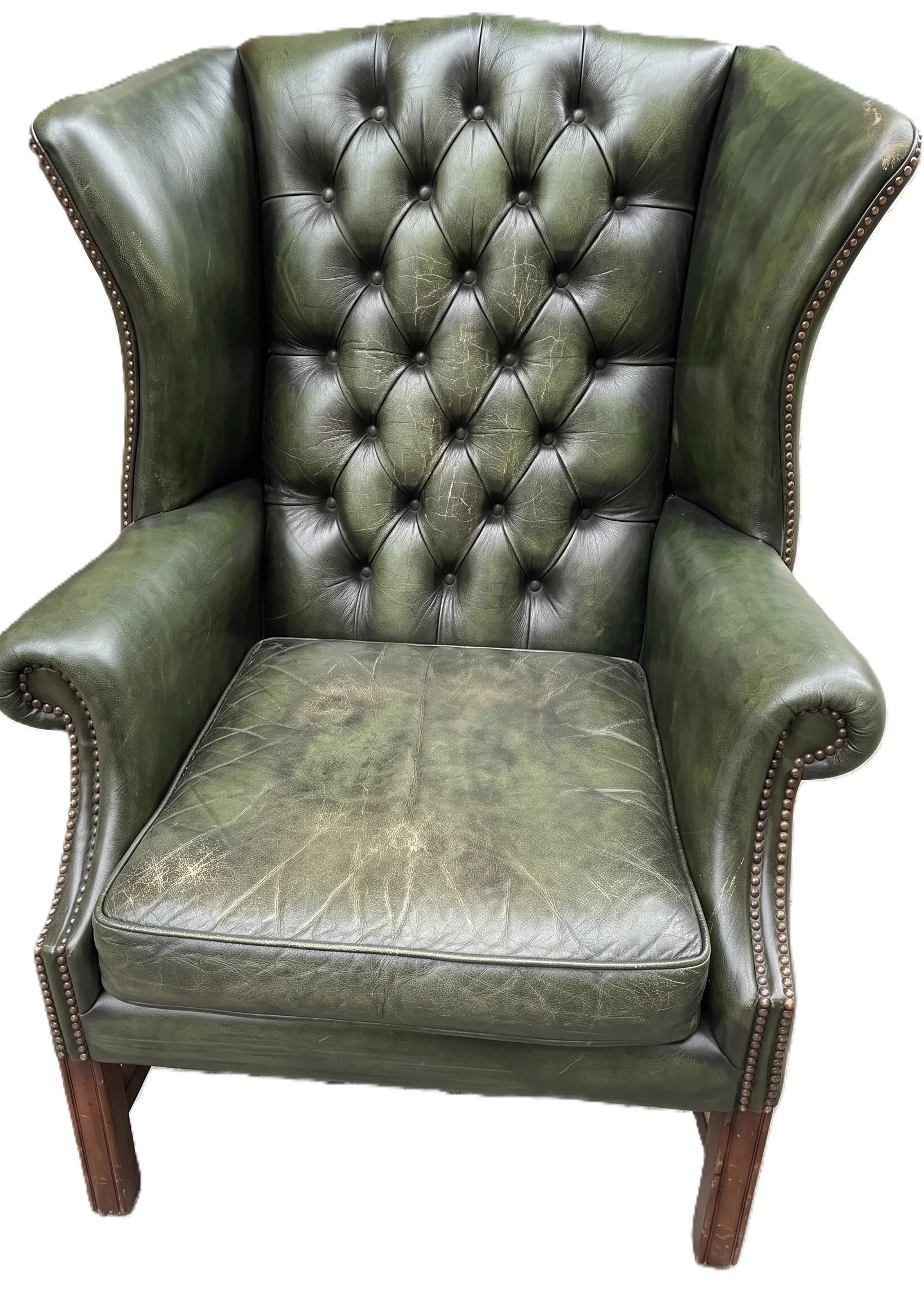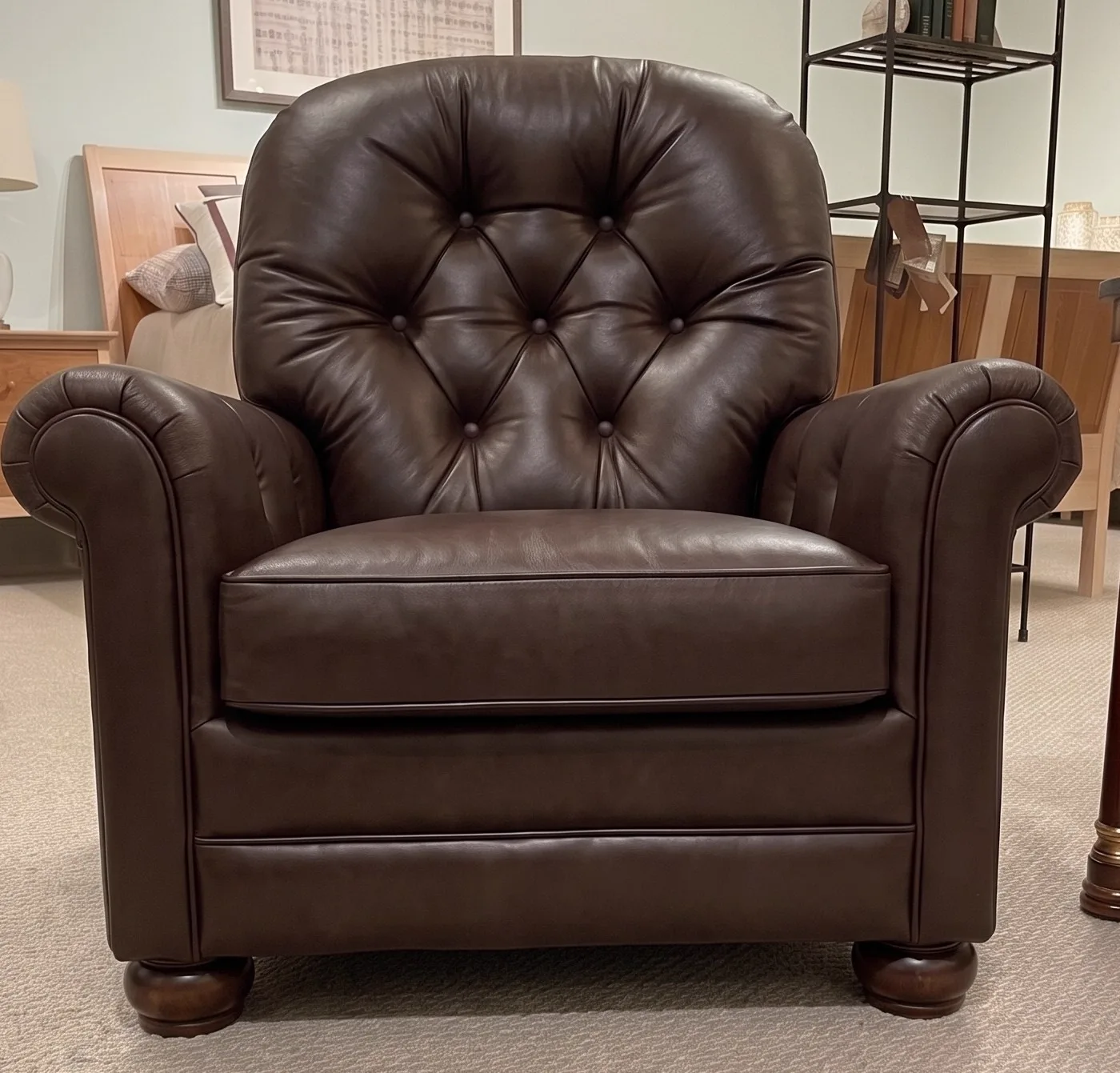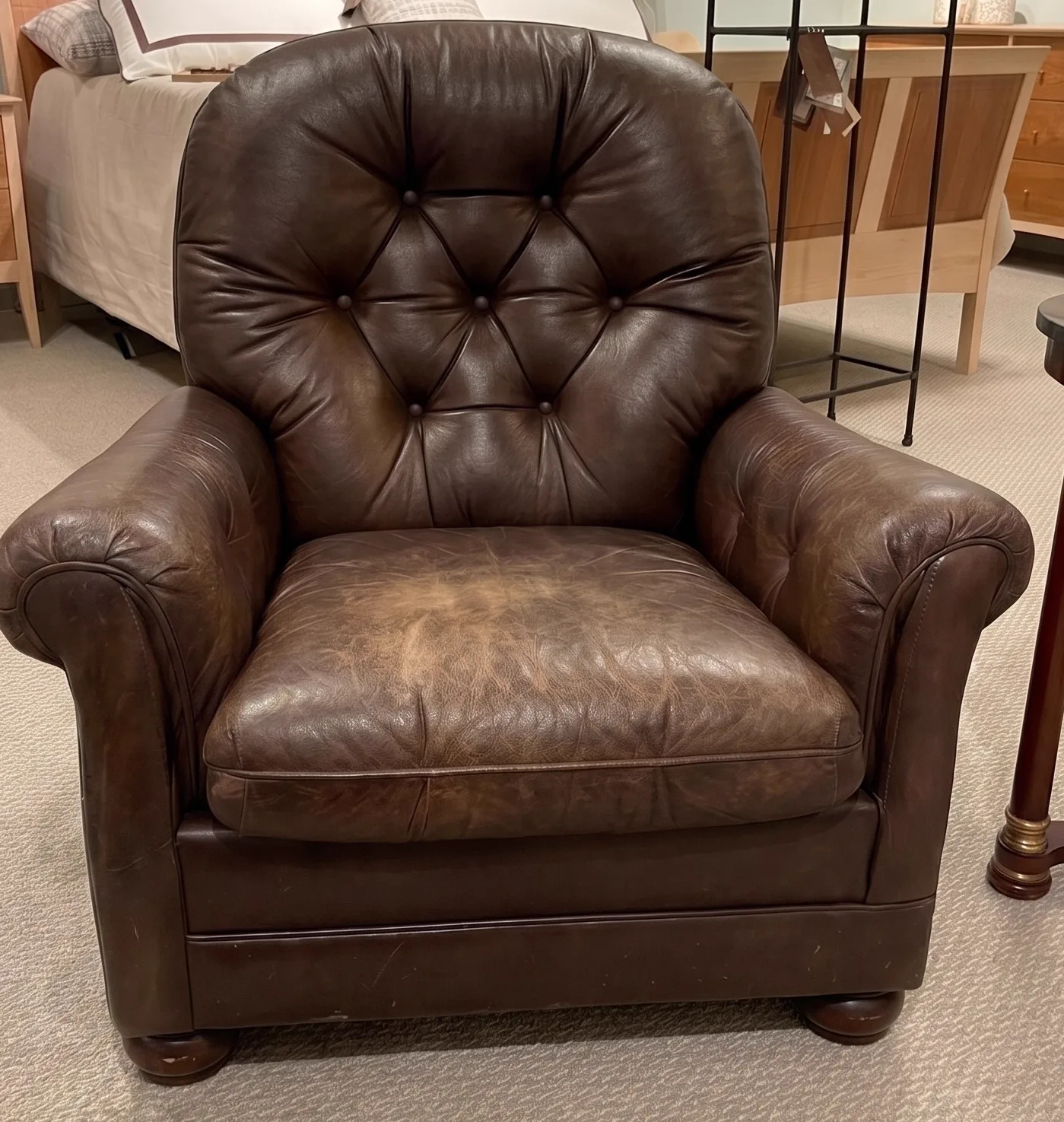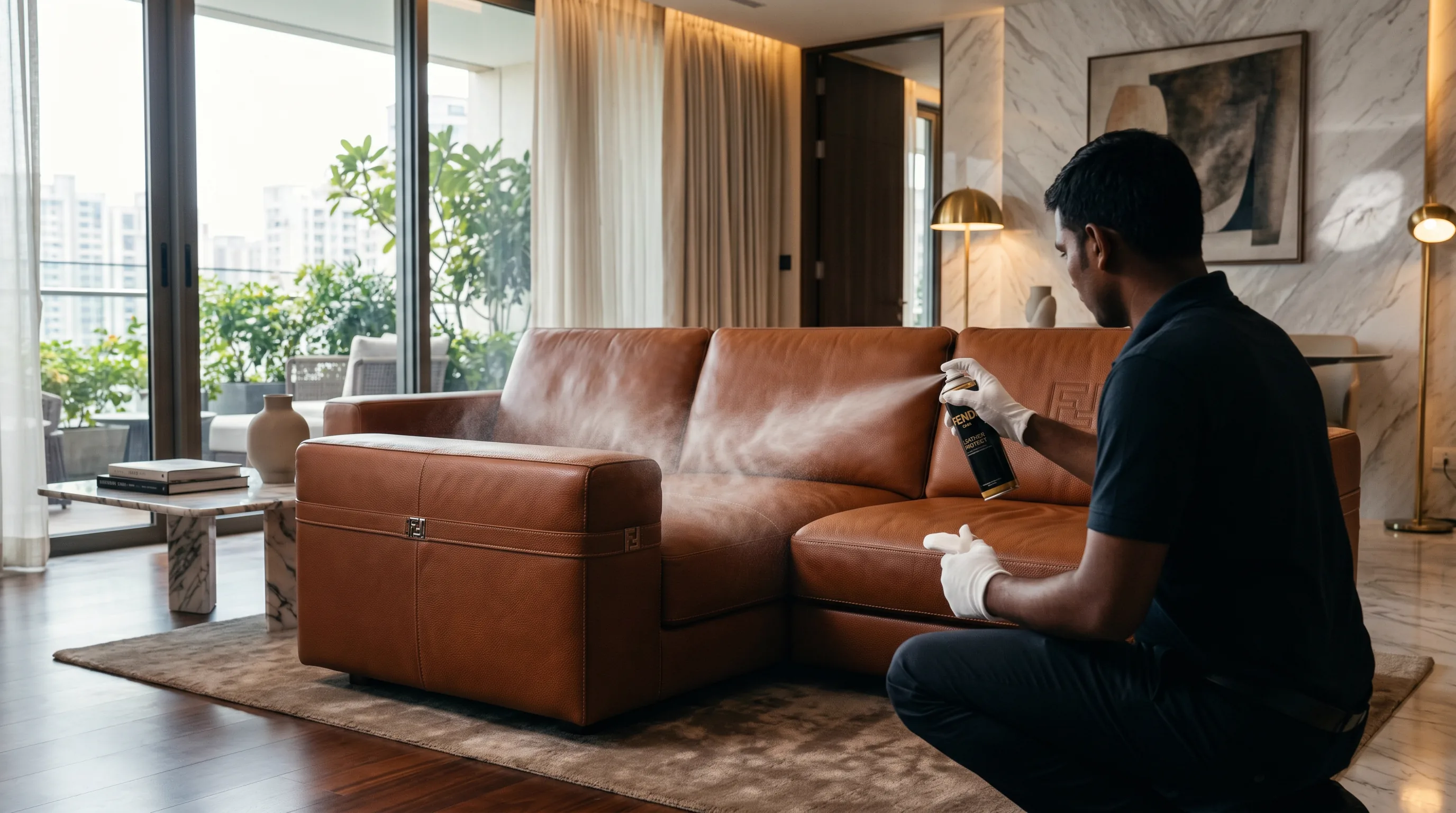
If your leather sofa has slowly dulled and stiffened over the past few winters, Delhi NCR smog is the likely cause. From mid-October through February, the air across Delhi, Gurugram, Noida, Faridabad, and Ghaziabad carries PM2.5 and PM10 particulate [fine airborne particles] that settles continuously on every surface in the region , including the seat cushions, arm caps, and back panels of your sofa. The particles are not just physical dirt. They are a chemical attack: sulphate, nitrate, and ammonium compounds that dissolve into micro-droplets of dilute acid and work against the leather's top-coat binder, aniline dye, and fat liquor [the oils built into leather during tanning] throughout the season. By February the cumulative dose has already shifted the chemistry of any unprotected hide. By the third winter, the damage is visible. This article covers the smog chemistry, how indoor exposure works, and the five protection steps that keep luxury sofas through the worst eight weeks of the NCR calendar. The full year-round climate guide is the companion article on monsoon leather care for Delhi NCR; technical terms are defined in the leather conservation glossary.
What Is Actually in Delhi NCR Winter Smog?
Delhi NCR winter smog is not generic urban dust. It is a specific chemical mix of fine particulate matter , PM2.5 particles below 2.5 micrometres in diameter , and coarser PM10, with a documented chemical payload studied by IIT researchers, the Central Pollution Control Board, and multiple winter monitoring programmes across the region.
The main chemical components on a typical NCR winter day are: sulphates from coal-fired power and industrial diesel; nitrates from vehicle exhaust and biomass burning; ammonium compounds from agricultural sources and crop-burning haze drifting in from Punjab and Haryana; and a measurable load of heavy metal residues , chromium, lead, arsenic , from industrial corridors surrounding NCR. Post-Diwali weeks add perchlorate, barium, and strontium from firework combustion. That layer takes weeks to clear.
The size of the particles matters as much as their chemistry. PM2.5 particles are small enough to penetrate the open pore structure of aniline-finished leather. They lodge inside the grain layer where normal dusting cannot reach them. Once inside, they continue reacting from within the hide. This is what makes smog damage different from ordinary surface dust , it moves inward and works from the inside out.
The chemistry rule: indoor air quality in NCR through the winter smog months is the single biggest environmental variable for leather preservation. Track AQI every day from mid-October through February. Above AQI 200 outdoors, the indoor chemistry is already affecting unprotected leather , regardless of how sealed the room looks.
How Does Smog Actually Damage Leather?
Smog damages leather through three sequential mechanisms. Each works on a different timescale and leaves a different visible mark. This is why owners typically misread the damage as ageing, sun fade, or a manufacturing defect rather than cumulative chemical exposure over multiple winters.
1. Acid attack at the surface
Sulphate and nitrate particles settle on the leather surface and combine with ambient humidity , even the 30 to 50 percent indoor humidity typical of NCR winters , to form micro-droplets of dilute sulphuric and nitric acid. These droplets gradually attack the top-coat binder on pigmented and semi-aniline finishes, and the dye complex on aniline finishes. It is the same mechanism as acid rain on building stone, running at a smaller scale on leather. The technical pathway is in the pH balance of leather guide. Surface pH below 3.5 begins acid hydrolysis [chemical breakdown by acid] of collagen and dye chemistry.
2. Particulate embedding in the grain layer
PM2.5 particles penetrate the natural pore structure of aniline and pull-up finishes and lodge inside the grain layer over weeks of exposure. Once embedded, they continue reacting from within: corroding the fibres they contact, creating points where additional moisture absorbs, and producing a darkened dull tone that no consumer cleaning reverses. Workshop deep-pore extraction is the only way to lift embedded smog particulate. The surface may look clean while the chemistry inside is already compromised.
3. Heavy metal binding to fat liquor
Trace heavy metal residues in NCR smog , chromium, lead, arsenic at very low concentrations , bind to the fat liquor inside the hide over months of cumulative exposure. The bound metals trigger oxidation reactions that gradually strip the fat liquor of its lubricating function. Your sofa develops the dry, papery feel that owners attribute to age. It is actually the signature of metal-catalysed fat liquor degradation. The mechanism and recovery steps are in the companion guide on the science of moisturizing.
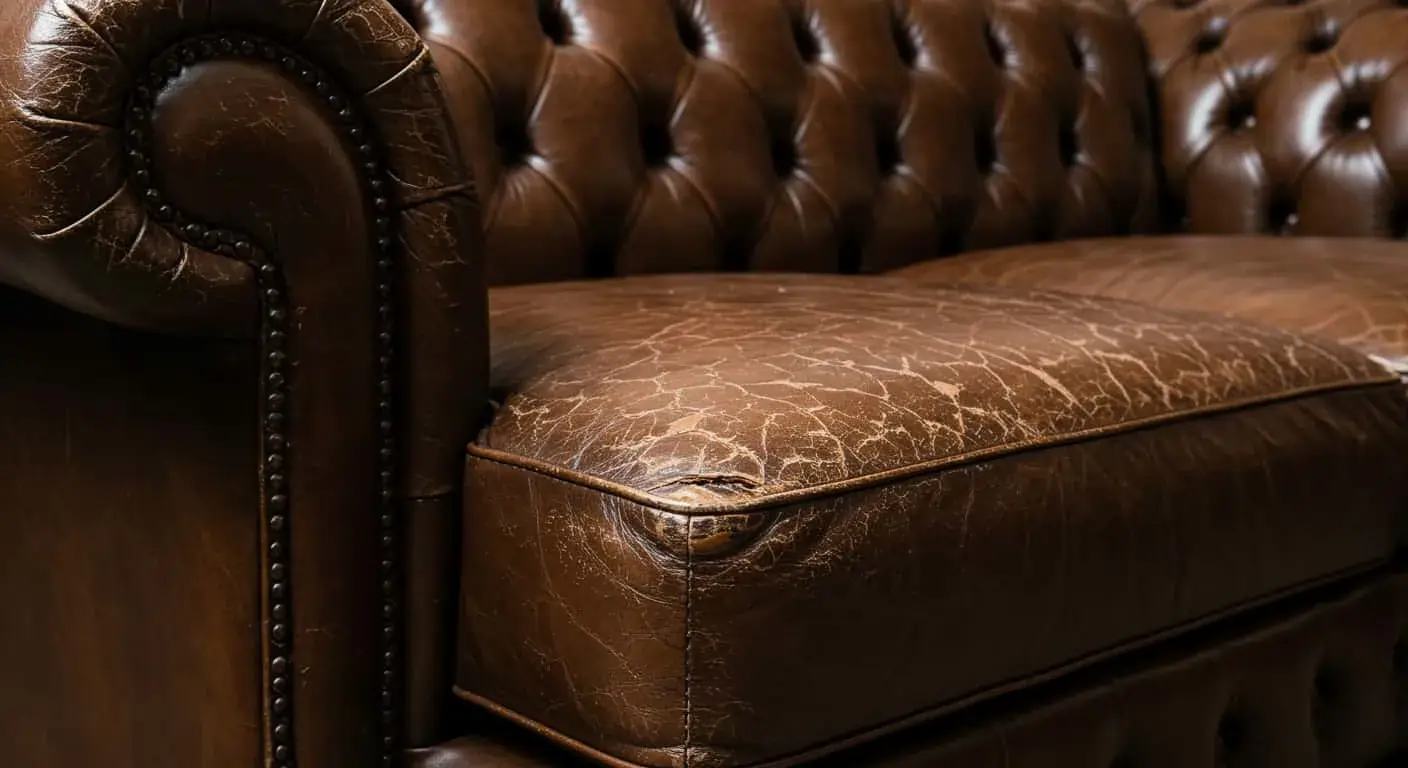
"By the time you notice your leather has dulled, the chemistry has been running for two winter seasons. The damage builds invisibly until it becomes structural."
Does Your Sofa's Location in the Room Actually Matter?
Indoor exposure varies sharply by room layout, ventilation pattern, and proximity to outdoor air sources. The same Natuzzi sofa in the same Gurugram apartment can receive a very different cumulative smog dose depending on which room it sits in.
Highest risk: Sofas within three metres of a balcony door, an unfiltered window that opens at any point during smog season, or an HVAC return that draws unfiltered outdoor air. Open-plan drawing rooms in DLF Phase corridors and Noida sectors above the 8th floor often see indoor PM2.5 at 80 percent of outdoor readings , a direct result of building HVAC design.
Moderate risk: Sofas in fully sealed interior rooms with HEPA-filtered air conditioning, doors closed except for entry, and no direct outdoor air path. Indoor PM2.5 here may run at 30 to 50 percent of outdoor levels. The chemistry is slowed, not stopped.
Lowest risk: Sofas in rooms with continuously running HEPA purification, indoor AQI monitored below 100, and humidity controlled below 45 percent. Rooms like this exist primarily in Lutyens-zone bungalows with custom HVAC and select penthouse installations across NCR. Even in these rooms, total isolation is not possible , particulate enters through doors, on clothing, and on the hair of household members.
The room-by-room difference matters because it determines which level of protection is worth the investment. A Poltrona Frau Pelle SC armchair in a south-facing Gurugram penthouse drawing room is in the highest exposure category and needs every protection layer. The same chair in a sealed interior study with monitored air quality may need only weekly dusting and a seasonal pH-neutral cleaning. Match the protection to the room.
Which Leather Finish Is Most Vulnerable to Smog?
The three premium finishes covered in the aniline, semi-aniline, and pigmented guide respond to smog exposure differently. The more protection a finish needs, the higher up this list it appears.
Aniline
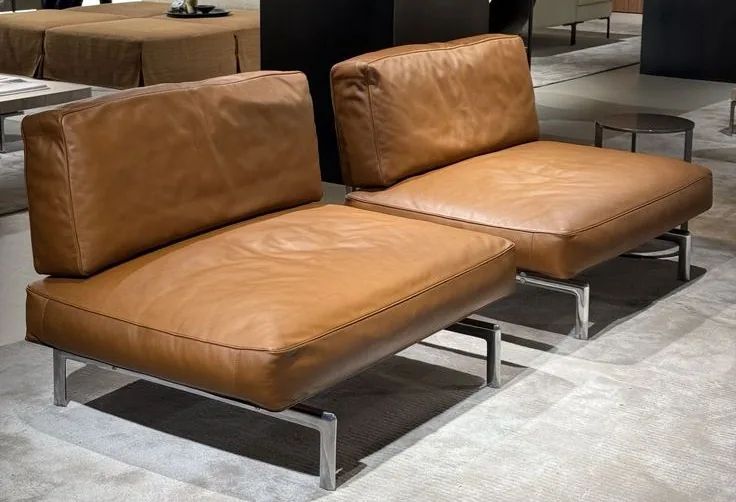
Aniline finishes are the most vulnerable to NCR winter smog and need the most protection. The open pore structure that gives aniline its tactile depth also lets PM2.5 particulate straight into the grain layer. Once inside, the particles stay there until workshop deep-pore extraction lifts them. Visible darkening and dulling appears within two to three unprotected winter seasons. Expert protection through the smog months is non-negotiable on aniline sofas from Poltrona Frau, Natuzzi Iconic, and Fendi Casa.
Semi-aniline
Semi-aniline finishes have a thin pigment layer that absorbs some of the surface chemistry and slows particulate embedding. This protection is partial , particulate still deposits and acid hydrolysis still attacks the binder , but cumulative damage runs at roughly half the rate of pure aniline. Semi-aniline sofas can tolerate one or two winters of light exposure, but show visible damage by the third or fourth year without protection.
Pigmented
Pigmented finishes are the most resistant to smog because the polymer top-coat [the sealed surface layer] seals the hide. Damage concentrates at the top-coat surface itself , micro-cracking and dulling of the protective layer over years, rather than fibre damage inside the hide. Recovery through micro-pigmentation is straightforward when failure appears, but preventive care still applies.
Pull-up
Pull-up finishes , documented in the pull-up versus pigmented guide , share aniline's vulnerability. The wax-oil matrix that saturates pull-up leather accepts particulate directly. Smog acidity attacks its soft surface chemistry just as it attacks aniline. If you own a Chesterfield-style pull-up sofa in NCR, treat its smog protection the same as aniline.
What Are the Five Steps to Protect Your Sofa Through Smog Season?
These are the steps we use to protect luxury leather sofas through Delhi NCR's October-to-February smog window. Run all five continuously through the season. The post-season cleaning in March closes the cycle.
Step 1 , Track AQI every day. Install a PM2.5 / AQI app on a household device. AQI 200 outdoors is the threshold above which indoor chemistry becomes meaningful for your leather. AQI 300+ days are high-alert days: dust more frequently and run HEPA at full capacity.
Step 2 , Run HEPA filtration continuously. Use one properly sized HEPA-grade purifier per room that contains aniline, semi-aniline, or nappa furniture. Run it continuously through the smog months. Sizing rule: the purifier's CADR (clean air delivery rate) should be at least five times the room volume per hour. Lower-grade purifiers, ionisers, and ozone generators do not provide adequate protection. HEPA only.
Step 3 , Dry-dust weekly with a soft microfiber cloth. One light pass over every panel each week throughout the season. This lifts surface particulate before it embeds or combines with humidity into acidic micro-droplets. No cleaner, no spray, no pressure. A dry pad in light contact, moving in the natural grain direction.
Step 4 , Cover only when you are away. Use breathable cotton or linen covers when leaving the sofa unused for more than 48 hours. Covers reduce surface deposition by 80 to 90 percent. Never use plastic , plastic traps acidic deposits against the leather and accelerates the damage it looks like it prevents. Remove covers whenever the room is occupied and ventilation is running.
Step 5 , Single pH-neutral cleaning in early March. One controlled cleaning at the close of the smog season lifts the accumulated deposit before the dry pre-monsoon phase begins. Follow the seven-step pH-neutral steps in the pH balance guide. Then apply the standard March conditioning from the moisturizing guide.
These five steps are preventive. Once visible damage has built up , a dulled surface, darkened high-contact zones, mild crocking under a damp cloth , workshop treatment becomes necessary. Deep-pore extraction lifts embedded particulate. Tannage-matched re-fatliquoring restores the lubrication that smog chemistry stripped. Micro-pigmentation rebuilds any pigment layer that acid hydrolysis has compromised.
When Is the Smog at Its Worst , Month by Month?
The smog season has peaks and troughs. Treating October through February as one uniform risk window means you miss the weeks that produce most of the damage. Run all five steps throughout, but scale the intensity with the calendar.
Mid-October to early November. The season opens. Falling temperatures and weakening winds start trapping morning haze. AQI climbs from 100 to 200 over about three weeks. Dust weekly. Run HEPA continuously. Your sofa is moving from the post-monsoon phase into the smog window , protection set up now pays back through the rest of the season.
Mid-November to late December. The peak window. Post-Diwali firework residue layers onto crop-burning haze. Falling temperatures collapse the planetary boundary layer. AQI sustains above 300 for weeks and frequently exceeds 400. Dust twice weekly. Run HEPA on the highest setting continuously. Do not open windows, even briefly. Cover any sofa that will be unused for more than two days. This eight-week window is when most NCR leather damage occurs.
January. The peak eases but stays severe. AQI of 200 to 300 is typical, with brief 400+ spikes. Dust weekly. Run HEPA continuously. Owners often relax in January because the air feels cleaner. The chemistry is still running. Keep the steps going.
February. The season closes gradually. Temperatures rise, the boundary layer lifts, and AQI drifts below 200. Dust weekly. Run HEPA continuously through the first half of the month, then as needed. Start planning the early-March pH-neutral cleaning that closes the cycle.
March onward. The smog window has closed, but the dry pre-monsoon phase starts immediately. The focus shifts from particulate to humidity drop and conditioning. Both are covered in the companion monsoon leather care guide and the science of moisturizing.
What If Your Sofa Is Already Damaged?
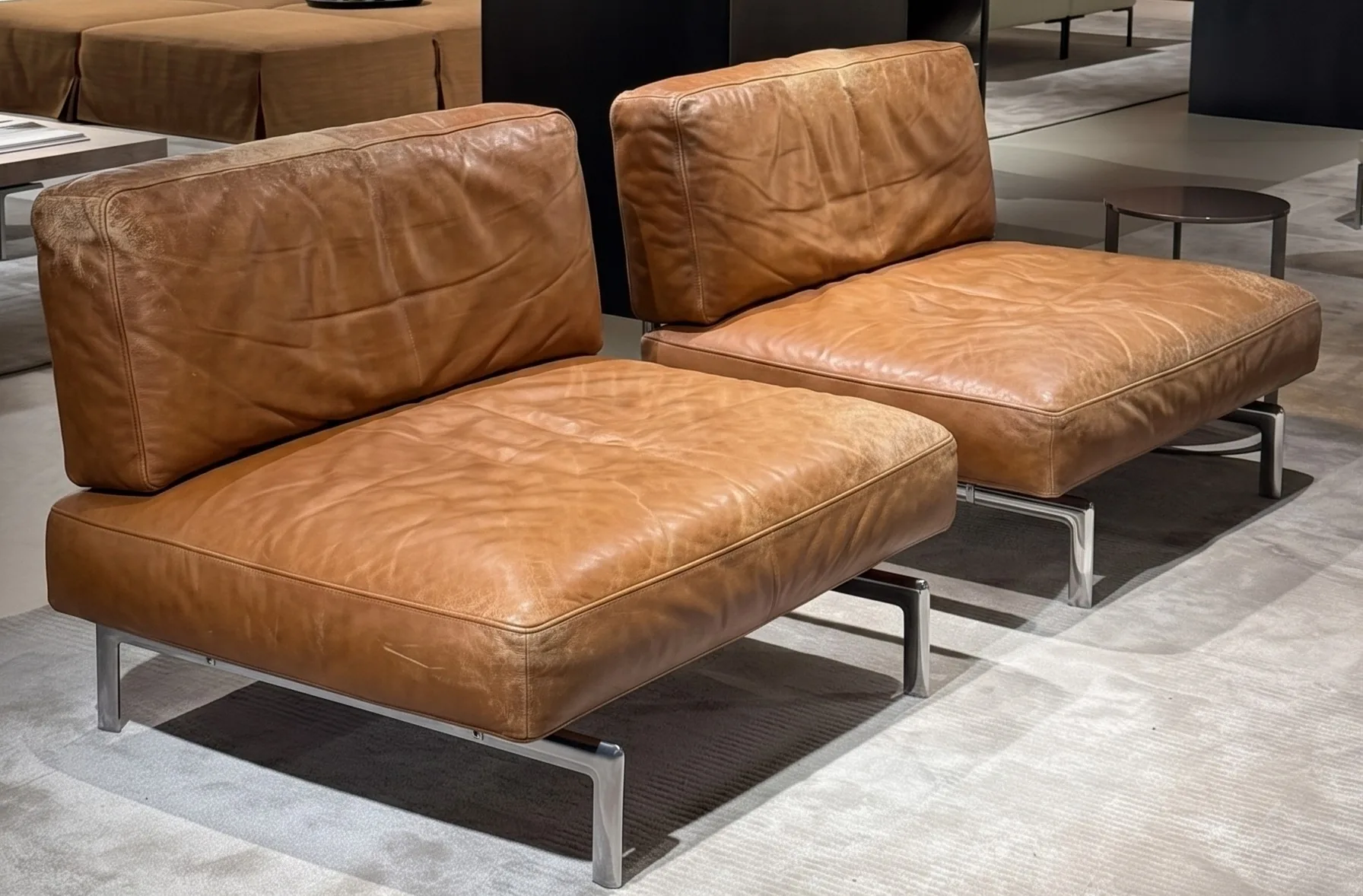
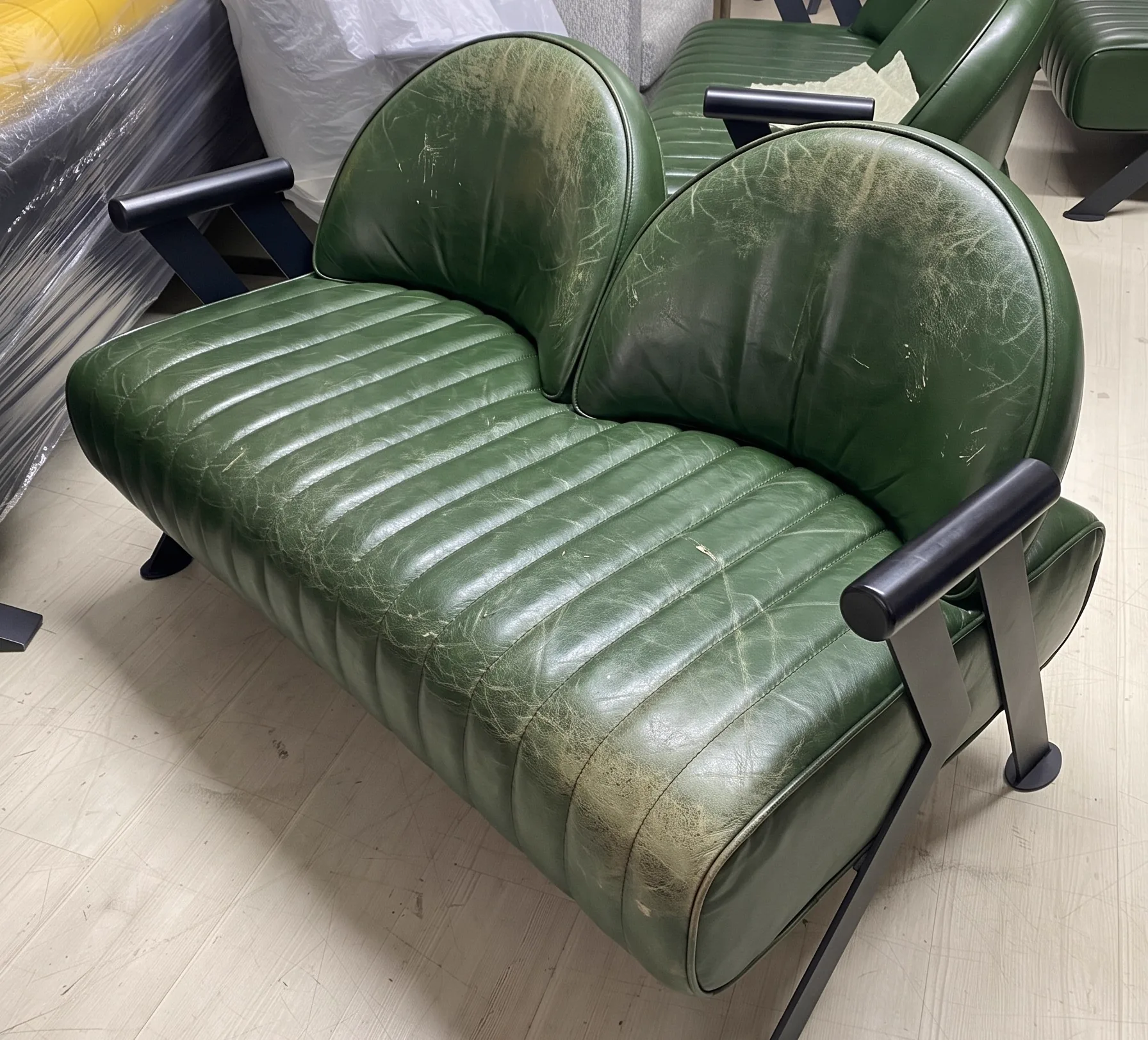
Most consultations for smog damage arrive after two or three winters of unprotected exposure. The signs are consistent: a generally dulled surface tone that light cleaning cannot recover; darkened high-contact zones where body oils have combined with embedded particulate; mild crocking [colour rubbing off onto a damp cloth] when a damp cloth runs across the leather; and the dry, papery feel of fat liquor degraded by metal-catalysed oxidation.
The restoration response runs in three stages. First, controlled deep-pore extraction lifts embedded PM2.5 from the grain layer. This uses a longer dwell time and lower pressure than standard cleaning, matched to the tannage of the hide as described in the tanning chemistry guide. Second, controlled re-fatliquoring restores the lubrication that metal-catalysed oxidation stripped. The emulsion used here is specific to the chrome-tanned hides that dominate NCR luxury furniture. Third, where pigment loss has occurred, panel-level micro-pigmentation rebuilds colour to the tannery reference.
The timing matters. Damage addressed at the end of the first compromised winter season can usually be restored to indistinguishable-from-original. The same damage left for three or four seasons accumulates into a restoration scope that runs into the lakhs and may require full panel reconstruction. Five years of HEPA filtration and weekly dusting cost less than a single panel restoration. The economics of prevention are straightforward.
Why NCR Owners Need a Different Approach Than Everyone Else
NCR winter smog is a leather care problem unique to this geography. International leather care literature does not address it because this chemistry does not exist at these concentrations anywhere outside the Indo-Gangetic plain in winter. European and American care guides are written for environments that never sustain AQI above 150. Following them in Gurugram, Noida, or Faridabad leaves your sofa unprotected through more than half of its annual chemical exposure.
The care that protects a Poltrona Frau, a Natuzzi, a Fendi Casa, or a B&B Italia sofa through the NCR smog season is preventive, scheduled, and tied to the calendar: AQI tracking from mid-October, HEPA filtration through the season, weekly dry dusting, cotton covers when away, and a single pH-neutral cleaning in early March. Together, these five steps protect your sofa's chemistry through the eight weeks that produce most of the damage. If you would rather have the steps carried out at your door, we offer expert leather restoration in Delhi, the same service across Noida, and surface refinement in Gurugram , matched to the specific tannage and finish of your sofa. The early-March soot extraction itself is booked as leather sofa cleaning in Delhi, timed for the point where the season's PM2.5 load has dropped and the grain can be flushed without re-contaminating overnight.
Bookmark this page. The next time the AQI app reads above 300, the answer to whether your indoor leather is at risk is on this page. It is. The five steps above are what you do about it.