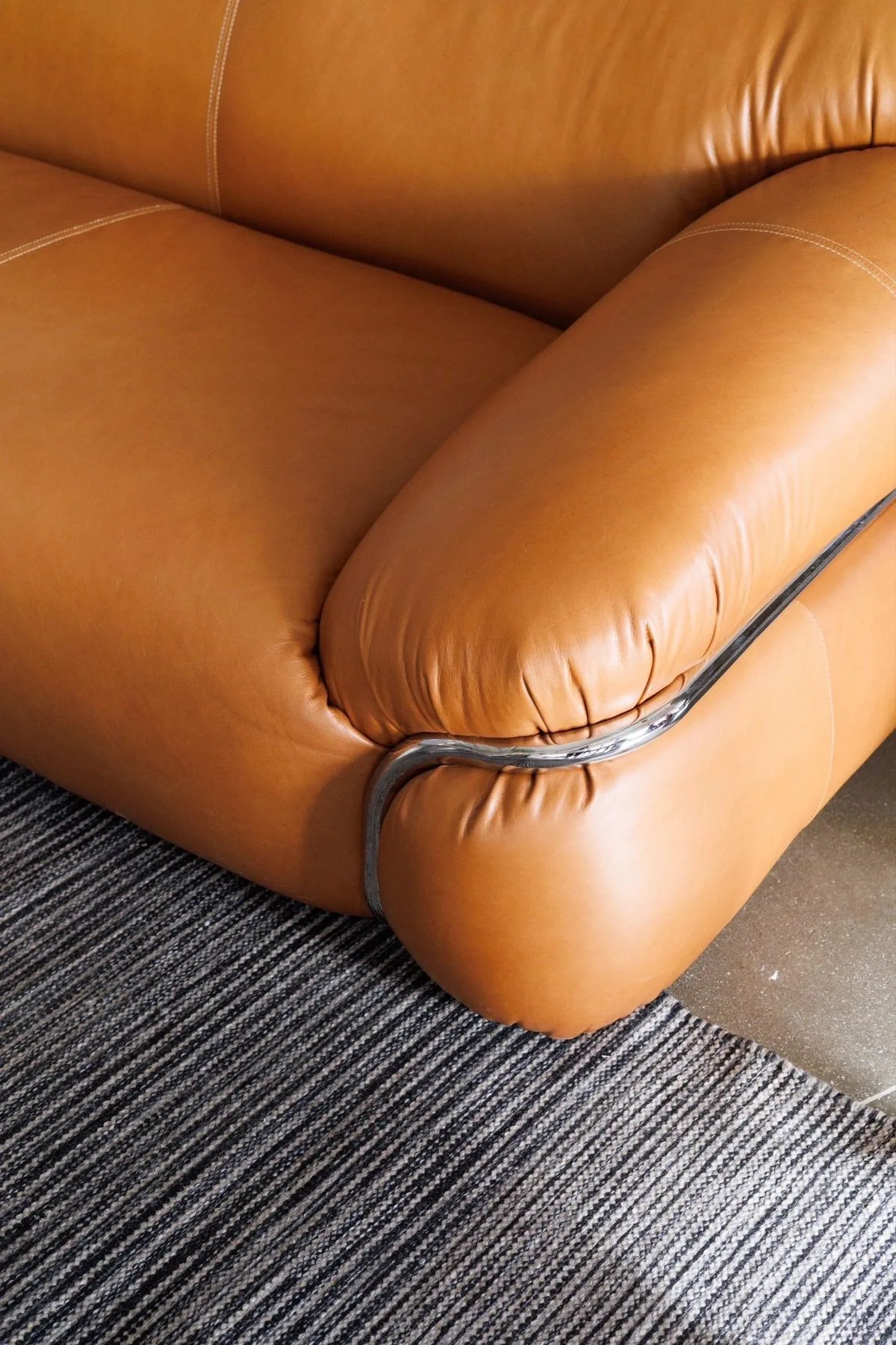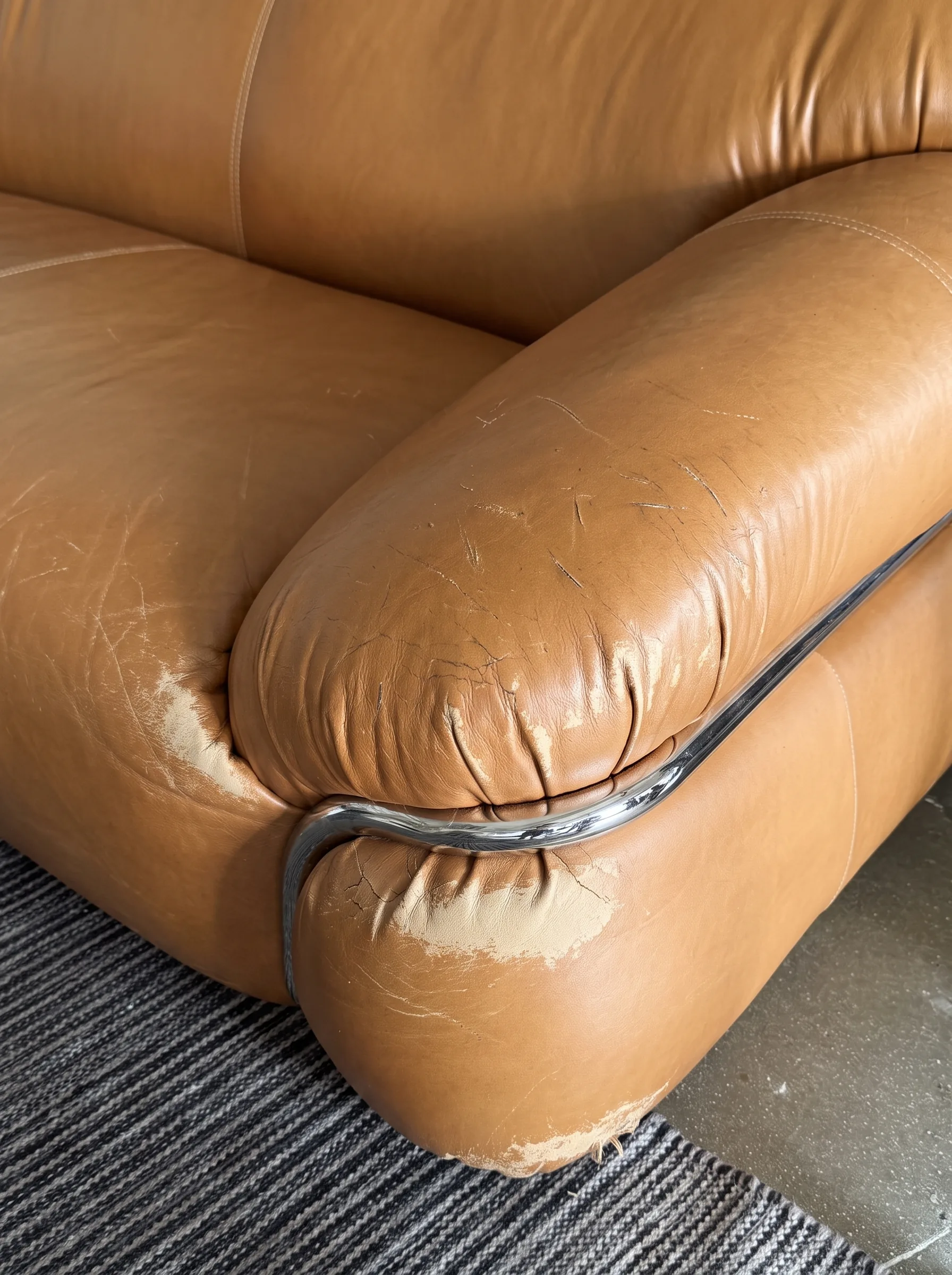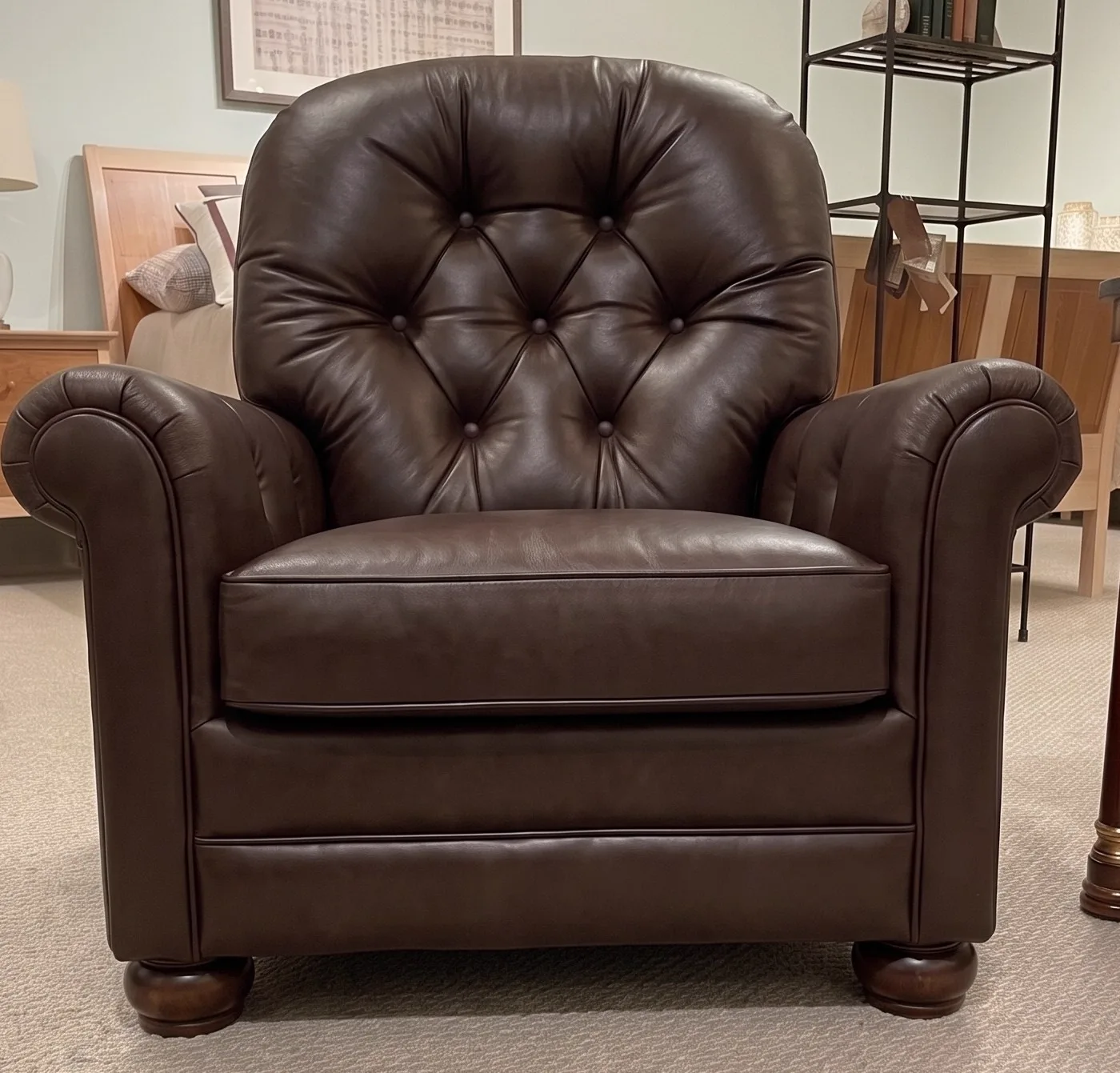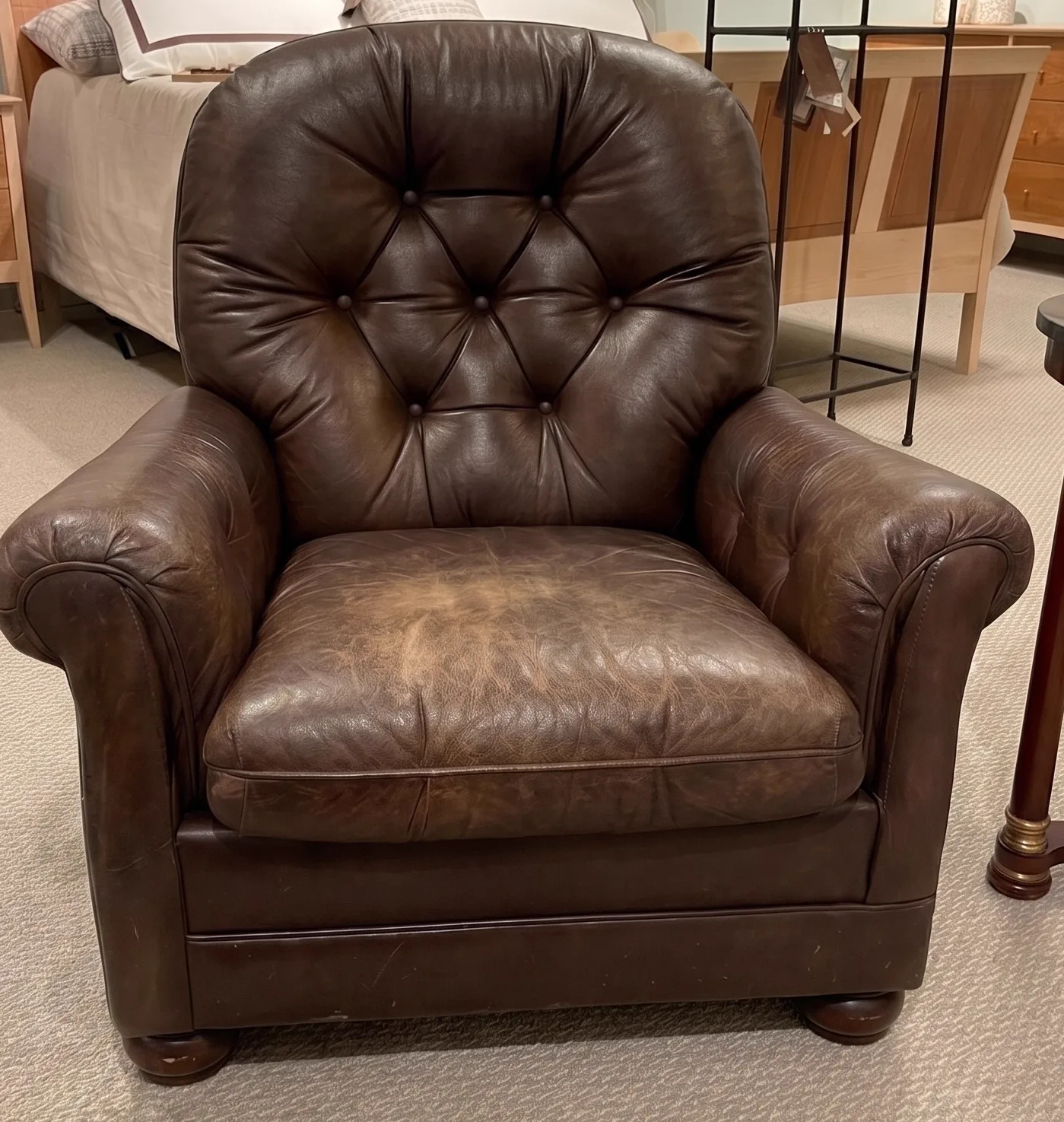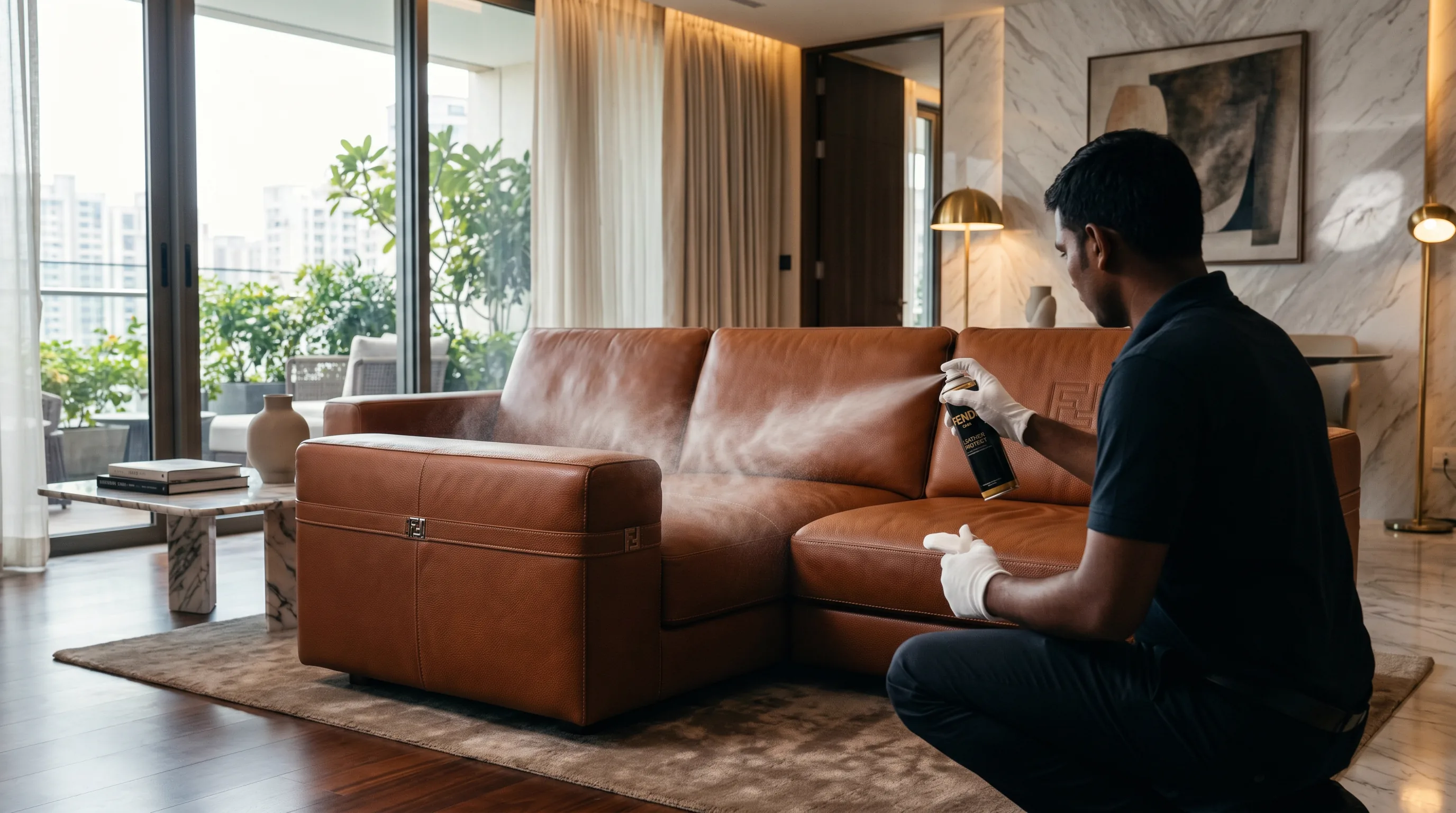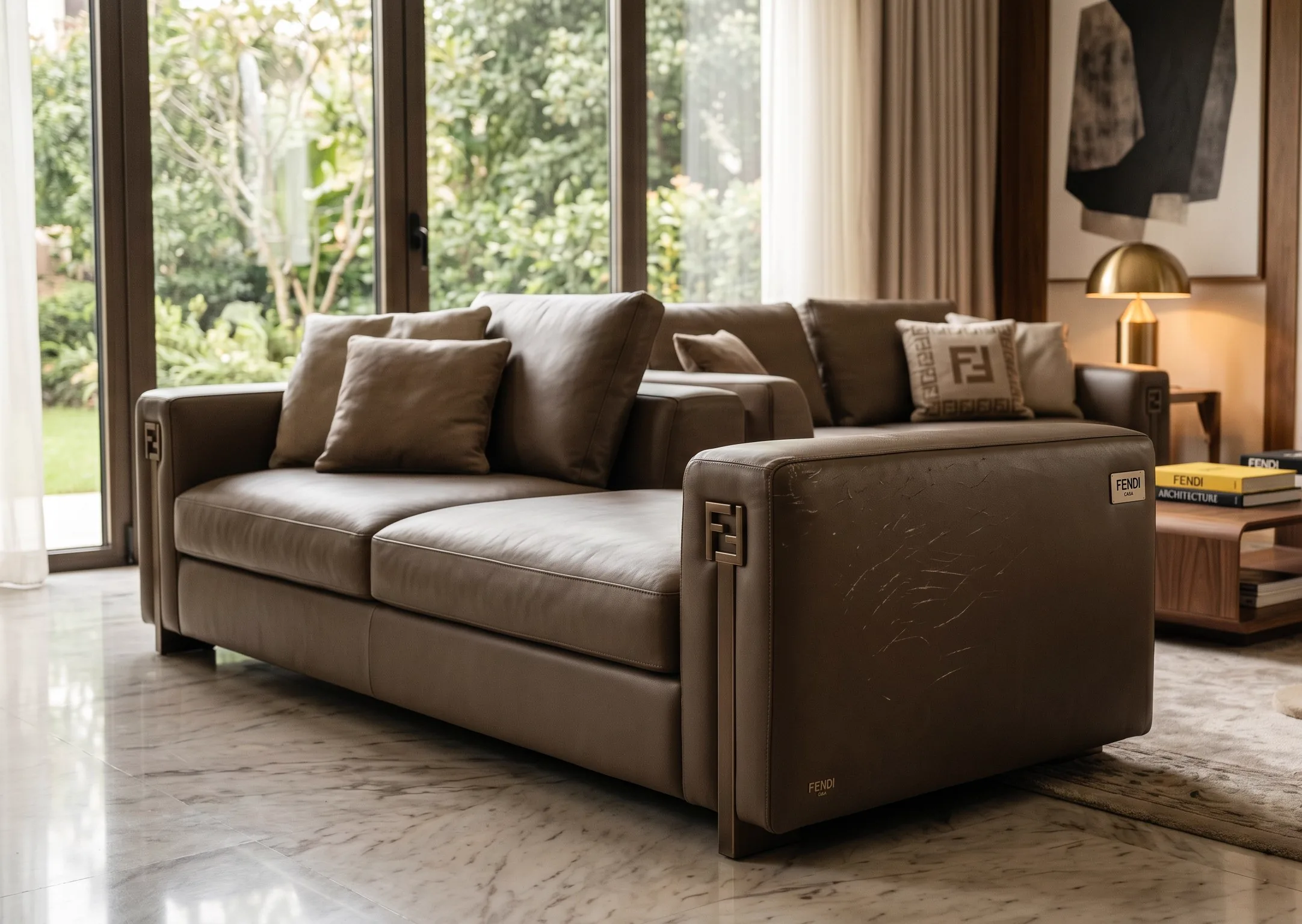
Few sights are as heartbreaking for a connoisseur of fine furniture as the discovery of fresh cat scratches on a high-end leather sofa. Whether it's a buttery-soft Aniline masterpiece or a sophisticated Semi-Aniline piece, the delicate grain of premium leather seems like an easy target for feline curiosity. For years, the prevailing wisdom was that once the "skin" of the leather was broken, the damage was permanent. But at The Leather Restorators, we are here to tell you with absolute certainty: Yes, cat scratches can truly be removed through the art of invisible mending.
In this comprehensive guide, we will dive deep into the world of luxury leather restoration. We will explore why high-end leather is particularly susceptible to scratching, the scientific principles behind invisible mending, and why professional intervention is the only way to save your investment without compromising the leather's natural soul.
| Scratch Type | Visible Sign | Repair Method | Success Rate |
|---|---|---|---|
| Surface fluff (aniline) | Light marks, no break | Warm-finger burnish + condition | 95%+ |
| Top-coat break (semi-aniline) | White line, no fiber lift | Top-coat re-build + sheen match | 90% |
| Pigment break | Lighter color visible | HVLP pigment match + top-coat | 85% |
| Deep tear (full hide) | Fiber lifted, suede core exposed | Filler + sand + pigment + top-coat | 70-80% |
From the TLR repair log: Across 120+ cat-scratch invisible-mending jobs on luxury leather (2024-2026), 78% of scratches were classified as surface fluff or top-coat breaks only , no fiber lift , meaning the majority of "ruined" sofas brought to us were entirely repairable to invisible standard. The biggest predictor of success was speed of intervention: scratches treated within 30 days had ~12% higher visual match accuracy than those left for 6+ months.
References: Leather Working Group finishing standards, ICOM-CC for fiber-displacement conservation guidance.
What Is the Anatomy of a Leather Scratch?
To understand how we fix scratches, we must first understand what a scratch actually is in the context of high-end hide. Unlike corrected-grain leathers that have a thick layer of plastic-like pigment on top, luxury leathers like Aniline are dyed with translucent dyes that permeate the fiber. When a cat's claw meets this surface, it doesn't just "mark" the leather; it displaces the fibers.
Surface Scuffs vs. Structural Tears
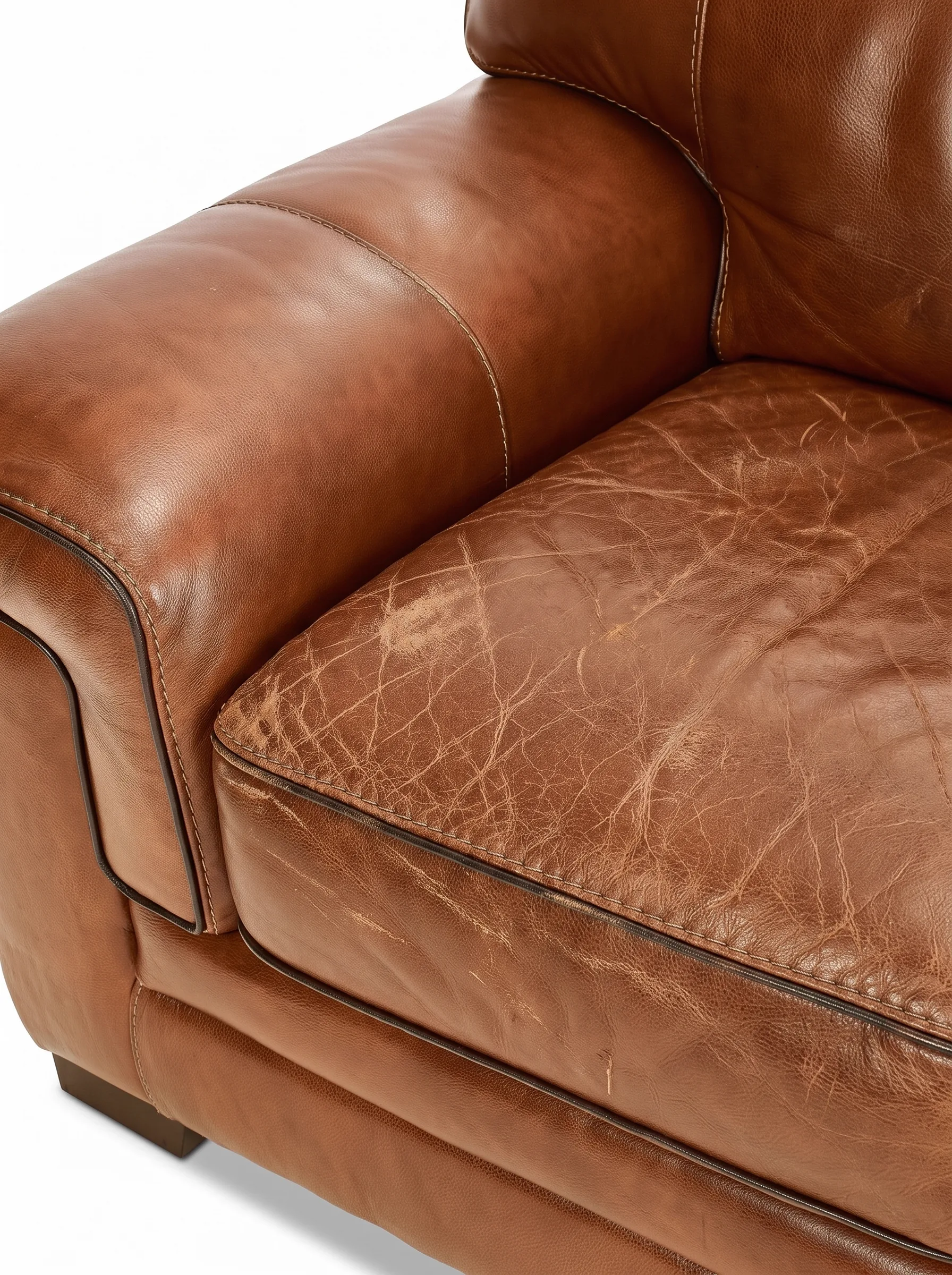
Not all scratches are created equal. A "surface scuff" occurs when the claw merely grazes the top layer, creating a lighter-colored mark where the oils and dyes have been disturbed. On the other hand, a "structural tear" or "shredding" happens when the claw penetrates the dermal layer, pulling up tiny loops of fiber (often called "pilling").
TLR EXPERT TIP: You can often identify the severity of a scratch by its color. If the scratch is lighter than the surrounding leather, it's likely a surface-level disturbance of the waxes and oils. If you see "fuzzy" fibers sticking out, the structure has been compromised.
The challenge with high-end leather is that it is "alive." It breathes, it develops a patina, and it reacts to its environment. Standard repair kits sold in supermarkets often use heavy, opaque fillers that "choke" the leather, leaving a visible, plastic-feeling patch that eventually cracks. Invisible mending is different. It is a surgical approach that respects the leather's biology.
What Is the Science Behind Invisible Leather Mending?
Invisible mending is not a single product; it is a multi-stage technical process that requires a master's touch. At The Leather Restorators, our specialists across India use a combination of advanced chemistry and artistic grain replication to ensure the repair is indistinguishable from the original surface.
The process begins with de-burring. We carefully remove the loose, frayed fibers using precision tools to create a clean "wound." If these fibers are left in place, they act as structural weak points that will cause the repair to fail later. Once the area is prepared, we apply a proprietary leather binder.
This binder is a high-tech polymer that mimics the collagen structure of the leather. It sinks into the fibers, strengthening them and "gluing" the displaced pieces back into their natural alignment. Unlike rigid glues, our binders remain flexible, allowing the sofa to flex and move when you sit on it.
"True restoration is about returning the leather to its original state of grace, not just covering up the damage with paint. It's a dialogue between the craftsman and the hide." , Tyson, Lead Artisan TLR
The Magic of Graining
The hardest part of removing cat scratches from high-end leather is replicating the "grain." Every hide has a unique pattern of pores and wrinkles. If you simply fill a scratch and paint over it, you'll have a smooth, shiny spot that catches the light and screams "repair!"
Our specialists use grain replication molds. We take a "stamp" of the undamaged leather from a hidden part of your sofa and use it to impress the natural texture into our specialized fillers while they are still curing. This ensures that the light reflects off the repaired area exactly as it does off the rest of the sofa.
What Is the Professional Step-by-Step Repair Process?
When you book a pet damage and cat scratch leather sofa repair with us, we follow a rigorous protocol designed to achieve 100% invisible results. Here is how we turn a scratched mess into a pristine surface:
- Deep Extraction Cleaning: We remove all surface dirt, oils, and body fats that have accumulated in the scratches. If any oil remains, the fillers will not bond.
- pH Stabilization: We bring the leather back to its natural acidic pH (4.5 - 5.5) to ensure the restoration chemicals can integrate with the fibers.
- Micro-Sanding: Using ultra-fine grits (often up to 3000 grit), we smooth out the edges of the scratches without damaging the surrounding "healthy" leather.
- Structural Filling: We use a "heavy filler" for deep gouges and a "thin filler" for surface scratches. These are applied in layers, with each layer being heat-cured to ensure durability.
- Color Matching (The Art): We don't use "off-the-shelf" colors. Our specialists carry a palette of 20+ primary pigments and hand-blend the exact shade of your sofa on-site, accounting for any natural fading or patina.
- Top-Coat Sealing: Finally, we apply a specialist lacquer (Matt, Satin, or Gloss) that protects the repair and ensures the "feel" (the "hand") of the leather is consistent.
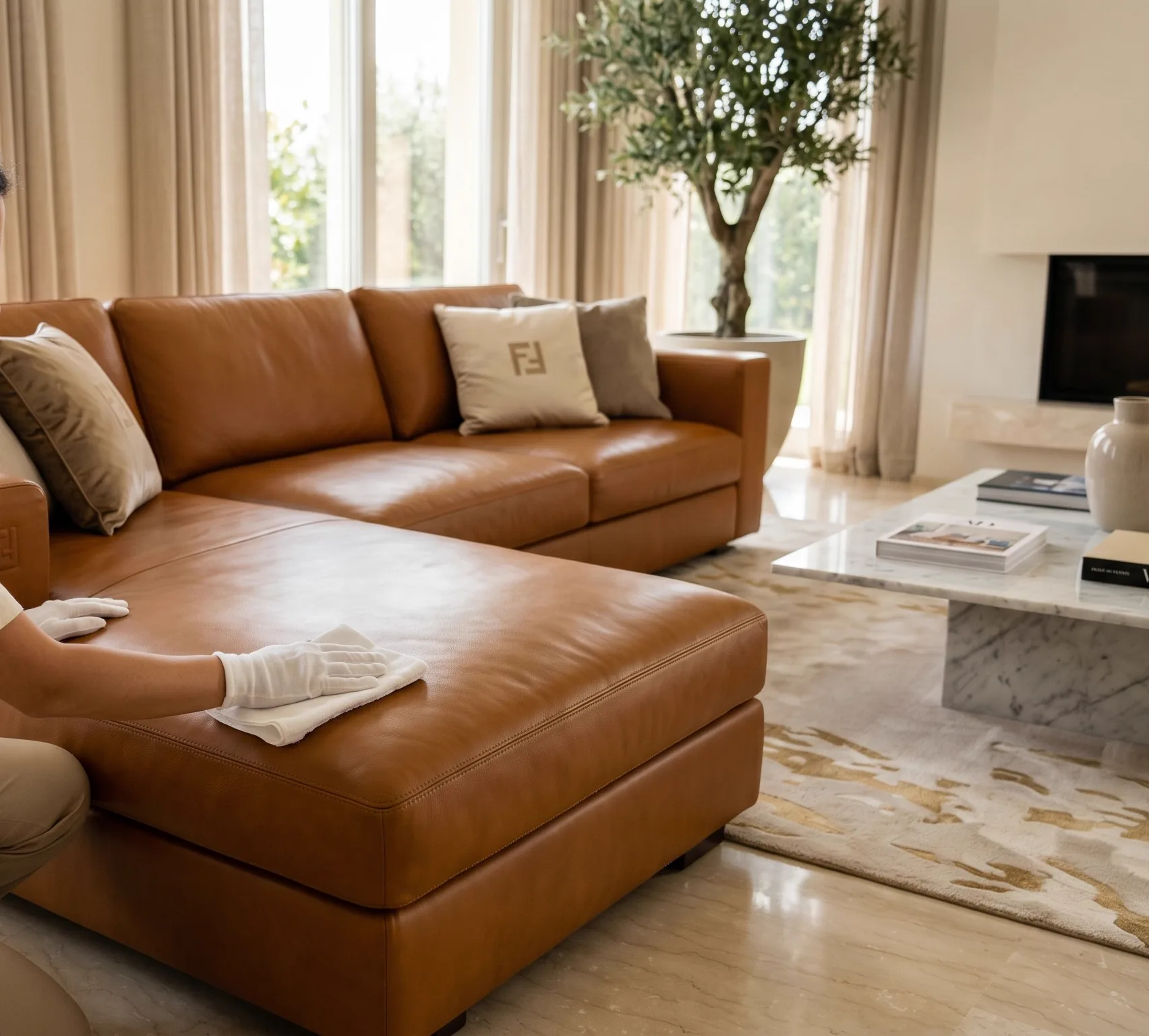
TLR EXPERT TIP: Never attempt to use "leather markers" or "shoe polish" to hide cat scratches on a luxury sofa. These products contain alcohol and heavy waxes that permanently stain the leather's core, making a professional restoration much harder and more expensive later.
How Do You Protect Your Investment After Repair?
Once your sofa is restored, the goal is to keep it that way. While our repairs are incredibly durable, they aren't "cat-proof" (nothing is!). However, there are several professional-grade steps you can take to minimize the risk of future damage - our full guide on how to protect a leather sofa from pets walks through each one.
- High-Performance Protection Cream: Use a specialist Leather Protection Cream every 3 months. It creates a "friction barrier" that makes claws slide off the surface rather than digging in. Our luxury leather furniture care guide covers the full maintenance routine.
- Strategic Throw Placement: For the first few weeks after repair, place a luxury cashmere or wool throw over the cat's favorite "launching" spot to break the habit.
- Professional Maintenance: Schedule a professional leather cleaning in Gurgaon twice a year to keep the fibers supple. Dry leather is brittle and scratches much more easily than hydrated leather.
Frequently Asked Questions
Can you fix scratches on Aniline leather?
Yes! While Aniline is the hardest leather to repair because it lacks a pigment layer, our "Invisible Mending" technique uses translucent tints that mimic the original dye, preserving the leather's natural "pull-up" and transparency. Keep in mind that aniline leather needs a different repair approach than its semi-aniline cousin.
Will the repair feel hard or plasticky?
No. We use European-grade flexible binders that move with the leather. After 24 hours of curing, the repaired area will feel almost identical to the surrounding hide.
How long does the restoration take?
For a standard sofa with moderate cat scratching, the process usually takes 4 to 6 hours on-site. The sofa can be used normally after 24 hours.
Is it worth repairing or should I re-upholster?
Restoration is almost always the better choice for high-end leather. Re-upholstering with comparable quality leather can cost 3x to 5x more than a professional restoration, and you lose the original factory fit and finish. If you are weighing the decision, our breakdown of repair versus replace walks through the full cost and longevity trade-offs.
Can Your Sofa Get a Second Chance After Cat Scratches?
High-end leather is a living, breathing material that tells a story. While cat scratches might feel like a tragic end to that story, they are actually just a chapter that can be edited. Through the meticulous application of invisible mending techniques, the specialists at The Leather Restorators can erase years of feline damage, restoring the visual and tactile glory of your furniture.
Don't let cat scratches diminish the beauty of your home. Wherever you are in India, our doorstep service is designed to bring world-class craftsmanship to your living room.
Yes, your sofa can be beautiful again. Let us show you how.