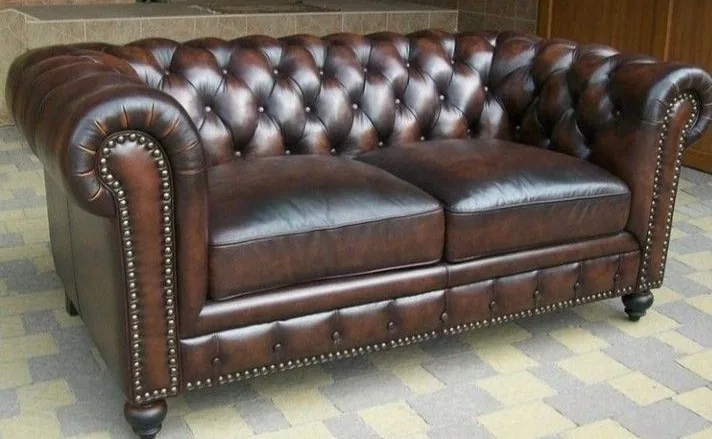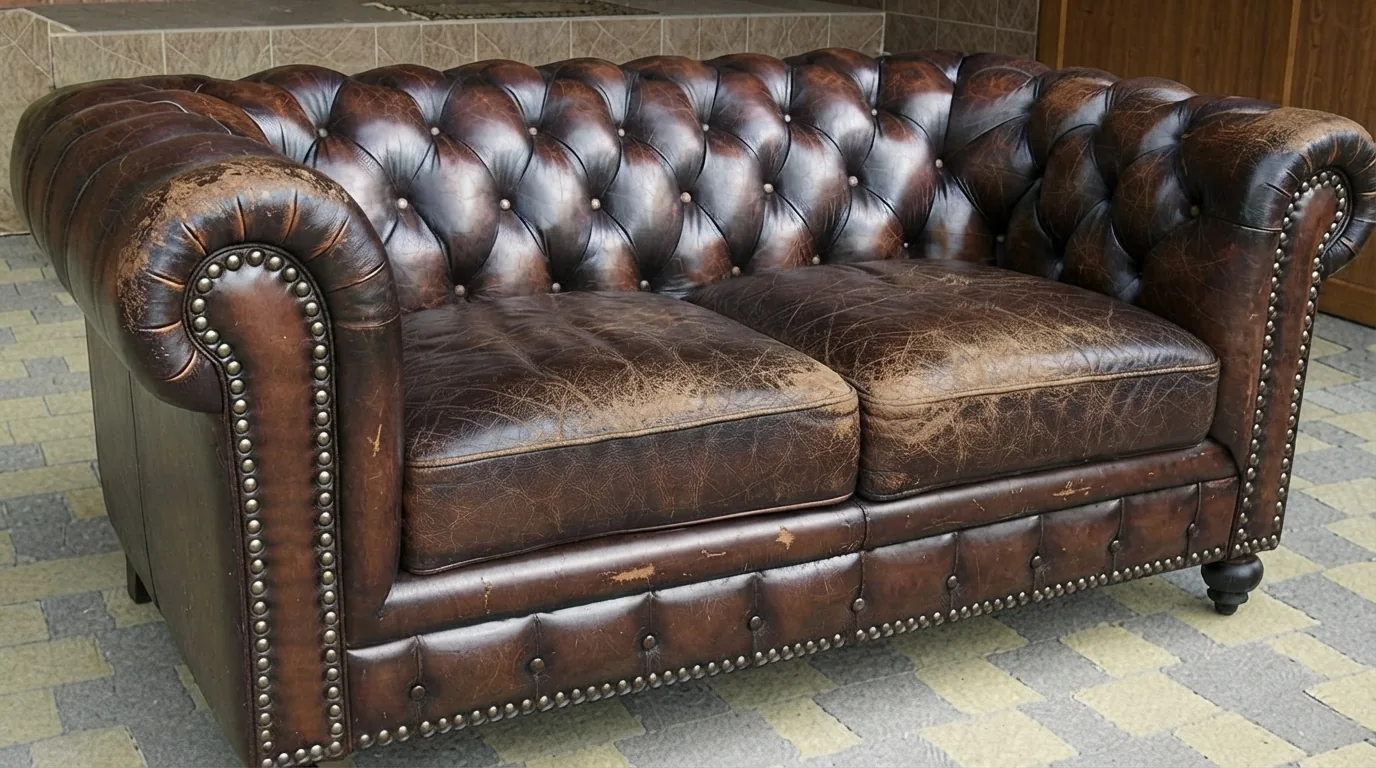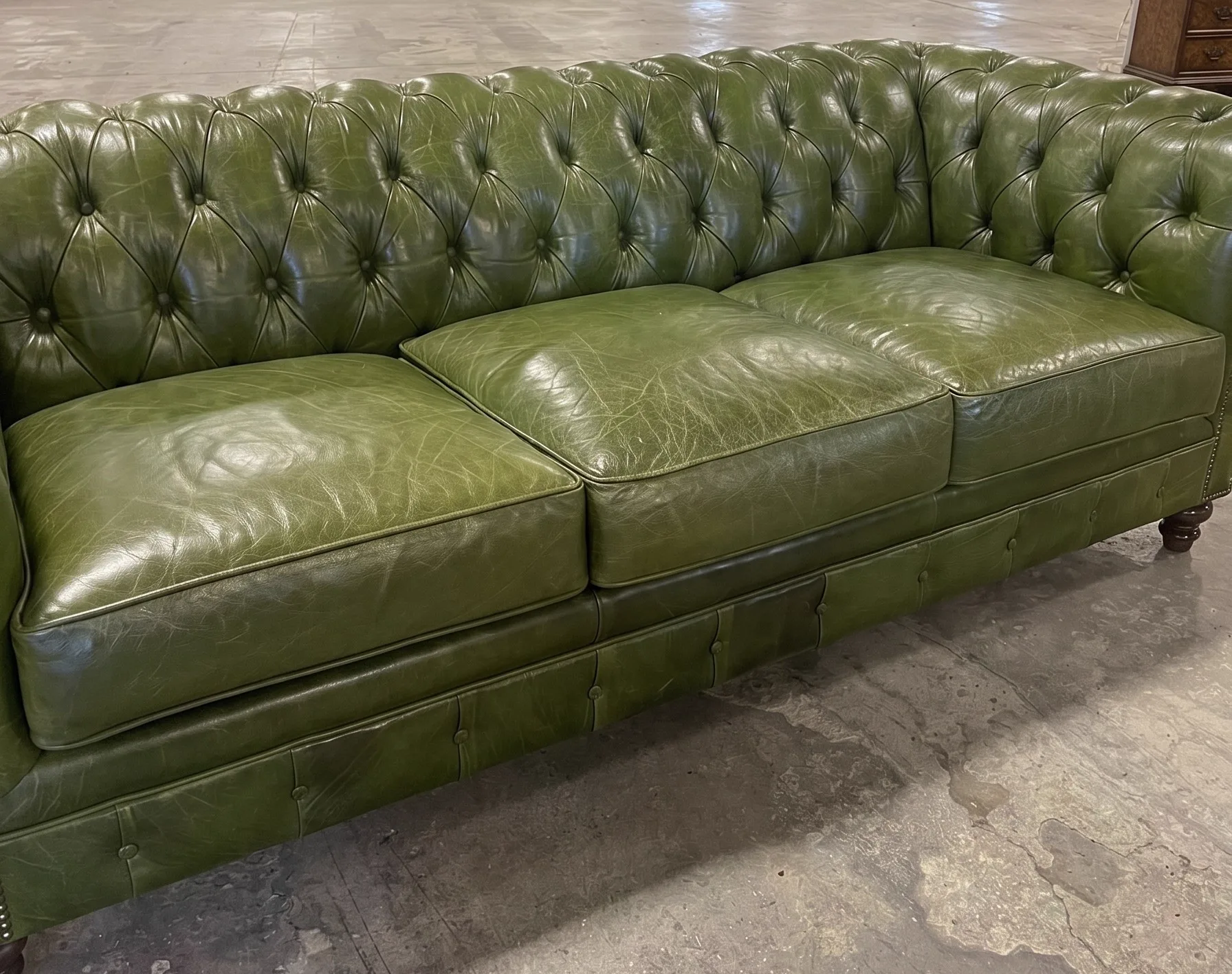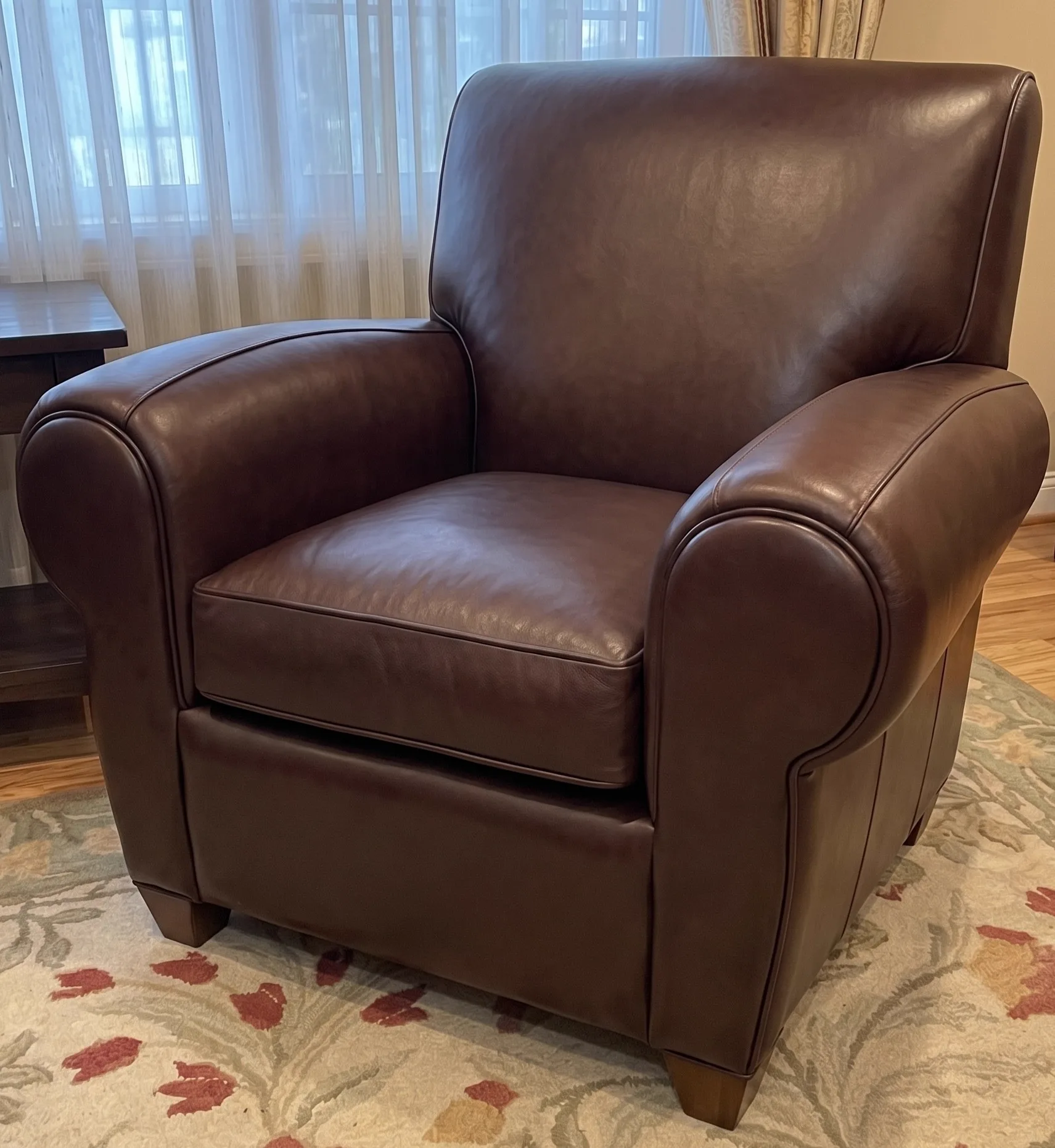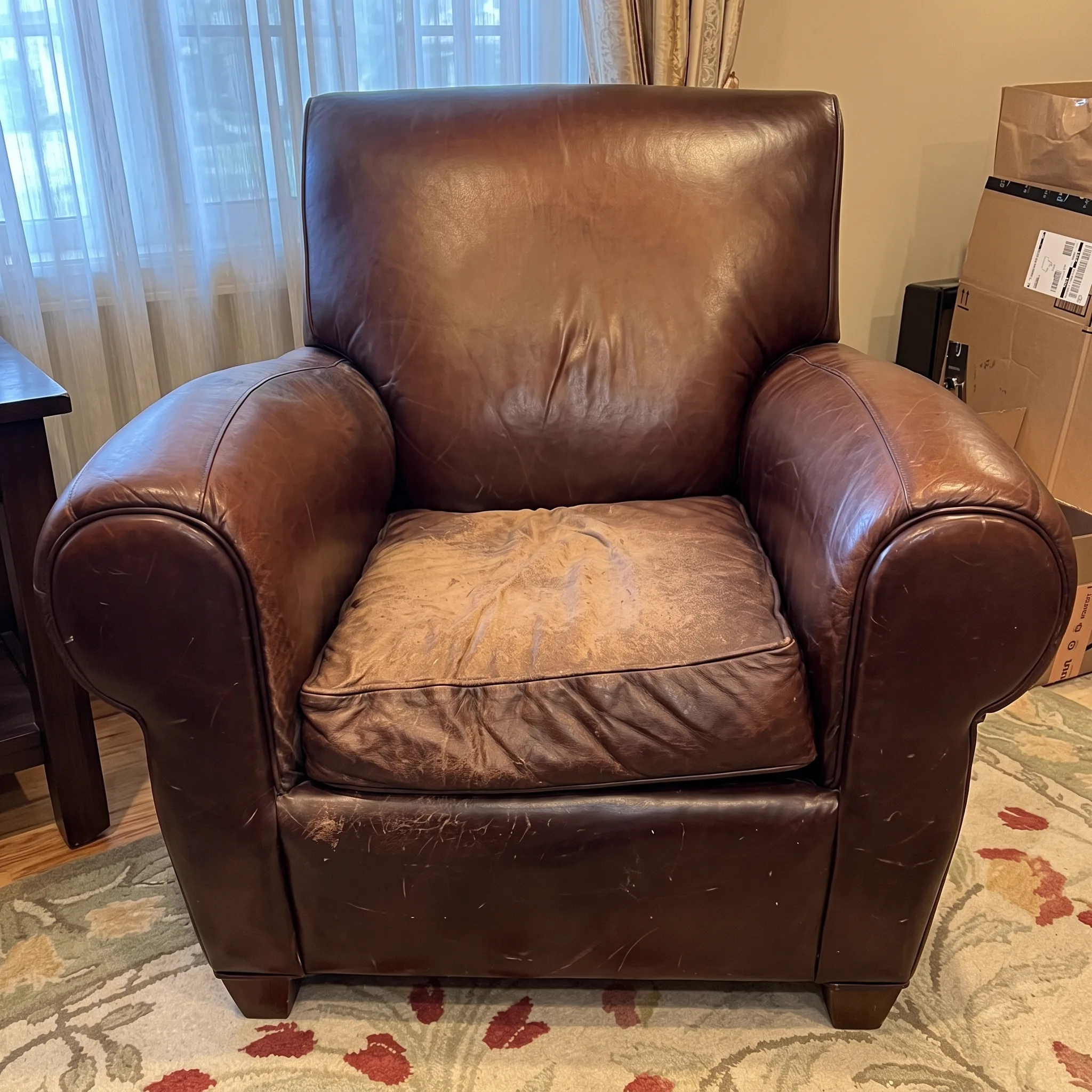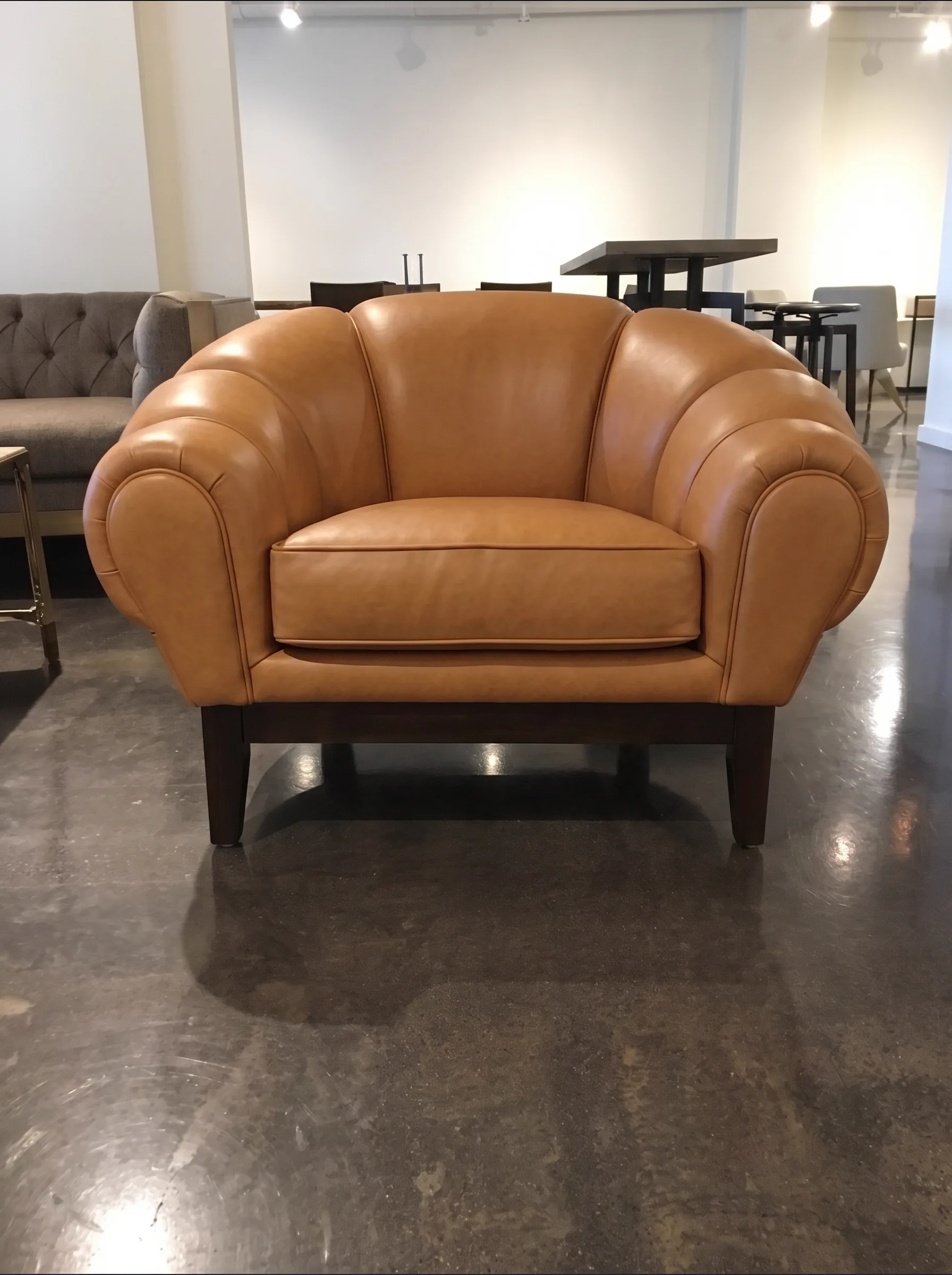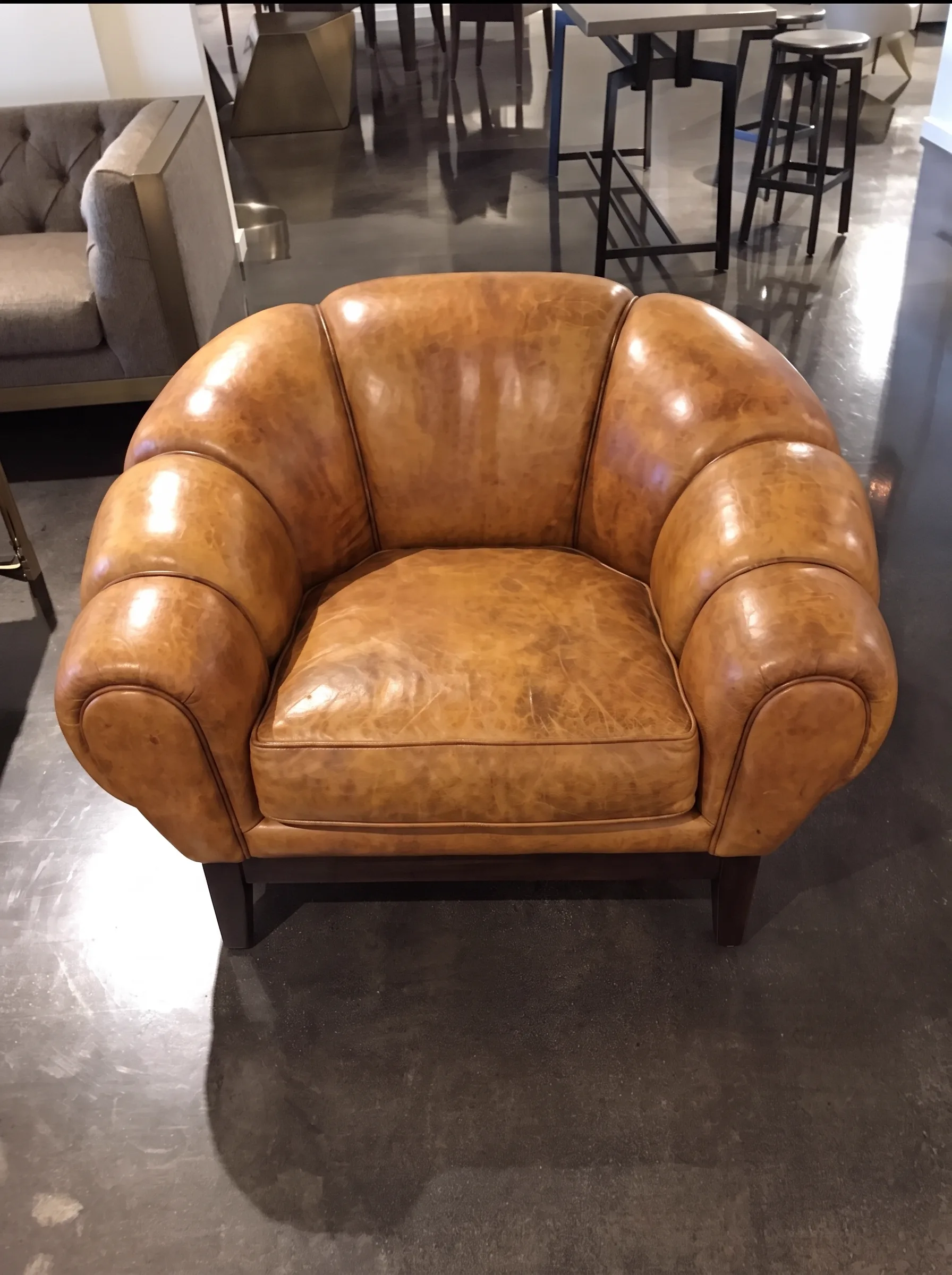
If your sofa once looked rich, soft, and expensive but now looks tired, dusty, faded, or cracked, you are not alone. In Indian homes, leather furniture is a statement of status and comfort, yet it ages faster than most owners expect due to the country's extreme environment. Dust from arterial roads settles into hidden seams, aggressive AC cycles strip natural moisture from the hide, and sharp afternoon sunlight pulls the vibrant pigment from exposed panels. Everyday use,compounded by body oils, festive food spots, and fine surface scratches,can leave even the finest Italian leather looking neglected. Many people assume a dull leather sofa is at the end of its life, but in reality, most pieces can be magnificently revived if the restoration steps are followed with precision and professional-grade care.
This comprehensive guide is meticulously crafted for Indian households that seek practical, high-stakes answers rather than generic cleaning advice. A leather sofa in a metro-city penthouse or a high-end drawing room faces vastly different conditions than one in a cooler climate. Here, urban pollution, searing dry heat, intense monsoon humidity, and constant indoor cooling create a volatile cycle that affects the leather's structural integrity. True leather sofa revival in India requires a sophisticated balance of deep cleaning, pH-regulated moisture control, targeted stain treatment, and long-term climate protection strategies.
Whether you own a premium aniline sectional, a compact apartment loveseat, or a legacy office couch, the revival process begins with a clinical diagnosis. Is the leather merely soiled, or is it fundamentally dehydrated? Is the surface pigment intact, or is the finish wearing off on high-contact zones like armrests? Distinguishing between cosmetic dullness and deep-seated finish failure is crucial for deciding what can be managed at home and when you require expert leather sofa repair in India to prevent irreversible cracking.
| Symptom | Likely Cause | Home Fix | Pro Service Needed? |
|---|---|---|---|
| Surface dullness | Dust + body oil film | pH-balanced foam clean | No |
| Stiff, papery feel | Dehydration, low RH | Conditioner, humidifier | If pinch test fails |
| Color fade | UV photo-degradation | Reposition, UV film | Yes (HVLP re-dye) |
| Top-coat scuffs | Friction wear | None safely | Yes |
| Cracks, flaking | Severe dryness, structural fail | None | Yes (filler + re-dye) |
From the TLR India archive: Out of 210+ revival jobs in 2024-2026, 67% of "ruined" sofas brought to us required only deep cleaning + conditioning + minor color refresh, not full restoration. Spot crack or tear repair starts from Rs 6,500/seat and a full restoration from Rs 12,000/sofa (final price confirmed at the free home diagnosis) versus Rs 1.8-3.2 lakh for a new luxury sofa. The biggest predictor of need for full restoration was placement directly under split AC outflow combined with afternoon western sun.
References: Leather Working Group, IMD Delhi humidity data, and CPCB for PM2.5 abrasion data.
Why Do Leather Sofas Age Faster in India?
India's atmosphere is notoriously harsh on natural hides. Even in the most well-maintained homes, airborne particulates from construction and heavy traffic are constantly present. Leather is a porous, living material; these fine particles settle deep into the grain and act as a subtle abrasive, grinding against the finish every time someone sits down. Over years, this friction creates a visible "graying" effect, roughness on the touch-points, and premature wear on the most elegant parts of the sofa.
TLR EXPERT TIP: The number behind this is stark. Delhi's annual average PM2.5 runs around 90-110 ug/m3 - roughly 6-7 times the WHO guideline. PM2.5 is fine enough to settle into the leather's grain rather than sit on top of it, and once embedded it behaves like an ultra-fine abrasive: every press of a cushion drags those particles across the topcoat and slowly erodes it. This is why an unwiped Delhi sofa loses its finish years before the same hide would in a low-dust city.
Summer presents a different, more invisible threat. During India's peak dry months, the relative humidity indoors can drop significantly, especially in rooms where air conditioning runs for 18+ hours a day. While AC reduces the stickiness of sweat, it also extracts essential moisture from the leather's internal fibers. Without regular conditioning, the leather loses its elasticity, leading to the dreaded "spiderweb" cracking that often appears on seat cushions and arm tops. For those owning premium hides, our Luxury Leather Furniture Care Guide provides deeper technical insights into protecting these high-value investments from thermal fatigue.
Conversely, the monsoon season introduces the risk of mold and tackiness. High humidity mixed with accumulated dust creates a sticky biofilm on the leather surface. If a sofa is positioned against a wall that traps moisture, the lack of airflow can trigger microbial growth within the seams. This not only damages the leather but also leaves a persistent, musty odor that is difficult to eliminate with surface cleaning alone.
TLR EXPERT TIP: In India's high-pollution zones, micro-dust acts like sandpaper on leather finishes. A weekly dry microfiber wipe-down can extend your sofa's finish life by up to 40%.
How Do You Diagnose the Real Condition of Your Leather?
Before initiating any cleaning protocol, perform a professional-grade inspection in bright, natural daylight. This diagnostic phase prevents common errors such as over-saturating the leather or using a cleaner that is too aggressive for the specific finish type. Look closely at the "wear patterns",are they uniform across the sofa, or concentrated in specific seating zones? This tells you whether the issue is general dust or localized body oil buildup.
Leather Type and Oxidation Diagnosis
Identification of the leather type is the most critical technical step. Most modern Indian homes feature Protected (Pigmented) leather, which has a durable topcoat that is relatively safe to clean. However, premium Aniline and Semi-Aniline leathers, common in luxury imports, are highly absorbent and require specialized "low-moisture" techniques. To test this, place a single drop of distilled water on a hidden area; if it beads up, you have protected leather. If it darkens and disappears, your leather is absorbent and requires extreme caution.
- Surface dust and dullness: If the sofa feels dry but not rough, the issue is likely accumulated dust and body oil.
- Darkened headrests/armrests: These collect skin oil, sweat, and hair products. They need focused cleaning.
- Fine lines: Common on seat fronts. Conditioning helps at this stage.
- Peeling color: Indicates finish damage, not just dirt. Professional leather sofa repair in India required.
What Supplies Do You Need to Revive a Leather Sofa?
For basic leather sofa care at home, you do not need a large toolkit, but you do need the right materials. Using household detergents or oils can permanently damage the hide's pH balance.
Avoid at all costs: Dish soap, floor cleaners, baking soda, hair dryers, and especially "home remedies" like coconut or olive oil. These attract dust and can turn rancid inside the leather fibers.
What Is the Step-by-Step Leather Cleaning Process?
One of the most frequent errors in leather sofa cleaning in India is the "wet-first" approach. Applying liquid cleaner directly onto a dusty surface creates a muddy slurry that is pushed deeper into the leather's grain and stitching. This abrasive paste can actually accelerate finish wear during the cleaning process itself.
"The dry-clean phase is non-negotiable. Across India, where dust is pervasive, removing 90% of soil while dry is the secret to a professional-grade finish that lasts.", TLR Master Craftsman
Dry Decontamination and Deep-Clean Steps
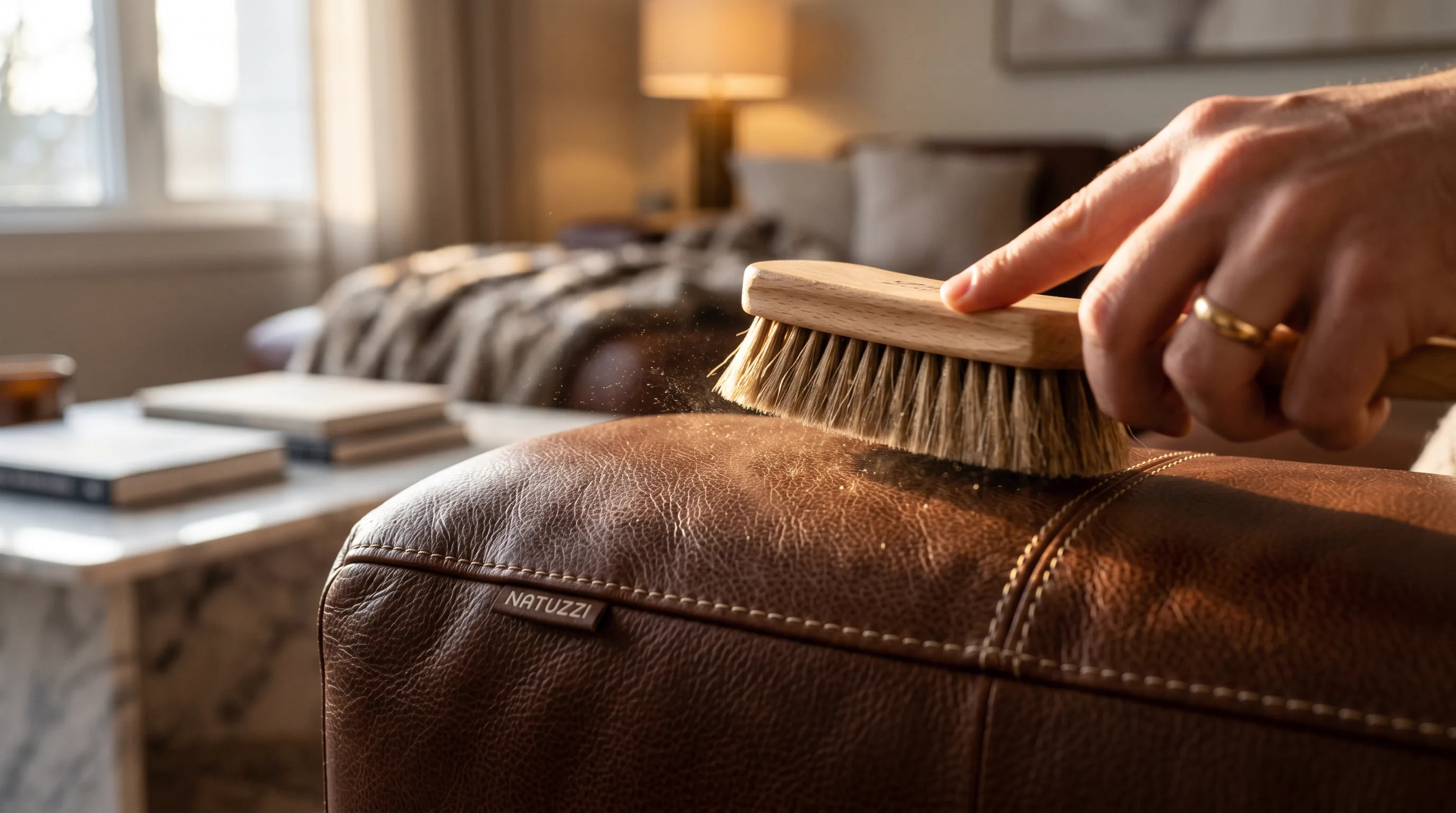
Use a high-suction vacuum with a horsehair brush attachment to clear all seams, piping, and cushion crevices. Once the dry soil is removed, apply your cleaner sparingly to a microfiber cloth,never the sofa directly. Work in small, overlapping circular sections, maintaining consistent pressure. This "micro-sectioning" technique ensures that the cleaner doesn't dry prematurely, which could leave tide marks or uneven patches on the hide.
How Do You Treat India-Specific Leather Stains?
From festive snack spills to stubborn denim transfer on cream-colored sectionals, Indian homes face a unique spectrum of stain challenges. India's high-end lifestyle often involves dark raw denim and silk fabrics, both of which can leave dye markers on lighter leather. White leather sofa cleaning in India is particularly high-stakes because the dye doesn't just sit on the surface,it begins to migrate into the leather's molecular structure if not treated within 48 hours.
- Ink & Pigment Stains: Quick action is non-negotiable. Modern ink formulas are designed to be permanent; do not rub, as this "sets" the stain. Blot gently with a leather-specific de-inker to lift the pigment without stripping the base color.
- Organic Oils & Grease: Most common on headrests and arm pads. Skin oils are acidic and can break down the leather's protective finish over time. Use a degreasing leather foam to draw the oil out of the pores repeatedly rather than using one aggressive chemical hit.
- Denim & Dye Transfer: A major issue for tan and beige sofas. This requires a "dye-block" treatment that prevents the foreign pigment from bonding with the sofa's finish. Specialized transfer removers are essential here.
TLR EXPERT TIP: Never use nail polish remover or hand sanitizer on ink marks. These contain alcohol that will strip the leather's protective topcoat instantly.
How Do You Restore Suppleness and Conditioning?
Conditioning is the stage where the revival becomes tactile. The scientific goal is to restore the "acid mantle" of the leather and provide internal lubrication to the microscopic collagen fibers. When these fibers are dry, they grate against each other and snap,this is what causes visible cracks. In India's extreme dry seasons (April to June), leather can become brittle at an accelerated rate; a high-viscosity, pH-balanced conditioner acts as a vital barrier against moisture evaporation.
Conditioning and Topcoat Sealing
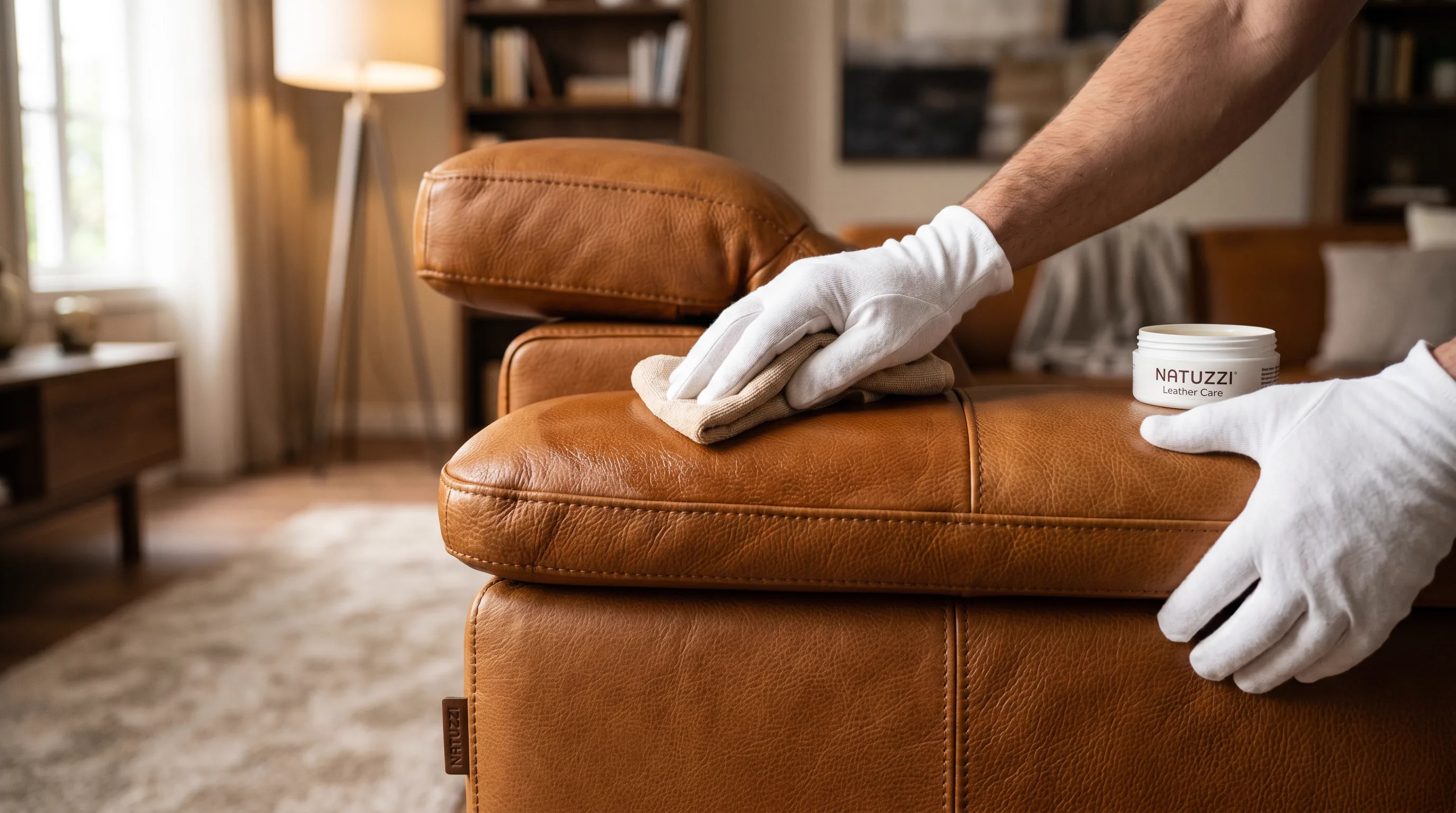
Apply a small amount of premium cream to a lint-free cloth and spread in thin, even layers. Allow the leather to "breathe" and absorb the oils for 20 minutes before buffing with a clean microfiber cloth. Be cautious: over-conditioning can clog the pores and leave a tacky residue that attracts India's heavy dust, particularly during the humid monsoon months. A light, frequent application is always superior to a heavy, infrequent one. Conditioning only rescues a hide that is still intact, though; once the pigment has gone or the cracks have opened, the revival moves beyond cream and cloth into our doorstep leather sofa repair, which travels to homes in 14 cities across India.
What Placement Rules Apply to Leather Sofas in Indian Interiors?
A successful revival is not just about what products you apply; it's about environmental control. To extend the lifespan of a restored sofa anywhere in India, you must manage the "micro-climate" of your living room. Leather is exceptionally sensitive to localized temperature and light fluctuations.
- Strategic UV Management: Direct UV light is the primary cause of pigment fading and fiber breakdown. If your sofa is near a window, consider UV-filtering films or heavy sheer curtains to diffuse India's harsh sun.
- AC and Airflow Control: Avoid placing leather directly in the "blast zone" of a 2-ton AC unit. The focused cold air dries out specific panels unevenly, leading to structural tension and warping over time.
- The 2-Inch Wall Gap: During the monsoon, walls can trap moisture. Never press a leather sofa flush against an external wall; leave a 2-inch gap to allow air to circulate, preventing mold growth in the hidden rear panels.
Frequently Asked Questions
How often should I clean a leather sofa in India?
Frequency depends on your specific neighborhood's pollution levels. For high-traffic areas near main roads, a light dry dusting is required weekly. A professional-grade leather cleaning and conditioning protocol should be performed every 4 to 6 months to maintain the fiber elasticity and prevent the accumulation of urban grime.
Can I use home remedies to revive an old leather sofa?
We strongly advise against it. Viral "hacks" involving vinegar, baking soda, or coconut oil can be catastrophic. Vinegar is too acidic and strips the finish, while food-grade oils turn rancid and attract microscopic pests. Professional leather-safe products are engineered with the correct pH to preserve the hide's integrity.
What is the difference between leather sofa cleaning and restoration?
Cleaning is a maintenance process that removes surface dirt and oils. Restoration is a technical overhaul that addresses deep structural issues: it involves repairing scuffs, color-matching and re-pigmenting faded areas, and reapplying the protective top-seal (lacquer) to make the sofa look showroom-new.
Is professional leather couch cleaning in India worth it?
Absolutely. A luxury leather sofa is an investment often costing lakhs. Professional revival by a team like TLR uses pH-balanced chemicals and specialized tools that safely extract deep-seated soil without risking finish damage. If the hide is beyond a home refresh, book professional cleaning and repair in India. In the long run, professional maintenance is significantly cheaper than reupholstering or replacing the entire set.