Before / AfterRecolour & Condition
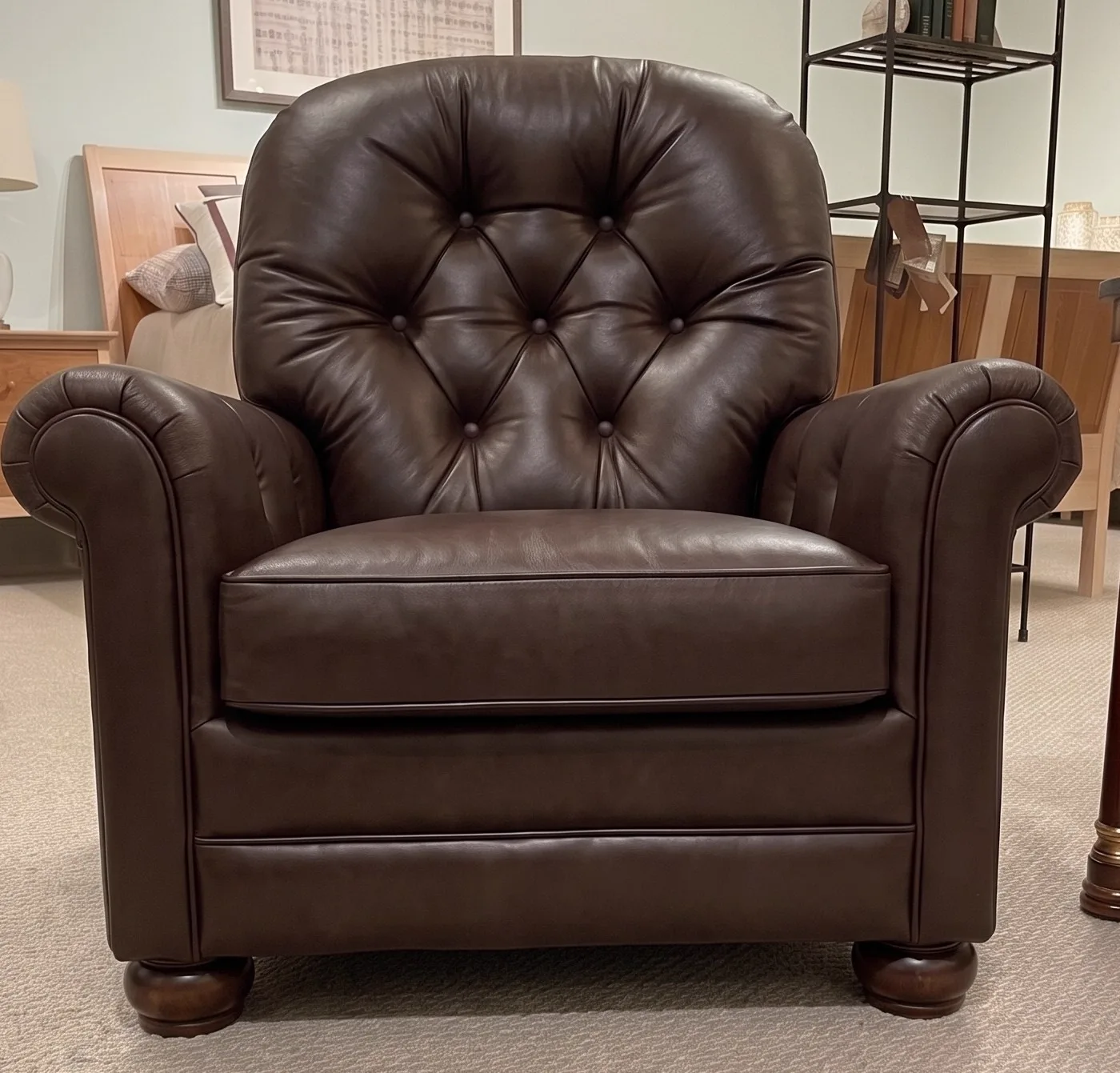
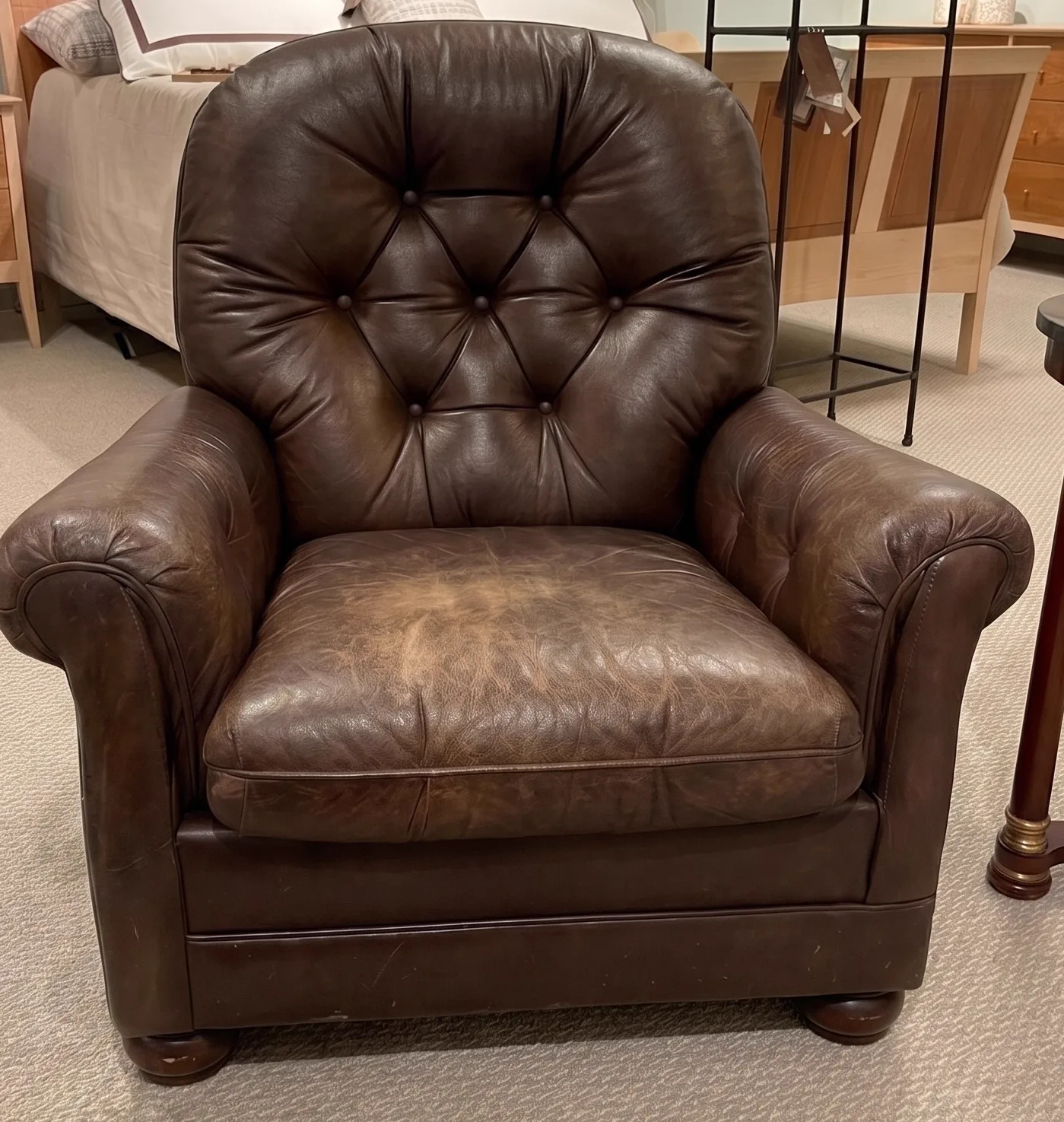
Three quick tests on your sofa right now. Takes under two minutes. Get your leather type, care protocol, and expert guide , instantly.
Run three quick physical tests on your sofa - the water-drop test, the temperature test, and the scratch test - and answer each question below. The finder reads your answers and identifies your leather type, then gives you a tailored care protocol and links to the right guide.
Find a hidden spot on your sofa , back of a cushion, underneath an arm. Place a single small drop of plain water on the surface and watch for 90 seconds.
What happens to the water drop?
Place the back of your hand flat on the leather surface for 5 seconds in a room-temperature area of the sofa.
How does the surface feel against your skin?
Press your fingernail lightly into the leather at a hidden spot , not hard enough to damage, just enough to leave a light impression.
What happens when you press and release?
The finder above narrows your sofa to one of six leather types using the water-drop, temperature, and scratch tests. Each finish behaves differently and needs a different care protocol. Here is what each result means and where to read more.
Dyed all the way through with no protective coating on the surface. This is the gold standard of luxury leather: every natural pore and grain mark is visible, the surface feels warm and alive, and it develops a genuine patina over years. It is also the most vulnerable leather to spills, UV light, and the wrong cleaning products, because nothing stands between the outside world and the dye.
Dyed through like aniline but with a very thin protective pigment layer on the surface. This gives most of the natural beauty of aniline with slightly more resistance to spills and UV. Most heritage Italian brands, including Poltrona Frau's premium ranges, use semi-aniline for this reason. It is still a luxury finish that requires careful care, just slightly more forgiving than pure aniline.
A layer of coloured resin or pigment coating sits on top of the leather, making it the most durable of the three main finishes: spills bead on the surface, UV resistance is better, and cleaning is more forgiving. The trade-off is that the natural grain character is partially masked. Most mid-range and commercial leather furniture is pigmented. It can still be damaged by the wrong products and neglect, it just has more tolerance.
Heavily loaded with natural waxes and oils that give it its characteristic behaviour: when you scratch or press it, the area lightens temporarily as the wax is displaced, then slowly recovers as the wax redistributes. This is not damage, it is the finish working as intended. Pull-up leather develops a rich, lived-in patina faster than any other type and needs wax-based conditioners rather than water-based emulsions.
Full-grain leather lightly buffed or sanded on the grain side to create a very fine velvet-like nap. It looks and feels similar to suede but is technically different and significantly more durable: nubuck is buffed from the grain side of a full-grain hide, while suede is split from the inner fibrous layer. Nubuck needs specialist care, as standard leather products will stain it permanently.
Made from the inner fibrous layer of a split hide, suede is softer and more porous than nubuck, which comes from the grain side. It is the most vulnerable of all leather finishes to moisture, staining, and the wrong products. If the surface is very soft with a coarser nap than fine velvet, it may be a fabric-backed suede-effect material rather than true leather, which changes the care approach significantly.
Still unsure, or facing cracking, fading, or scratches? See our leather sofa repair and restoration services for a professional assessment. If you know the maker as well as the finish, our restoration work by leather sofa brand narrows the protocol further.
Methodology by Tyson, Lead Artisan - The Leather Restorators. Updated June 2026.
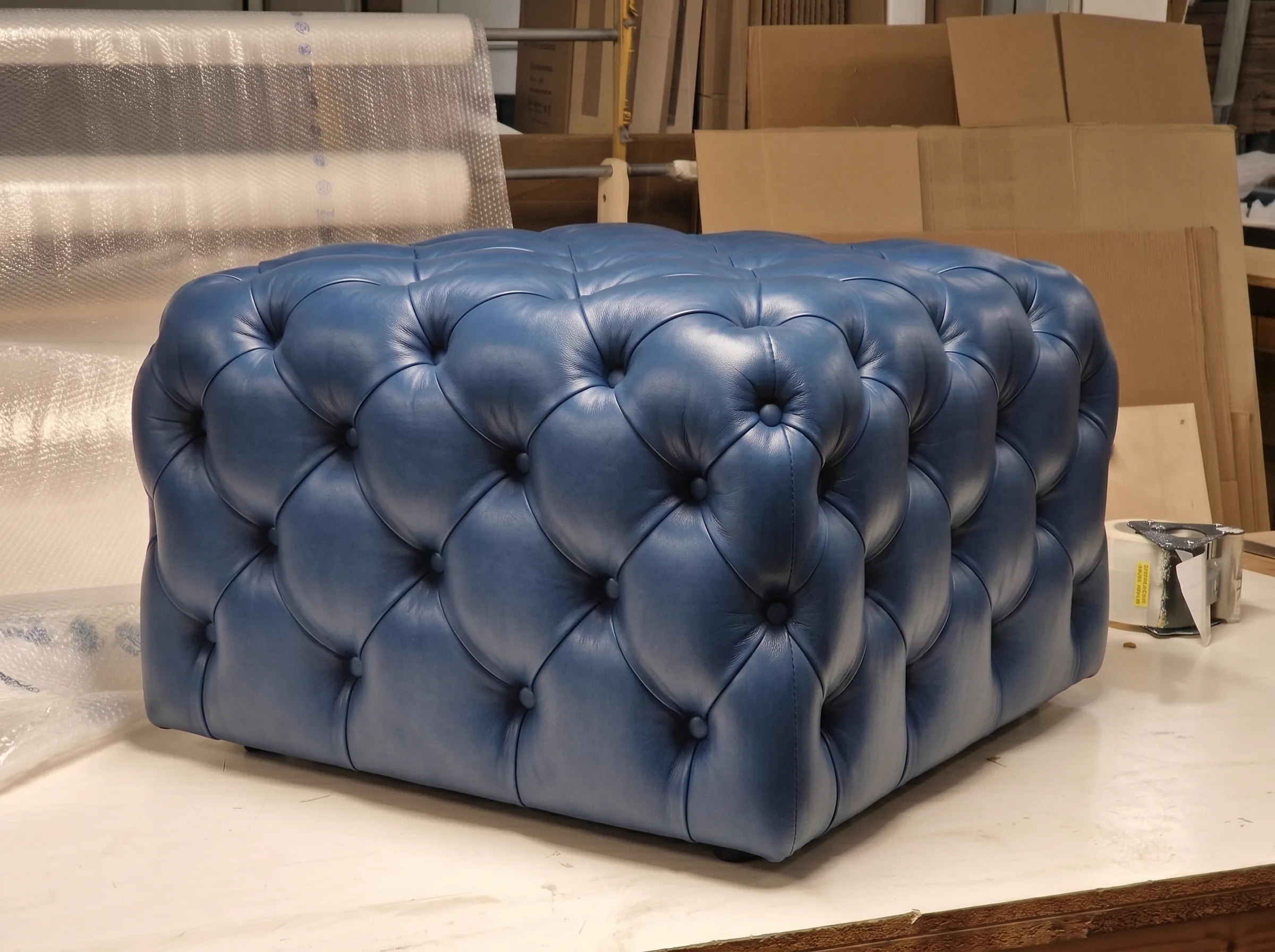
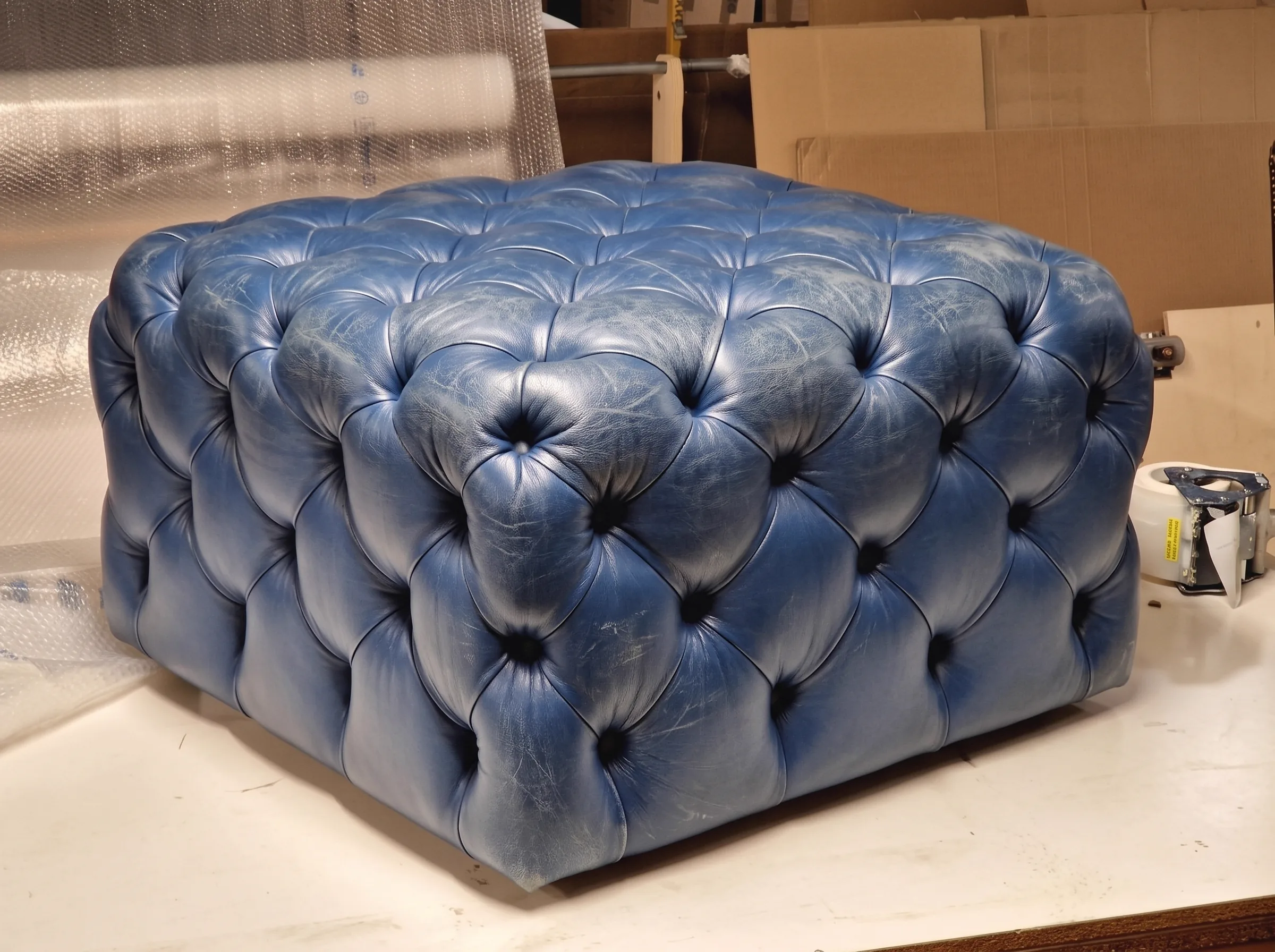
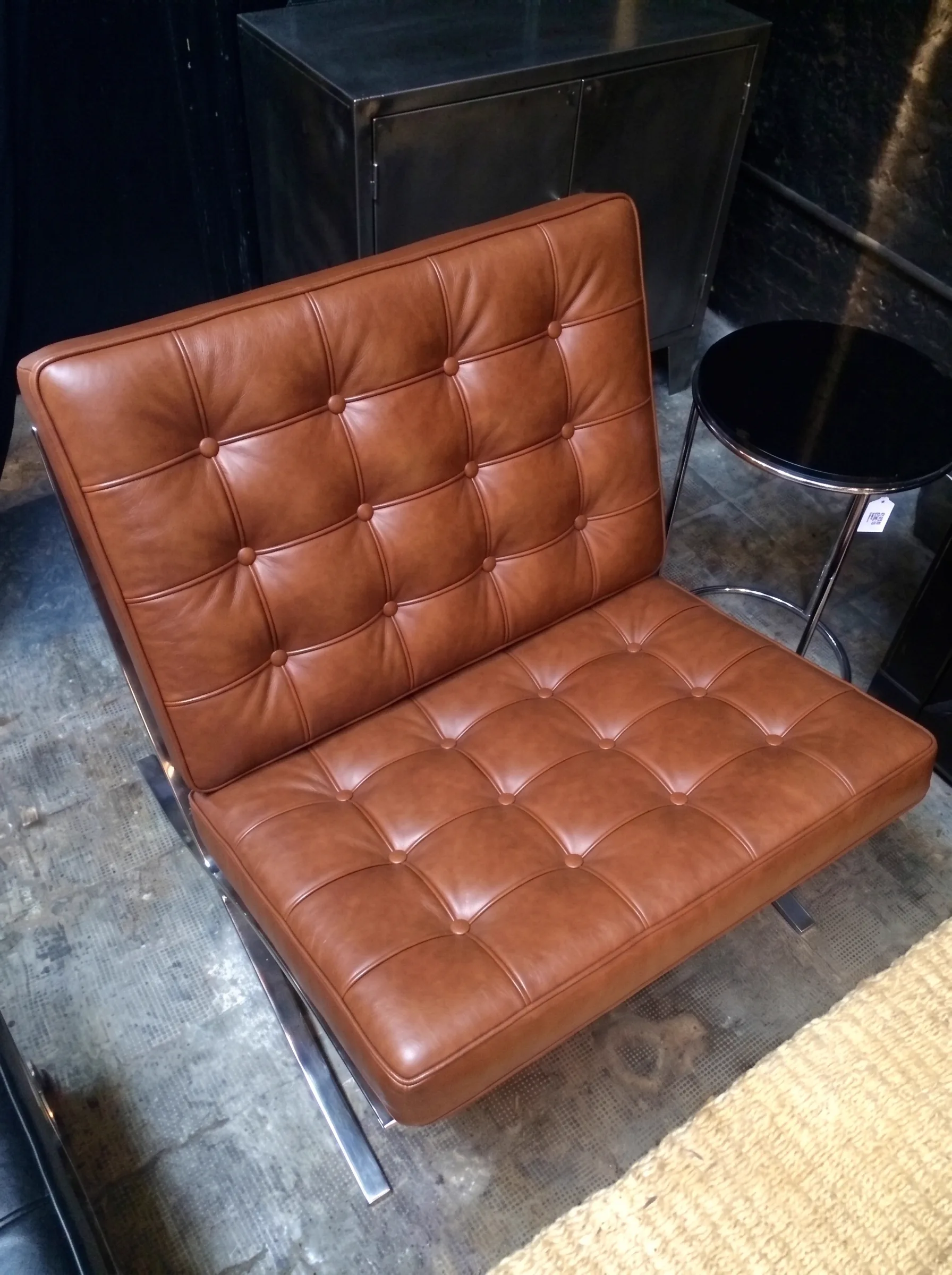
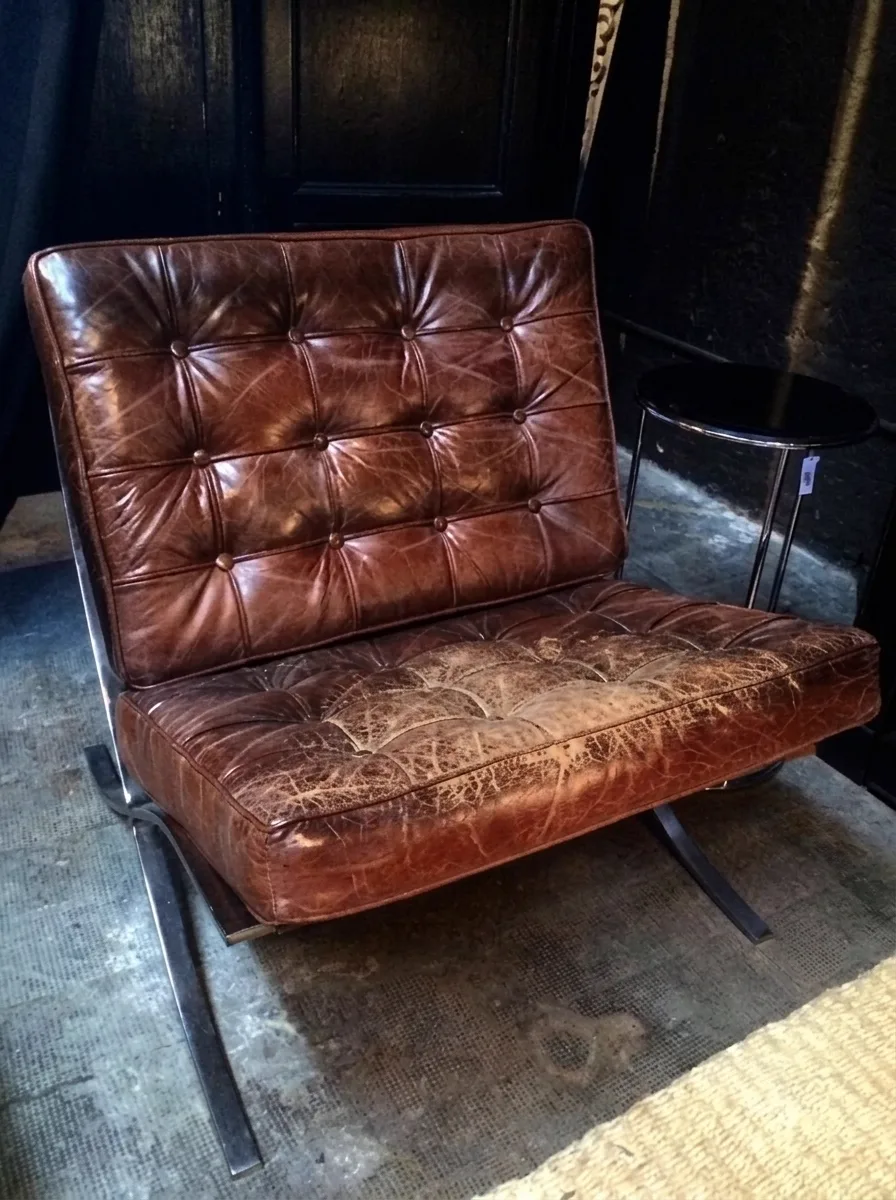
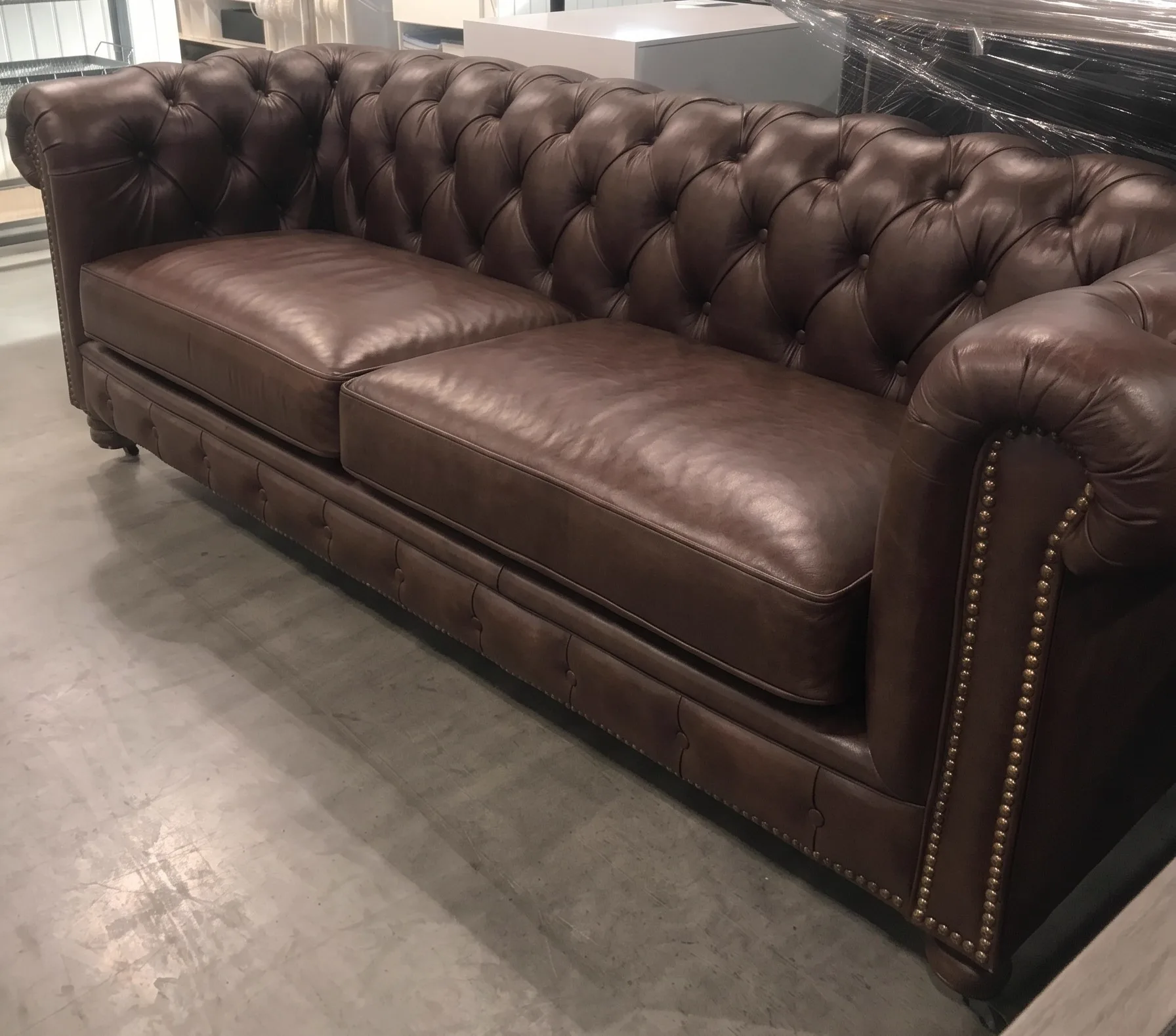
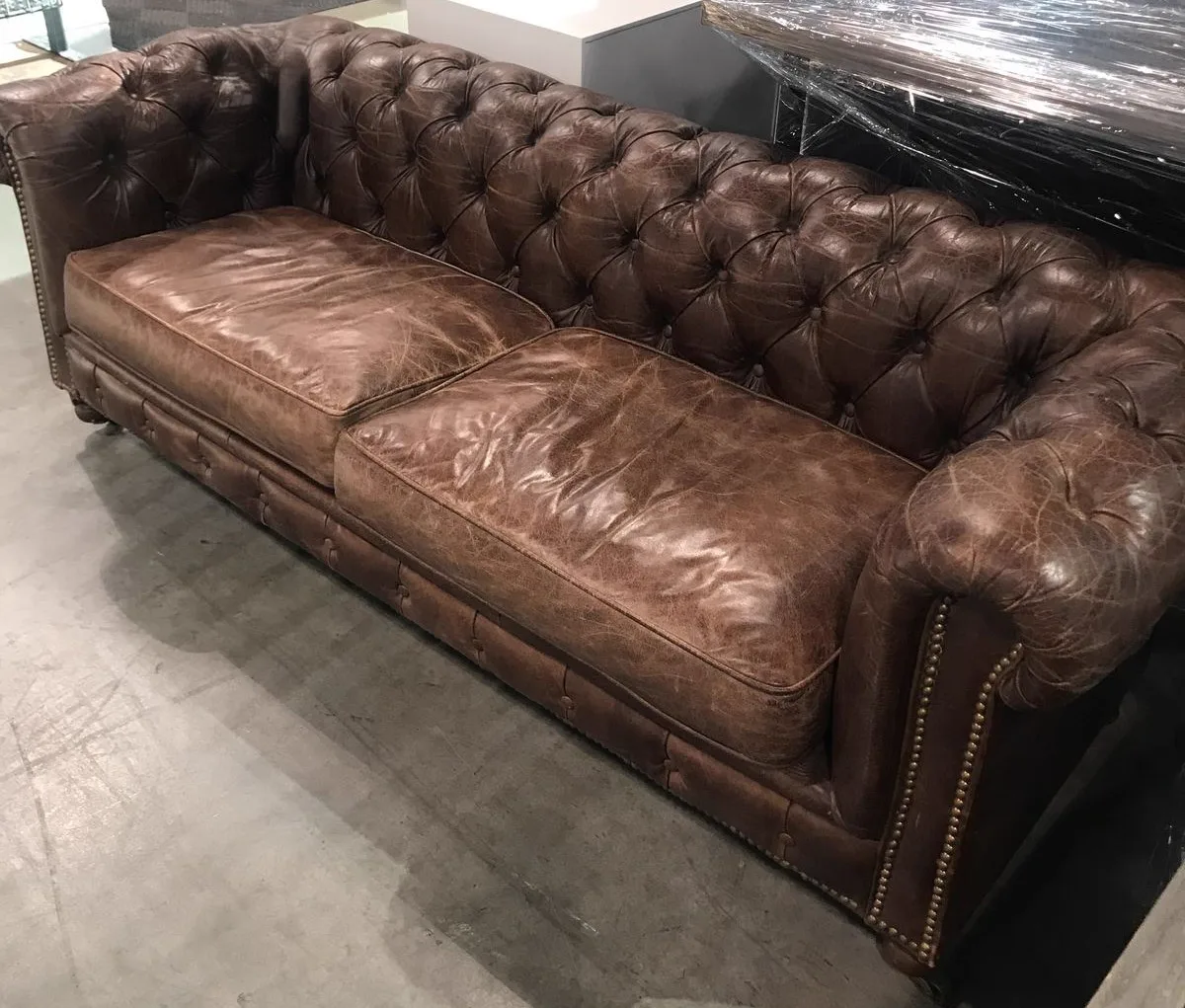
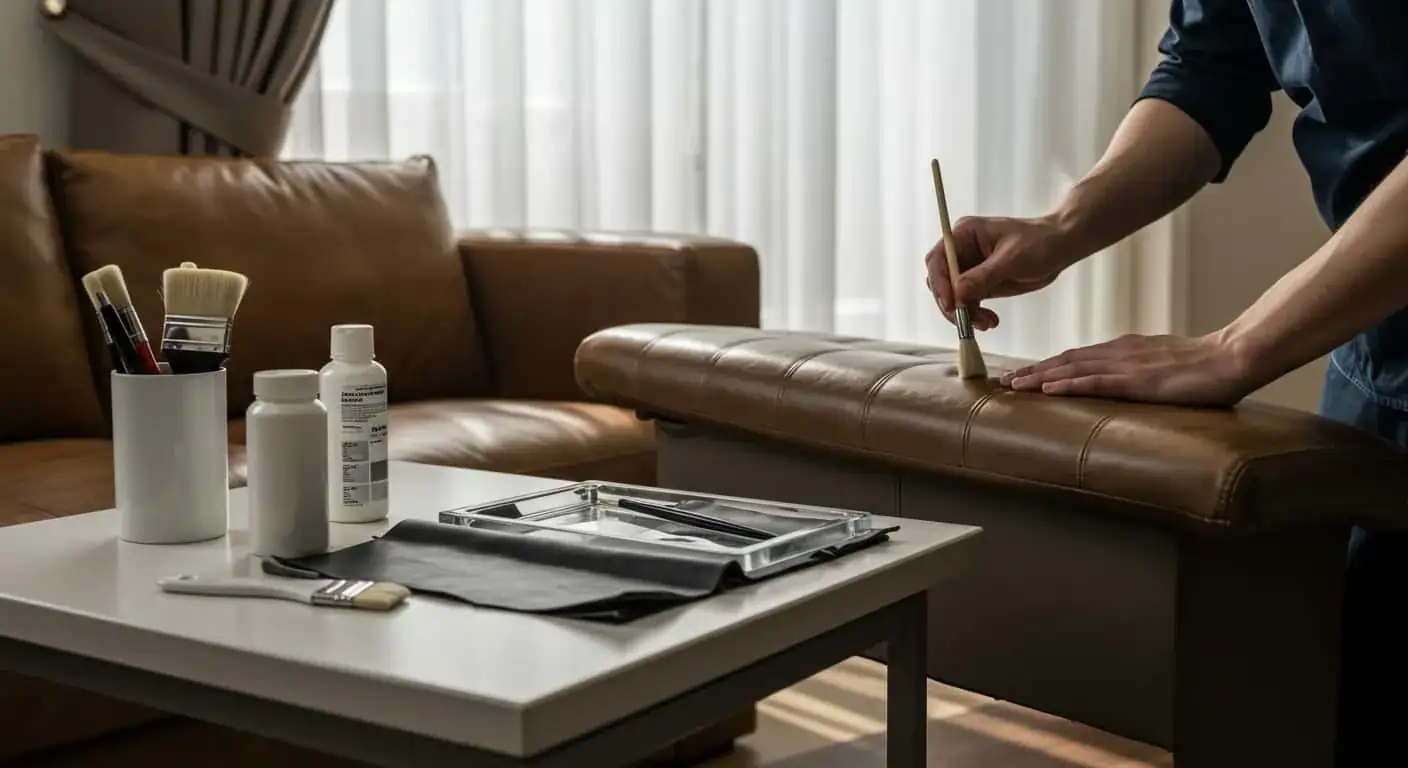
Know your leather type and let our specialist match the exact care protocol your sofa needs.
Your request has been received. A leather specialist will be in touch within 24 hours to discuss your sofa's cleaning & restoration plan.
Return to Website