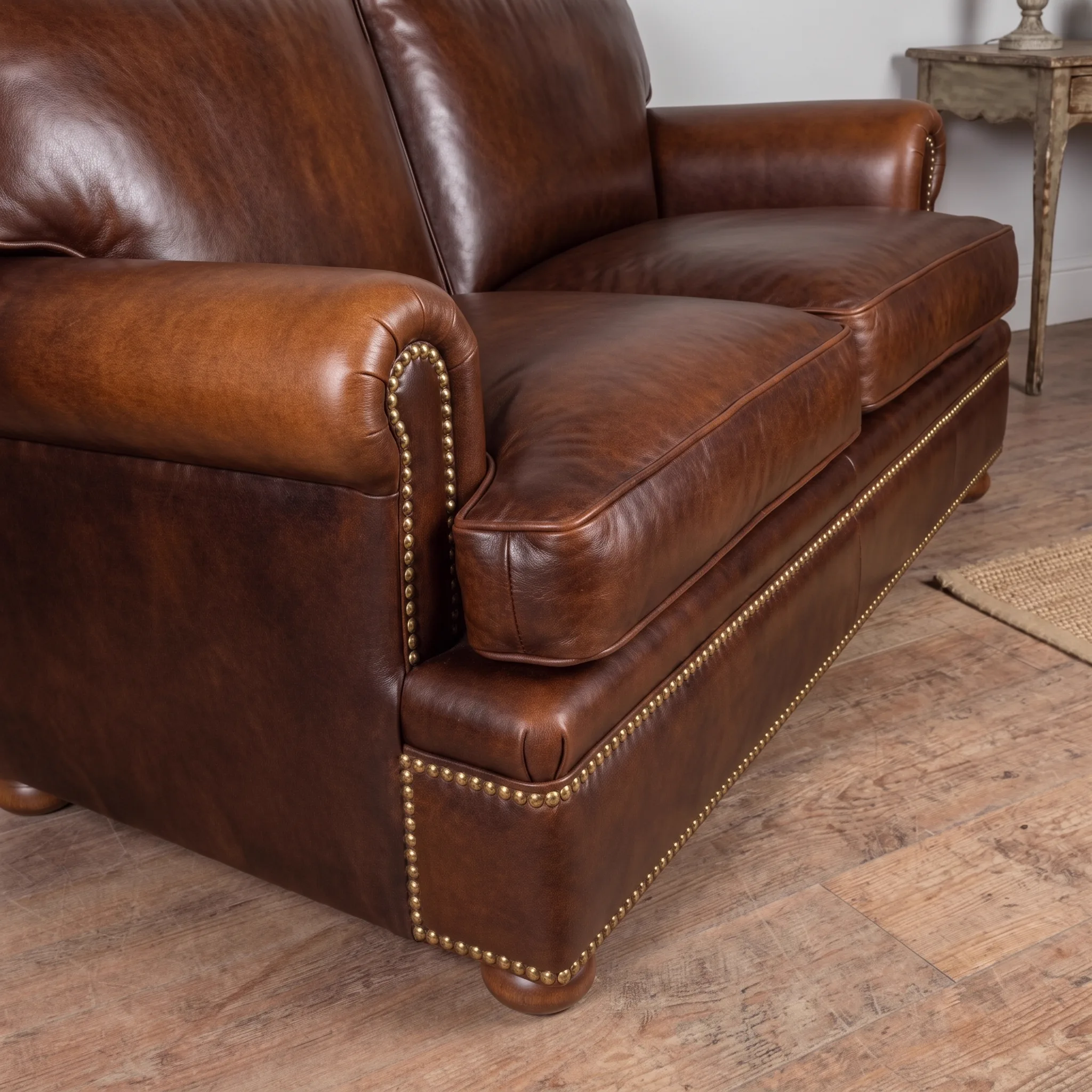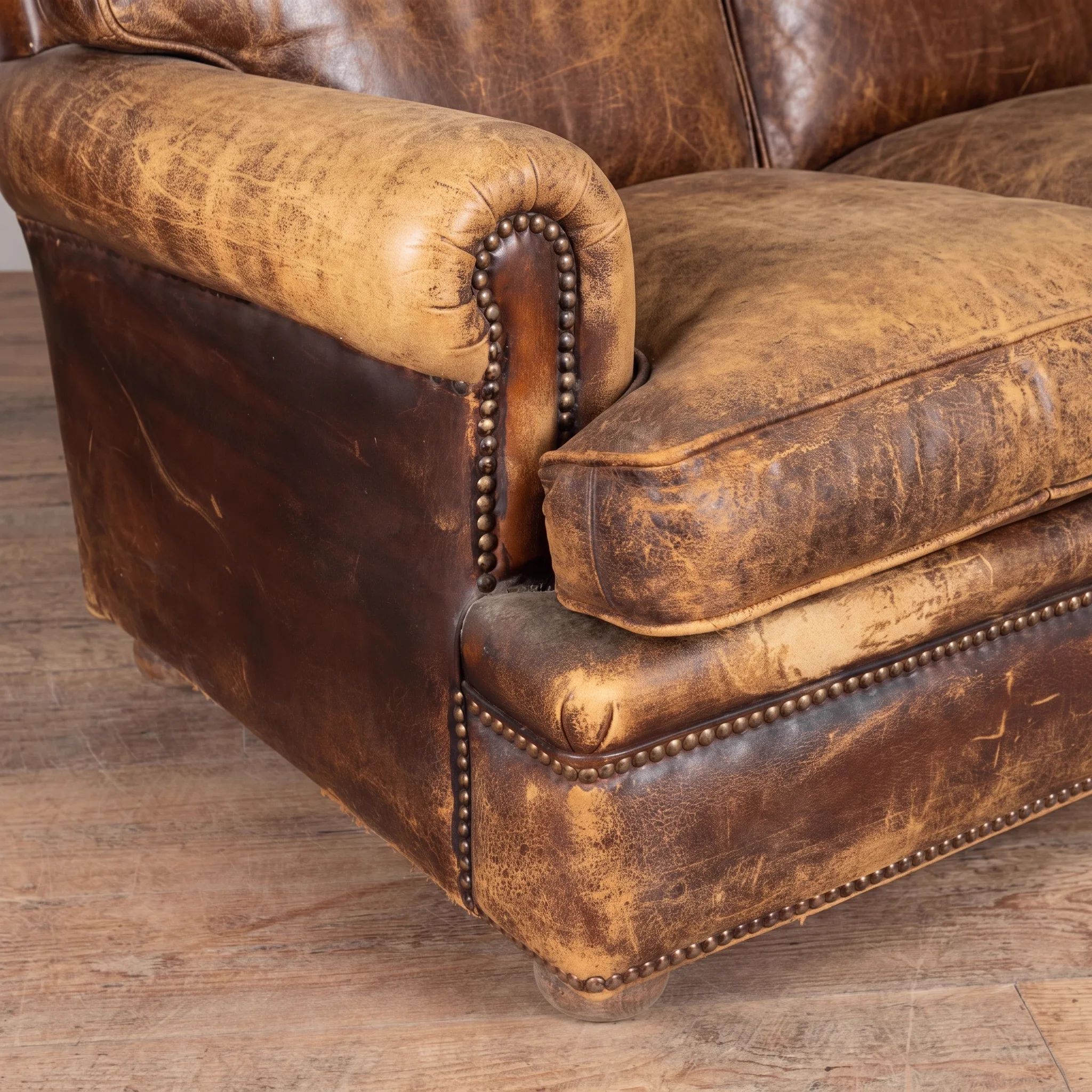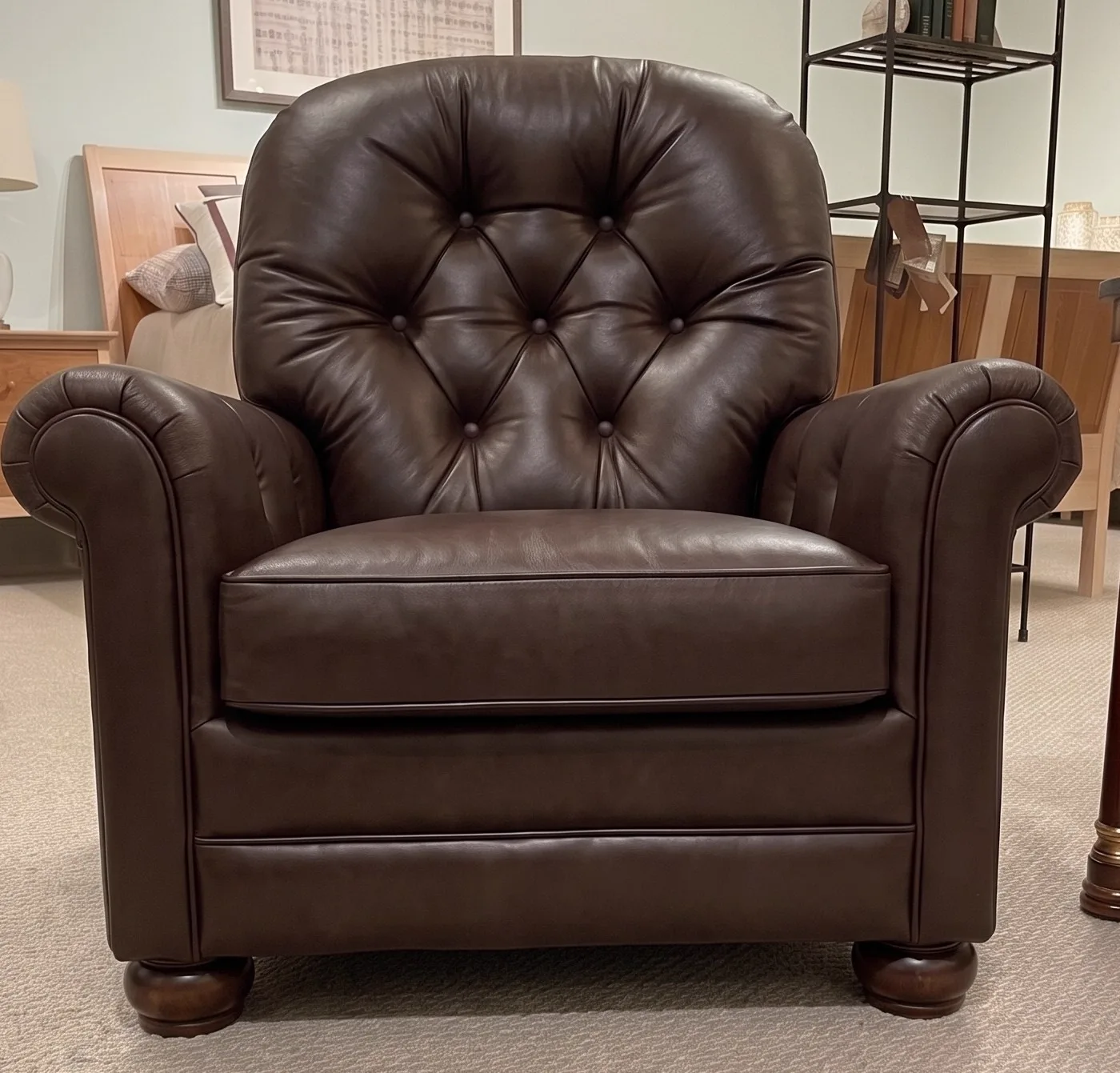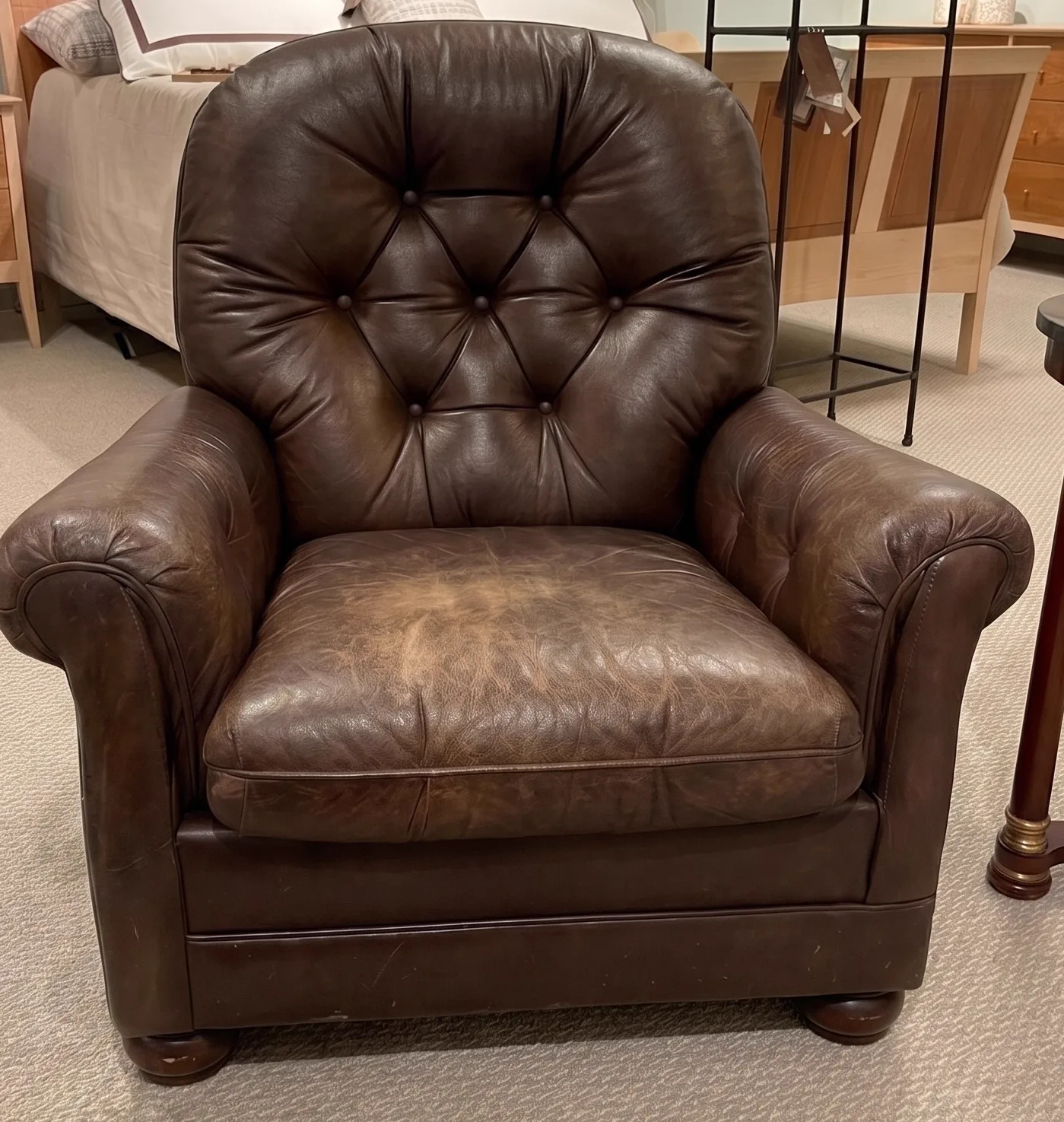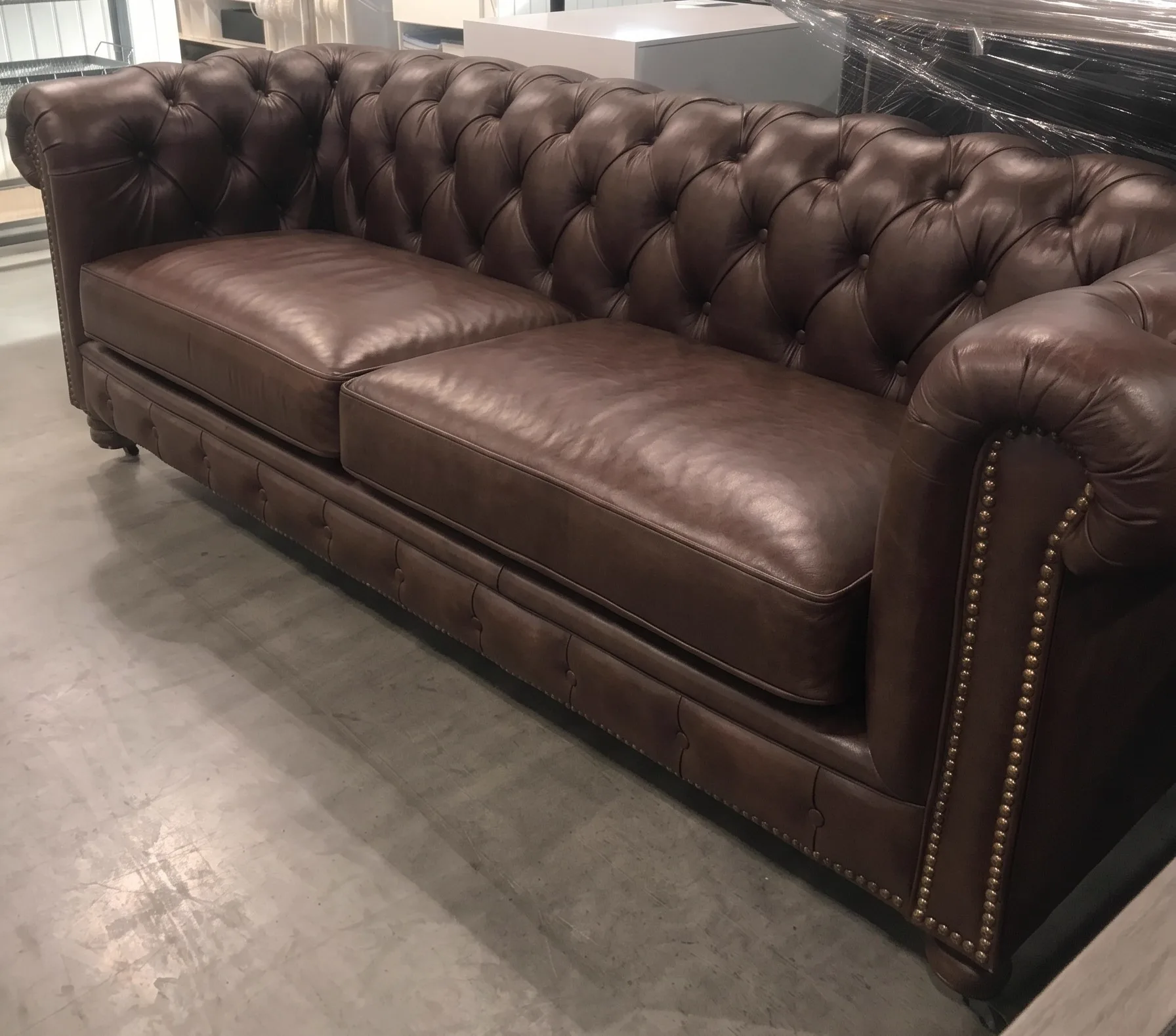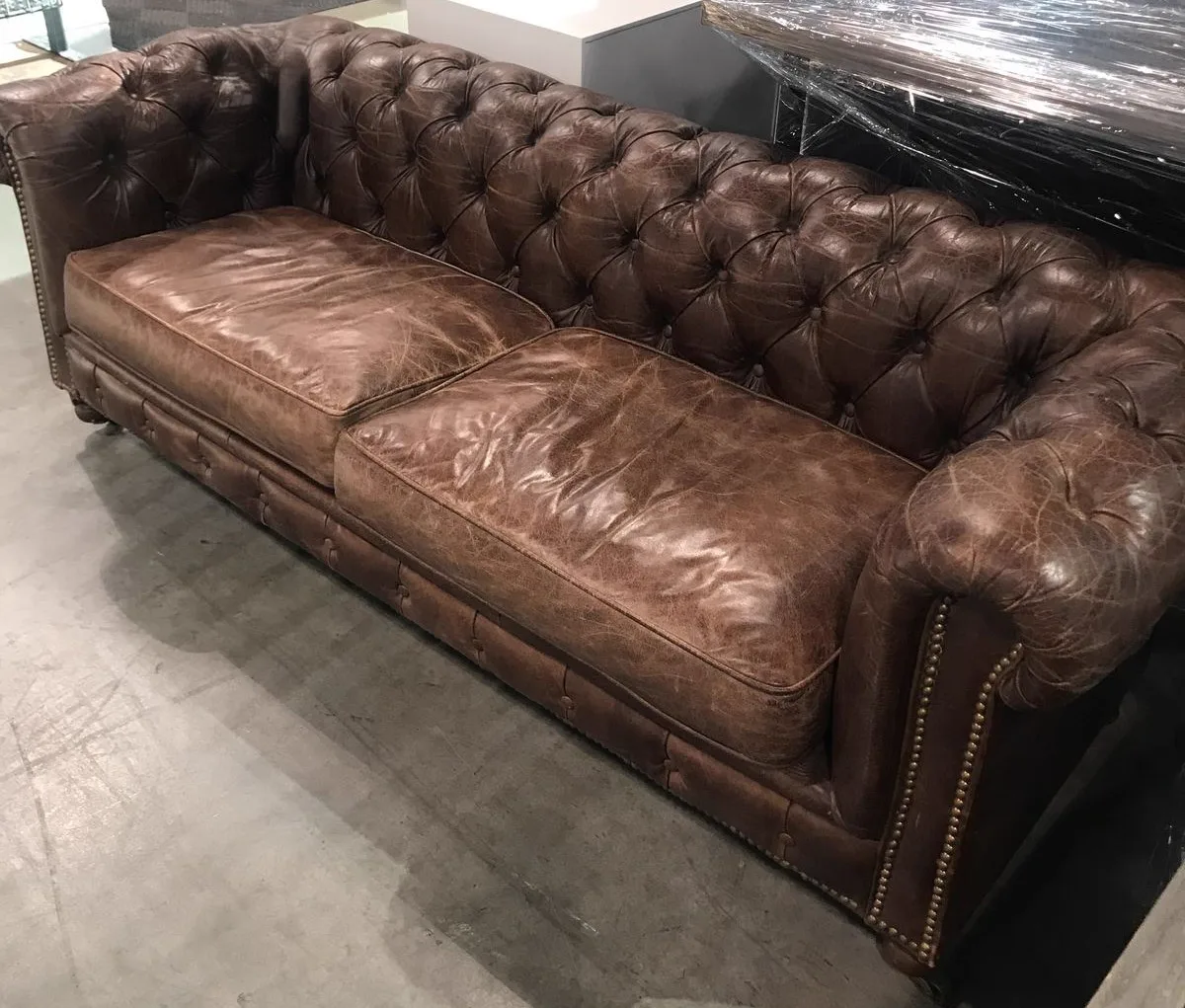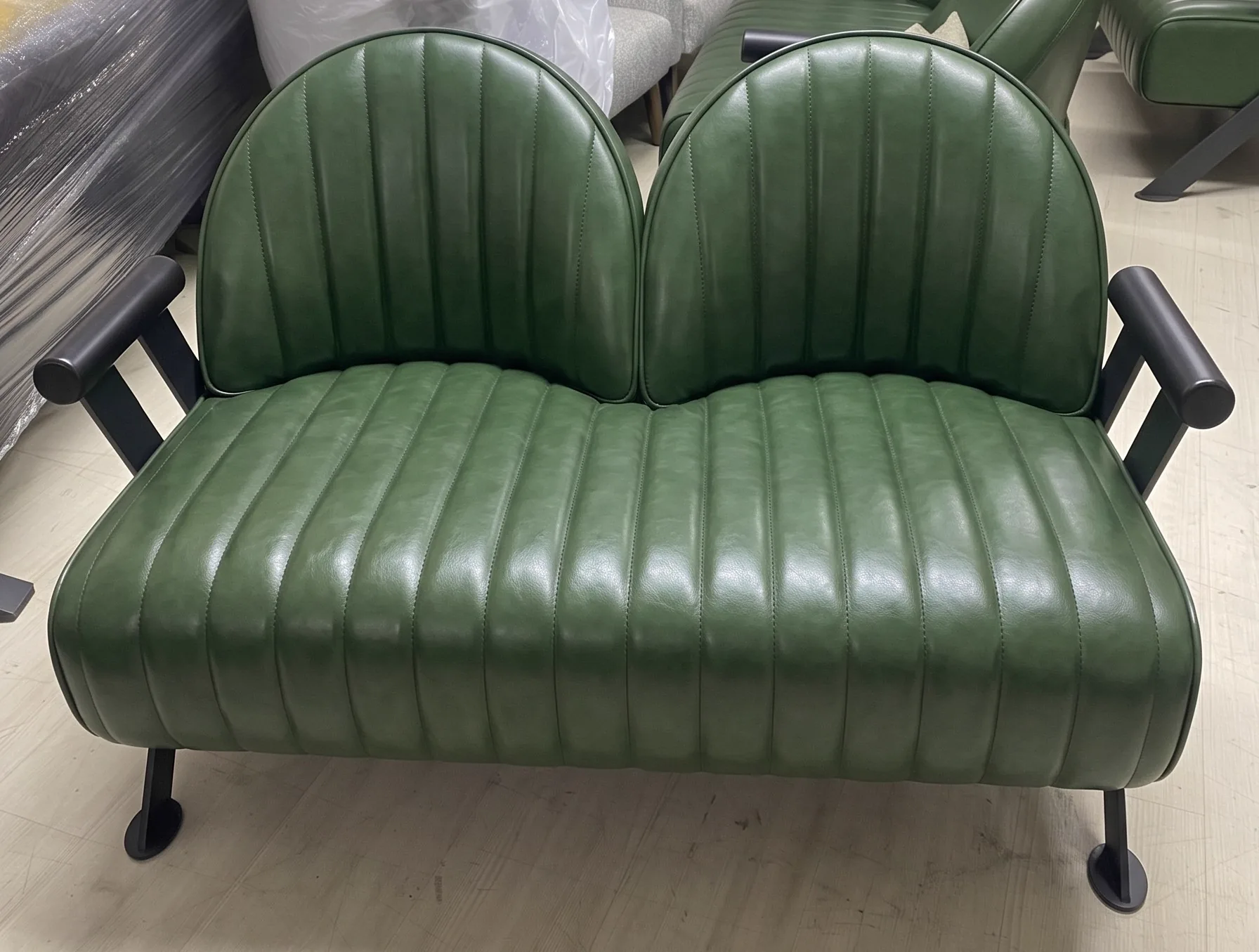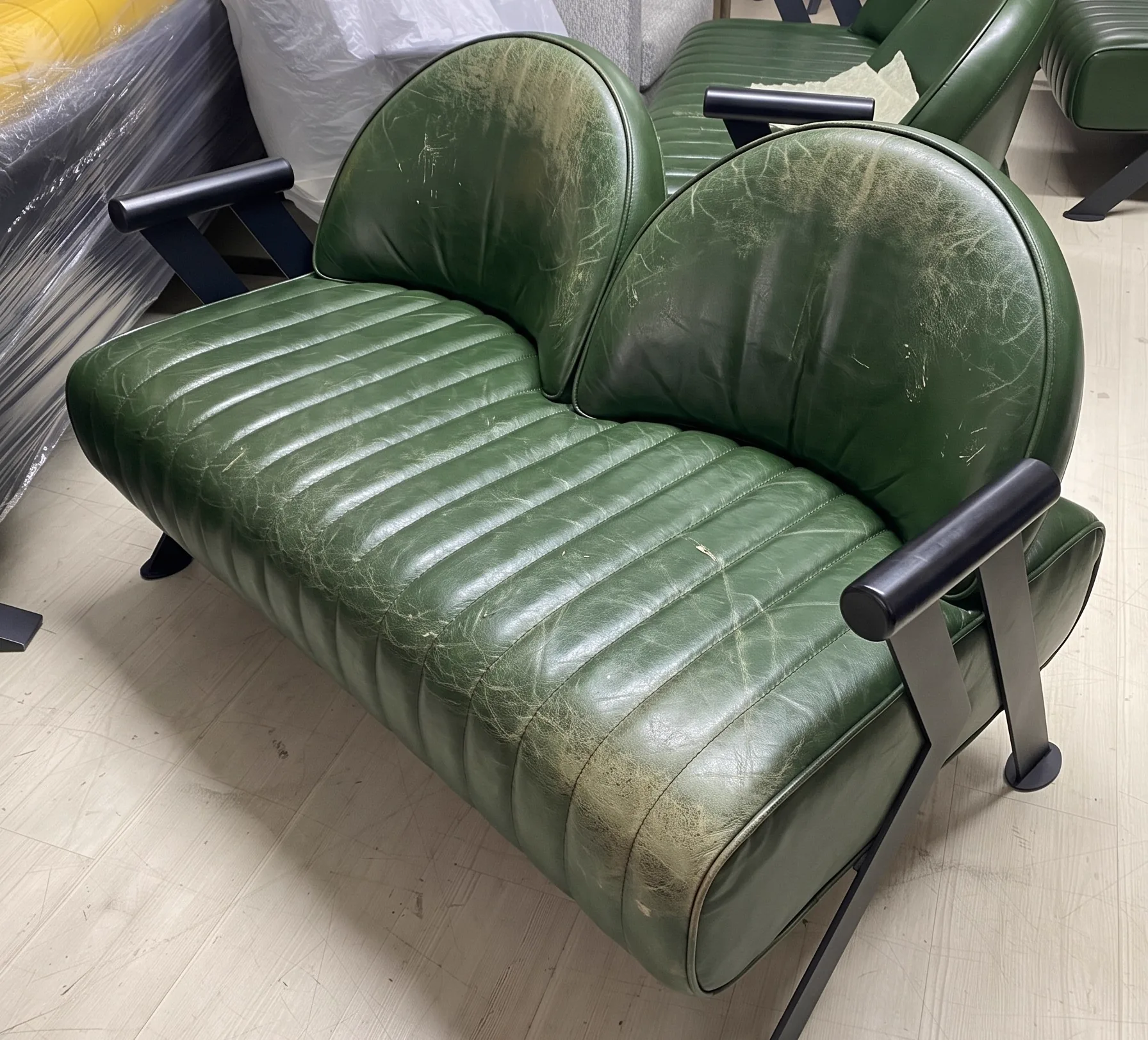
Cleaning a leather sofa at home in India is straightforward if you use the right products and follow the correct sequence. It becomes destructive if you use what is most convenient - the household sprays, wet wipes, and home remedies that are typically the first things people reach for. This guide covers the correct method from start to finish, addresses the specific stains most common in Indian households, and explains the product choices available in India so you can get the right things before you start.
Two things to establish before starting: what finish type your leather is (this affects product choice), and whether what you are cleaning is genuine leather or leatherette. The cleaning approach in this guide is for genuine leather. If your sofa is leatherette or PU, the leatherette cleaning guide has the correct approach for that material - the products differ significantly. If you are not sure which you have, the leather identification guide covers six physical tests that will confirm the material in under 5 minutes.
What You Need Before Starting
Products to gather before starting. Do not begin without these:
- pH-neutral leather cleaner: The core cleaning product. Leather Master Leather Cleaner, Fenice Leather Cleaner, or Bickmore Saddle Soap are available on Amazon India. Avoid any product not specifically formulated for furniture leather - see the product list in the leather cleaning products India guide. Do not substitute household sprays, dish soap, or detergent.
- Soft microfibre cloths - at least three: One for applying cleaner, one for removing residue, one dry for buffing. Do not use terry cloth, paper towels, or abrasive cloths. Microfibre is essential - it lifts soiling without scratching the leather surface.
- Leather conditioner: Always condition after cleaning. Cleaning removes surface fat liquor as well as soiling. Failure to condition after a full clean is one of the most common causes of cracking that begins shortly after a cleaning session. Leather Master Leather Conditioner or Fenice Leather Care Cream are appropriate choices for most genuine leather finishes in India.
- Vacuum with soft brush attachment: For removing dust, crumbs, and loose debris before wet cleaning. Vacuuming before any wet step prevents you from rubbing abrasive particles into the leather surface.
Step-by-Step Cleaning Method
- Step 1 - Vacuum the entire sofa: Use the soft brush attachment on the vacuum. Cover all surfaces - seat cushions, back panels, armrests, and the base sections. Pay attention to seam lines and piping where dust and crumbs collect. This removes abrasive particles that would scratch the surface if rubbed during wet cleaning.
- Step 2 - Test the cleaner on a hidden spot: Apply a small amount of leather cleaner to a hidden area (inside of arm seam, lower back panel). Wait 5 minutes. Check for discolouration, darkening, texture change, or any surface reaction. If there is any visible change after 5 minutes, the cleaner is not compatible with your leather and you should not proceed. A compatible cleaner should produce no visible change on the test area.
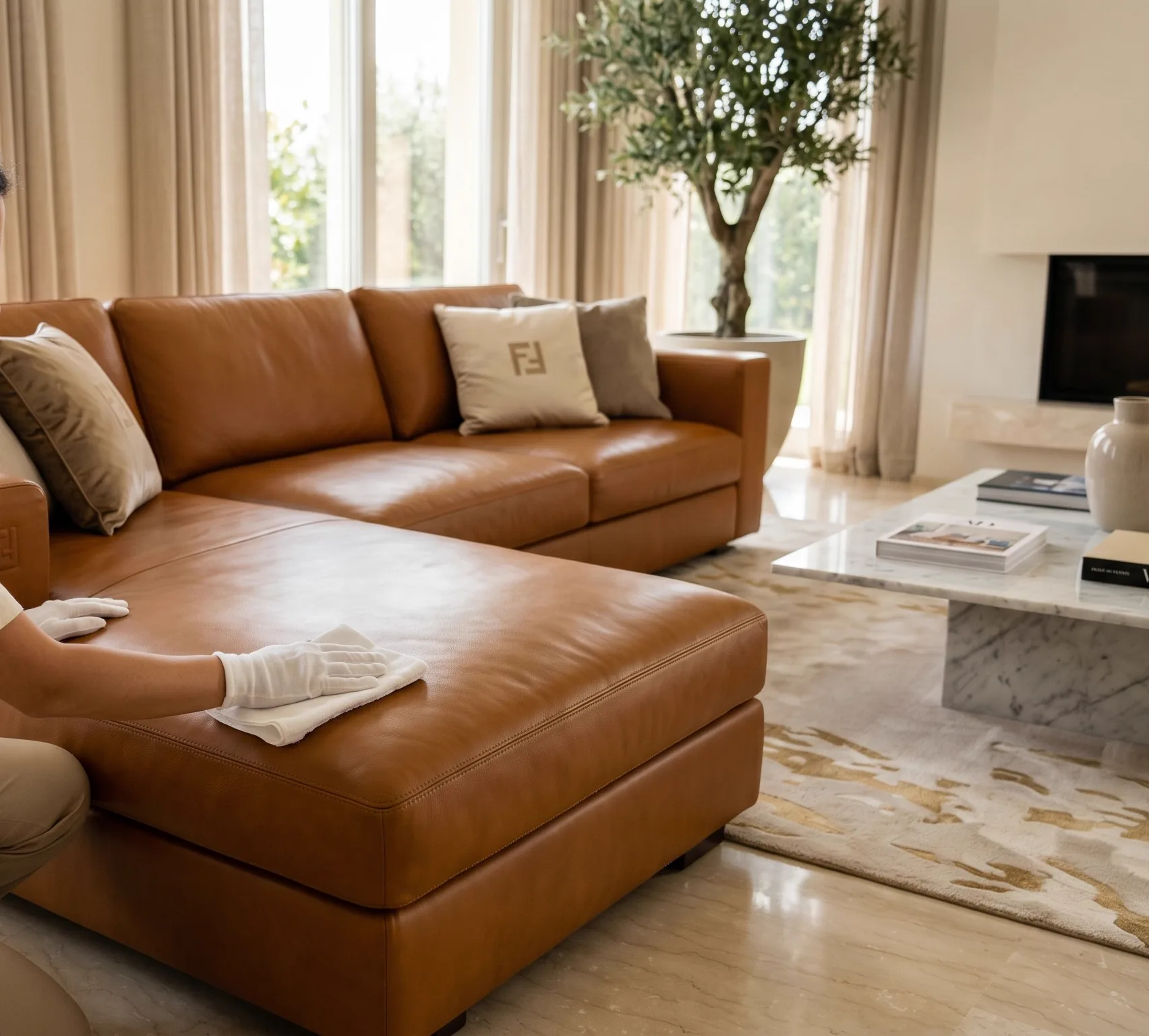
- Step 3 - Clean one panel at a time: Apply a small amount of leather cleaner to a slightly damp (not wet) microfibre cloth. Work one panel at a time - one back cushion, one seat cushion, one armrest section. Use circular motions with light-to-medium pressure. On pigmented leather, you will see soiling lifting onto the cloth (the cloth will darken). On aniline leather, use minimal cleaner and maximum light pressure - aniline absorbs moisture more readily and over-wetting causes watermarks.
- Step 4 - Wipe with a clean damp cloth: After cleaning each panel, wipe with a separate clean cloth barely dampened with plain water to remove cleaner residue. Leaving cleaner residue on the surface is one of the causes of surface stickiness that attracts more soiling.
- Step 5 - Allow to dry before conditioning: Allow the sofa to air dry fully before applying conditioner - at least 30 minutes in normal conditions, longer during monsoon when ambient humidity is high. Do not use a hairdryer or fan heater to speed drying - heat applied to damp leather causes uneven absorption and can leave water marks on aniline surfaces. Condition only on a dry surface.
- Step 6 - Condition the entire sofa: Apply conditioner after every full cleaning session, without exception. The full conditioning method is in the conditioning guide. Apply thin coats, leave 20-30 minutes to absorb, buff off excess. Conditioning after cleaning is what protects the leather from the fat liquor extraction that the cleaning process causes.
How often to clean: Weekly wipe-down with a barely damp microfibre cloth removes dust, body oil, and surface deposits before they penetrate. Full cleaning with leather cleaner every 3 to 4 months in typical use. More frequently in households with children or pets. In India during monsoon, check monthly for mould bloom (faint white powder on darker leather) - this requires immediate cleaning and anti-mould treatment before it penetrates the leather grain.
Common Indian Stains: Specific Treatment
Indian household stains on leather have specific characteristics that require targeted first response. The general rule for all stains: act immediately. A stain left for more than 30 minutes on aniline leather has already begun to penetrate the fibre. On pigmented leather, the topcoat provides more time - but never more than 2 to 3 hours before the stain begins to work through the coating defects.
Chai and coffee stains
Blot immediately with a dry microfibre cloth - do not rub. Rubbing spreads the stain and pushes it into the leather pore structure. Blot from the edges inward to prevent spreading. Once the excess liquid is removed, apply a small amount of pH-neutral leather cleaner to a damp cloth and work the area gently. Chai contains tannins that can cause permanent tanning of light-coloured leathers if left - speed is critical. A mark that cannot be fully removed after the pH-neutral cleaner step needs professional treatment. Do not attempt to bleach or use strong chemicals to remove tannin marks at home.
Dal, curry, and oil-based food stains
Blot excess immediately. Do not rub. Once excess is removed, apply a thin layer of talcum powder or cornflour to the stain and leave for 60 minutes. The powder draws the oil out of the pore structure by capillary action. After 60 minutes, brush off the powder with a soft brush. Clean the area with pH-neutral leather cleaner on a damp cloth. For oil that has been on the leather for more than a few hours, professional cleaning with a solvent-based extraction process is needed - home cleaning cannot remove oxidised oil from deep in the fibre.
Ink marks
Ink is one of the most difficult leather stains. On pigmented leather, a small amount of isopropyl alcohol (70%) on a cotton bud applied very carefully to the ink mark only (not the surrounding leather) can reduce the mark. Dab, do not rub. Work from the edges inward. Apply only to the ink, not the clean surrounding leather - alcohol causes temporary colour lift on pigmented leather if spread beyond the stain. On aniline leather, do not attempt alcohol treatment at home - it will cause permanent colour change around the mark. Professional treatment is required.
Body oil and perspiration accumulation
The most common cause of darkening on headrests and armrests in Indian households - accumulated body oil combined with sweat, particularly in warm months. Regular pH-neutral cleaning on a 3 to 4 month schedule prevents this buildup from penetrating. If the dark zone is already established, professional deep cleaning with a pH-neutral enzyme cleaner is needed to break down the oxidised oil accumulation. Home cleaning cannot remove embedded, oxidised body oil - it can only slow further accumulation.
What Never to Use on Leather in India
The most common cleaning mistakes in Indian households, and why each causes specific damage:
- Multi-surface spray cleaners (Colin, Lizol, etc.): pH of 8 to 10 - well above leather's safe range of 4.5 to 5.5. Repeated use disrupts the fibre-topcoat bond, causes pigment lift, and accelerates fat liquor evaporation. Used monthly, they will cause visible topcoat damage within 2 to 3 years. The pH science guide explains the chemistry.
- Wet wipes and baby wipes: Contain propylene glycol, which dissolves soft pigment coatings. Regular use creates pale ghost patches that cannot be reblended. The baby wipes damage guide documents the progressive pigment lift they cause.
- Dettol and phenol-based disinfectants: pH above 9, strong solvent action. Will strip topcoat from pigmented leather and cause irreversible colour change and surface degradation on any genuine leather. The disinfectant trend during and after COVID caused a measurable increase in leather sofa damage in Indian homes - we saw hundreds of sofas where repeated Dettol application had lifted and cracked the pigment layer.
- Coconut oil, olive oil, mustard oil: Applied in the belief they "moisturise" leather. They oxidise inside the fibre, causing permanent darkening and rigidity within 30 to 90 days. Irreversible. The coconut oil damage timeline documents this in detail.
- Vinegar solutions: Despite appearing in many Indian home remedy lists for leather cleaning. Acetic acid strips protective topcoats and is particularly damaging to semi-aniline and aniline leather where there is no thick protective coat to absorb some of the acid damage before the hide is affected.
When Home Cleaning Is Not Enough
Home cleaning with correct products is sufficient for routine maintenance. It is not sufficient for the following situations:
- Mould bloom: White or grey powdery patches on the leather surface after monsoon. Mould requires professional treatment with an anti-fungal solution applied and neutralised at the correct concentration. Home cleaning attempts to wipe mould away can spread the spores into unsealed grain areas and worsen the problem.
- Embedded body oil darkening: The dark zone on headrests and armrests from accumulated, oxidised body oil. Requires enzyme-based professional extraction that breaks down the oxidised oil at molecular level.
- Old tannin stains from chai or coffee: A chai stain left for more than 4 to 6 hours on aniline leather has tanned the exposed fibre - this is a chemical change, not a surface deposit. Professional colour-matching treatment is needed to address the discolouration.
- Ink stains on aniline leather: Home treatment risks permanent colour damage. Professional ink extraction and colour restoration is the correct approach.
- General deep cleaning after 2+ years without professional service: Accumulated body oil, dust particulate, and surface soiling that has penetrated beyond the topcoat needs professional-grade equipment to remove without damaging the leather. Home cleaning at this stage is surface-only and leaves the embedded soiling in place where it continues to degrade the fibre.
"The right home cleaning routine does most of the work. Weekly damp wipe-down, quarterly clean with a proper leather cleaner, condition after every clean. That protocol, consistently followed, handles 90% of what a leather sofa needs between professional visits. The 10% that it cannot handle is where we come in - deep oil extraction, mould treatment, colour repair. But if the home routine is right, you need us every 18 to 24 months, not every year." - Tyson, Lead Artisan, The Leather Restorators
Safe Home Remedies Using Kitchen and Pharmacy Items
The following home remedies use items available in every Indian household. They are safe on genuine leather when used correctly - no damage risk when the instructions are followed. None replaces professional products for deep cleaning, but they are effective for daily maintenance and first response to common stains.
The standard home cleaner: plain lukewarm water on a cotton cloth
This is the correct default cleaning method for all genuine leather when you have no leather cleaner. Take a clean cotton cloth (old T-shirt fabric, muslin, cotton dupatta) and soak it in lukewarm water. Wring it until almost completely dry - the cloth should feel barely damp when pressed to your cheek. Wipe the sofa in long, slow strokes. Rinse the cloth in clean water, wring again, and wipe again to remove any residue. Finish with a completely dry cloth. This removes surface dust, light body oil, and most surface-level soiling without any chemical that could damage the leather. It is safe to do weekly on pigmented leather and every 10 to 14 days on aniline. Effective, costs nothing, causes zero damage when done correctly.
Talcum powder for fresh oil spills (ghee, dal, cooking oil)
For any oily food spill on leather - ghee, cooking oil, dal fat, butter - act within the first 5 minutes. Blot the excess with a dry cloth first (do not rub). Then apply a generous layer of plain talcum powder (Johnson's or any unscented talc) directly onto the wet stain. The powder absorbs oil from the pore structure by capillary action as it sits. Leave it for 30 to 45 minutes without disturbing it. Then brush off the powder gently with a clean dry brush or cloth. You will see the powder has darkened with absorbed oil. Follow with a damp cloth wipe. This technique removes 60 to 80% of a fresh oil spill without any chemical product. For spills older than an hour, professional extraction is needed as the oil has oxidised into the grain.
Cornflour paste for embedded body oil stains on headrests
Mix a tablespoon of plain cornflour (maize flour) with just enough lukewarm water to make a paste the consistency of thick yoghurt. Apply a thin layer over the darkened body-oil zone on the headrest or armrest with your fingers. Leave for 20 minutes. Wipe off gently with a damp cloth. The starch in cornflour draws oil from the surface and near-surface layer of the leather. The effect is a noticeable reduction in the darkness of the oil zone. Repeat once a week for 3 to 4 weeks for established dark zones. This will not remove deep-embedded oxidised oil but it progressively removes the lighter surface accumulation before it embeds further. Between applications, wipe the headrest area with a barely damp plain cloth after each use to prevent new oil from accumulating.
Baking soda for monsoon mould smell before visual bloom appears
If your sofa smells musty in monsoon season but you cannot yet see any visible white bloom on the surface, it is in the early stage of mould development - the spores are present but not yet producing visible growth. Sprinkle plain baking soda (sodium bicarbonate, available at any grocery for Rs 30-40 per 200g pack) lightly over the entire sofa surface. Leave for 4 to 6 hours - overnight is better. Vacuum off completely with a soft brush attachment. Baking soda neutralises the acidic mould metabolites that produce the musty smell and mildly disrupts the mould colony surface. Follow with a lukewarm water wipe and allow to dry fully in a well-ventilated room before closing windows. This is a preventive treatment for early-stage mould smell. Once visible white bloom appears, professional antifungal treatment is required - baking soda at that stage treats the smell but not the active colony.
Dilute white vinegar: the correct and incorrect uses
White vinegar appears on most "do not use on leather" lists - correctly, for routine cleaning. But there are two specific situations where dilute white vinegar is the right home intervention:
- Fresh pet urine: Urine is alkaline (pH 7-8). Dilute white vinegar at 1 part vinegar to 2 parts water, applied with a cloth and immediately wiped off, neutralises the alkaline urine chemistry. Wipe off completely within 60 seconds and follow with a plain water wipe. This is appropriate because the vinegar's acidity is counteracting the urine's alkalinity - the net effect on the leather surface is less damaging than leaving urine to penetrate.
- After alkaline cleaner damage (household spray accidentally used): If someone has just cleaned the sofa with Dettol or Colin, a single very dilute vinegar wipe (1 part vinegar, 4 parts water) helps neutralise the alkaline residue before it fully disrupts the topcoat. Wipe off immediately with plain water. This is a rescue step, not a routine one.
In all other situations - routine cleaning, stain removal, general maintenance - do not use vinegar on leather. The correct tool list for a genuinely safe home cleaning kit costs under Rs 200 total: 3 microfibre cloths, a pack of plain talcum powder, a box of baking soda, and a bowl of clean water. That kit covers upkeep and fresh spills; oil that has already oxidised into the grain, or mould that has reached visible bloom, is the point where a professional leather sofa cleaning service with hot extraction takes over.