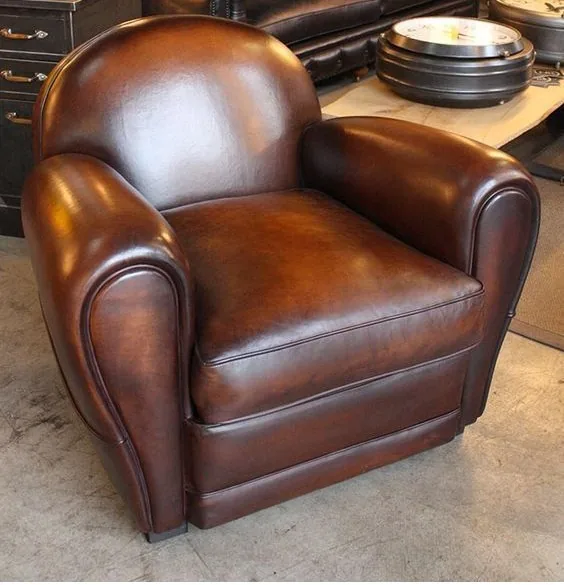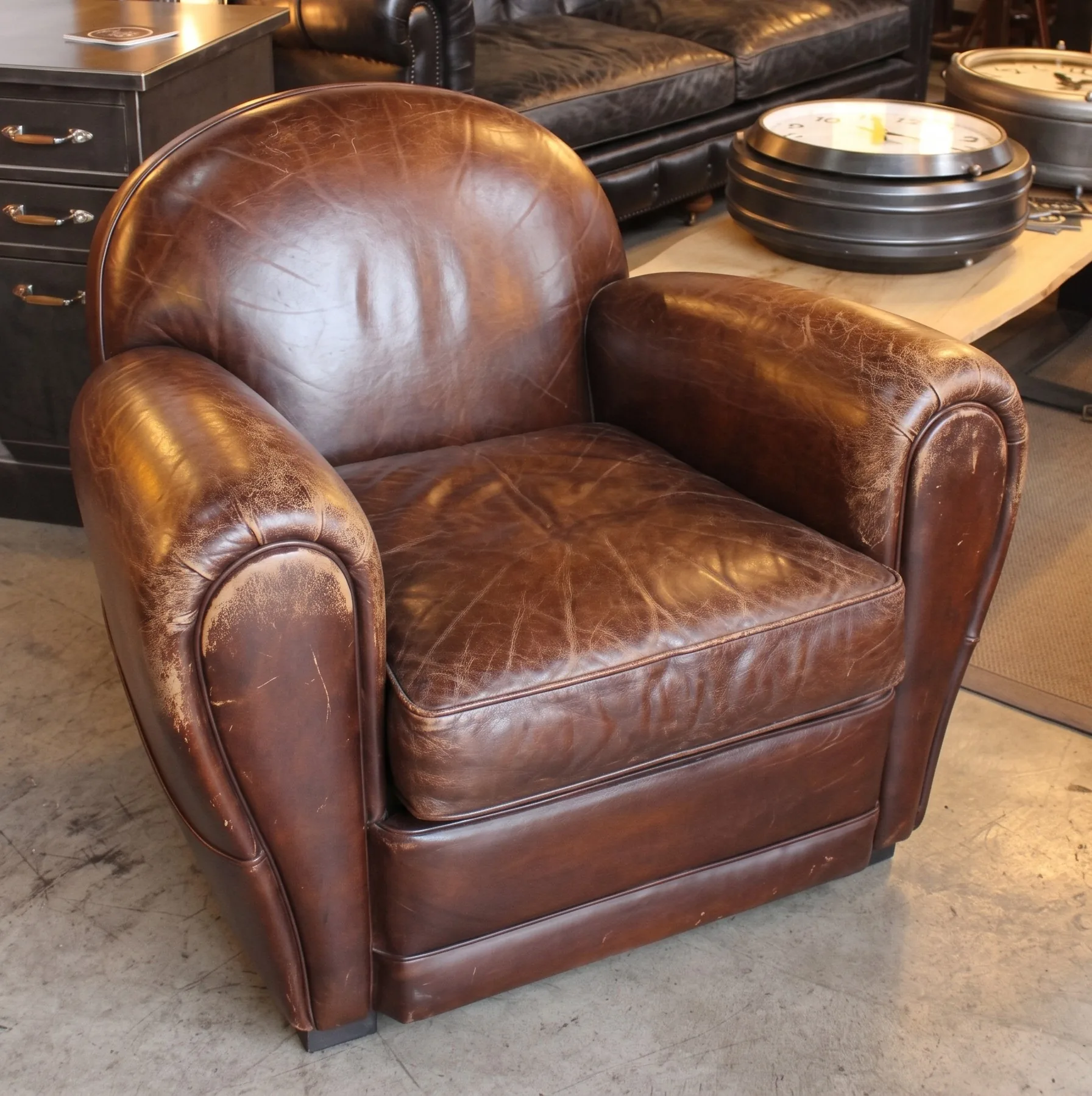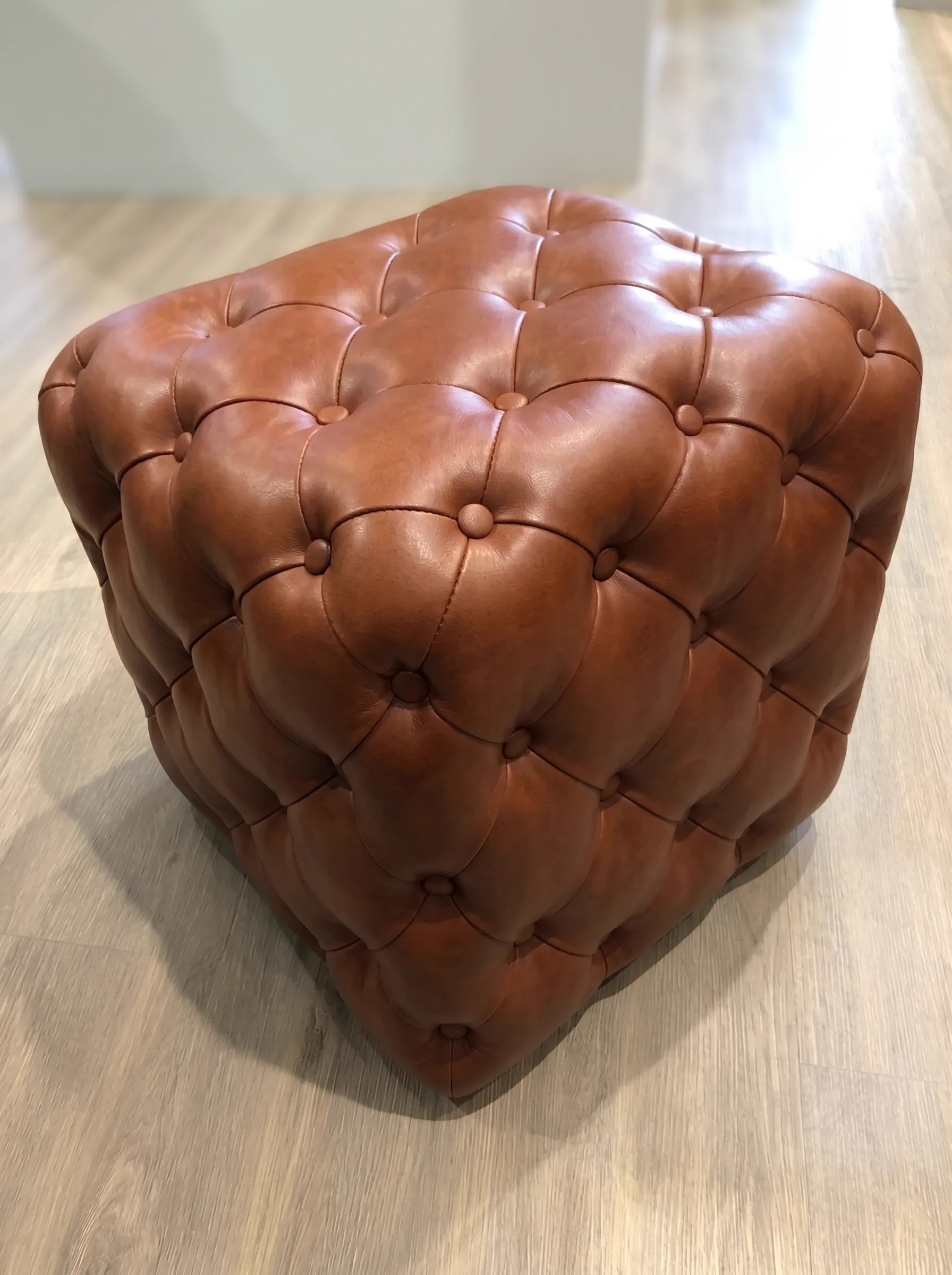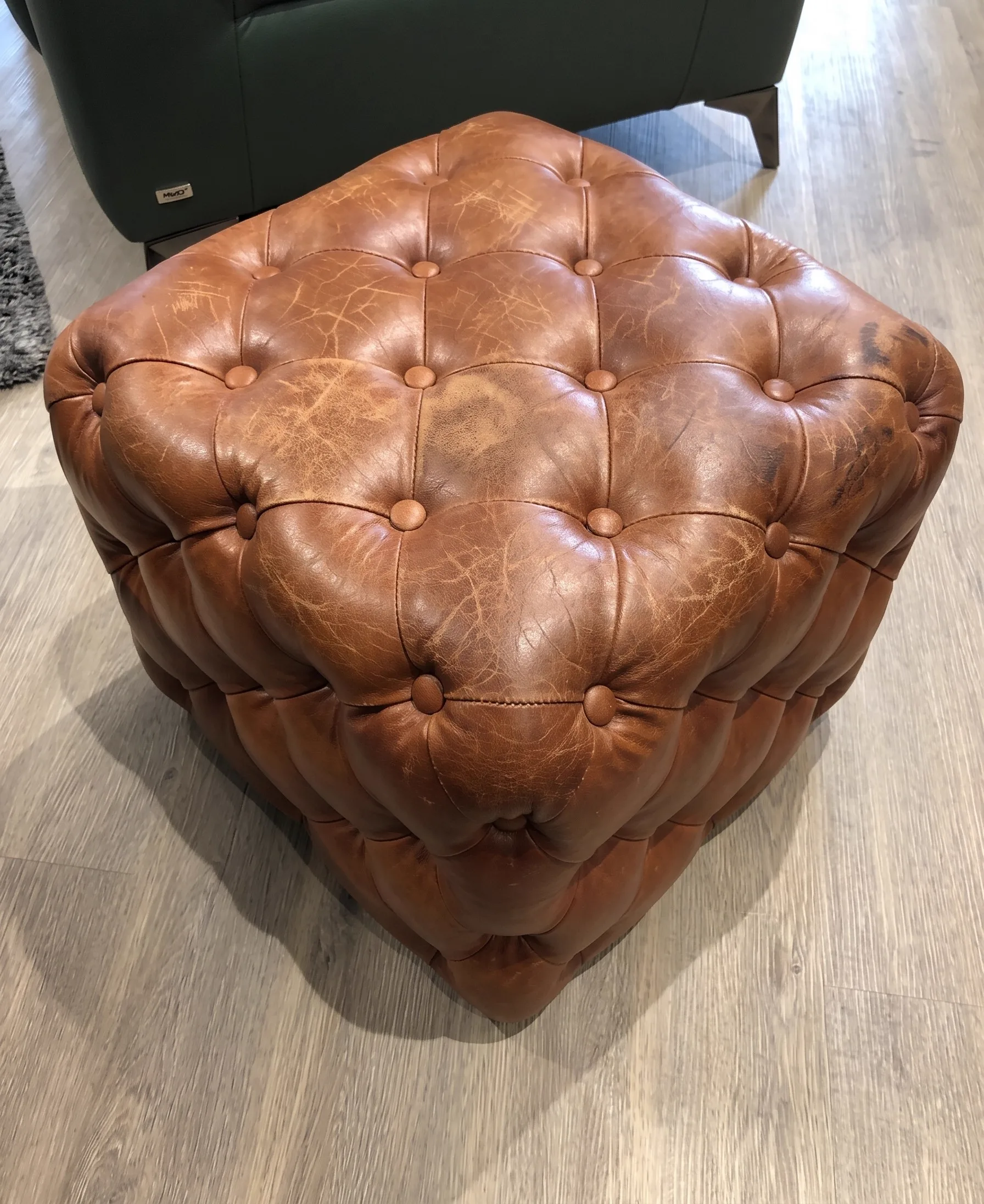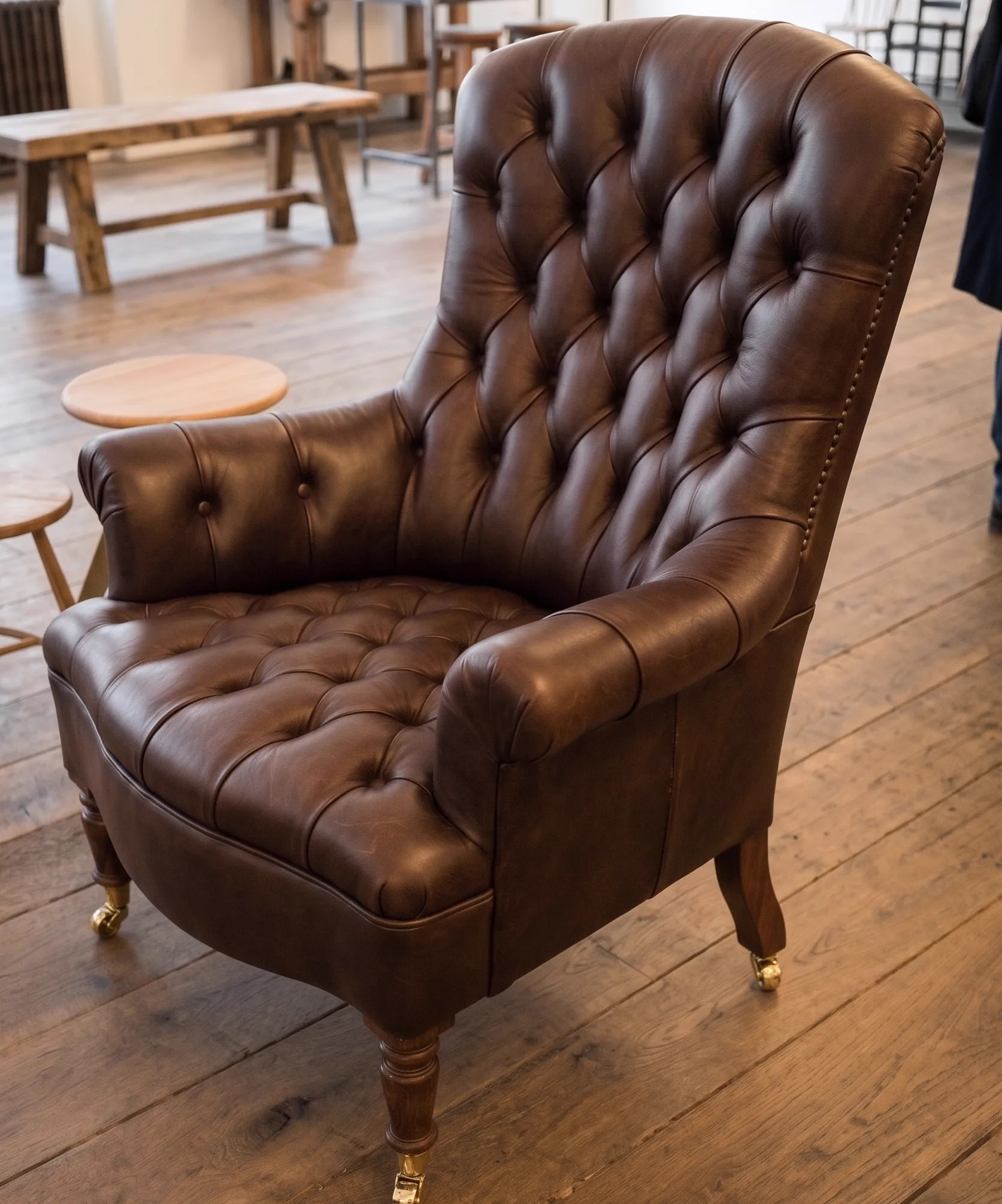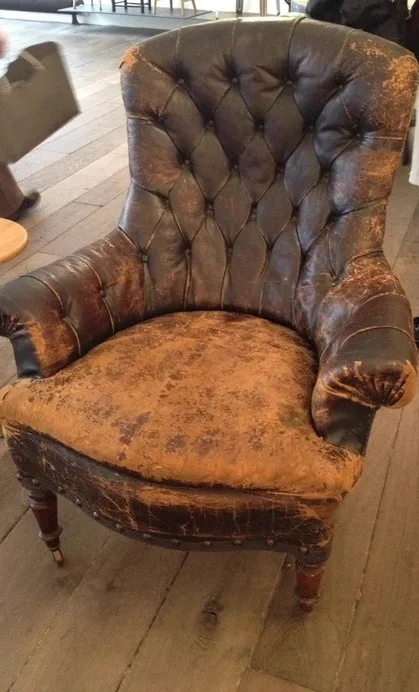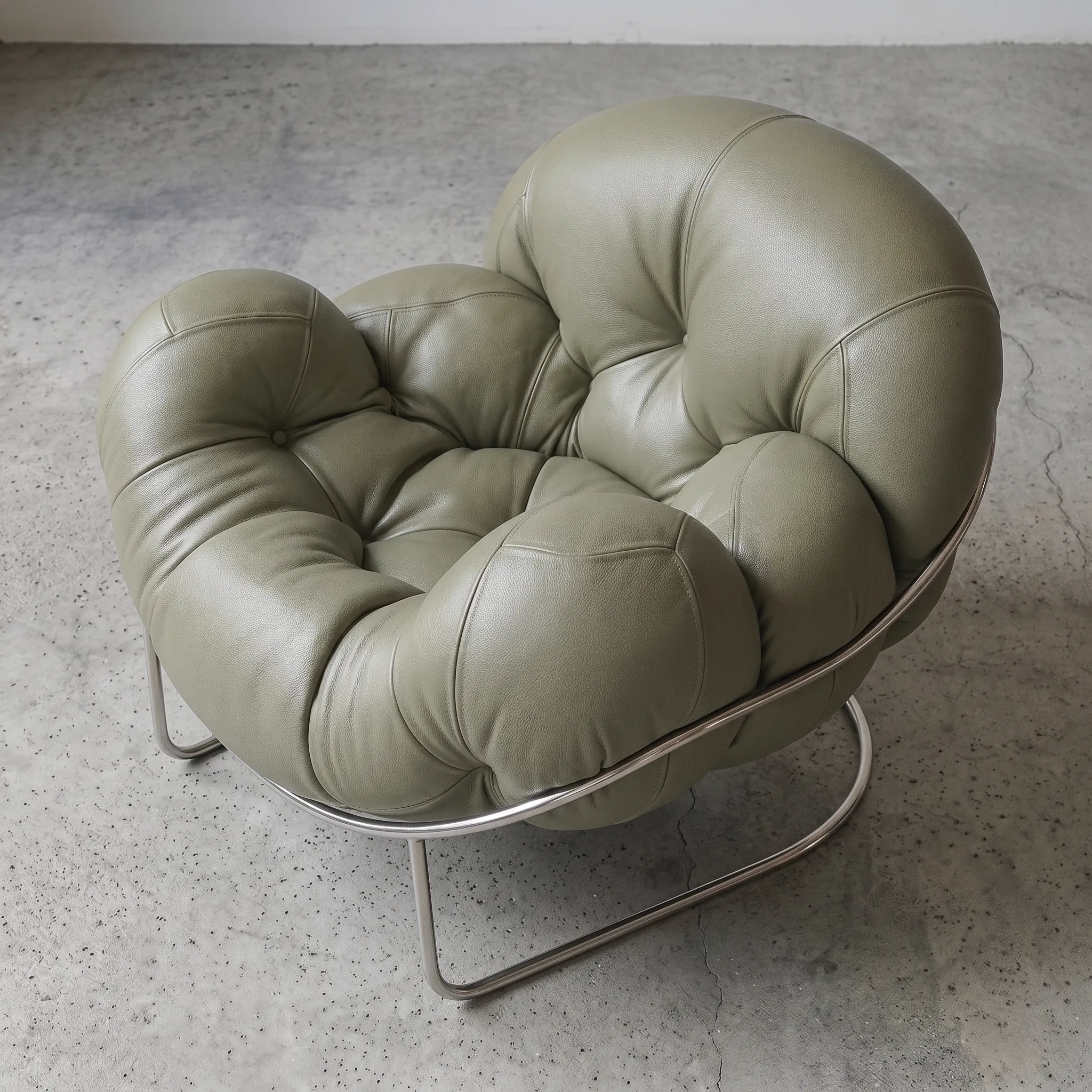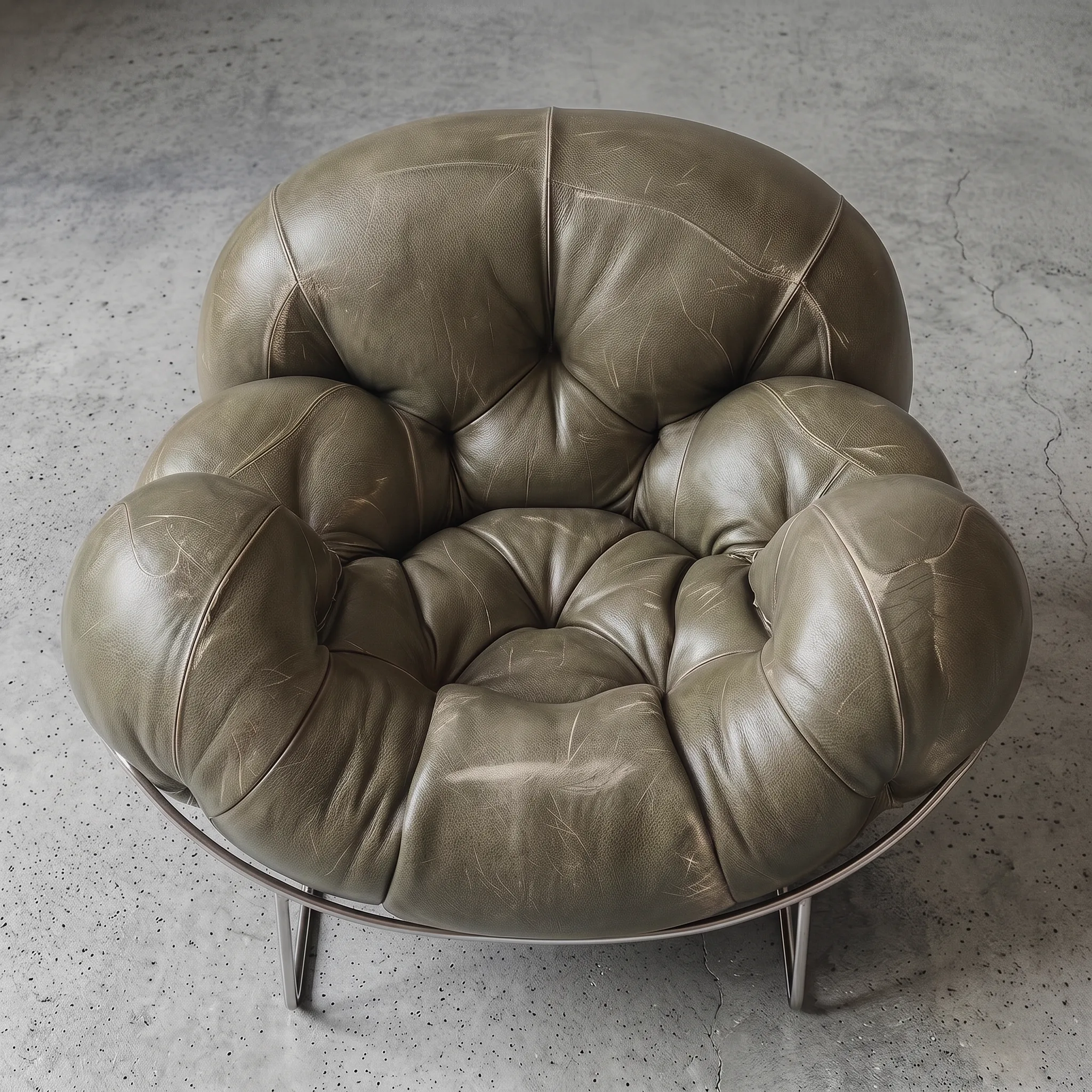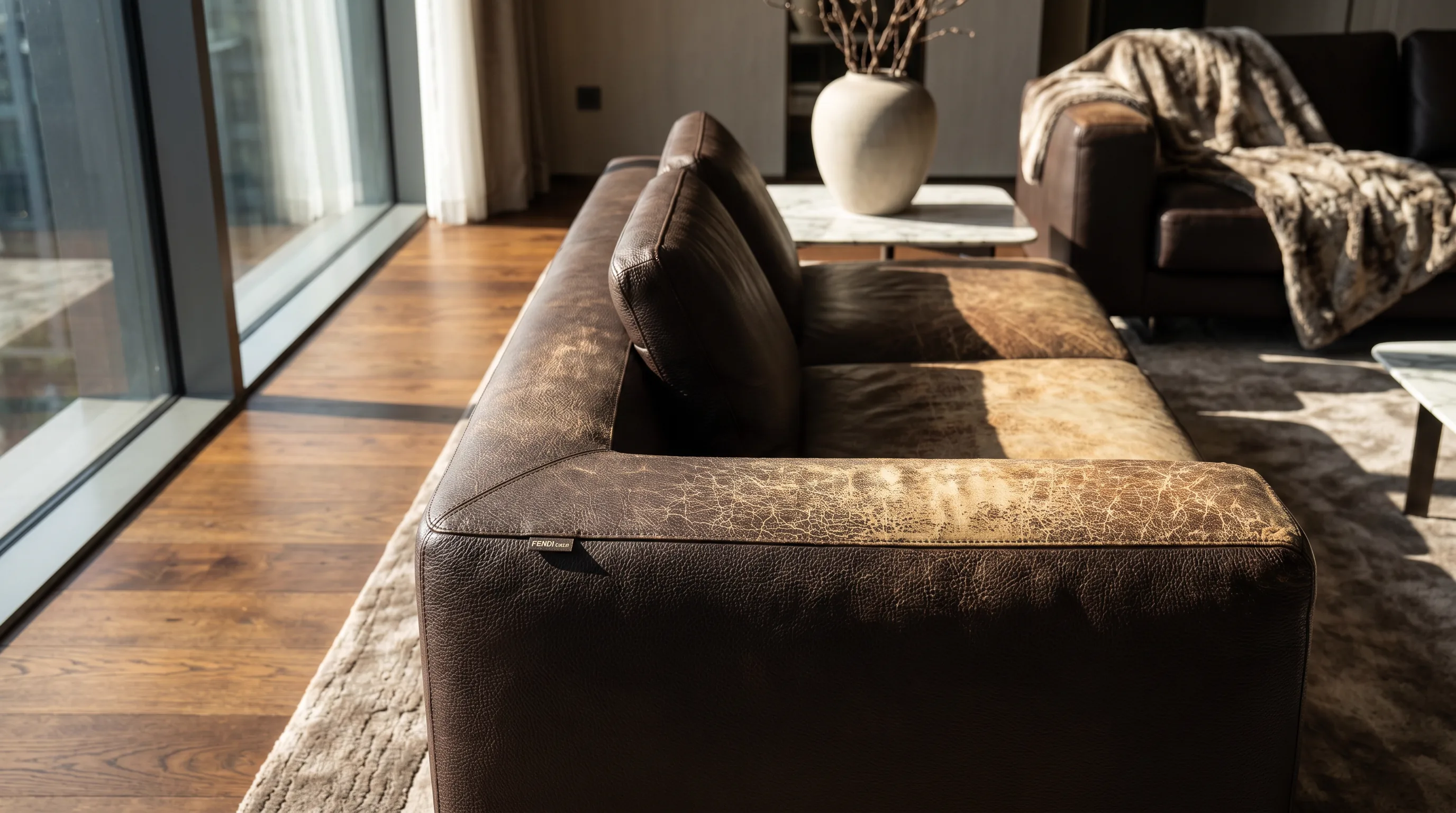
Your sofa didn't get damaged by something harsh. It got damaged by something labelled "skin-safe." Every month, the workshop receives a Frau Pelle SC armchair, a Natuzzi Iconic three-seater, or a Fendi Casa Selleria piece with the same quiet damage: dulled seat fronts, faint pigment lift on the arm caps, and a puzzled owner who never used anything rough on the leather. The wipe was gentle enough for a newborn. The packaging said hypoallergenic, dermatologically tested, alcohol-free. It sat on the centre table next to the nappy bag. When a glass tipped, the wipe was the first thing in reach. The chemistry says it should have been the last. This article covers what baby wipes do to luxury leather, the damage timeline, and what workshop recovery looks like when pigment has already lifted. Terms are defined in the leather conservation glossary; foundational chemistry is in the guides on pH balance, the science of moisturizing, and fat liquor.
Why Do Indian Households Use Baby Wipes on Leather?
Before the chemistry: a word about why this mistake is so common. Baby wipes are everywhere in a household with a young child , bedrooms, lounges, kitchens, nurseries, handbags. The packaging positions them as the gentlest wet-cleaning product in the home: pure water, plant-derived, sensitive skin, no harsh chemicals. The wipe arrives mentally framed as a product defined by what it does not contain.
Convenience makes the reach automatic. A wipe is one-handed, single-use, needs no rinsing, dries fast, leaves no visible residue. When the toddler spills milk on the Fendi, the wipe is faster than the kitchen cloth. When the dog leaves a paw print on the Natuzzi, the wipe is faster than fetching the leather kit. Across hundreds of small incidents per year, the wipe wins on convenience every time.
The infant association locks in the reasoning. If it's safe for a baby's face, it must be safe for everything else. That logic spreads the wipe from the baby's skin to the leather sofa, the wooden table, the car seat, the silk cushion. Of all these surfaces, leather pays the highest price. Its chemistry is the most misaligned with what a baby wipe actually contains.
The household drift: in homes with young children, baby wipe contact with leather is rarely a single event. It is dozens of small applications per month, over years. Each wipe seems trivial. The cumulative chemistry effect is what brings pieces to the workshop. Owners usually cannot reconstruct the timeline because no single application seemed significant.
What's in a Baby Wipe That Damages Leather?
Almost every baby wipe contains three damaging ingredient groups. Each attacks a different part of your leather's chemistry. Together they produce the pigment-lift pattern the workshop sees at intake.
1. Propylene glycol and surfactant chemistry
Baby wipes need to stay moist on the shelf, lift soil from skin gently, and rinse off cleanly. Propylene glycol is the most common solvent-humectant that does this. Alongside it sit mild non-ionic surfactants , coco-glucoside, decyl glucoside, polysorbate variants , that lift sebum off skin without irritating a baby.
On skin this works because skin is a living barrier. Sebum and lipids replenish overnight. On leather, there is no replenishment. The same surfactant that strips sebum from skin strips the engineered fat liquor from the hide. The fat liquor guide covers this in detail: the synthetic esters and sulphated lanolin that give chrome-tanned leather its softness and shape are disrupted by glucoside surfactants. Each wipe removes a small fraction. Hundreds of wipes over years strip enough to change how your sofa feels.
2. Preservatives and binder attack
Wet wipes need preservatives to resist bacteria and mould over a long shelf life. The most common are phenoxyethanol, methylisothiazolinone (MIT), benzalkonium chloride, and parabens in older formulas. All are tuned to be skin-safe. None account for leather binder chemistry.
The pigment in semi-aniline and pigmented leather bonds to the grain layer through a binder system , typically polyurethane or acrylic emulsions. Phenoxyethanol and MIT are mild solvents for this binder. One wipe is too brief and dilute to visibly lift pigment. Hundreds of wipes over months produce what the workshop calls pigment lift: the binder loosens, pigment particles release, and high-contact zones turn dull and faintly chalky. On full aniline pieces , which carry no surface pigment , the same chemistry attacks the dye fixation inside the upper grain layer. The colour shift is less visible but equally real.
3. Alcohol content and top-coat dissolution
Not every baby wipe contains alcohol. Many premium brands are explicitly alcohol-free. But a significant share of mainstream wipes , especially economy and antibacterial versions , carry three to seven percent ethanol or isopropyl alcohol. That is enough to dissolve the protective top-coat on semi-aniline and pigmented finishes over repeated contact.
The top-coat is a thin polyurethane or acrylic layer that sits above the pigment. It gives sealed leather its washability, stain resistance, and sheen. Once it thins, the pigment beneath is exposed to body oils, sunlight, denim dye, and further wipe contact. The damage compounds. Alcohol thins the top-coat, surfactants strip the fat liquor, preservatives loosen the binder , and each subsequent wipe works on a hide that has lost most of its protection.
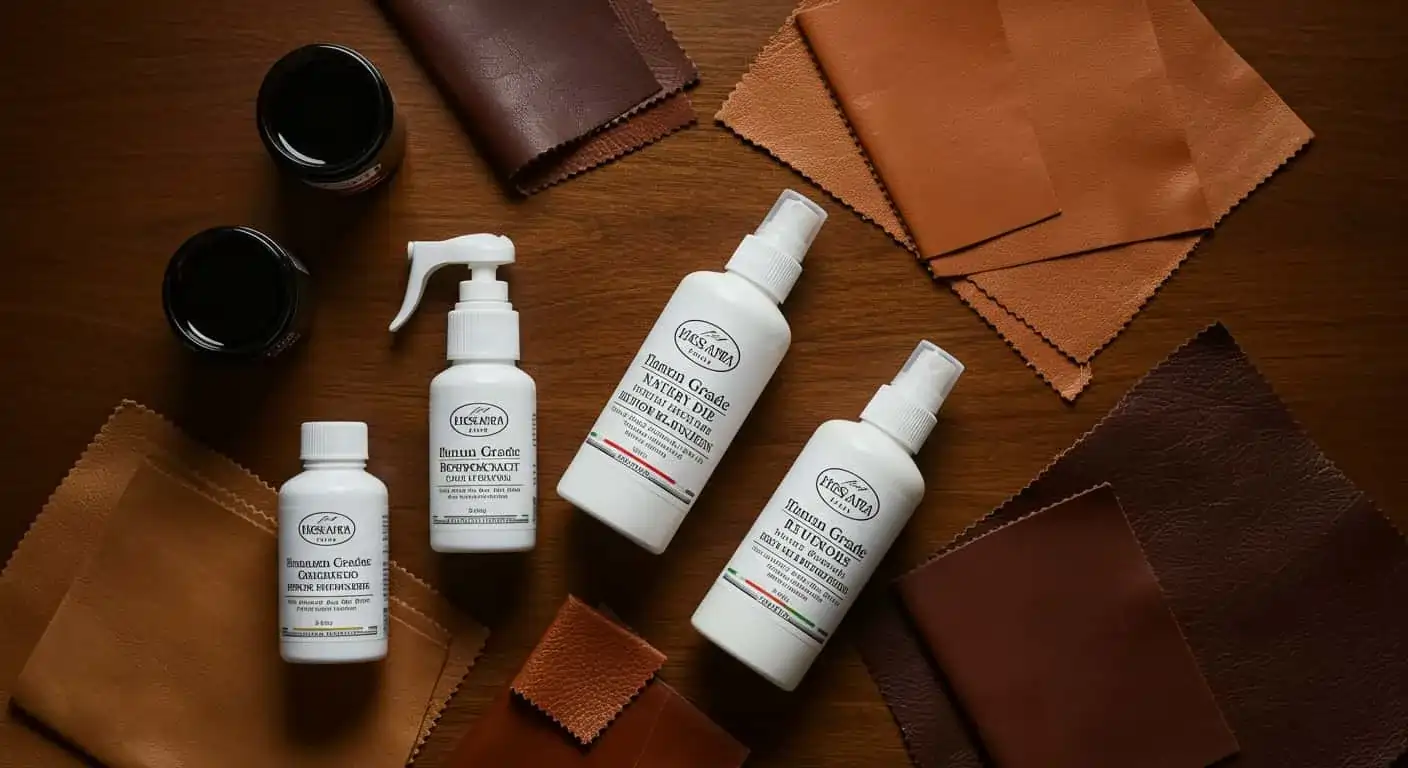
Skin-Safe Does Not Mean Leather-Safe. Here's Why.
The reasoning that puts a baby wipe on a luxury sofa is straightforward: if it's gentle enough for an infant's face, it's gentle enough for any surface. That reasoning is wrong. Gentleness describes the relationship between a product and a specific surface , not a property the product carries everywhere.
Skin and leather share chemistry: both contain collagen and lipids, both need moisture to stay supple, both can be stripped by aggressive cleaning. The critical difference is replacement. Your skin replaces its sebum, lipids, and barrier within hours. A cleaning event is temporary; biology corrects it automatically. Leather cannot do this. The fat liquor inside your sofa was applied once at the tannery, bonded to the tannage, and has been slowly depleting ever since. Strip it and you subtract from a finite reserve. When it's gone, the hide stiffens, cracks, and fails.
The second difference is rinsing. Surfactants made for skin assume water washes them away within minutes. On baby wipes, even residue left intentionally is designed for skin chemistry , it absorbs into the outer skin layer and clears within hours. On leather there is no rinse and no metabolism. Surfactant residue stays in the upper grain layer. It keeps working on the fat liquor, the binder, and the pigment indefinitely. The same chemistry that resets harmlessly on skin accumulates damagingly on leather. The product isn't unsafe. The surface is wrong.
This is why baby wipes sit on the same workshop list as coconut oil and vinegar and olive oil , the most common household sources of luxury leather damage in India. The substances differ. The mistake is identical: a product made for one surface applied to a surface it was never designed for.
How Fast Does Baby Wipe Damage Progress?
Baby wipe damage moves faster than most household leather damage because the contacts are so frequent. These timelines come from workshop intake observations. Individual pieces vary by finish type, wipe brand, and how often they are used , but the sequence is consistent.
Week one , surface dulling begins
High-contact zones , seat fronts, arm caps, headrests , lose a fraction of their surface sheen. Your sofa still looks fine to the casual eye. But under raking light at an oblique angle, wiped panels reflect duller than untouched ones. This is the earliest signal. Almost no one spots it because the wipes still feel like they're helping.
Month one , patchy lightening
The dulling becomes uneven colour. Patches of slightly lighter leather appear on the highest-contact areas. The shift is subtle , one or two tone levels , but visible when you compare against a hidden area of the same panel. Your sofa may start to look "a bit tired." The fat liquor stripping is now real. A trained hand can feel the hide is marginally less supple.
Month three , visible pigment lift on aniline
On aniline finishes , where surface dye sits in the upper grain layer with minimal binder protection , pigment lift becomes clearly visible. High-contact zones look noticeably lighter. The colour shift can no longer be blamed on lighting. On semi-aniline and pigmented finishes, the same damage exists underneath but the top-coat still masks it , while itself thinning. At this stage, workshop recovery is straightforward: extraction, neutralisation, re-fatliquoring, and possibly minor pigmentation.
Month six , crocking begins
The binder system weakens enough that pigment particles release on contact with clothing , especially denim. Crocking , colour transfer from leather to fabric or vice versa , appears first in the highest-contact zones. White shirts pick up faint colour. Denim leaves traces on the seat. At this stage, panel-level micro-pigmentation is usually needed to rebuild lost pigment.
Beyond six months , irreversibility on aniline
After six months of regular wipe use, the binder system is compromised across whole panels , not just zones. Restoration expands to whole-piece intervention: full extraction, re-fatliquoring, and large-area micro-pigmentation. On semi-aniline the timeline to this stage is roughly twice as long. On pigmented finishes, three to four times. No finish is immune with enough time.
Which Leather Finishes Are Most at Risk?
Baby wipe damage doesn't hit all leather finishes the same way. The less surface protection your leather has, the faster and more visibly it fails. The pattern across workshop intake is consistent.
Aniline finishes , fastest failure. Full aniline pieces , Frau Pelle SC, Natuzzi Iconic, Fendi Casa Selleria's most aniline-forward variants, hand-finished pieces from Edra and similar , have minimal surface coating. Colour lives as dye inside the upper grain, with almost no binder protection. Wipe surfactants strip both fat liquor and dye. Preservatives attack what little binder exists. Alcohol (where present) contacts the dyed grain directly. Visible pigment lift appears within months. The Natuzzi and Poltrona Frau care guide covers the specific cleaning steps these tannages require.
Semi-aniline , slower visible damage, hidden accumulation. Semi-aniline finishes carry a thin protective top-coat that buffers wipe damage for the first several months. You see less in the early stages. But the surfactants and preservatives erode that top-coat in parallel. Once it thins enough to allow penetration, the hidden damage surfaces all at once , and looks dramatic. The Fendi Casa care protocol includes specific guidance for the brand's semi-aniline ranges.
Pigmented , most resistant, not immune. Pigmented finishes carry the heaviest surface coating. Wipe contact can run for a year or longer before visible damage appears. But the chemistry never stops. Owners who switched to a workshop-grade cleaner two years into ownership of a pigmented Italian piece often discover the underlying binder is already compromised. The pigmented buffer is generous. It is not infinite.
How the Workshop Diagnoses and Reverses Baby Wipe Damage
Baby wipe damage has a distinctive workshop signature. It differs from coconut oil damage, UV fading, abrasion, and pH-cleaner damage. Three signals together confirm the diagnosis at intake.
The dulling pattern. Wipe damage produces uniform dulling in high-contact zones. The dull areas follow the wipe path , not flex lines (those concentrate at stress points) and not window lines (those track UV exposure). The dulling has no hard edges. It fades into surrounding hide, the way a wipe motion fades at the limit of arm reach.
The faint residue smell. A baby-wipe-damaged piece often carries a faint smell of the wipe's fragrance and preservative system, detectable up close. It is mild, slightly chemical, slightly perfumed , different from coconut oil's rancid note, different from vinegar's acidity, different from a clean leather smell.
The surface roughness. Run a fingertip across a damaged zone, then across an undamaged zone of the same panel. The damaged zone feels marginally rougher. Binder loosening creates a faintly chalky micro-texture. You cannot see it. You can feel it. It is the most reliable diagnostic signal once you know where to look.
Recovery runs through four stages. Stage 1 , Deep-pore extraction: a chrome-compatible solvent system lifts surfactant and preservative residue from the upper grain layer. Multiple gentle passes are needed , aggressive solvent action would lift more pigment. Stage 2 , pH neutralisation: the hide returns to a safe pH of 5.0 ± 0.5 using a pH-neutralising solution, per the pH balance guide. Baby-wipe damage leaves leather alkaline, so extended buffering is required. Stage 3 , Re-fatliquoring: the stripped fat liquor rebuilds through controlled chrome-compatible emulsion, per the fat liquor guide. Stage 4 , Micro-pigmentation where needed: where pigment has visibly lifted, panel-level micro-pigmentation rebuilds colour to match the original tannery palette or surrounding undamaged hide.
"Baby wipes feel safe because the marketing says safe. The leather doesn't read marketing. It reads chemistry. And the chemistry of a baby wipe , even the gentlest premium variant , is a slow demolition of a system designed to last fifty years."
What Should You Use Instead of Baby Wipes?
For routine cleaning between deep workshop sessions, use a workshop-grade pH-neutral leather cleaner formulated in the pH 5.0 ± 0.5 range. Apply it with a soft microfibre cloth following the seven-step steps in the pH balance guide. This product lifts soil without stripping fat liquor, without disrupting the binder, and without leaving surfactant residue in the pores. Everything , contact time, dilution, cloth pressure, rinse step , is matched to leather chemistry, not skin chemistry.
For the everyday situations where baby wipes most often win , toddler spills, dog paw prints, morning cleaning rounds , the right answer is simpler. A barely-damp microfibre cloth removes most fresh contamination from sealed luxury leather with no cleaning chemistry at all. Keep a microfibre square in the same caddy where the wipes used to live. The science of moisturizing guide explains why barely-damp microfibre works for fresh marks, and when to step up to pH-neutral cleaner for set contamination.
Over a decade, pH-neutral cleaner every six to twelve months plus barely-damp microfibre for day-to-day incidents keeps a Frau, Natuzzi, Fendi Casa, or B&B Italia in workshop-grade condition. That cost is far less than one workshop intervention to undo baby wipe damage. If you suspect wipe damage on any aniline, semi-aniline, or pigmented piece, you can book expert leather restoration or surface refinement. Doorstep assessment is available across Noida, Faridabad, and Ghaziabad. Every intake starts with the three-signal diagnostic.
Save this page. The next time someone in your household reaches for the baby wipes to clean your leather sofa, the chemistry is right here to settle the argument before the hide pays for it.