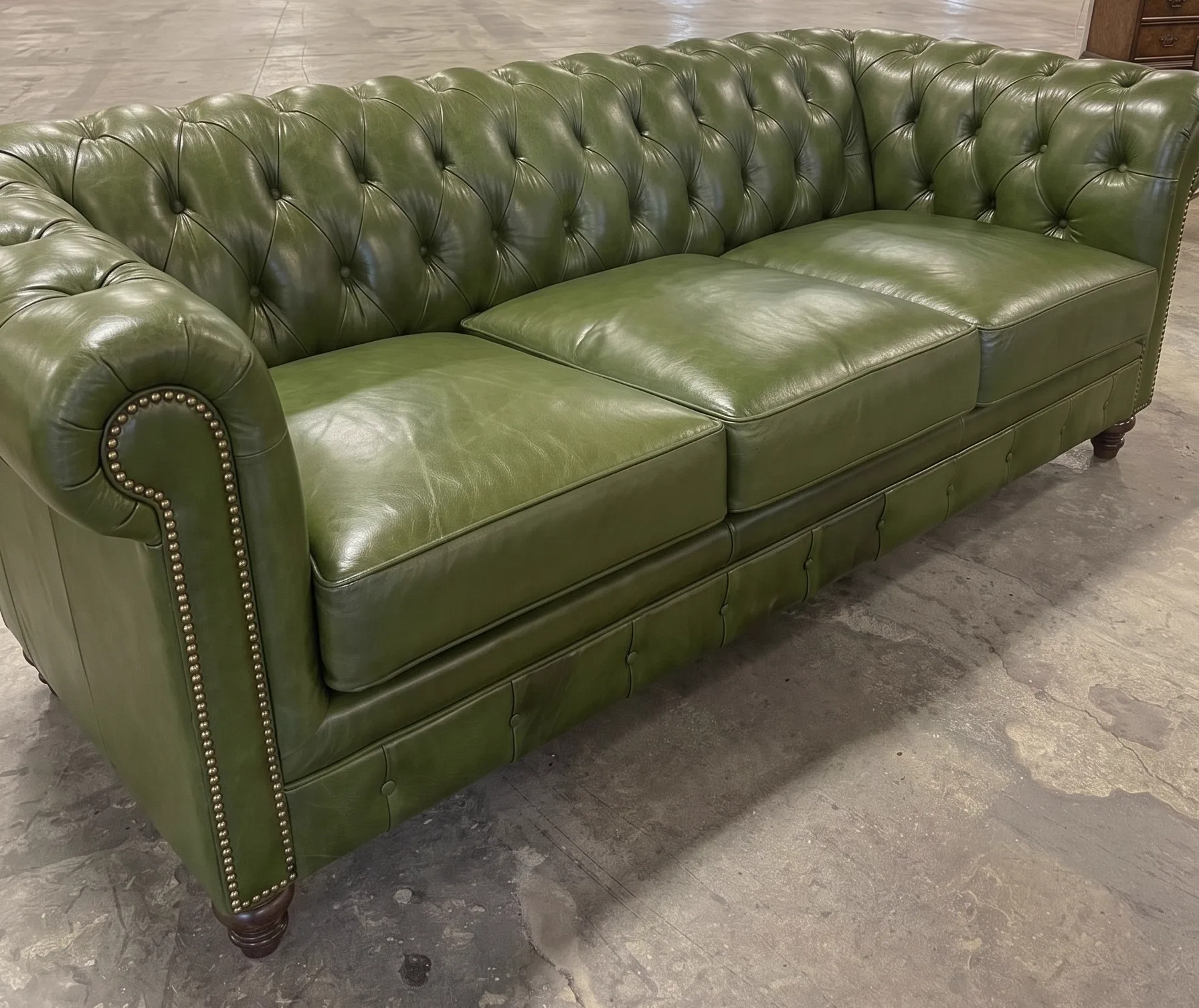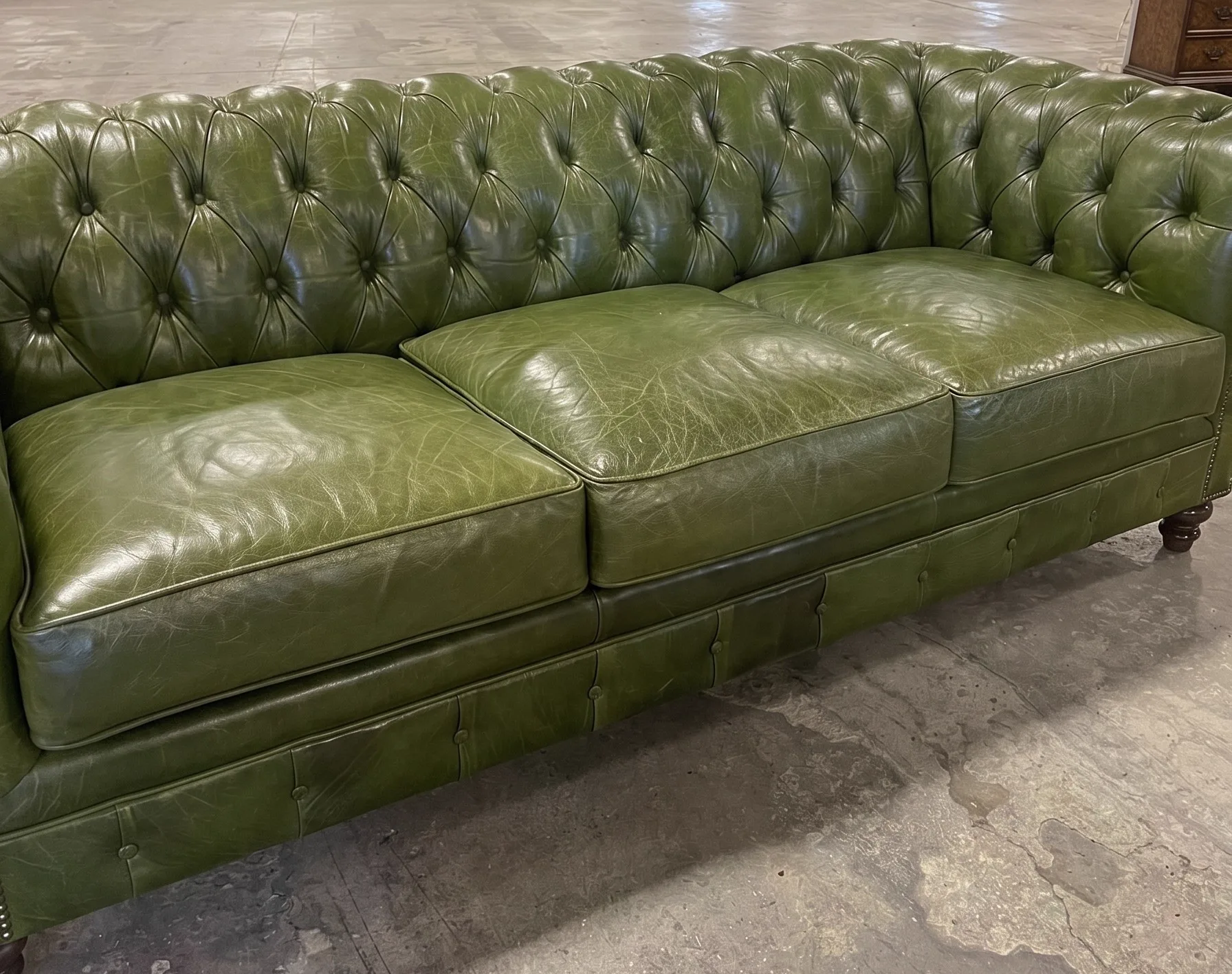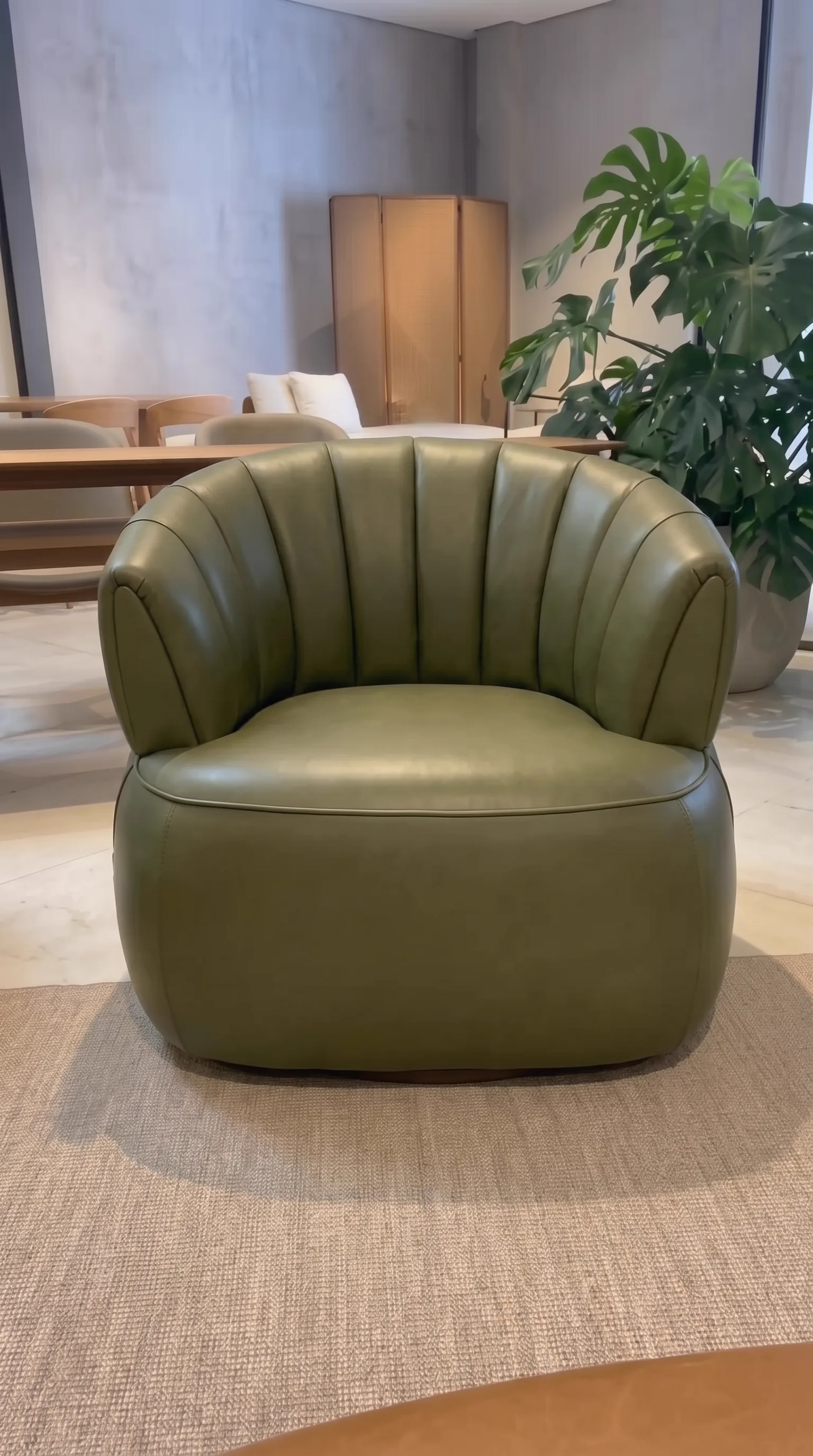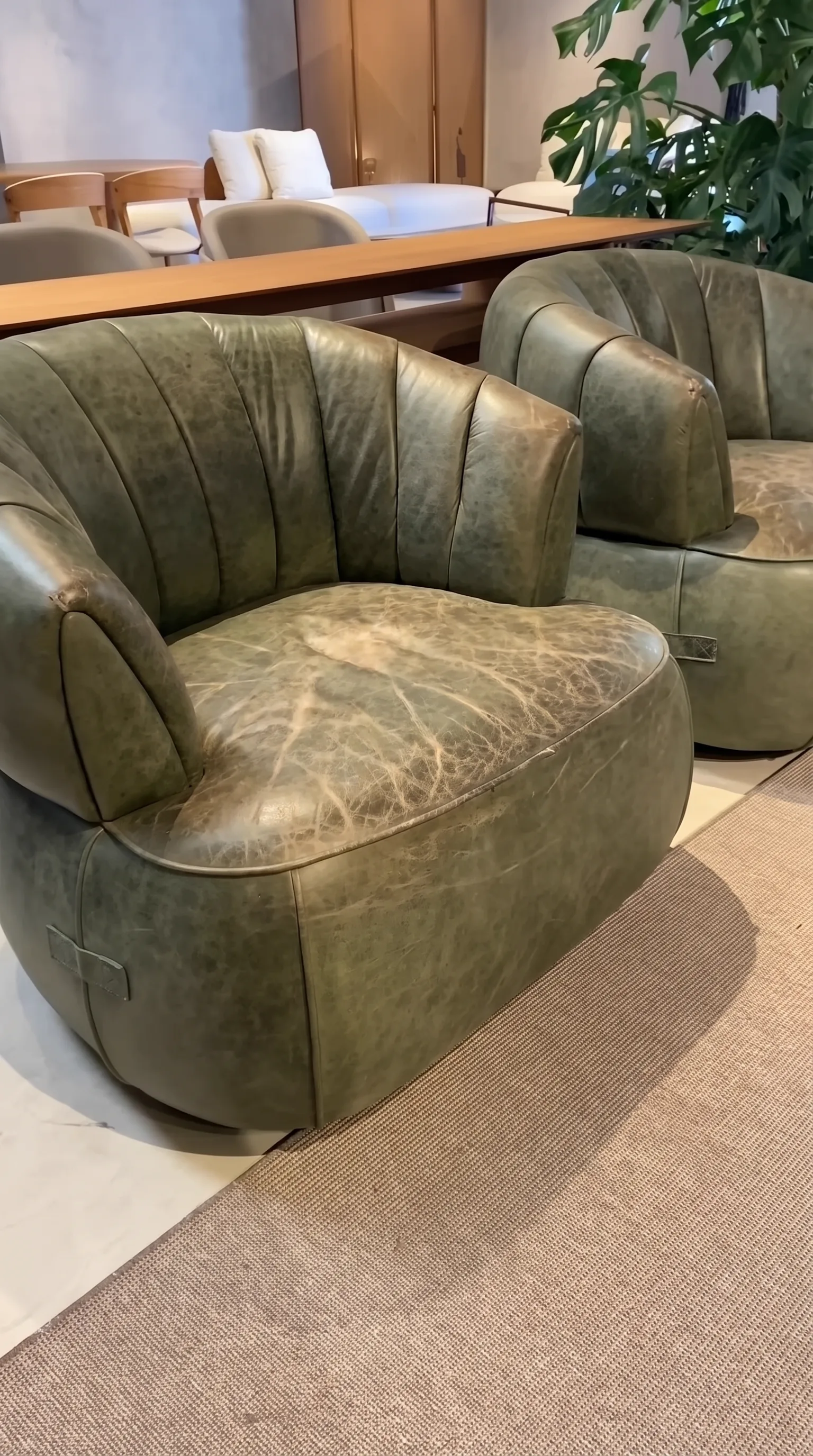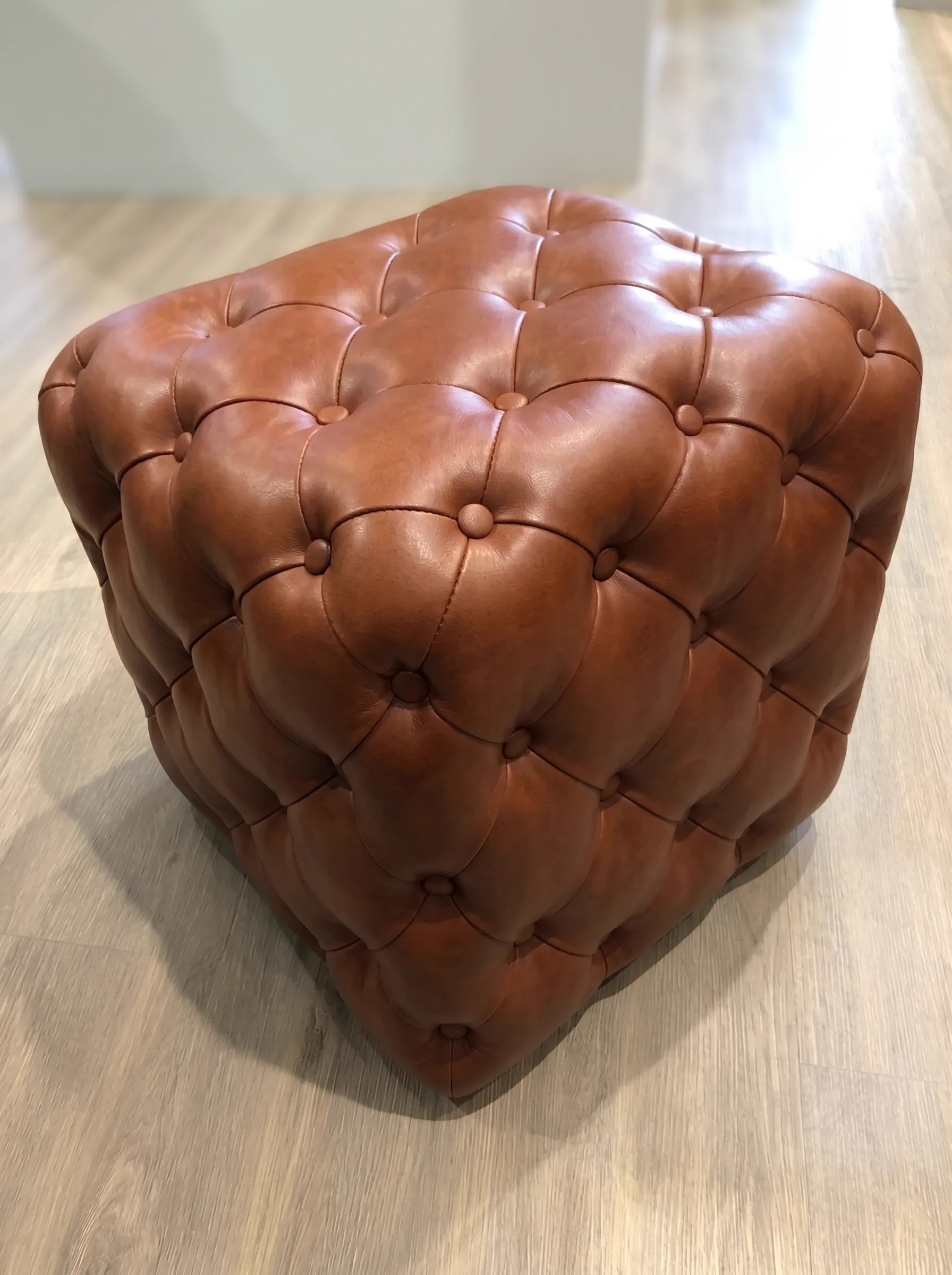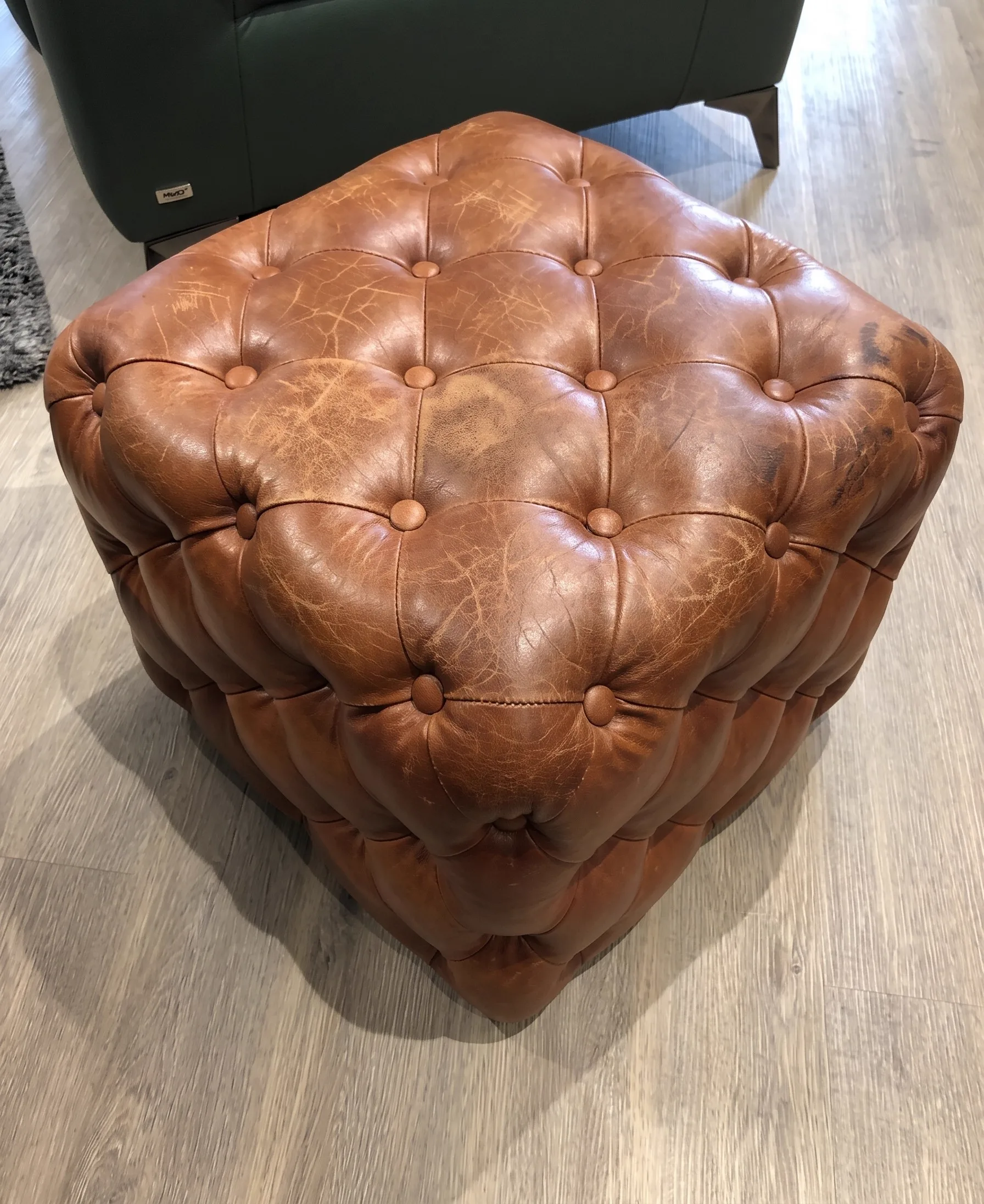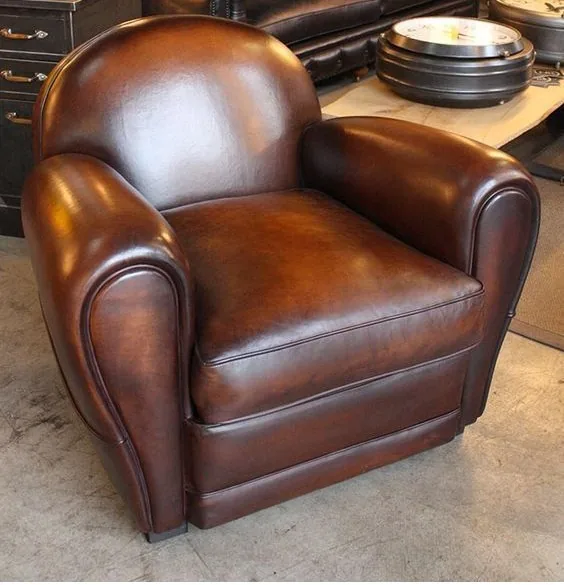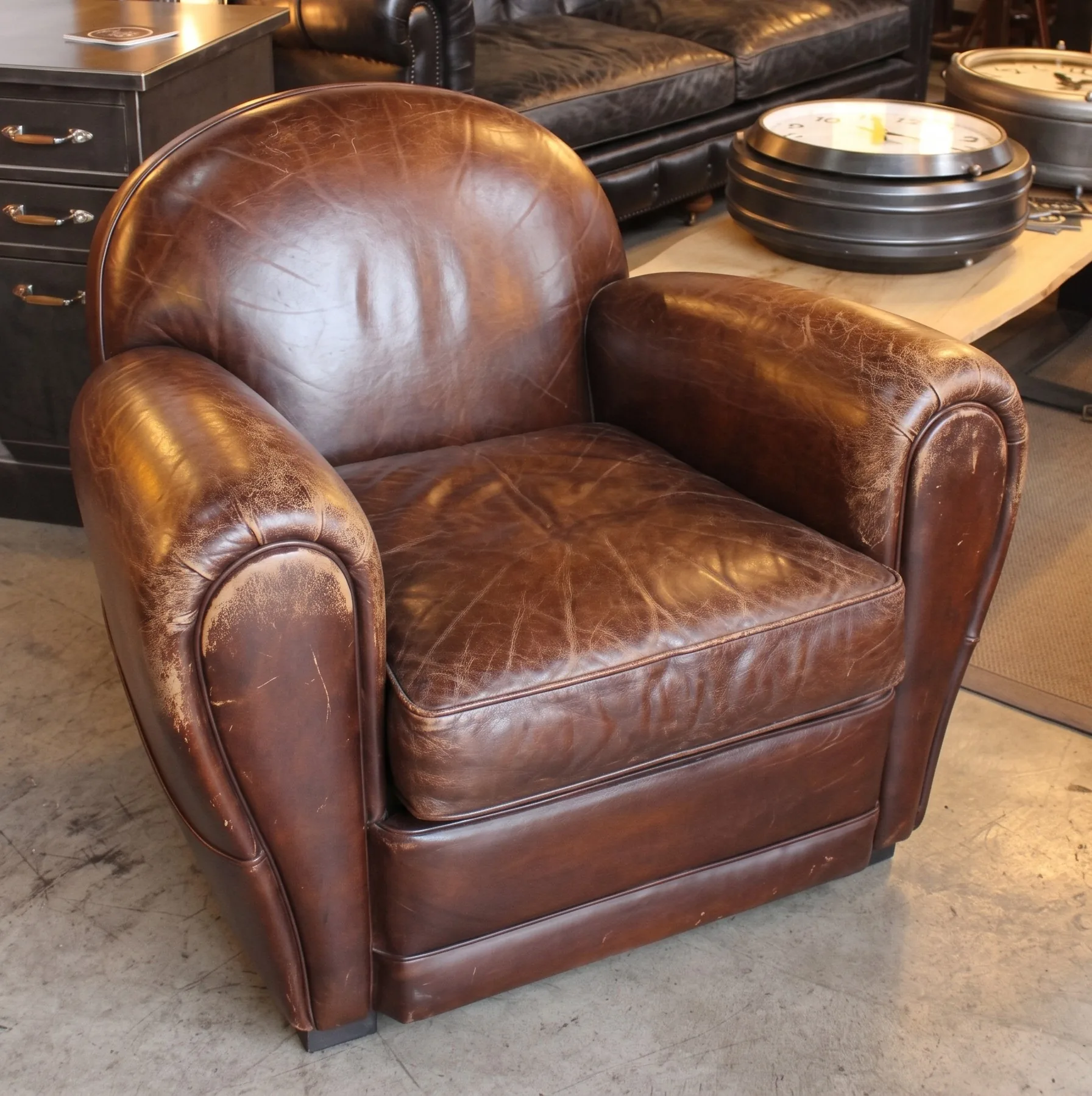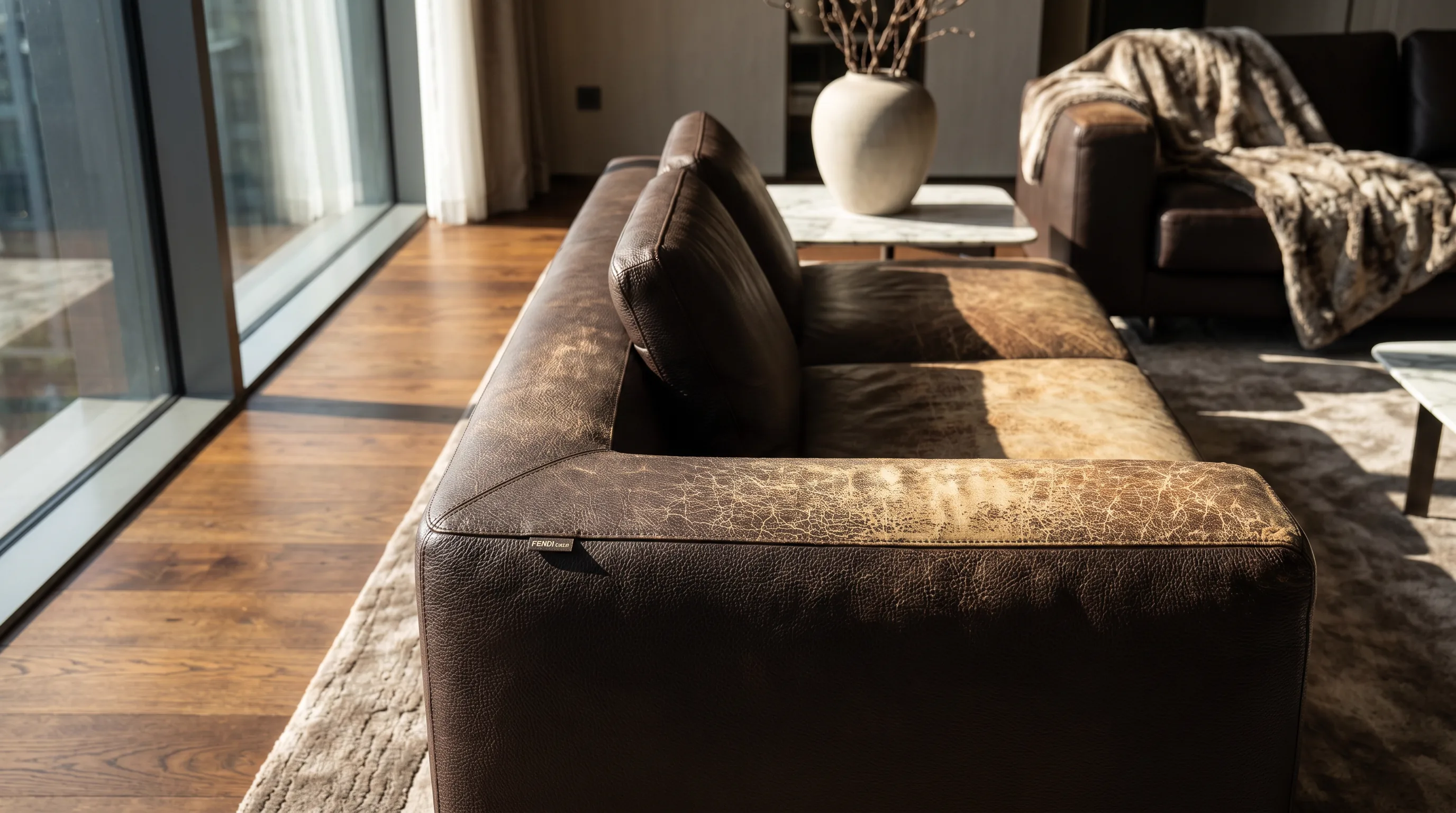
Your south-facing sofa is fading right now , even if you cannot see it yet. India's UV index regularly exceeds 11 from April through June. That is comparable to Mumbai's coastal noon, combined with dry winters and glass-walled penthouse architecture. The result is one of the most aggressive UV environments any premium leather hide will face. The chemistry is direct: ultraviolet photons break the chromophore bonds [the bonds that give the dye its colour] inside aniline dyes. The pigment binder cross-links degrade under cumulative dose. The south-facing panels of a Natuzzi, Poltrona Frau, Fendi Casa, or B&B Italia piece drift two to three shades lighter while the back panels stay original. This guide covers the UV chemistry, the rooms in your home that carry the most risk, and the steps to protect your sofa if it sits within line-of-sight of an unfiltered south-facing window.
Why Is India's Sun Harder on Leather Than Most Cities?
Most international leather care guides are written for moderate-latitude climates , northern Europe, the American mid-Atlantic, southern Australia. The UV doses those guides assume are not what India delivers. If you follow their protective intervals, your sofa is unprotected for more than half its annual UV load.
India's UV profile combines four factors. First, latitude: across the northern plains the noon sun runs near-vertical for five months, which is closer to tropical behaviour than temperate. Second, dryness: from April through June, atmospheric humidity drops below 25 percent. That removes the water-vapour layer that softens UV in coastal cities. Third, the combination above pushes the UV index to 11 and above for sustained hours. Fourth, over the last fifteen years, construction across the country's metros has moved toward floor-to-ceiling glass. Every square metre of unfiltered glass is a UV transmission surface.
The combined result: a south-facing aniline nappa panel in a north-Indian glass-walled living room receives roughly 2.5 times the annual UV dose of the same panel in a Mumbai north-facing room. It receives about 4 times the dose of the same panel in a Bangalore tree-shaded apartment. The same Natuzzi Iconic chair fails on different timelines depending solely on which room it sits in.
The geometry rule: if your leather piece sits within line-of-sight of a south, southwest, or west-facing window without UV filtering, the chemistry is already running. The fade is not yet visible , but the photons have already broken bonds inside the dye complex. Visible fade is a lagging sign of damage that started on day one.
What Does UV Actually Do to Leather?
UV damage on leather runs through three mechanisms. Each works on a different timescale and shows a different visible sign. That is why the failure looks different on aniline, semi-aniline, and pigmented finishes even though the same chemistry is at work underneath.
1. Chromophore bond breakage in dye molecules
Aniline dyes , the colour layer in every premium nappa, every Frau Pelle SC, every Natuzzi Iconic full-grain piece , are organic compounds whose colour comes from specific bond arrangements called chromophores [the bonds that give the dye its colour]. (For full definitions of dye chemistry, fat liquor, and patina terms, see the leather glossary.) UV photons in the 280 to 400 nanometre range carry enough energy to break these bonds. Each broken chromophore is one molecule that no longer contributes to the colour. The cumulative result over months of exposure is the gradual lightening that owners call "fade" , though what it actually is is selective destruction of dye molecules at the surface fibre layer.
Aniline dye damage is permanent at the molecule level. The broken bonds do not re-form. Restoring the colour requires either introducing new dye through a workshop treatment or rebuilding the colour through micro-pigmentation. There is no consumer product that can reverse the loss.
2. Binder cross-link degradation in semi-aniline and pigmented finishes
Semi-aniline and pigmented finishes have a polymer binder that holds pigment to the hide. The binder depends on cross-links between polymer chains to stay intact. UV breaks those cross-links the same way it breaks dye chromophores. The visible sign is different though , the binder loses cohesion before the colour visibly shifts. Your sofa may look unchanged for the first 18 to 30 months while the binder is already compromised. The failure then surfaces as binder cracking, top-coat lift, and pigment crocking once the cumulative dose crosses the threshold.
3. Collagen photo-oxidation in the underlying hide
The deepest UV damage reaches the hide itself. Photons that pass through the dye and binder layers hit the collagen fibre matrix and start photo-oxidation reactions with the residual fat liquor [the oils that keep the hide supple] and the protein chains. This damage is structural, not cosmetic. The hide loses tensile strength slowly. The fibre matrix becomes more brittle. The piece develops the dry, papery feel that owners put down to "ageing" , but what it actually is is accumulated UV photo-oxidation. This is the failure mode behind the cracked, brittle leather you see on twenty-year-old south-facing pieces that had no UV protection.
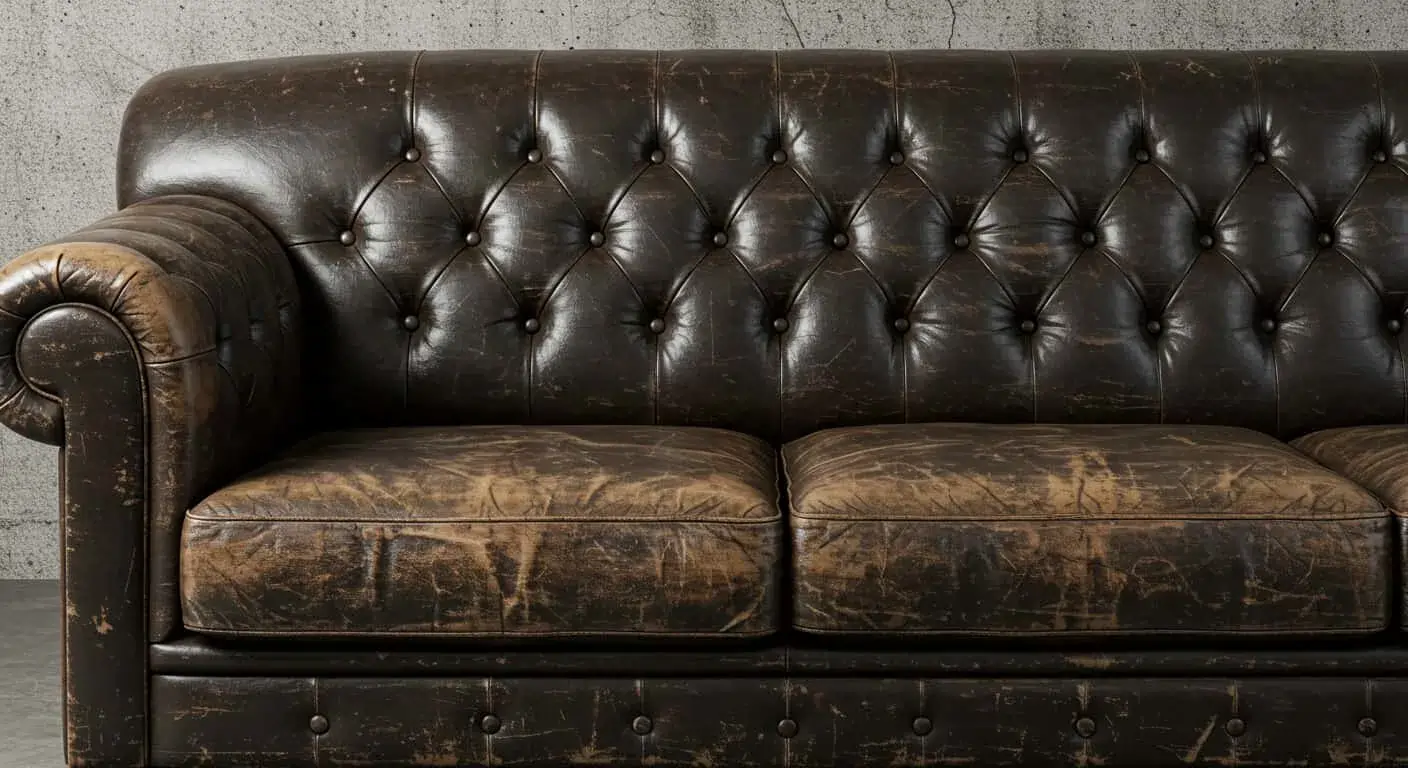
All three mechanisms run at the same time on every UV-exposed panel. They differ in when they become visible. Chromophore loss shows first on aniline. Binder degradation shows next on semi-aniline and pigmented. Photo-oxidation shows last but causes the most structural damage. The steps that protect against one mechanism protect against all three. There is no partial fix that addresses chromophore loss while leaving photo-oxidation unprotected.
Which Rooms in Your Home Carry the Most UV Risk?
UV exposure varies enormously across rooms in the same home. Start by mapping where the risk actually lives.
South-facing rooms , the highest-risk zone
South-facing windows across India get direct sun for the longest daily stretch across all four seasons. From November through February the angle is shallow and radiation penetrates deep into the room. From April through August the sun is closer to vertical, but the duration of direct exposure stays high. Any leather piece within 4 metres of a south-facing window receives UV at near-outdoor levels through clear glass. South-facing heritage bungalows, south-facing city apartments, and south-facing high-rise units all carry the same risk.
West-facing rooms , afternoon UV intensity
West-facing rooms get less total UV than south-facing rooms, but the dose concentrates between 2pm and 6pm , the highest daily UV index hours. A single afternoon can deliver a meaningful share of a panel's annual UV dose. Asymmetric fading , one side of an L-shaped sectional darker than the other , is the clearest sign of west-facing exposure.
Glass-walled penthouses and high-rises
Over the last fifteen years, homes across India have shifted toward floor-to-ceiling glass on two or three sides of the living room. Metro penthouses, sector high-rises, and glass-front apartments all share this profile. UV inside these rooms is closer to outdoor conditions than to a traditional Indian interior. Your leather ages on a compressed timeline , closer to leather left on a covered patio than to leather in a shaded room.
Single-glazed older bungalows
Older constructions across much of India typically have single-glazed windows. Single glazing lets through roughly 75 percent of UV. Double glazing transmits 50 to 60 percent. UV-coated double glazing can drop that below 20 percent. The same room with the same hours of sun delivers dramatically different UV doses depending on which glazing standard the building uses.
How Fast Will Your Sofa Fade Depending on Its Finish?
The same daily UV dose produces different fade timelines on different finishes. The numbers below reflect the typical pattern of pieces we take in from south-facing Indian homes that had no UV protection.
Aniline nappa
Your sofa shows visible fade within 8 to 12 months of two hours of daily direct exposure. The transparent dye sits in the fibre with no protective layer above it, so chromophore loss appears first. By month 18, the exposed panel reads two shades lighter than the protected reference panels under raking light [a flashlight held at a low angle to the surface]. Fendi Casa Selleria, Frau Pelle SC at the lighter end of the gloss range, and full-grain Natuzzi nappa all fall in this category.
Semi-aniline nappa
Visible fade arrives within 18 to 24 months. The thin pigment-and-binder layer above the aniline dye absorbs the first wave of UV before the dye is reached. By month 36, the binder starts to crack and the aniline underneath begins fading quickly , at that point the two failures compound each other. Most B&B Italia upholstery, the Natuzzi Re-Vive and Editions ranges, and much of Frau Pelle SC are in this category.
Pigmented leather
Visible fade typically takes 36 to 60 months, but the binder degrades on the same chemistry as semi-aniline. Pigmented leather can hide the early stages of UV damage entirely until the binder fails. At that point the failure shows as cracking and lift rather than a colour shift. Total service life under unprotected south-facing exposure is roughly half what the same piece would deliver in a north-facing room.
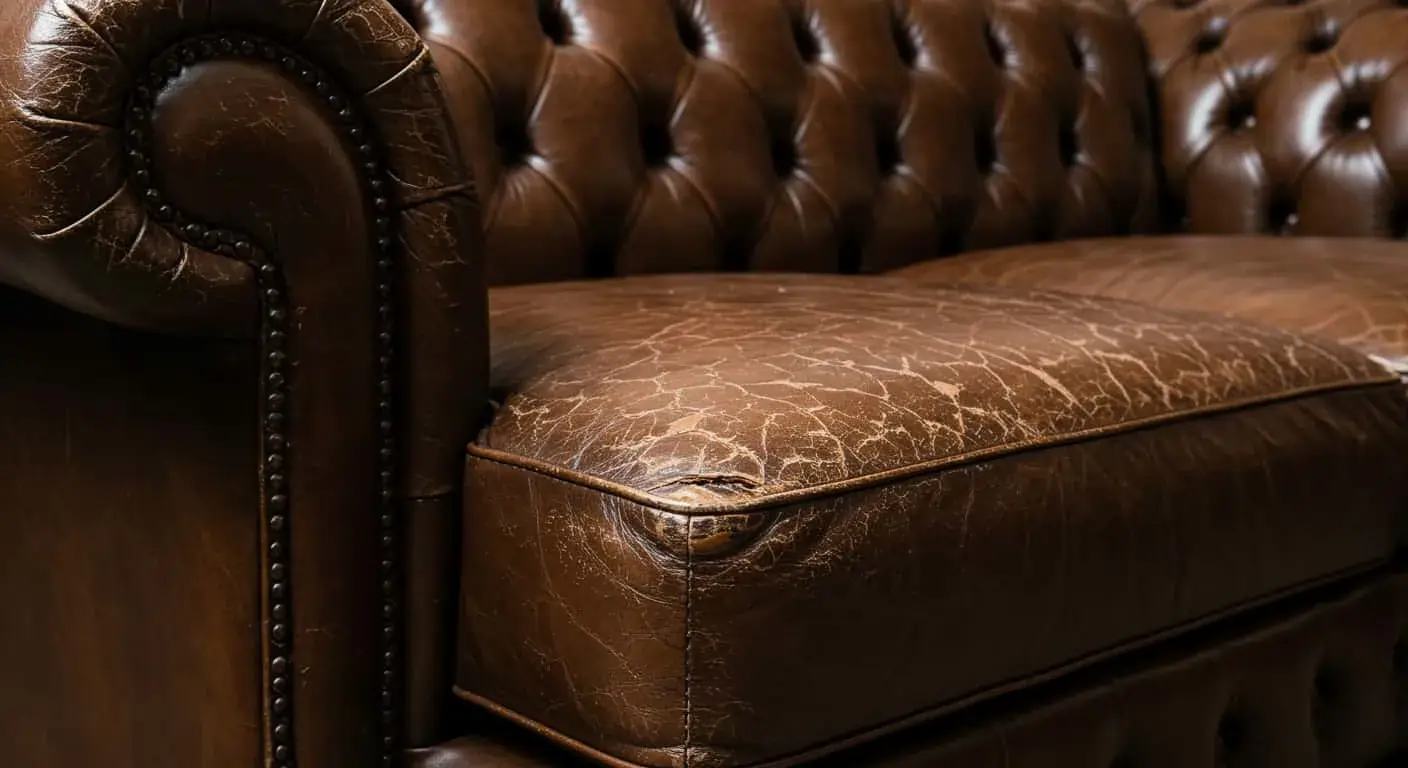
To identify your finish before applying any UV protection steps, the foundation guide is aniline, semi-aniline, and pigmented leather identification. For nappa-specific UV vulnerability and brand-level restoration, see the nappa restoration guide.
Five Steps to Protect Your Leather from UV
Full UV protection runs in five layers, each one closing a different path for UV to reach your leather. No single step closes 100 percent of the dose, which is why layers matter.
Layer 1 , Solar mapping and repositioning
The first step costs nothing. Find the rooms where your leather lives, check which windows face south, southwest, and west, and move any aniline or nappa piece more than 1.5 metres from any unfiltered glass. The 1.5 metre rule follows the geometry of UV intensity , every extra metre of distance from the window roughly halves the dose at the panel. A piece 2 metres back from a south-facing window receives about 25 percent of the UV that the same piece would receive at 1 metre.
Layer 2 , UV-filtering window film
Window film rated to block 99 percent of UVA and UVB is the highest-impact step in the protection stack. Films come in clear, lightly tinted, and high-tint versions. The clear films are invisible from inside the room and rated the same for UV blocking. Have a professional installer apply the film for a permanent edge seal. DIY installations typically lift at the corners within 18 months and let unfiltered light through the gap, which produces concentrated localised fade.
If you are considering window film as a single step, the cost covers itself against one panel-level micro-pigmentation restoration within two to three years on a south-facing Frau or Natuzzi piece. The arithmetic is straightforward.
Layer 3 , Sheer curtain or cotton drape during peak hours
Pull a sheer cotton or linen curtain across the window between 11am and 4pm. This cuts an extra 20 to 35 percent of the UV that passes through the window film. Window film plus a sheer curtain during peak hours brings cumulative UV inside the room to under 5 percent of outdoor levels , a safe range for premium nappa over decades.
Layer 4 , Cushion rotation and panel averaging
Rotate loose cushions, removable headrests, and any reversible upholstery component every quarter. Rotation spreads UV exposure across surfaces that would otherwise fade unevenly. It does not reduce total UV dose, but it stops the visible asymmetric fade that otherwise marks every south-facing piece in India.
Layer 5 , Conditioning to maintain fat liquor against photo-oxidation
Collagen photo-oxidation , the deepest UV mechanism , is partly reduced by keeping the hide's fat liquor [the oils that keep the hide supple] on schedule. A well-conditioned hide can neutralise some of the reactive species UV produces inside the fibre matrix. The conditioning schedule is the same as the standard aniline care steps , every 6 months for aniline, 9 to 12 months for semi-aniline , using a non-comedogenic, leather-specific conditioner. Not silicone, not beeswax, not plant oils. Why those substances damage leather is explained in the pH balance article and the vinegar and olive oil damage guide.
How Do You Spot UV Damage Before It Gets Worse?
UV damage builds invisibly until it crosses the visibility threshold , at which point it has already been progressing for months. Catching it early turns a structural problem into a panel-level fix. The inspection takes under 10 minutes and should run quarterly.
- Compare exposed surface to hidden reference. Lift a cushion or pull the back panel forward. The hidden side is the unfaded reference. Hold both surfaces side by side under the same light. A difference of one tonal step is early-stage UV damage.
- Inspect under raking light. Hold a flashlight at a low angle across the surface. Early UV damage shows as a faint loss of tonal depth that disappears under overhead light but is visible at a low angle. Workshop technicians use the same technique during diagnostic mapping.
- Check for a change in feel on the exposed zone. UV photo-oxidation creates a slight stiffness before it creates visible fade. Run a fingertip across the exposed panel and the hidden reference. If the exposed area feels slightly drier or stiffer, the hide underneath is compromised even if the colour looks the same.
- Look for asymmetric fade. One arm of an L-shaped sectional reading lighter than the other, the seat nearest the window lighter than the seat furthest from it, or one armrest shifted in tone , all of these are signs of single-window UV exposure.
- Check the seam channels. Pigmented finishes show the earliest UV damage in seam channels where the binder is thinnest. A faint cracking pattern at the seam , invisible elsewhere on the panel , is the sign of early-stage binder degradation.
"Asymmetric fade is the most preventable leather failure mode in India. The chemistry runs for months before the colour visibly shifts. If you inspect quarterly you catch the problem when it is still a panel-level fix. If you wait until family members start commenting, you are looking at whole-piece restoration."
What If the Fade Has Already Started?
Most consultations on UV damage arrive after the fade has crossed the visibility threshold. Your sofa is recoverable. How well it recovers depends on how much unfaded reference is still available for tonal matching.
Panel-level UV fade with surrounding undamaged reference panels is the best scenario for restoration. The hidden surfaces and the panels furthest from the window give the tonal target for additive pigment matching. The workshop micro-pigmentation steps rebuild the faded panels to match the unfaded reference. After the integration period, the boundary between restored and original is invisible.
Whole-piece UV fade , where every panel has shifted because the entire sofa was exposed , needs a different reference point. The target shifts to the original tannery formulation, retrieved from the brand's colour archive. For Natuzzi, Frau Pelle SC, Fendi Casa Selleria, and B&B Italia, the colour archives exist and are accessible to expert workshops. The seven-stage micro-pigmentation steps rebuild the colour to the documented original.
Restoration preserves the value of the piece. If you are weighing the cost of UV restoration against replacing the sofa, expert leather sofa restoration or restoration typically recovers the original investment at a fraction of the replacement cost. The same workshop standard applies across Noida, Faridabad, and Ghaziabad through doorstep assessment.
Is Protection Worth It Over the Long Run?
UV damage is the slowest of the three main Indian leather failure modes , slower than wrong-pH cleaning, slower than monsoon humidity. That slowness is also why it is the most under-managed. You notice an oil stain immediately. You notice monsoon damage within three weeks. UV damage announces itself only after the colour has already shifted by a step.
The five-step protection above brings cumulative UV exposure to under 5 percent of outdoor levels. A south-facing aniline nappa piece in a north-Indian penthouse with that protection can run 30 years without visible fade. Without it, the same piece needs its first restoration in 8 to 12 years. The restoration is possible. The years are not recoverable.
If your sofa already shows fade, the right next step is a workshop assessment under raking light against the surrounding undamaged reference. Panel fade caught and restored within twelve months of first appearance comes back indistinguishable from original. Fade left unaddressed for three years requires whole-piece treatment. The restoration target shifts from "match the unfaded reference" to "rebuild from the tannery archive" , a more involved procedure with a slightly different result.
Map the windows in your home this weekend. Move any piece that needs moving. Fit the window film if your room's geometry requires it. The UV chemistry runs in the background either way. What you do now decides whether your sofa passes through it untouched or arrives at the workshop in three years.