No terms found
Try a different search or browse by letter above.
Read
Featured Term
Aniline Leather
Fully transparent leather dyed with soluble dyes, exposing natural grain and imperfections. The most luxurious finish available , requires dedicated care and rewards patience with incomparable patina over decades.
Antique Finish
Aesthetics
Deliberately aged appearance created through waxing and patina layering. Enhances character and depth over time.
Forcible tearing or separation of leather from its substrate, often due to impact or prolonged wear stress.
Read
Industrial rotating drum used to tumble-dye leather. Ensures even color penetration and finish uniformity across large hides.
→
Read
PU-coated split leather. Lower-cost alternative to full-grain; prone to peeling and cracking with age and UV exposure.
Did You Know
"Bloom on quality leather acts like a skin , it protects from moisture while allowing the hide to breathe. Never strip it with harsh chemicals."
Natural waxy residue on leather surface that develops a protective layer. Never use harsh cleaners to remove it.
Read
Most common tanning method using chromium salts. Produces soft, flexible leather in 24 hours with excellent color range and uniformity.
→
Read
Natural or intentional fold lines in leather. Can be permanent or temporary depending on fiber structure and conditioning history.
→
Read
Application of oils and waxes to restore suppleness and prevent drying. Essential maintenance every 6–12 months for lasting leather health.
Repair technique using needle and thread to close small holes or tears in leather. Requires skilled hand work to remain invisible.
Read
Separation of protective finish layer from leather base. Often irreversible , prevention through proper humidity control and conditioning is essential.
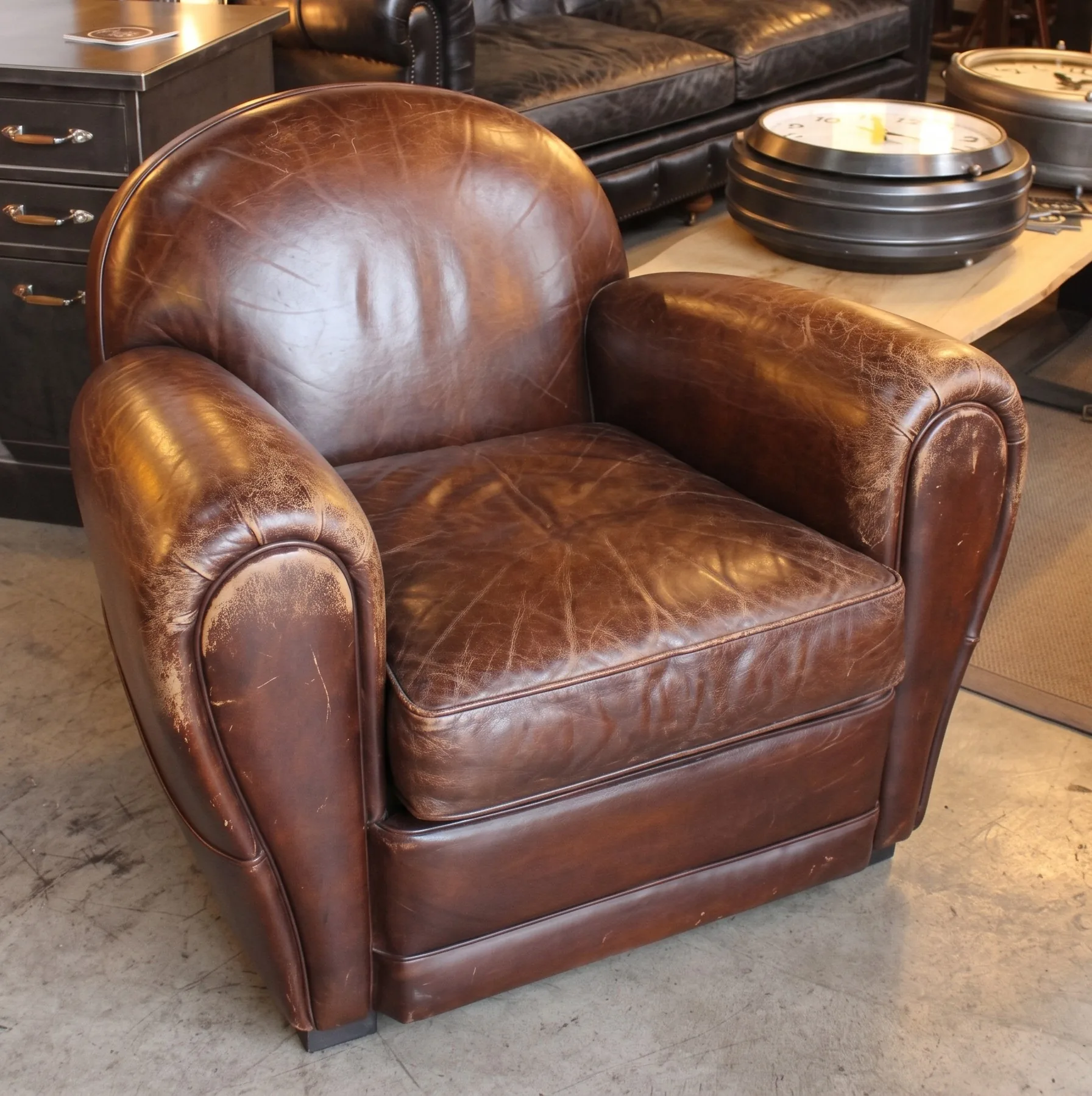
Intentional surface wear marks that create a vintage aesthetic. Applied artfully during manufacturing or skilled restoration work.
Pressing pattern into leather surface for texture or faux-grain appearance. A permanent structural change often used to hide natural imperfections.
Chemical imbalance from overuse of conditioners. Causes a sticky, dust-attracting surface that requires professional stripping and resetting.
Read
Premium Grade
Full-Grain Leather
Highest quality leather retaining the entire grain surface. Shows all natural marks and develops a rich patina over decades of use , the hallmark of true luxury.
Read
Loss of color depth, typically from UV exposure. Preventable through blinds, protective covers, and periodic conditioning treatments.
Read
Grain Pattern
Characteristic
Natural surface texture unique to each hide. Defines leather character and aesthetic authenticity , no two hides are identical.
→
Polishing leather to a high shine using specific oils and circular buffing technique. Creates a protective patina and luminous finish that deepens with care.
Expert Insight
"The hand feel of leather tells its entire story , tanning method, age, conditioning history, and grade. Learn to read it, and you can diagnose any piece in seconds."
Tactile quality of leather when touched. Influenced by tanning method, finishing process, and the entire conditioning history of the piece.
Read
Maintaining 40–60% relative humidity to prevent cracking, warping, and mildew. Critical for long-term preservation of fine leather furniture.
→
The Soul of Leather
Patina
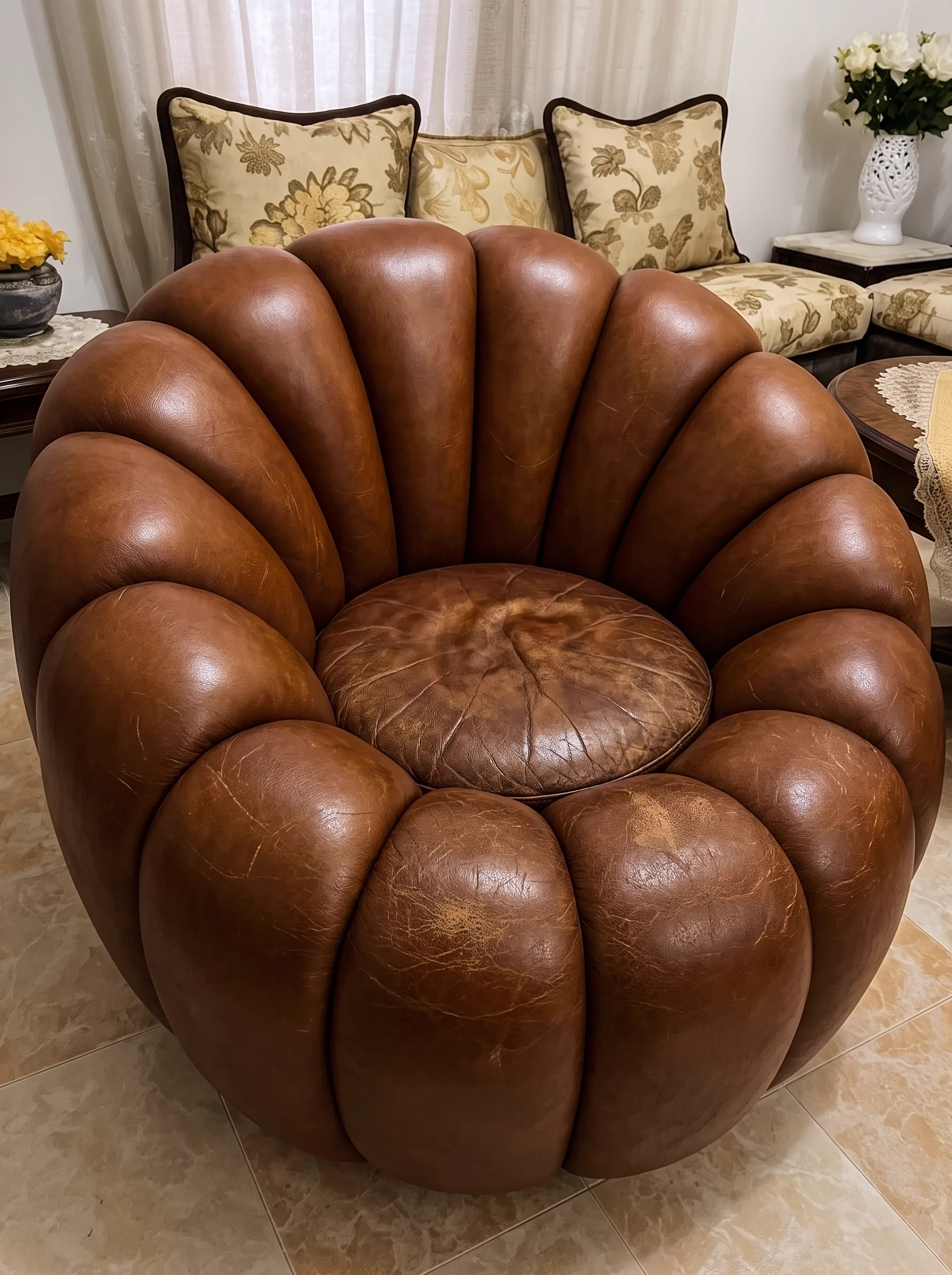
Rich finish and character developed through years of use and mindful care. The hallmark of quality leather , it increases with age and cannot be artificially replicated with any authenticity.
Read
Pigmented Leather
Material
Opaque finish using pigments and polyurethane coating. Most durable option available , hides natural flaws but sacrifices authentic grain visibility.
Read
Full-grain leather that darkens wherever it is manipulated or handled. Prized for showing character and the history of every touch over its lifetime.
→
Unraveling of stitching at seams or edges. Common failure point in older pieces; requires professional re-stitching to restore structural integrity.
Read
Restorative Conditioning
Treatment
Deep conditioning treatment using specialized products and hand massage technique. Revives suppleness in dry, aging leather that has lost elasticity.
Read
Professional assessment of finish durability by rubbing with a white cloth. Determines whether the finish is stable or at risk of further deterioration.
→
Surface abrasion causing dull patches on leather. Minor scuffs disappear with conditioning; deep ones require specialist spot repair.
Thread degradation at stitch lines from age or stress. Preventable through proper structural support and avoiding overstretching of panels.
Read
Light protective pigment layer over transparent dye. Balances durability with natural grain visibility , the most practical choice for high-use furniture.
→
Read
Chemical process converting raw hide to preserved leather. Chrome, vegetable, and synthetic methods each produce distinct characteristics and aging behavior.
Read
Thickness Variation
Characteristic
Natural inconsistency across a hide due to the animal's age, breed, and condition. An authentic marker of full-grain quality , not a defect.
→
Read
Ancient Craft
Vegetable Tanning
Ancient method using tannins derived from tree bark. Creates rigid, long-aging leather with incomparable patina development , the choice of master craftsmen across centuries.
Green oxidation on brass hardware in contact with leather. Prevent permanent staining through regular buffing and keeping hardware dry.
Wax Bloom
Natural Property
Crystallized wax surface on pull-up leather. A natural protective layer that can be buffed to different sheen levels for varied aesthetic effect.
Read
Weathering
Characteristic
Visible aging and patina from environmental exposure. Desirable in full-grain leather when properly managed through consistent care and conditioning.
The Restorer's Creed
"Every crease, scar, and darkened edge tells a story. The art of restoration is not erasing that story , it is ensuring it can continue to be written."