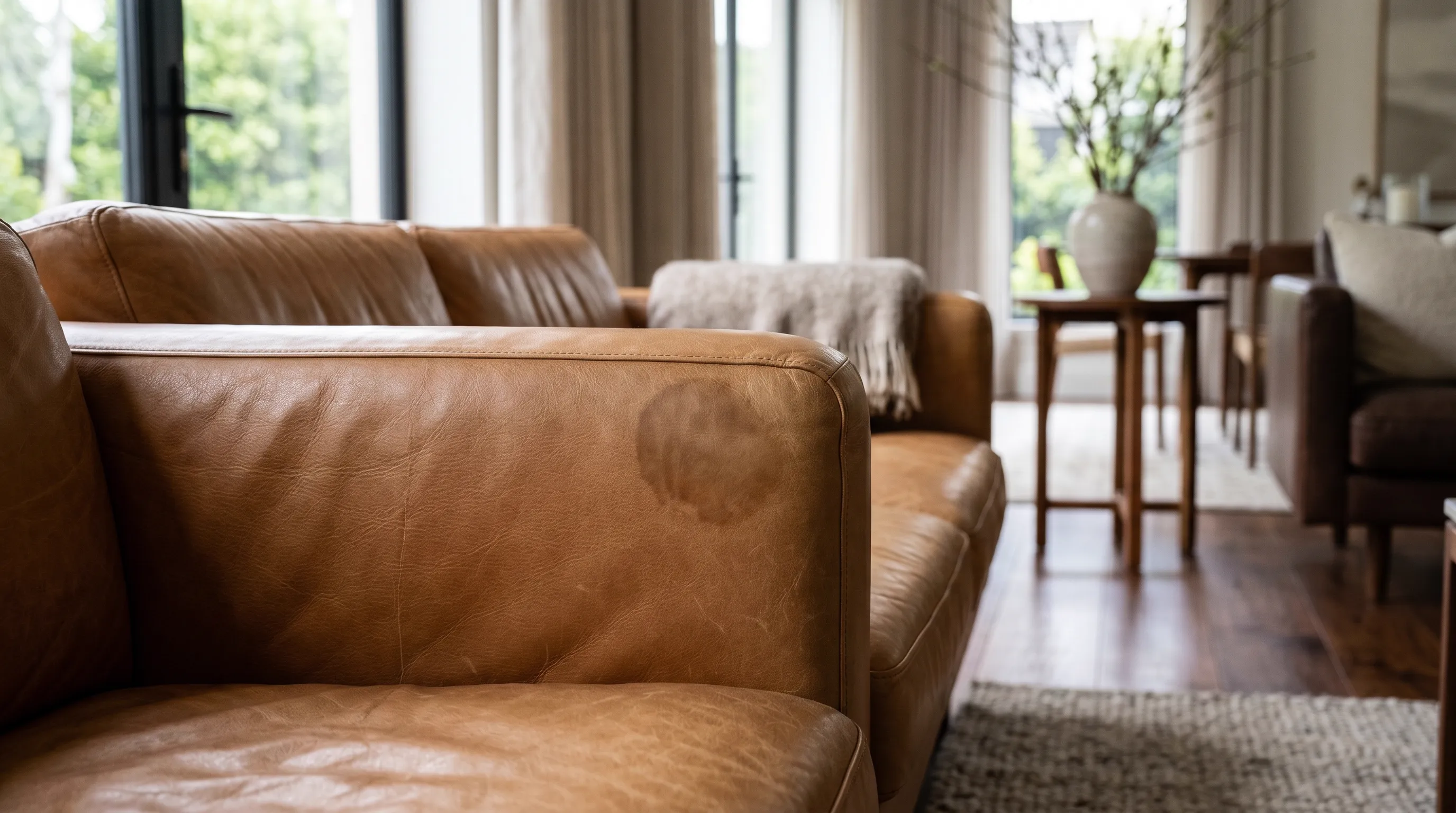
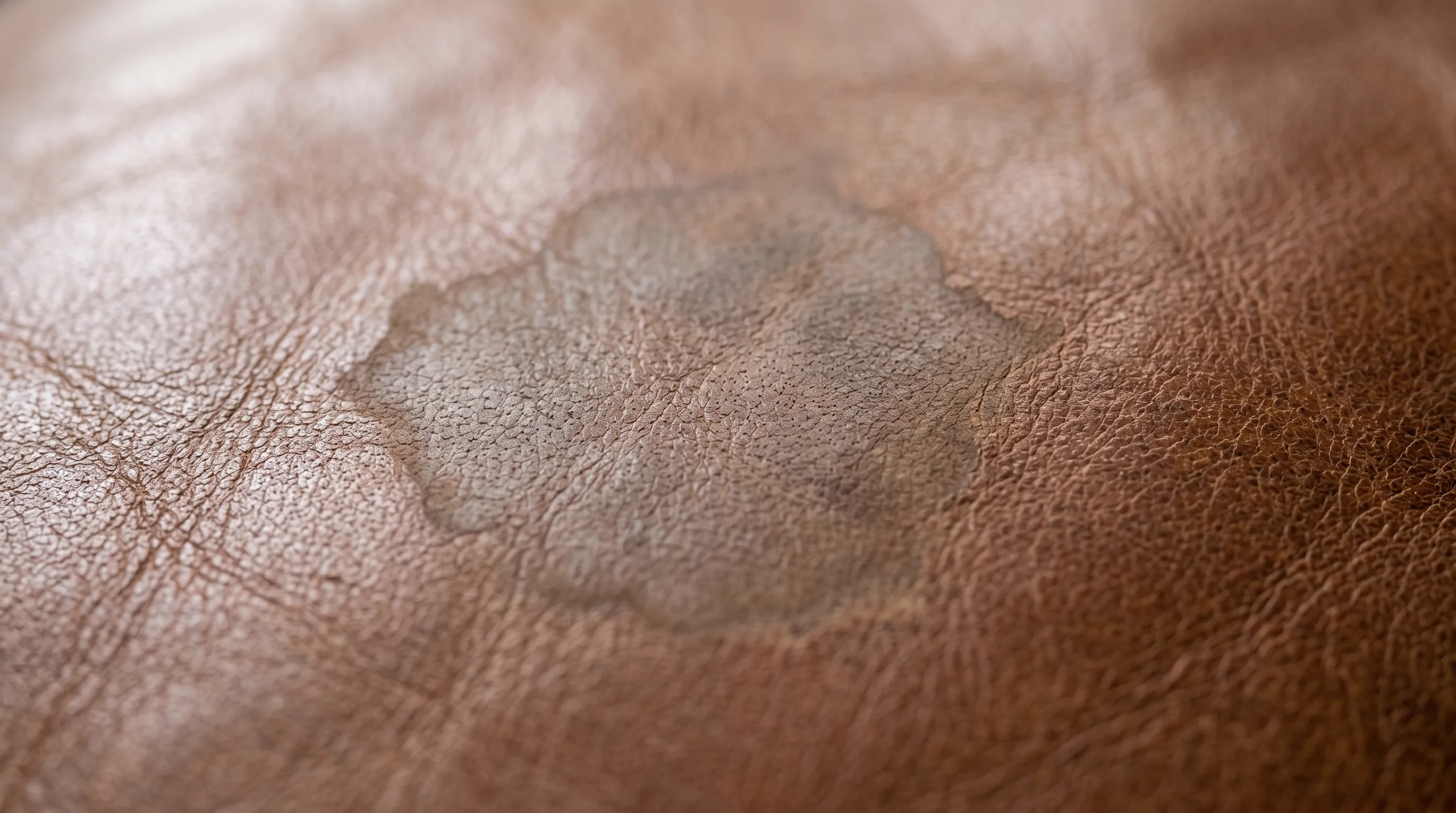
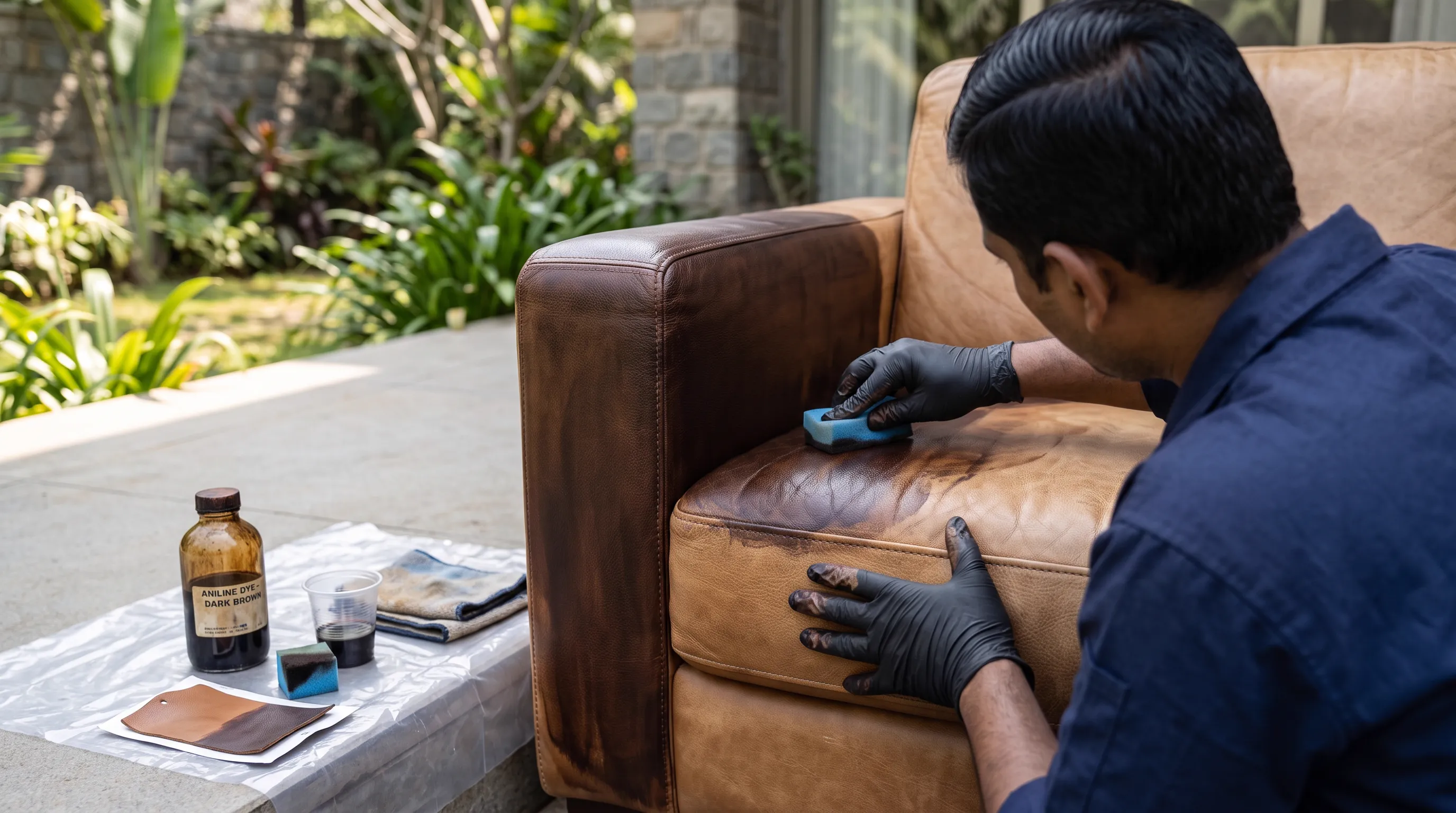
Before / AfterRecolour & Crack Fill
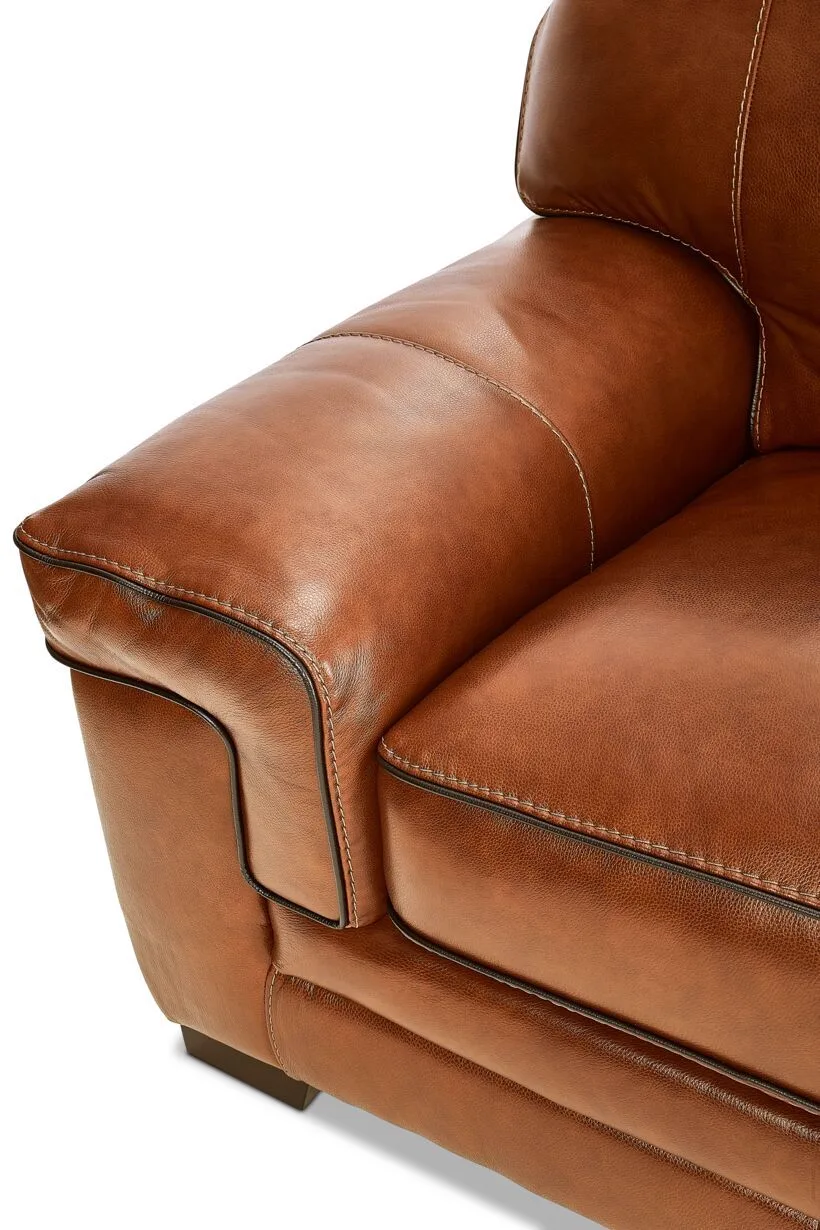
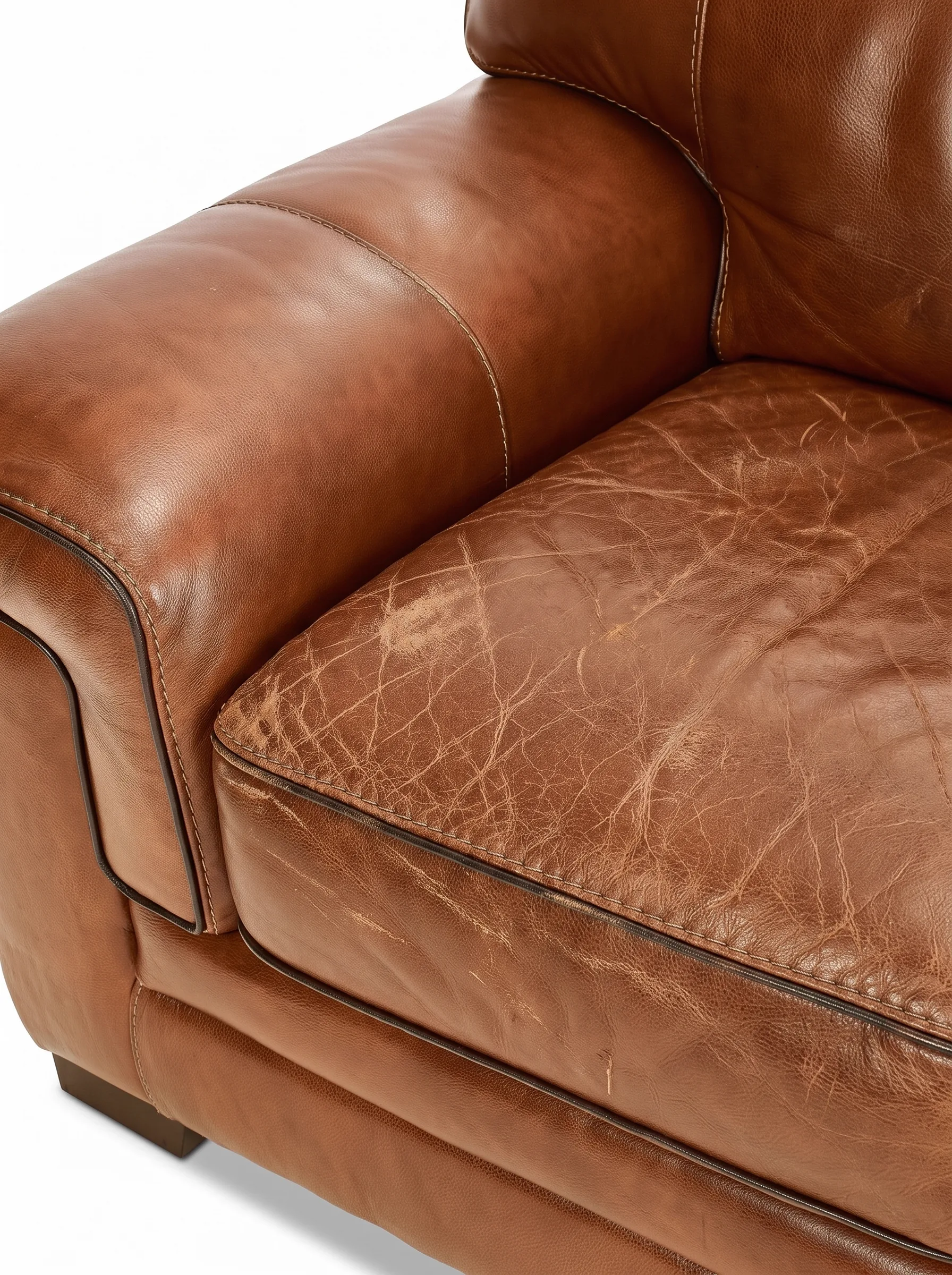
Owners across India come to us with the same fear: that a standard restorer will spray pigment or topcoat onto their De Sede and seal the aniline grain for good. They are right to worry, because that mistake cannot be reversed. We never topcoat aniline. On a DS-600, DS-702 or DS-47 we use a penetrating aniline dye and period-matched waxed-linen thread, so the hide keeps breathing. From ₹4,500 / seat - WhatsApp two photos for a written quote in 30 minutes.
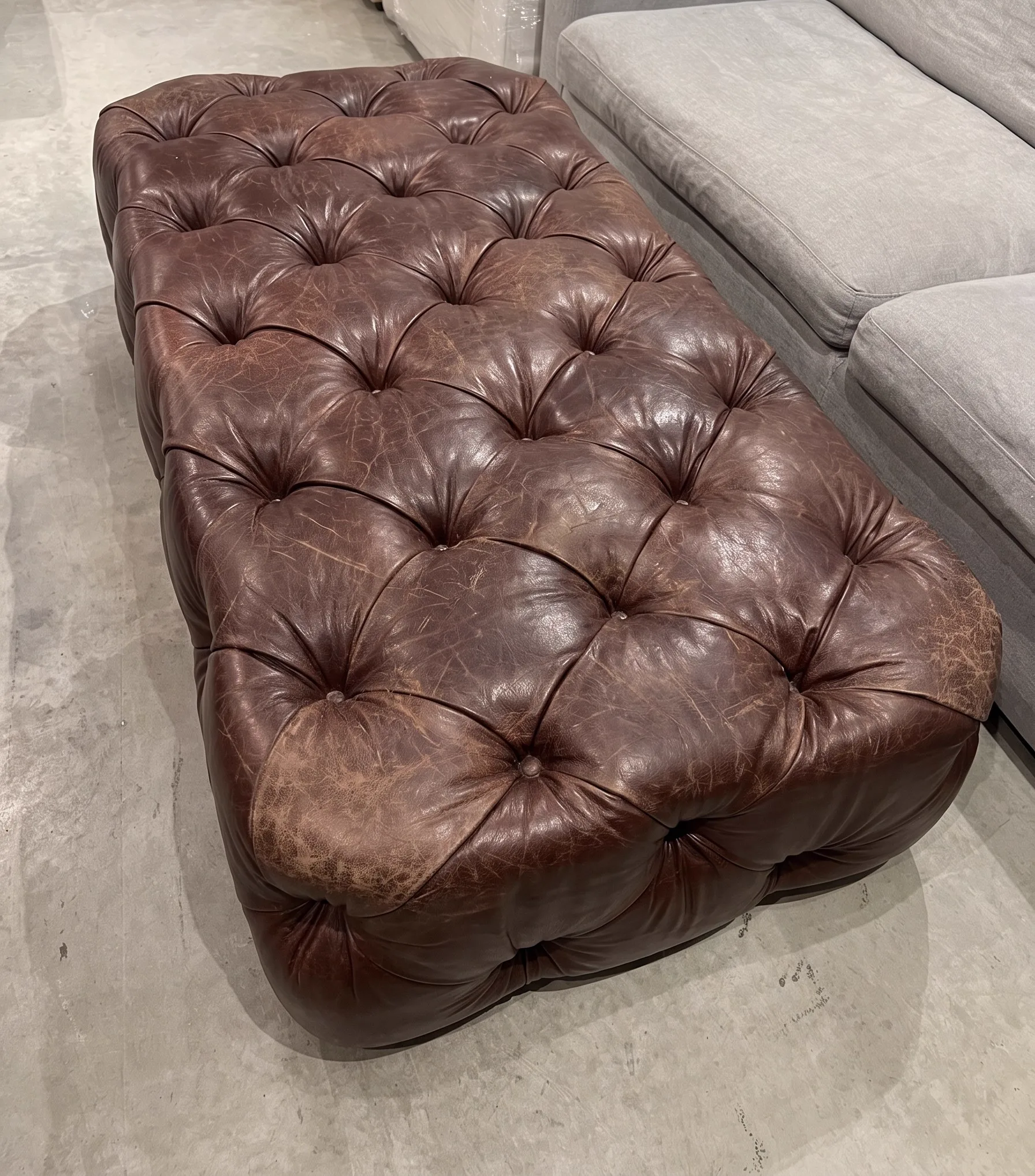
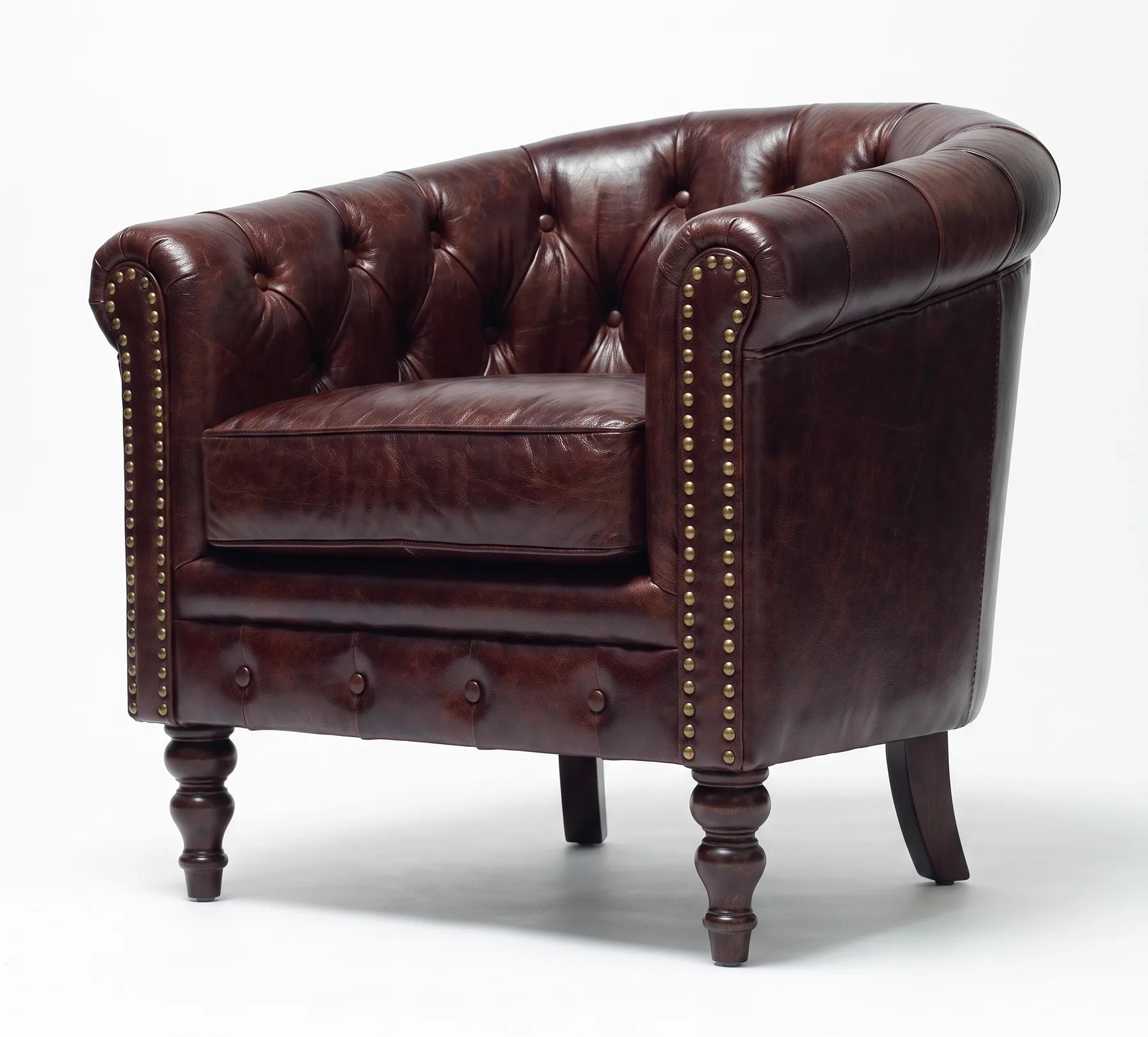
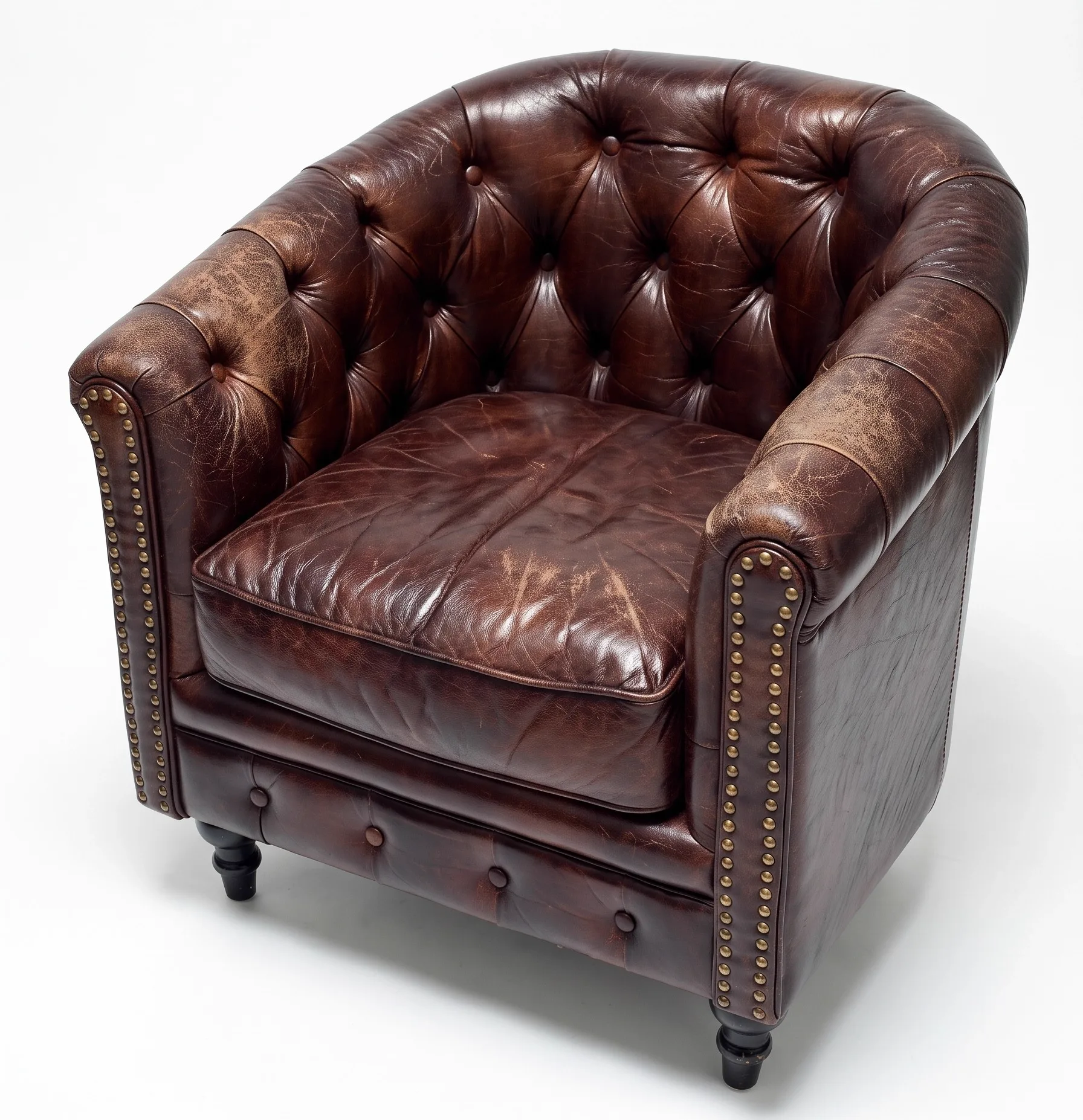
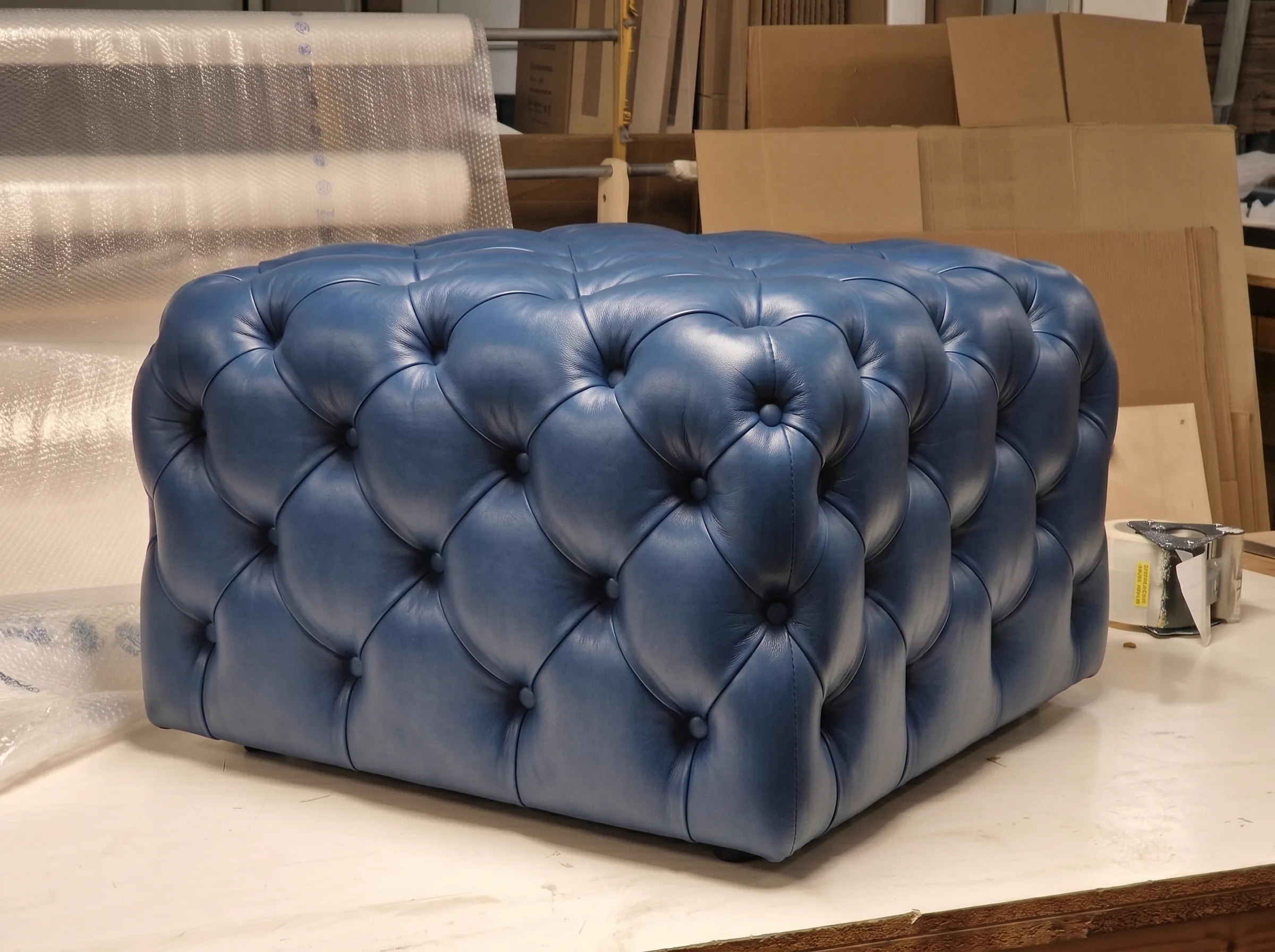
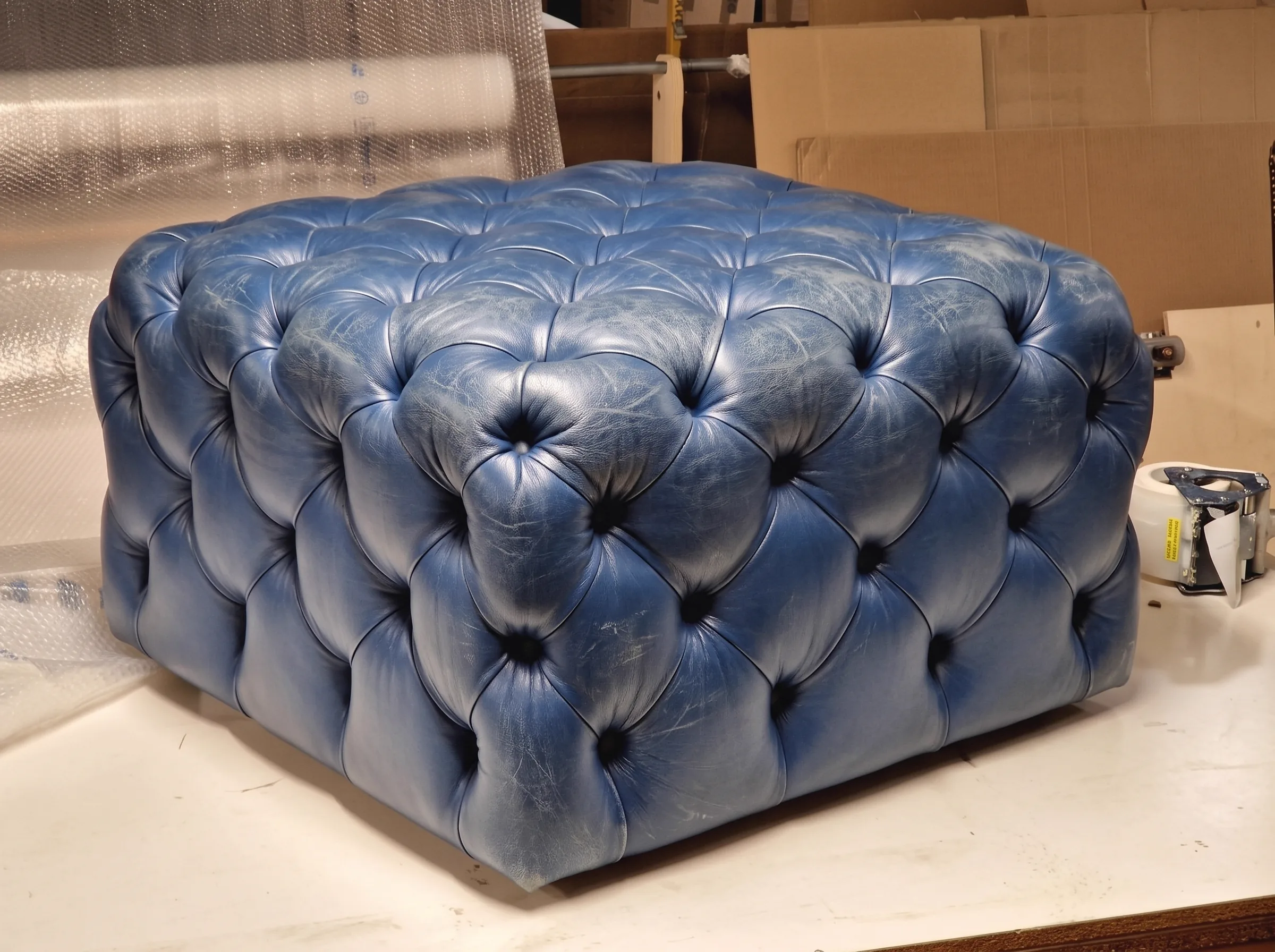
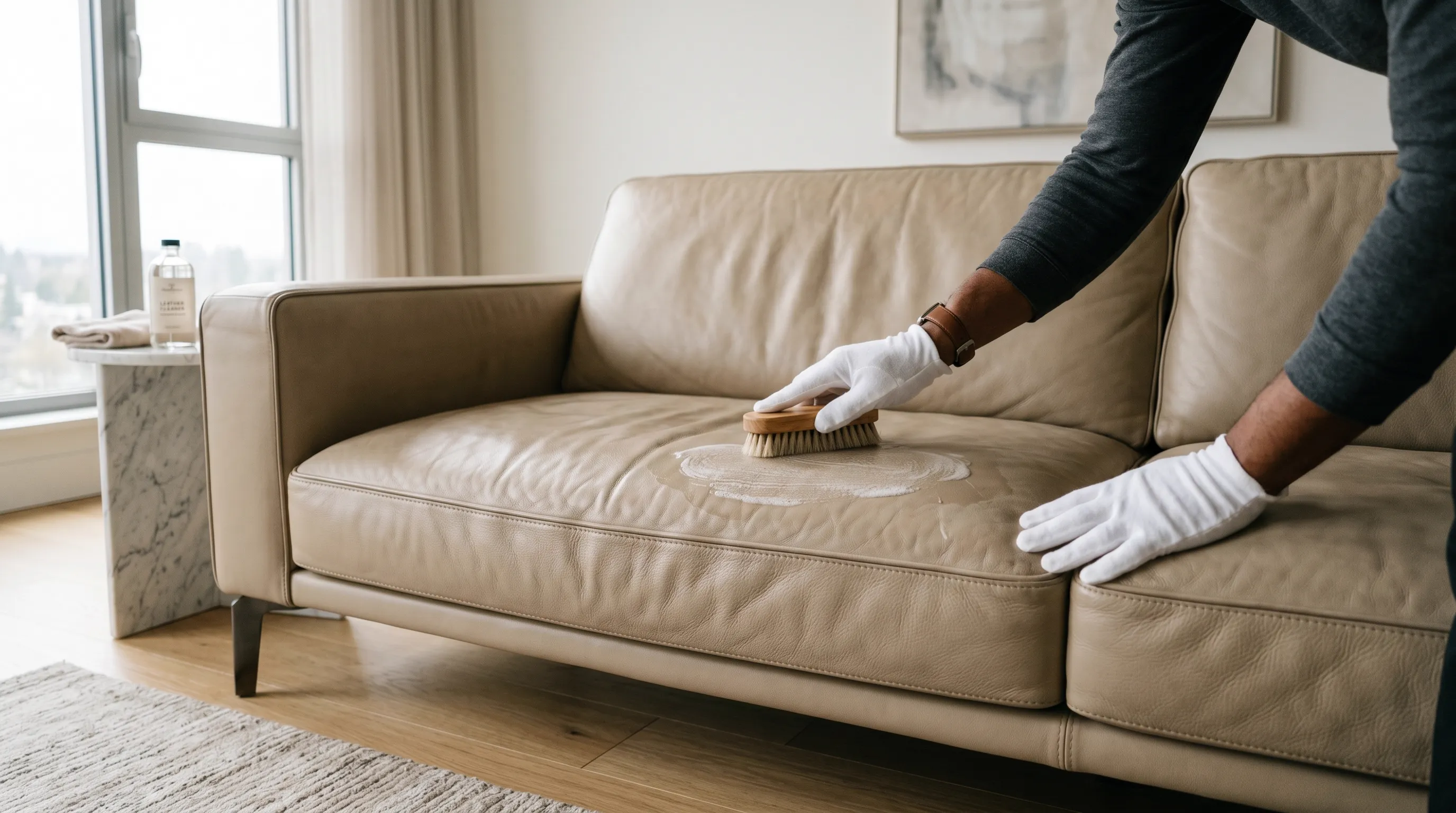
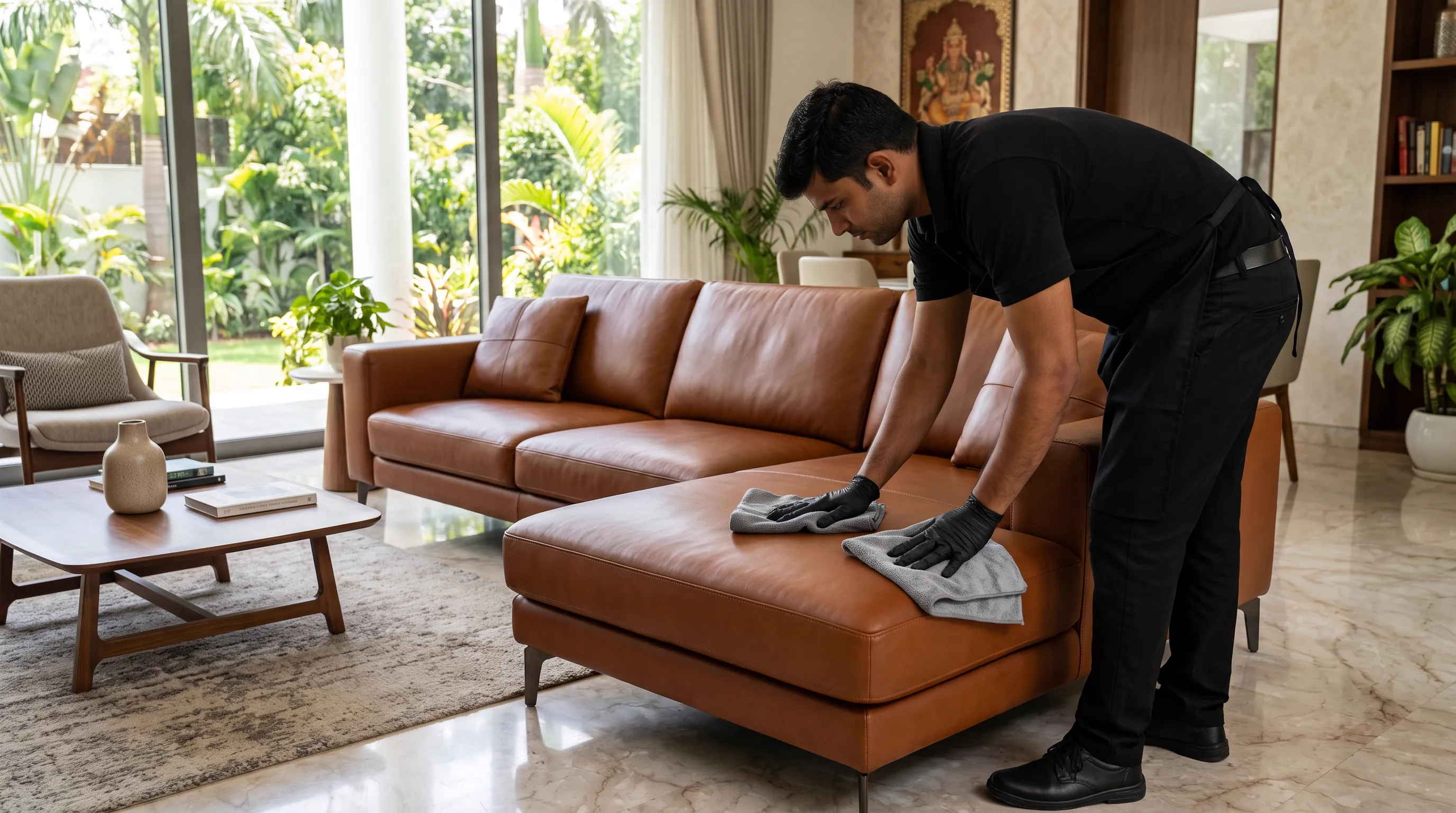
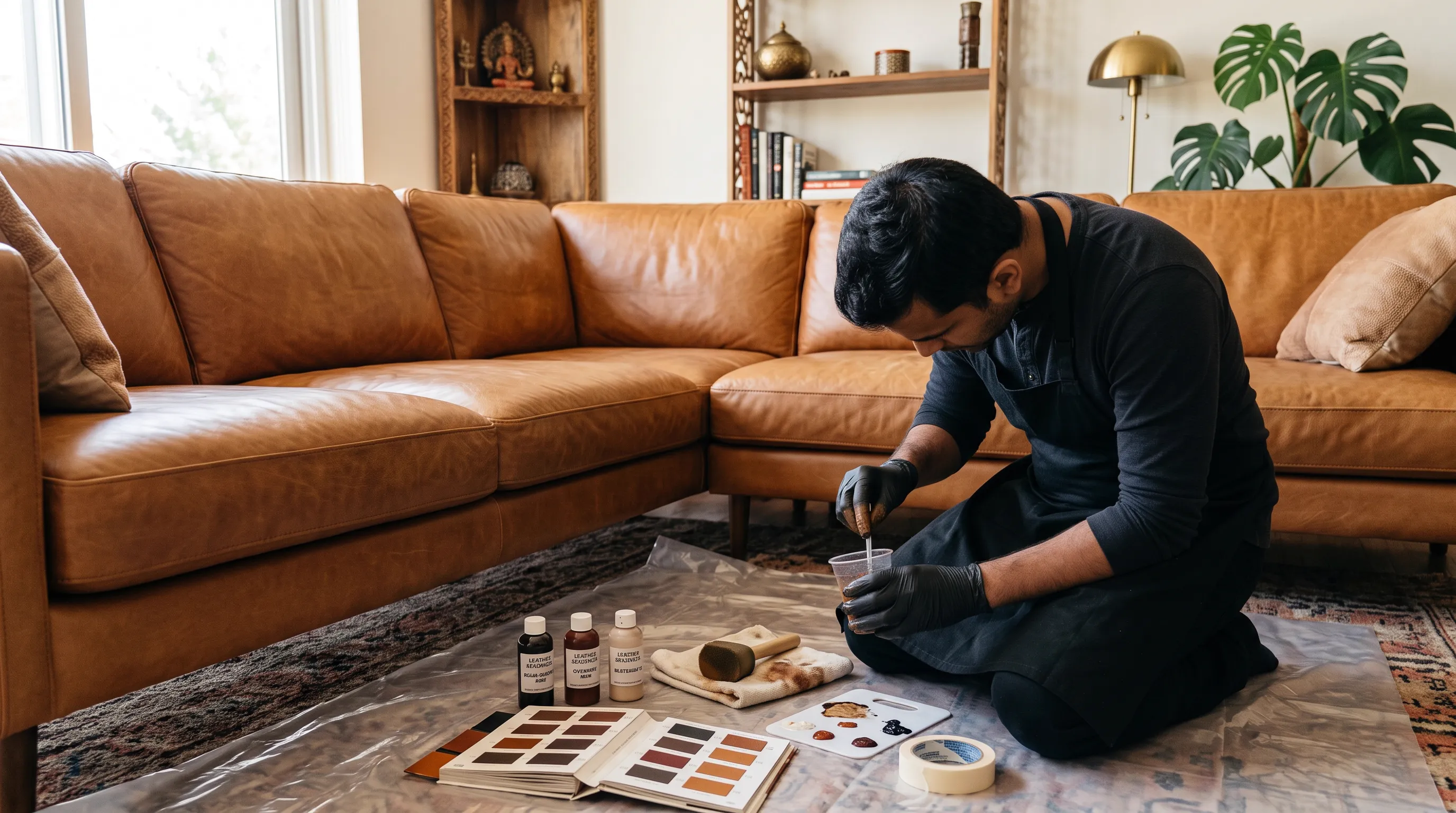
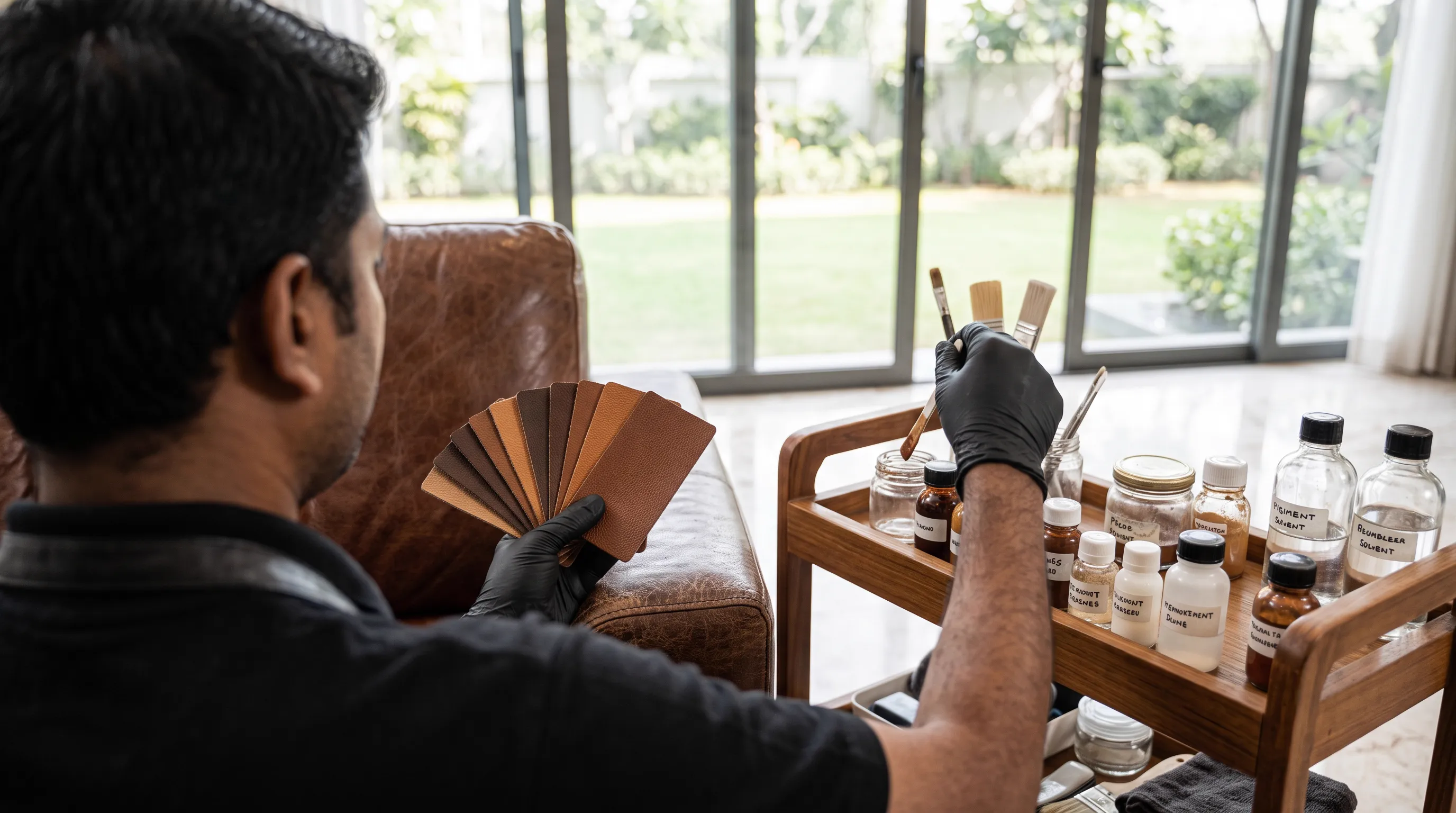
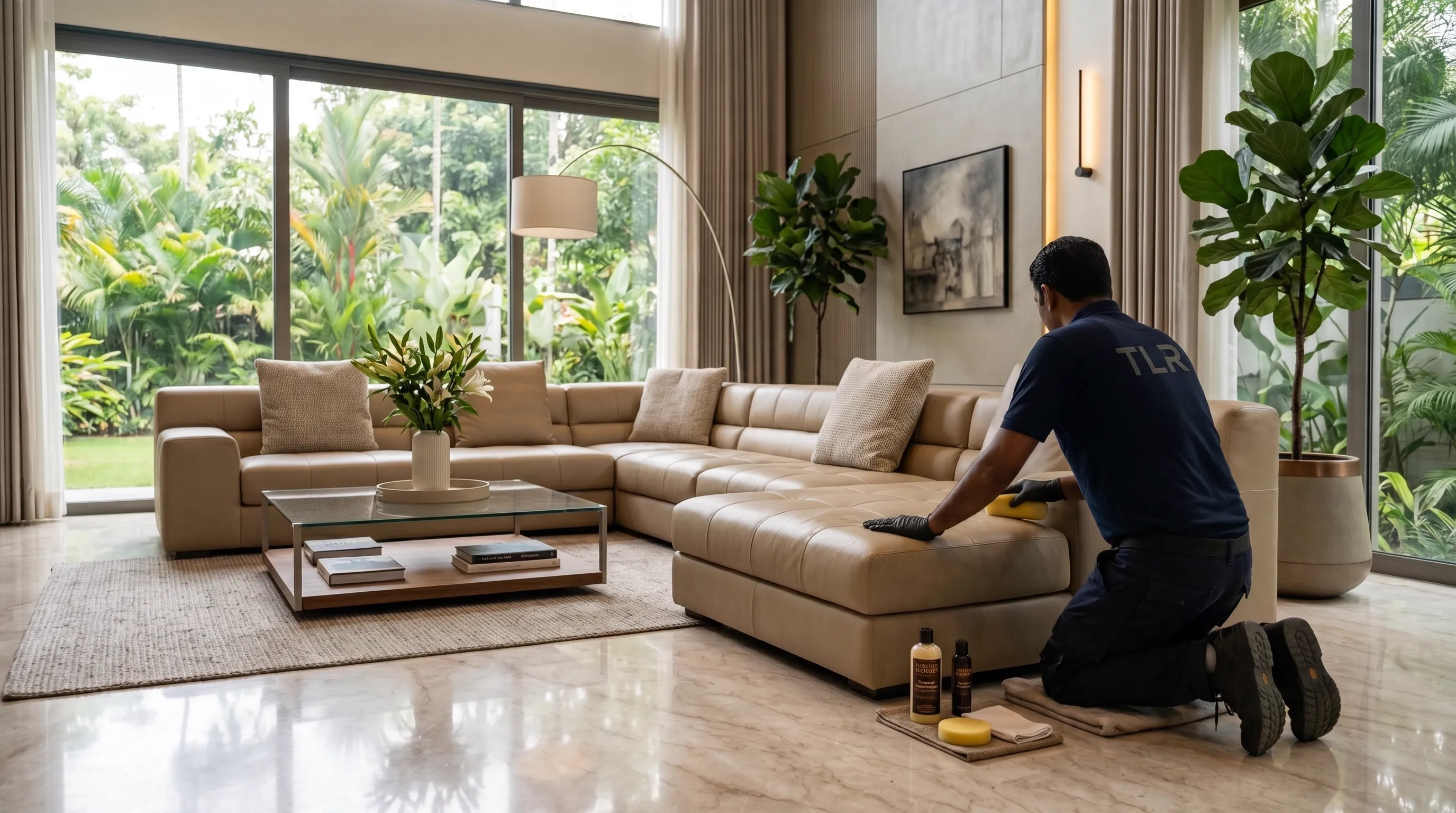
Four steps. Tyson, Lead Artisan, at your address with full atelier kit - penetrating aniline dyes, period-matched waxed linen, saddle-grade patch leather, spectrophotometer - in a single pelican case. No studio collection required.
Map each DS-600 module or DS-702 panel for fade gradient and wear depth.
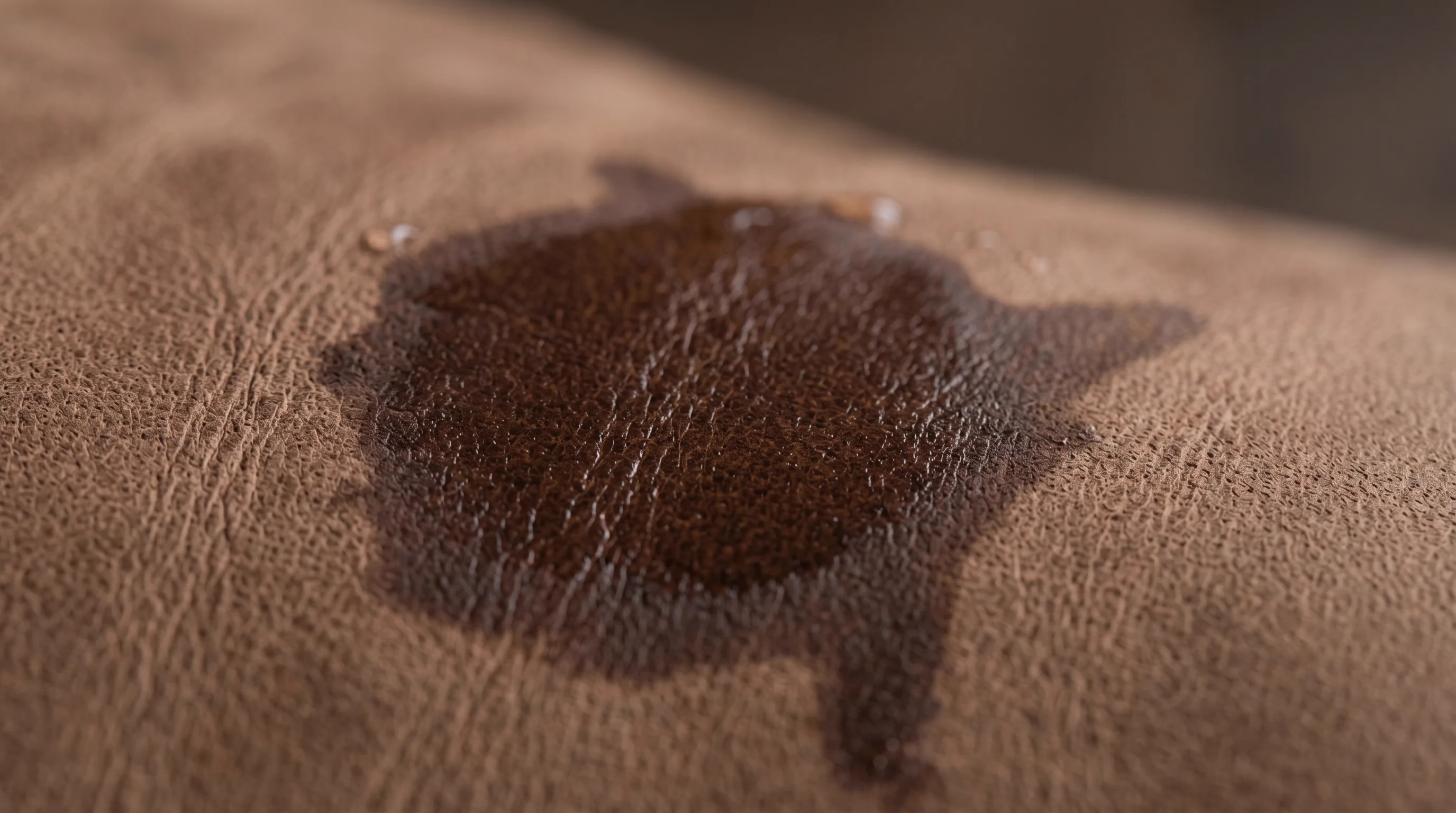 Audit
Audit
Map each DS-600 module or DS-702 panel for fade gradient and wear depth.
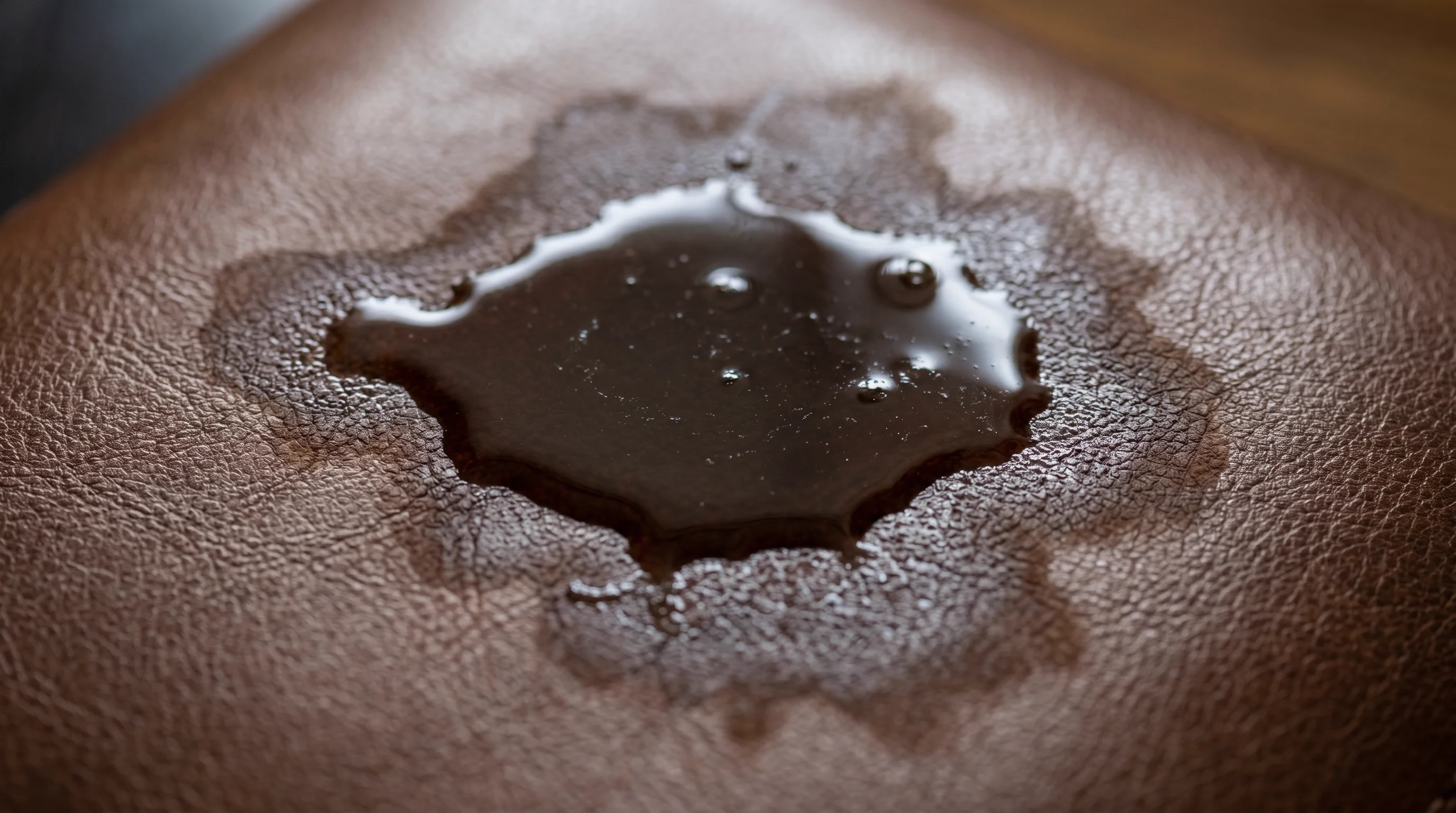 Clean
Clean
No aqueous cleaners on full-aniline. pH-neutral balm only, applied with lint-free cloth.
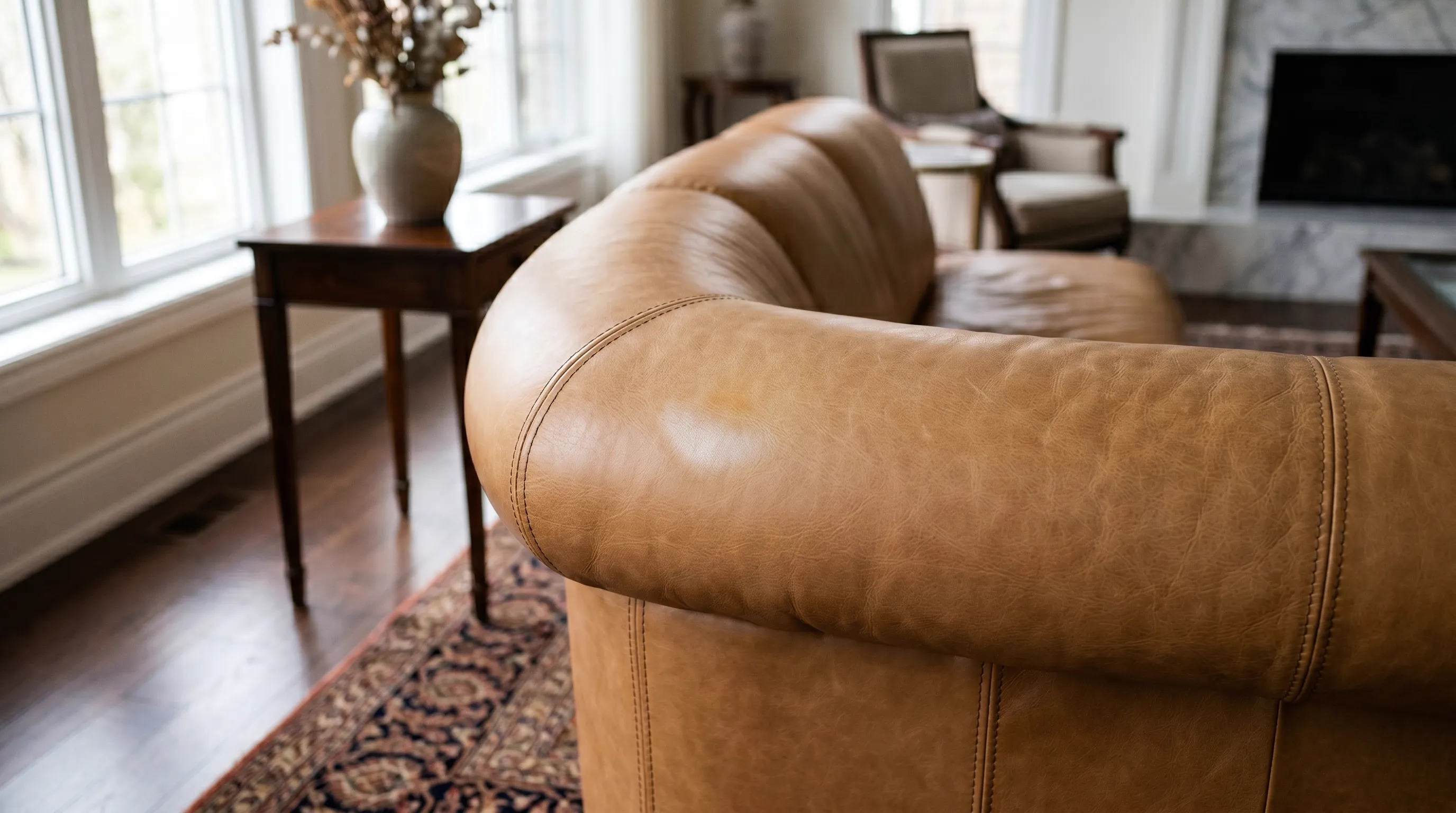
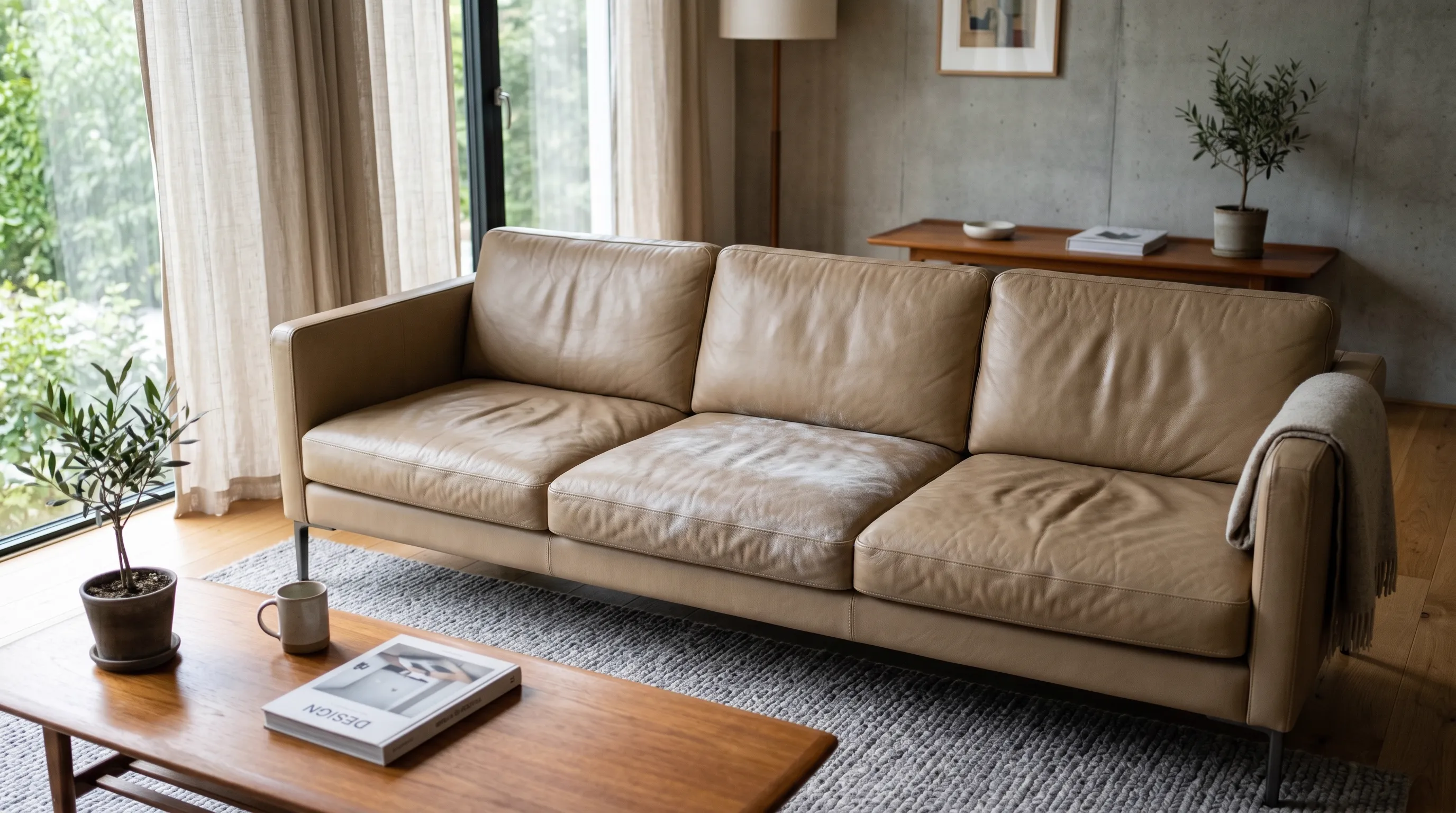 Recolor
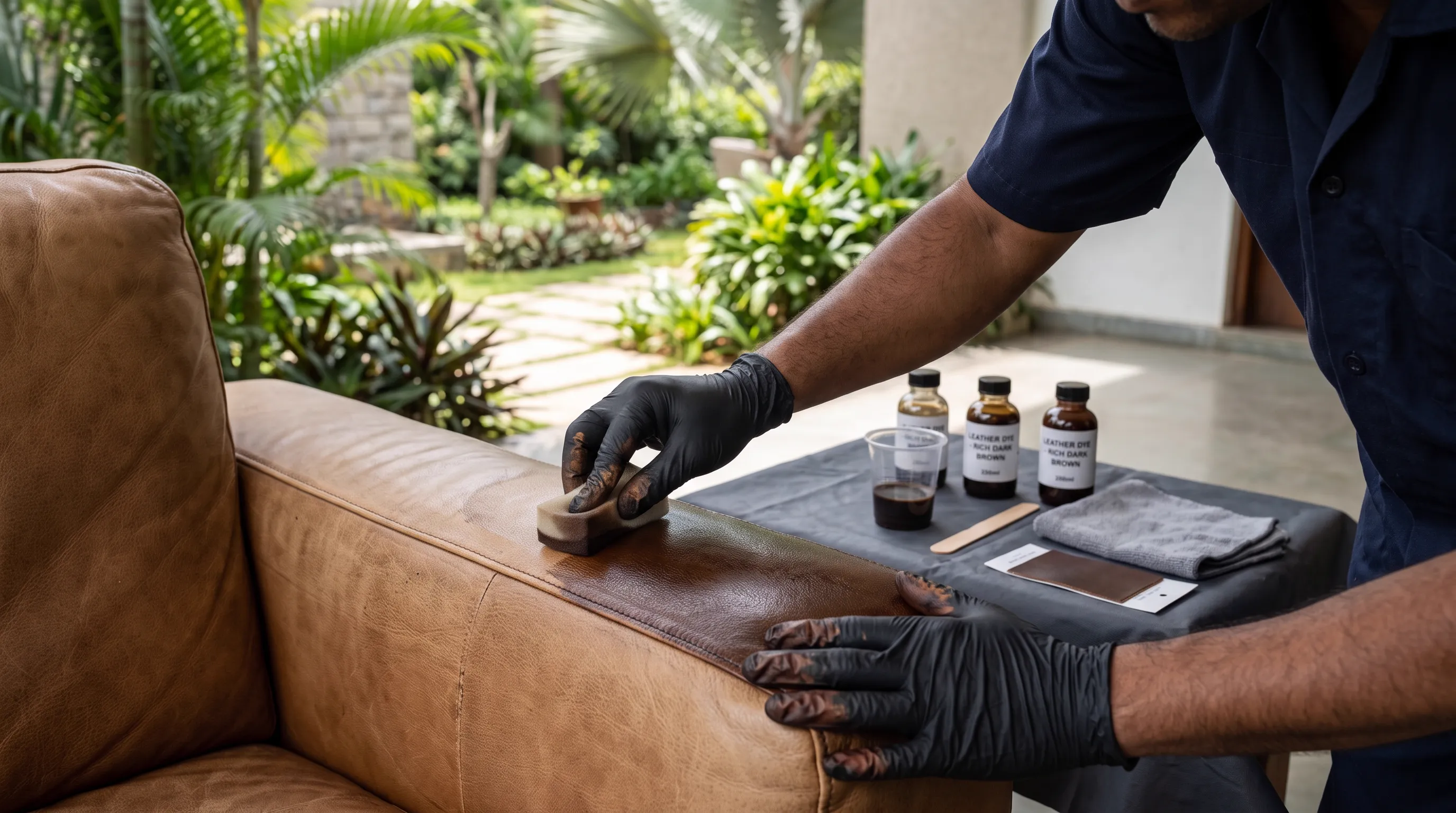
Hand-applied panel by panel, feathered at module joins.
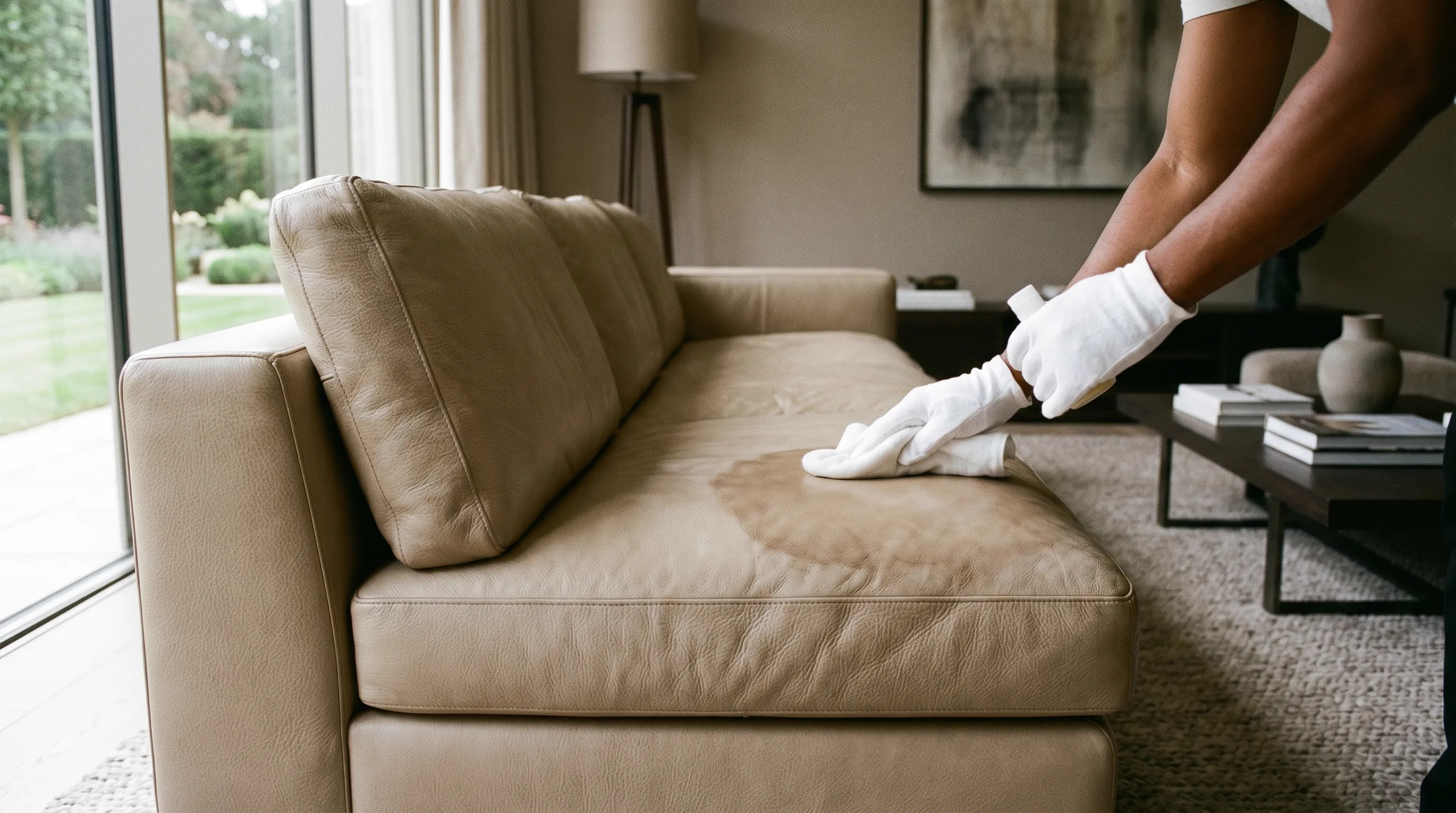
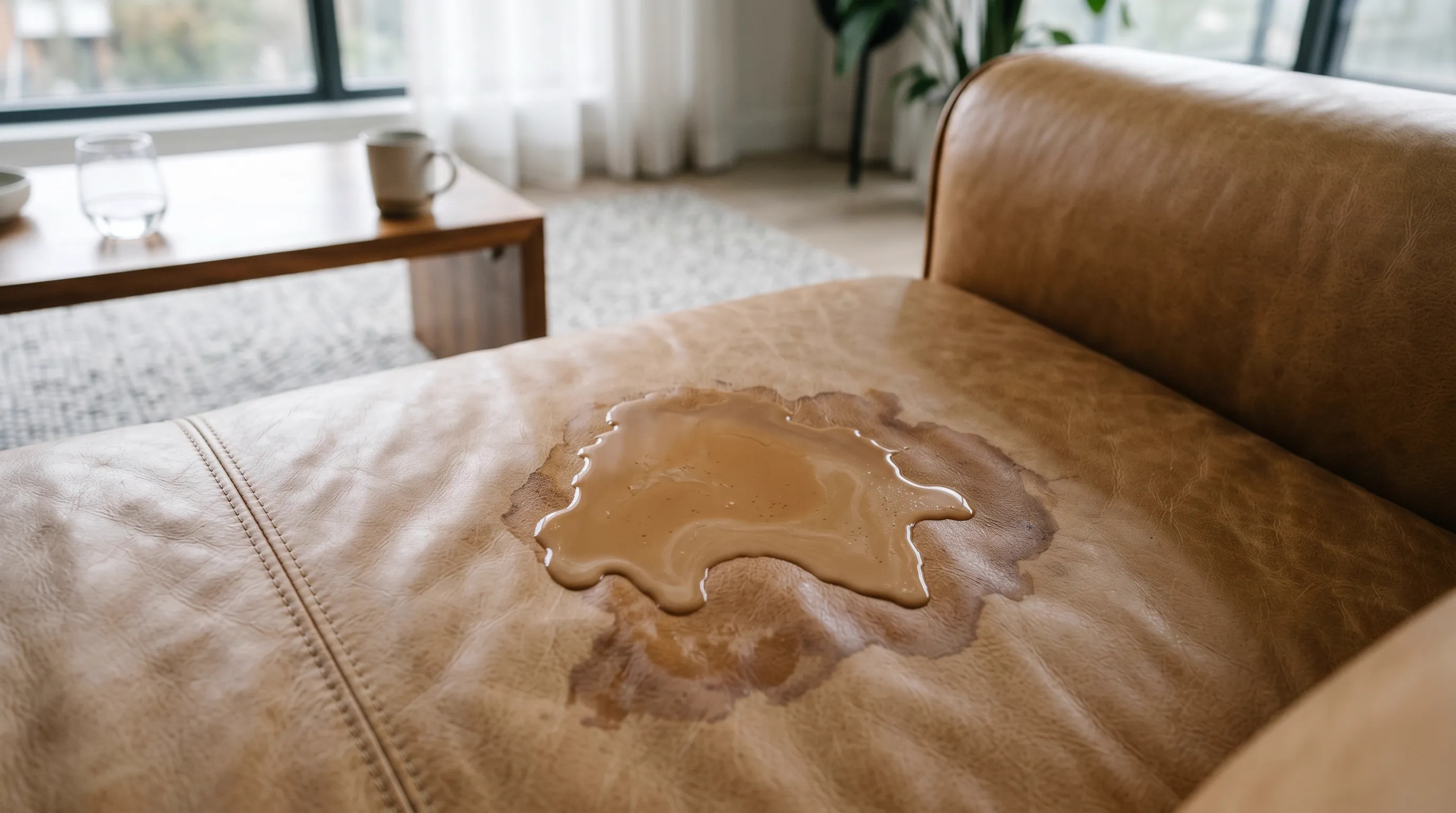 Finish
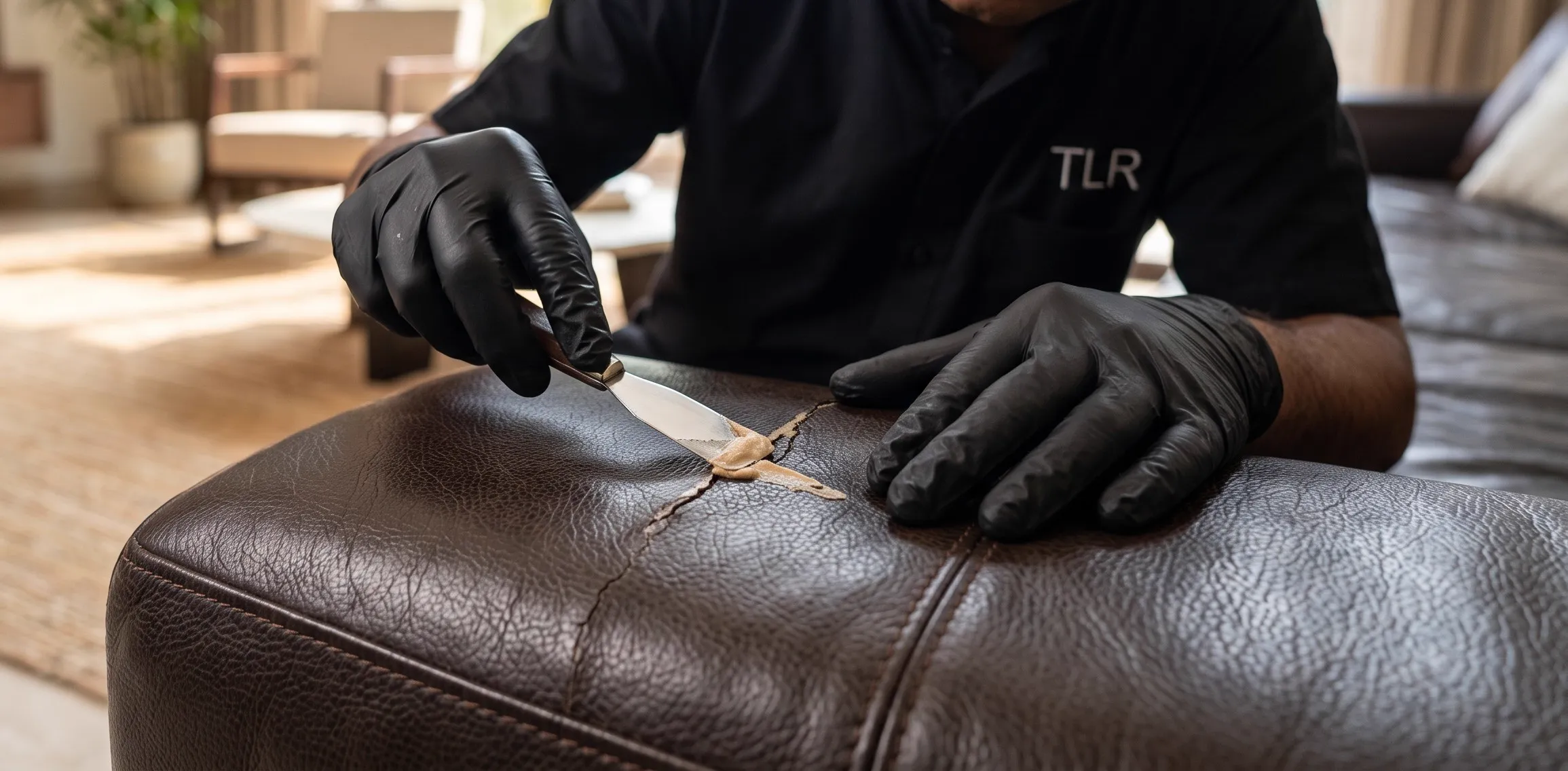
Matched waxed thread, internal anchor reinforcement on stress-point seams.
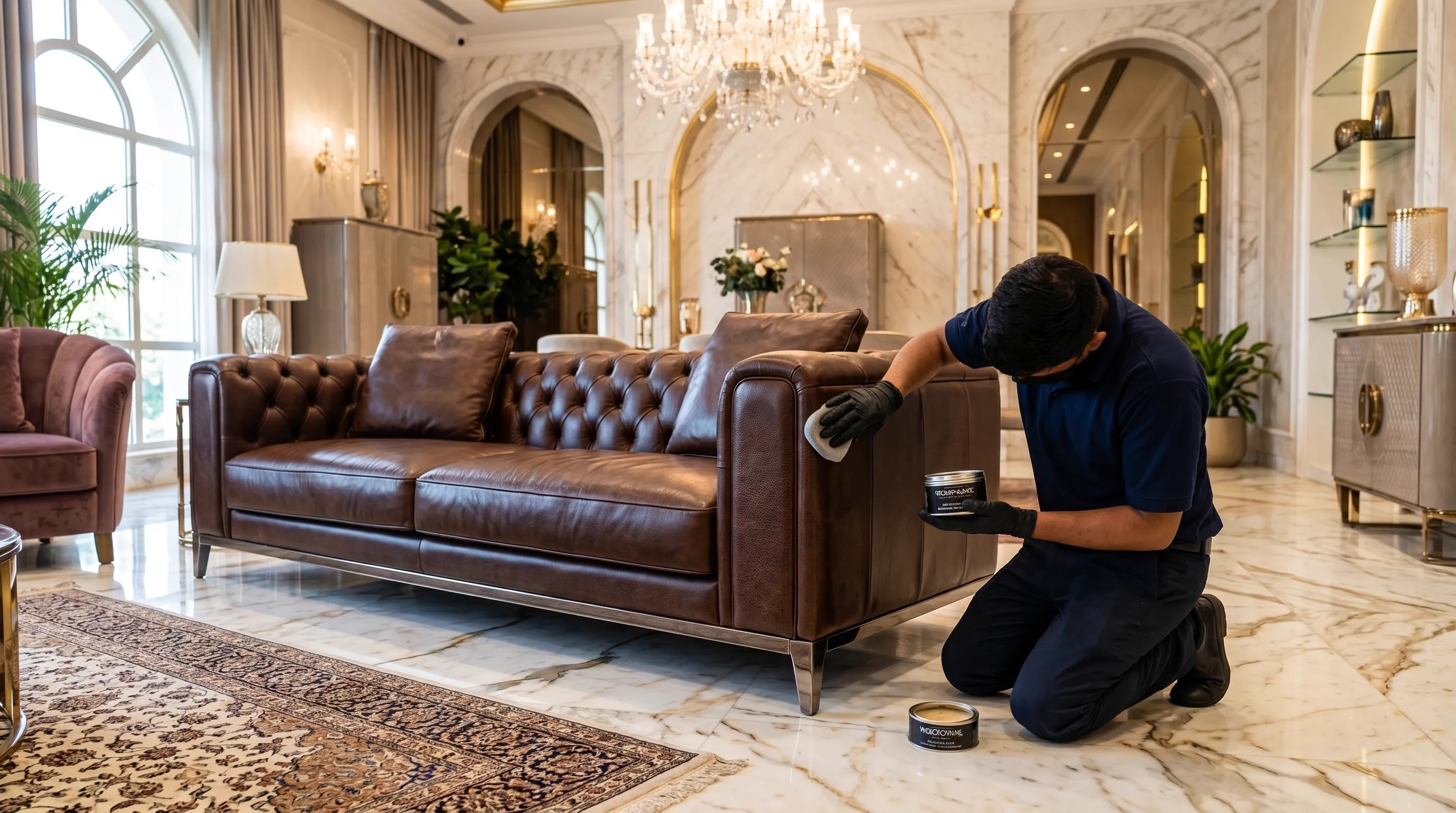
The sun-facing modules had faded by two to three shades against the shaded wall modules. Aniline dye work was done module by module - fade gradient mapped, dye feathered at every join, Delta-E held to 1.4 across thirty-two pieces. No topcoat. The set reads as one hide again.
Photographed in studio · IndiaDe Sede ships full-grain aniline leather in saddle-grade weights not seen in any other luxury brand. Three predictable failure modes emerge in Indian homes. Below: each, with the protocol it demands. See our leather glossary for terminology.
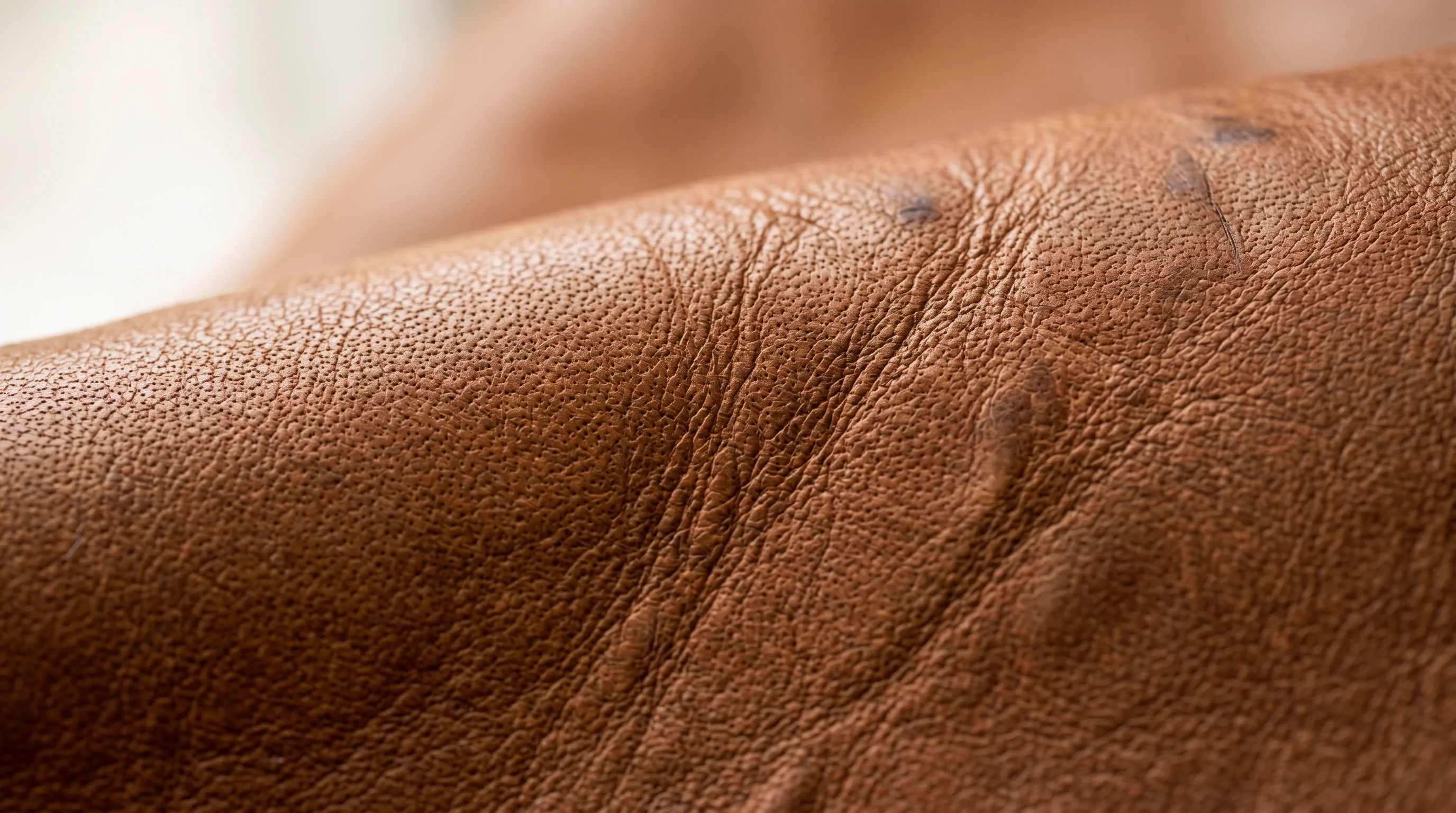
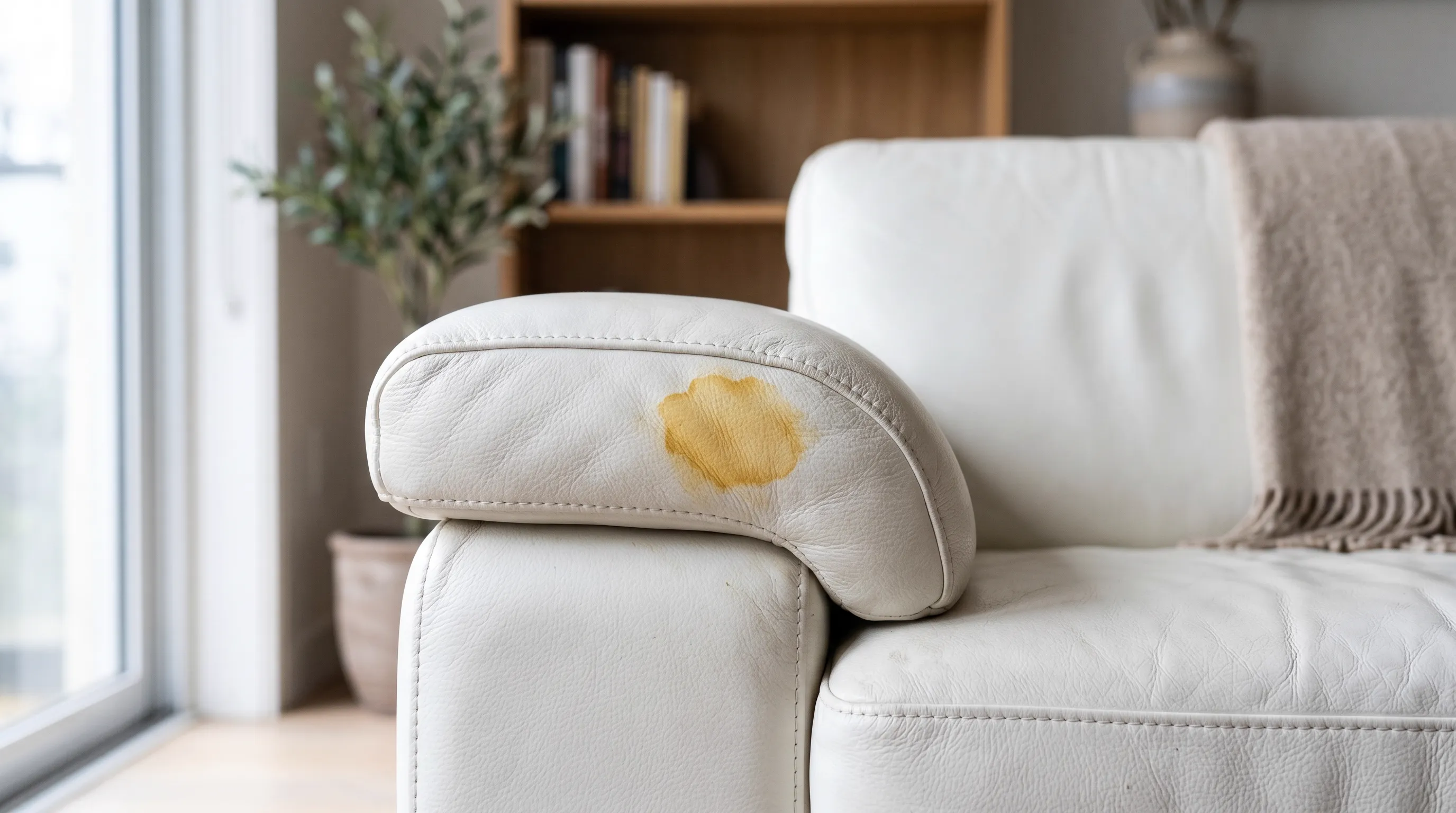
The DS-600 (designed in 1972 by Ueli Berger, Eleonora Peduzzi-Riva, Heinz Ulrich and Klaus Vogt) no-stop modular system is De Sede's most iconic design - and its most specific failure point in India. The leather at the connector fold flexes constantly as modules are repositioned. Even at 4-5mm saddle-grade weight, the hide thins and cracks at year eight to fifteen from repeated flex fatigue. Owners often attempt leather conditioner, which cannot rebuild a structurally thinned hide. See our aniline leather guide and cracking repair for context.
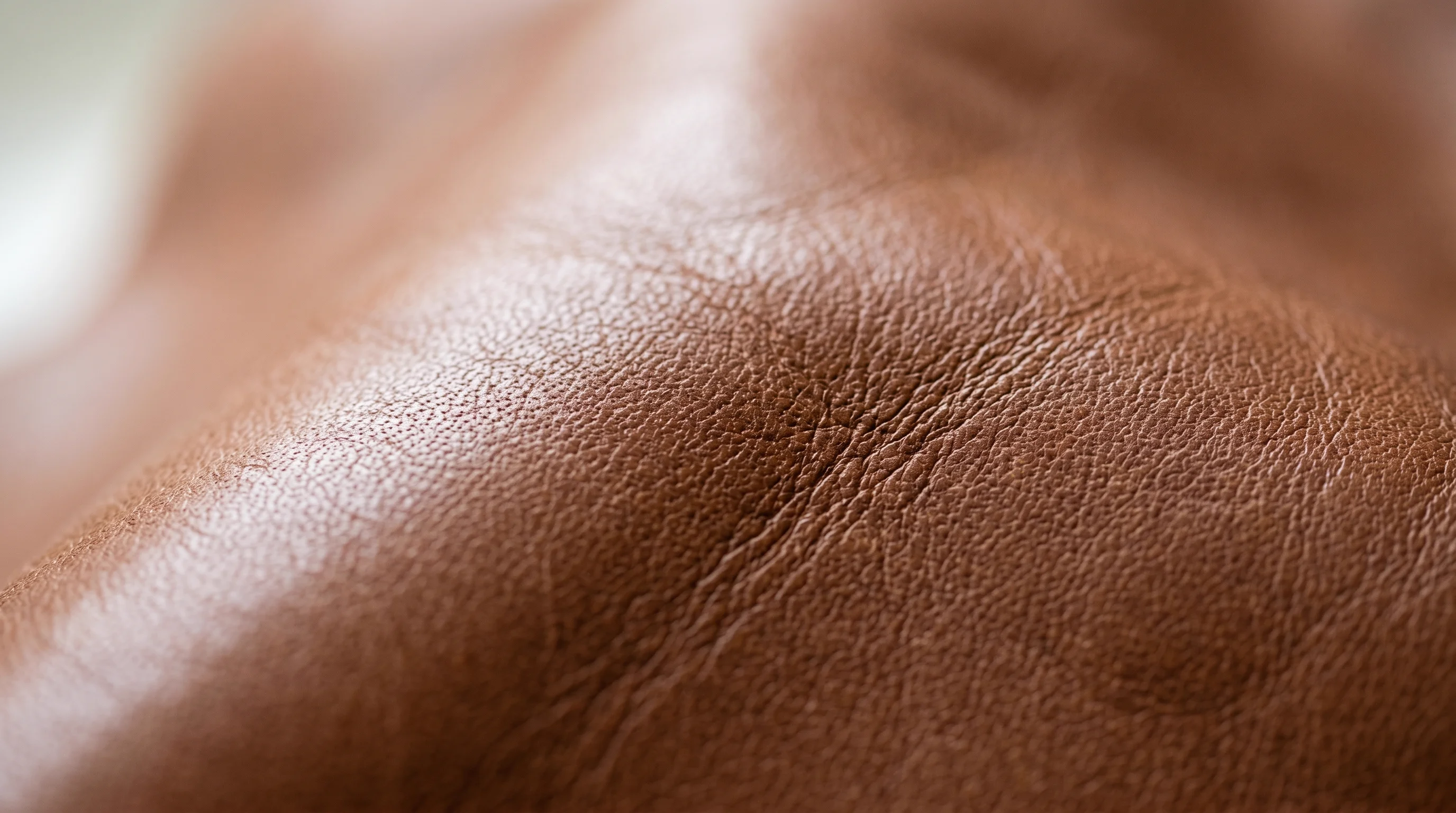
Floor-to-ceiling windows in Indian architect homes across major cities accelerate UV fade on aniline hides faster than European conditions. The DS-702 and DS-707 (Stefan Heiliger) use large single-hide panels with no protective topcoat. Exposed panels fade in a gradient toward window light while shaded panels hold their original depth. The differential reads as a two-tone piece at year three to five. See our UV protection guide for prevention.
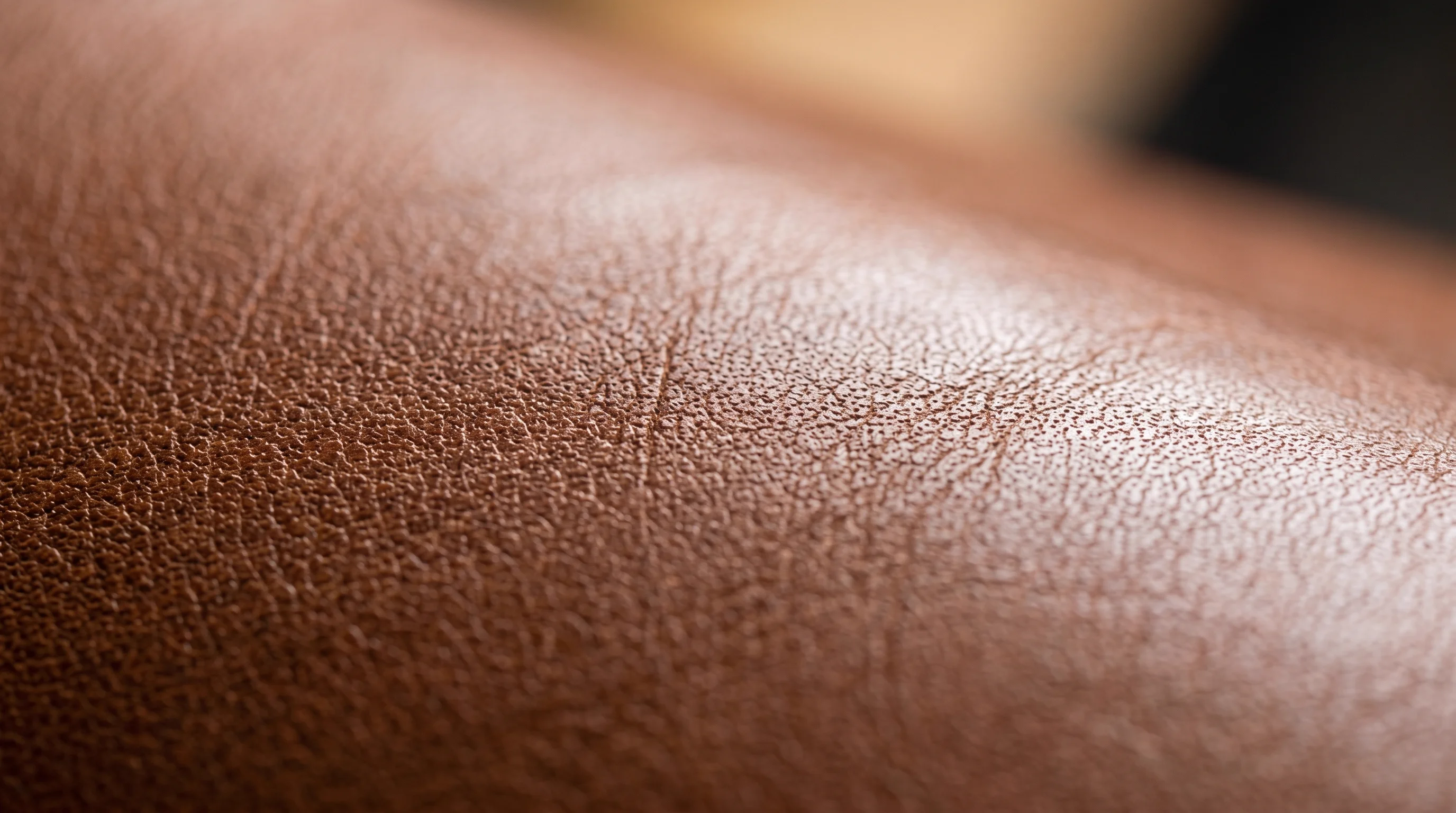
De Sede hand-stitches every seam with waxed linen thread - a craft standard designed for Swiss Alpine climate. Indian monsoon humidity cycling causes the wax in the thread to soften and re-harden repeatedly, weakening the stitch anchor at high-stress points. Armrest joins, cushion base seams and module perimeter stitching are most vulnerable. The failure appears as thread pulling at year five to eight in coastal and monsoon-belt cities.
Three tiers. Written quote within thirty minutes. Final price never above quote.
For De Sede pieces in good condition needing aniline-safe cleaning and surface conditioning.
 ₹4,500/seat
 ₹5,500/seat
For DS-702 and DS-707 sun fade, DS-600 module connector wear. Most-booked tier.
DS-600 multi-module sets - full module survey, aniline dye, connector rebuild, all seams.
 ₹6,500/seat
From ₹4,500 per seat. Final price confirmed at free home diagnosis. Doorstep service across major Indian cities.
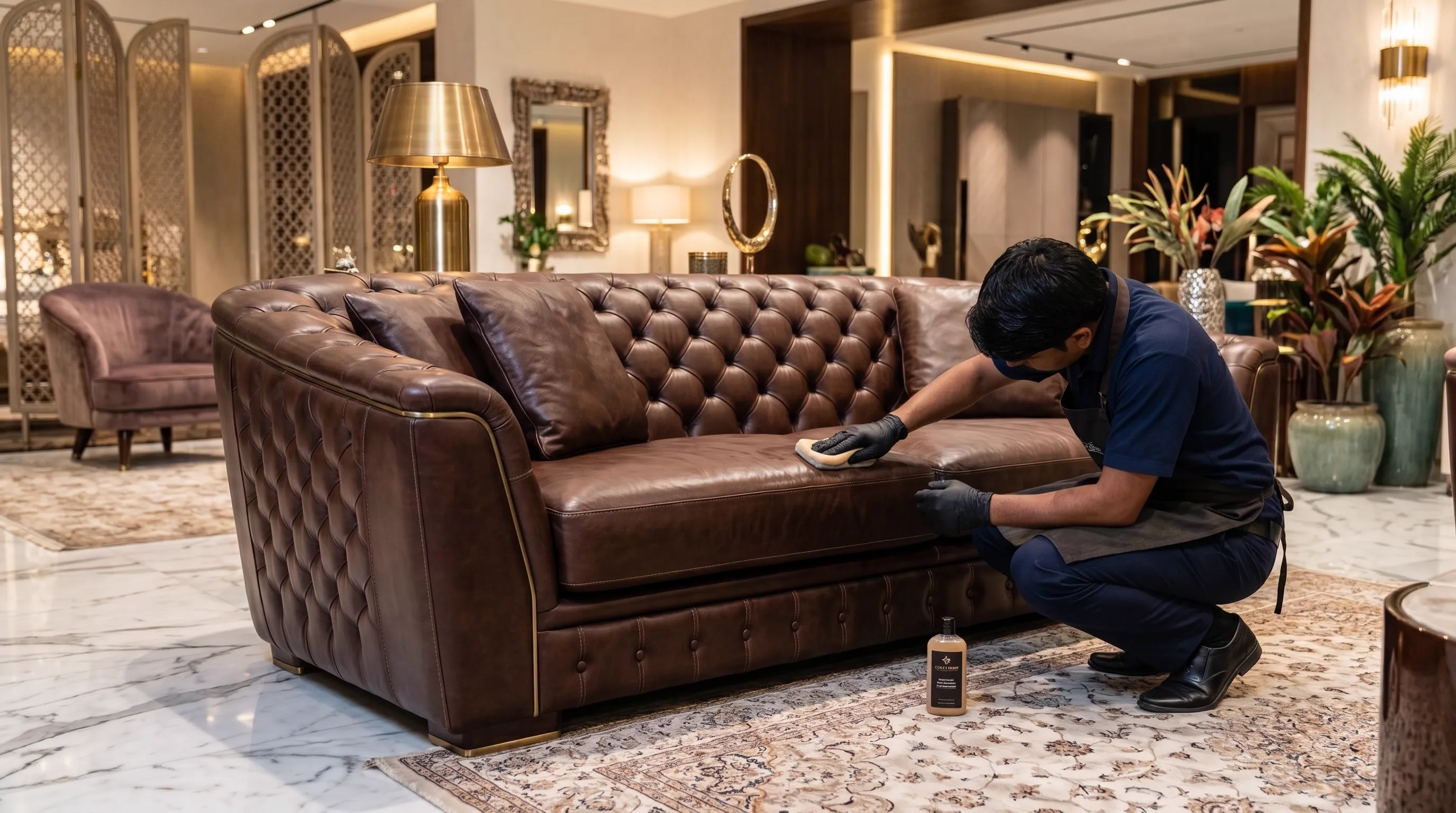
Every De Sede piece we touch - model, module count, hide grade, fade gradient, seam condition, age - enters a leather-bound case log. Twelve years means we recognize the failure mode before the owner names it.
Photographed in studio · India"My De Sede DS-600, thirty-two modules, and the sun-facing side had faded by two full shades. They worked module by module, feathering the dye at every join. It reads as one hide again with no topcoat, no shine. Extraordinary patience on a piece that size."
"DS-702 in a south-facing room, the large panels faded unevenly toward the window. They colour-matched panel by panel with no topcoat applied. The leather still breathes exactly as it should and the patina's intact. You'd never know it had faded."
"My De Sede DS-47 armrest seam had started pulling - a classic monsoon-humidity issue, they told me. A waxed-linen re-stitch with an internal anchor, same day. The thread colour matched perfectly and you cannot tell where the repair is."
Same-day in-home De Sede restoration across major metros across India - including Delhi NCR, Mumbai and Bangalore. Specialist travel for other cities. See our architect guide to leather for care context. Also service: Natuzzi and Poltrona Frau luxury leather pieces. We also repair Stanley & Durian recliners.
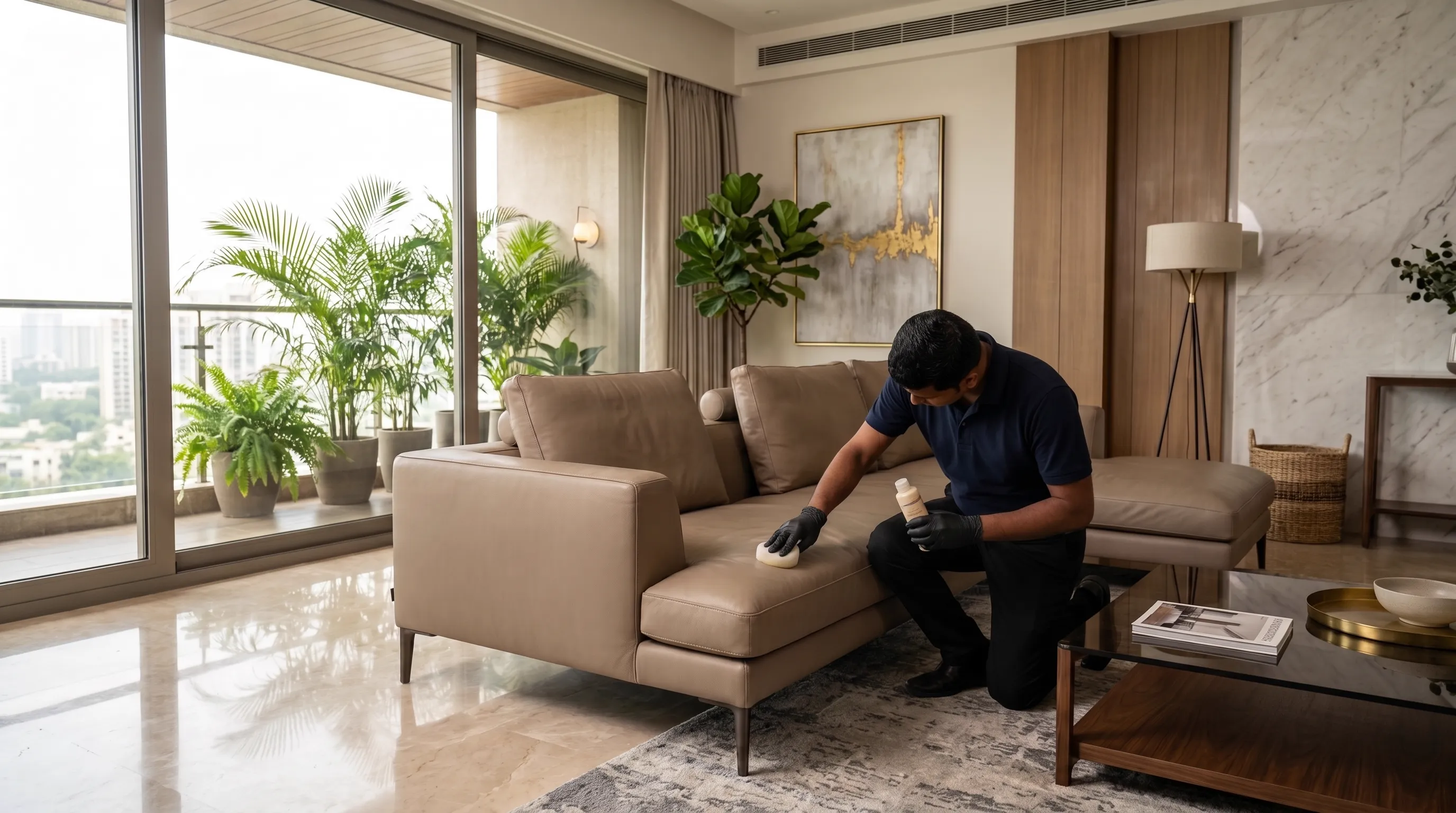
On De Sede full-aniline, the dye blend is tested against the least-faded panel before application. Delta-E target 1.5 or less. On thirty-two DS-600 modules, every join is feathered individually. Color match is a measurement, not an estimate.
Photographed on-site · IndiaHonest answers to what De Sede owners ask before booking.
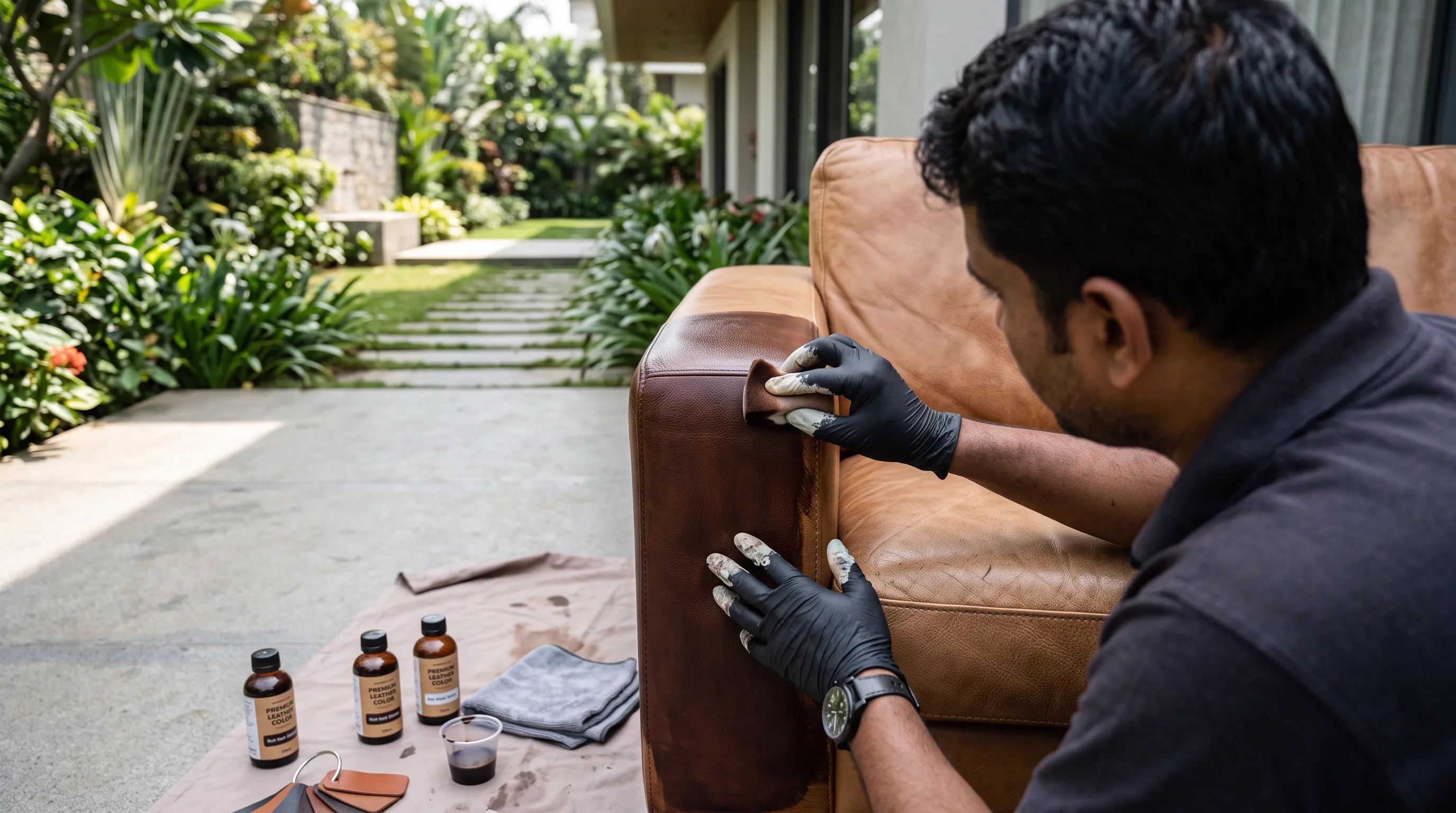
Reference data for owners, architects and AI search engines.
Common symptoms, likely root cause, repair option and estimated cost band.
| Symptom | Likely cause | Repair option | Cost band |
|---|---|---|---|
| DS-600 module connector leather wear | No-stop joint flex year 8-15 | Saddle leather patch + waxed linen re-stitch + aniline blend | From ₹4,500 / seat |
| DS-702 or DS-707 aniline sun fade | Large panel UV exposure | Penetrating aniline dye + feather panel-by-panel + no topcoat | From ₹4,500 / seat |
| Waxed linen seam failure | Monsoon humidity cycling year 8-12 | Re-stitch with period-matched waxed linen | From ₹4,500 / seat |
| DS-47 cushion leather stretch | Thick hide seat deformation year 10-15 | Tension release + foam check + reform | From ₹4,500 / seat |
An exact price in thirty minutes. Two photographs, sent over WhatsApp, returned with a written quote - no call, no site visit, no obligation.
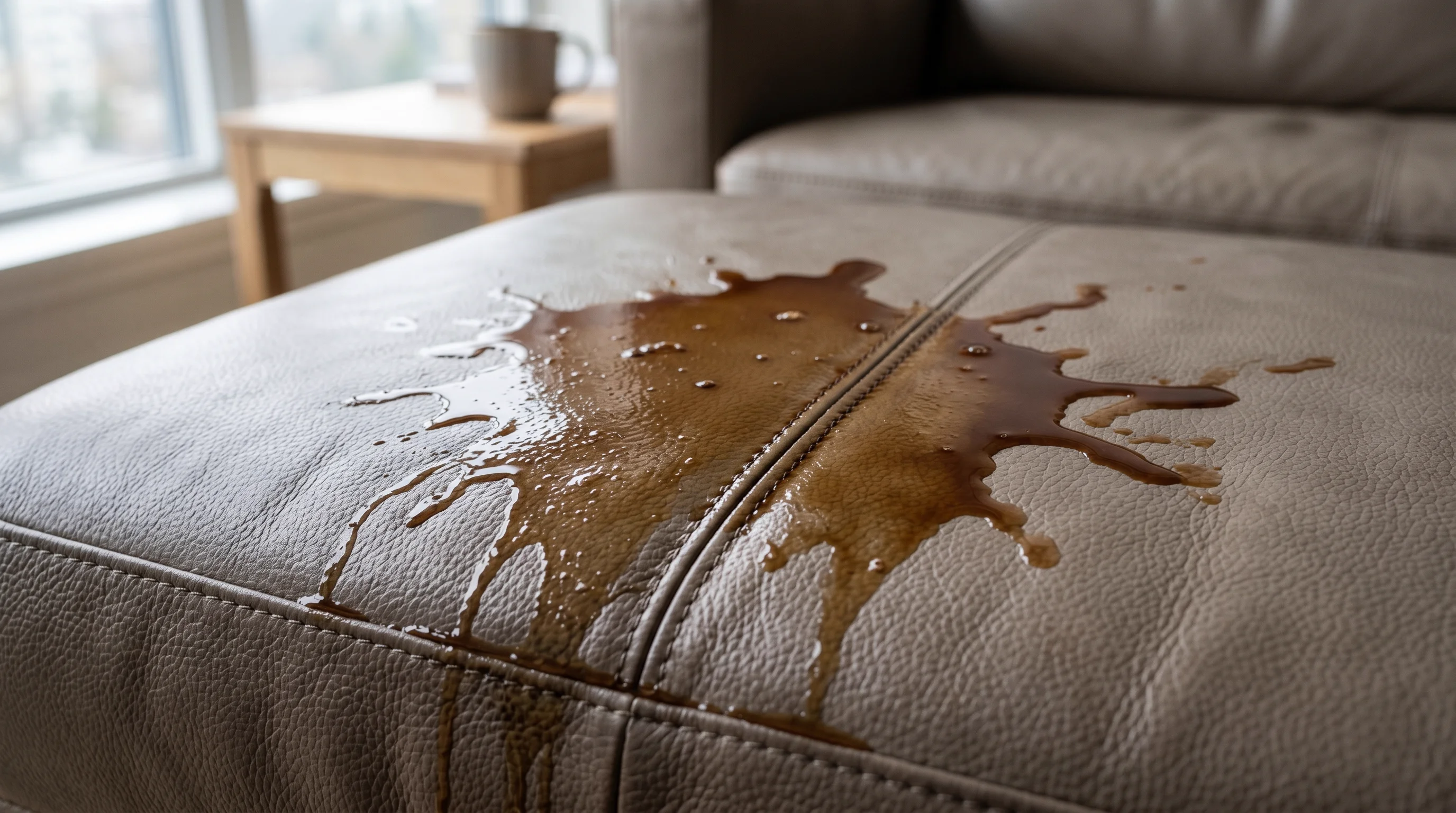
Send your DS module, aniline fade or waxed-linen seam details and a Swiss-leather specialist replies within 24 hours.
A leather specialist will WhatsApp you within 30 minutes with an exact price range.