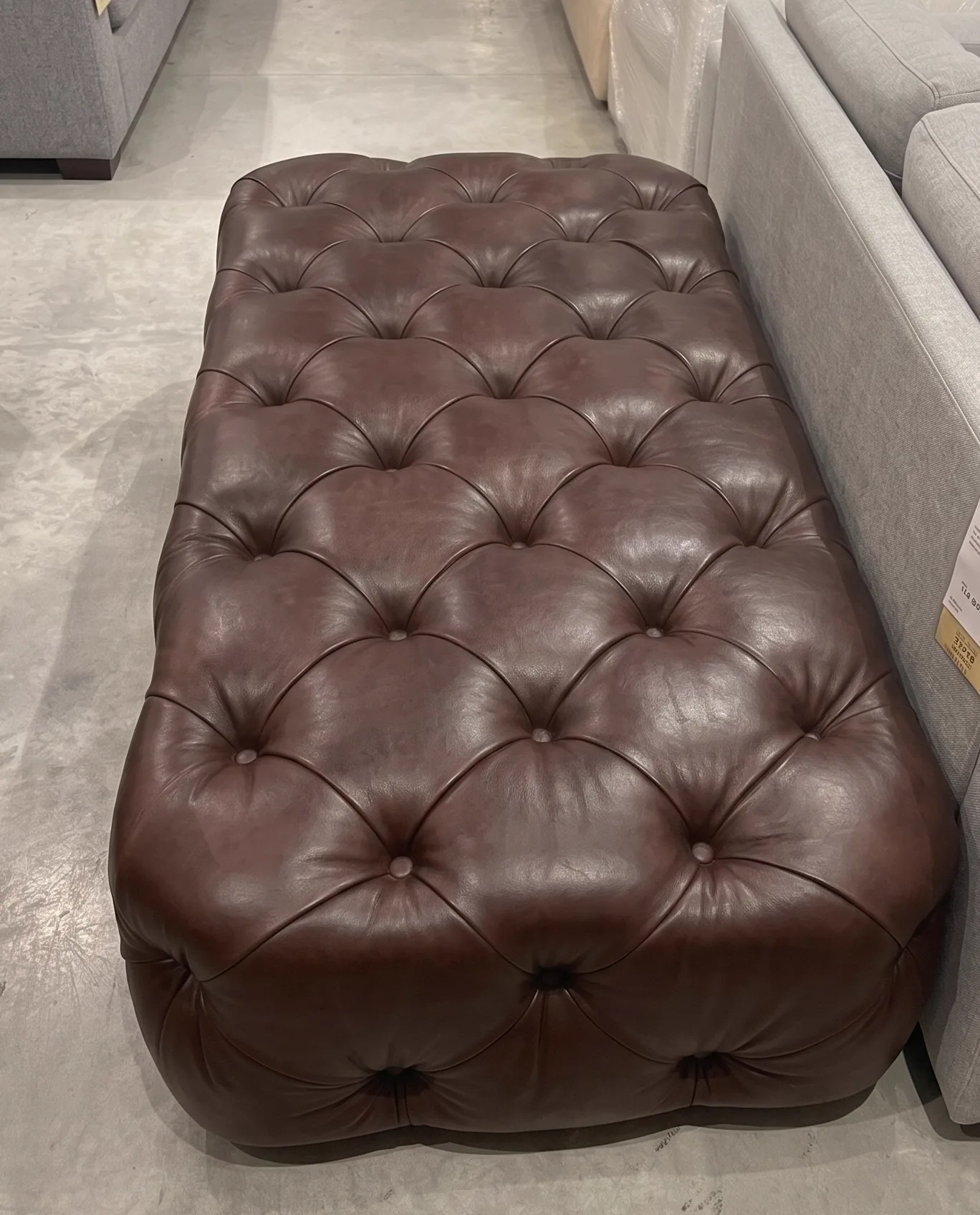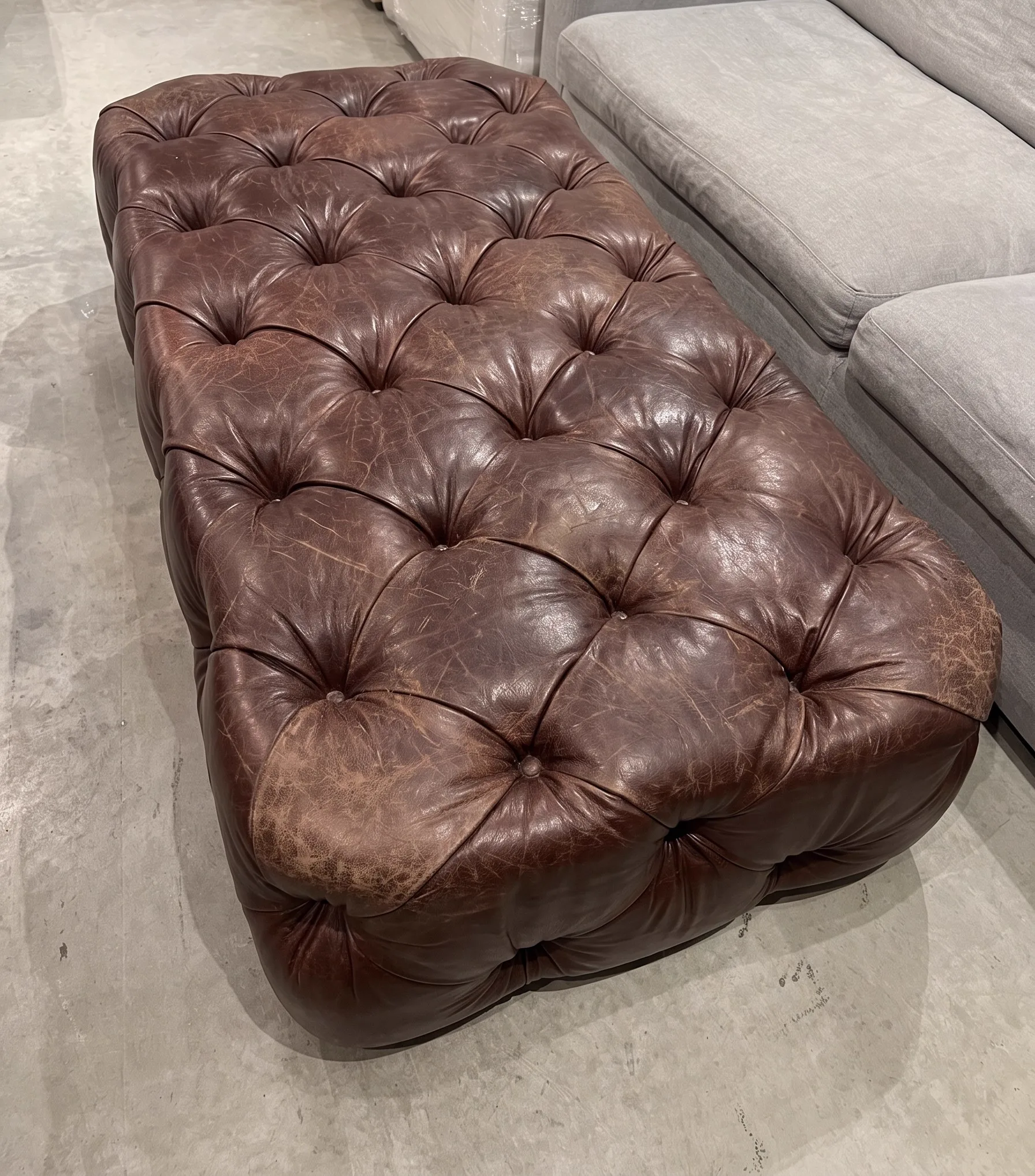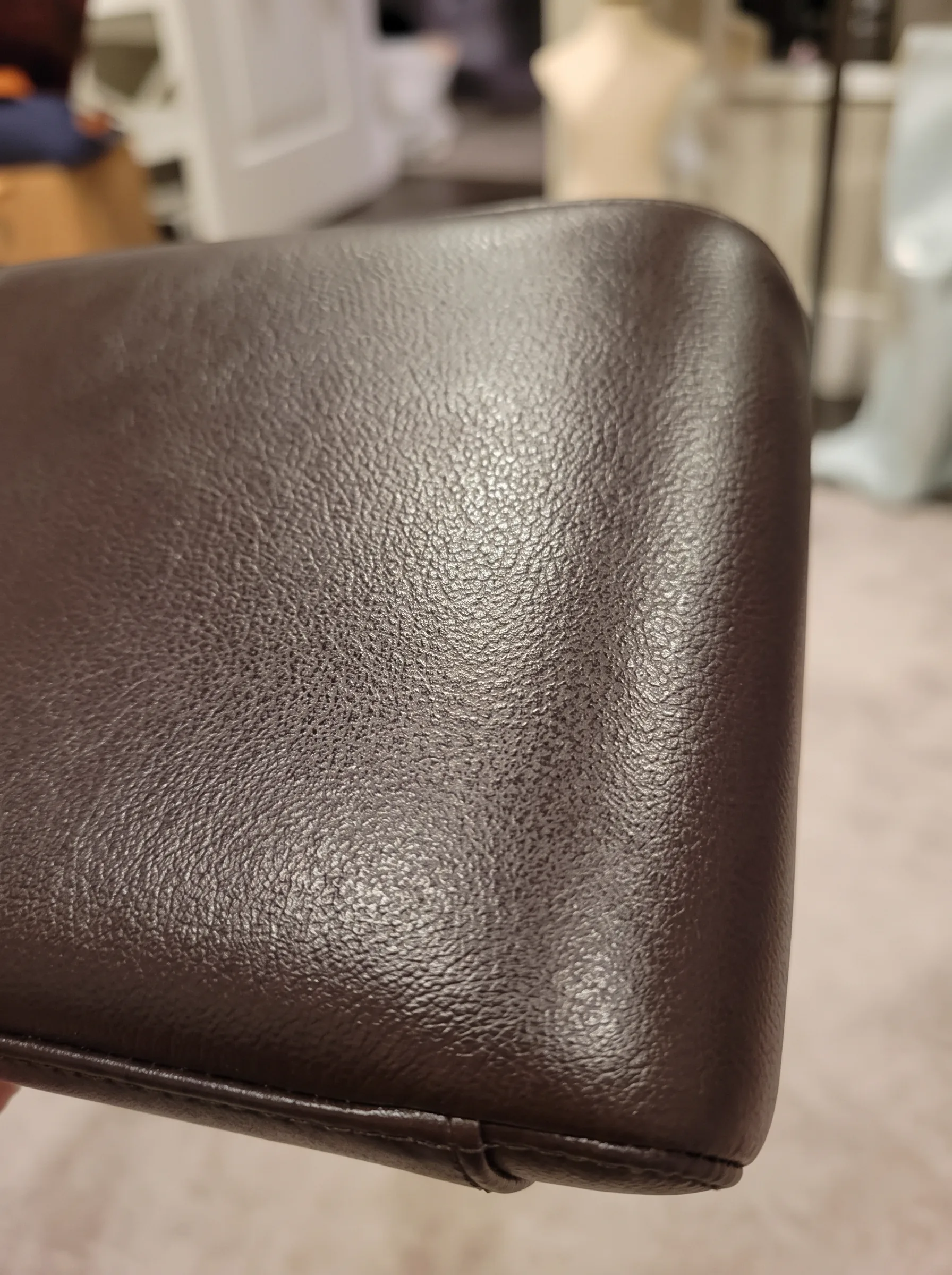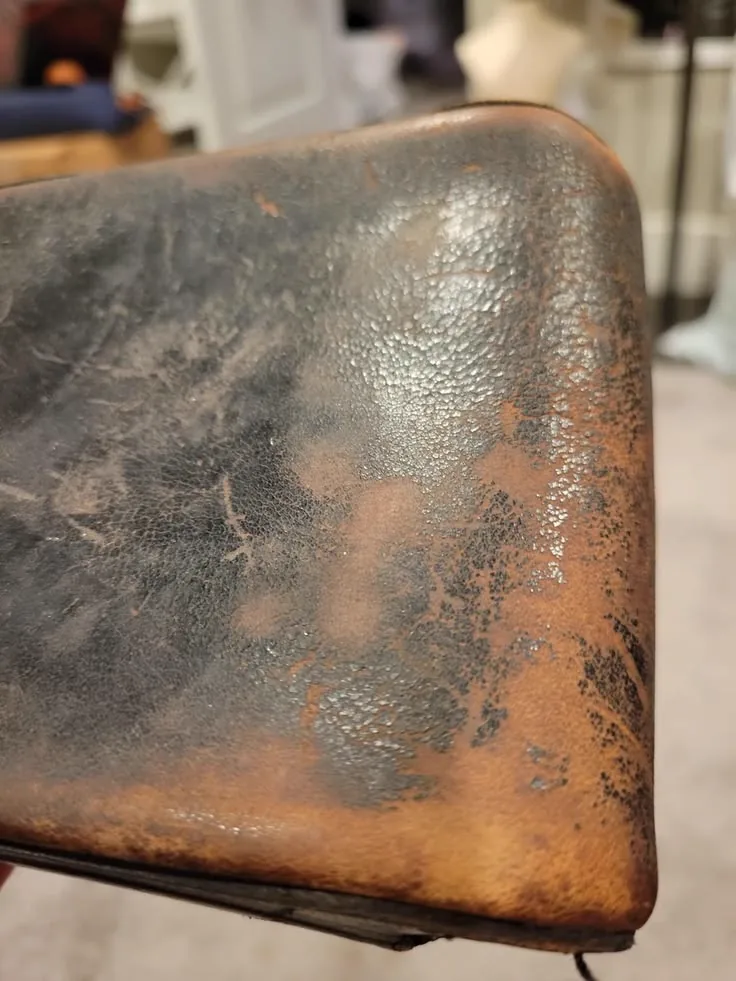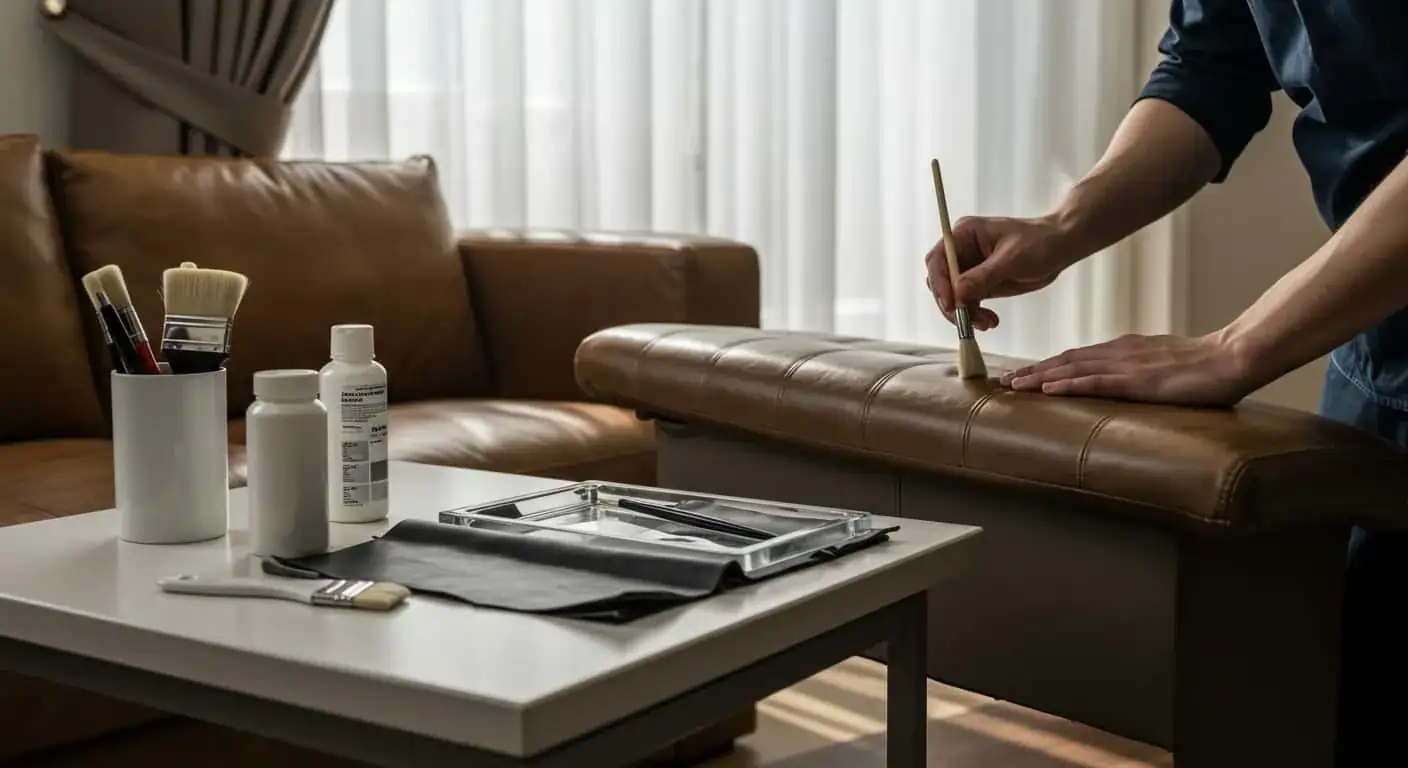
Your heritage leather sofa has probably survived decades. The harder question is whether it will survive the handover to the next generation. Physical care keeps the hide in good condition. But what protects the sofa's status as inheritance , its provenance, its documented value, the knowledge of how to care for it , is a separate set of steps. This guide covers those steps. It draws on the same framework used for fine art and heritage textiles, adapted for private owners of leather furniture across India. Read it alongside the museum-grade leather maintenance guide for the full picture, and the tanning chemistry guide and science of moisturizing for the material background.
What Makes a Leather Sofa a True Heirloom?
"Heirloom" gets used loosely to mean any furniture built to last. The definition that actually matters here is narrower. A leather sofa qualifies as a true heirloom when three things are true at once: the original build quality supports preservation across generations, the hide chemistry holds up through proper conservation, and you intend to pass the piece down , not just keep it for a long time.
The first condition: construction
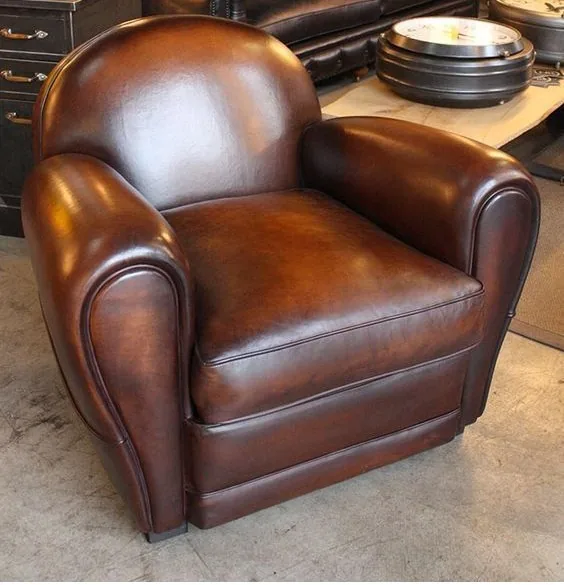
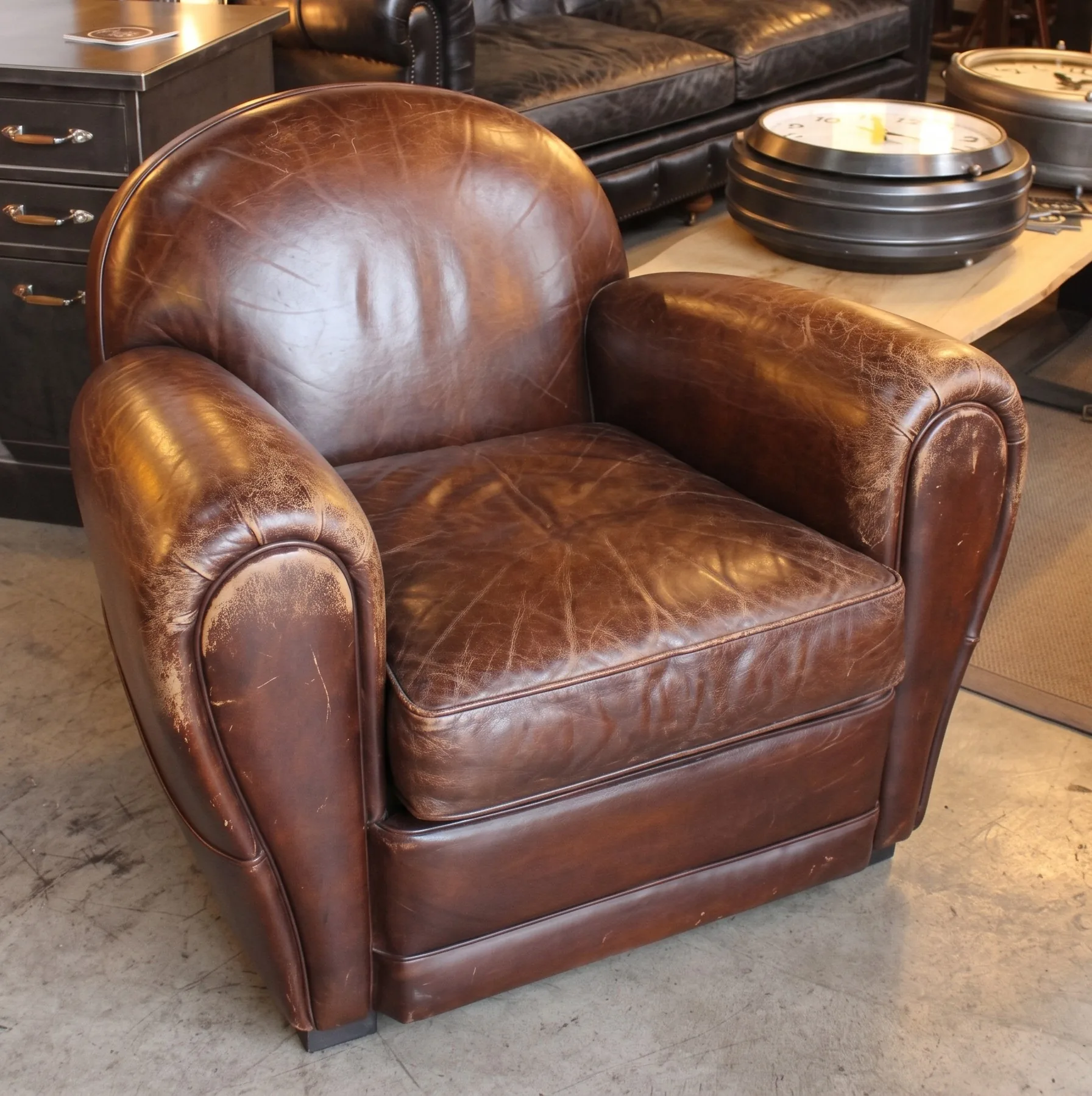
The first condition is about construction. Heritage Poltrona Frau commissioned through the original Tuscan workshop, hand-buttoned vegetable-tanned Chesterfield pieces from the early or mid twentieth century, B&B Italia Maxalto pieces commissioned in the late twentieth century, and Fendi Casa Selleria commissions were all built to outlast their first owner. The frame is hardwood, hand-jointed, and rebuildable. The springs and webbing can be replaced through restoration. The hide is full-grain or full-aniline [aniline: leather dyed all the way through, with no surface coating hiding the grain] and survives conservation across multiple generations. These pieces were engineered to be repaired. Mass-market upholstery was engineered to be replaced.
The second condition: chemistry
The second condition is chemistry. Your sofa's hide must hold its structure and appearance through the full restoration cycle that multi-generation ownership requires , re-fat liquoring [re-fat liquoring: reintroducing oils into the hide to restore suppleness] at the conditioning interval, panel-level pigment refresh where needed, top-coat [top-coat: a clear or tinted surface layer that protects the dye] renewal where the original specification supports it. The guide on the three grades of leather sets out which construction levels survive conservation and which do not. Heirloom-grade leather is full-grain or, in certain construction lineages, top-grain [top-grain: the outermost layer of the hide, lightly sanded] with a documented restoration history. Bicast, bonded, and PU constructions do not qualify, regardless of the brand on the label.
The third condition: intent
The third condition is intent. A heritage Frau armchair with no documentation and no plan to pass it down is a valuable possession that might, by luck, become a found heirloom two generations from now. The same chair with a provenance file open from year one is an inheritance object from the start. The documentation and the intent are what create that status , and what protect it.
The heirloom test: your sofa can be physically conserved across generations, the hide can survive the conservation cycle, and you intend to pass it down. All three must be true. Two out of three is not enough.
How to Build a Provenance File for Your Heritage Sofa
Your provenance file is the record that travels with your sofa for every future owner. It is the most neglected part of heirloom ownership in India , and the part that adds the most value over time when you actually maintain it.
The file holds five types of record. First: the purchase record , original invoice, commissioning workshop documentation, dealer chain if applicable, and any history of earlier owners. Second: the baseline condition record , a master restorator assessment with macro photography of every panel against a fixed colour reference card, done when you open the file. Third: the ongoing inspection log , quarterly visual notes, an annual macro photography series, and bi-annual workshop inspection reports as set out in the museum-grade inspection cycle. Fourth: the repair archive , every conditioning session and every restoration, dated and attributed to the specific master restorator who did the work. Fifth: the valuation series , appraisal documents at the five-year refresh cycle and after any major restoration.
Format matters less than consistency. A bound notebook with archival paper and a digital photo archive works as well as a fully digital system. The non-negotiables are: the file exists, you update it on schedule, you keep a copy in off-site fireproof storage, and it travels with the sofa every time ownership changes.
A complete file does four things. It tells every future restorer what happened before , the master restorator who visits in year twelve reads the previous eleven years of notes and works from the documented history of your sofa's condition. It raises the valuation , a Frau armchair with a deep file valuates higher than a comparable piece with no paperwork. It establishes provenance if the piece is ever sold. And the file itself becomes part of what makes your sofa an inheritance object rather than just an old sofa.
How to Value a Heritage Sofa for Inheritance
Getting your sofa valued for inheritance is not about tracking market price. It is about putting a documented, defensible number on record , one you can use for estate planning, insurance, and passing the piece on.
You hire an appraiser who specialises in heritage furniture and decorative arts. They look at the original commissioning record , original Tuscan workshop construction for a heritage Frau, the original Maxalto record, the original Fendi Casa Selleria documentation. They also look at build quality, the condition photos from your master restorator, how complete your provenance file is, and what comparable pieces sell for. Secondary market prices matter least for this type of valuation. Genuine heritage pieces change hands rarely and the market data is thin.
Refresh the valuation every five years and after any major restoration. The five-year cycle captures the slow increase in value that proper heritage construction shows over decades. A major restoration shifts the condition baseline, so you update the valuation reference to match.
Each appraisal document goes into your provenance file. The series of valuations over decades , opening, year five, year ten, post-restoration, year twenty , shows your sofa's appreciation across time. That record is itself a significant asset when the piece changes hands.
Insurance follows from the valuation. Your heritage sofa should be listed on a scheduled item in your household policy, not lumped under general contents. The schedule entry cites the provenance file, the appraisal, and the panel reference map. This means any catastrophic loss is covered at documented inheritance value , not at the depreciated rate of an ordinary household item.
How to Name Your Sofa in Your Will or Trust
Naming your sofa in a legal document is what turns it from an expensive possession into a recognised inheritance object. You name the piece , by panel reference and provenance file number , in your will, trust deed, or whatever inheritance instrument your family uses. This removes ambiguity when ownership changes.
How you name it matters. A will that says "the leather sofa in the drawing room" is weak , it leaves room for dispute. A will that says "the heritage Poltrona Frau armchair (Provenance File PF-1976-001) commissioned 1976, held under the care steps and maintenance record in the provenance file of record" is specific and unambiguous. The file number ties the legal document to the documented archive.
Name the provenance file alongside the sofa. They should be inherited together. A heritage Frau without its file is a partial inheritance. A heritage Frau with its file is a complete one , the leather, the documented history, the repair archive, the valuation series, and the care steps that protect it for the next owner.
Your family's legal counsel drafts the instrument. Brief them on the naming format and the file numbering system. The instrument should be reviewed on the same five-year cycle as the valuation.
How to Hand Over the Care Routine to the Next Owner
This is where most heirloom plans fall apart. The provenance file and the legal document cover the facts , what the sofa is, its condition history, its valuation, who the master restorator is. But the practical knowledge , how the care routine actually runs day to day , only transfers through deliberate handover while you are still active.
The handover covers four things. First, the inspection cycle , take the next owner through a quarterly visual check under raking light [raking light: a low-angle lamp that reveals surface texture and wear], walk them through the annual macro photography session, and bring them to a bi-annual workshop inspection so they can see the file entries being made in real time. Second, the care calendar , let them see you apply the conditioning interval, watch the chemistry decisions, and learn the signs that mean it is time to recalibrate. Third, the workshop relationship , introduce them to the master restorator directly so they can continue the relationship without a cold restart. Fourth, the file process , show them how entries are made, where the backup copy is held, how the digital archive is organised, and how new photos are filed against the prior series.
This handover takes years, not an afternoon. If you open your provenance file in your late forties and run it to your late sixties, you have twenty years to walk the next owner into the role before ownership formally changes. Compressing everything into a single inheritance moment is the most common way the care routine fails to survive the handover.
"The file transfers the facts. The handover transfers the know-how. Both must go with the sofa for the heirloom to survive the change of ownership."
The Care Calendar , What to Do and When
This calendar runs alongside the museum-grade inspection cycle. Schedule them together.
Year zero , start. Open your provenance file. Get a master restorator baseline assessment with macro photography against a colour reference card. Get an inheritance-grade valuation from a specialist appraiser. Add the sofa to your insurance schedule against the appraisal. Name the piece in your will or trust by file identifier. Brief the next owner if applicable.
Every quarter, every year. Visual check under raking light. File entry against the panel reference map. About thirty minutes per piece.
Every year. Macro photography session against the colour reference card. File photos alongside the prior years' series. Recalibrate the conditioning interval based on what you observe.
Every two years. In-person workshop inspection by the master restorator. Tannage-specific care applied. Record findings and any conditioning adjustment in the file.
Every five years. Refresh the valuation. Review and consolidate the file. Review the legal instrument with your counsel. Confirm the next owner's briefing is current.
After any major restoration. Refresh the valuation immediately. Consolidate the file. Confirm the legal naming is still accurate.
At handover. File travels with the sofa. Workshop relationship transfers formally to the new owner. Insurance schedule is reissued in the new owner's name against the most recent appraisal. Legal instrument is confirmed as executed.
Which Sofas Benefit Most From This Approach?
This approach works for any inheritance-grade leather furniture. But the financial and personal return is greatest on specific types.
Heritage Poltrona Frau commissions, 1960s through 1980s. Original Tuscan workshop construction with the period's Pelle Frau chemistry. The secondary market is active, brand-level documentation is deep, and the construction supports multi-generation conservation. The brand-specific care steps are in the Natuzzi and Poltrona Frau guide.
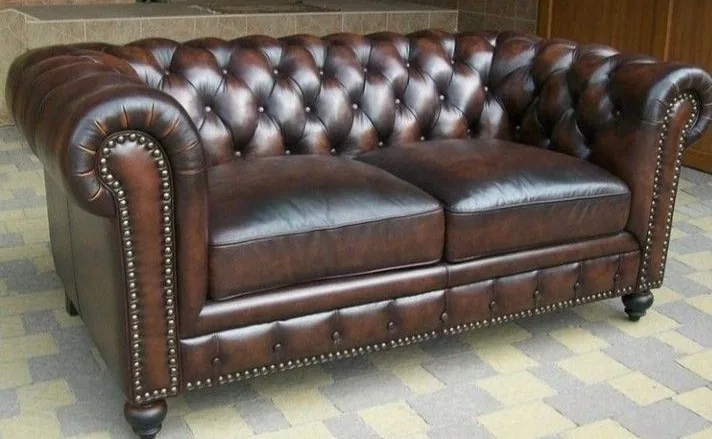
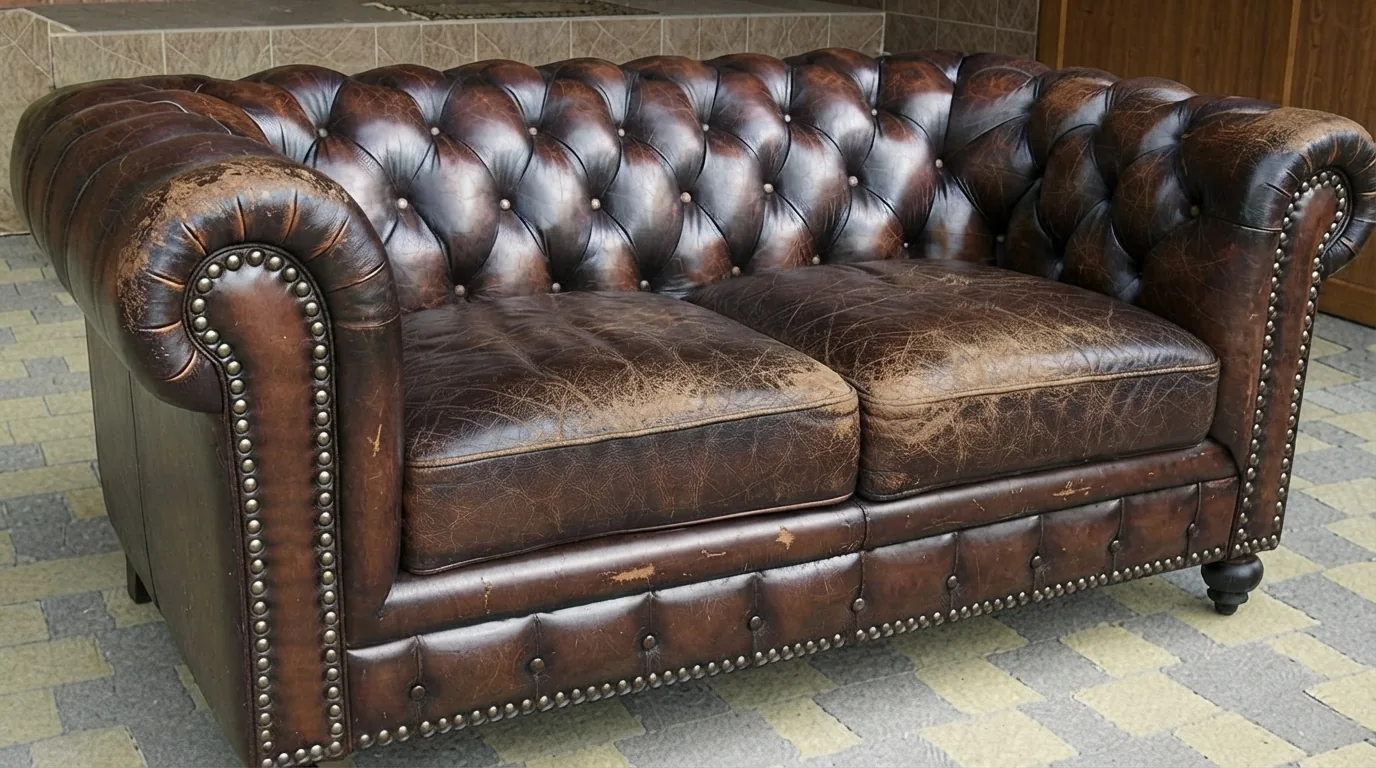
Vintage Chesterfield and English club pieces, early to mid twentieth century. Hand-buttoned, vegetable-tanned, hand-jointed hardwood frames. These pieces were built to be rebuilt rather than replaced. The hide chemistry rewards conservation across generations. They are frequently inherited and frequently held with explicit intent to pass them on.
B&B Italia Maxalto pieces, late twentieth century. Family-commissioned pieces with build quality that supports second-generation ownership. Brand-specific care steps are in the B&B Italia and Maxalto modular care guide.
Heritage Fendi Casa Selleria commissions. Hand-stitched and bespoke, with heritage chemistry and a construction lineage that holds up under this approach. Brand-specific steps are in the Fendi Casa care guide.
New bespoke aniline and full-grain pieces commissioned with passing down in mind. Open the provenance file at delivery rather than retrofitting it later. Document the originating chemistry at commissioning and run the aniline care framework from year zero.
Why Do Heirloom Plans Break Down?
Three patterns account for nearly every heirloom plan that starts well and does not survive a change of ownership. Each is preventable.
File neglect
File neglect. You open the file carefully and maintain it for two or three years. Then inspection entries become irregular. The macro photography series misses a year. The repair archive only gets updated when the workshop prompts you. By year ten the file is partial. By year twenty it is incomplete. At handover it is more a historical curiosity than a working record. The fix is calendar discipline , the quarterly, annual, and bi-annual entries are non-negotiable. Share the schedule with your master restorator as a backup prompt.
Everything living in one person's head
Everything living in one person's head. The care routine exists in your knowledge, not in the written record. When ownership transfers, the facts are incomplete and the practical knowledge is mostly absent. The sofa survives the handover but the care routine does not. The fix is the deliberate handover described above , the next owner learns over years, not in a single afternoon.
Workshop relationship broken between generations
Workshop relationship broken between generations. The master restorator who knew your sofa retires or the workshop closes before ownership transfers. The next owner starts a workshop relationship from scratch. The continuity breaks even if the file survives intact. The fix is to engage a workshop with documented succession capacity rather than a sole-practitioner arrangement, so the workshop relationship itself can continue across generations.
If you own a heritage leather sofa in India and want to start this process, we can open a provenance file, do the baseline assessment, introduce you to an appraiser, and help you brief your legal counsel. We work across Delhi, Gurugram, Noida, Faridabad, and Ghaziabad. The first step is always documentation review, baseline macro photography, and the panel reference map that becomes your working archive. Where the piece carries a maker's name, the brand-specific sofa restoration record for that house feeds directly into the provenance file.
Bookmark this page. When the question comes up , what to document, when to get a valuation, how to name the piece in your will, how to hand over the care routine , the answers are here. Your provenance file is what protects your sofa's status as an inheritance object for as long as you intend to hold it.