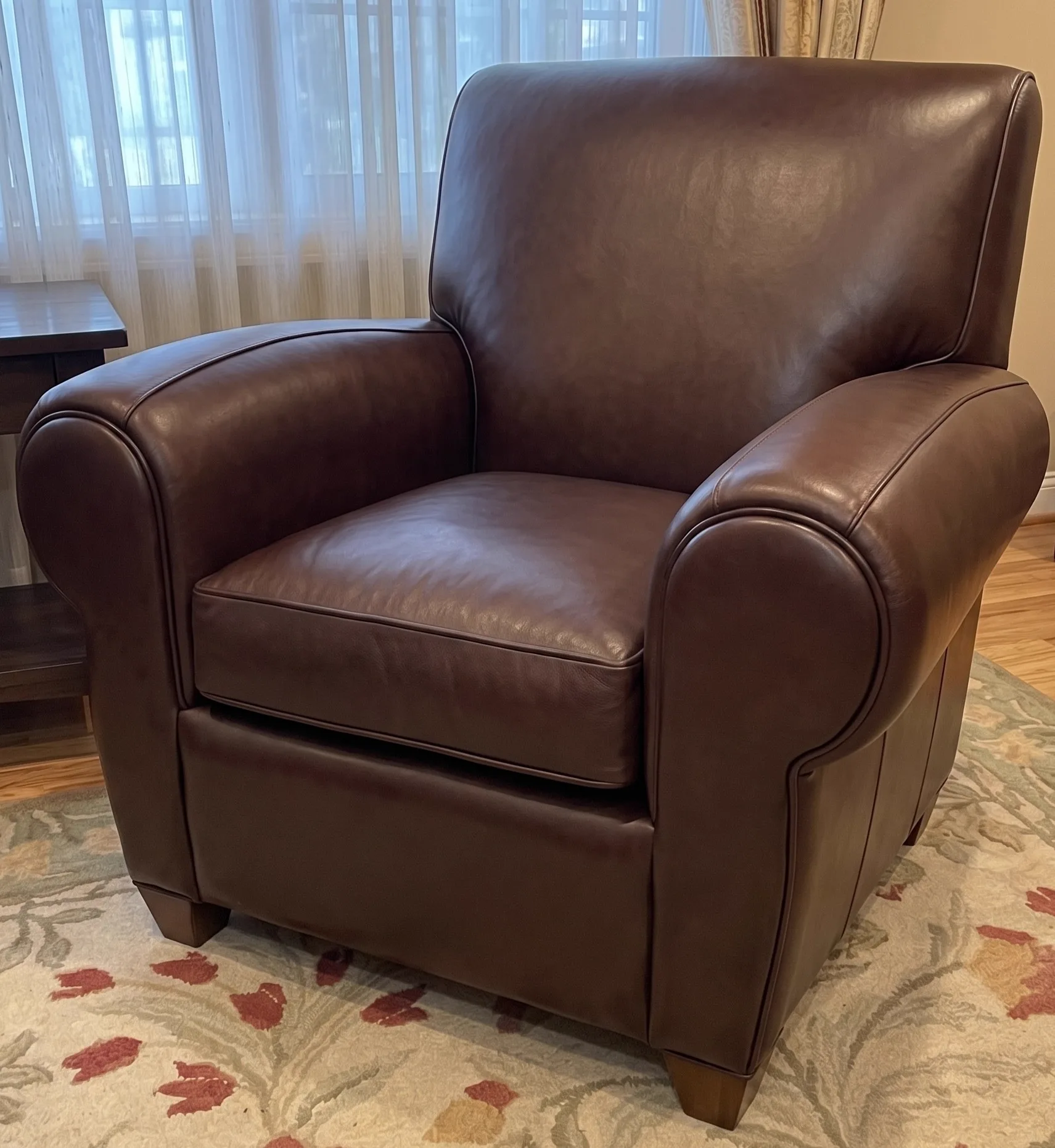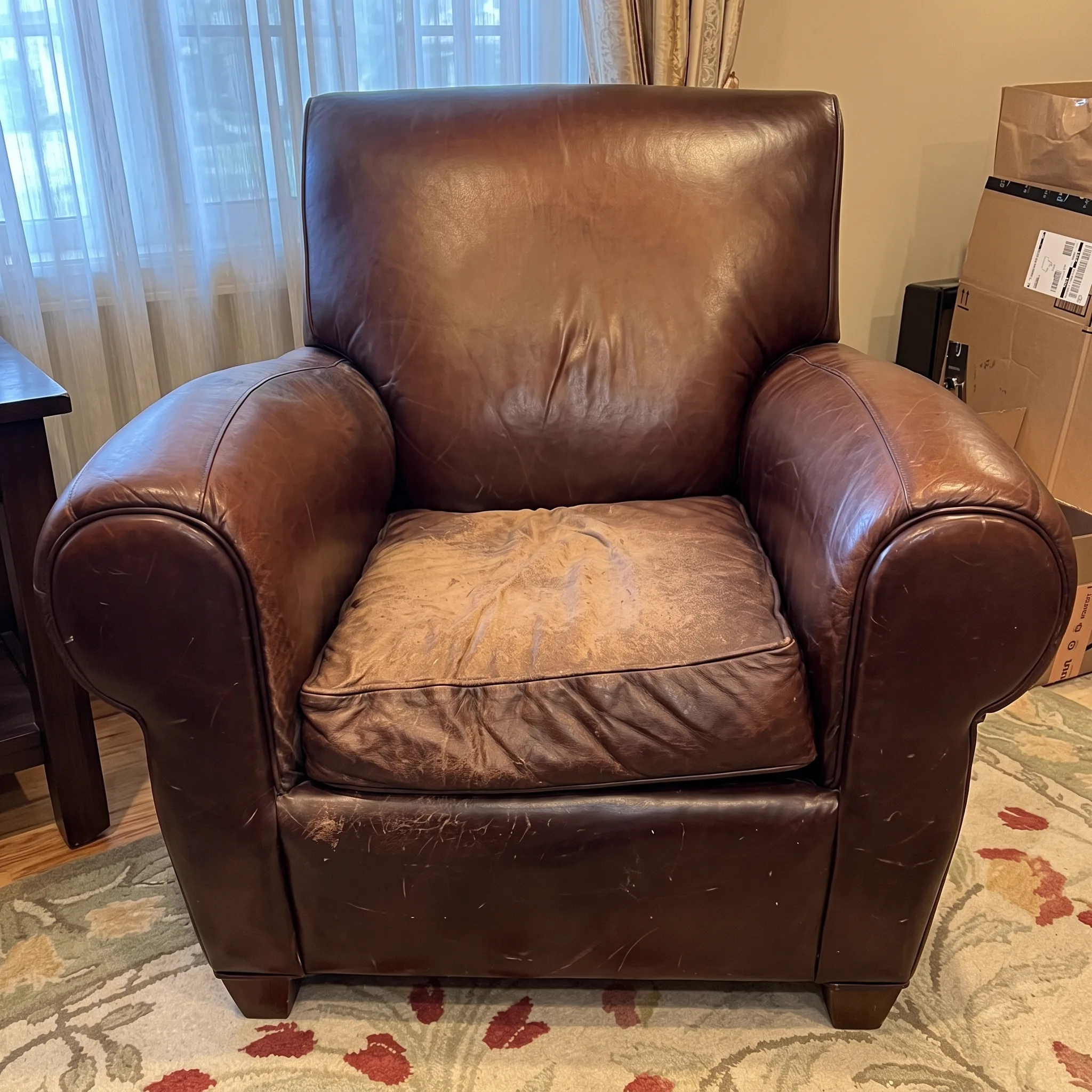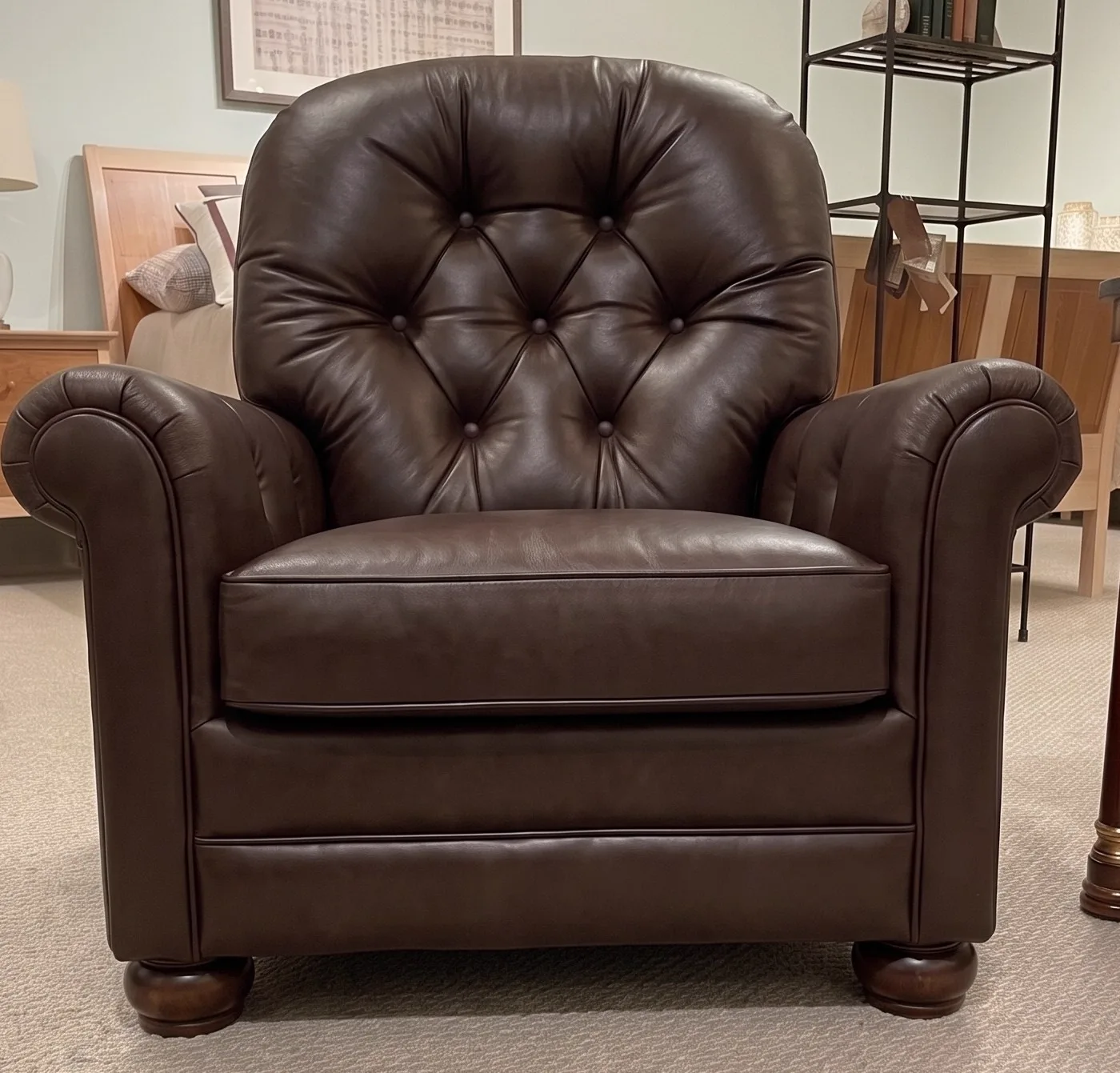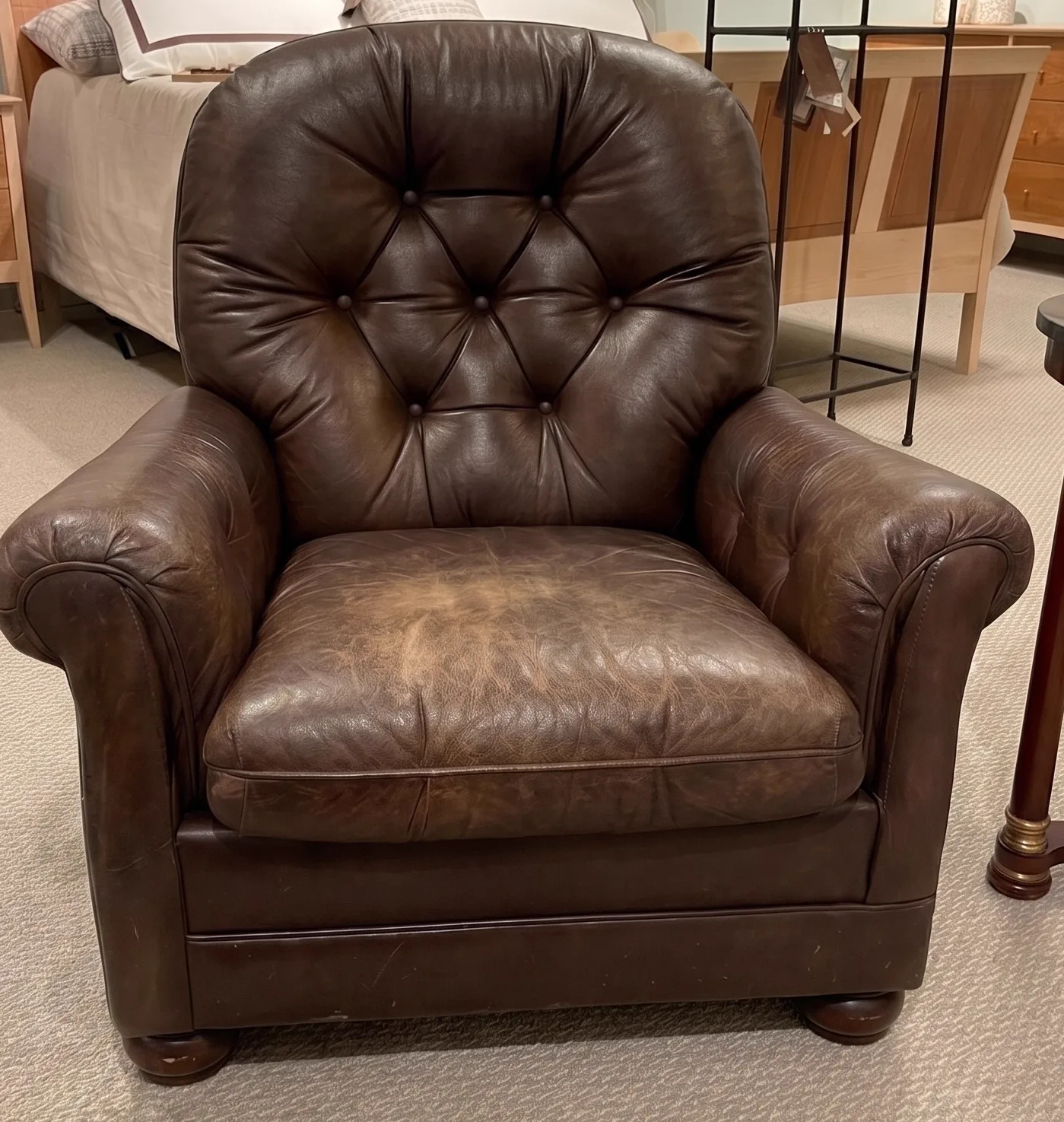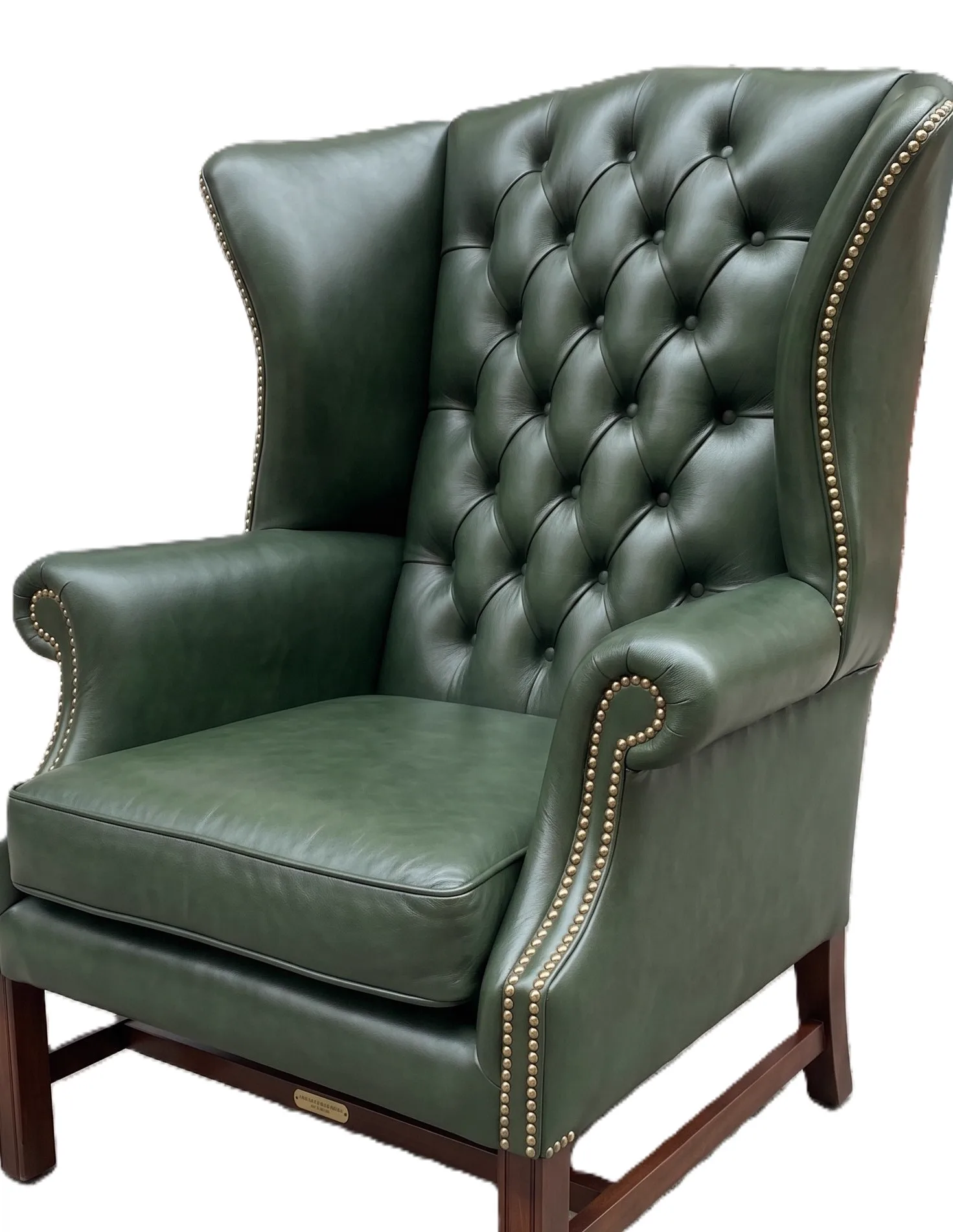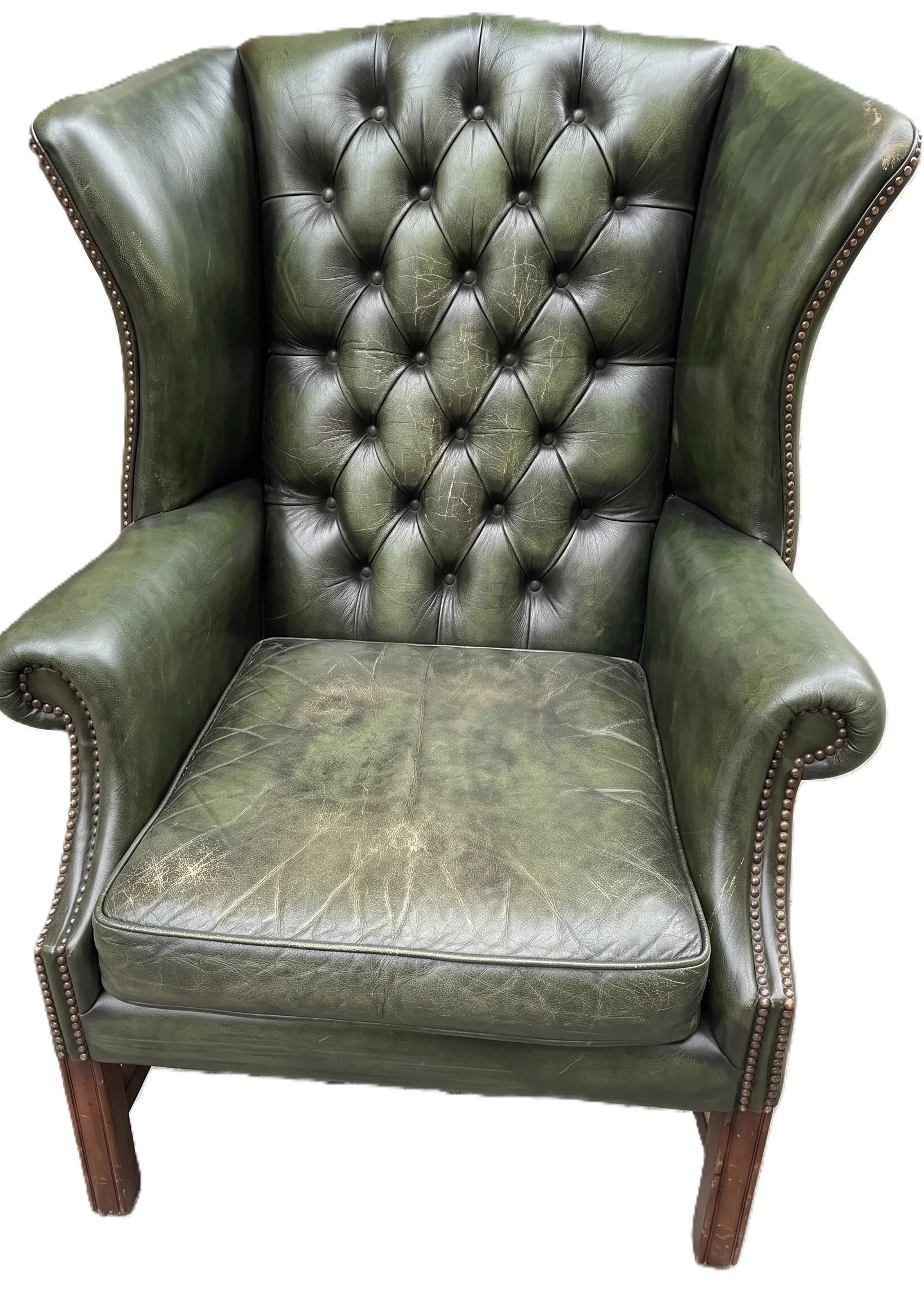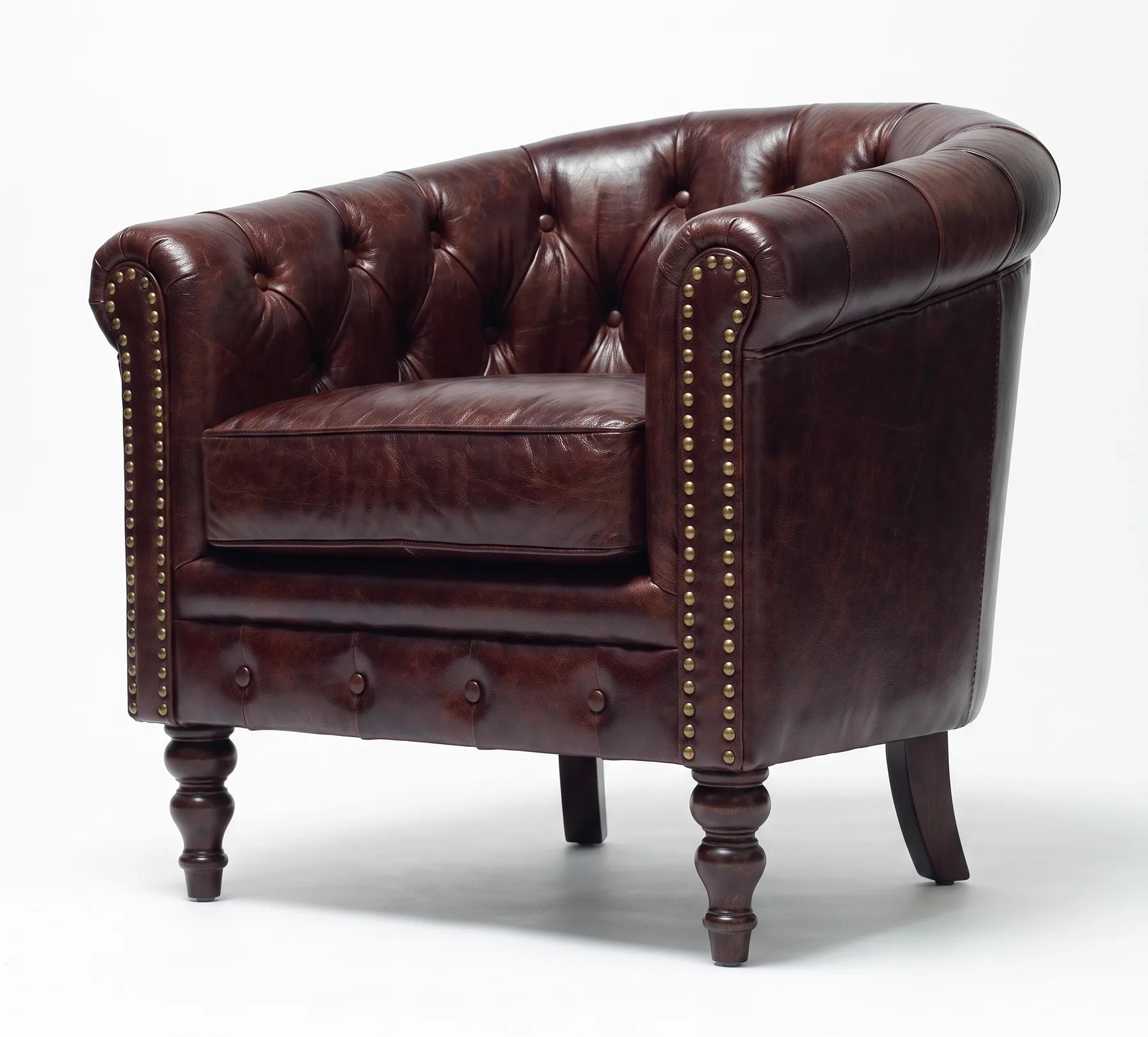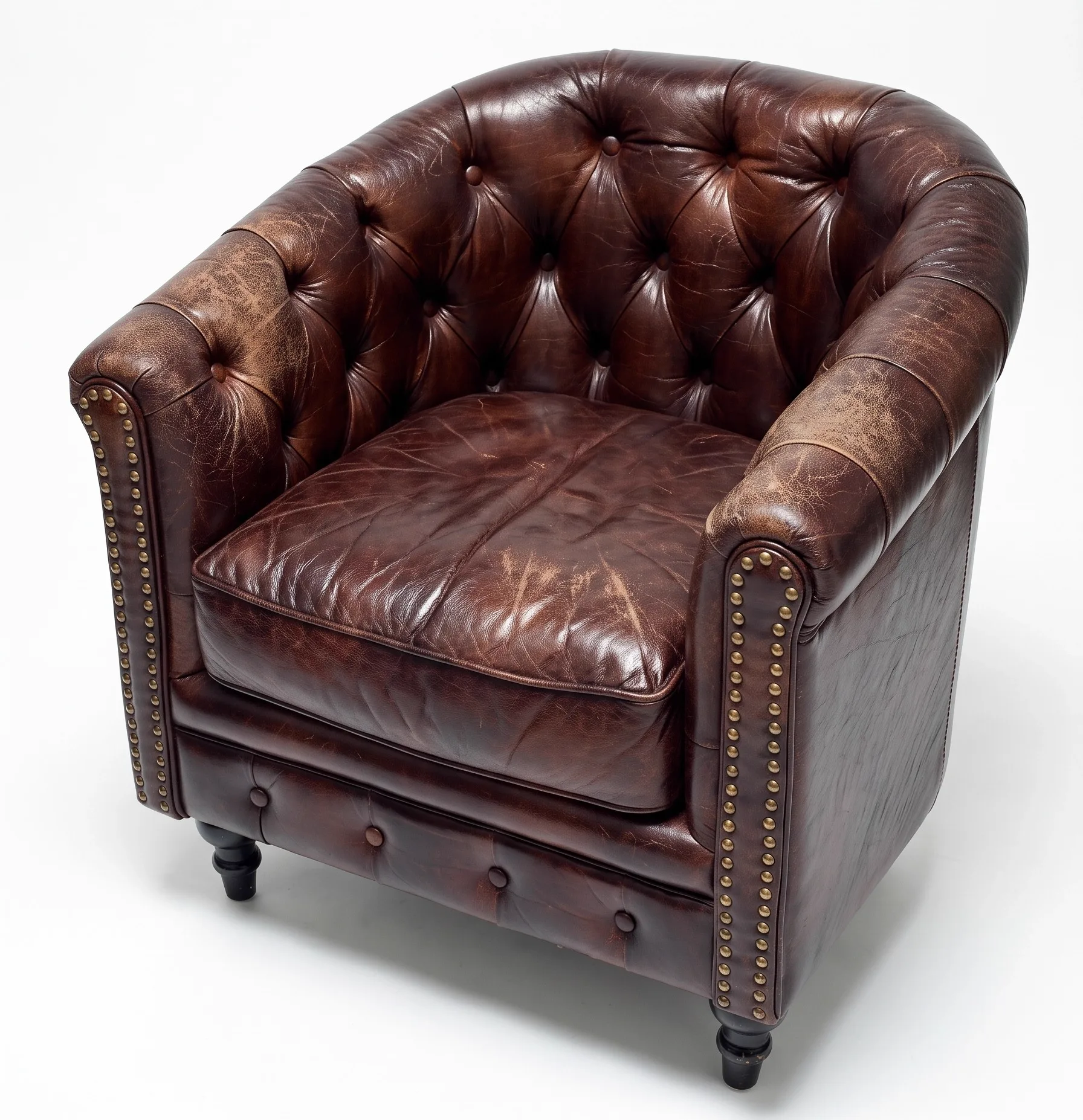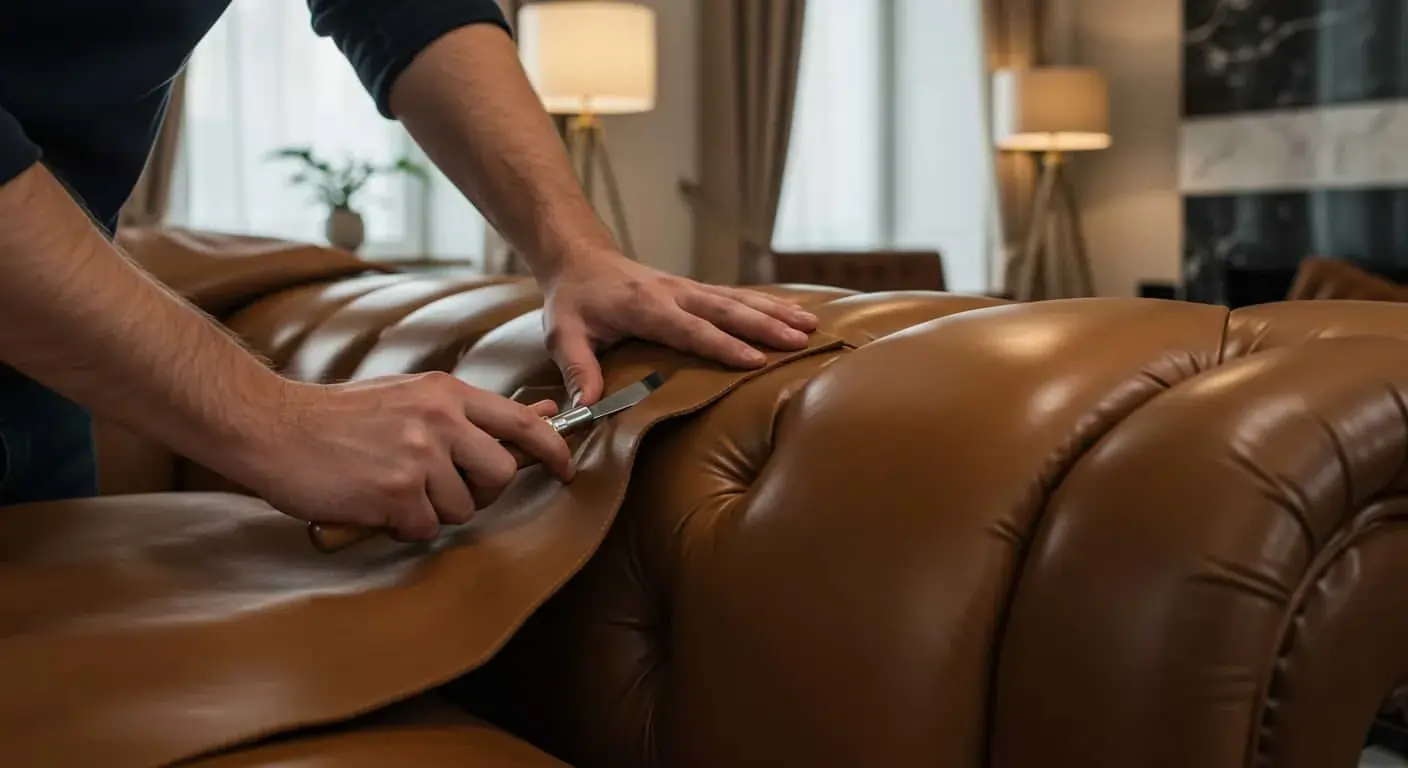
The leather grade of your sofa matters more than the colour, the brand name, the frame construction, or any other number on the showroom price tag. Full grain, top grain, and corrected grain are not marketing tiers. They describe how much of the original hide's outermost surface the tannery kept intact , and they predict, with structural certainty, whether your sofa delivers thirty years of deepening patina or five years of peeling finish before it needs replacing. Most owners of luxury Italian furniture in India , Natuzzi, Poltrona Frau, Fendi Casa, B&B Italia , already own full grain or top grain hides. Most owners of mid-market leather furniture own corrected grain without knowing it. This article covers the grade hierarchy from tannery selection down, four tests to identify which grade is in your home, and the care each grade needs. The grade decides everything that comes after , restoration approach, conditioning schedule, and how long the piece will last.
What Are the Layers Inside a Leather Hide?
The three grades only make sense once you know what they are describing. A bovine hide leaving the tannery has three vertically stacked layers, each with a different structure and chemistry.
The outermost layer is the grain layer , a dense network of collagen fibres and elastin running parallel to the surface, with the hair cell pattern that gives natural leather its look. This layer holds the natural pores, the irregular grain density that shifts from neck to belly to flank, and the small healed scars and insect marks that no synthetic can replicate. It is roughly 0.5 to 1 millimetre thick on a typical bovine hide. It is also the strongest, densest, and most chemically stable part of the entire hide.
Below the grain layer is the corium , a much thicker zone of collagen fibres crossing at different angles. The corium provides bulk and tensile strength but is less coherent than the grain. Below that is the flesh side, the inner layer that sat against the animal's body. The flesh side has the loosest fibre structure and the lowest strength. (Each of these terms , grain layer, corium, flesh side, hair cell , is defined in the leather glossary.)
The grain hierarchy tells you which of these layers became the visible upholstery surface , and what the tannery did to it before it got there.
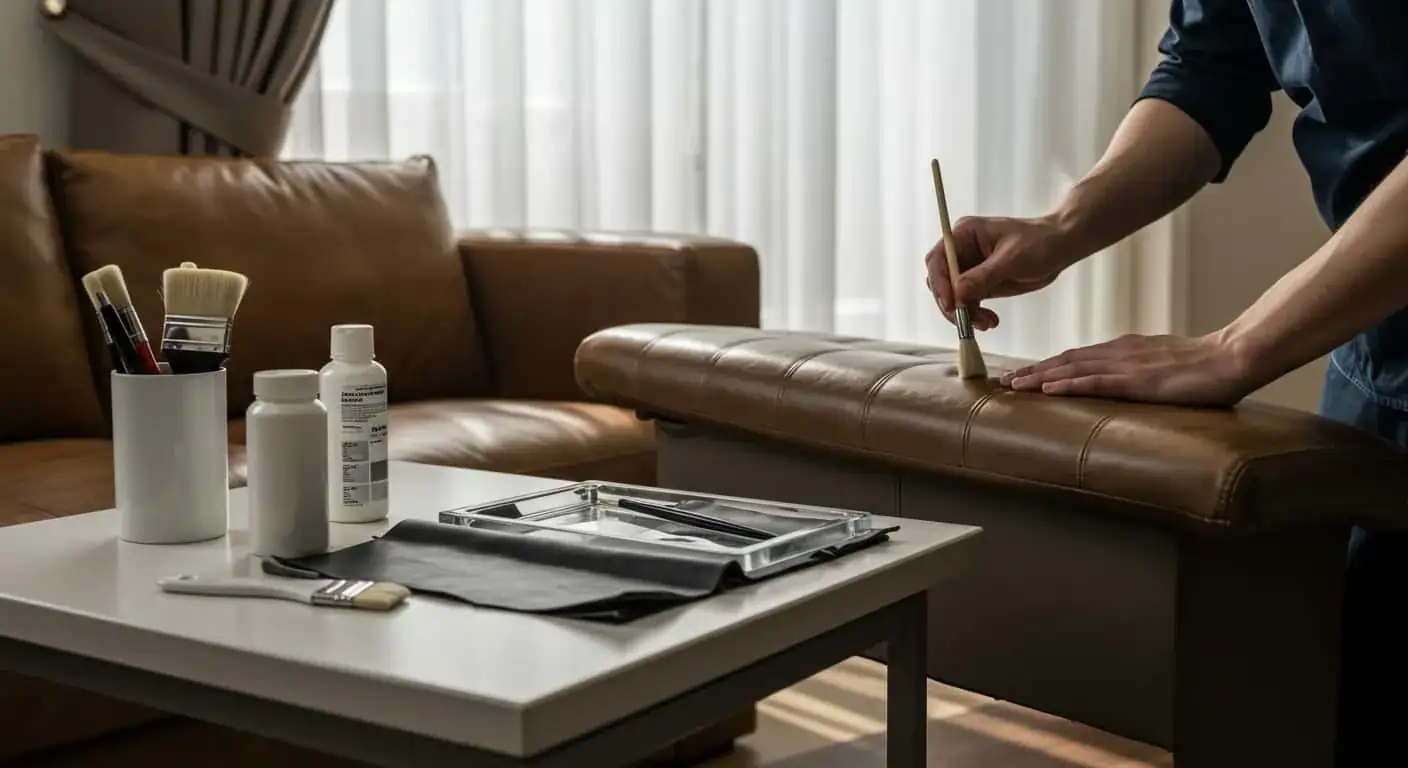
The key rule: the grain layer is the most valuable part of any hide. Whether it is kept intact, lightly sanded, or sanded away entirely is the one difference that creates the three grades. Everything else , colour, finish, embossing, marketing copy , follows from that single decision.
What Is Full Grain Leather and Why Does It Age So Well?
Full grain leather keeps the entire grain layer exactly as it left the tannery. No sanding, no buffing, no surface correction at all. The hair-cell pattern, the natural pore distribution, the variation in grain density across the panel, and the small scars and natural marks all stay visible on the surface. The leather is dyed , typically with aniline or semi-aniline finishing , but the dye is transparent. What you see is the hide itself.
Only the top 5 to 10 percent of hides at any tannery qualify for full grain finishing. The criteria are strict because the finish hides nothing. A barbed-wire scar that a sanded hide could conceal becomes a permanent feature on full grain. A hide with grain weakness in the belly zone cannot be saved once the decision to finish it full grain has been made. Tanneries that specialise in full grain , the Tuscan and Lombardy hide districts in Italy, select German tanneries, and a handful of premium Argentine operations , reject more than 80 percent of raw hides at the selection stage.
Keeping the grain layer intact means full grain leather develops patina. The dense fibre network at the surface takes in skin oils, ambient light, and decades of use directly. The surface deepens in tone and texture over the years. A full grain piece at twenty years does not look "worn" , it looks richer and more characterful than the same piece at year one. This is what defines heirloom-grade leather and the generational ownership that Italian luxury furniture is built to deliver.
How to identify full grain
- Under raking light at 5x to 10x magnification, the pore pattern is irregular. Natural pores vary in size, shape, and density across the panel. No repeating geometric pattern anywhere.
- Colour shows subtle tonal shifts , slightly different tones across the panel that read as natural, not as defects. Small scars or healed marks may be visible at full magnification.
- The surface feels warm, soft, and slightly waxy. No plastic feel under the fingertips.
- A water drop absorbs within 10 to 60 seconds depending on the finish (aniline absorbs faster than semi-aniline) and visibly darkens the contact zone.
- If a cut edge is visible (under the cushion, behind the back panel), the cross-section shows continuous fibre structure with no distinct sanded or coated layer above the natural grain.
The finish on full grain hides , aniline, semi-aniline, or in rare cases pigmented , is covered in the foundation guide on aniline, semi-aniline, and pigmented leather identification. Grade and finish are independent: a full grain hide can carry any of the three finishes. Aniline is the most common at the luxury end; pigmented is the rare exception.
What Is Top Grain Leather and How Does It Compare?
Top grain leather has the very top fraction of the grain layer lightly sanded , typically 0.05 to 0.1 millimetres of surface removal , to remove minor imperfections that fall short of the full grain standard. Most of the grain layer stays intact. The fibre structure below is undisturbed. The hide is then refinished with aniline, semi-aniline, or pigmented chemistry depending on the target market.
Top grain is the most common grade in luxury furniture worldwide. Hide selection criteria are more permissive than full grain , roughly the top 25 to 35 percent of processed hides qualify. Raw material is more available and prices are more accessible. The light sanding produces a slightly more uniform surface than full grain while keeping most of the natural grain character. Many premium pieces sold to careful buyers are top grain finished with quality semi-aniline chemistry.
Top grain does develop some patina. The fibre matrix below the lightly sanded surface stays intact and skin oils still interact with the underlying chemistry. But the patina is shallower and slower than on full grain. A top grain piece at twenty years shows visible ageing, but it won't reach the tonal depth the same piece would have shown finished as full grain. That is the trade-off the category makes for better raw-material yield and lower price points.
How to identify top grain
- Under raking light, the pore pattern is still irregular but slightly softened. The sharpest pore detail you see on full grain is less pronounced here. Natural variation still runs across the panel.
- Colour is more uniform than full grain , panel-to-panel variation is reduced, but subtle tonal shifts remain visible.
- The surface feels soft and warm, slightly less waxy than full grain. The light sanding leaves a marginally smoother texture.
- A water drop absorbs in 30 to 90 seconds depending on the finish , slightly slower than full grain because the sanded surface is marginally tighter.
- At a cut edge, the cross-section shows a thin sanded zone above the natural fibre structure. Visible at 10x magnification, not to the naked eye.
What Is Corrected Grain Leather and Why Does It Peel?
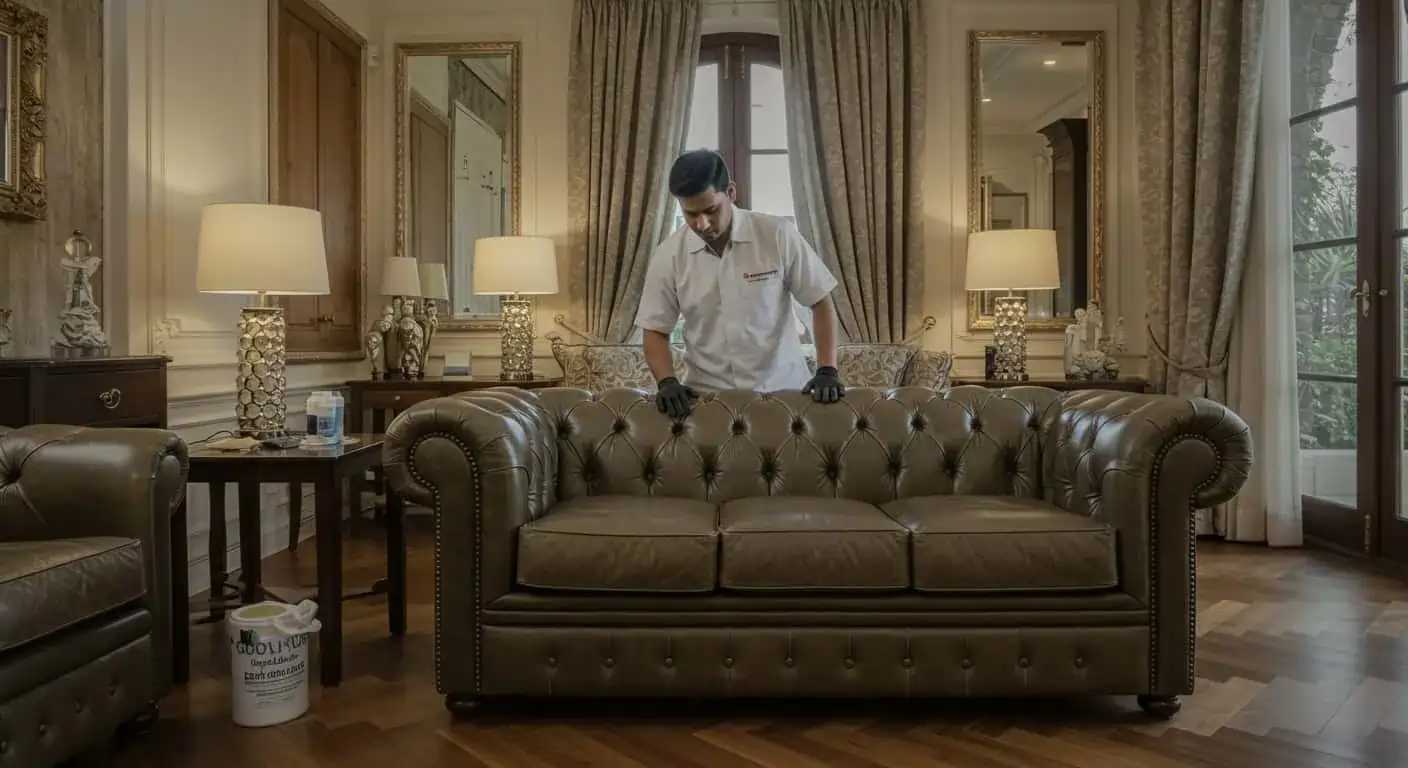
Corrected grain leather has the natural grain layer heavily sanded , typically 0.3 to 0.5 millimetres of surface removal, which goes well past the grain layer and into the upper corium. The natural pore structure is gone. A heated steel roller then presses a uniform geometric pattern into the sanded surface to replace it. A thick pigmented finish , typically 60 to 100 microns of pigment plus top-coat , covers the embossed surface and becomes the visible upholstery layer.
Corrected grain is genuine structural leather made from genuine hides, but the surface you see is engineered, not natural. The grade exists for two reasons. First, raw-material yield: hides that fail the full grain and top grain criteria , scarred, weak in zones, irregular grain , can only be saved for upholstery by removing the imperfect surface and replacing it with an engineered finish. Second, durability: the thick pigmented layer resists abrasion, water, and most household contaminants better than full grain or top grain finishes. That is why corrected grain dominates commercial leather, automotive interiors, and high-traffic family furniture.
Corrected grain does not develop patina. The surface you see is not the hide , it is a coating that sits above the hide. Skin oils, light, and time interact with the coating, not with the fibre matrix underneath. The piece looks the same at year one and year ten. Then, at year twelve to fifteen, the coating cracks at flex points and fails as peeling rather than as deepening patina. Your sofa reaches the end of its service life on the coating's timeline, not the hide's.
How to identify corrected grain
- Under raking light at 5x to 10x magnification, the pore pattern is perfectly uniform. Every pore is identical in size and shape, and the pattern repeats geometrically across the panel. That is the embossing roller signature.
- Colour is perfectly uniform across the panel and across panels. No tonal variation anywhere.
- The surface feels firmer, slightly cooler, and has a plastic-like quality compared to full grain or top grain. You feel a clear barrier under the fingertip.
- A water drop beads completely and rolls off with no absorption. The pigmented coating seals the surface against water.
- Fingernail pressure leaves no temporary mark. The thick top-coat resists deformation entirely.
- At a cut edge, the cross-section shows a clear sanded zone with the engineered finish layer sitting visibly above the natural fibre structure.
Four Tests to Identify Your Leather Grade at Home
These four tests reliably distinguish the three grades on any leather sofa, anywhere. Run all four. When they agree, the grade is confirmed.
Test 1 , Raking light. Hold a flashlight at a 15 to 30 degree angle across a hidden panel. Look for:
- Irregular natural pore variation → Full grain or top grain
- Repeating geometric pore pattern → Corrected grain
Test 2 , Loupe at 10x. A 10x loupe (₹500–1,500 from any photography supply) shows the surface at the magnification where embossing becomes obvious. Natural pores vary in size, distribution, and depth. Embossed pores show identical geometry repeating across the panel.
Test 3 , Water bead test. Place one drop of distilled water on a hidden area:
- Absorbs within 10 to 60 seconds → Full grain (with aniline or semi-aniline finish)
- Absorbs within 30 to 120 seconds → Top grain (with semi-aniline or light pigmented finish)
- Beads completely with no absorption → Corrected grain (with thick pigmented finish)
Test 4 , Edge check. Find any cut edge , under a cushion seam, behind the backrest, at the base. The cross-section shows what the tannery did to the surface:
- Continuous fibre structure with no distinct surface layer → Full grain
- Fibre structure with a thin processed zone visible at 10x → Top grain
- Distinct sanded zone with the thick coating layer clearly above the fibre structure → Corrected grain
If all four tests point to the same grade, you have a conclusive answer. If results split, the piece is most likely top grain , it sits between the two extremes and often produces mixed signals. Tests 1 and 4 are the most reliable. Tests 2 and 3 confirm what they find.
Which Leather Grade Does Your Italian Brand Actually Use?
Italian luxury brands use grade selectively across their collections. The grade often shifts within the same brand depending on the line. Knowing which grade is on your piece determines the entire care approach that follows.
Poltrona Frau
The Pelle SC range across the Frau, Heritage, and SC series uses full grain Italian leather from the Tolentino tannery. The lighter Frau Pelle Estro range and entry-level lines may use top grain. Frau does not use corrected grain across any documented luxury range.
Natuzzi
The Iconic collection uses full grain Italian nappa with aniline or semi-aniline finishing. The Re-Vive and Editions ranges typically use top grain. Natuzzi's entry-level upholstery lines sold through high-street retail include corrected grain options. Always confirm the grade against the collection name before buying or booking restoration.
Fendi Casa
The Selleria line is full grain aniline nappa, sourced from the same hide stock as Fendi luggage. Fendi Casa upholstery does not use corrected grain at any documented price point.
B&B Italia and Maxalto
The premium upholstery ranges , Husk, Tufty-Time, Charles, Mart, Camaleonda, plus the Maxalto sub-brand , use full grain or top grain Italian semi-aniline nappa depending on the finish target. Entry-level B&B options may use top grain with heavier pigmented finishing.
For nappa-specific care and restoration, the dedicated guide is nappa leather restoration: the Italian standard. Nappa is the premium expression of full grain or top grain leather. The grain hierarchy and the nappa designation are independent , they often apply to the same piece at the same time.
How Does Each Grade Fail , and What Can Be Fixed?
Each grade fails in a distinct way, and the right fix differs at every stage. The breakdown below covers the pattern we see most at workshop intake across the three grades.
Full grain failure modes
Skin-oil saturation in armrest and headrest zones. UV fade on south-facing panels. Ink and dye transfer absorbed directly into the fibre. Wrong-pH cleaning damage. Monsoon humidity producing fat bloom and fat liquor migration. All restoration targets the underlying fibre matrix because the visible surface is the hide itself. Recovery involves extraction, re-fatliquoring, and where needed, micro-pigmentation matched against the surrounding undamaged surface.
Top grain failure modes
Similar to full grain, but the lightly sanded surface absorbs the first wave of damage before the underlying fibre is reached, so the manifestation is slightly less severe. Restoration follows the same expert framework. Top grain also accepts pigmented restoration slightly more reliably than full grain because the lightly sanded substrate chemistry is closer to a pigmented finish.
Corrected grain failure modes
The main failure is coating failure, not hide failure. The top-coat cracks as the hide dries out beneath the sealed surface. Pigment lifts at flex points. Visible peeling appears at seam edges. Scratches expose the colour layer beneath. The hide itself is usually intact when the surface fails , the engineered coating is what has reached the end of its life. The fix is full re-pigmentation: the failed coating comes off, the hide is stabilised, and a new pigmented finish is applied. The piece serves another decade. But the original engineered surface is not restored , it is replaced.
If your leather sofa already has damage , across any grade , the right next step is an expert assessment. Leather sofa repair, leather restoration in Gurugram, and the same service across Noida, Faridabad, and Ghaziabad all apply the grade-specific approach described above.
Why Does the Leather Grade Matter So Much for You?
The leather grade is the most important decision in luxury furniture because it sets the ownership timeline. Full grain pieces serve three generations under expert care. They develop the patina that defines heirloom value. They gain character as they age. Top grain pieces serve two generations under similar care, with shallower patina but visible ageing. Corrected grain pieces serve about fifteen years, develop no patina, and reach end-of-service when the engineered coating fails.
The price reflects the timeline. A ₹3 lakh full grain Frau armchair cared for correctly delivers a per-year cost far below a ₹50,000 corrected grain sofa replaced every fifteen years. The arithmetic is not obvious at the showroom. It becomes undeniable at the third decade.
The care framework that protects your timeline is covered across the Restoration Academy. Start with finish identification through the three-finish guide. Cleaning chemistry is in the pH balance article. Seasonal care for NCR is in the monsoon care guide. UV protection is in the UV degradation article. Damage already present is covered in the micro-pigmentation guide. Together they turn the grade hierarchy from a purchasing question into a generational ownership plan.
Save this page. Run the four tests on every leather piece in your home. Confirm the grade you own. Apply the care that grade needs. Your sofa passes through three generations , or it passes through fifteen years. The grade decides which.