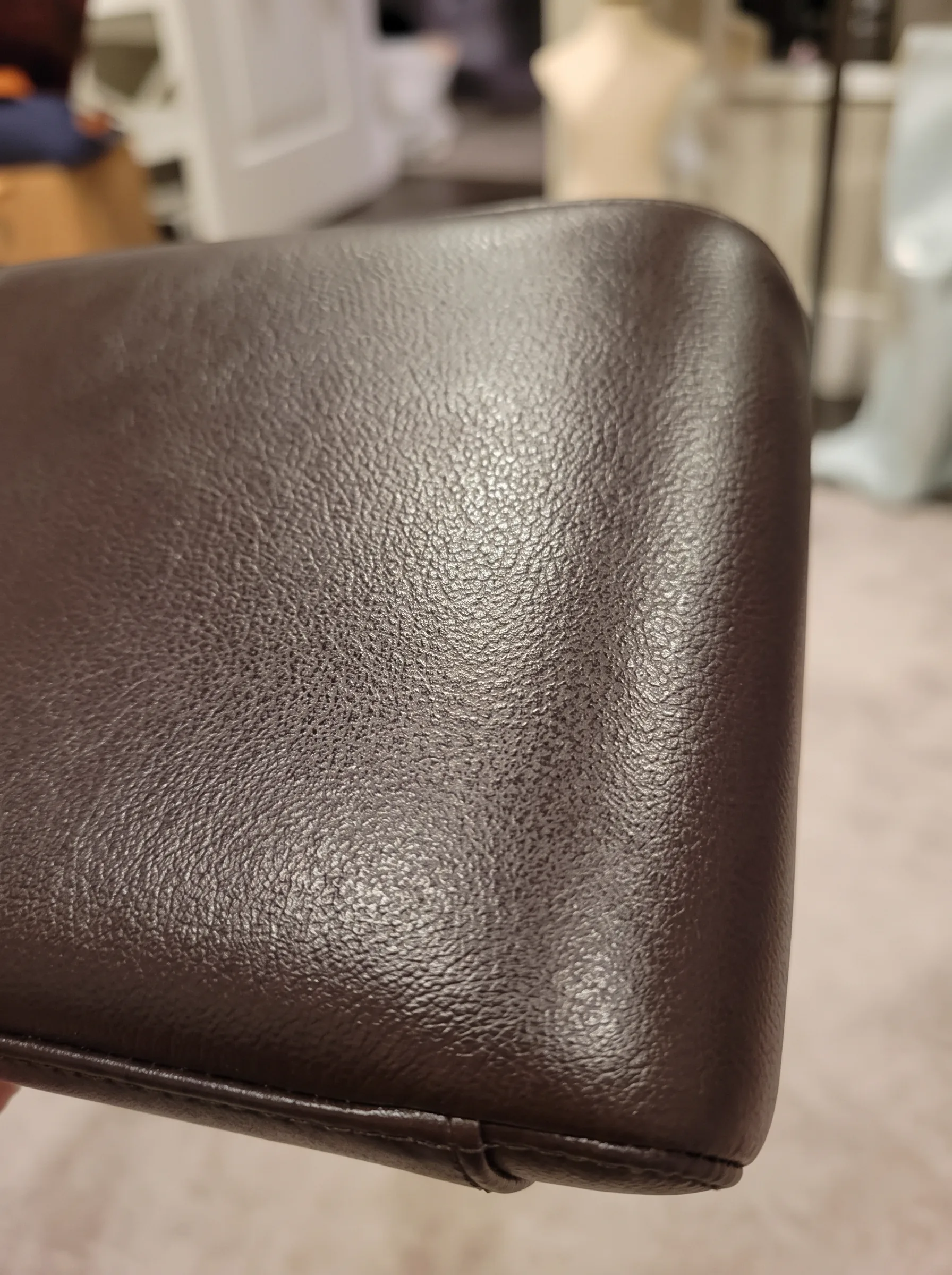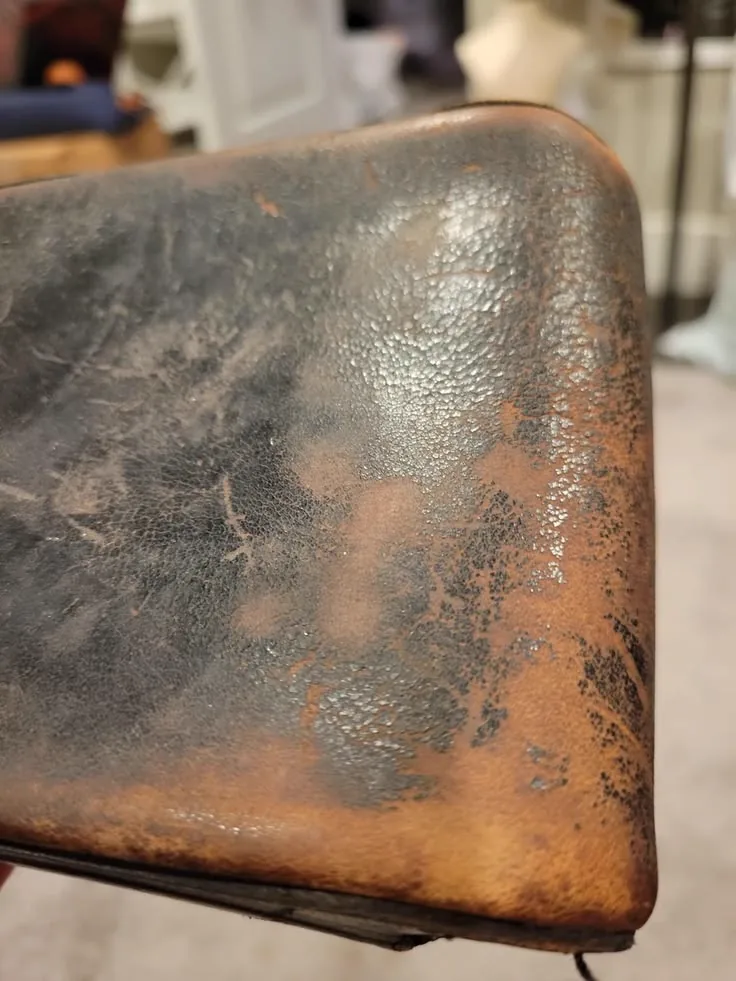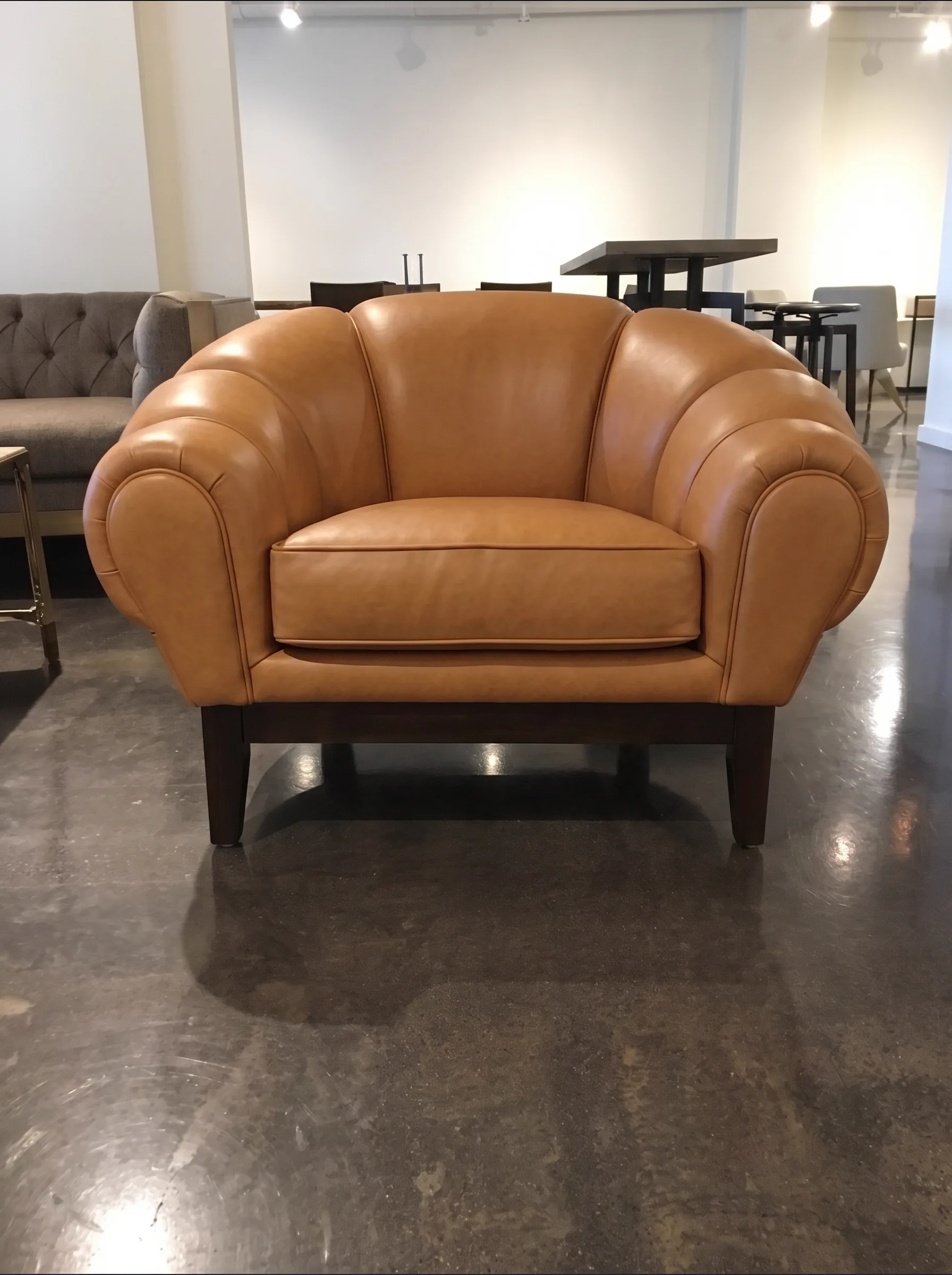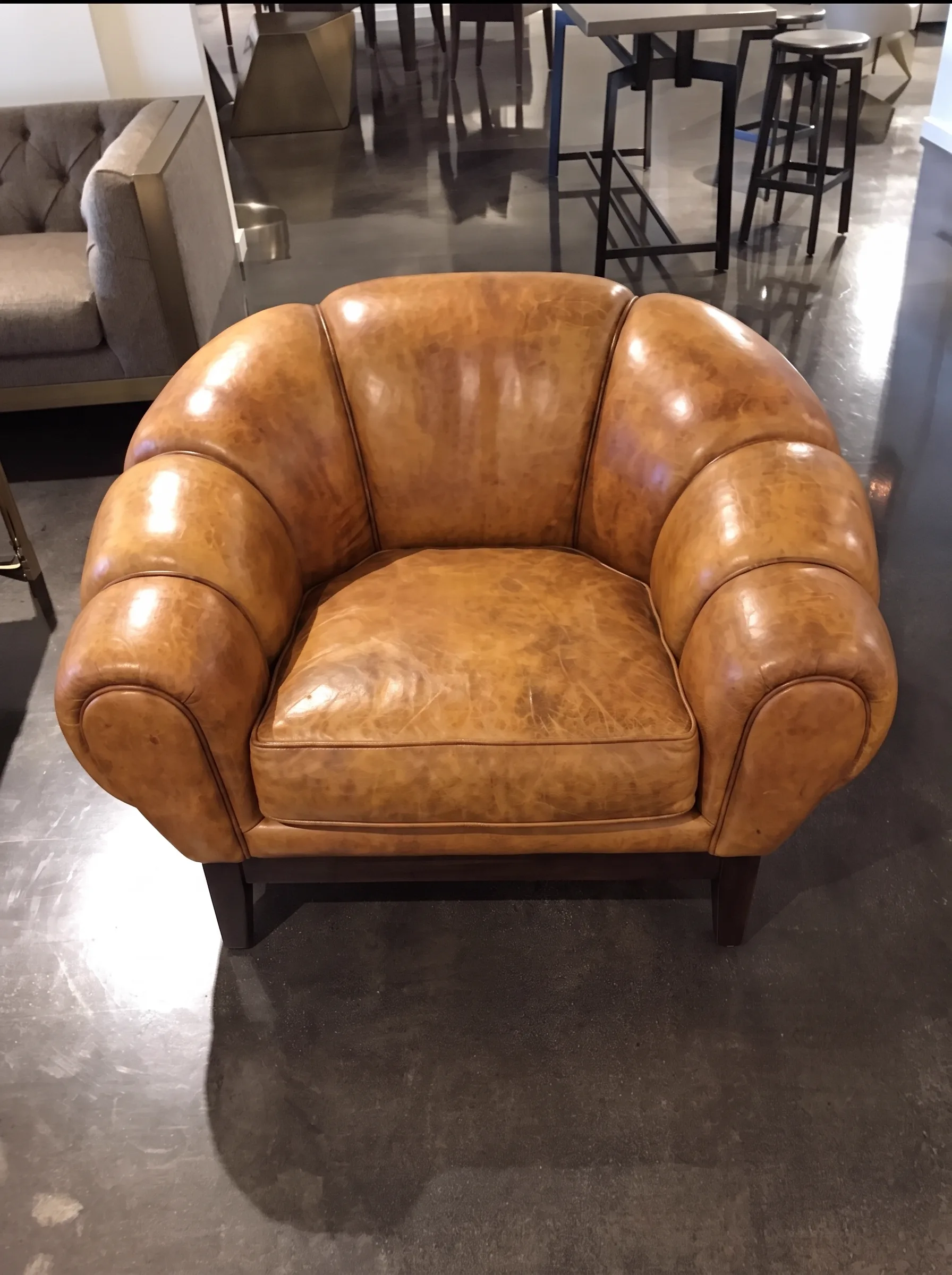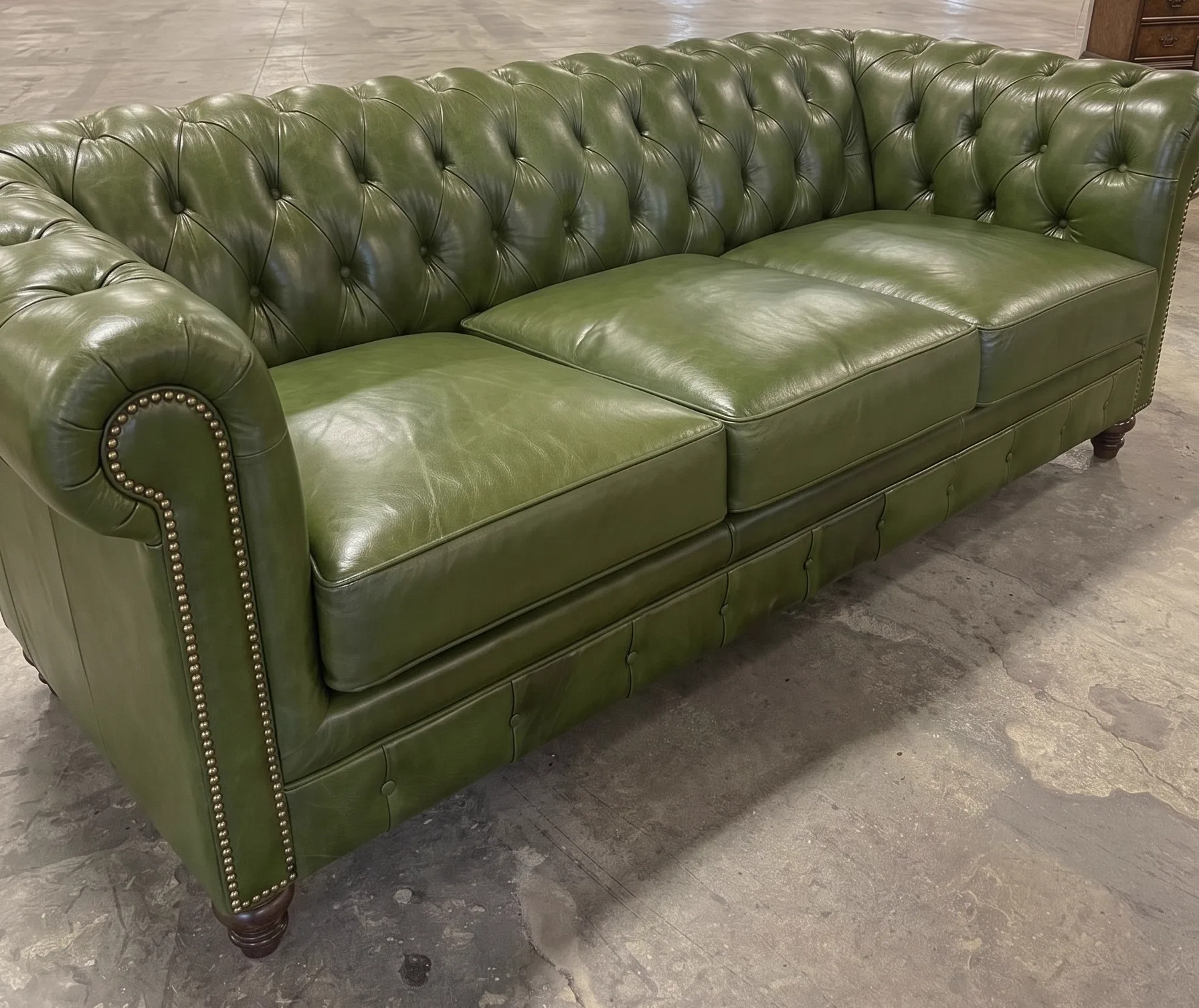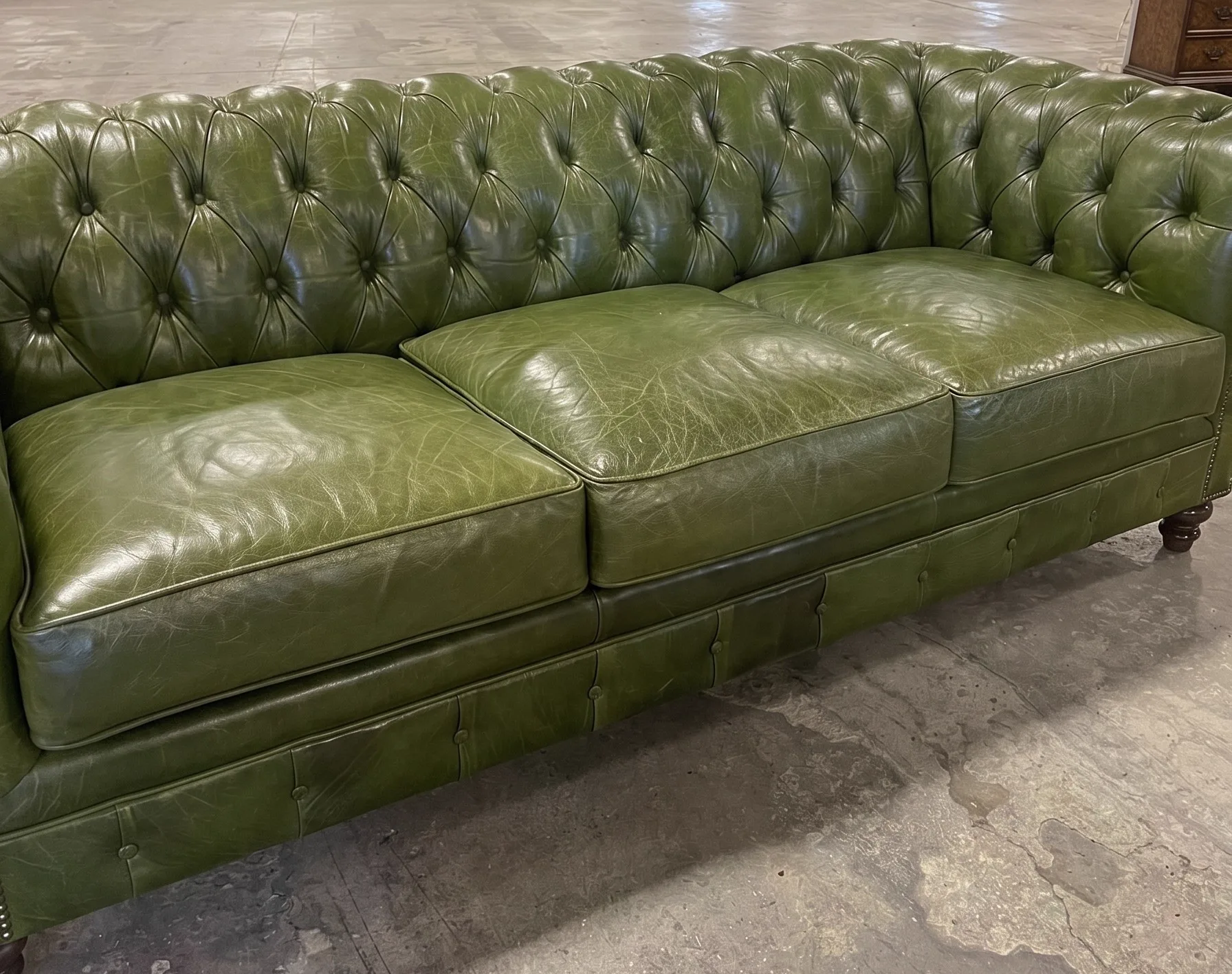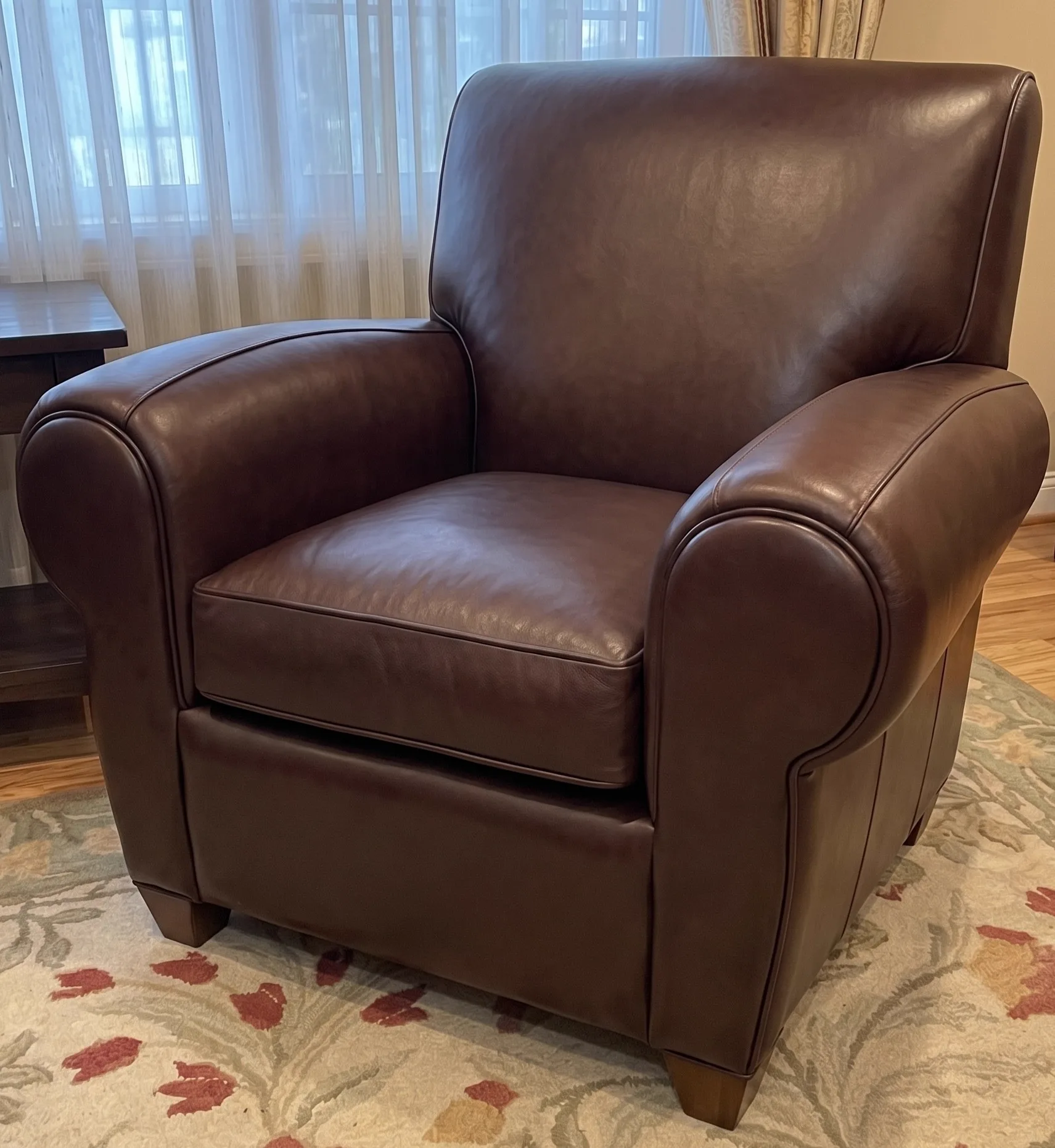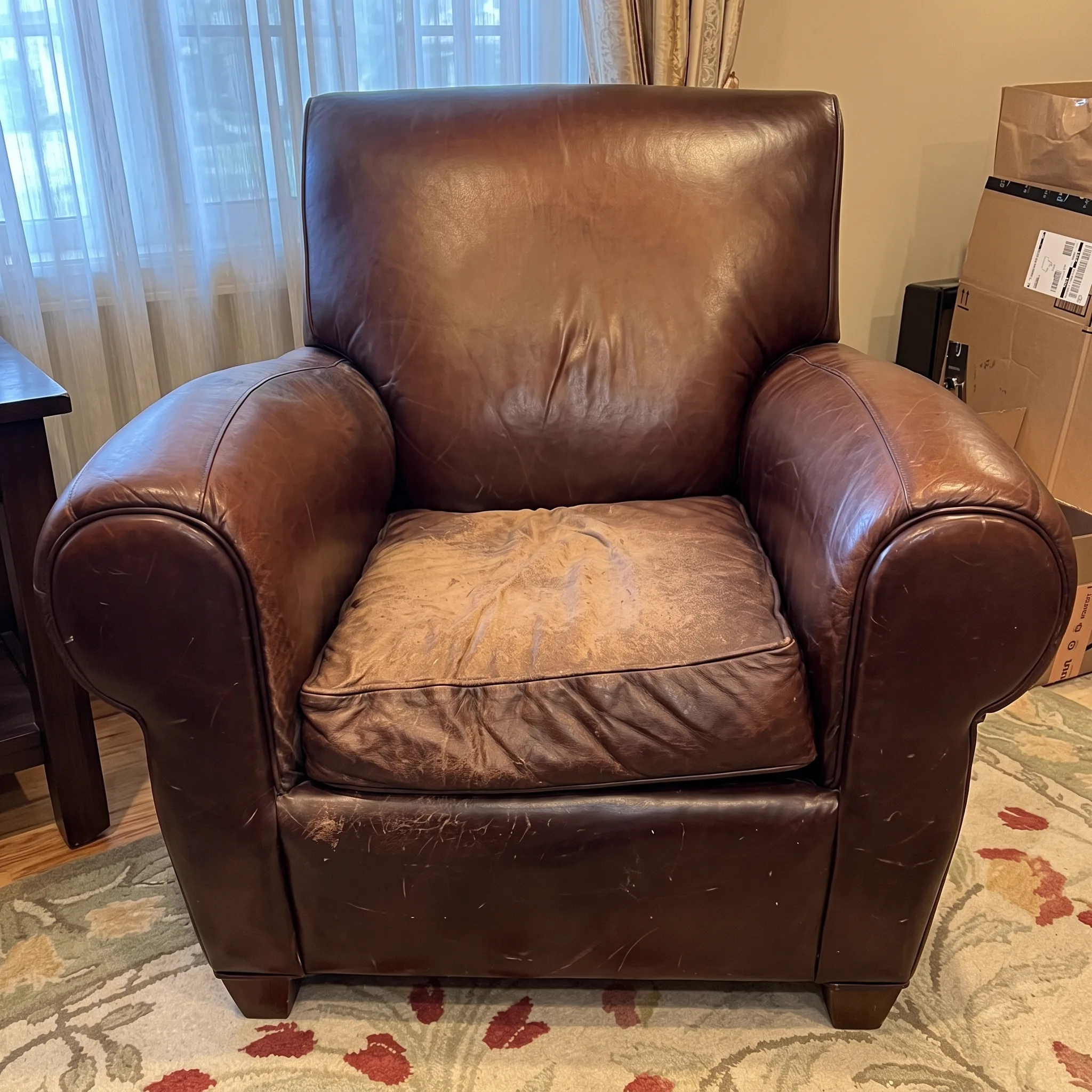
Every week, someone arrives at our workshop holding a bottle of leather conditioner and a Poltrona Frau invoice. The conditioner is a fine product. The sofa is worth more than most cars. The problem: the conditioner was made for pigmented leather, and the sofa is aniline. The emulsifiers slowly strip the dye layer. A piece that looked perfect last month now has pale, greasy patches that no amount of wiping will fix.
This is the most common cause of preventable damage we see in India. Not neglect -active, careful cleaning using the wrong product for the specific hide.
The four Italian brands most common in premium homes -Natuzzi, Poltrona Frau, Fendi Casa, and B&B Italia -each use a different tanning approach, finish chemistry, and protective coating. These differences matter. They decide which products are safe, how often you condition, and how gently you clean. Core terms are in the leather conservation glossary. Finish chemistry is in the guide on aniline leather preservation.
What Is Finish Type and Why Does It Decide Everything?
Before we go brand by brand, one thing matters above everything else: the finish type. Which products to use, how often, how gently -all of it follows from this single fact about your sofa.
Aniline leather has no protective top-coat. The surface is the dyed hide itself, buffed to a matte or semi-gloss. It breathes. It marks. It builds a patina over decades. It is also directly exposed to anything you put on it. A product above pH 7 can start lifting dye on the first application.
Semi-aniline leather has a thin resin coat over an aniline-dyed base. The coating gives modest stain resistance but does not fully seal the hide. Abrasives or high-pH products can still break through the top-coat and cause damage.
Pigmented leather has an opaque pigment layer over the hide, sealed with a resin or lacquer top-coat. It is the most forgiving in daily use. It is also the least breathable and develops the least natural character over time.
Most generic "leather care" products are made for pigmented leather -the most common type in volume furniture. Using them on an aniline hide is the most frequent cause of dye damage we see. If you are not sure what finish your sofa has, do not apply any product yet. Use the three-question leather finder first.
The Four Brands Compared -What Are the Key Differences?
Here is the framework we use when a sofa arrives at the workshop. Each brand sits at a different point on the finish scale. Each one needs different care.
| Brand | Primary Finish | Safe pH Range | Patina | Risk from Generic Products |
|---|---|---|---|---|
| Poltrona Frau | Aniline / Semi-aniline | 5.0 - 6.0 | High -by design | Very High |
| Natuzzi | Semi-aniline / Pigmented | 5.5 - 6.5 | Moderate | Moderate |
| Fendi Casa | Hand-antiqued Aniline | 4.8 - 5.8 | Very High -critical to preserve | Extreme |
| B&B Italia | Semi-aniline (main) / Aniline (Maxalto) | 5.0 - 6.5 | Moderate to High | Moderate–High |
Poltrona Frau , What Makes Its Aniline Leather So Demanding to Care For?
Poltrona Frau has made leather seating since 1912. Its reputation rests on the Pelle Frau grades -selected from the top five percent of European full-grain hides. These hides are drum-dyed without a pigment coating on top. Every pore stays open. Every natural variation in grain and texture stays visible.
That is what makes Pelle Frau beautiful. It is also what makes it sensitive to clean. The hide has no top-coat barrier. It is as close to the raw animal surface as finished leather gets.
The same properties that make Pelle Frau exceptional also make it demanding to maintain:
- Open pores mean any cleaning product goes straight into the dye layer. There is nothing to slow it down.
- Aniline dye is pH-sensitive. Products above pH 7 can start lifting dye on the first application.
- Body oils accumulate in the pores over time, darkening contact zones. This is patina -it is intentional and valuable. Aggressive cleaning removes it permanently.
- Fat liquor [the oils built into the hide during tanning] depletes faster in India's 45°C summers and dry winters than in the cooler European climates the hide was made for.
The right approach for Pelle Frau is cautious: distilled water for surface dust, pH 5.0–6.0 aniline-safe conditioner applied sparingly every four to six months, and no products containing alcohol, sodium lauryl sulphate, or ammonia. The full care steps are in the Natuzzi and Poltrona Frau care guide.
Natuzzi , Which Line Do You Have and How Do You Care for It?
Natuzzi makes more leather furniture than any other company in the world. That scale means it covers a far wider range of hide quality and finish types than Poltrona Frau -from entry-level corrected grain with heavy pigment all the way to semi-aniline I Salotti hides close to Poltrona Frau's tier.
What this means for your care routine: "Natuzzi leather" is not one thing. The right steps depend on which line you own. Natuzzi's own care documentation acknowledges this. The collection name on the label under the seat is your reliable identifier.
A quick guide to the main lines:
- Natuzzi Iconic and top Editions: full-grain aniline or semi-aniline nappa. Care for these the same as Poltrona Frau. Use pH 5.5–6.0, condition every 6 to 9 months, no generic products.
- Natuzzi Editions mainstream: semi-aniline with a thin resin coat. More tolerant of spills, but still vulnerable to wrong-pH cleaners. Condition every 8 to 12 months.
- Natuzzi Re-Vive: semi-aniline with reinforced flex zones. Needs more frequent conditioning because the reclining mechanism stresses the leather mechanically.
- Natuzzi entry collections: pigmented. The most forgiving finish. Condition once per year. Household spills wipe clean if you act quickly.
One consistent pattern in India: October, after the monsoon, is the highest-risk period for Natuzzi semi-aniline pieces. The rapid humidity drop depletes fat liquor faster than any other climate phase through the year.
Fendi Casa , Why Is the Finish Itself at Risk When You Clean?
Fendi Casa is in its own category. The hand-antiqued and hand-coloured finishes are not just a material. The finish is a craft process applied by hand in the Fendi atelier -multiple layers of aniline dye built up in sequence to create tonal depth and an aged look.
This changes how you think about cleaning. On a pigmented sofa, you maintain the top-coat. On a Fendi Casa hand-antiqued piece, the colour you see is a stack of dye layers. Each one can be disturbed on its own. The top layer is the lightest, applied last to create the aged highlight. The layers below it are darker.
Any cleaning product that penetrates more than the surface will start lifting that top dye layer. The result looks bleached in the areas you cleaned. That is the opposite of the aged effect you are trying to keep.
Fendi Casa needs the most careful approach of the four brands. Use dry microfibre only for surface dust. For marks, use distilled water on a barely damp cloth. Have a specialist condition the leather every six months using a product made specifically for layered aniline finishes. Do not attempt a full surface clean at home. The full care steps are in the Fendi Casa care guide.
B&B Italia , More Forgiving Than Frau -But Where Does It Still Fail?
B&B Italia's main leather range is semi-aniline -dyed through and lightly sealed with a thin resin top-coat. This gives modest stain resistance without the fully opaque coverage of a pigmented finish.
This makes B&B Italia more forgiving than Poltrona Frau or Fendi Casa in daily use. A spill on a Tufty-Time gives you a few seconds to blot it before it soaks in. The same spill on a Pelle Frau piece penetrates immediately.
The Maxalto line is different. Maxalto is B&B Italia's heritage brand, focused on classical forms. Its leathers trend toward aniline and full-grain semi-aniline -closer in character to Poltrona Frau. If you own a Maxalto piece, use the cautious Poltrona Frau-level care steps, not the standard B&B Italia approach.
There is one failure mode specific to B&B Italia modular sofas. The seams between modules flex repeatedly. Those seam areas show micro-cracking before the flat panels show any wear. This is expected. But the seam areas need targeted conditioning at the same frequency as the main surface. Full steps in the B&B Italia and Maxalto care guide.
What Happens to Your Sofa If You Do Nothing for Five Years?
The most common question we hear: "My sofa looks fine -why do I need to do anything?" Leather failure is not linear. Your sofa can look perfect for years while the underlying chemistry quietly changes. Then it deteriorates visibly in a matter of months once it crosses the tipping point.
The tipping point is fat-liquor depletion. During tanning, lubricating oils called fat liquors are worked into the fibre structure. These oils keep the collagen bundles supple and stop them bonding together as the hide dries. When fat liquors run out, the fibre bundles bond rigidly and start to separate under mechanical stress. This is called fibre delamination. The full mechanism is in the fibre delamination guide.
Here is what happens, year by year, to an Italian semi-aniline sofa in India with no maintenance:
Surface looks perfect
No visible change. Fat liquor reserves are still adequate. The hide breathes and flexes normally. No action needed beyond gentle dry dusting.
Surface starts to feel stiff
The hide loses flexibility in low-contact areas -armrests and backrests. The grain starts to tighten slightly. A professional conditioning session at this stage can fully reverse it.
Fine cracks appear on stress points
Seat creases and armrest folds develop a fine network of surface cracks. These have not broken through to the corium yet -not structural damage. Repair needs deep conditioning plus surface work, but full recovery is still achievable.
Delamination begins -structural damage
Fibre bundles start separating. The surface shows raised, flaking sections where the grain layer is pulling away from the corium. Repair now needs panel-level work: fibre stabilisation, re-fatliquoring, surface filling, pigmentation, and top-coat lamination. It is still possible, but costs far more than preventive care would have.
Hide loss -beyond routine repair
Advanced delamination across multiple panels. Sections of the hide surface may be gone entirely. Repair means partial or full panel replacement -sourcing new hide matched to the original and rebuilding the finish to match the aged patina. An experienced restorer can still do it, but the cost no longer makes economic sense relative to the sofa's original price.
One professional conditioning session at year two costs a fraction of panel repair at year eight. That is why we call this preservation, not maintenance. You are protecting your investment, not just cleaning a surface.
"An Italian luxury hide in India is not designed for neglect. It is designed to last three decades with careful ownership. Whether it does depends on whether the chemistry you use respects what the tannery built into the hide."
Why Does India's Climate Make European Care Advice Inadequate?
Every care guide published by an Italian furniture brand was written for European conditions -typically 40 to 60% relative humidity and 15 to 25°C year-round. Delhi NCR is outside that range for most of the year.
The monsoon brings four months of 70 to 90% humidity. That drives fungal risk on aniline and semi-aniline hides. Summer brings 40 to 48°C heat that speeds up fat liquor evaporation. After the monsoon, humidity drops sharply. In heated winter homes, indoor humidity can fall below 20%. Each of these transitions stresses the hide chemistry in ways that European care guides do not account for.
What this means for each brand:
- Poltrona Frau (aniline): highest fungal risk during the monsoon. Do not place it against exterior walls from July to September. Condition before the monsoon starts so the fibre bundles are well-lubricated going into the humidity surge.
- Natuzzi (semi-aniline to pigmented): the post-monsoon dry-out is the highest-risk period. Condition within four weeks of the monsoon ending, before the humidity drop stresses the fibre.
- Fendi Casa (hand-antiqued aniline): temperature stability matters more than humidity adjustments. Rapid swings -AC on full during the day, off at night -drive expansion and contraction cycles that stress the layered dye finish. Keeping consistent AC settings protects the leather more than frequent product applications do.
- B&B Italia (semi-aniline): UV is the main threat in homes with floor-to-ceiling glass. The semi-aniline top-coat fades before the underlying dye layer. This creates a milky, washed-out surface. UV-filtering window film delivers more long-term protection than any topical treatment.
Your Questions Answered
Can I use the same leather cleaner on all Italian luxury brands?
No. Poltrona Frau's aniline Pelle SC and Fendi Casa's hand-antiqued layers react very differently to the same products. A cleaner that is safe on semi-aniline Natuzzi can strip dye straight from Pelle SC in one application. Each brand's finish type sets the correct pH range and emulsion chemistry.
How do I know what finish my Italian sofa has?
The water-drop test is the fastest first step. Put one drop of distilled water on a hidden area. Instant absorption means aniline or semi-aniline. Beading for 30 seconds or more means pigmented or semi-aniline with a heavier resin top-coat. Use the leather finder tool for a guided three-question identification.
Is Poltrona Frau harder to restore than Natuzzi?
Yes. Poltrona Frau's Pelle Frau and SC grades are mostly aniline-finished. They have little protective top-coat. Any cleaning reaches the dyed fibre layer directly. This requires lower-pH products and more careful conditioning than most Natuzzi leathers, which are commonly semi-aniline.
How often should I condition an Italian leather sofa in India?
You need at least two conditioning sessions per year. Do one before the monsoon in May and one after the post-monsoon dry-out in October. If your AC runs year-round, add a third session in January. Indoor humidity can fall below 25% then and speed up fibre dehydration.
When should I call a professional instead of doing it myself?
Call a professional for any spill involving alcohol, ink, or oil-based food on aniline or semi-aniline leather. These penetrate the dye layer within seconds and need extraction techniques you cannot do at home. Also call a specialist if you see: cracks that stay after a conditioning session, a grey or white cast over the surface, or any mould after the monsoon.
The full brand guides cover each one in detail: Natuzzi and Poltrona Frau, Fendi Casa, and B&B Italia and Maxalto. The case study record starts with Project 001 -a twenty-year Chesterfield restoration, which documents the twelve-stage process applied to a heritage aniline hide. Where a guide stops and the hide actually needs hands on it, that workshop side is Italian leather sofa repair.
References & Further Reading
- Poltrona Frau, Pelle Frau leather specification - poltronafrau.com/leathers
- Natuzzi Italia, leather care documentation - natuzzi.com/care-guide
- Fendi Casa, Selleria heritage line - fendi.com/fendi-casa
- B&B Italia Group, Maxalto collection - bebitalia.com/en/maxalto
- Leather Working Group (LWG) - tannery audit and chemistry standards - leatherworkinggroup.com
- Consorzio Vera Pelle Italiana Conciata al Vegetale - Tuscan tannery district registry - pellealvegetale.it
- UNI EN ISO 17226 - leather chemical analysis standards