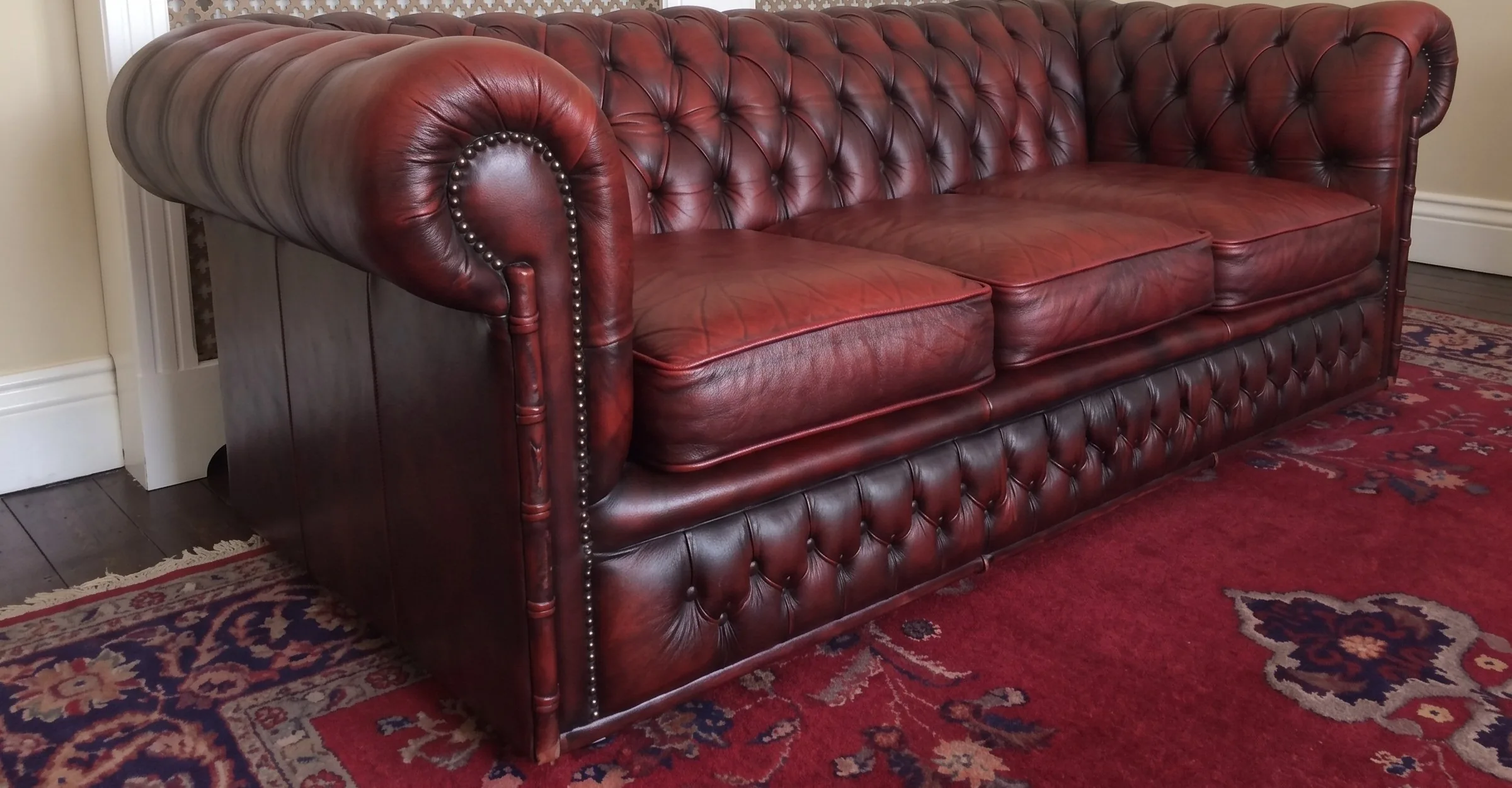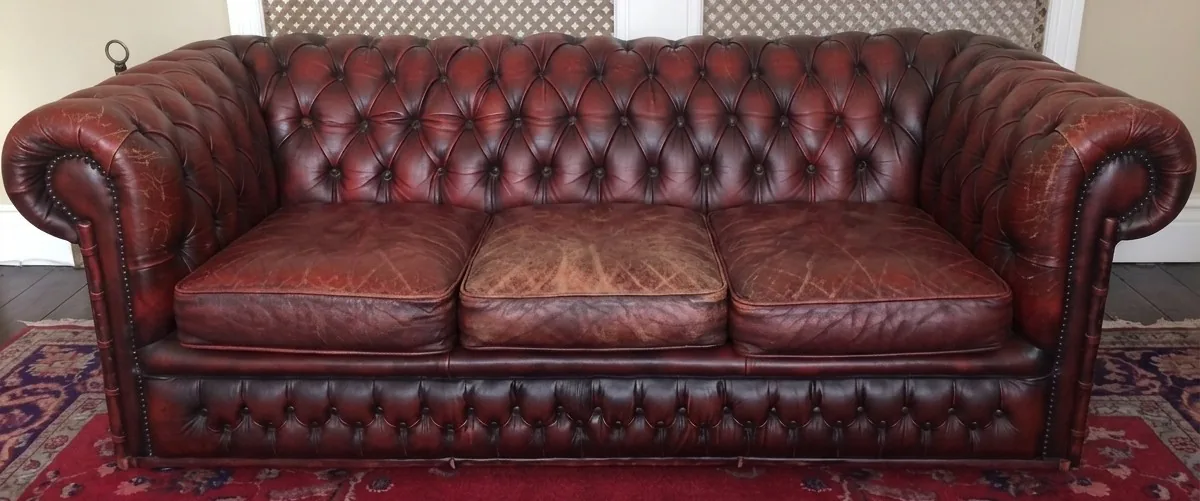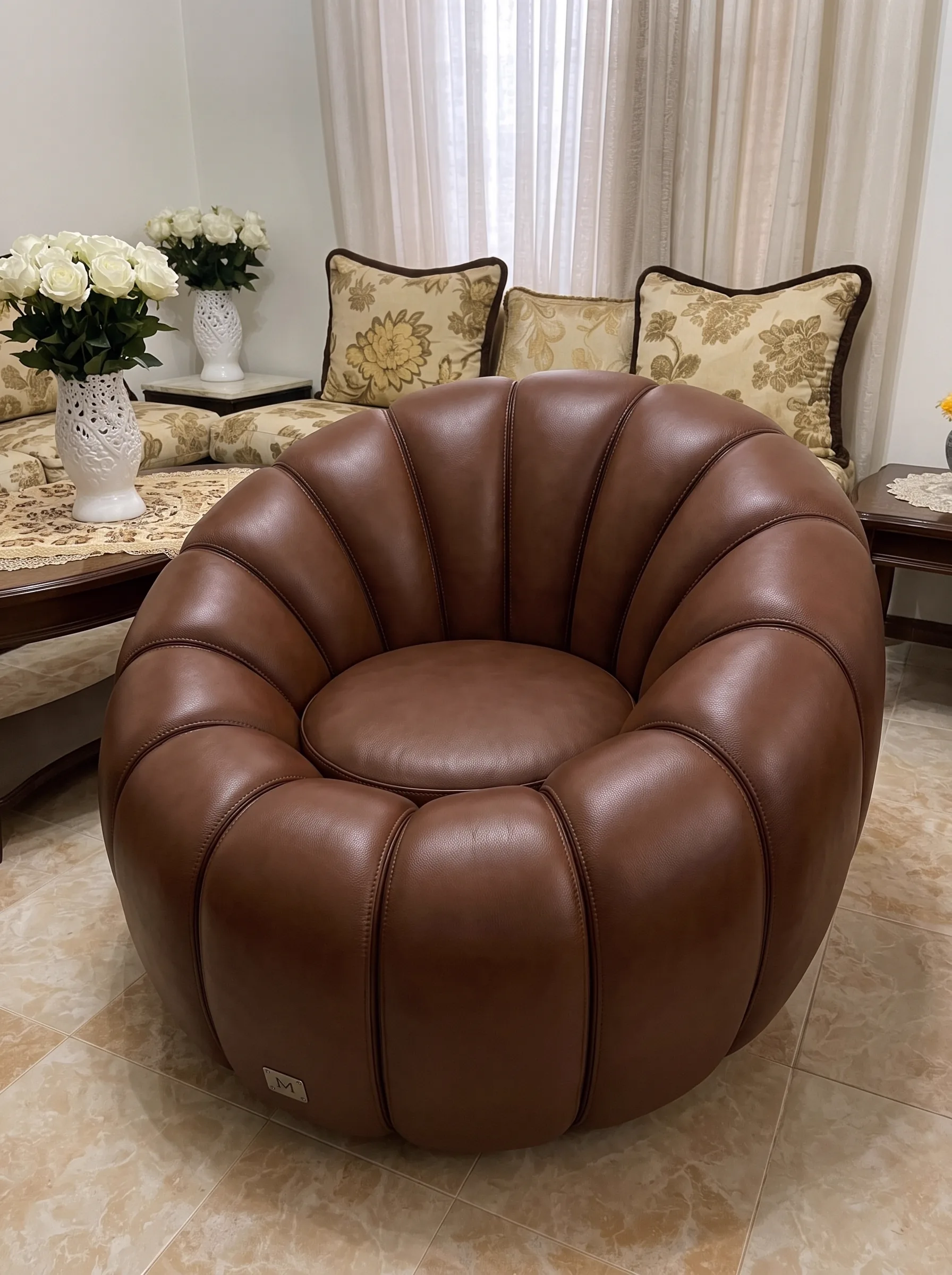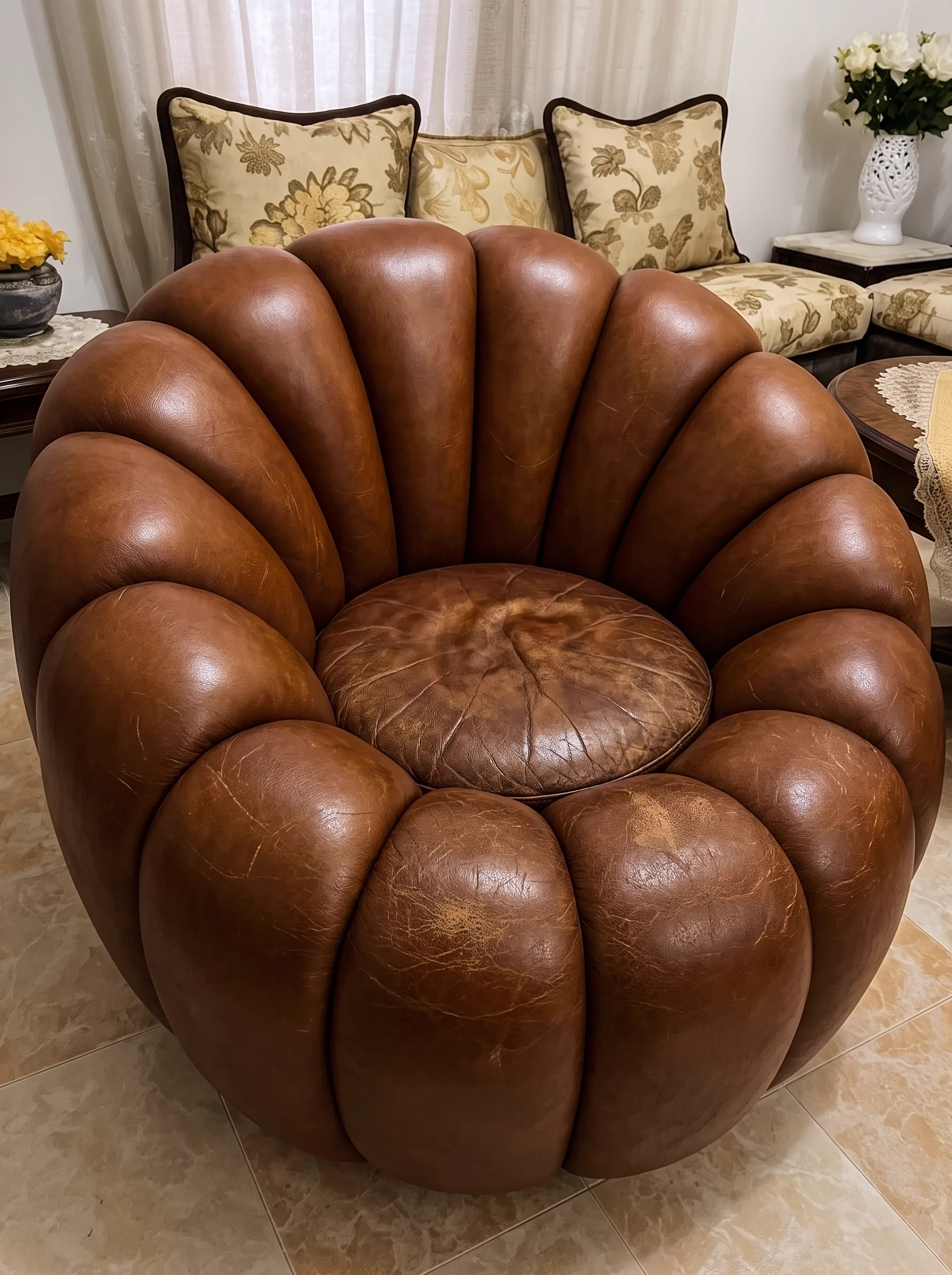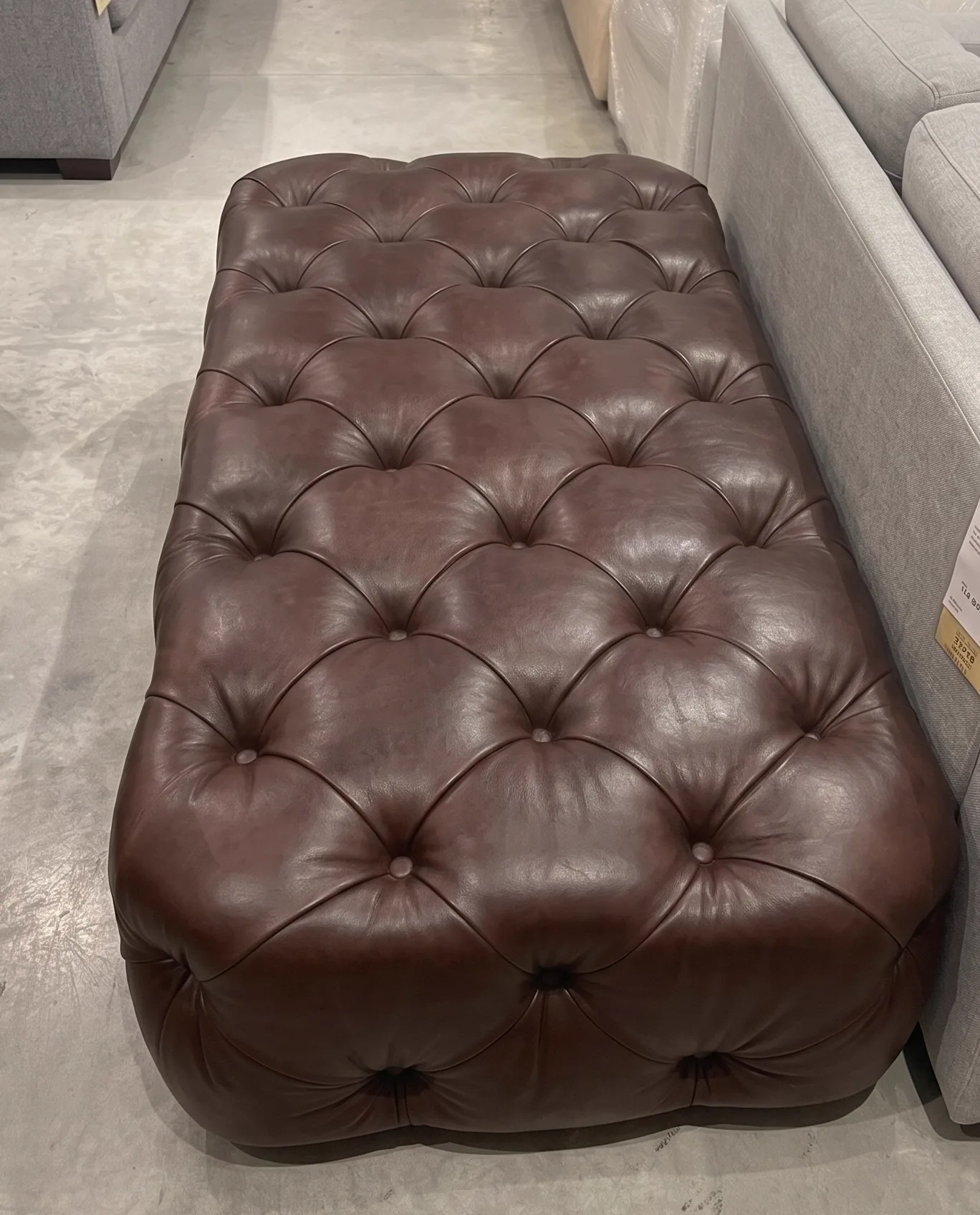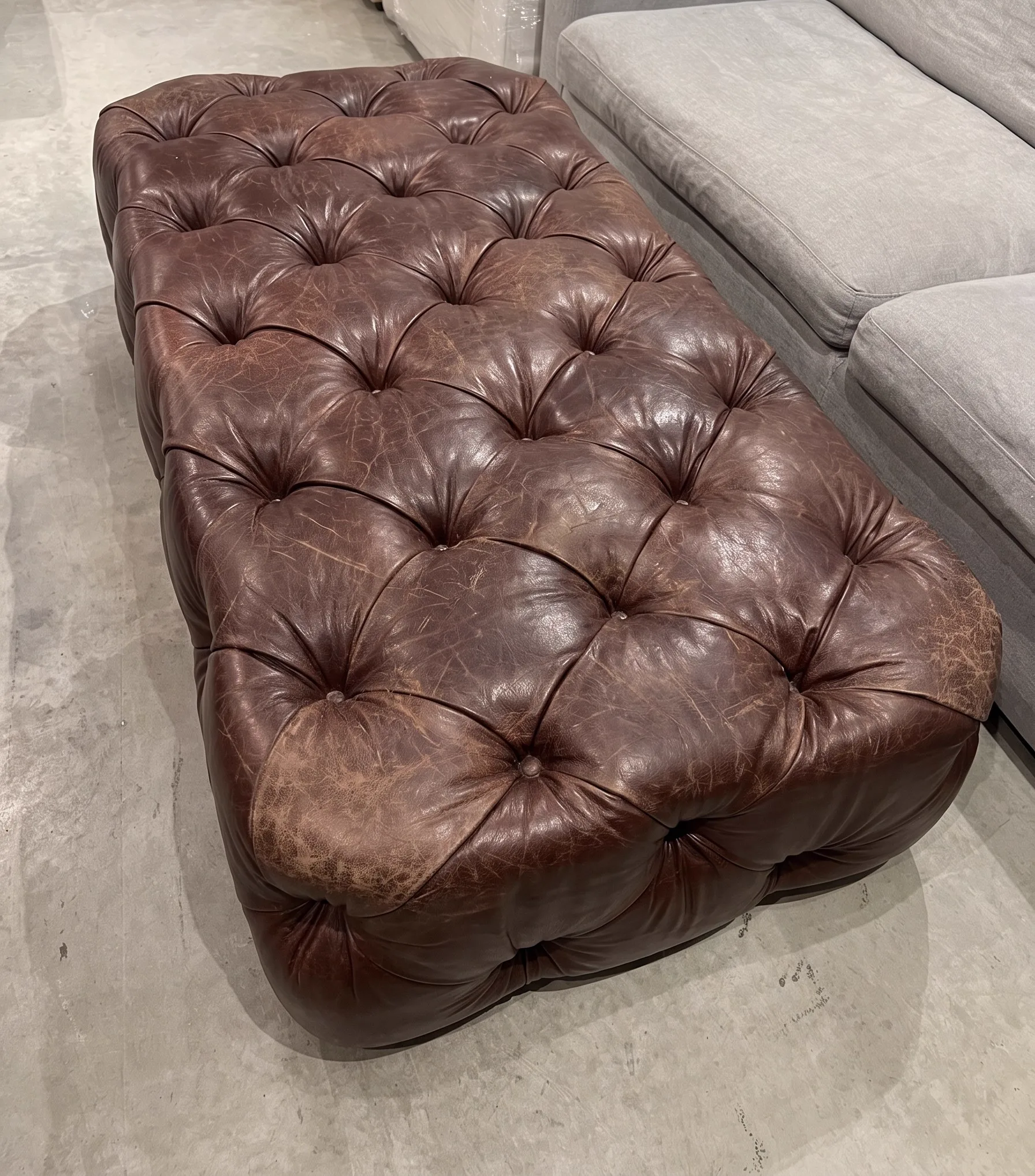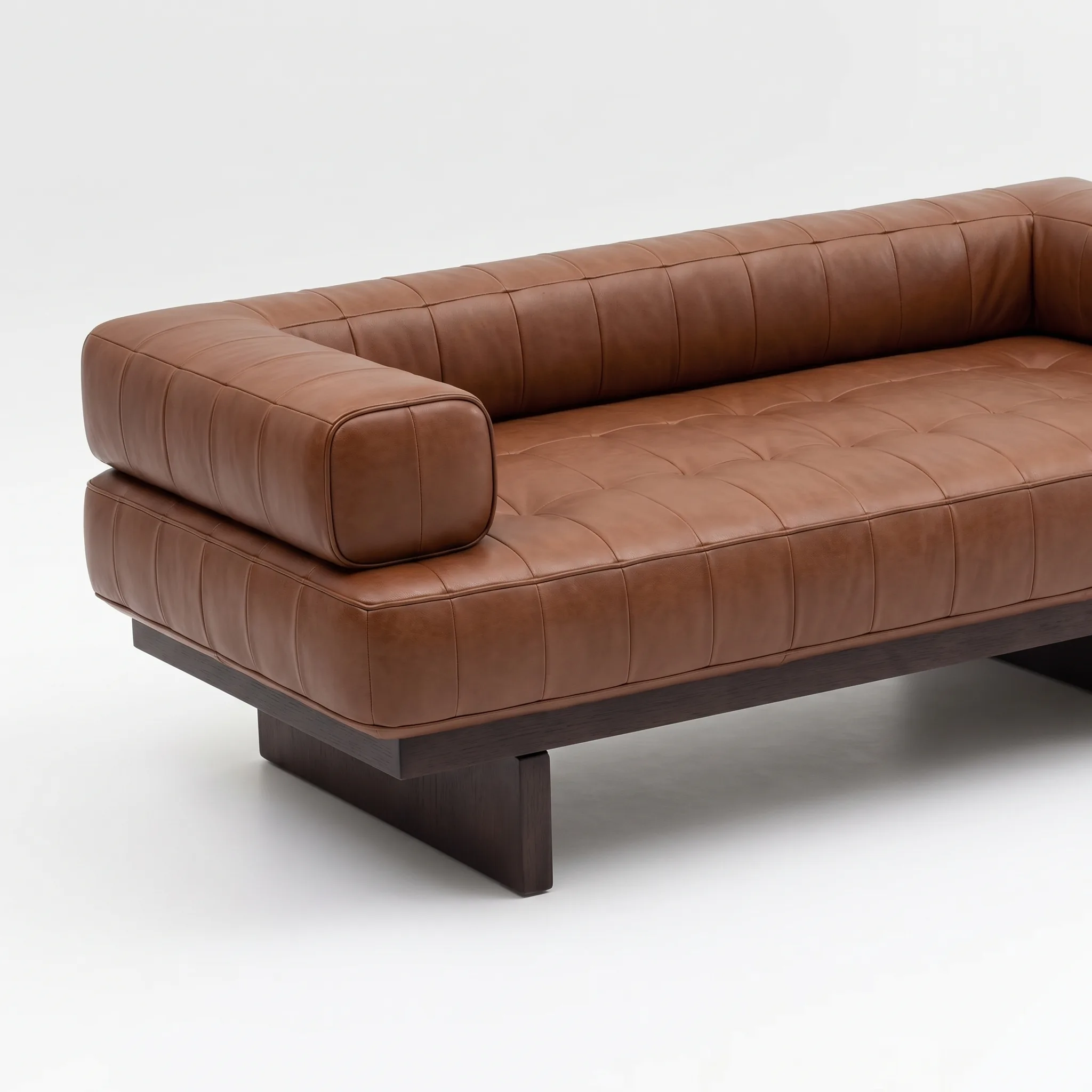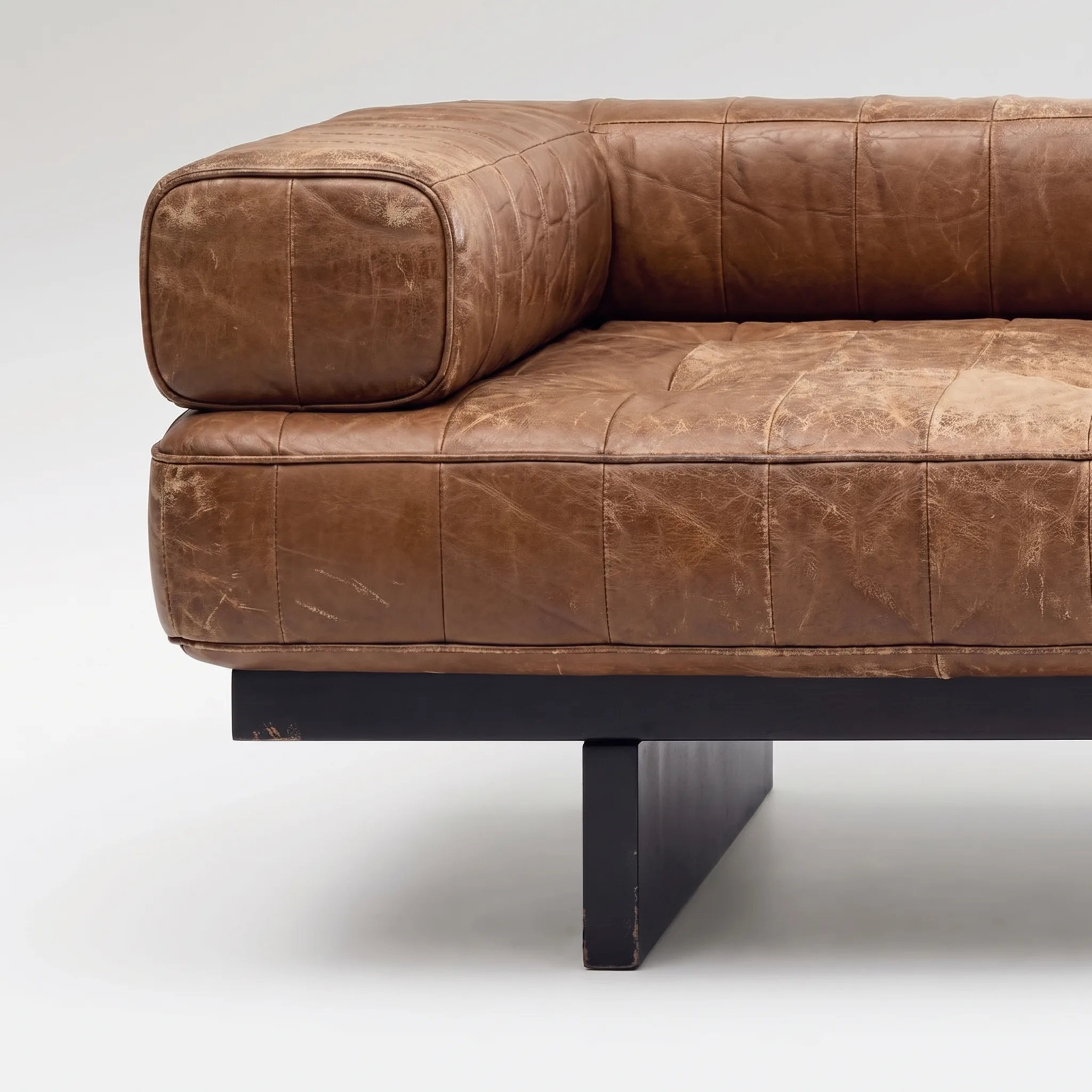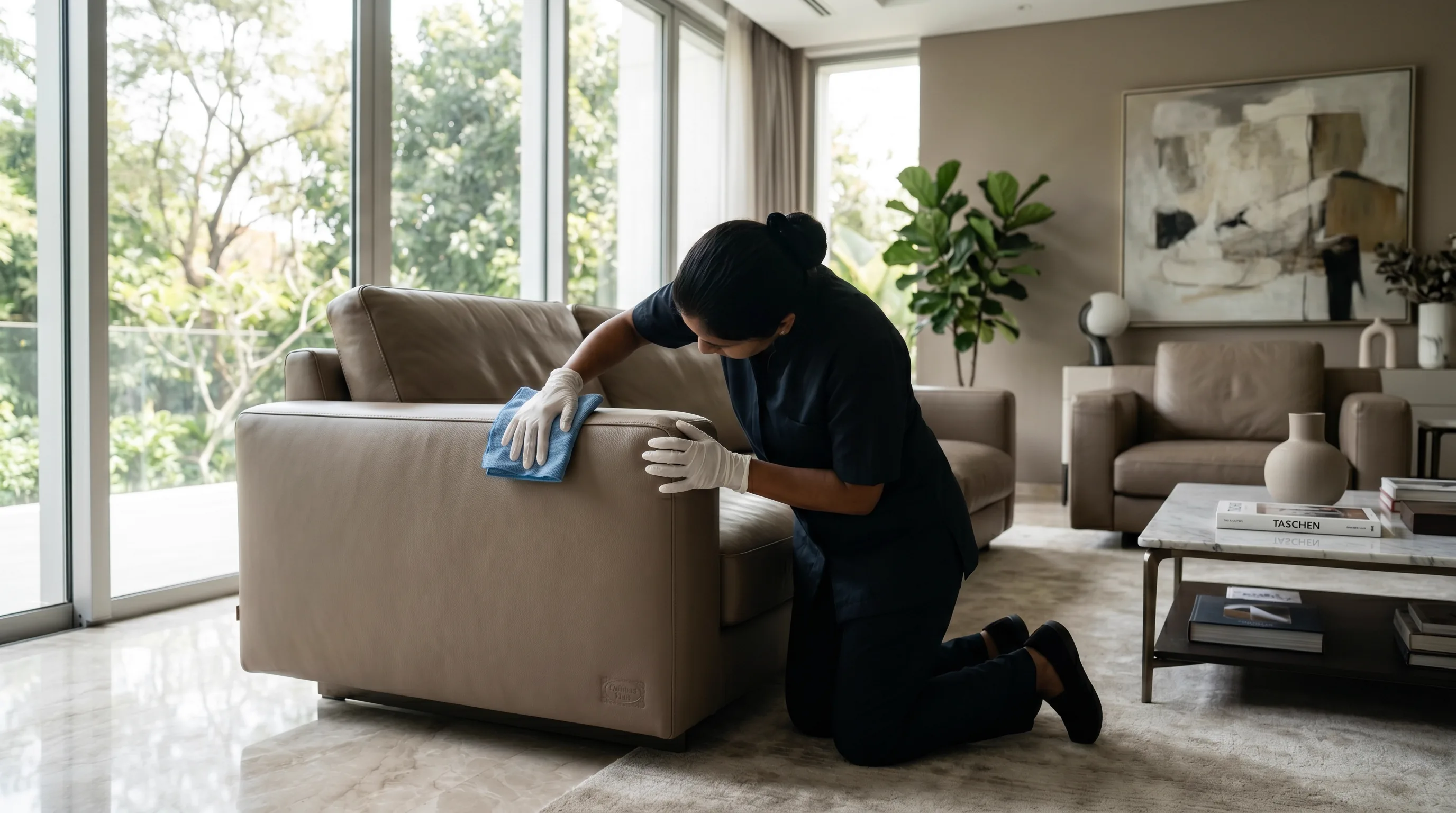
If your luxury leather sofa is starting to look dull, uneven, or faded , and you have been cleaning it regularly , the cleaner is probably the problem. Most aniline leather damage we see at the workshop was not caused by neglect. It was caused by cleaning with the wrong products. If you own a Poltrona Frau sofa, a heritage Chesterfield, or almost any Italian luxury leather piece from the last forty years, you likely own aniline leather. It is the finish that makes leather look like leather rather than plastic , natural grain visible, surface warm to the touch, colour deep and slightly translucent. It is also the finish that needs the most specific care and breaks down fastest when you get it wrong. This guide explains what aniline leather is, why it behaves so differently from other leather, and exactly what to do and not do if you own it. The technical detail on finish classification is in the dedicated guide on aniline, semi-aniline, and pigmented finishes. This article is the practical care guide.
What Is Aniline Leather and Why Does It Need Special Care?
All leather starts as a raw hide. After tanning , the process that stabilises the hide and stops it rotting , the leather needs colour. There are two different ways to add it. The choice between them defines everything about how the finished leather looks, feels, and needs to be cared for.
The first way is to dye the hide with a soluble dye that penetrates all the way through, colouring the fibres from the inside out. Then you apply little or no surface coating and let the natural grain show through. This is aniline leather. The name comes from aniline dye , a class of highly transparent dyes that penetrate fibre completely without sitting on the surface.
The second way is to apply opaque pigment on top of the leather , a thin layer of coloured resin that sits on the surface and covers the grain. This is pigmented leather. Semi-aniline sits in the middle: a light dye coat plus a thin protective pigment layer that gives some protection without fully hiding the natural grain.
The difference that matters for care is this: aniline leather has nothing between the outside world and the dye. No protective coating. No resin layer. No pigment barrier. A drop of water reaches the dye within seconds. UV light hits the dye directly. An alkaline household cleaner reacts with the dye chemistry immediately.
This is why aniline leather is both the most beautiful finish and the most demanding to maintain. You are looking at , and sitting on , a barely protected version of the raw dyed hide. All of its natural character is visible. All of its natural vulnerability is there too.
The quick test: does water soak into your leather within 30 seconds, or does it bead and sit on the surface? If it soaks in, you have aniline or semi-aniline and everything in this guide applies to you. If it beads, you have pigmented leather and the care requirements are much more forgiving.
How Do I Know If My Sofa Is Aniline Leather? , Three Tests
Before you do anything else with your furniture, find out what finish you have. These three tests take two minutes and you can do them at home right now.
Test 1 , The water-drop test (most reliable)
Find a hidden spot , the back of a cushion or underneath an arm. Place a single small drop of plain water on the surface and watch. If the water soaks in within 30 seconds and leaves a slightly darker patch, you have aniline leather. If it soaks in slowly over about 60 to 90 seconds, you have semi-aniline. If it sits on the surface and beads like water on a waxed car, you have pigmented leather.
Test 2 , The look test
Look closely at the surface , ideally with a torch held at a low angle, which is called raking light [raking light: a low-angle light that reveals surface texture]. Aniline leather shows the natural grain clearly. Individual pores are visible. Natural wrinkles and character marks are present. The surface has a slightly matte or waxy look rather than a uniform sheen. Pigmented leather looks more uniform and slightly plastic-like up close because the pigment coating fills and levels the grain.
Test 3 , The feel test
Run the back of your hand across the leather. Aniline feels warm and slightly tacky , it has grip. Pigmented feels smoother and slightly cooler, more like a coated surface. Semi-aniline sits in between. This test is the least definitive on its own but it helps confirm the water-drop result.
If you own Poltrona Frau, most Natuzzi premium ranges, B&B Italia Maxalto, Fendi Casa Selleria, or a traditional hand-buttoned Chesterfield, your leather is almost certainly aniline or semi-aniline. These brands choose aniline finishes because the finish produces the natural, living character that defines what luxury leather is meant to be. Brand-specific care details are in the dedicated guides for Natuzzi and Poltrona Frau, B&B Italia and Maxalto, and Fendi Casa.
What Destroys Aniline Leather? The Four Real Causes of Damage
Most aniline damage comes from one of four causes. Understanding why each one causes damage makes them much easier to avoid.
1. The wrong cleaning products
Wrong cleaning products are behind the majority of aniline damage we see at the workshop. The products that cause the most harm are not obscure , they are things most households already own: kitchen spray cleaners, baby wipes, saddle soap, supermarket "leather wipes," and home remedies like diluted vinegar or washing-up liquid.
The problem is pH. Aniline leather is stable in the mildly acidic band of pH 4.5 to 5.5 , the natural pH range of healthy leather, documented in the pH balance and leather care guide. Most household cleaners are alkaline, sitting at pH 8 to 10 or higher. When you apply them to aniline leather, the alkaline chemistry reacts with the dye and the leather's surface oils. The dye starts to lift. Because aniline has no protective coating, the reaction reaches the dye layer immediately. The damage often does not show on the day , it appears three months later as a dull patch, uneven colour, or a sticky residue that attracts dust.
Baby wipes deserve a specific call-out. They feel gentle and look harmless, but they are made for human skin at pH 7 to 7.5 and contain surfactants designed to lift oils , exactly what you do not want on aniline leather. One wipe-down is enough to start the damage. The baby wipes and pigment lift guide documents the full mechanism.
2. Direct sunlight and UV exposure
India's sun is genuinely harsh for aniline leather. The UV index in NCR peaks at 11 to 12 in summer , among the highest in the world for a major city. Aniline dyes are organic chromophore compounds that break down under UV radiation. The breakdown is cumulative and irreversible: each dose of UV clips part of the chromophore chain, reducing how much visible light the dye absorbs and therefore how deep the colour looks.
Pigmented leather has a resin layer that absorbs some UV before it reaches the dye. Aniline leather has nothing. A south-facing drawing room in a Delhi bungalow with no UV protection can show visible fade within two to three years. The fading usually starts on seat cushions and inside arms , the surfaces with the most direct exposure , and spreads unevenly because different panels receive different amounts of light. The full mechanism and Delhi-specific risk factors are in the UV degradation and UV sun guide.
3. Body oils and sweat
Every time someone sits on aniline leather, body oils and trace sweat transfer to the surface. Over months and years, these oils build up in the contact zones , seat cushions, inside arms, the head-rest area. Because aniline has no surface coating, the oils go directly into the dye layer. In the short term, the contact zones look richer and slightly darker , which can resemble desirable patina. Over the longer term, the accumulated oils oxidise and those zones develop a sticky, discoloured quality that is nothing like the natural patina aniline is supposed to develop.
This is one reason regular conditioning on a fixed schedule matters , not only to replenish the fat liquor [fat liquor: the natural lubricant oils inside a leather hide] inside the hide, but to keep the surface chemistry stable so the leather is less hungry for whatever it comes into contact with.
4. Spills that are not blotted immediately
Aniline leather gives you almost no reaction time on a spill. Water, coffee, wine, juice , any liquid will penetrate within 30 to 60 seconds depending on viscosity. After that, the liquid is inside the dye layer and the stain is set. Blotting quickly , not rubbing, never rubbing , within the first 30 seconds removes most moisture before it fully penetrates. Beyond 60 seconds, the outcome depends on the liquid type and dye chemistry, and you will likely need specialist assessment.
How Do You Preserve Aniline Leather? The Four-Step Routine That Works
Given the vulnerabilities above, aniline preservation is mostly about prevention rather than active treatment. The routine has four elements and none require special equipment or much time.
Weekly: dust removal
Aniline leather has no surface coating to hold dust above the grain. Dust lands directly on the dye, and the mechanical action of sitting grinds it in over time. A dry microfibre cloth run lightly over the surface once a week removes dust before it embeds. This takes three minutes and is the single most effective step you can take for aniline leather. Do not vacuum directly on aniline without a soft brush attachment , the hard plastic edge of a vacuum nozzle drags across the grain and leaves scuff marks.
Every six to twelve months: conditioning
Your aniline leather needs conditioning to keep the fibres supple and maintain the surface chemistry. In Delhi NCR, the right interval is twice a year , once before monsoon and once after. The hide goes through significant moisture cycling between monsoon humidity and dry-winter air, and conditioning at both transitions keeps it stable. The conditioner must be made specifically for aniline leather. A generic leather conditioner, shoe cream, or furniture polish will not work and may cause damage. Aniline-safe conditioners are designed to penetrate without sitting on the surface or altering the dye. The science of moisturizing guide explains why conditioner choice matters so much.
Apply a small amount to a clean cloth, work it in with light circular motions across one panel at a time, and let it absorb for fifteen minutes. Then buff lightly with a dry cloth. Use less than you think you need , too much conditioner on aniline attracts dust and can cause uneven darkening.
Year-round: UV protection
If your aniline leather sofa gets direct sunlight at any point in the day, UV protection is not optional. The most effective solution is professional UV-blocking window film applied to the glass between the light source and the leather. Good film blocks 99 percent of UV while staying completely transparent , you do not see it and it does not change how the room looks. It is a one-time installation that protects the leather indefinitely. Lined curtains or blinds only work when drawn, and most households will not maintain that consistently over years.
Rotate your cushions at the start of each season if one side of the sofa gets more light than the other. This averages the UV exposure across all surfaces instead of concentrating it on the most exposed side. It will not prevent fade completely, but it slows the visible differential that makes uneven fade so obvious.
As needed: professional cleaning
Your aniline leather sofa should be professionally cleaned by a specialist who understands aniline chemistry at least once every two to three years under normal residential use. After any significant staining event, call a specialist immediately , do not wait. A professional clean uses pH-neutral chemistry in the 5.0 to 5.5 band , the safe range for aniline leather , and removes accumulated soiling without touching the dye. This is not work for a generic upholstery cleaner. Aniline leather cleaned with the wrong chemistry will look fine on the day and show damage three months later.
What Must You Never Put on Aniline Leather?
Read this section even if you skip everything else. The damage in this list is irreversible without professional restoration , and in some cases irreversible even with it.
Baby wipes. The most common cause of aniline damage we see. They sit at pH 7 to 7.5 and contain surfactants that strip surface dye. One wipe-down leaves residue. Repeated use over months causes visible dye lift and a sticky surface that holds dust. Full mechanism in the baby wipes guide.
Vinegar solutions. Acidic at pH 2 to 3 , well outside the safe band. Vinegar attacks the dye chemistry and the tannage compounds at the same time. The damage is not visible right away, but the dye becomes unstable and fading accelerates significantly. The vinegar and leather damage guide covers this in detail.
Kitchen spray cleaners. Alkaline at pH 9 to 11. They strip the dye surface on contact. Some contain bleaching agents that accelerate fade. Do not use these on aniline leather under any circumstances.
Coconut oil, olive oil, baby oil. All three make aniline leather look richer at first. All three oxidise over three to six months and leave a dark, rancid residue in the grain that cannot be removed without professional stripping , which itself stresses the hide. The coconut oil damage timeline shows what happens month by month.
Saddle soap. Alkaline and designed for thick vegetable-tanned saddlery, not for delicate aniline furniture leather. The saddle soap misconceptions guide explains why it was never right for furniture despite the marketing.
Magic Erasers and melamine foam. Abrasive at the micro level , they sand the grain surface. On pigmented leather this removes the top-coat. On aniline leather it removes dye directly from the grain. The damage is immediate and permanent. Full explanation in the magic erasers guide.
How Do You Know When Something Is Going Wrong With Aniline Leather?
Catching problems early means a specialist can treat them. Catching them late means the options narrow significantly.
Uneven colour zones. One area of your sofa looks noticeably different in colour , lighter, darker, or with a different sheen. If the difference follows the contact pattern (seat cushions, inside arms), the likely cause is accumulated body oil oxidation or UV fade differential. If the difference is a distinct patch shape, a spill or a wrong cleaning product is the more likely cause. Both are treatable at early stage and much harder at late stage.
Sticky or tacky surface. A sticky feel in the contact zones is almost always accumulated oil , body oils, the wrong conditioner, or an oil-based home remedy. It attracts dust and gets worse over time. Specialist deep-pore extraction, as documented in the Project 001 case study, can fix this if caught before the oxidation has gone too deep.
Small cracks at the grain. Tiny cracks along the grain lines are an early signal of fat-liquor depletion , the lubricant inside the hide is running low and the fibres are starting to dry out. At early stage, professional conditioning can reverse this. At late stage, the cracks spread into fibre separation, which becomes a restoration job rather than a maintenance response.
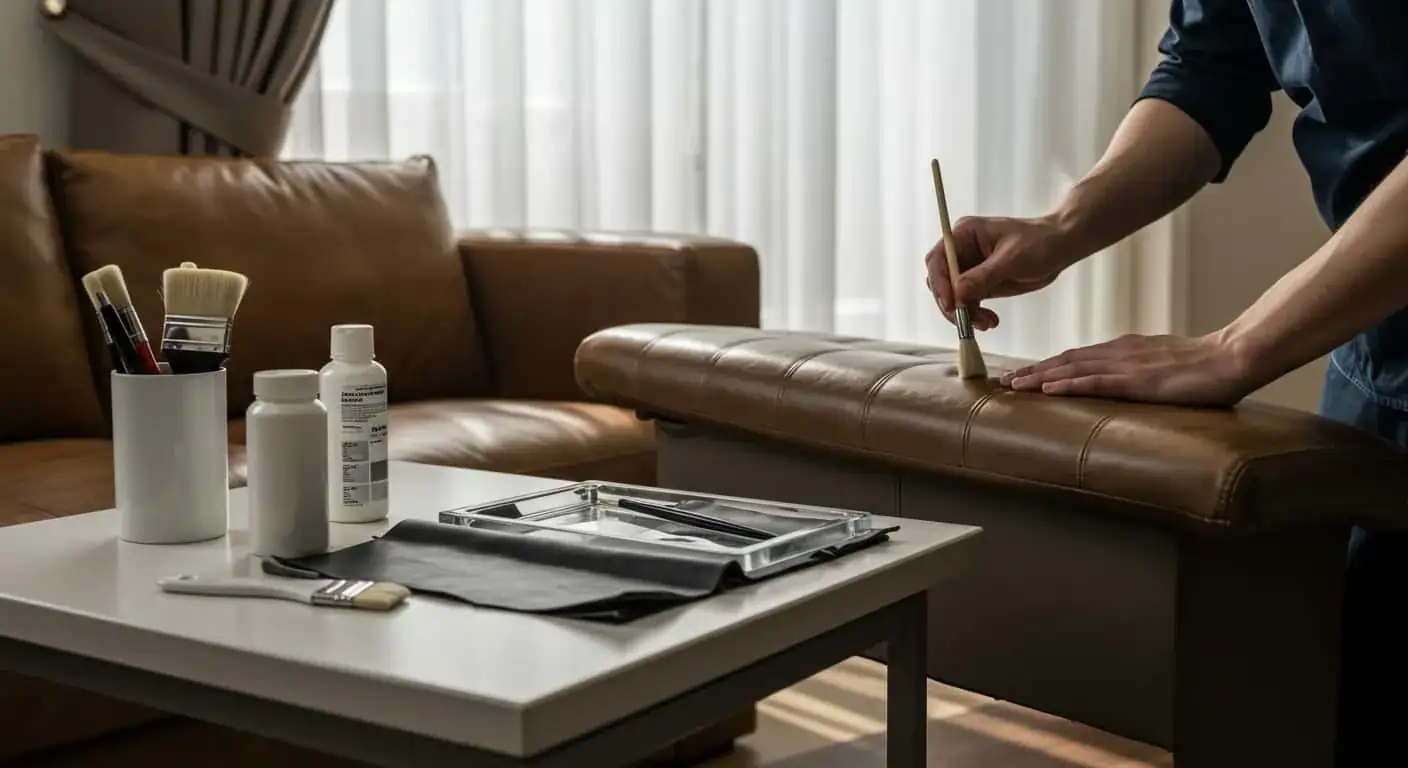
General dullness. Aniline leather that once looked rich and warm but now looks flat and lifeless has usually been over-cleaned with the wrong chemistry. The surface dye has been partially stripped and the natural oils are gone. This can be restored with specialist micro-pigmentation [micro-pigmentation: a technique that deposits pigment at grain level to recover lost colour], but it is far easier to prevent than to correct.
What Does Long-Term Ownership of Aniline Leather Actually Look Like?
Aniline leather that is properly cared for is one of the most rewarding materials to own over a long period. It develops genuine patina , not the fake distressed look applied to cheap leather in a factory, but the real thing: a deepening and warming of the surface as the dye oxidises naturally with light and use, as the grain softens and opens slightly, and as the character marks of the hide become more pronounced over years. A well-maintained aniline Chesterfield or Poltrona Frau armchair looks better at twenty years than it did at five. Nothing in the mass-market furniture category does that.
The practical steps are simple once you understand them. Dust weekly. Condition on the NCR climate calendar. Block UV. Use nothing on the surface that is not specifically made for aniline leather. Get a professional clean every two to three years. Spot the warning signs early and call a specialist rather than reaching for something from a supermarket shelf.
If you want to go further , protecting and documenting the piece as a long-term investment , the heirloom steps and the museum-grade maintenance guide cover the full care framework. The vegetable tanning guide explains why the tannage beneath the aniline finish matters as much as the finish itself. The full finish classification guide provides the technical depth behind the identification and care distinctions in this article.
NCR owners of aniline leather , Poltrona Frau, Natuzzi, B&B Italia Maxalto, Fendi Casa, Chesterfield, and any piece where the water-drop test confirms aniline or semi-aniline , can book tannage-matched conditioning, specialist aniline cleaning, UV assessment, and expert restoration through heritage leather restoration, surface refinement, and doorstep visits across Noida, Faridabad, and Ghaziabad.
Bookmark this page. The next time a spill lands on the sofa, or someone in the house reaches for the baby wipes, or you notice a dull patch that was not there before , the steps are here to guide the decision and the warning signs tell you whether this is a maintenance moment or a time to call a specialist.