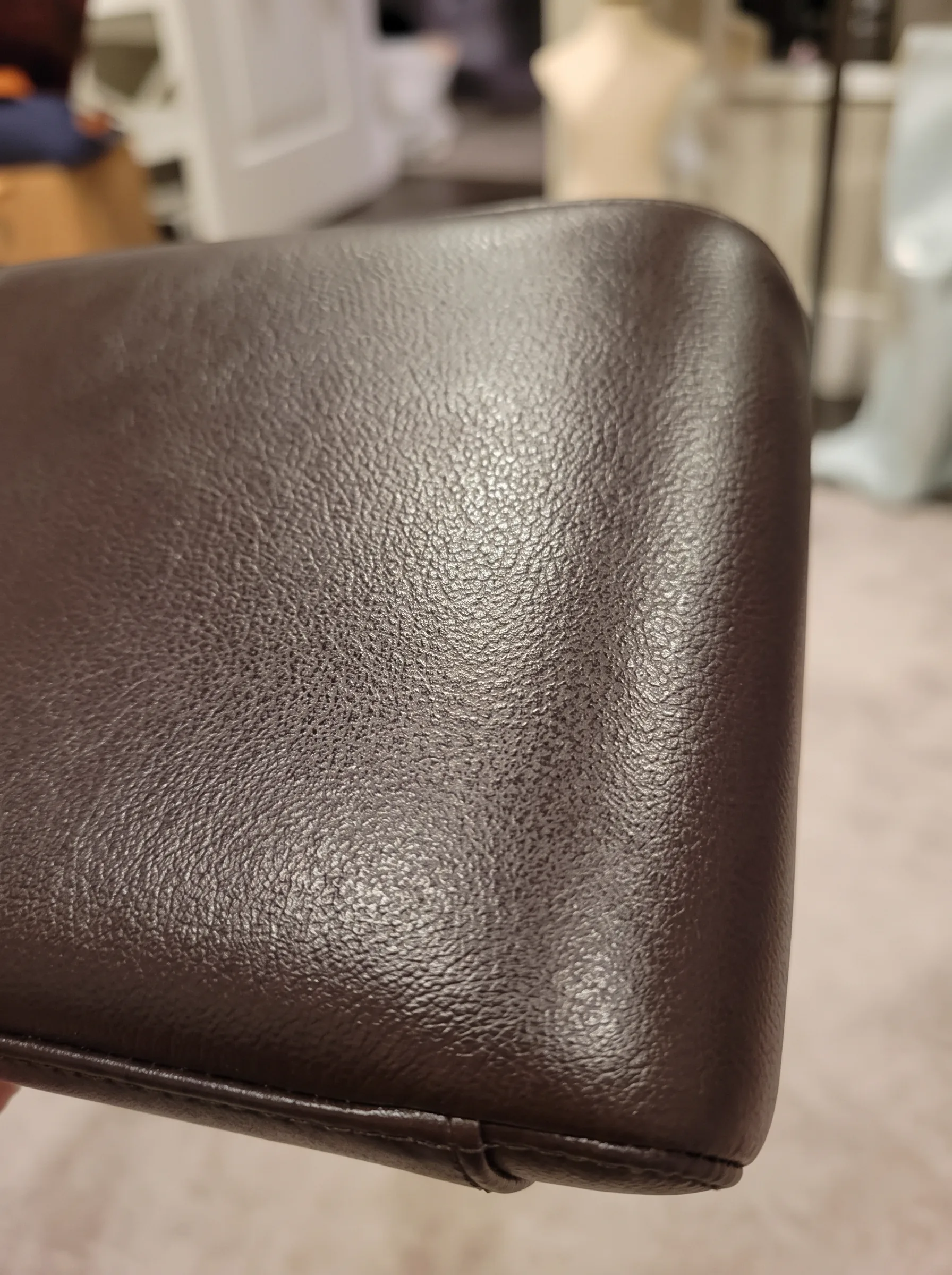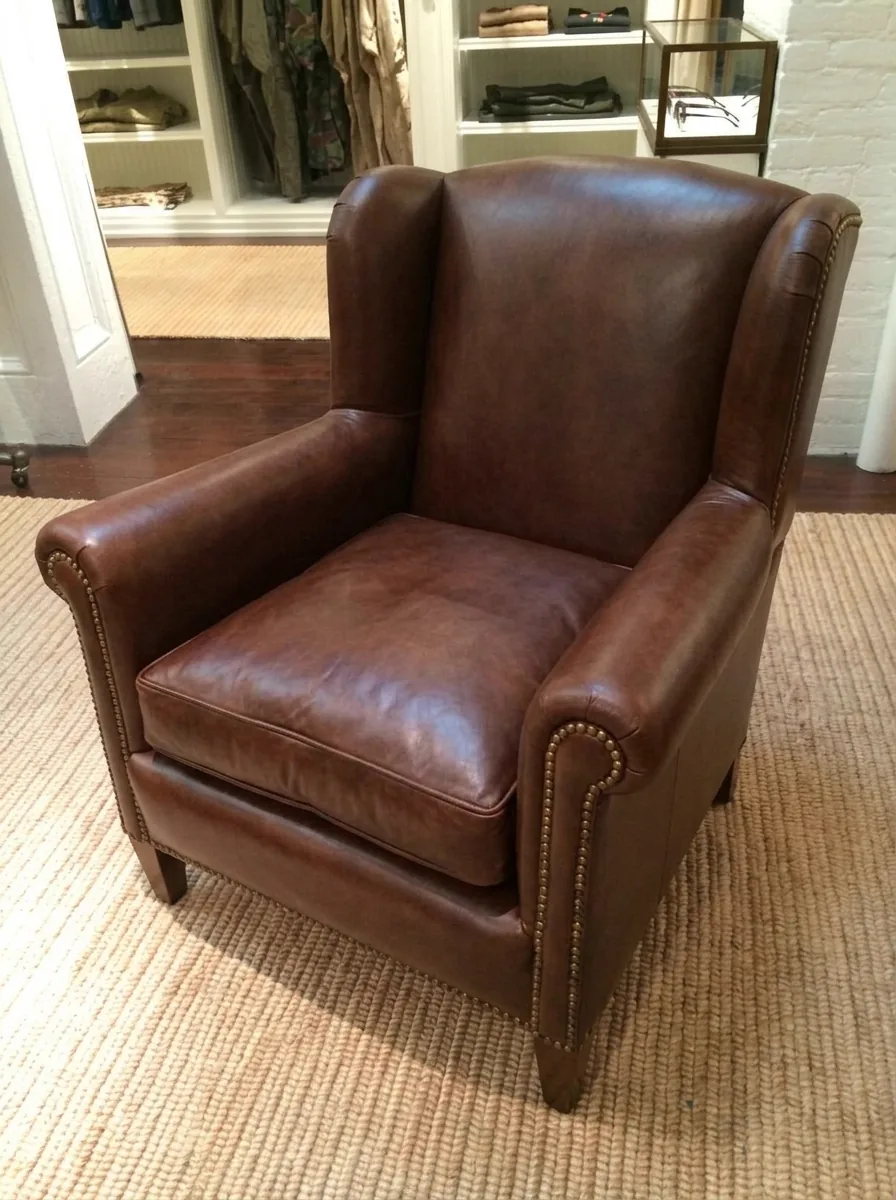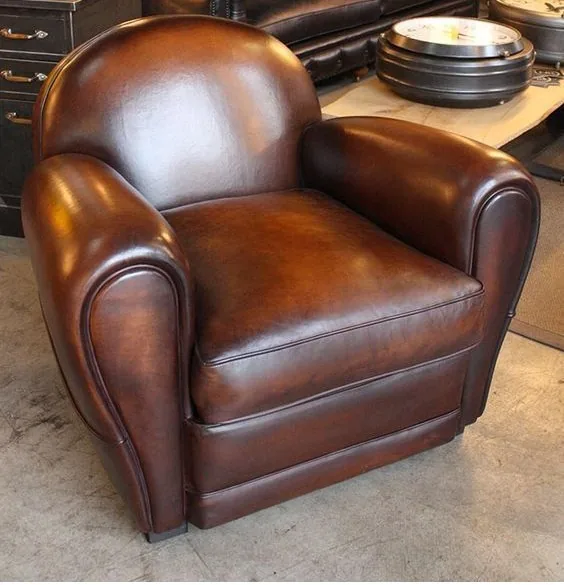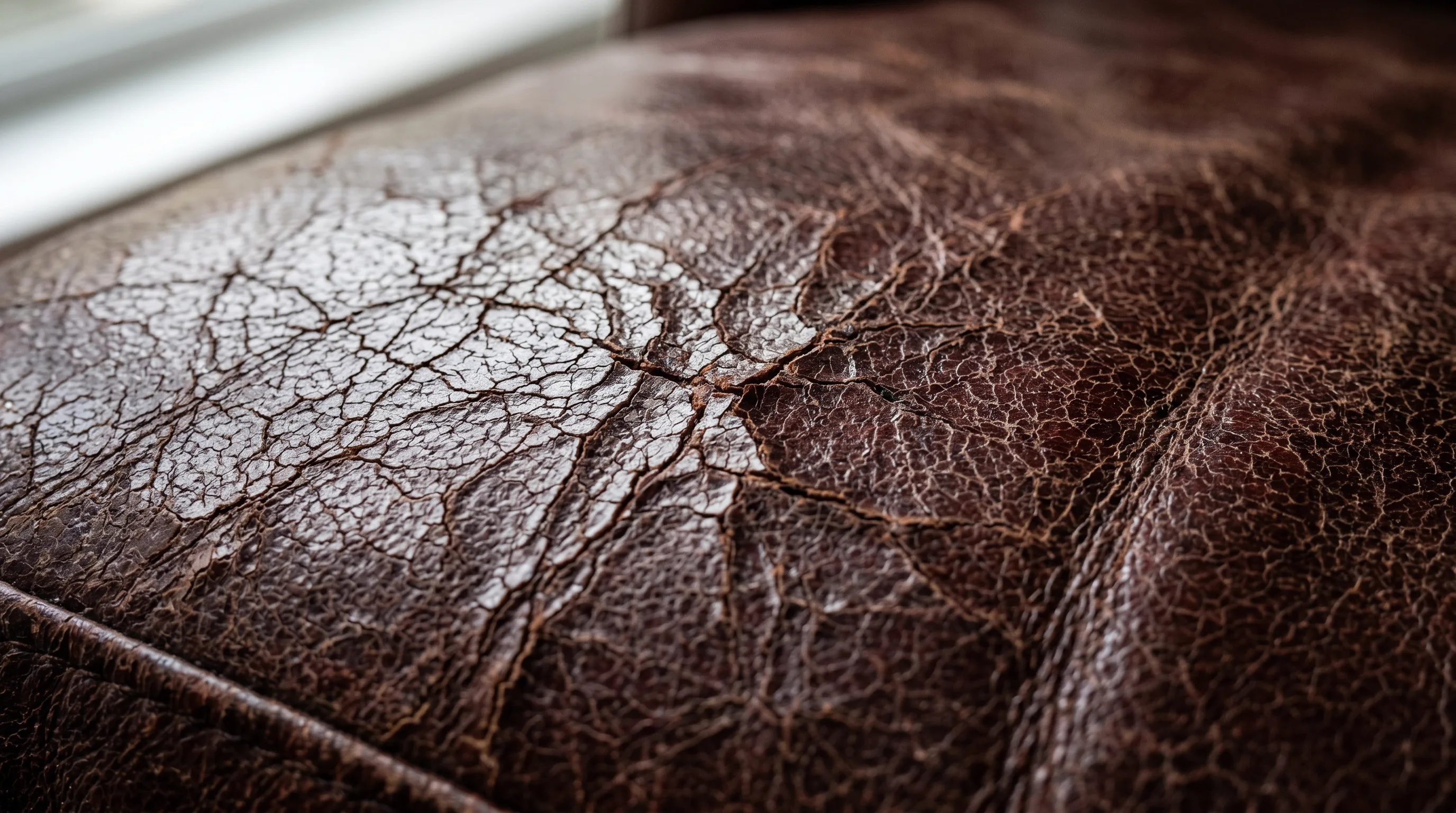
Your leather sofa does not fail dramatically. There is no single moment where it cracks or collapses. Instead, it deteriorates quietly from the inside over years , the fibres drying out, the internal layers losing their bond, the grain separating from the body of the hide , until one day what looked fine starts to crack, then peel, then flake. By the time you see it on the surface, the damage has usually been building for three to five years. This is fiber delamination: the structural failure that ends the life of more leather furniture than any other cause, almost always because the warning signs were invisible until they were not. This guide explains what is happening inside the hide, why Indian conditions make it worse than almost anywhere else, what each stage looks like, and , critically , at what point a fix is still possible. The chemistry behind why fat liquor matters is in the dedicated guide on fat liquor and leather longevity. What follows is the plain account of what happens when it runs out.
What Is Leather Made Of Inside?
To understand delamination, you need to understand what leather actually is on the inside. Think of it as a sandwich.
The top layer , the part you see and touch , is called the grain layer. It is the outer surface of the original animal hide, the side that had hair on it. After tanning, this becomes the smooth, pored surface that defines quality leather. It is thin , a millimetre or less on most furniture leather , but dense and tightly structured.
The thick layer underneath is called the corium. This is where most of the hide's mass sits. It is made of a dense network of collagen fibres woven into a three-dimensional mat. These fibres give leather its strength, its body, and its ability to hold shape under load. In quality furniture leather, the corium is several millimetres thick.
The tanner does not glue these two layers together. They are the same hide, grown together naturally, bonded by the continuous protein structure of the original skin. But that bond has a dependency: the fibres at the interface between grain and corium need to stay supple and lubricated to hold their structural integrity and stick to each other. The lubricant is fat liquor , a blend of natural and synthetic oils worked into the hide during tanning that keeps every fibre in the structure flexible and bonded.
When fat liquor runs out , through evaporation, through the dry heat of Indian winters, through the moisture cycling of the monsoon, through years without replenishment , the fibres start to dry out. The grain layer loses its flexibility. The bond between grain and corium weakens. The two layers begin, very slowly and invisibly, to separate. That separation is delamination.
The analogy that works: picture a stack of pages in a book kept dry for years. The pages are still there but they have lost the slight flexibility that lets them lie flat against each other. Press the cover and the pages fan out rather than staying bonded. That is early-stage delamination , the layers are present but the bond between them is gone.
What Does Each Stage Look and Feel Like?
Delamination moves through four stages. Your fix options shrink at each one, which is why knowing what stage you are looking at matters.
Stage 1 , Invisible drying (years 1 to 4 in Indian conditions)
Nothing visible. Fat liquor is running down inside the hide but the grain layer is still intact and the surface looks and feels normal. Your sofa may feel very slightly less supple than it did when new , less give, slightly stiffer , but most owners blame this on the leather "settling in." This stage is fully reversible with conditioning. A professional inspection catches the depletion before any structural damage sets in. There are no visible signs at Stage 1 , a professional is the only way to catch it.
Stage 2 , Surface micro-cracking (first visible sign)
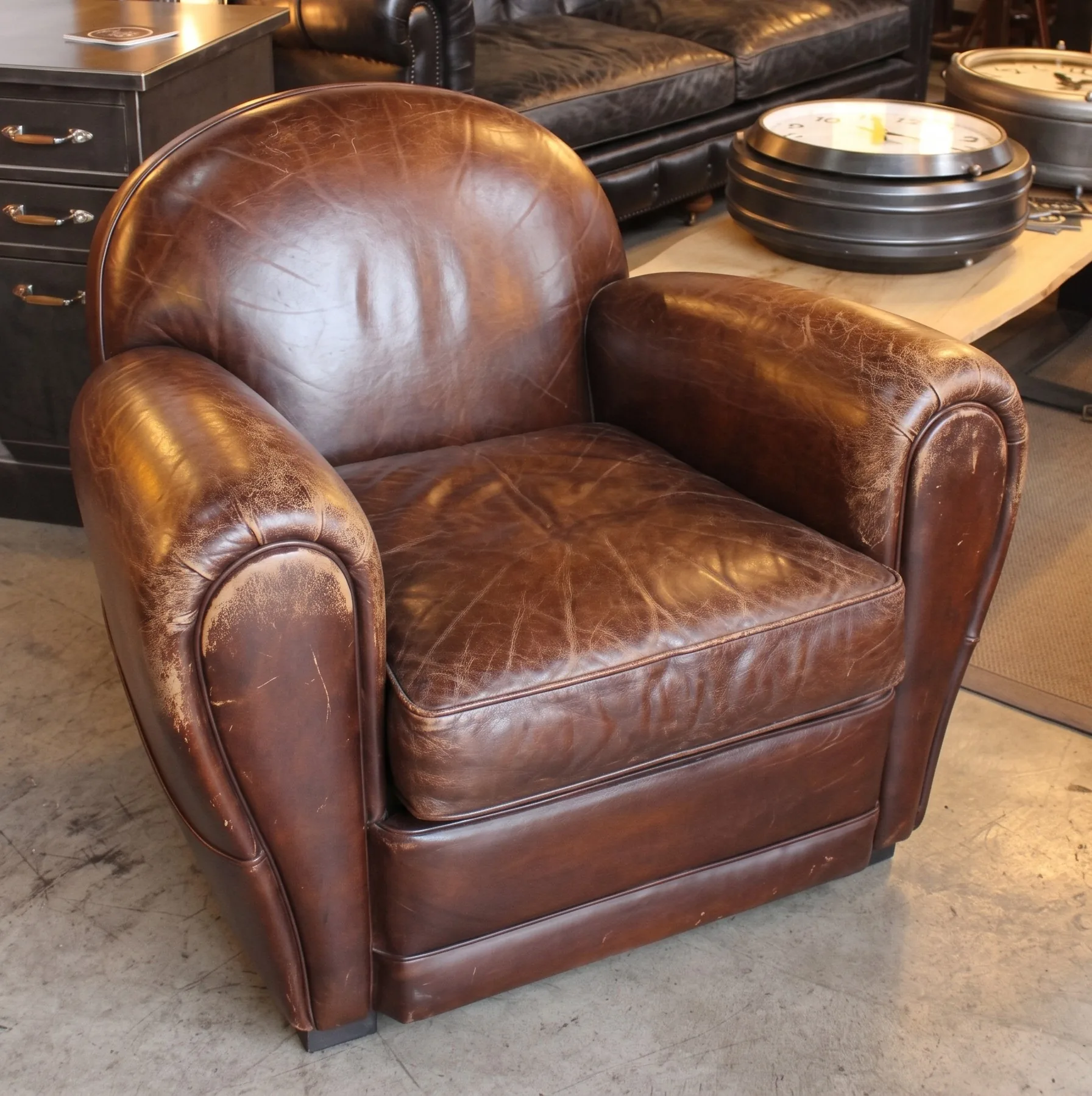
Fine lines appear along the grain. They follow the natural grain pattern of the hide , the leather looks like it is cracking along its own texture. These are not cosmetic surface scratches. The grain layer is starting to fracture because the fibre structure beneath it has dried out enough that it can no longer support the grain's natural flexibility. Normal use , sitting, shifting, the daily compression and release of someone on the sofa , is enough stress to open these cracks.
Under normal room lighting these cracks are easy to miss. Under raking light , a torch held at a low angle to the surface , they become clearly visible. Run your fingertip very lightly across the surface: Stage 2 micro-cracks have a slight roughness that a healthy grain surface does not.
Stage 2 is your critical window. Professional fibre stabilisation followed by deep re-fatliquoring at this stage can stop the cracking, re-lubricate the fibre structure, and restore enough bond between grain and corium to prevent Stage 3. This is a maintenance-level fix. Stage 3 is a full restoration project. The gap in time, cost, and outcome is significant.
Stage 3 , Grain lift and separation
The micro-cracks have widened and the grain layer has begun to lift away from the corium beneath. Press the surface with your fingertip and release , the grain does not spring back cleanly. It feels slightly loose, slightly hollow. You may see the grain starting to bubble or tent upward in small patches, especially at high-stress points like the seat front edge, the arm tops, and button-tuft pockets.
Stage 3 is still restorable but the fix is more involved. The grain needs re-bonding to the corium using specialist adhesive chemistry before re-fatliquoring, and the stabilisation work is more extensive. The surface will also need micro-pigmentation work after stabilisation because the grain movement at this stage disrupts the dye and finish layer. The outcome is good if you act now , but this is a full restoration project, not a maintenance treatment.
Stage 4 , Peeling and irreversible panel damage
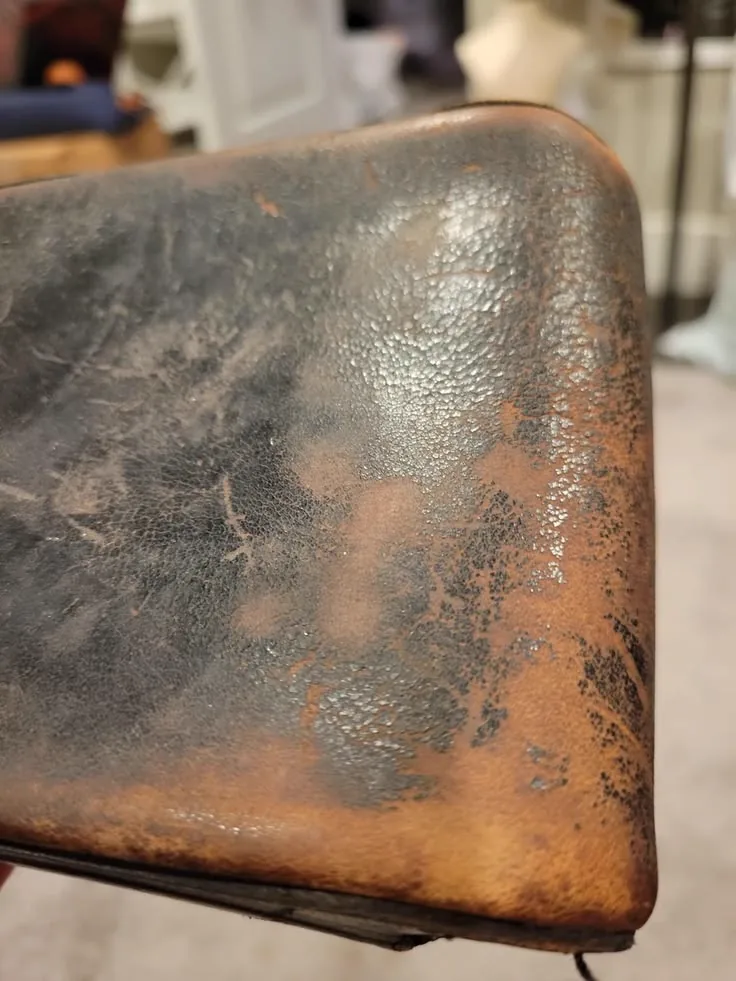
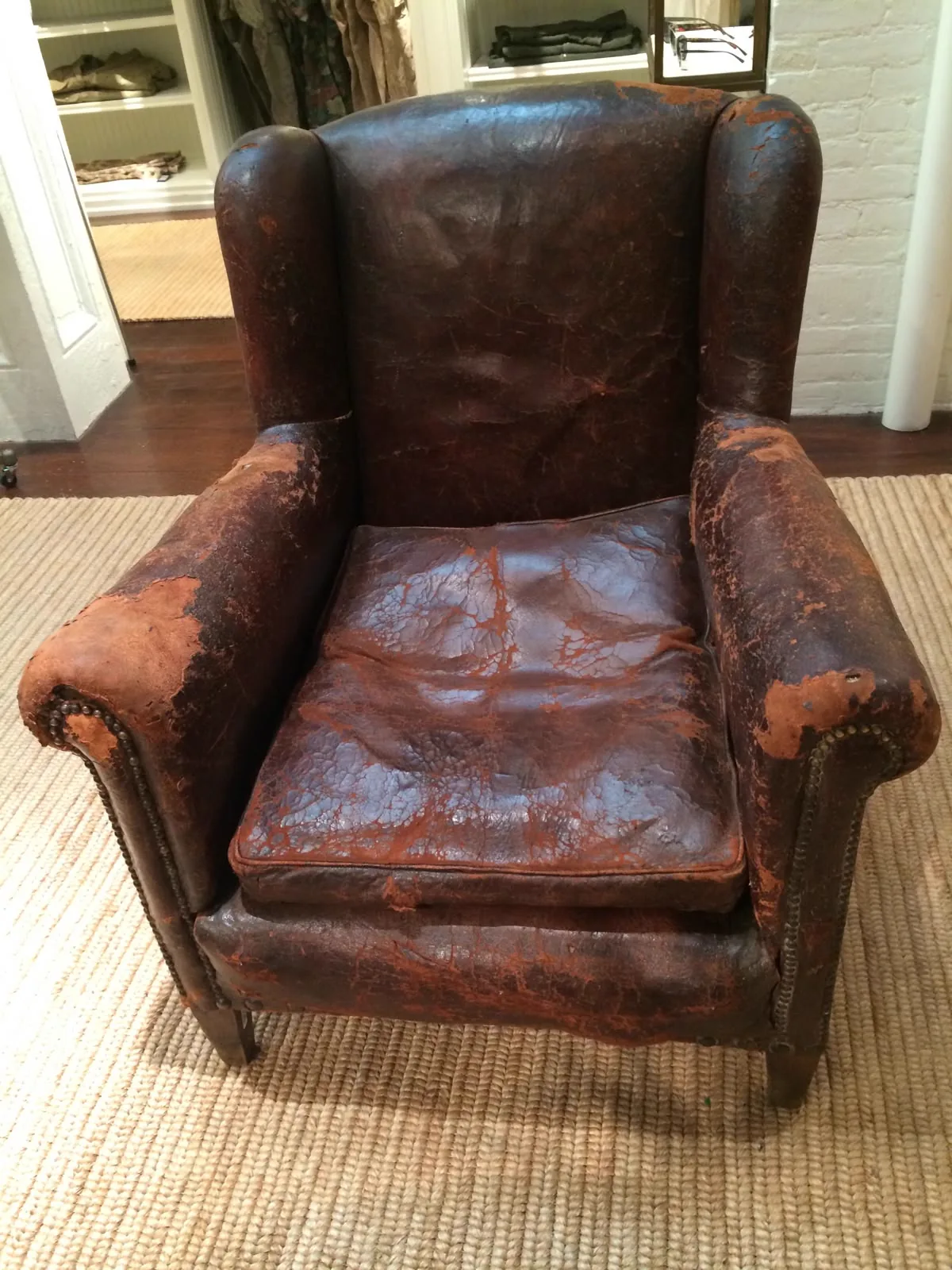
The grain layer is physically peeling away from the corium in patches. The corium surface , the fibrous inner layer , is exposed. The leather in those areas has lost its structural integrity at the grain level and no treatment can reverse it. The only option at Stage 4 is panel-level reconstruction: the damaged grain is removed from the corium and the panel is rebuilt with matched leather. This is skilled, time-intensive work and the outcome, while good, cannot fully replicate the original continuity of the hide.
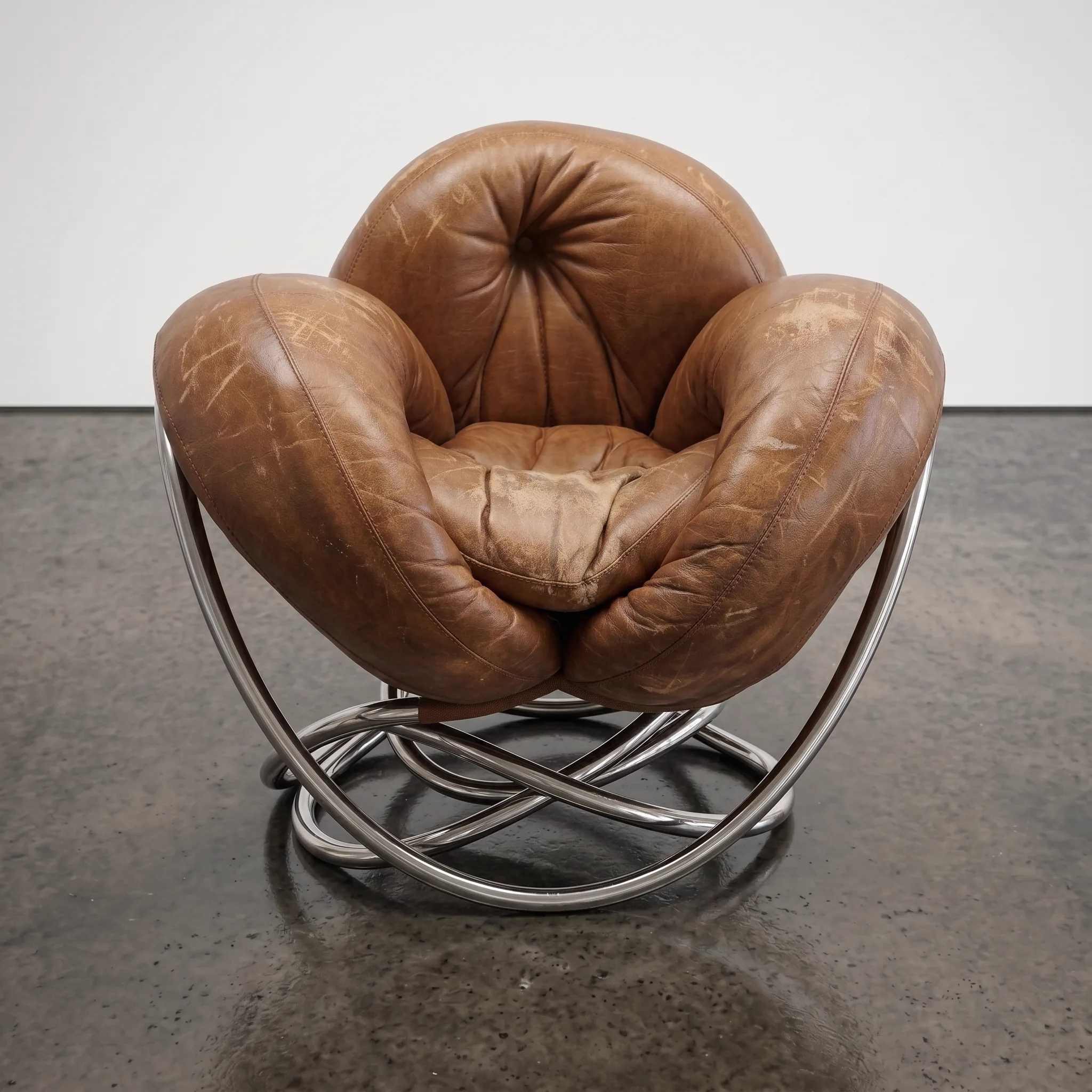
Sofas where large areas reach Stage 4 at the same time , usually because they sat at Stage 2 for years without any fix and then deteriorated fast , may reach a point where the cost of full panel reconstruction no longer makes sense against replacing the piece. This is the silent death the title refers to. The sofa did not fail suddenly. It failed invisibly over years, and by the time you noticed, the worst areas were already past saving.
Why Does India's Climate Destroy Leather Faster?
Delamination happens wherever leather goes without care, but India's climate combines three climate factors that drive fat-liquor depletion faster than almost any other urban environment in the world.
The monsoon-to-winter humidity swing. North-Indian relative humidity swings from above 70 percent during the monsoon to below 30 percent in the dry winter. For the leather's fibre structure, this is a cycle of swelling and contraction , the fibres absorb moisture in the monsoon and release it in winter. Each cycle stresses the inter-fibre bonds. Over years of cycling without fat-liquor replenishment, those bonds fatigue. The full monsoon impact is in the monsoon leather care guide and the winter side in the winter smog guide.
The winter dry-heat effect. Most Indian homes run central heating or room heaters through winter. Heated indoor air at low relative humidity pulls fat liquor out of the hide fast. The evaporation rate in a heated room at 20 percent relative humidity is far higher than in a temperate home at 50 percent. Your sofa can lose a meaningful share of its fat-liquor reservoir in a single dry Indian winter without conditioning.
UV load. A high UV index across a long sunny season breaks down dye chromophores at the grain surface , documented in the UV degradation guide , and at the same time speeds up the oxidative breakdown of the fat-liquor compounds in the surface layers. UV damage and fat-liquor depletion compound each other: UV weakens the grain surface while depletion weakens the grain-corium bond from below.
The result: leather furniture in an Indian home without a conditioning routine will typically reach Stage 2 micro-cracking three to five years faster than the same furniture in a temperate European climate. This is not a theoretical risk. It is what we see consistently at the workshop in pieces that have been in Indian homes for a decade without professional care. On the coast the arithmetic is harsher again - salt-laden sea air holds humidity high all year, so the grain-corium bond never gets a dry season to recover in and the lift shows first at seat folds and inner arms, which is the pattern behind most of our coastal-humidity delamination repair work in Adyar, Besant Nagar and along the ECR.
What Makes Delamination Happen Faster?
Beyond the Indian climate baseline, several specific things dramatically speed up delamination. If any of these apply to your sofa, move the inspection timeline forward.
Alkaline cleaning products. Anything above pH 7 on the leather surface reacts with the hide chemistry and breaks down the fat-liquor compounds at the surface layer faster than climate alone would. A decade of wiping the sofa with a mild kitchen spray is a decade of accelerated fat-liquor stripping , delamination arrives sooner as a result. The pH mechanism is in the pH balance guide.
Conditioning with the wrong products. Not all conditioning products work, and some cause harm. Coconut oil and olive oil , which many owners apply thinking they are helping , initially penetrate the hide but oxidise over three to six months. They produce rancid compounds that coat the fibres and block proper conditioning from penetrating afterward. A hide "conditioned" with coconut oil every year for five years may be more depleted beneath the oxidised surface than a hide that was never conditioned at all. The coconut oil damage timeline documents this month by month.
Mechanical stress without structural support. When your sofa's internal foam or fibre padding has compressed to the point that the leather takes the full load of sitting , rather than the padding beneath it , the grain-corium stress at contact zones increases sharply. Compression and release with no underlying support concentrates stress at exactly the grain-corium interface where delamination begins.
Prolonged exposure to direct heat. Leather near a radiator, fireplace, or heater loses fat liquor fast on the side facing the heat. Uneven fat-liquor depletion across a panel creates uneven stress at the grain-corium interface. Delamination in heat-exposed zones arrives much faster than in the protected zones of the same piece.
How to Check Your Sofa in 10 Minutes
You can do a reasonable Stage 1-to-Stage 3 self-assessment in ten minutes with nothing more than a torch.
The raking-light inspection. Hold a torch , your phone torch works , at a very low angle to the leather surface, almost parallel to it. Raking light reveals surface texture that is invisible under normal overhead lighting. Run the beam slowly across each panel. Stage 2 micro-cracks appear as fine lines catching the light at a different angle from the surrounding grain. Stage 3 grain lift shows up as slightly raised patches catching the raking light on their uphill edge. A healthy hide shows a consistently smooth grain texture with no linear cracking or raised zones.
The fingertip drag test. Run the back of your fingernail very lightly across the surface , lightly enough that you are feeling texture rather than scoring it. A healthy hide feels slightly grippy and uniform. Stage 2 cracking has a fine roughness in the crack lines. Stage 3 grain lift has a slight looseness , the surface moves under your fingertip rather than feeling firmly bonded to the body beneath.
The press-and-release test. Press your thumb firmly into the leather at a contact zone , centre of a seat cushion, top of an arm , then release. On a healthy hide, the leather springs back cleanly and the grain settles flat immediately. Early Stage 3 delamination produces a slight delay in the spring-back. The grain surface may not settle completely flat after the press.
If any of these tests give you a result you are unsure about, book a professional assessment , do not apply a home conditioning treatment. Conditioning Stage 3 leather without professional fibre stabilisation first can temporarily hide the signs of delamination while the separation continues beneath the conditioned surface.
How Do You Prevent Delamination?
Delamination is almost entirely preventable. You only need three things, done consistently.
Regular conditioning on the Indian climate calendar. Condition before the monsoon and after the monsoon as your minimum baseline. These are the two biggest fat-liquor stress events in the Indian year. Use only tannage-matched conditioning products: vegetable-tanned leather needs a vegetable-tannage-matched conditioner; chrome-tanned needs a chrome-compatible synthetic ester emulsion. The match matters because a mismatched conditioner either fails to reach the corium or sits on the surface without feeding the fibre structure. The science is in the moisturizing guide.
pH-neutral cleaning only. Never use anything above pH 6 on the leather surface. This one rule removes the most common accelerant of fat-liquor depletion from the equation. Every household cleaner above pH 6 that has ever touched your sofa has been speeding up its breakdown , even if you called it "cleaning."
A professional inspection every two to three years. Stage 1 delamination , invisible, fully reversible, needing only a conditioning treatment , is only catchable by a professional who knows what to look for. The cost of a check every two years is a small fraction of a Stage 3 restoration on the same sofa three years later. The full inspection steps used at the workshop are in the Project 001 Chesterfield case study.
If you own a heritage piece , Poltrona Frau, vintage Chesterfield, B&B Italia Maxalto, Fendi Casa , the full care framework covering delamination prevention as part of a broader archival approach is in the museum-grade maintenance guide and the heirloom protocol. The aniline-specific vulnerability that makes delamination especially damaging on uncoated luxury finishes is in the aniline preservation guide.
"Stage 2 is a conditioning appointment. Stage 3 is a restoration project. Stage 4 is a panel reconstruction. The same hide, the same sofa, the same outcome of neglect , just three different points in the same silent progression."
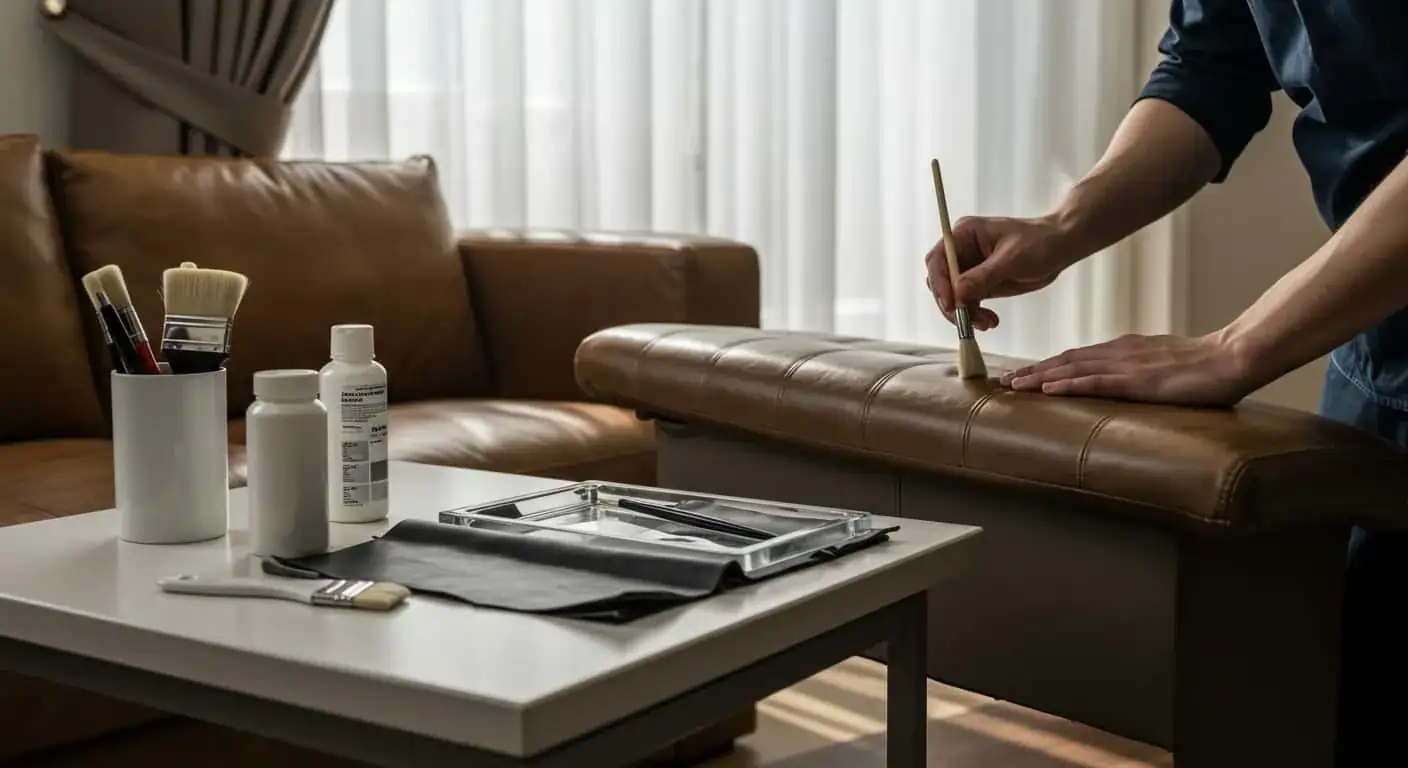
If you have noticed any of the warning signs above , micro-cracking, grain lift, loss of suppleness, sticky contact zones, or if your sofa simply has not had professional care in more than three years , you can book a delamination assessment, fibre stabilisation treatment, and expert re-fatliquoring through heritage leather restoration, surface refinement, and doorstep workshop visits across Noida, Faridabad, and Ghaziabad.
Bookmark this page. The next time you run a torch across your sofa and see something new , fine lines in the grain, a patch that looks slightly raised, a surface that does not feel firmly bonded , this page tells you what stage you are at and what your window is. Stage 2 is fixable with a single professional treatment. The same sofa at Stage 4 is a panel reconstruction. Act at Stage 2.