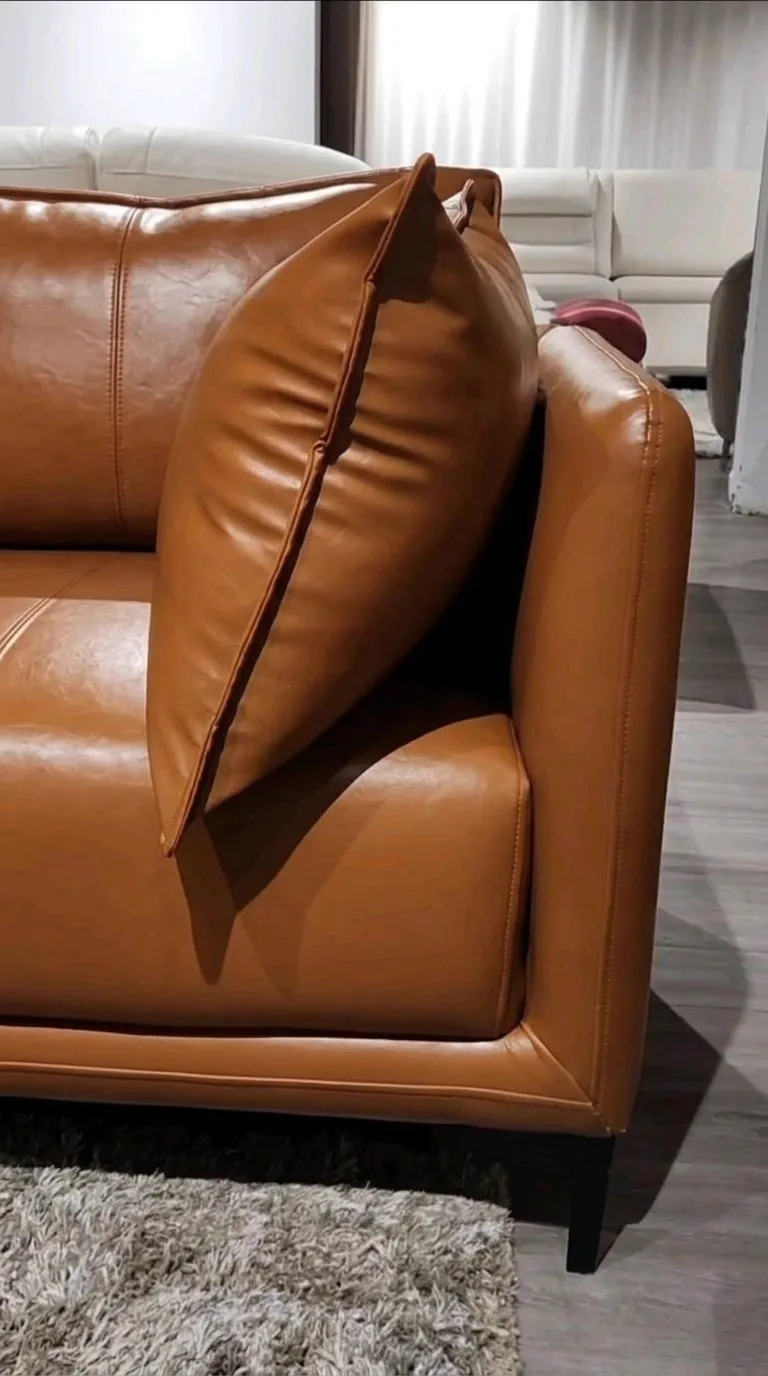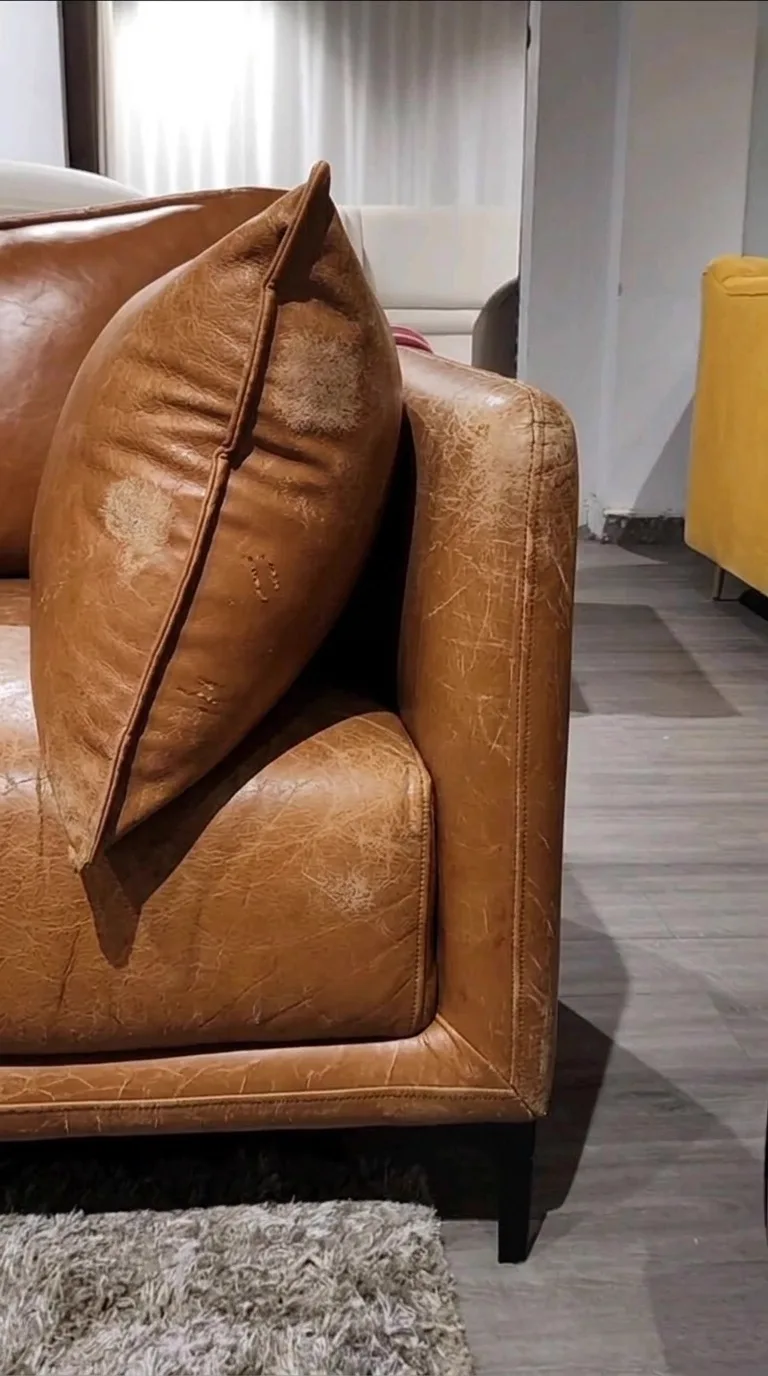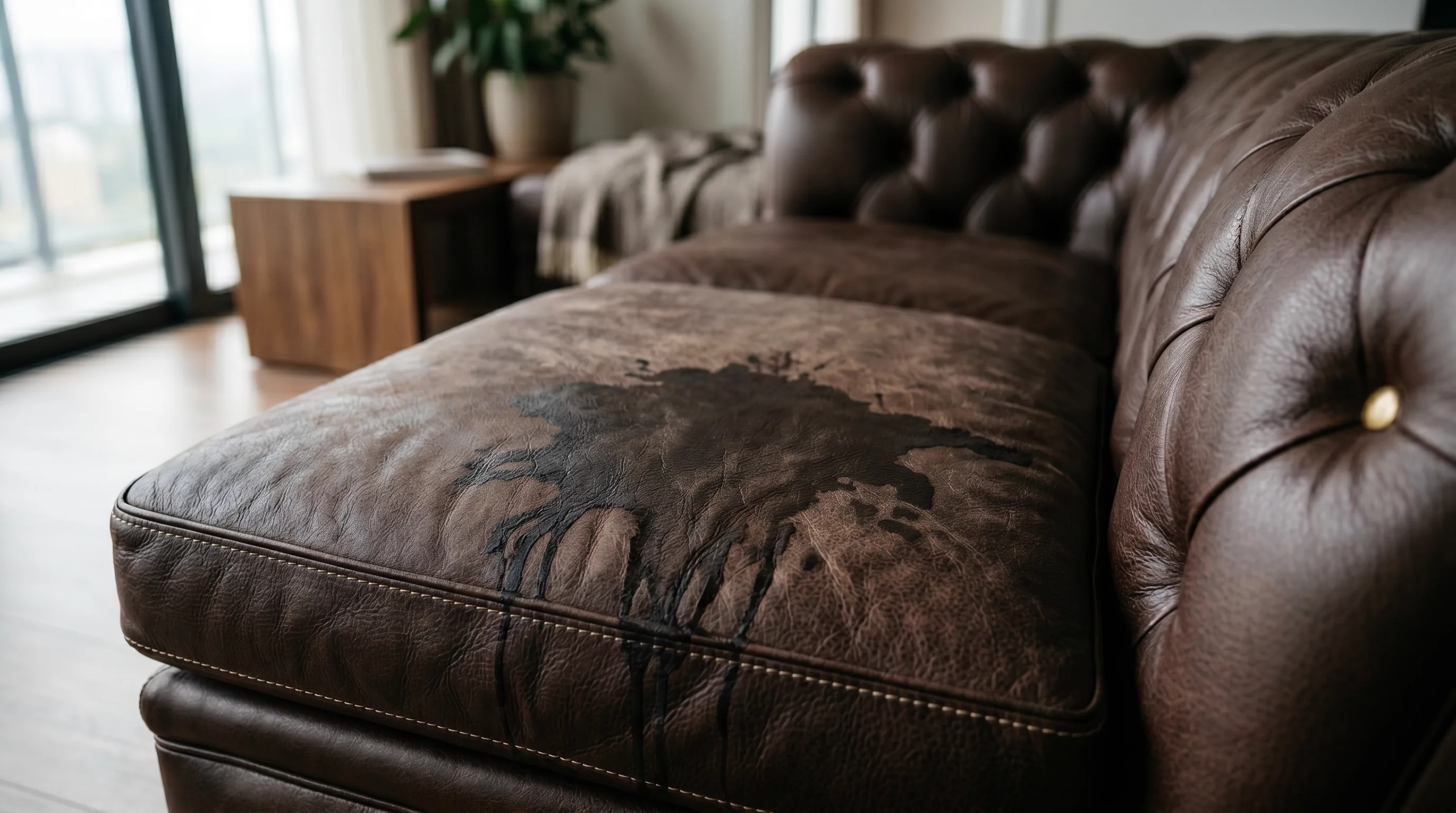
You used saddle soap on your leather sofa because the tin says "leather" and that felt like enough. It is not. Saddle soap was made in the nineteenth century for thick, vegetable-tanned tack leather , a category with almost nothing in common, chemically, with the chrome-tanned aniline and semi-aniline upholstery on your sofa. The wrong product on the wrong leather causes cosmetic dulling within weeks and irreversible binder failure within months. This article documents the damage timeline, explains why the chemistry is unforgiving, identifies the narrow case where saddle soap is still correct, and lays out the workshop recovery steps when damage has already started. Terms throughout are defined in the leather conservation glossary. The foundational chemistry is in the dedicated guides on pH balance and fat liquor.
Why Is Saddle Soap Still in People's Cupboards?
Saddle soap was first sold in the 1800s for the working leather of the horse-drawn era. The customer was a stable hand or cavalry quartermaster. The leather was harness, bridle, saddlery, and tack , heavy, thick, vegetable-tanned hides that lived outdoors, absorbed sweat and dust through long working days, and needed a deep alkaline clean followed by a heavy oil dressing to stay supple. The product was built for that exact use. It cleaned aggressively because tack leather could tolerate it. It deposited tallow and beeswax because tack leather needed heavy fat replenishment.
The product survived the shift from horse-drawn transport to the automotive age. The application context did not. The cavalry quartermaster gave way to the equestrian hobbyist, then to the household consumer who read "leather" on the tin and assumed it covered all leather. By the time saddle soap reached the mid-twentieth-century homemaker's shelf, its original substrate had been replaced in most homes by chrome-tanned upholstery , a leather chemistry that did not exist when saddle soap was first made.
That mismatch is the heart of the problem. The product is not bad. The advice to "use saddle soap on leather" is not maliciously wrong. It is simply a century out of date, passed down as folk knowledge, and applied to a leather category it was never made for. The tin in the cupboard still works on a vegetable-tanned saddle. It quietly destroys a chrome-tanned Italian sofa.
The rule: saddle soap is right for the leather it was built for , thick vegetable-tanned tack and traditional craft leather. It is wrong, often seriously so, for the chrome-tanned aniline and semi-aniline finishes on virtually all luxury furniture leather made since 1950. Tannage determines what is safe to use. The word "leather" alone tells you nothing.
What Is in Saddle Soap That Damages Furniture Leather?
Saddle soap is not a soap in the modern toiletry sense. It is a heavy alkaline cleaning paste whose chemistry has barely changed in over a century. Three components define it.
1. Alkaline pH (typically 9 to 10)
Most commercial saddle soap formulations sit between pH 9 and pH 10 , two to three full pH units above the safe band for chrome-tanned leather. The alkalinity is deliberate. It lifts dirt and salt from heavily soiled tack. On your sofa, that same alkalinity directly attacks the chromium-collagen complex inside chrome-tanned hides. The full mechanism is in the pH balance guide. The short version: chrome leather lives at pH 5.0 ± 0.5, and anything outside that band damages it.
2. Heavy tallow and beeswax loading
Saddle soap carries a substantial fat content , historically tallow (rendered animal fat), with beeswax added for film integrity. On vegetable-tanned tack, this replenishes the heavy oil dressing that working leather constantly loses to friction, sweat, and weather. On chrome-tanned furniture leather, the same fat content clogs the microscopically permeable pore structure that gives premium upholstery its breathability and moisture regulation. The waxes never integrate with the hide chemistry. They sit on top as a film that thickens with each application.
3. Residual potassium hydroxide (lye)
Saddle soap is made through saponification , the reaction in which a fatty acid (the tallow) combines with a strong base (potassium hydroxide, also called potash lye) to produce soap and glycerine. Trace amounts of unreacted potassium hydroxide remain in the finished product. On thick vegetable-tanned hide, the residual lye is buffered by the leather's own alkaline tolerance. On thin chrome-tanned upholstery, it targets aniline dye chromophores, finish binders, and the chromium complex at the molecular level. The damage is cumulative. Every application adds a fresh dose.
Together, these three components make a product that is right for the leather it was built for and damaging for the leather most people apply it to.
How Does Saddle Soap Actually Damage Your Sofa?
Four failure mechanisms run at the same time when saddle soap touches a chrome-tanned aniline or semi-aniline sofa. Each has its own timeline and visible signature. The combined effect is what the workshop sees at intake.
Mechanism one , fat liquor stripping. The alkaline pH of saddle soap saponifies the synthetic esters and sulphated lanolin emulsion that make up the engineered fat liquor inside the hide. What this means: the chemistry a conservator works hardest to preserve gets converted by saddle soap's alkalinity into a soap film that rinses away. Each application strips a measurable fraction of the hide's fat liquor reserve. Your sofa becomes progressively drier, stiffer, and less supple , even though the surface looks superficially cleaner.
Mechanism two , pore blockage from heavy waxes. The tallow and beeswax that work on tack become a sealing film on aniline upholstery. Within weeks of the first application, the pore structure that lets the hide exchange moisture with ambient humidity is blocked. Your leather can no longer regulate its own water content. Conditioning products applied later cannot penetrate. The same waxes attract dust, lint, and clothing fibre , producing a progressively dirtier surface that you try to clean with more saddle soap, accelerating the cycle.
Mechanism three , dust-attracting residual film. The thin film of saponified residue and unrinsed wax holds an electrostatic attraction for airborne particulates [tiny airborne particles]. Within a month of regular saddle soap use, the sofa collects measurably more dust than before treatment started. The "clean leather product" is producing a visibly dirty sofa.
Mechanism four , alkaline attack on aniline chromophores. Aniline dyes , the soluble dyes that give true aniline leather its translucent depth and characteristic colour , are pH-sensitive at the molecular level. Sustained alkaline exposure damages the chromophore [the molecular structure responsible for colour], producing fade, hue shift, and uneven lightening. On semi-aniline finishes, the alkalinity also attacks the binder system in the protective top-coat, eventually producing crocking , visible colour transfer to clothing and contact surfaces.
When Is Saddle Soap Actually the Right Product?
Saddle soap is not a bad product. It is a misapplied one. On its native substrate , thick vegetable-tanned tack, saddlery, briefcases, traditional bookbinding leather, museum harness collections, and craft leather , saddle soap is the right periodic cleaner. Horse owners, conservators, and leatherworkers have used it for more than a century. The full distinction between vegetable and chrome tannage, with the chemistry behind why each needs different care, is in the tanning chemistry guide.
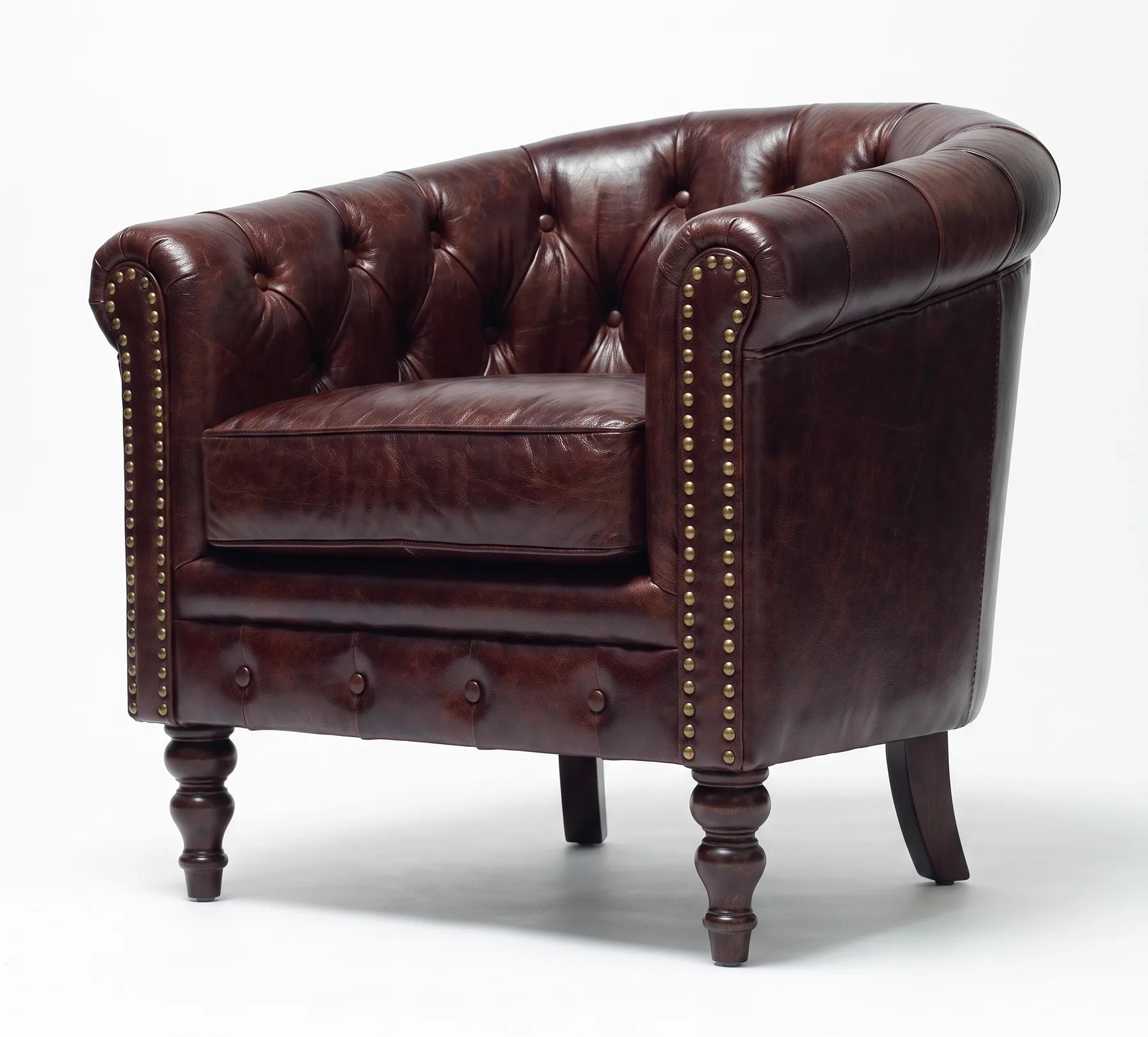
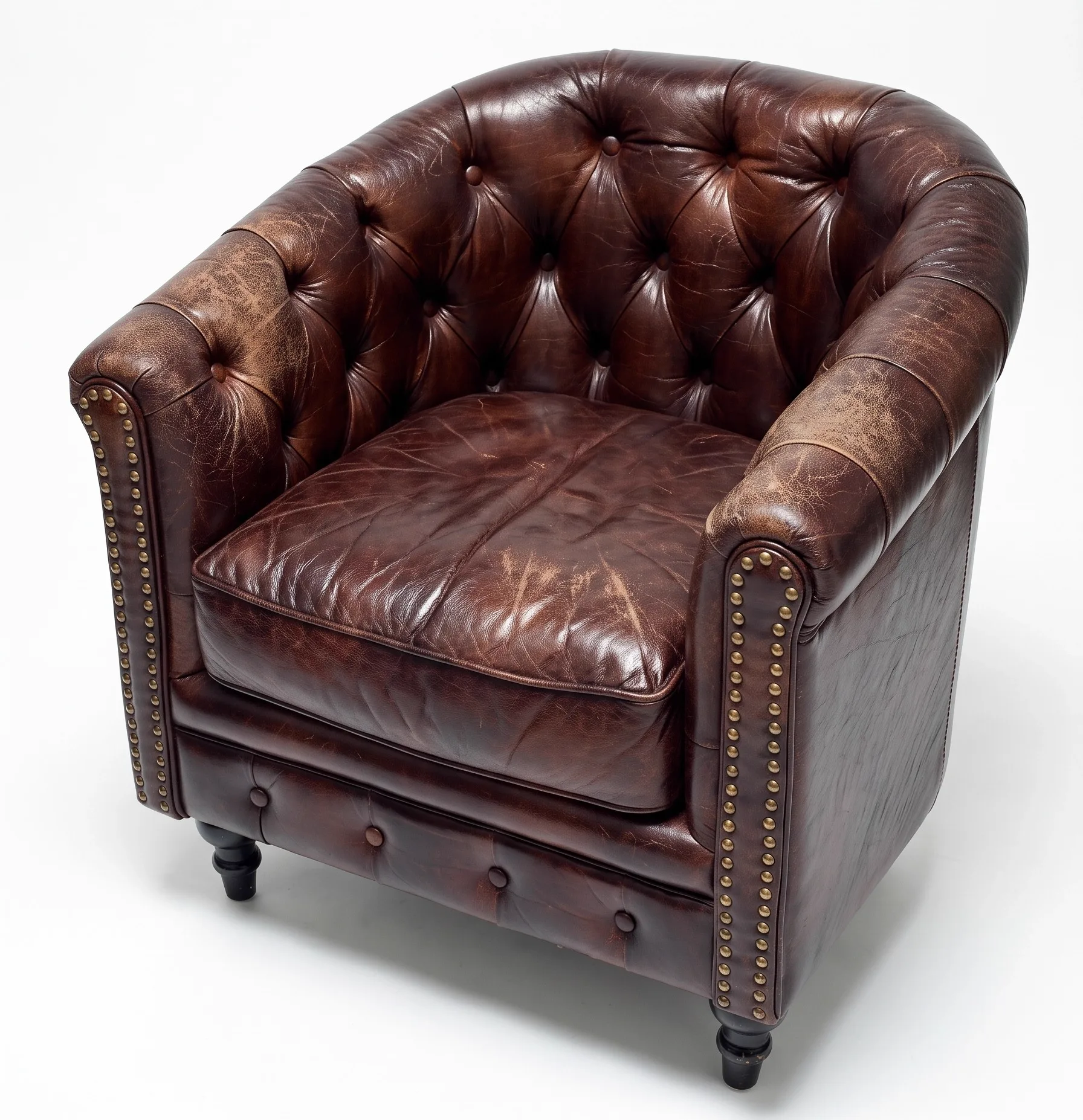
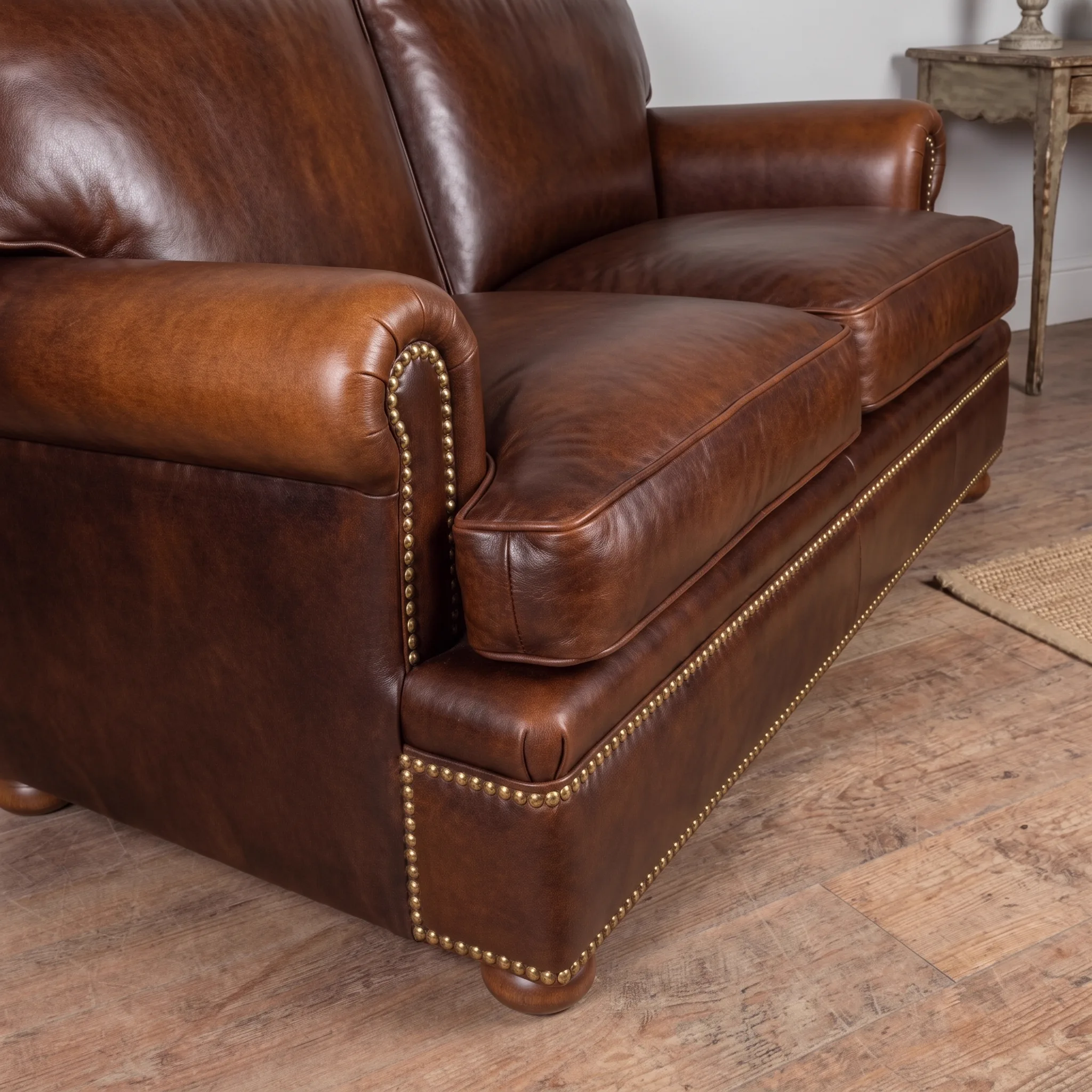
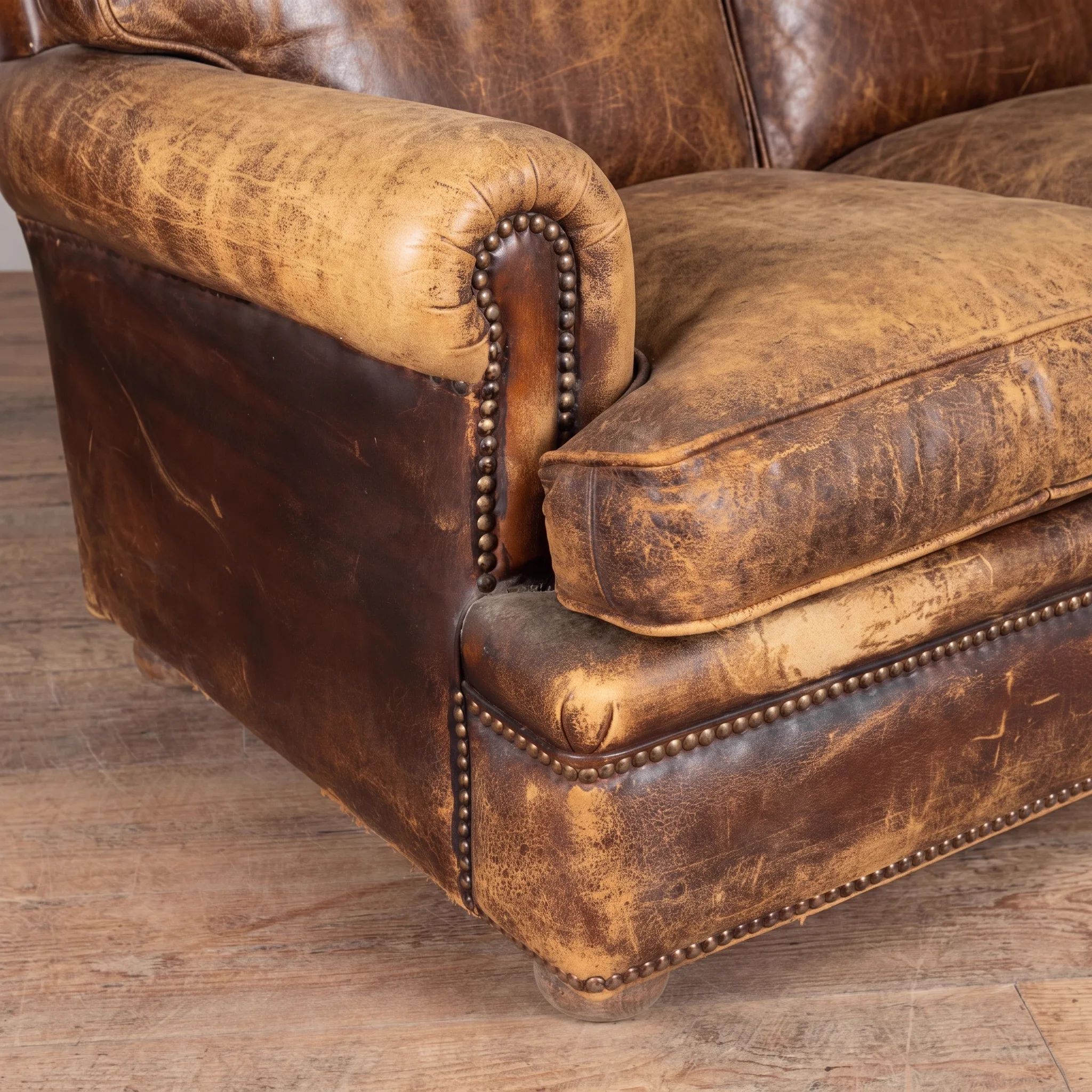
The exception gets narrower at the furniture boundary. A small number of luxury furniture pieces , particularly vintage English Chesterfield armchairs in heavy pull-up leather with traditional oil-dressed finishes , sit closer to the tack-leather end of the spectrum than the modern chrome-tanned aniline mainstream. Saddle soap tolerance on these pieces is better than on contemporary aniline upholstery, but still risky. The alkaline chemistry can disturb the pull-up effect. The heavy waxes still block pores. Cumulative damage still builds, just more slowly. The workshop recommendation for these pieces is the same: use a pH-neutral leather cleaner, not saddle soap.
The simplest rule for any owner: check the tannage and the finish before applying any product. If your piece is aniline, semi-aniline, or pigmented chrome-tanned leather , and that covers nearly all modern luxury furniture , saddle soap is wrong. The categories are documented in the aniline, semi-aniline, and pigmented finishes guide. If the piece is genuine vegetable-tanned tack or traditional craft leather, saddle soap is correct in moderation. The word "leather" alone tells you nothing.
How Quickly Does Saddle Soap Damage a Leather Sofa?
Saddle soap damage follows a consistent timeline across most chrome-tanned aniline and semi-aniline pieces. The intervals below come from years of workshop intake. Individual pieces vary by hide quality, application frequency, and ambient conditions, but the sequence is reliable.
Week one , apparent improvement and false gleam
The leather looks slightly cleaner after the first application. The wax loading produces a faint surface gleam that reads as "polished" or "nourished." You conclude the product is working. What actually happens: a thin wax film deposits on top of an already-stripped fat liquor reserve. The visible improvement is cosmetic and temporary. The chemistry damage is silent and has begun.
Month one , sticky residue and dust build-up
The wax film thickens with the second and third application. The surface develops a subtle tackiness that catches lint, dust, and clothing fibre. Your sofa collects dirt faster than before saddle soap use started. Most people interpret this as the room being dustier than usual and apply more saddle soap , accelerating the cycle.
Month three , visible darkening and uneven sheen
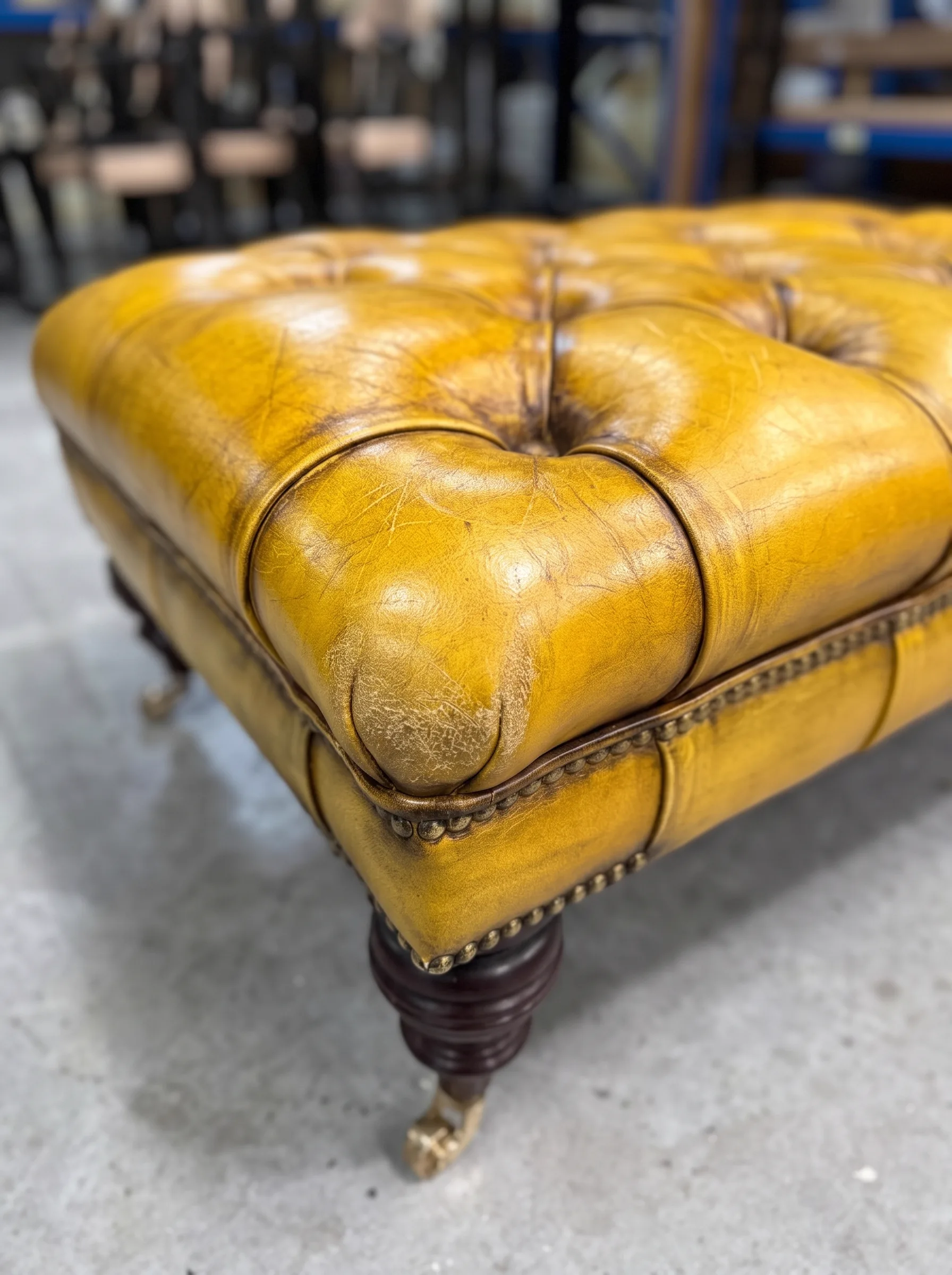
Cumulative wax loading and early fat liquor stripping produce visible changes across the panel. High-contact zones look darker than the surrounding hide. The sheen is uneven where saddle soap was applied heavily versus lightly. The hide starts to feel measurably stiffer. Aniline pieces begin to show early hue shift in the most-affected zones.
Month six , binder failure begins; crocking appears
On semi-aniline finishes, the top-coat binder starts to fail under sustained alkaline exposure. Crocking appears , visible colour transfer to clothing during normal seating. On true aniline pieces, the dye chromophores show structural damage. Uneven fade and lightened patches develop in the high-contact zones. The hide's drape is noticeably compromised. The piece feels stiff and papery instead of supple.
Beyond month six , structural damage sets in
Continued saddle soap use past this point crosses from cosmetic into structural damage. The fat liquor reserve depletes past the threshold where surface conditioning can rebuild it. Only workshop re-fatliquoring will restore drape. The pore structure is fully blocked. The hide can no longer self-regulate moisture. On aniline pieces, panel-level moisturising and micro-pigmentation are both required to recover the colour and the suppleness. The cost of fixing it shifts dramatically.
Which Luxury Brands Are Most at Risk?
The luxury Italian and continental furniture pieces that arrive most often at the workshop with saddle soap damage are also the brands least able to tolerate it. Each uses chrome-tanned aniline or semi-aniline leather as its signature material. None are vegetable-tanned tack. Saddle soap is wrong for all of them.
Poltrona Frau Pelle SC , the brand's flagship semi-aniline. The Pelle SC archive includes 27 documented colours produced through aniline-soluble dye chemistry that is acutely vulnerable to alkaline attack. Saddle soap residue on Pelle SC produces measurable hue shift within months. Brand-specific care is in the Natuzzi and Poltrona Frau care guide.
Natuzzi Iconic and Naturalmente , chrome-tanned aniline and semi-aniline finishes across the premium tiers. The Italian leather industry's chrome tannage standard is the same chemistry saddle soap was never made for. Brand documentation explicitly warns against alkaline cleaners.
Fendi Casa Selleria , saddle-stitched semi-aniline upholstery whose name borrows the language of saddlery without sharing its tannage. The leather is chrome-tanned modern furniture hide. Saddle soap damages it on the same timeline as any other chrome-tanned aniline.
B&B Italia and Maxalto , premium chrome-tanned upholstery across the Italian luxury contemporary range. Same chemistry, same vulnerability, same workshop intake pattern.
The pattern is consistent: any luxury Italian leather furniture made after 1950 is chrome-tanned, and saddle soap is the wrong product. Inherited care advice from a previous generation, forum recommendations focused on pre-war tack leather, and reading "leather" on the tin all point to the wrong product. The chemistry does not flex.
"Saddle soap is the most confidently misapplied leather product we see. You think you are caring for your sofa. The product thinks it is on a saddle. Your hide pays for the disagreement."
What Should You Use on Your Leather Sofa Instead?
Saddle soap tries to do two things on chrome-tanned furniture: clean the surface and replenish the fat liquor. The right approach separates these into two products, neither of which carries saddle soap's alkalinity, wax loading, or residual lye.
For routine cleaning, use a pH-neutral leather cleaner made specifically for chrome-tanned upholstery , pH 5.0 ± 0.5, no waxes, no alkaline residue , following the seven-step steps in the pH balance guide. For periodic conditioning, use a workshop-grade conditioner formulated as a synthetic ester or sulphated lanolin emulsion matched to chrome tannage, applied through the seven-step sequence in the science of moisturizing. The intervals are six to nine months for aniline pieces, eight to twelve months for semi-aniline, and once per year for pigmented finishes.
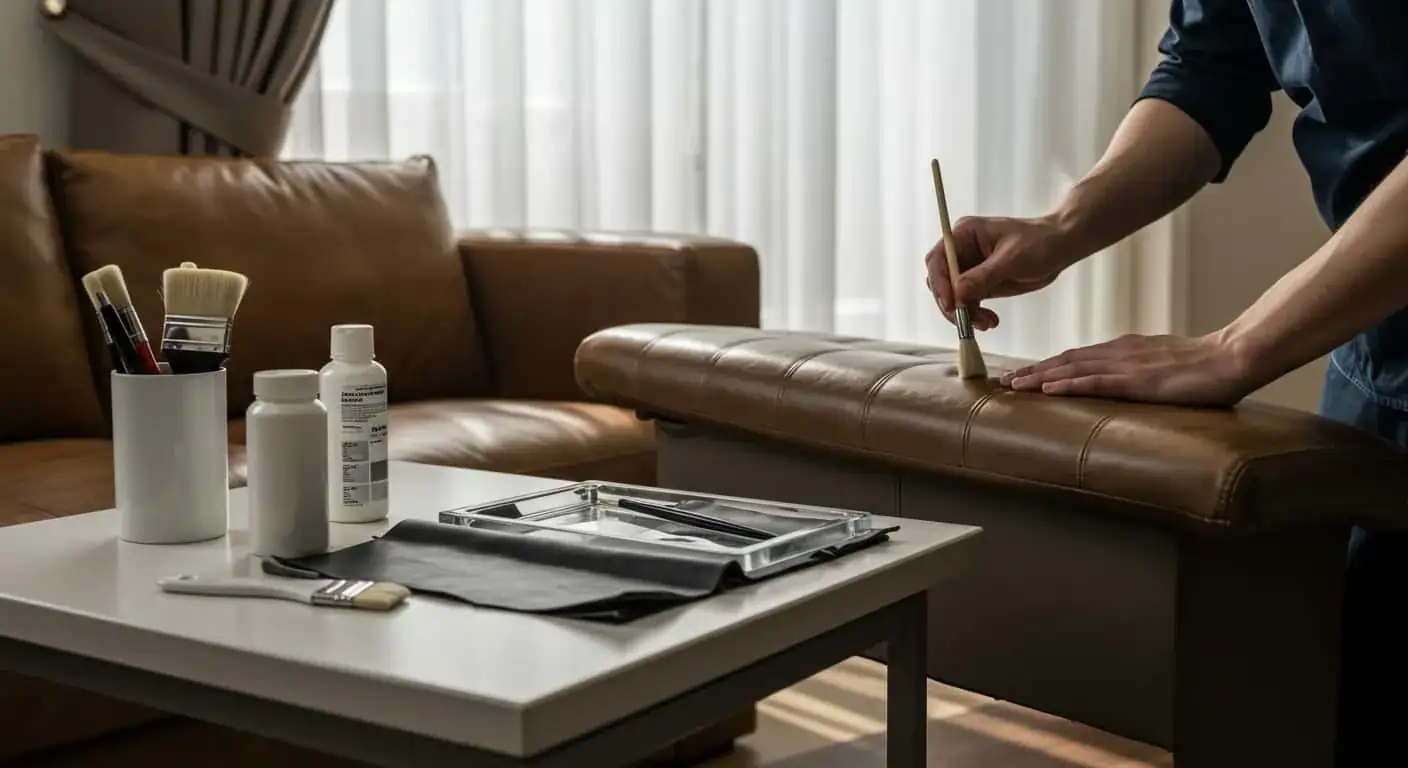
If you think saddle soap has already been applied to your piece, stop using it now and book a workshop assessment. The four-stage recovery , alkaline residue extraction, pH rebalance, re-fatliquoring, and micro-pigmentation where pigment lift has occurred , works best when you act within months, not years, of the first application. owners can book professional leather sofa repair or surface refinement with doorstep assessment across the wider NCR. For other commonly misapplied household products, see the dedicated articles on vinegar and olive oil damage and the coconut oil six-month timeline.
Bookmark this page. The next time someone in your home reaches for the saddle soap tin to "treat" the leather sofa, the explanation is here to stop them before the hide pays the cost.