Before / AfterRecolour & Feed
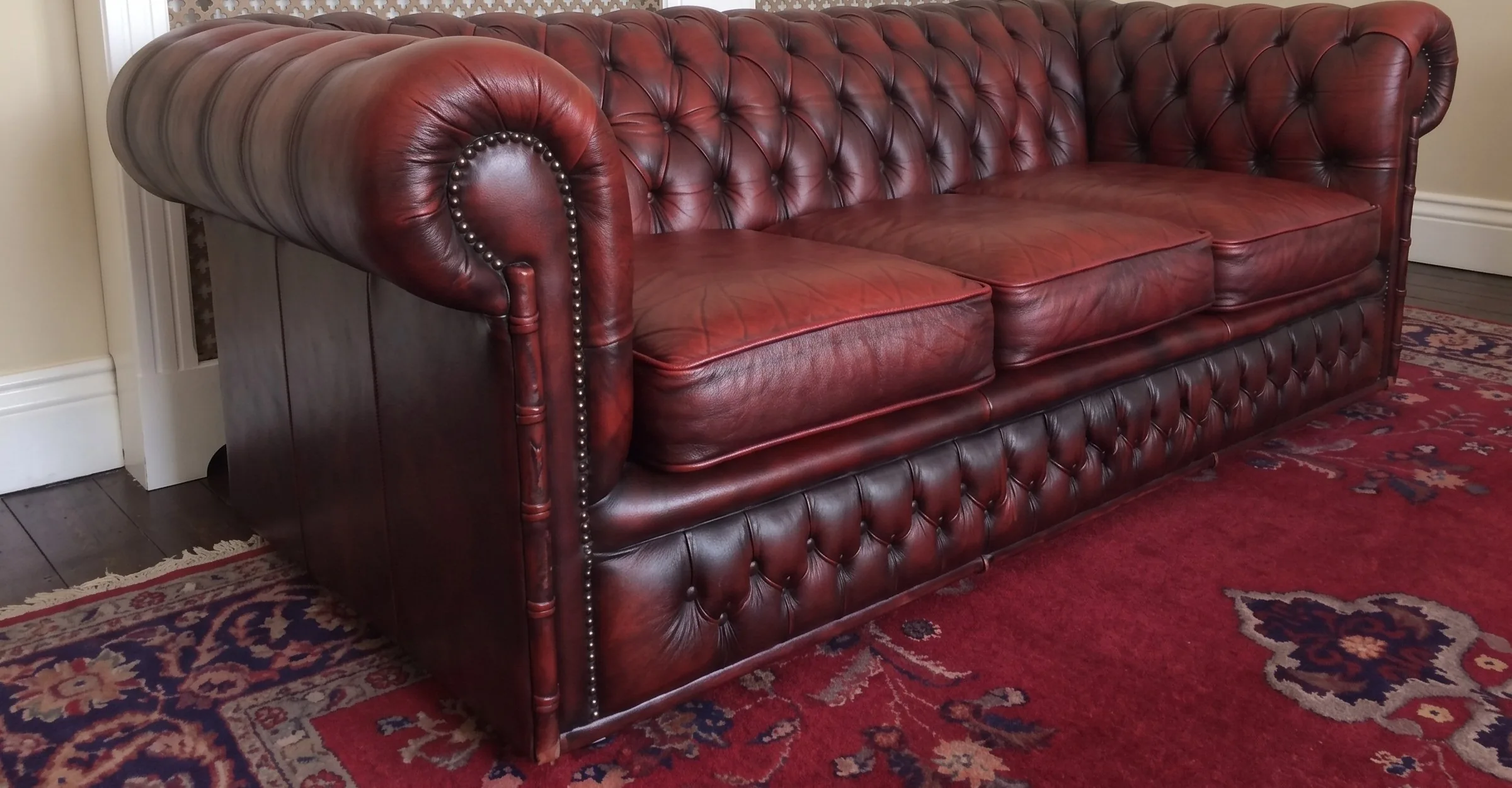
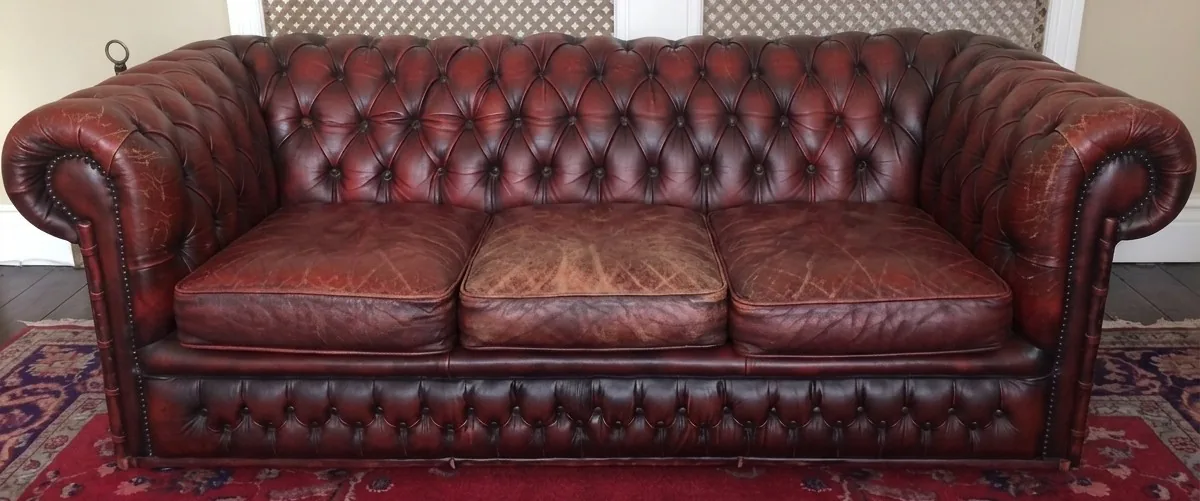
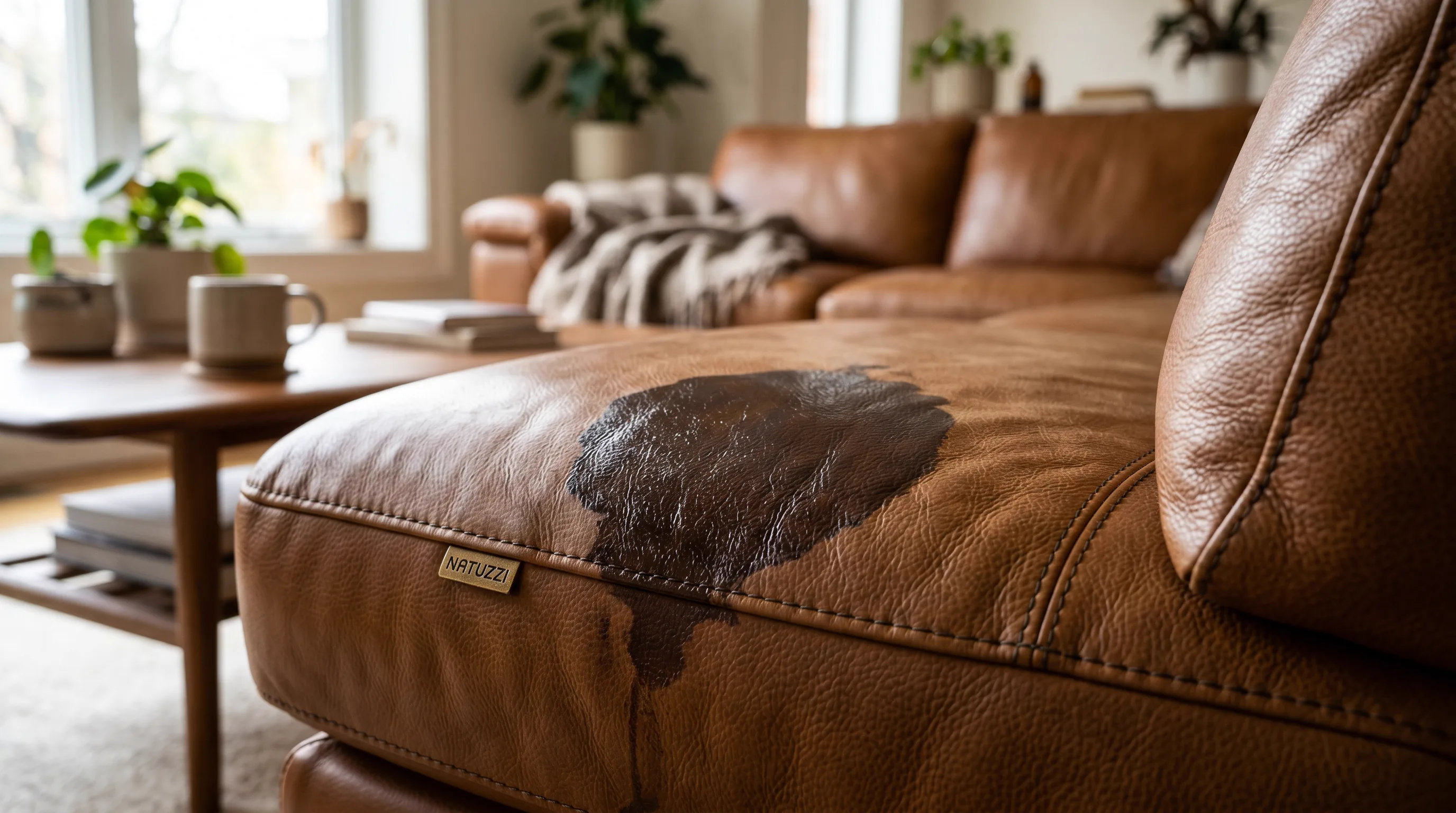
A conservator's protocol for red wine - tame the anthocyanin pigment before it sets into a violet shadow, lifted clean.
Explore
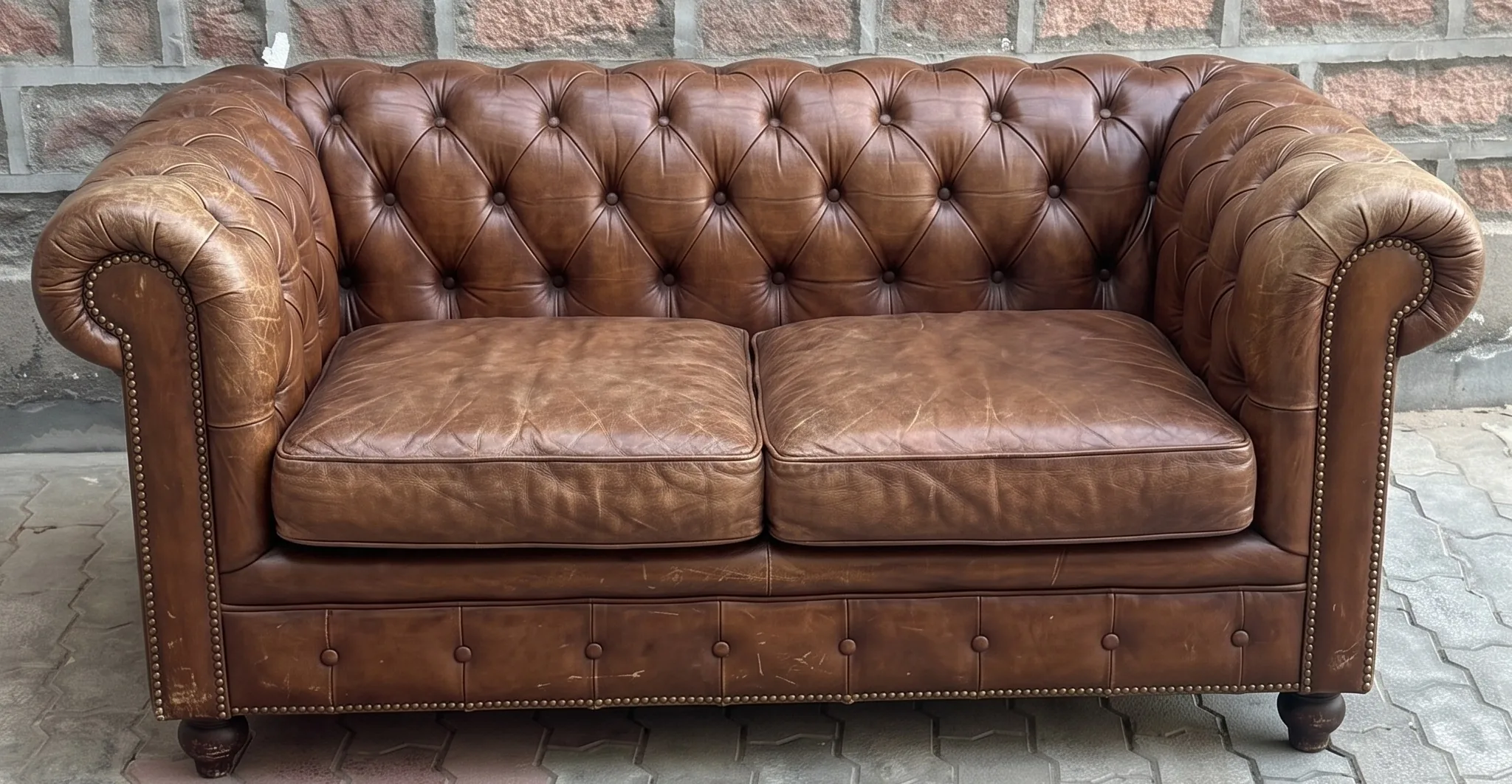
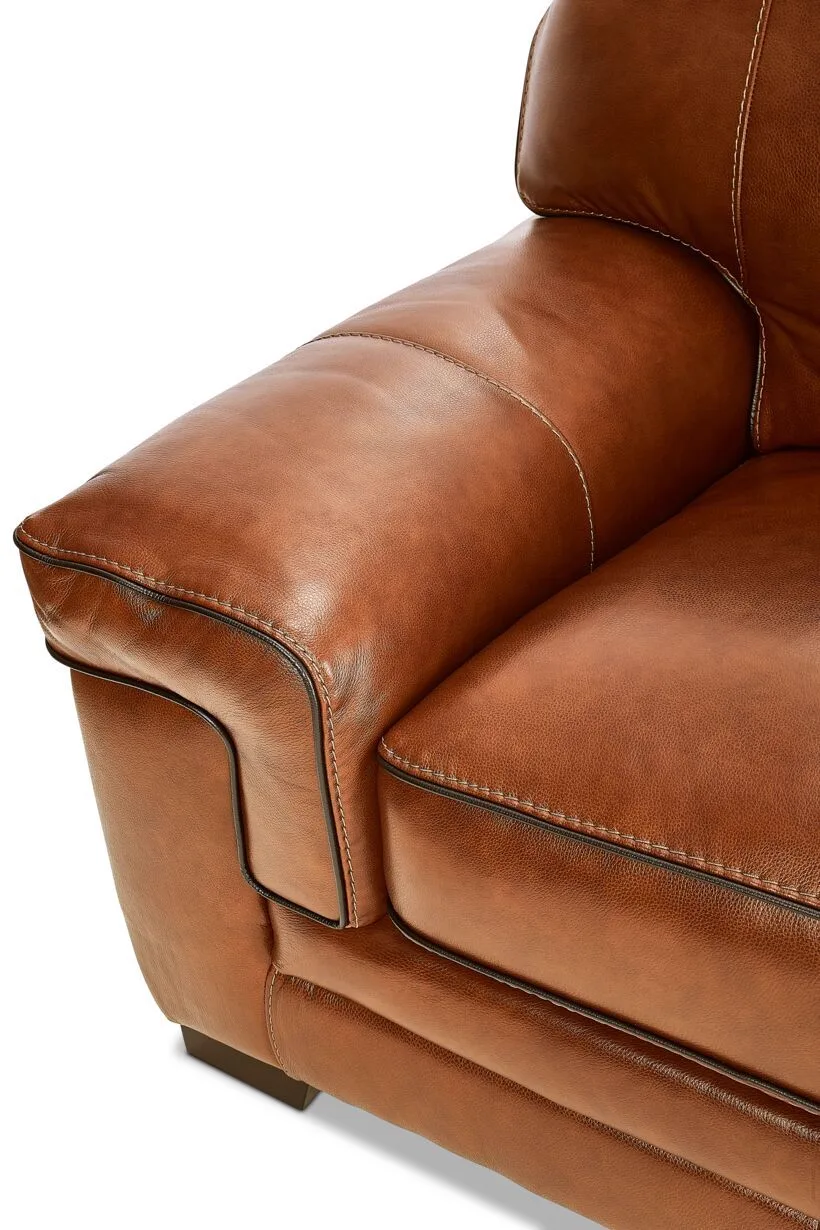
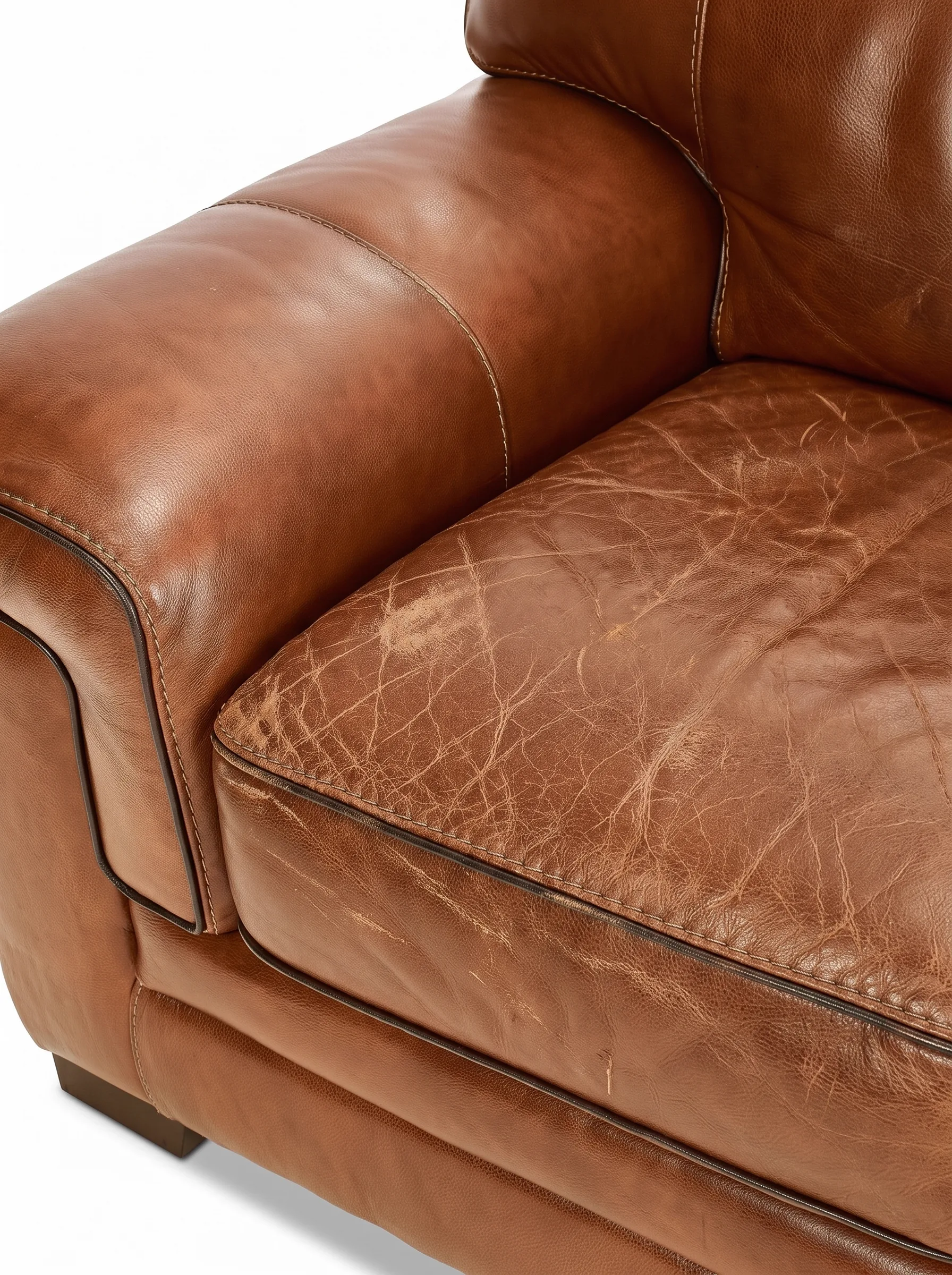
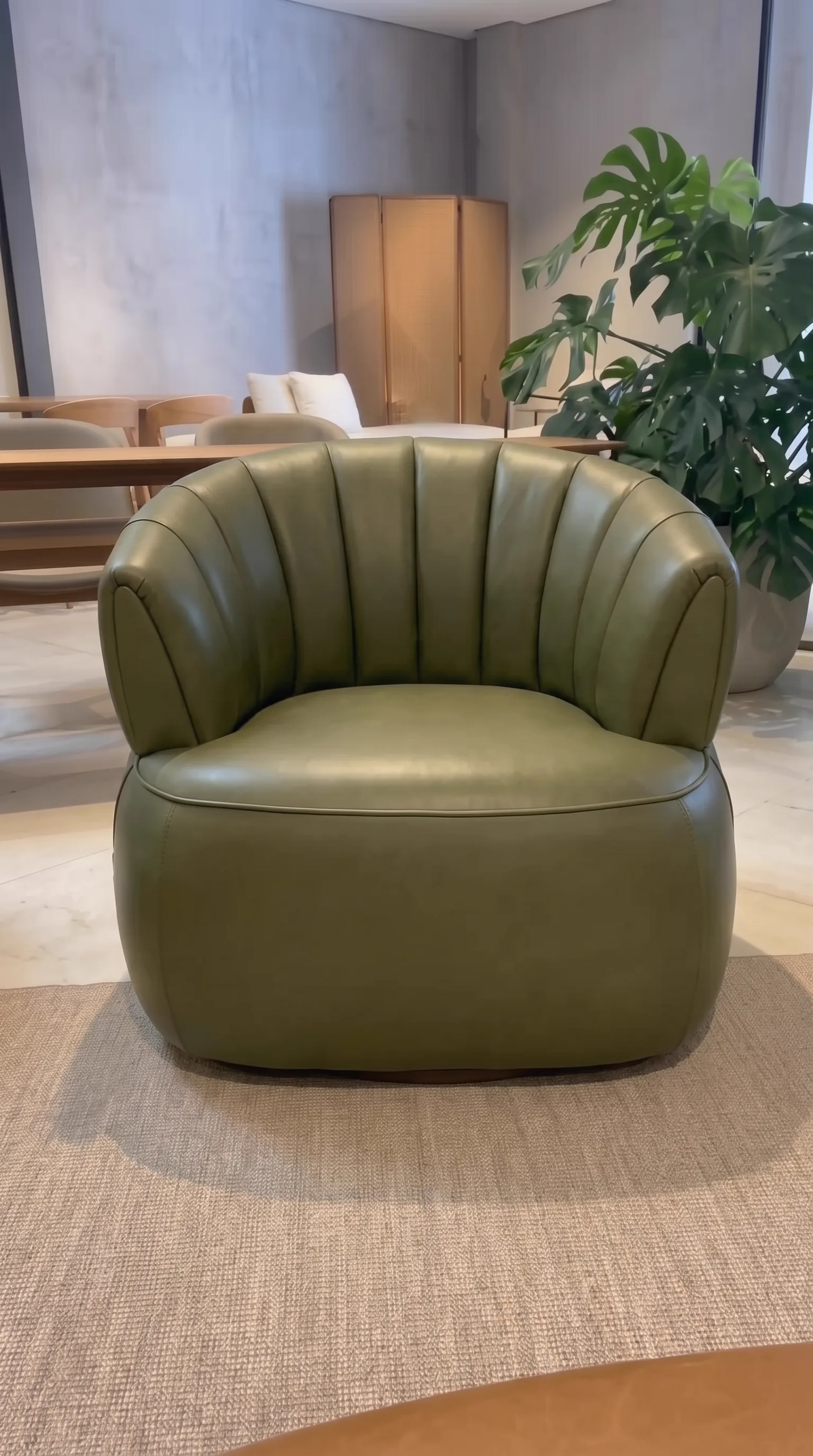
The honest verdict before you start - how fast to move, what is at risk, and how far it really reverses.
Book a Damage Check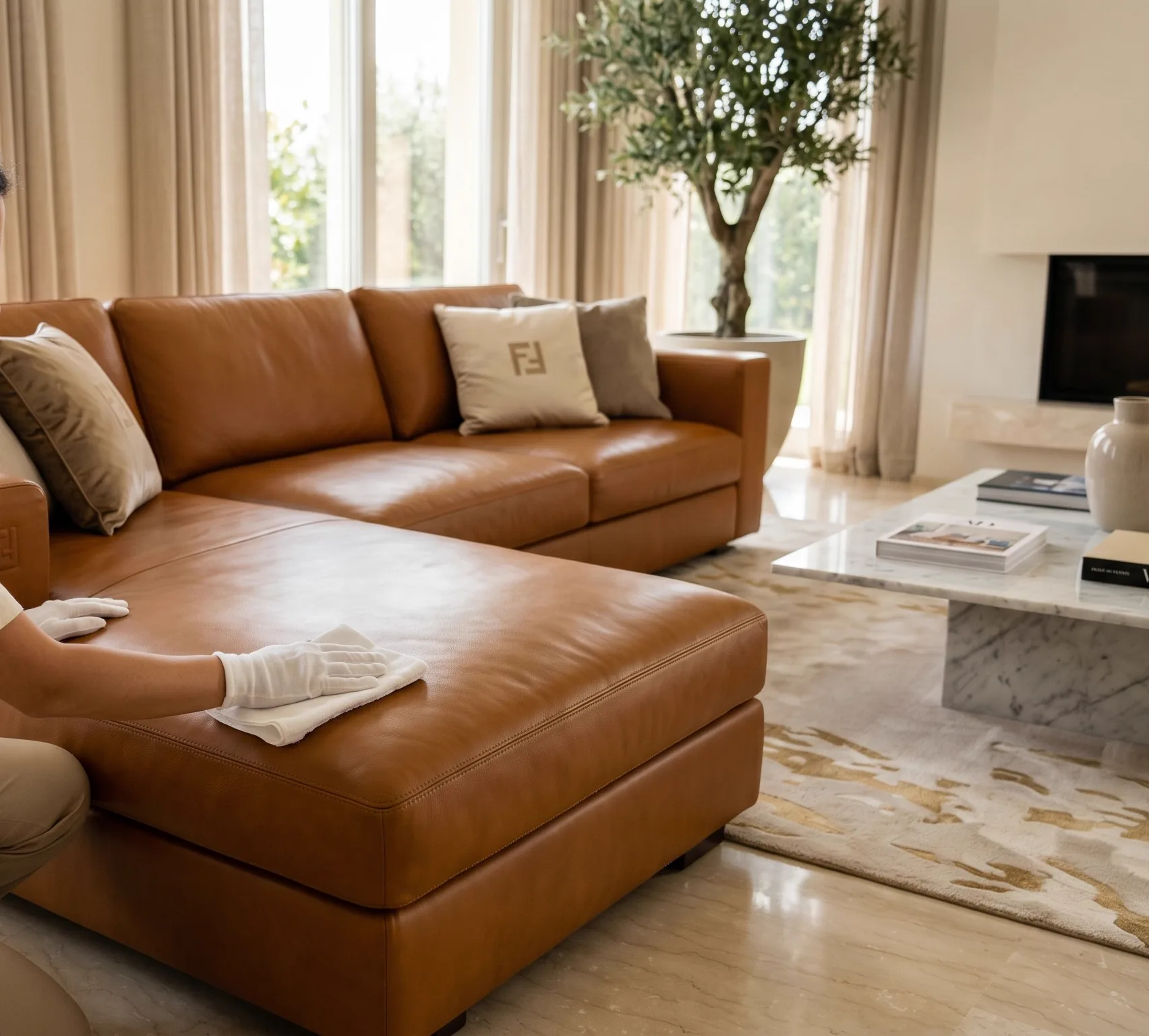 Time-Sensitive
Tannin sets fast as it dries.
 Leathers At Risk
Pigmented forgives - aniline does not.
 Difficulty
Salt and patience over scrubbing.
 Reversibility
Full reversal via studio dye-correction.
What saves most wine spills is patience with salt, not a flood of soda. Blot, build a salt poultice, and let osmosis draw the pigment out - cool water only, never hot, which opens the grain and drives the tannin deeper.
Half the wine damage we see at the studio came from the towel and the hot water, not the spill. White cotton, a tablespoon of table salt, ten quiet minutes - and most stains never reach our bench at all.
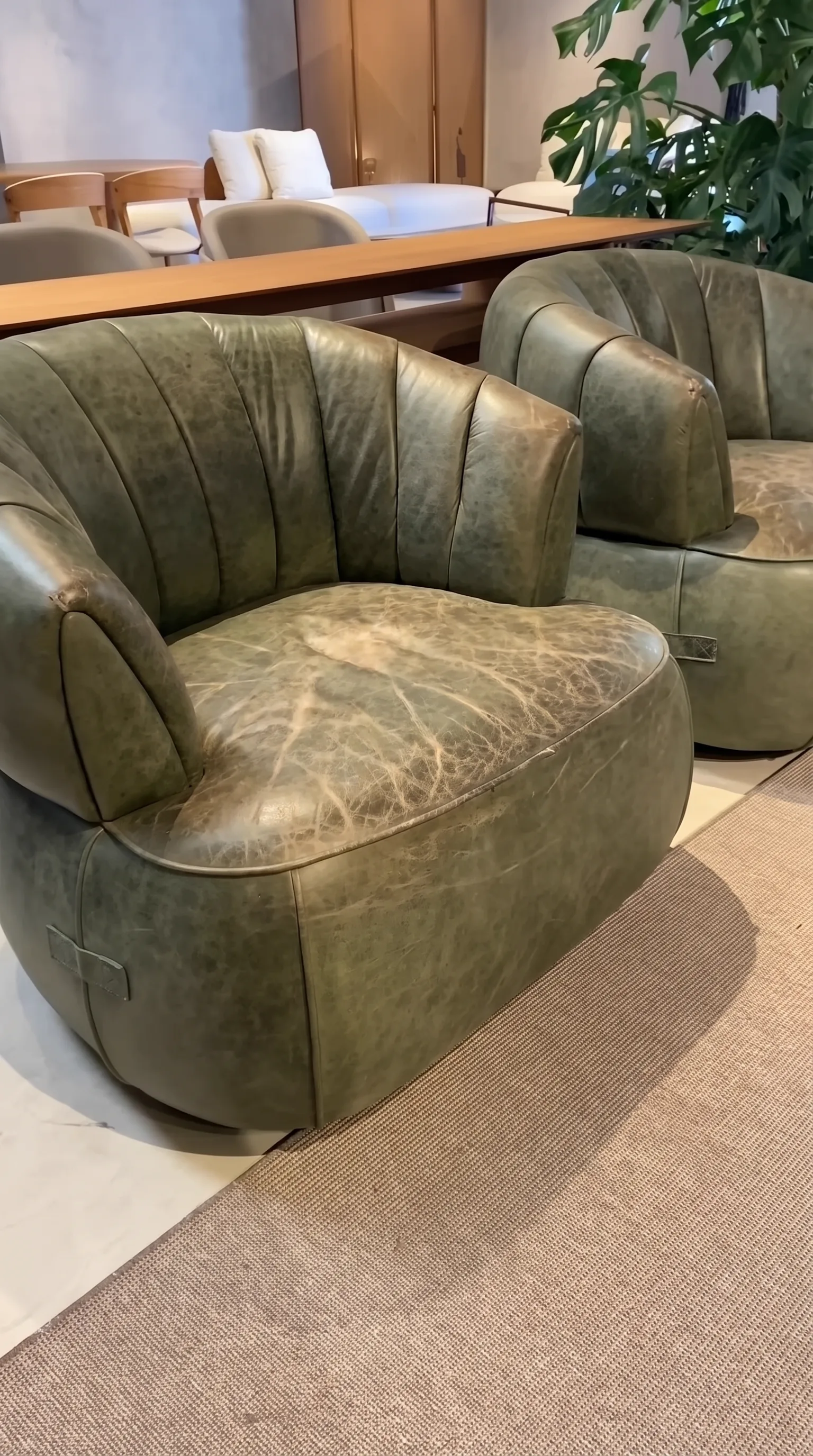
Photographed in studio - FaridabadHalf the wine emergencies people send us turn out to be cranberry juice, beetroot, or hibiscus tea. A thirty-second look before you start saves the wrong cleaner from making the wrong stain permanent.
Wine lands as droplets, not lines, and almost always shows a 3-5 mm halo of paler tannin where water carried pigment outward. A sharp-edged spot with no halo is more likely an oily food spill or a clothing dye transfer.
Anthocyanin (the red-wine pigment) is purple-blue at neutral pH and shifts brown-grey as it oxidises and the leather acidifies. A stain that has gone tan-brown overnight tells you the wine is at least eight hours old and partially set.
Fresh wine leaves a faintly sticky, almost-tacky feel because residual sugars (about 1-3 g/L in dry wines, more in port or sweet reds) sit on the grain. Dried tannin loses this and feels matte but rough.
Bring your nose close. Wine smells fruit-acidic when fresh and faintly vinegary as it oxidises - acetic acid is one of its breakdown products. Cranberry juice smells sweeter; beetroot smells earthy; hibiscus smells faintly floral.
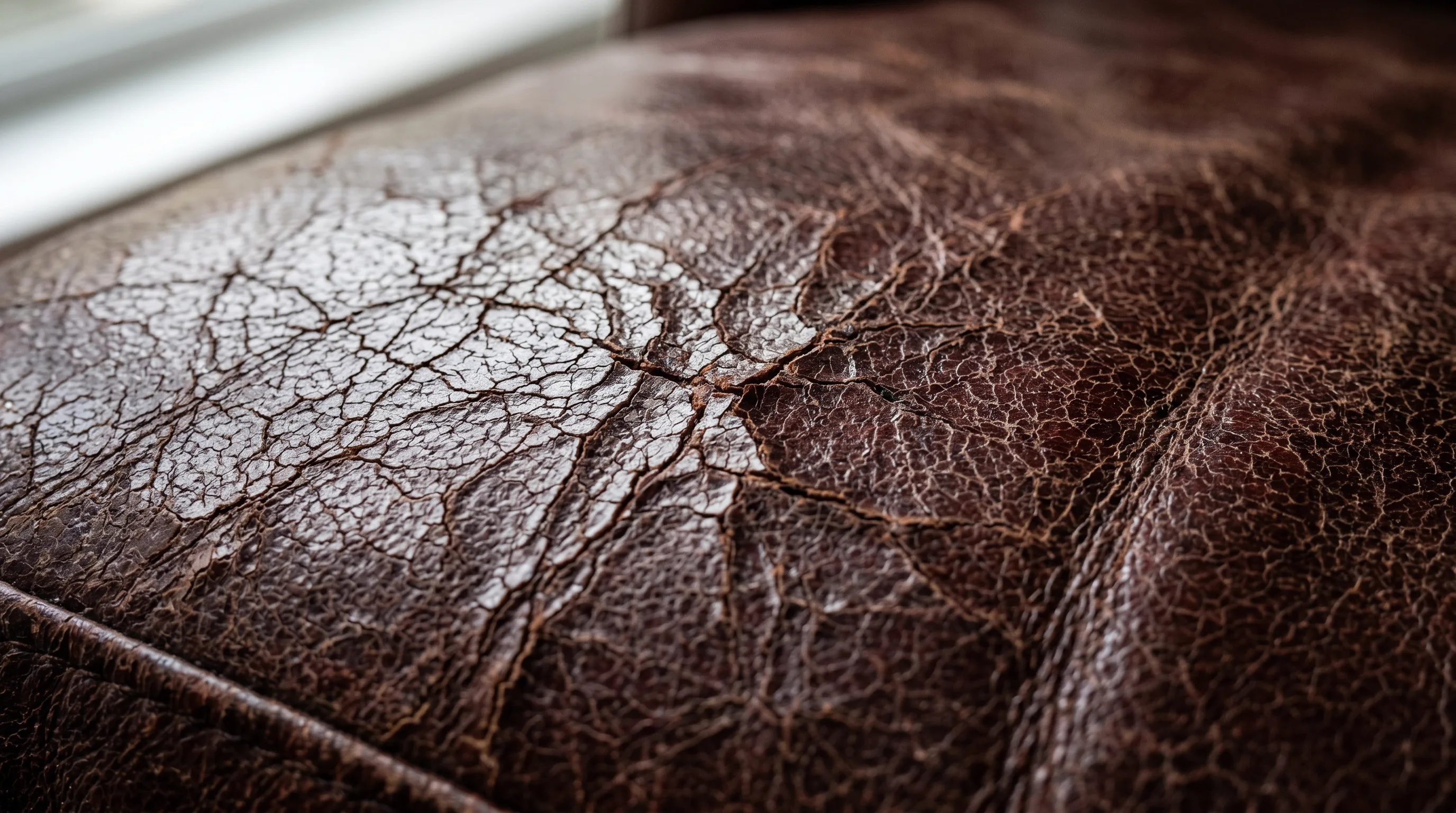
Sweeter smell, pinker hue, halo more even because no alcohol carrier. Lifts faster than wine - water and mild soap usually enough.
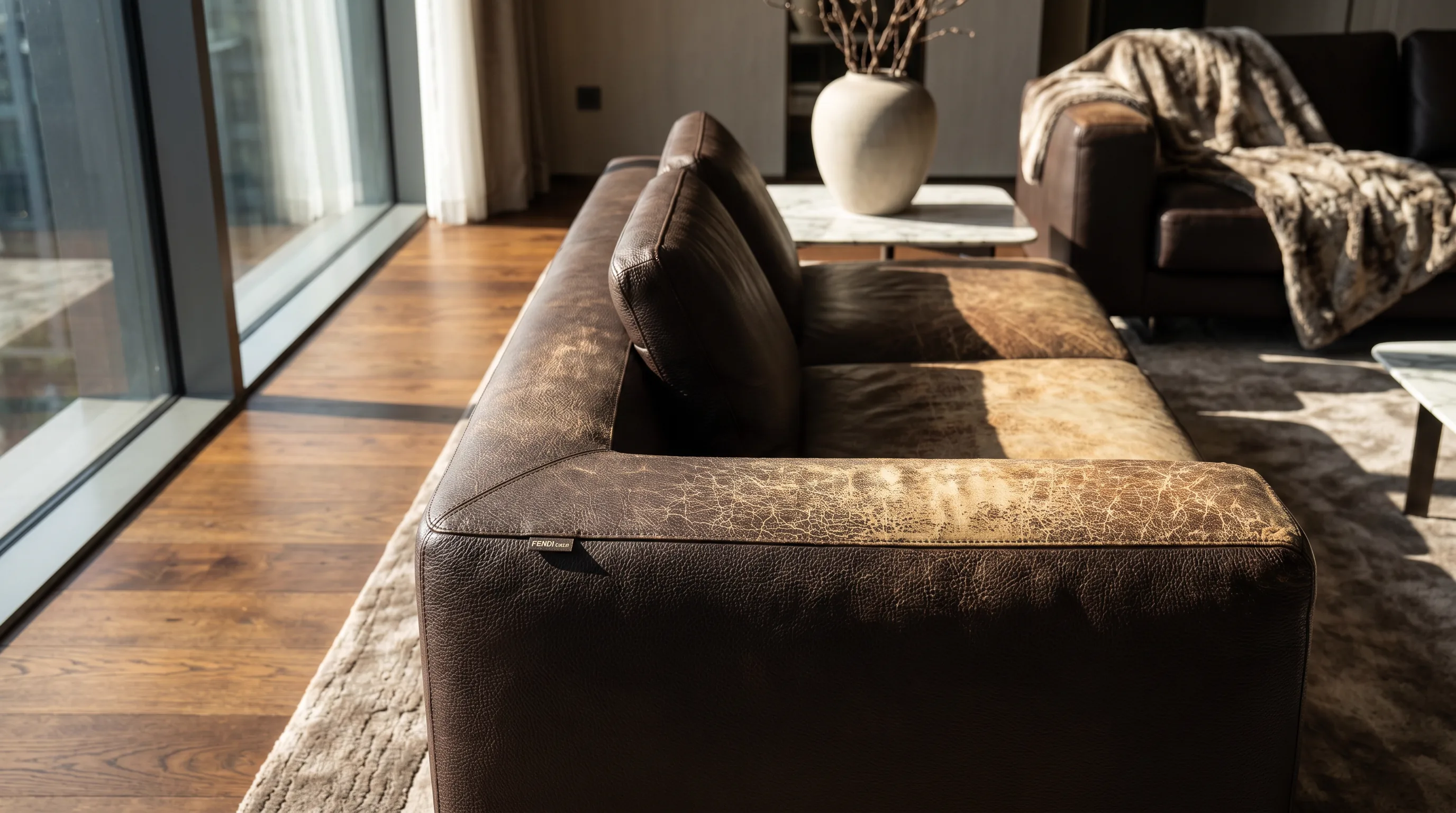
Magenta-pink rather than purple. Earthy smell. The pigment (betanin) is heat-sensitive and degrades fast - faint stains often fade on their own over a week.
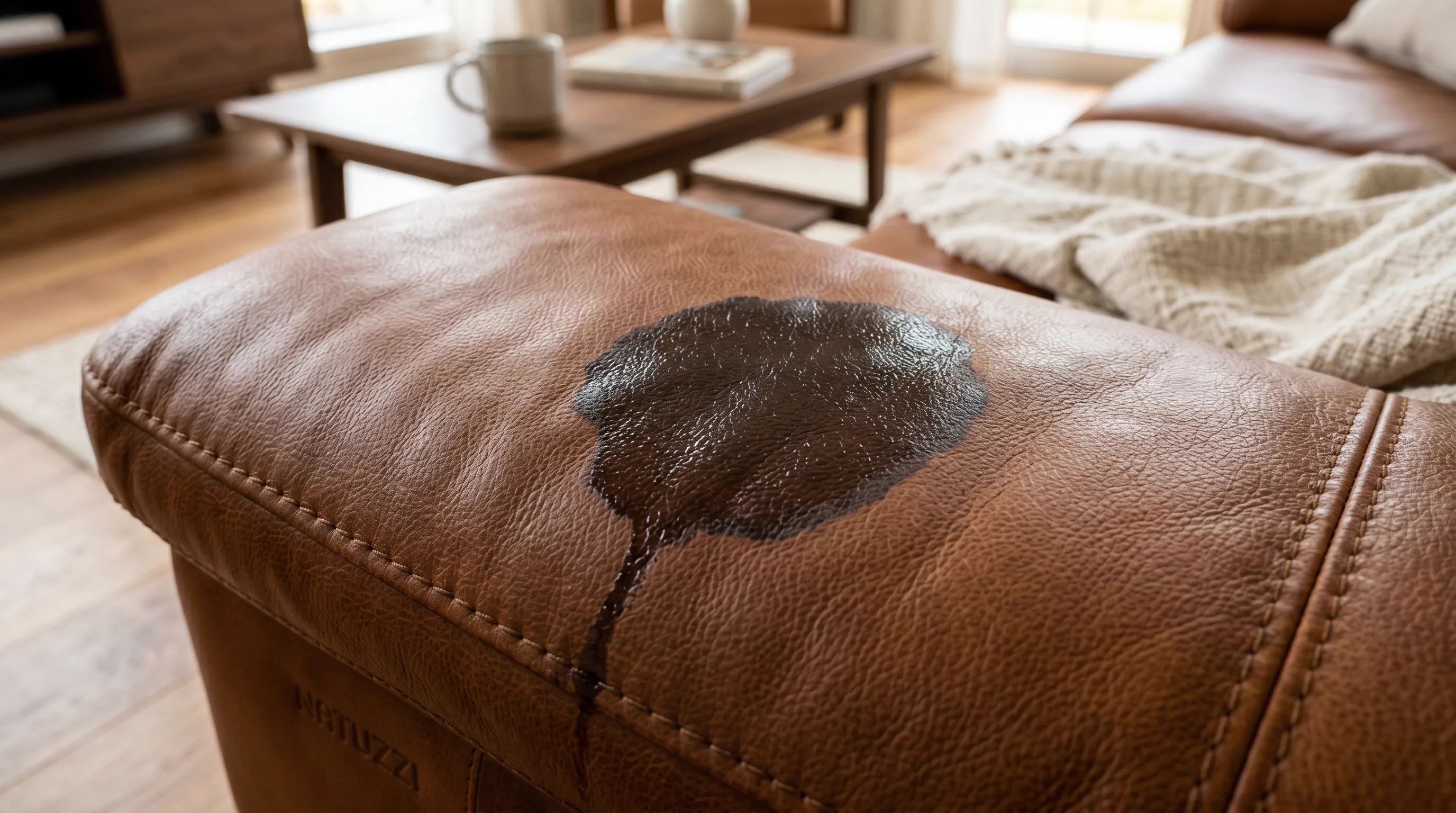
Reddish-brown stain, lighter halo, mild floral or grassy smell. Tannin-class like wine, so the protocol below works the same way - just gentler.
Wine is engineered by nature to bond with proteins - that is what makes red wine taste astringent on the tongue. Leather is collagen, which is also a protein. So wine and leather meet on chemistry that was made for each other. Knowing what is happening underneath is half of why the protocol works.
Red wine is roughly eighty-five percent water, eleven to fourteen percent ethanol, and the rest a small but vicious cocktail of organic acids, tannins, anthocyanin pigments, and trace sugars. The water carries everything else, and on a porous surface like leather it runs ahead of the dye through capillary action - the same way ink does, but with a polyphenol-protein bond at the end of the journey instead of a polymer one. This is why patience works better than pressure here, you are coaxing the pigment back out of the collagen channels, not scrubbing it off the top.
Tannin is the hard part. It is a class of polyphenol that forms hydrogen bonds with collagen amino acids - exactly the same chemistry tanneries exploit when they cure raw hide into leather. Your sofa was made by binding tannin to collagen on purpose; a wine spill is doing it accidentally on top of an already-tanned surface. That hydrogen bond is what lets the stain feel "set" within an hour and become permanent within a day. The finish coat on aniline, semi-aniline and pigmented leather decides how much wine reaches the collagen in the first place, and that single fact decides almost everything else.
Anthocyanin, the purple pigment in wine, oxidises further. Within minutes of contact with air on leather it shifts from blue-purple toward red, and over the next twelve to twenty-four hours toward grey-brown. So a wine stain you ignore for a day looks chemically different from a fresh one, and removing it requires different chemistry - by then the pigment has polymerised into a tannin-leucoanthocyanin complex that hydrogen bonds, oxidises, and laughs at mild soap. The salt-poultice trick at Step 1 works because salt is hygroscopic - it pulls dissolved tannin and anthocyanin out of the wet leather before either has a chance to bond. After that window closes, the protocol gets harder by the minute.

Wine pigment travels for ten minutes after it lands and oxidises for twelve hours after that. Stop the migration first; the lifting is the calmer half of the protocol that follows. Patience is not waiting - it is technique.
Photographed on site - IndiaWine keeps moving for the next five to ten minutes while it is still wet. After that, the tannin has begun hydrogen-bonding with the collagen and the window closes fast. The only thing you have to do right now is slow it down. The lifting comes after, and it is gentler than you think.
Press a clean white cotton cloth straight down on the spill. Lift, refold, press again. Do not rub - that drives the wine sideways into dry leather and makes the halo bigger. After thirty seconds of blotting, pour a generous mound of plain table salt directly onto the wet area. Cover the whole droplet plus a 2 cm margin. The salt pulls moisture, and dissolved pigment, out of the grain.
Walk away. The salt will turn pink as it absorbs - that is wine pigment leaving the leather. Do not poke at it, do not try to clean while the salt is still working. Take a daylight photograph of the salt-pile from two angles; this is your reference for "before". Then run the thirty-second self-test in Section 06 to find out whether your leather is aniline, semi-aniline, or pigmented. Everything else depends on this answer.
Brush the now-pink salt off with a soft dry cloth. Do not rub. Patch-test mild soap solution on a hidden patch first (full method in Section 04). If it passes, work the visible mark with a damp cotton cloth in soft outside-in dabs. The moment the cloth picks up any pink, fold to a fresh section. A coloured cloth will redeposit pigment every time it touches the leather.
Wipe the worked area once with a barely-damp cloth dipped in distilled water. Pat it dry with fresh white cotton. Then walk away for at least thirty minutes. Do not poke at it, do not condition yet - the leather is still settling and will look darker than it actually is. Resist the temptation to "check progress" every five minutes; that is how good outcomes turn into bad ones.
These cause permanent damage. The stain may lift; the leather will not recover.
Conservator-grade first response. Buys you the time to do this properly.
These steps assume mild dish-soap solution and a careful single dab of 70 percent isopropyl alcohol on a non-aniline leather. If the patch-test fails, and on aniline it usually does, stop here and read Section 07. Handing the job over is not a failure; on the wrong hide it is what saves the leather.
Fresh - Run all six steps in order. Most fresh wine on semi-aniline and pigmented leather lifts to acceptable inside 30 minutes if you start within ten minutes of the spill.
Dried - Skip Step 1 (the salt poultice is irrelevant once the spill has dried). Spend longer on Step 3 with patient, repeated dabs of mild soap solution. Expect partial recovery - 55-70 percent on pigmented, less on aniline.
Set - Steps 1-2 will not help; the wine has hydrogen-bonded with collagen and oxidised into a brown stain. Step 3 risks lifting pigment without removing the mark. Stop and photograph. Set wine almost always needs studio dye-correction. Send the photograph for a free assessment.
Press a clean white cotton cloth straight down on the wine. Do not rub, smear, or drag - that spreads the spill further into the grain. Lift, refold to a dry section, press again. After thirty seconds of blotting, pour a generous mound of plain table salt directly onto the wet area, covering the spill plus a 2 cm border. Pat the salt down lightly so it sits in contact with the wet leather. Leave for ten to fifteen minutes. The salt is hygroscopic - it pulls moisture, dissolved tannin and anthocyanin pigment out of the grain before either has a chance to bond. You will see the salt turn pink as it works; that pink is wine leaving the leather.
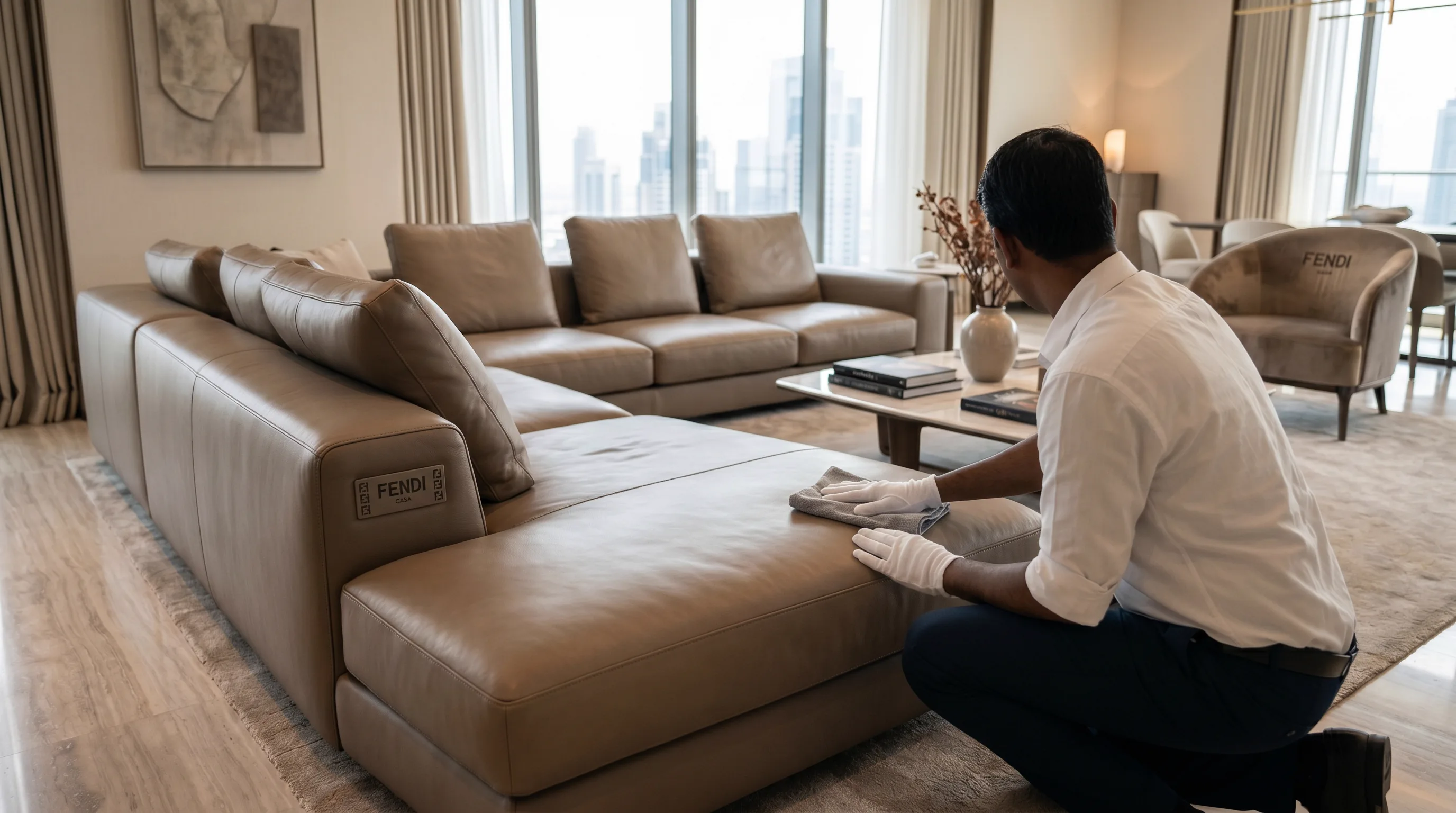
Mix one drop of mild liquid dish soap (Vim, Pril, or any pH-neutral kitchen soap) into 100 ml of distilled water. Choose a hidden patch on the back of the seat-back, under a cushion, or behind the skirt. Damp a cotton swab in the solution and dab a coin-sized area. Wait ten minutes by the clock. Inspect: if the patch dulls, lifts colour onto the swab, or leaves a darker halo, stop here - your leather is aniline or has a delicate finish, and the protocol below will damage it. Send a photograph and stop.
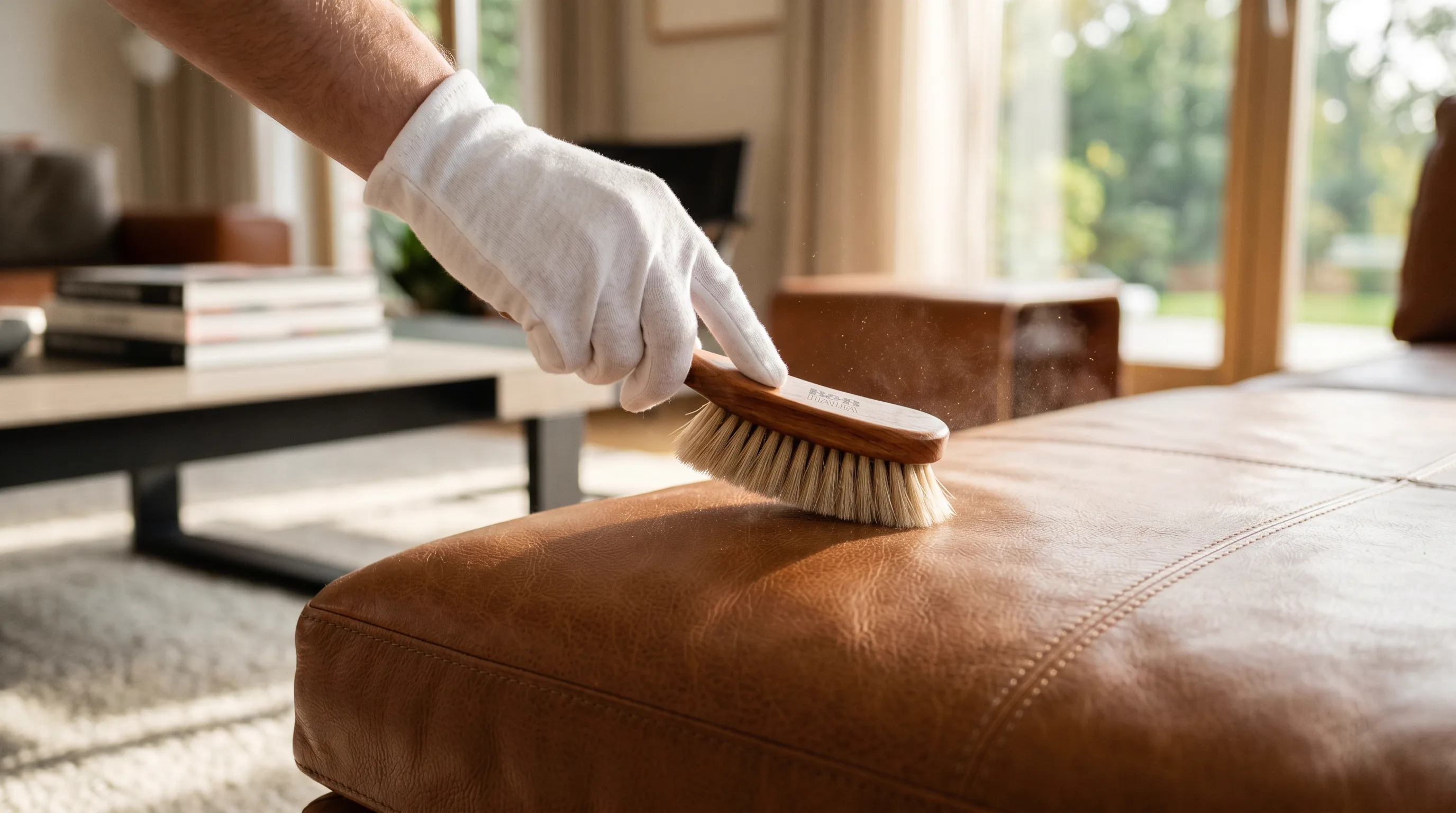
Brush off the salt poultice gently with a dry cloth. Damp a fresh corner of white cotton cloth in the same dilute soap solution - barely damp, not wet. Place the cloth at the outer edge of the stain and dab inward toward the centre in soft three to four millimetre presses. The instant any pink transfers to the cloth, fold to a fresh section. Never re-touch a pink cloth section to the leather - you will redeposit pigment every time. On stubborn or partly-dried stains, a single careful dab of 70 percent isopropyl alcohol on a cotton swab can break the tannin-collagen bond loose, but only if the patch-test in Step 2 passed and only in tiny amounts.
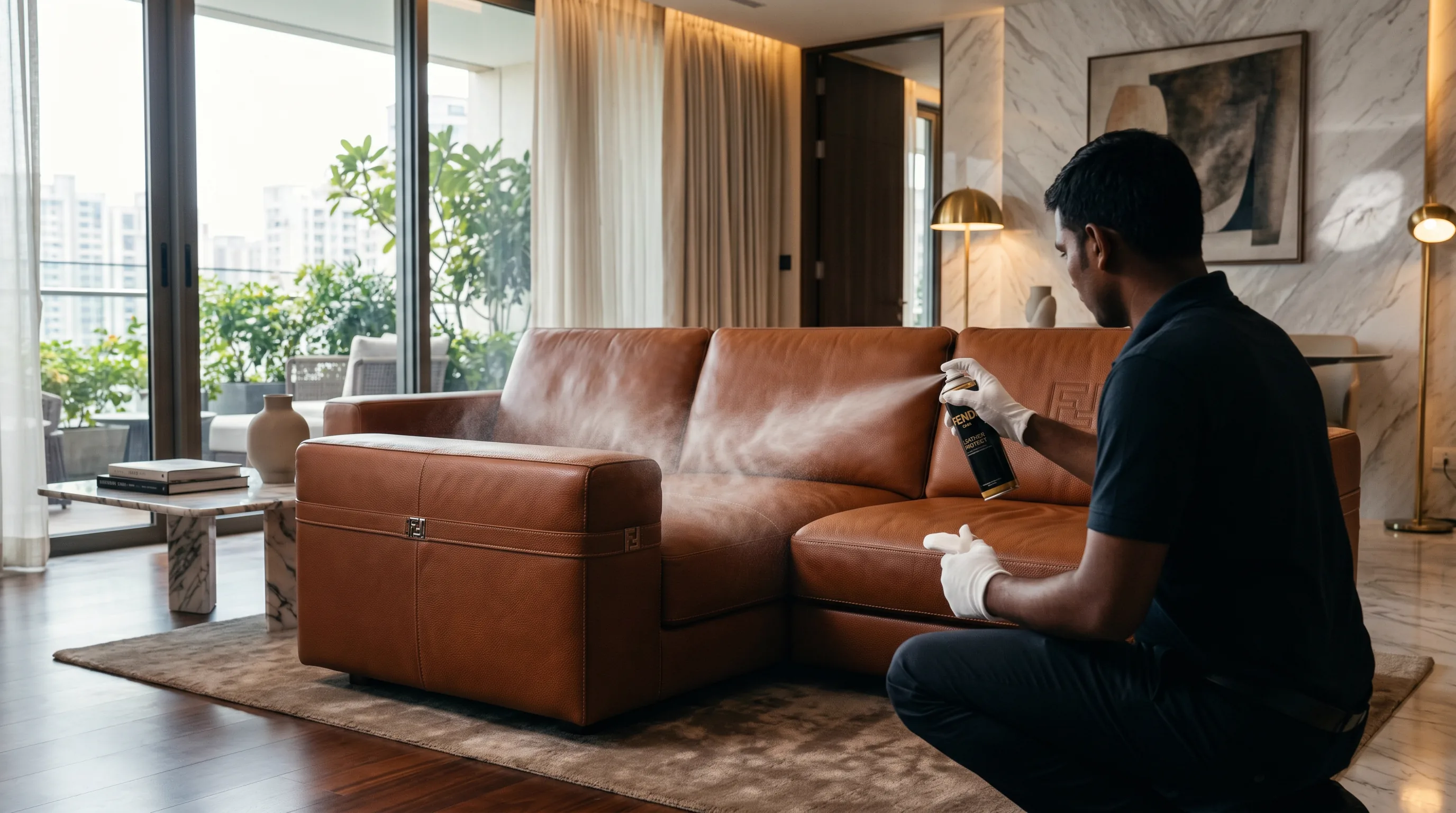
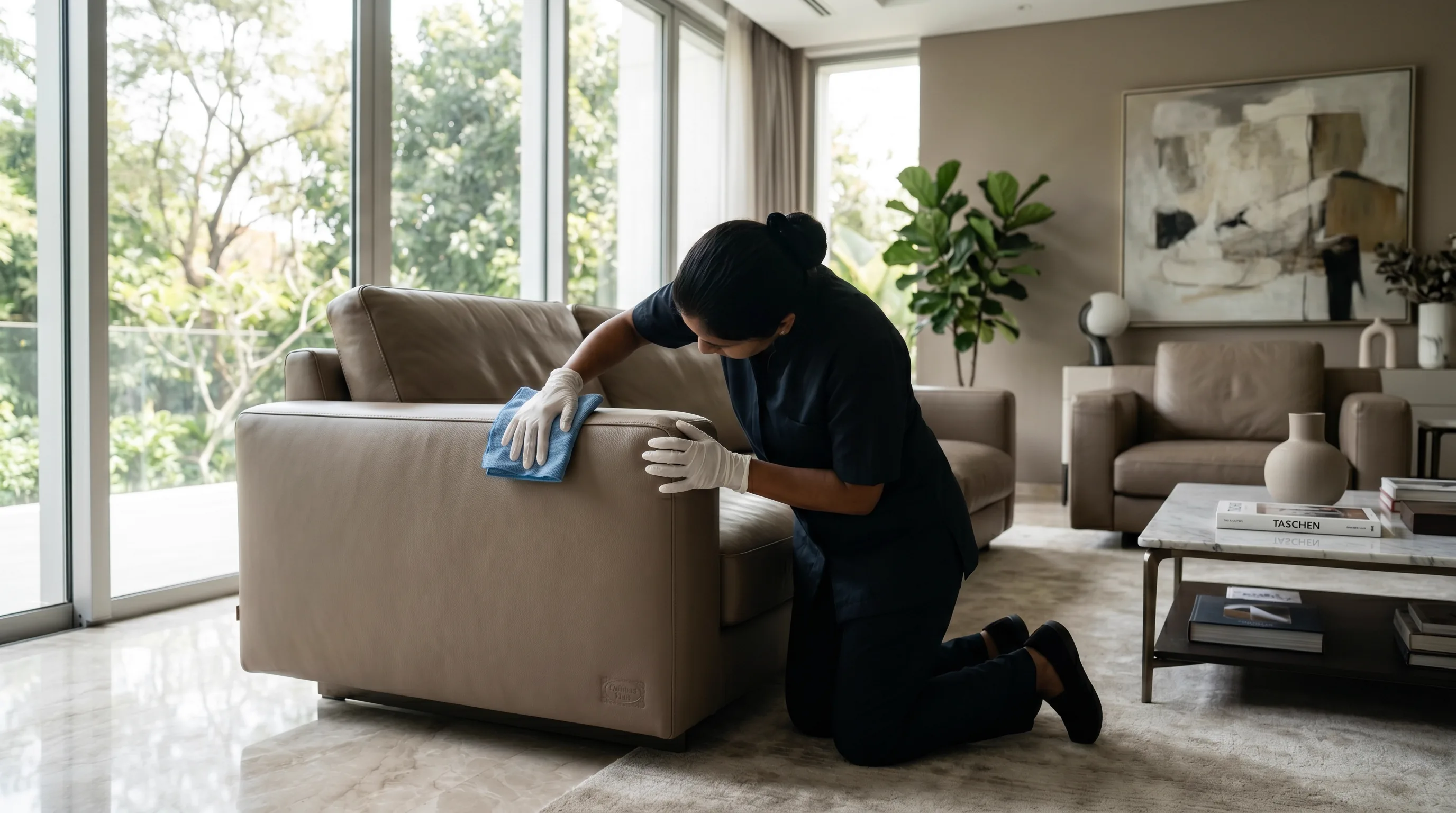
Damp a fresh white cotton cloth with plain distilled water - barely damp, not wet. Wipe the worked area once in a single direction. This carries away soap residue before it has time to dry the topcoat. Do not flood the leather, and do not wipe back-and-forth - that abrades the now-vulnerable surface. Tap-water is fine if distilled is unavailable, but distilled avoids any mineral scale on dark hides. In Faridabad and most of NCR the tap water is hard, so distilled is genuinely worth the thirty-rupee bottle.
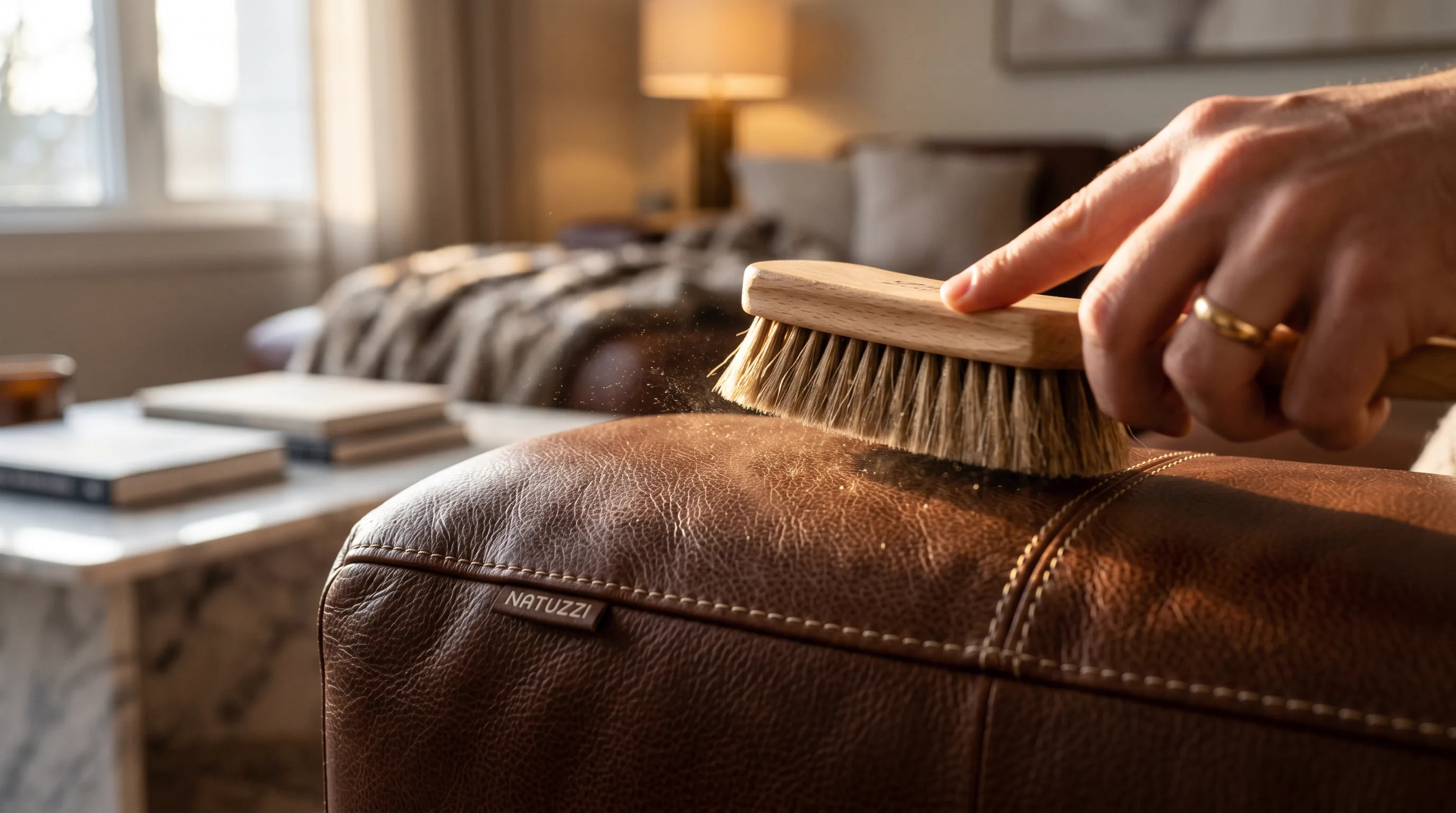
Pat the area dry with a fresh white cotton cloth. Then walk away. Let the panel air-dry for at least thirty minutes - longer in monsoon humidity, when the leather will need an hour or more. Never use a hairdryer, never aim a fan at it, never put it in direct sunlight. Rapid evaporation cracks the finish coat permanently and leaves the surface brittle for years afterward. Wine-stained leather is doubly sensitive here because the residual tannin will set harder if heat-dried, locking any remaining pigment in for good.
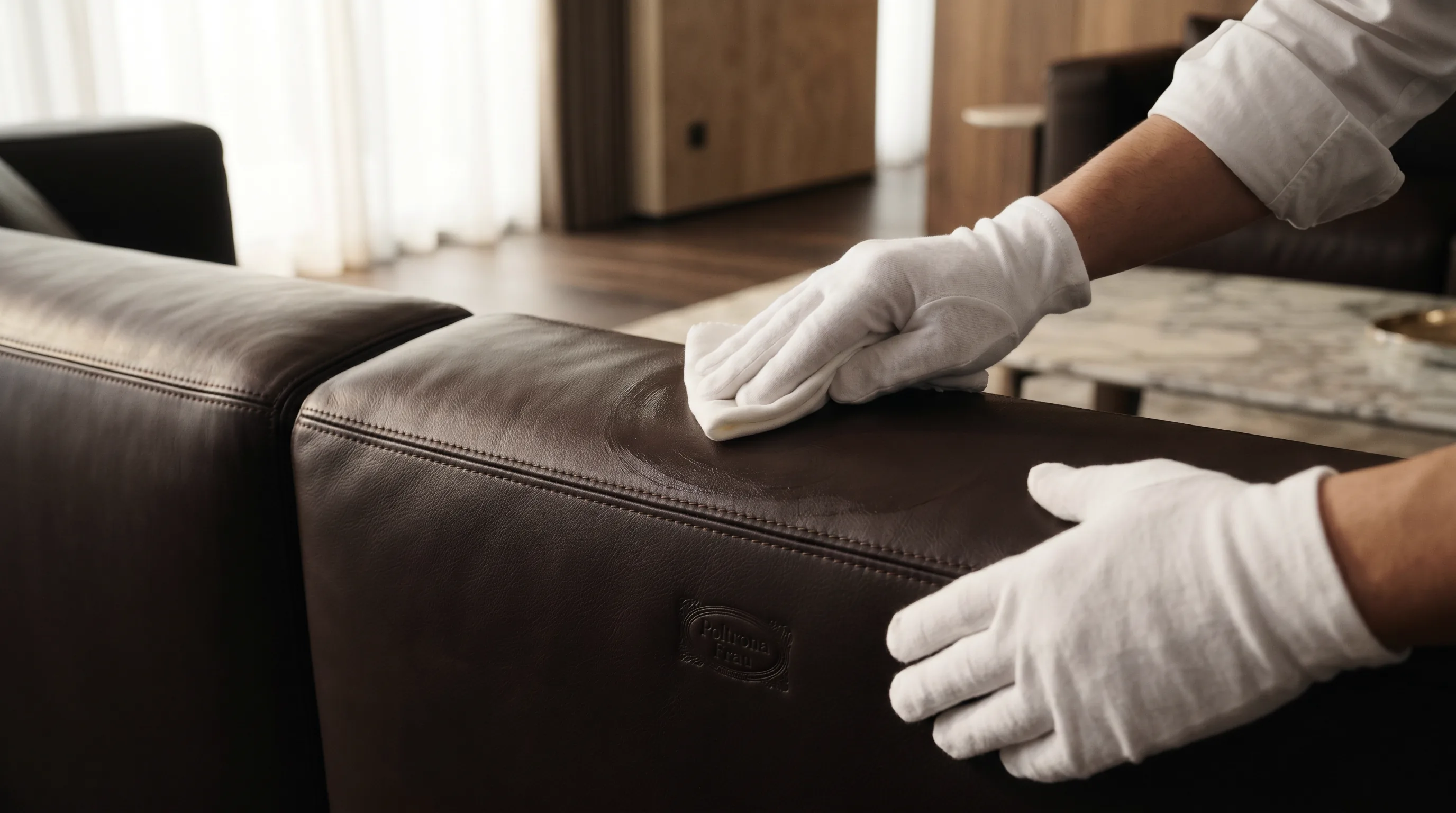
Once the leather is fully dry and at room temperature, apply a small bead of pH-neutral leather conditioner to a microfibre cloth. Buff into the worked area in small overlapping circles, then feather outward into the surrounding leather so there is no visible boundary. The soap solution stripped a fraction of the natural lipid layer; you are restoring it. Less is more - excess conditioner sits on the surface, attracts dust, and on darker hides can pool into a slight gloss patch where you cleaned.
No visible wine mark, no purple-grey halo, even at oblique angles. The worked area matches the surrounding leather in colour and sheen within 24 hours. No dry, dull, or stiff patch where the cloth passed.
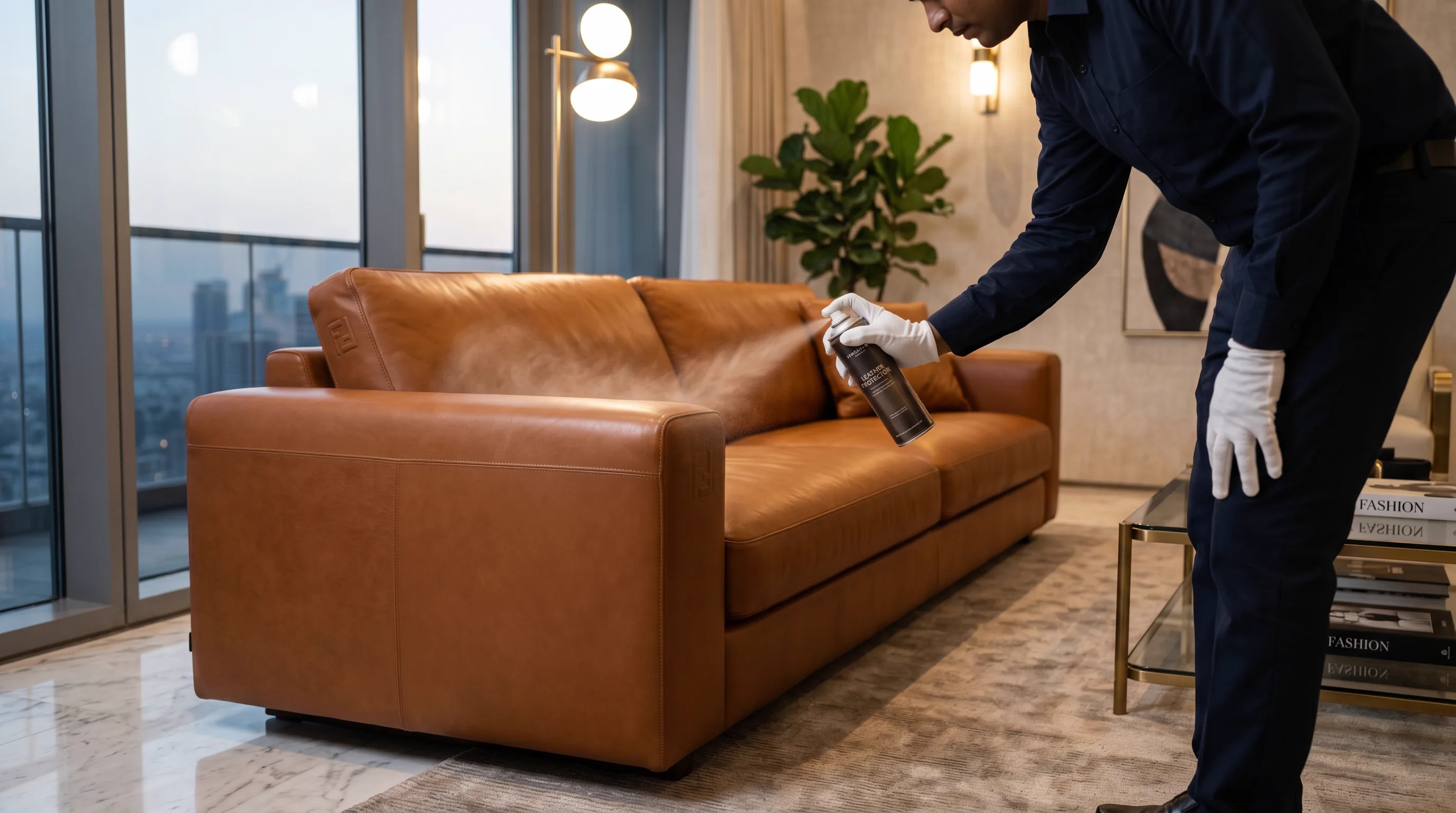
A faint shadow remains where the droplet sat - visible only in raking light. No halo, no pigment lift, no roughness. This is the realistic best case on aniline and on most overnight-set wine spills.
A pale halo, a fuzzy purple edge, or a dry rough patch where you scrubbed. Any of these mean the protocol has reached its limit and is starting to lift pigment instead of pigment-from-wine. Stop, photograph it in daylight, and send it to us. This is fixable in the studio.
Wine removal does not need a toolkit. It needs the right six items in the right order, and four of them are already on your kitchen shelf in Faridabad. The salt is the workhorse - you almost certainly own that already.
The single most important tool in this protocol, and the one most people overlook. Plain table salt is hygroscopic - it pulls moisture out of wet leather by osmosis, and dissolved tannin and anthocyanin pigment travel with the moisture. A salt poultice in the first two minutes lifts more wine than any other single intervention.
Used for blotting wet wine (Step 1), the soap-cloth dabs (Step 3), and the neutralising wipe (Step 4). White only - coloured cloths transfer their own dye onto already-wet leather and create a second stain on top of the first.
For the dilute soap-cloth dabs at Step 3. The soap surfactant lifts loose tannin from the grain without aggressively stripping pigment. One drop in 100 ml of water is all you need - more soap is not better, it is only harder to rinse.
Optional, used only as a sparing single dab at Step 3 for stubborn or partly-set wine where soap alone has stalled. Strong enough to break the tannin-collagen hydrogen bond loose, weak enough that a brief swab does not strip pigment. Stronger concentrations (90%+) flash too fast and over-strip.
For the Step 4 neutralising wipe and for diluting the dish soap at Step 2-3. Distilled, not tap, only because tap-water minerals can leave faint scale on dark hides. On tan or beige leather, tap is fine.
Restores the lipid layer the soap solution stripped. The hardest item to source well in India - most cheap "leather conditioners" are silicone polishes that yellow over time and dry the leather underneath. Buy one trusted bottle and it lasts years.

Aniline forgives nothing. Pigmented forgives almost everything. Reading the leather before reaching for a cleaner is the one habit that has saved more sofas in the wedding season than any product on the shelf.
Photographed in studio - The PracticeThe same red wine droplet behaves five different ways across the five common leather finishes. Find your row first. Your odds, and your next step, depend on it more than anything else on this page.
Pick a hidden patch (back of seat-back). Run all three tests, then read the matrix below for your type.
Place a single drop of water on the surface. Soaks in within 30 seconds = aniline. Beads and sits on top = pigmented or bicast. Slow darken with eventual absorb = semi-aniline.
Press a fingernail into the leather for two seconds, release. Mark stays then fades slowly = aniline / semi-aniline. No mark at all = pigmented or bicast (top-coat hides the indent).
Look across the surface at a low angle in daylight. Uneven natural grain, soft matte sheen = aniline. Plastic-like even sheen, perfectly uniform grain = bicast or heavily pigmented PU-leather.
Still unsure? WhatsApp a close-up photograph in daylight to +91 98915 96597 - identification is free.
No topcoat. Wine soaks straight into the corium within two to three minutes. Halo bleeds 4-6 mm beyond the visible droplet. Soap patch-test usually fails - even mild surfactant lifts pigment along with tannin.
Salt poultice and blot only. Skip soap and alcohol entirely. Photograph and send to the studio for dye-correction.
The single biggest predictor of wine-removal success is which row of this matrix your sofa sits in. Most premium furniture made in the last two decades is semi-aniline or pigmented - the two best-case rows. Older European pieces, Italian hides marketed as "natural" or "vintage," and most boutique brands lean aniline. A short read on the three finish classes separates them in under three minutes if you are unsure, and the difference is the difference between a kitchen-shelf fix and a studio job.
Bicast and bonded "leather" - common at price points below Rs 60,000 in India - look like leather but behave like plastic. The good news on wine is that the polymer skin keeps the spill on the surface; the bad news is the skin itself peels in sheets if treated like real hide. Aniline at the other end of the matrix is the opposite problem: porous, beautiful, and almost ready to absorb a stain into permanence the moment it lands. Wine on aniline is the one combination where doing nothing - except blot and salt - is genuinely better than doing the protocol below.
There is a point on every wine spill where home methods stop helping and start harming. Recognising that line early is the most important call you make, and there is no shame in stopping.
Most home cleanings of wine fail at the same place. People see partial progress, assume a little more pressure or a stronger solvent will finish the job, and cross from lifting tannin into lifting pigment. The leather ends up looking worse than when they started. The vinegar-and-olive-oil household trick is the most common version of this story for wine specifically - a folk remedy that has cost more sofas than the wine itself ever has. Baby wipes follow close behind, especially the moment a guest at the dinner party reaches into the diaper bag to "help".
If you have worked through all six steps and the mark is still visible after twenty-four hours of full-dry rest, you have reached the boundary. Past that point, the answer is dye-correction in the studio: colour-matching the original hide, lifting the residual tannin with a controlled bleach-then-redye cycle, laying down a thin new pigment film, and re-finishing the area so it disappears into the surrounding panel. We do this every week, especially through the wedding season when entertaining peaks across India. It is unglamorous but routine, and it is not a home job. The same logic applies to set ink - past the kitchen-shelf window, only the studio can finish the work.
A pale or grey halo around the original droplet. That is pigment lift, not residual wine, and pushing harder will make it worse.
The leather feels rough, dry, or stiff where you worked, even after conditioning.
The wine mark has spread into a fuzzy purple cloud instead of reducing. Soap solution has carried pigment outwards.
Cracks or fine lines start to show in the finish coat where you dabbed.
Colour transfers onto a fresh swab dampened with plain water. This means the topcoat is starting to fail.
The fix for a wine spill is almost always less aggressive than people think. By the time someone calls us, half the damage is from what they tried in the panic, not from the wine.
There is no need to commit to anything yet. Send a daylight photograph on WhatsApp and we will tell you honestly whether it is recoverable, whether home methods can still help, and what we would do if it came to the studio.
For the next two weeks, the spot you cleaned is slightly more delicate than the rest of the sofa. A little care now is what keeps a wedding-night spill from becoming a recurring stain.
The soap solution that lifted the wine also took a small amount of the natural lipids out of the finish coat. For the next fourteen days, the worked area is a little more porous than the leather around it, meaning a second spill in the same spot will set faster, and deeper, than the first one did. Think of it as a freshly healed scab. The salt did most of the heavy lifting on day one, but the leather still remembers where the wine landed, and a second wine glass on the same cushion within a fortnight will tell you so unmistakably.
Routine conditioning every six to eight weeks with a pH-neutral product is the simplest insurance you can buy. The home-cleaning guide walks through frequency, product choice, and timing across Indian climate cycles. Condition four times a year and patch-test once before any new cleaning product touches a new spot, and your hide will outlast most of the people in the house. Through the Delhi NCR monsoon especially, the local humidity protocol matters more than any product on the shelf - leather and tannin both behave differently above 70 percent relative humidity.
The other half of prevention is unglamorous but cheap. Through the wedding and entertaining season, keep wine glasses on a side table rather than perched on the sofa arm. Use a small drinks tray with a raised rim. Tell the kids the sofa is not a cup-holder. The single most effective wine-prevention measure on any sofa is a coaster within two feet of every regular sitter, and a host who is not afraid to point at it.
The worked area needs a second light condition exactly two weeks after the first. This re-seals the lipid layer fully and restores the surface tension that helps the next spill bead instead of soak.
Walk the sofa during entertaining. Move wine glasses off arms onto coasters or a side table. Keep a stack of white cotton napkins within reach of every sitter, and a small dish of salt in the kitchen, ready.
For two weeks after wine removal, treat the worked area as the patch-test zone for any new cleaner, conditioner, or polish you bring home. The freshly-cleaned spot is your built-in test patch.
Four times a year, condition the whole sofa - not just stained spots. Even hydration prevents the patchy aging that makes future wine stains stand out and lets the next spill bead long enough to grab the salt.
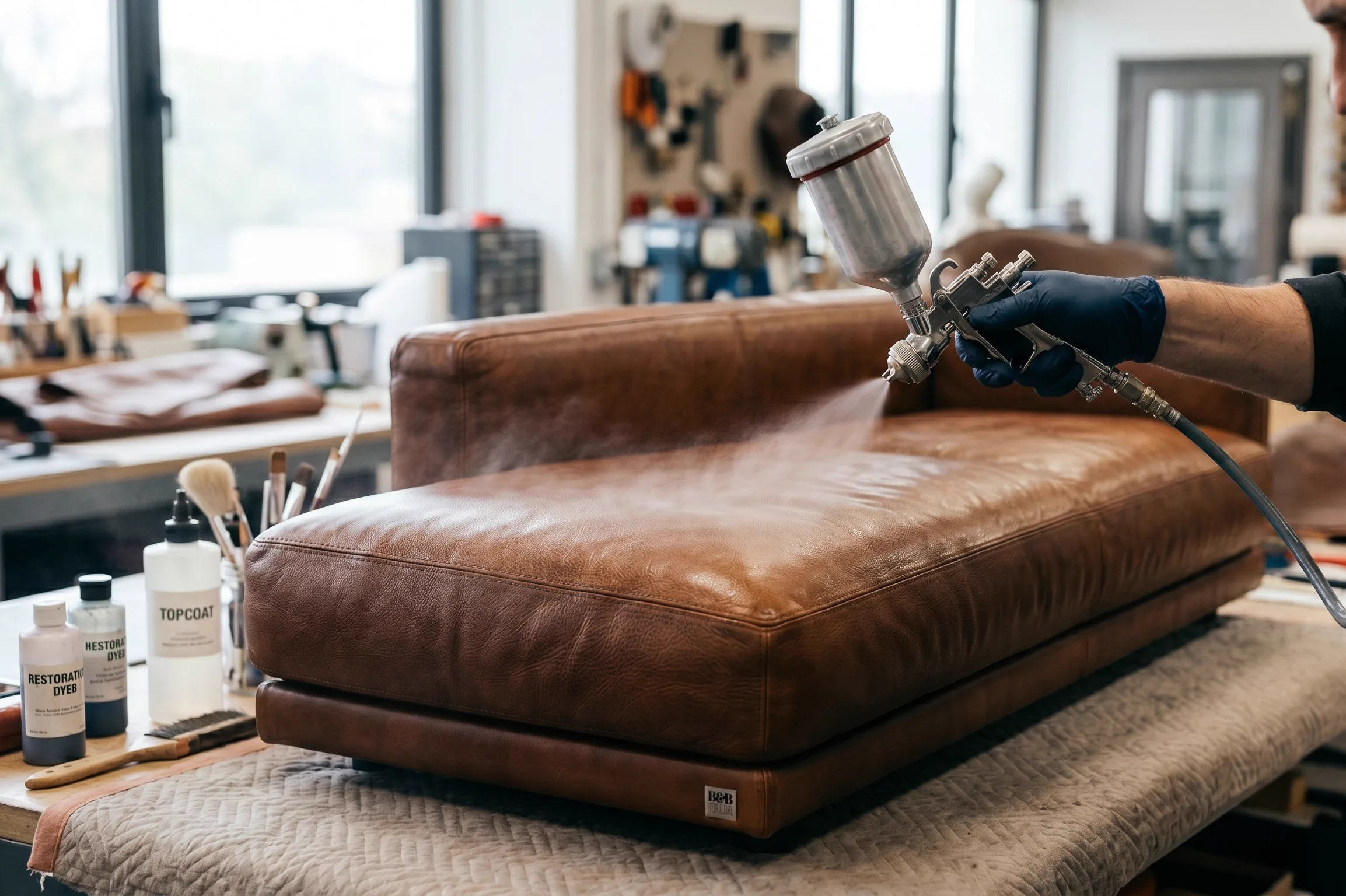
The mark you fix today fades into a decade of evenings. Routine conditioning, a coaster on the side table, a small dish of salt on the kitchen shelf - small habits keep an heirloom an heirloom.
Photographed in client home - IndiaPlain table salt is faster - it is more aggressively hygroscopic than cornstarch and pulls dissolved pigment out of wet leather more effectively in the first ten minutes. Cornstarch (or talcum powder) is a workable second-best if you have run out of salt, but it does not draw as hard, so you may need to repeat the poultice. On most Indian kitchens the answer is simple: salt is on the shelf, cornstarch is in the cupboard with the cake mix. Use what you can reach in ninety seconds.
No, and the myth is particularly destructive on leather. White wine is mostly water with a touch of acid and alcohol - all three of which deepen wine penetration into porous hide. The trick supposedly works on synthetic carpet by diluting the red pigment to invisibility, but on leather it floods the grain and pushes anthocyanin deeper into the corium. Reach for the salt instead.
Tannin sets faster in heat - that is exactly the chemistry tanneries use to cure raw hide into leather. Pouring hot water on a fresh wine spill accelerates the tannin-collagen hydrogen bond that makes wine permanent on leather. Cold or room-temperature water is the rule throughout the protocol. Hot water on tannin is a one-way trip.
Partly. By 24 hours the anthocyanin has oxidised toward grey-brown and the tannin has hydrogen-bonded firmly with the collagen. Salt poultice will not help anymore - the spill is not wet. The mild soap dabs at Step 3 may lift 30-50 percent of the visible mark on pigmented leather; less on semi-aniline, very little on aniline. Set wine almost always needs studio dye-correction. Photograph and send before you escalate to anything stronger.
Not if the patch-test in Step 2 passed. Pigmented leather is, by design, the most chemical-tolerant of the five hide classes - the heavy topcoat protects the colour layer underneath from anything mild enough to be sold for kitchen use. Where bleaching happens, it is from the wrong product (vinegar, baby wipes, magic eraser) on the right hide, not from this protocol.
Honestly, very little. Aniline plus dried wine is the worst combination in this Atlas - no topcoat, deep collagen-tannin bond, oxidised pigment. A salt poultice on what looks dry will not draw anything out because there is no moisture to pull. Soap solution risks lifting the surrounding pigment. The right call is to photograph it in daylight, do nothing else, and send it to a studio. We genuinely mean nothing else - even careful dabbing on aniline at this stage usually makes the eventual restoration harder.
Stains that share a chemistry family, a tool, or a leather-risk profile with red wine. Reach for these next.
PLATE II
Solvent-bound dye, the family next door. Same outside-in discipline, but a swab and isopropyl replace the salt poultice.
read entry →
PLATE IV
Protein-bound, the opposite of tannin. Cold water only - a useful reminder that family decides everything in this Atlas.
read entry →
PLATE V
The closest cousin in the Atlas. Same polyphenol-tannin family as wine, milder pigment, slightly wider action window.
read entry →
PLATE VI
Curcumin pigment, India-priority. UV-degradable but stubborn on aniline. The protocol borrows the salt-and-patience logic.
read entry →
PLATE VII
Lipid family. Salt does nothing here - cornstarch poultice and patience replace the wine playbook.
read entry →
PLATE VIII
Wax-and-pigment hybrid. Same outside-in discipline, but cooled-down rather than salt-drawn.
read entry →If the steps stalled, if a halo appeared, or if the wine had already dried into the cushion when you found it the morning after, send us a daylight photograph on WhatsApp. We will tell you honestly whether it is recoverable, what we would do, and roughly what it would cost. No commitment, no pressure. Faridabad studio, Pan-India by photograph.
Tell us about your sofa. A leather specialist will respond the same day - no obligation.