Before / AfterRecolour, Clean & Condition
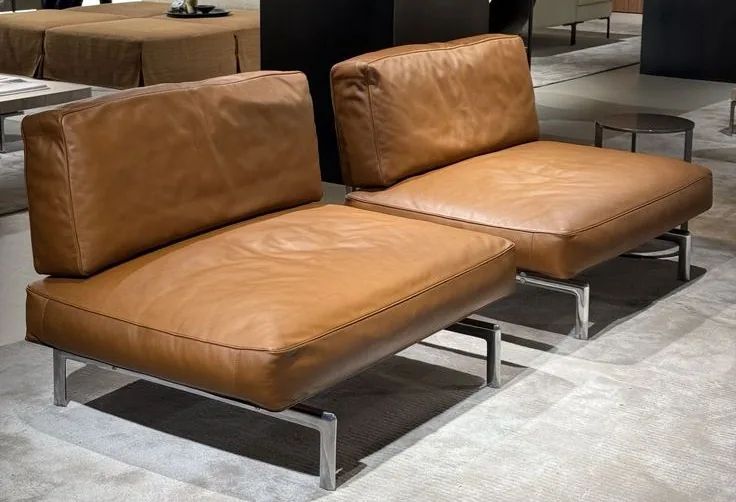
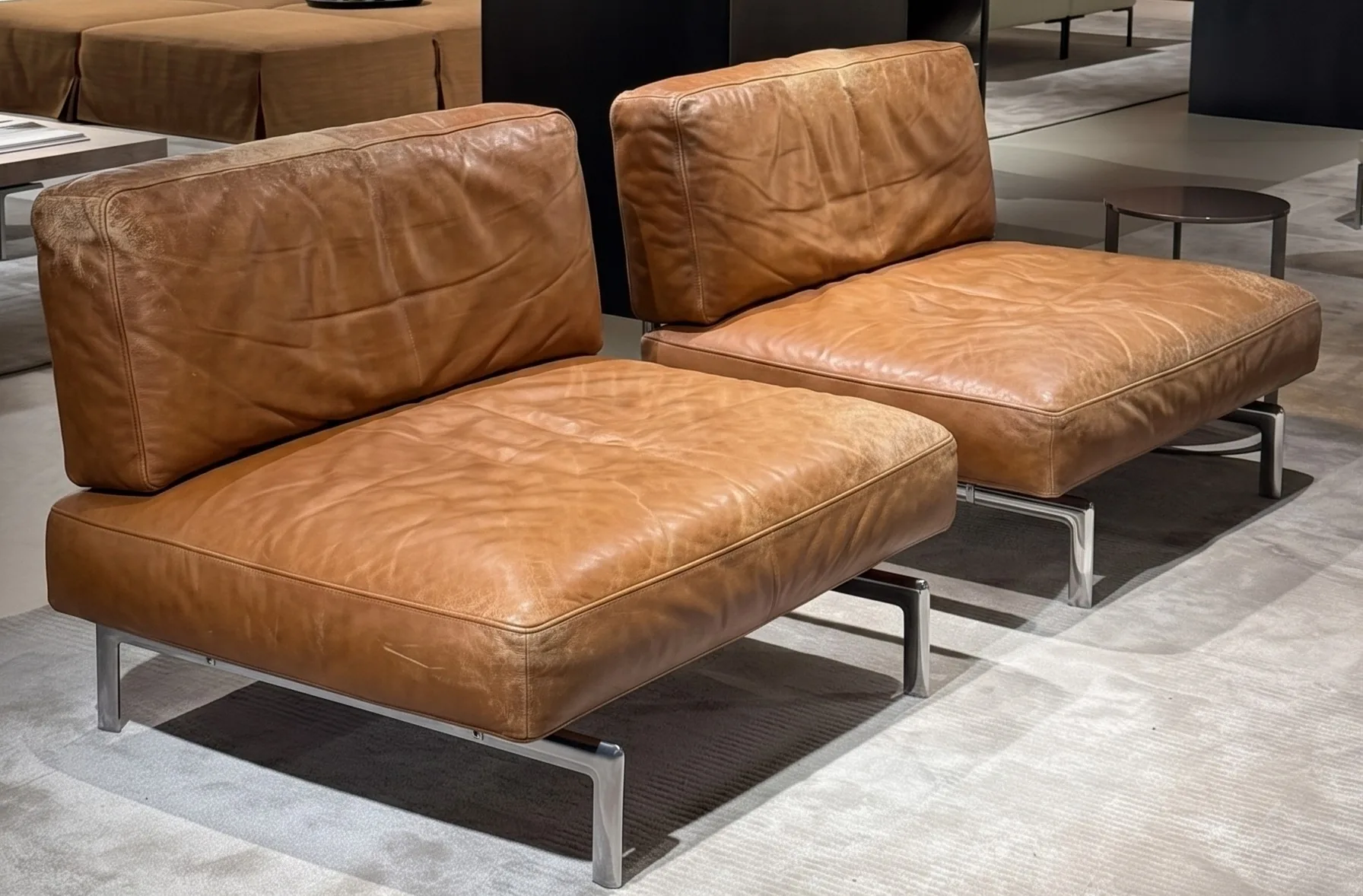
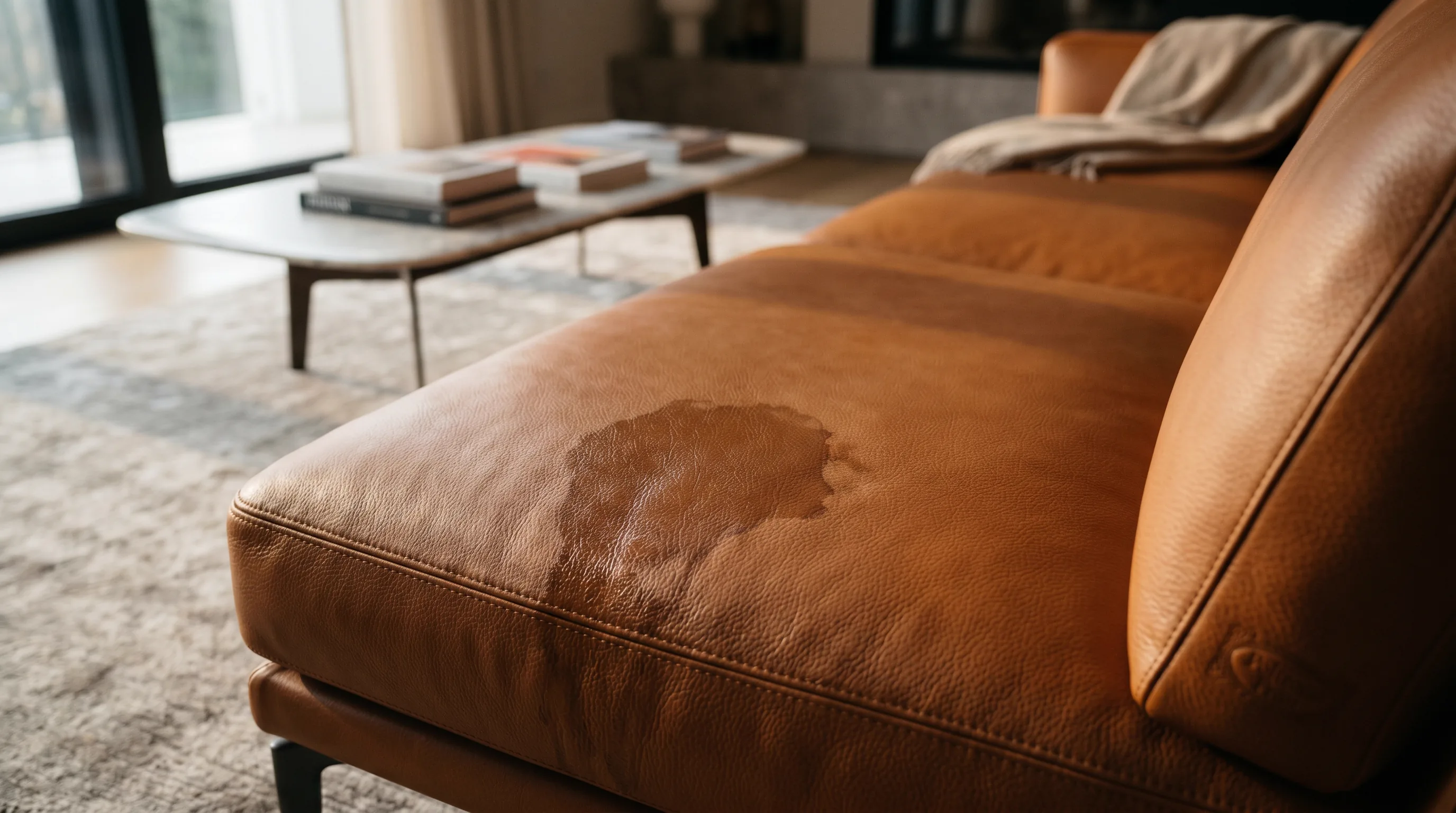
A conservator's protocol for turmeric, lifted clean - the curcumin stain that worsens in sunlight if you rush it.
Explore
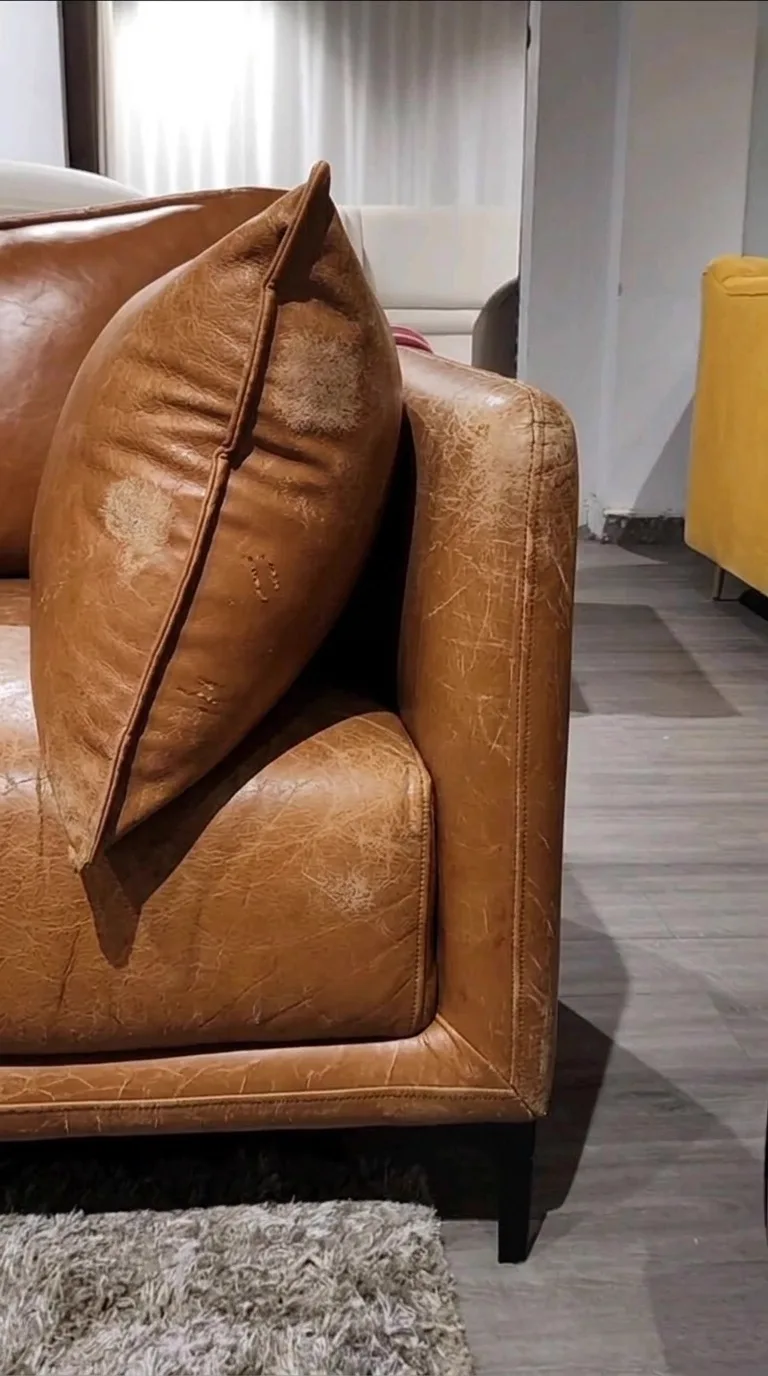

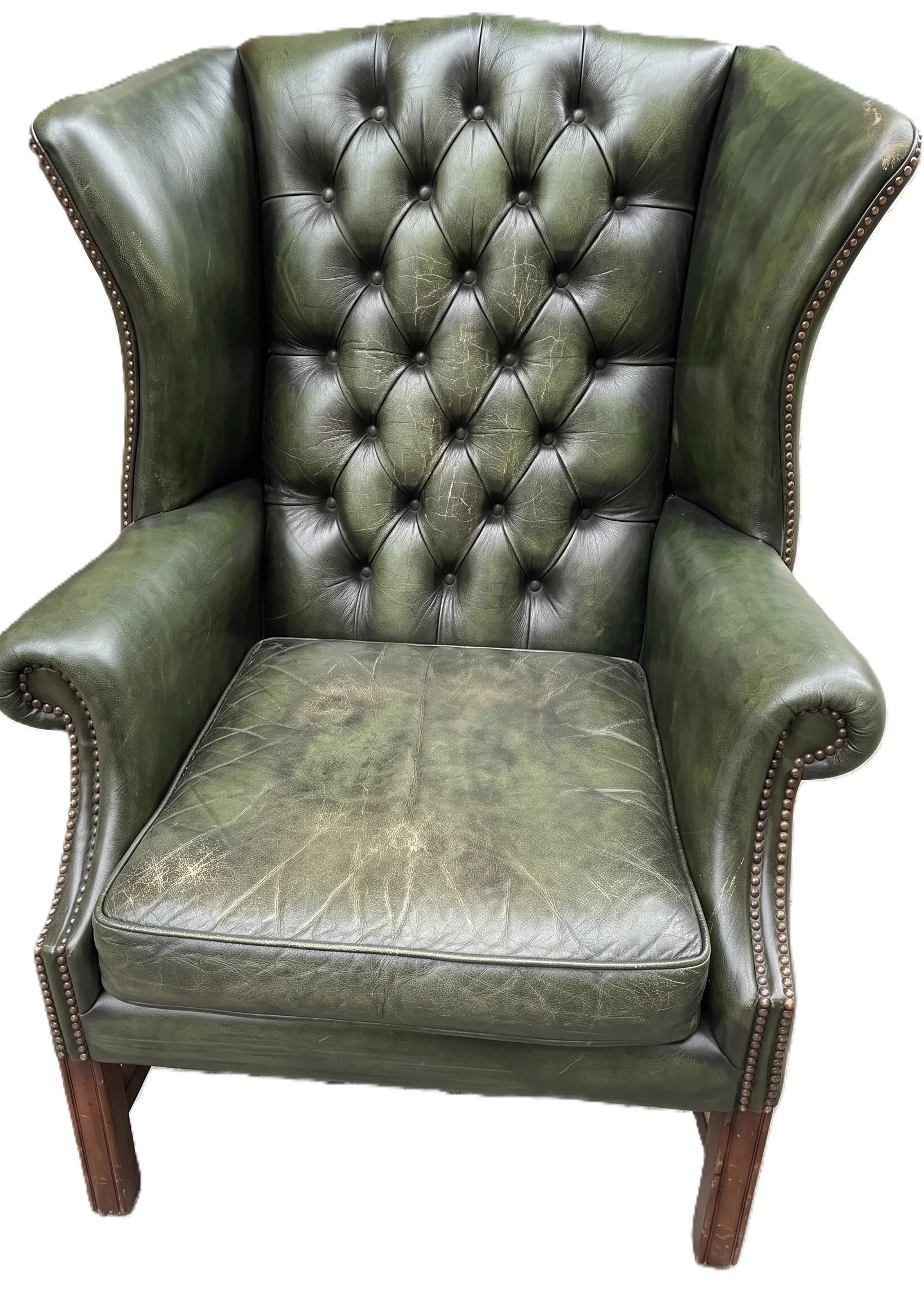
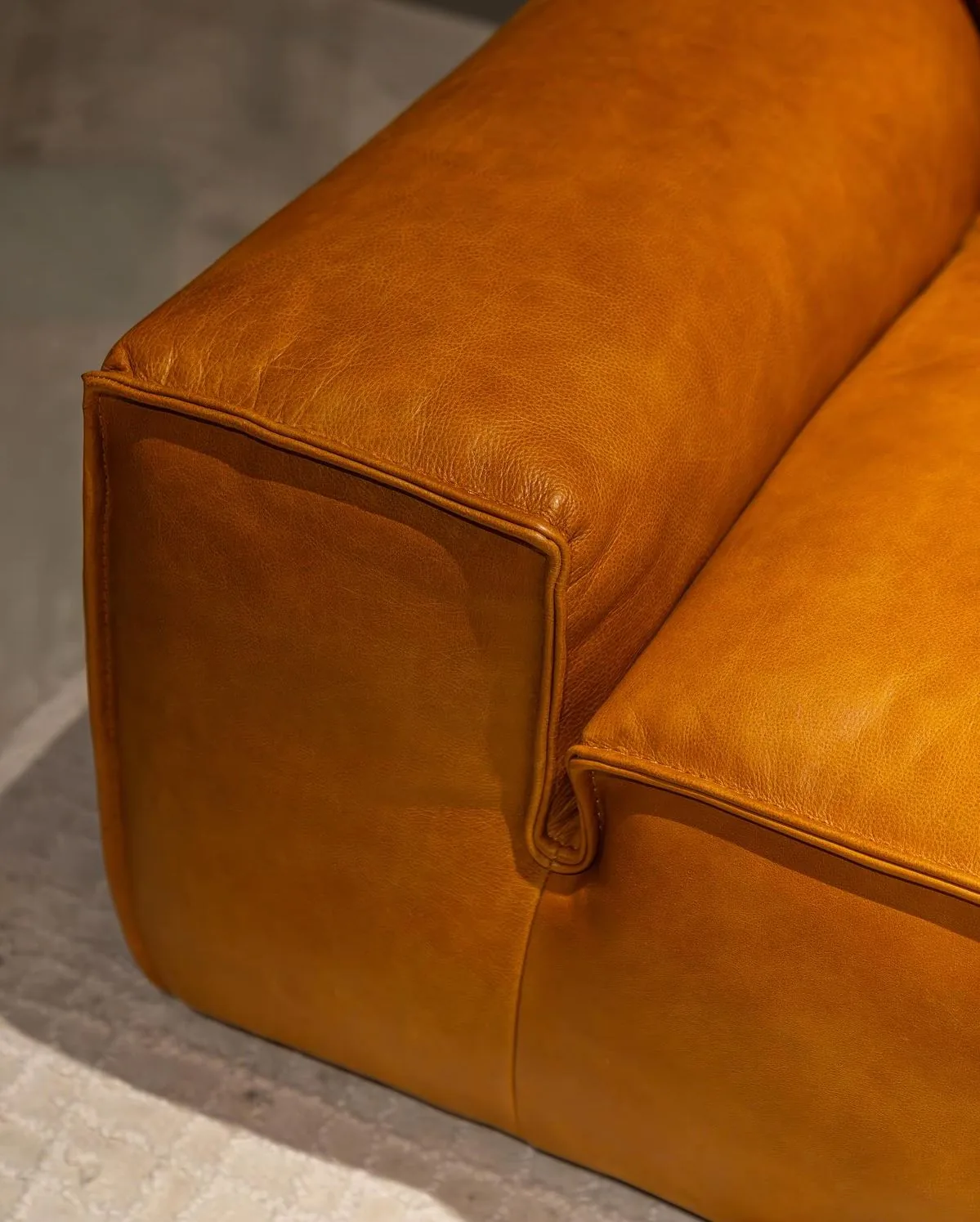
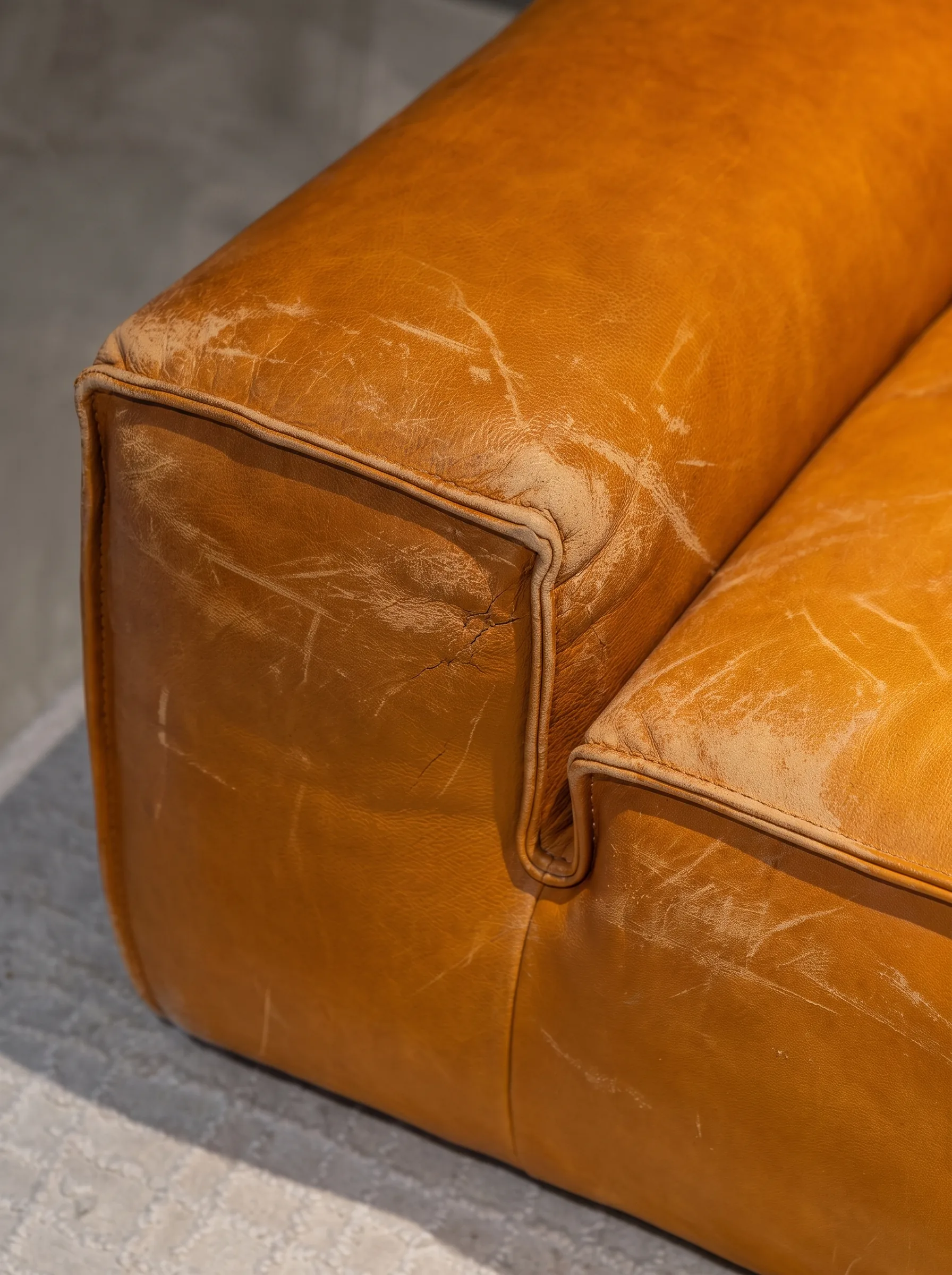
The honest verdict before you start - how fast to move, what is at risk, and how far it really reverses.
Book a Damage Check Time-Sensitive
Oil carrier buys time but drives deeper.
 Leathers At Risk
Pigmented forgives - aniline rarely does.
 Difficulty
Oil base; wrong move spreads it instantly.
 Reversibility
Set haldi on aniline = studio dye-correction.
The single worst move on fresh haldi is water - it spreads curcumin sideways into a far bigger cloud. Reach for dry cornstarch first; water comes once, late, and only on the oily ring that remains.
Half the haldi damage we see at the studio came from a wet wipe in the first thirty seconds. Cornstarch, fifteen minutes of stillness, no panic - and most splashes never reach our bench at all.
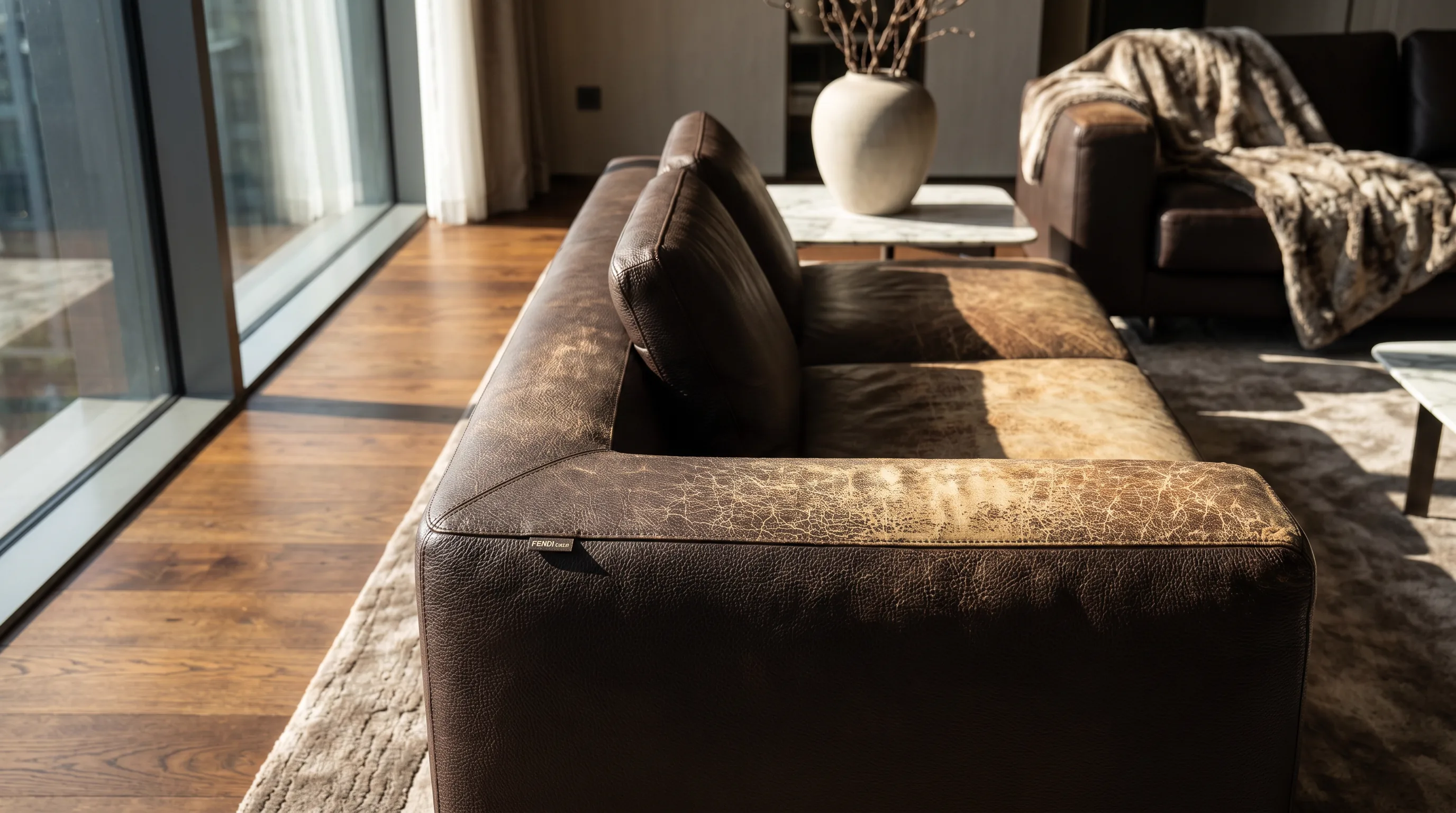
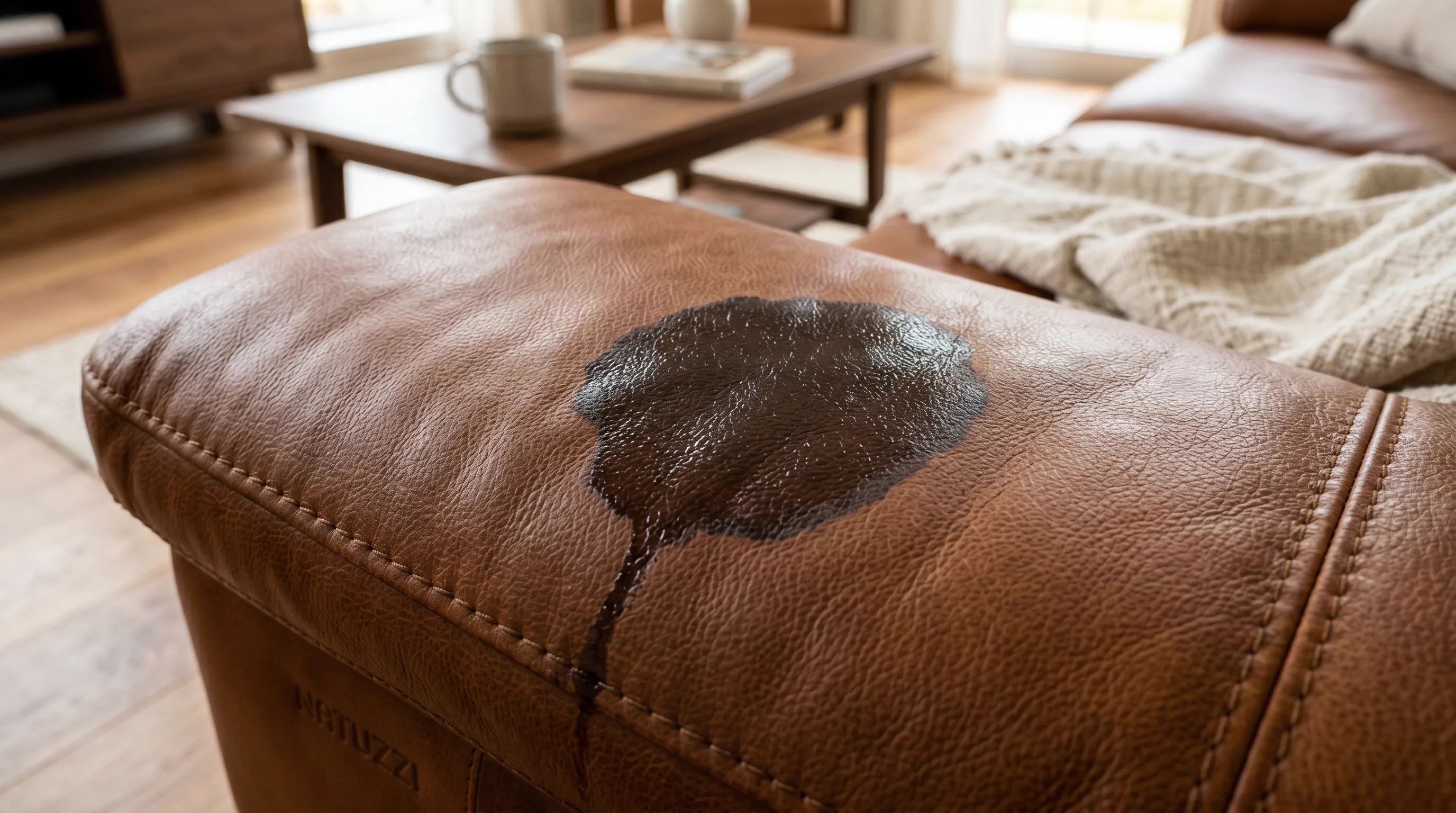
Photographed in studio - FaridabadHalf the "turmeric stains" we see in the studio turn out to be mustard, kumkum, or daal-tadka splatter where ghee did most of the carrying. A thirty-second look before you reach for anything saves the wrong cleaner from making the wrong stain permanent.
Curcumin sits in a narrow yellow band - bright, almost neon. Mustard runs more orange-brown. Saffron runs pinker. If the colour is too warm, it is probably not pure haldi.
A 2-4 mm oily ring spreads beyond the visible yellow edge. That is the lipid carrier - ghee, mustard oil, or whatever dish the haldi rode in on. The ring is what makes water-cleaning fail.
Press a clean dry white cotton cloth straight down. If yellow transfers, it is loose surface pigment. If nothing transfers, the curcumin has already keyed into the leather's finish coat - you are at minute fifteen, not minute one.
This is the haldi-kumkum reaction in miniature. Curcumin shifts from yellow to red under alkaline conditions (pH above 8). If the splash has gone red, somebody already tried baking soda or soap - that diagnosis matters for the next step.
More orange-brown, no greasy halo, smells sharp. Allyl-isothiocyanate, not curcumin - cleans with mild soap and water, the opposite of haldi.
Already alkaline, already red. No curcumin involved. Wants a different protocol - dry brushing first, no water at all.
Pinker yellow, no oil carrier. Crocin pigment is water-soluble - this one actually wants a damp cloth, the rare case where the haldi rule reverses.
Curcumin (the molecule that makes haldi yellow) is a fat-soluble polyphenol pigment. It binds to leather not through the surface but through the lipid layer that lives inside the finish coat. That is why water-based cleaning makes everything worse. Knowing the chemistry is half of why the protocol works.
Pure turmeric powder is roughly two to five percent curcumin by weight - the active dye - suspended in starch and a few terpene oils. The moment haldi hits leather, the curcumin (a polyphenol pigment - read "a coloured molecule that loves fats") dissolves into whatever oil is nearby - the ghee in your daal, the mustard oil in your sabzi, or the natural lipids already in the leather's finish coat. From there it migrates through the leather's lipid layer the way an oil stain does, except it carries a vivid yellow with it.
Curcumin exists in two forms that swap back and forth depending on pH (think of it as the molecule "flipping shape" with acidity). The technical name is the diketone tautomer (a tautomer is a molecule that exists as two interchangeable shapes; here it flips between two forms depending on the surrounding acidity). At neutral or acidic pH (anything below about 7.5), curcumin sits in its enol form and stays bright yellow. Push the pH past 8 - which is exactly what baking soda or alkaline soap will do - and the molecule flips into a phenolate form that absorbs light differently and looks brick-red or rust-brown. This is the same chemistry behind the haldi-kumkum trick at every Indian wedding. On a sofa, it is a one-way disaster: a yellow stain becomes a red one, and now you are fighting two stains at once.
Curcumin also photodegrades - sunlight breaks the molecule apart over hours to days. UV light is technically a bleaching agent for haldi, and on heavy pigmented leather it can be used carefully as a finishing fade after the protocol. On aniline, never. Direct sun fades the leather's own dye faster than it fades the curcumin, leaving a paler patch where the splash sat. Photodegradation (UV breaking the dye molecule into colourless fragments) is a real tool, just a dangerous one - one we use in the studio under a calibrated UV lamp, never with raw afternoon sun on someone's drawing room.

Curcumin migrates for forty-five minutes after it lands. Stop the migration first; lifting is the calmer half of what follows. Patience is not waiting - it is the technique.
Photographed on site - IndiaForget every stain rule you have ever read about acting fast with a wet cloth. Haldi is the exception. The first hour is dry - cornstarch, blotting, no water. The lifting comes after, and it is gentler than you think.
Do not pick up a wet cloth. Do not run for a wet wipe. Take a daylight photograph from two angles - your reference for "before". Then walk to the kitchen and pick up cornstarch (or maida, or talcum powder). Everything else depends on this two-minute pause.
Pour a generous heap of cornstarch directly onto the wet splash - enough to cover, then a little more. Do not press. Do not rub. The starch is drinking up the oil carrier the curcumin is riding on; if you remove the carrier, the pigment loses its way deeper into the leather. Leave it for ten to fifteen minutes by the clock.
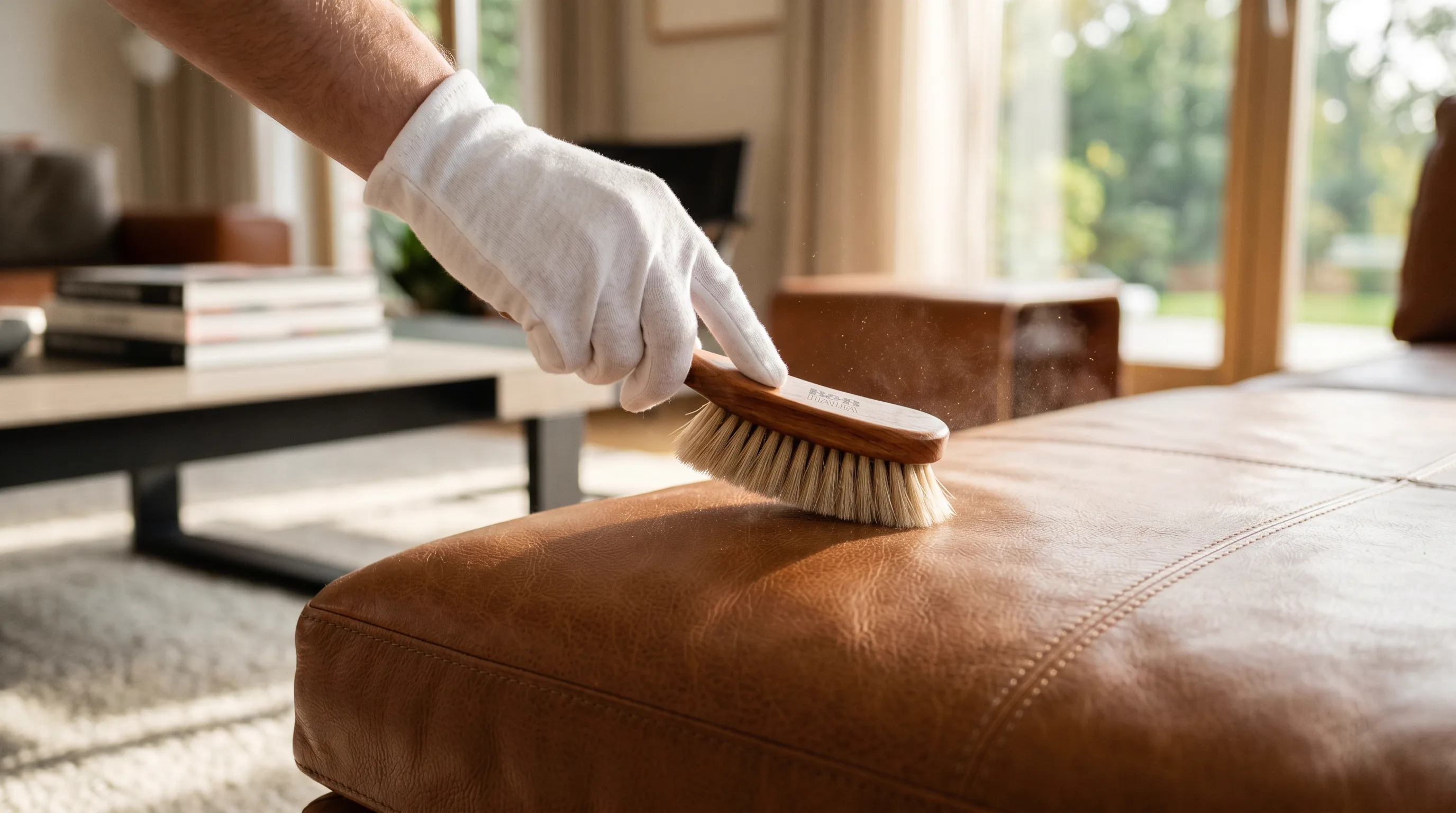
Lift the cornstarch off with a soft brush or the dry corner of a spoon - do not wipe. The first powder will come off pale yellow; that is the curcumin you saved from setting. Repeat with a second dose if the new starch still picks up colour. Now run the thirty-second self-test in Section 06 to find out whether your leather is aniline, semi-aniline, or pigmented. Everything else depends on this answer.
Only after cornstarch has done its work do you reach for a liquid - and even then, only after a full ten-minute patch-test of 70 percent isopropyl alcohol on a hidden patch. If the patch-test fails (and on aniline it usually does), stop here, photograph the splash, and skip to Section 07. Handing the job over is not failure on this stain - on aniline, it is what saves the hide.
These cause permanent damage. The stain may lift; the leather will not recover.
Conservator-grade first response. Buys you the time to do this properly.
These steps assume cornstarch has already done its work and your patch-test of 70 percent isopropyl passed. If it failed - and on aniline it almost always does - stop here and read Section 07. Handing the job over is not failure; on the wrong hide it is what saves the leather.
Fresh - Run all six steps in order. Most fresh haldi splashes lift to acceptable on semi-aniline and pigmented leather within 60 minutes. Aniline is the hard case even fresh - run Step 1 only and stop.
Dried - Dried curcumin has bonded to the lipid layer of the finish. Step 1 is irrelevant; Step 3 carries most of the work. Plan for a faint ghost-tint to remain even after success. Studio dye-correction is the realistic full fix.
Set - Skip Step 1 (no oil left to absorb). Spend longer on Steps 3-4 with patient, dry-then-damp swab dabs. Expect partial recovery only - 40-60 percent on pigmented, much less on aniline.
Pour a thick heap of cornstarch (or maida) directly onto the splash. The mound should be at least twice the diameter of the visible yellow. Do not press, do not rub - you are letting capillary action draw the oil carrier upward into the powder. Leave it untouched for fifteen minutes by the clock; longer in monsoon humidity. After fifteen minutes, sweep the powder off with a soft dry brush or the back of a clean spoon. The first sweep should come away pale yellow - that is the curcumin you stopped from setting.
Choose a hidden patch on the back of the seat-back, under a cushion, or behind the skirt. Dab a coin-sized drop of 70 percent isopropyl alcohol with a cotton swab. Wait ten minutes by the clock. Inspect: if the patch dulls, lifts colour onto the swab, or leaves a darker halo, stop here - your leather is aniline or has a delicate finish, and the protocol below will damage it. Photograph the splash and skip to Section 07.
Damp a fresh cotton swab in 70 percent isopropyl - not soaked, just damp. Place the tip at the outer edge of the yellow and roll inward in three to four millimetre dabs, working toward the centre. The instant any yellow transfers to the swab tip, throw it away and pick up a fresh one. Never re-touch a coloured swab to the leather - you will redeposit curcumin every time. On haldi, expect to burn through twenty to forty swabs on a single thumb-sized splash. That is normal; that is what success looks like.
The oil halo around the splash is not curcumin - it is the lipid carrier (ghee, mustard oil) the haldi rode in on. A separate, gentler step takes care of it. Add one drop of pH-neutral dish soap (Vim original liquid is fine; avoid scented or bleach-added variants) to a quarter-cup of distilled water. Damp a fresh white cotton cloth, wring almost dry, and wipe the oily ring once in a single direction. This is the only place water belongs on a haldi stain - and only after the pigment is mostly lifted, never as a first move on fresh yellow.
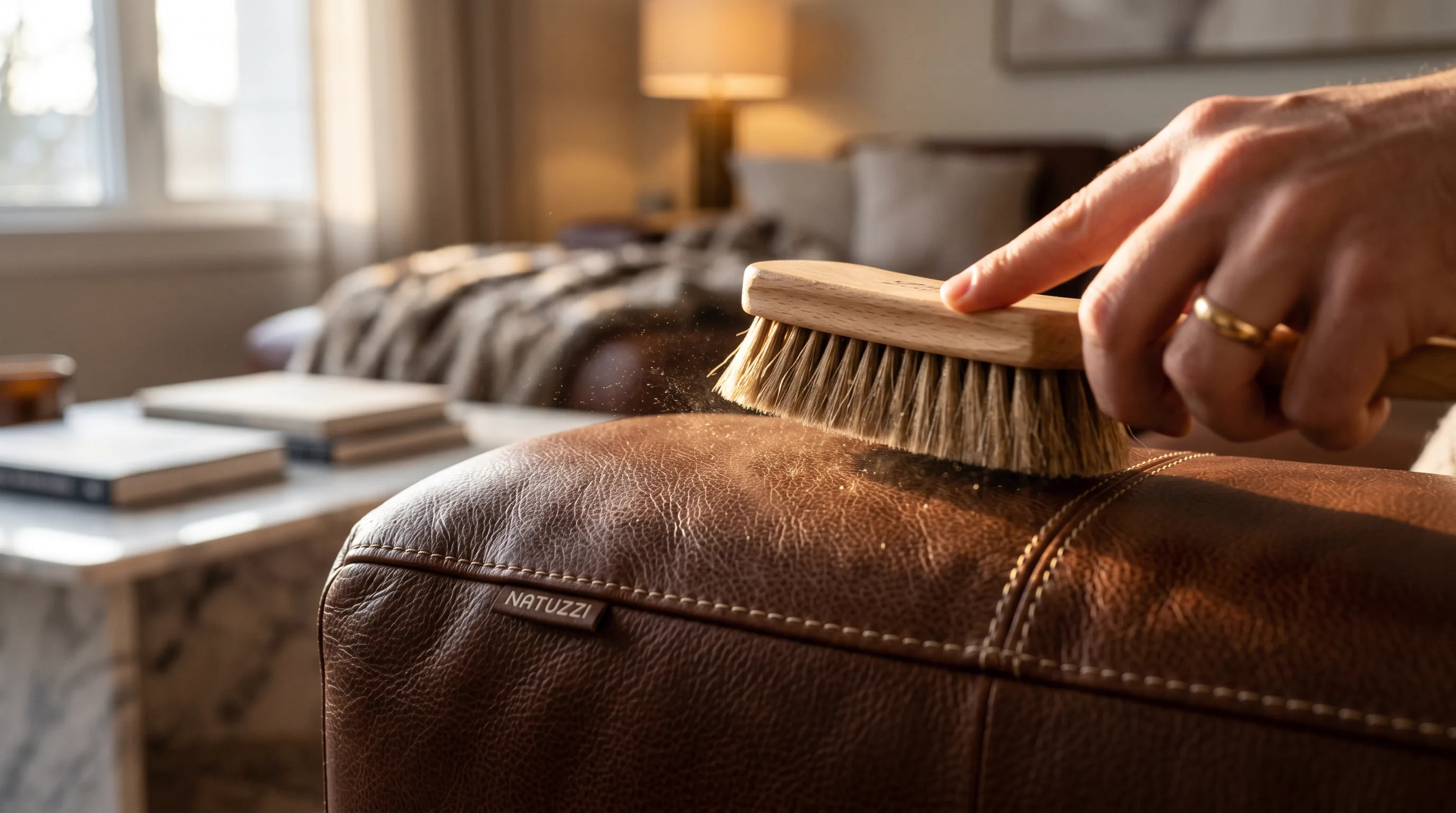
Pat the area dry with a fresh white cotton cloth. Then walk away. Let the panel air-dry for at least forty-five minutes - longer in monsoon humidity, when the leather will need ninety minutes or more. Never use a hairdryer, never aim a fan at it, never put it in direct sunlight. Rapid evaporation cracks the finish coat permanently and leaves the surface brittle for years afterward. Indirect daylight from across a room is fine; a windowsill in May is not.
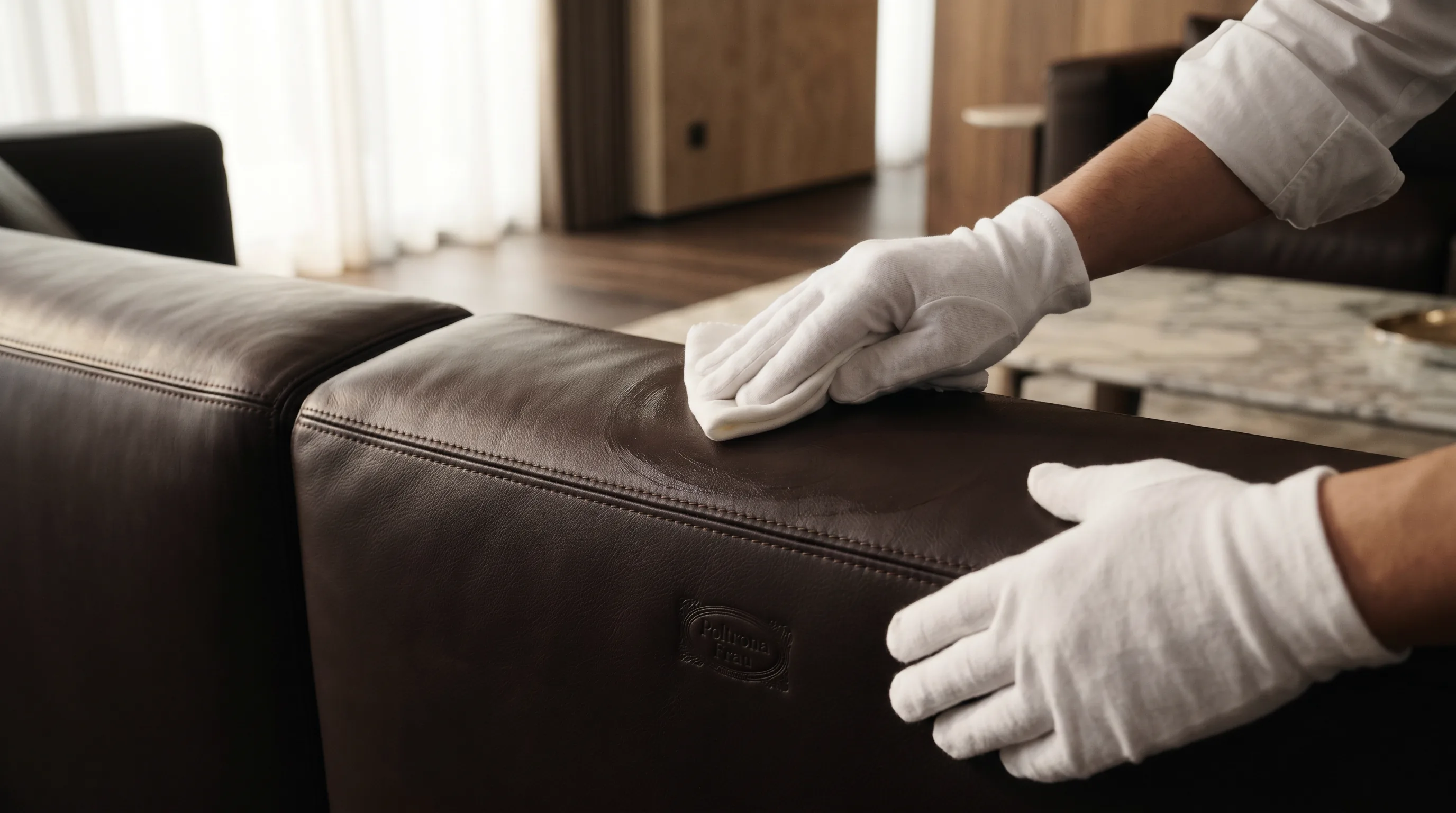
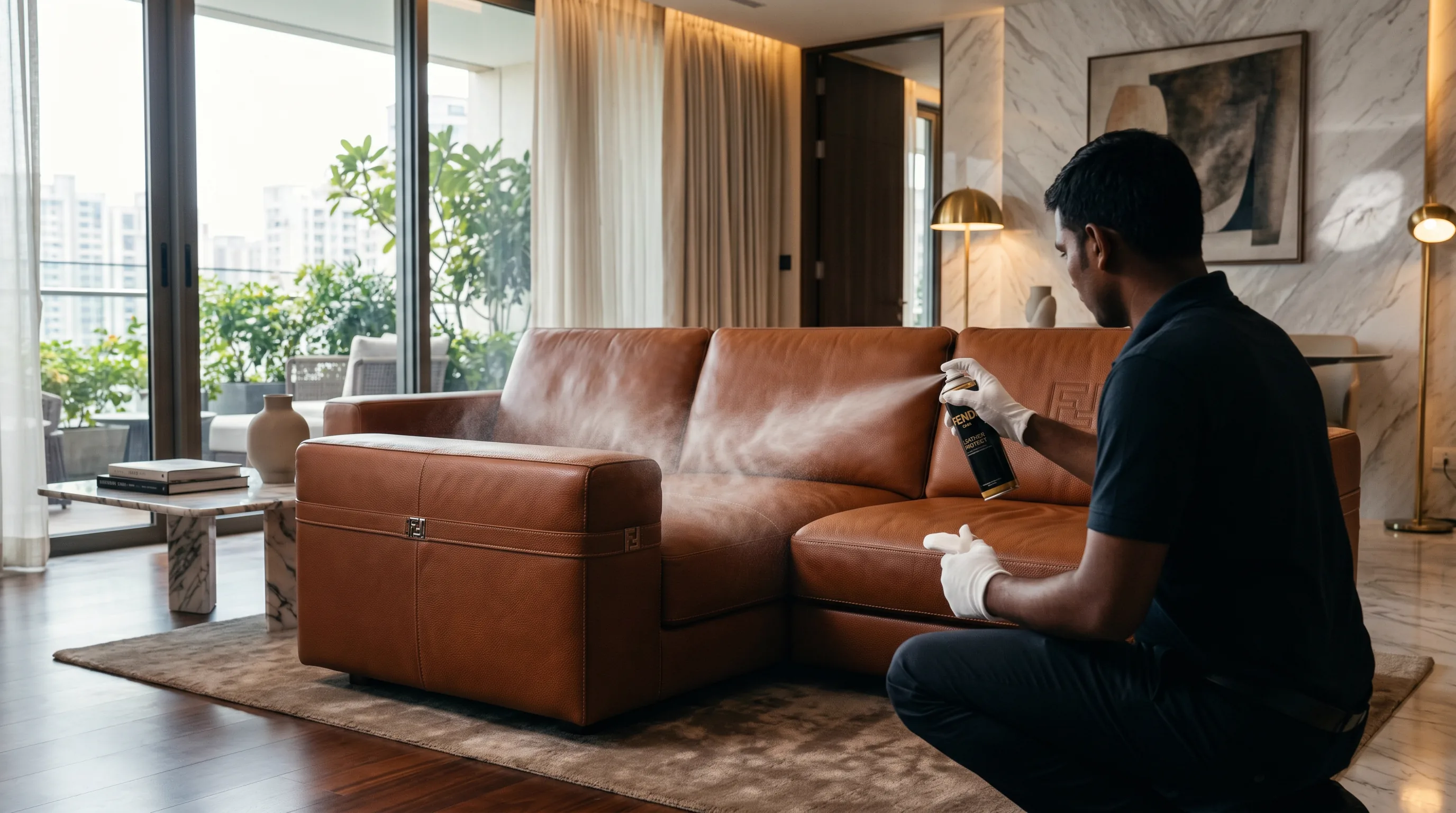
Once the leather is fully dry and at room temperature, apply a small bead of pH-neutral leather conditioner to a microfibre cloth. Buff into the worked area in small overlapping circles, then feather outward into the surrounding leather so there is no visible boundary. Cornstarch and isopropyl together stripped a noticeable fraction of the natural lipid layer; you are restoring it. Less is more - excess conditioner sits on the surface and attracts dust.
No visible yellow, even at oblique angles. The worked area matches the surrounding leather in colour and sheen within 48 hours. No greasy patch, no faint ghost-tint where the pigment sat.
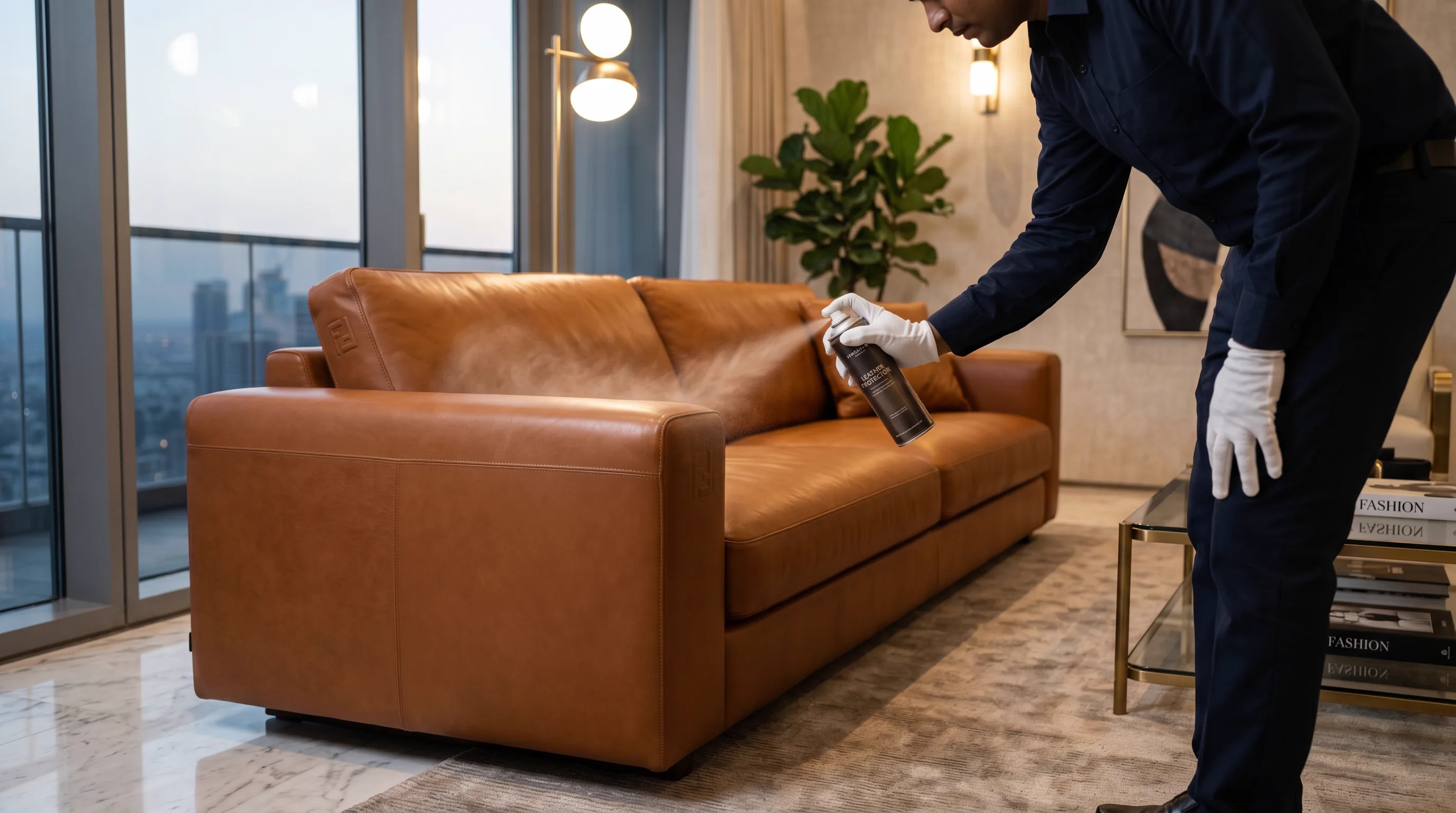
A faint cream or buttercup ghost remains where the original splash was - visible only in raking light. No halo, no pigment lift, no greasy ring. This is the realistic best case on aniline and most set haldi.
A red or rust patch (you hit it with something alkaline), a spreading yellow halo, or a dry crater where you scrubbed. Any of these mean the protocol has hit its limit. Stop, photograph it in daylight, send it to us. Aniline-on-haldi is fixable but only on the bench.
Haldi removal does not need a toolkit. It needs the right six items in the right order. Almost everything here is in your own kitchen, a Faridabad chemist, or a kirana shop within a kilometre.
The single most important tool on this page. A dry oil-absorbent that pulls the lipid carrier out of the splash before the curcumin can migrate. Used in Step 1 before any liquid touches the leather. Talcum powder works in a pinch; cornstarch works best.
Single-use, rotated constantly. Curcumin transfers visibly onto white cotton, so a fresh swab the moment the tip turns yellow is the whole reason this protocol works. On a single thumb-sized haldi splash, expect to burn 20-40 swabs.
The active solvent for residual curcumin in Steps 2-3. Strong enough to lift fat-soluble pigment, weak enough that a brief dab does not strip leather pigment. Stronger concentrations (90%+) flash too fast and over-strip the topcoat.
Restores the lipid layer the cornstarch and alcohol stripped. The hardest item to source well in India - most cheap "leather conditioners" are silicone polishes that yellow over time and on a haldi-treated panel will read as ghost-stain returning. Buy one trusted bottle and it lasts years.
For the Step 4 oily-ring pass only. One drop in a quarter-cup of distilled water - never neat, never on the yellow itself. Vim original liquid is reliable; avoid scented or bleach variants.
White cotton (cut from old plain malmal or t-shirt) for Step 4 wiping; a clean microfibre for Step 6 conditioner buffing. White only - any colour transfers dye onto already-vulnerable leather.

Aniline forgives nothing on curcumin. Pigmented forgives almost everything. Reading the leather before reaching for a cleaner is the one habit that has saved more wedding-week sofas than any product on the shelf.
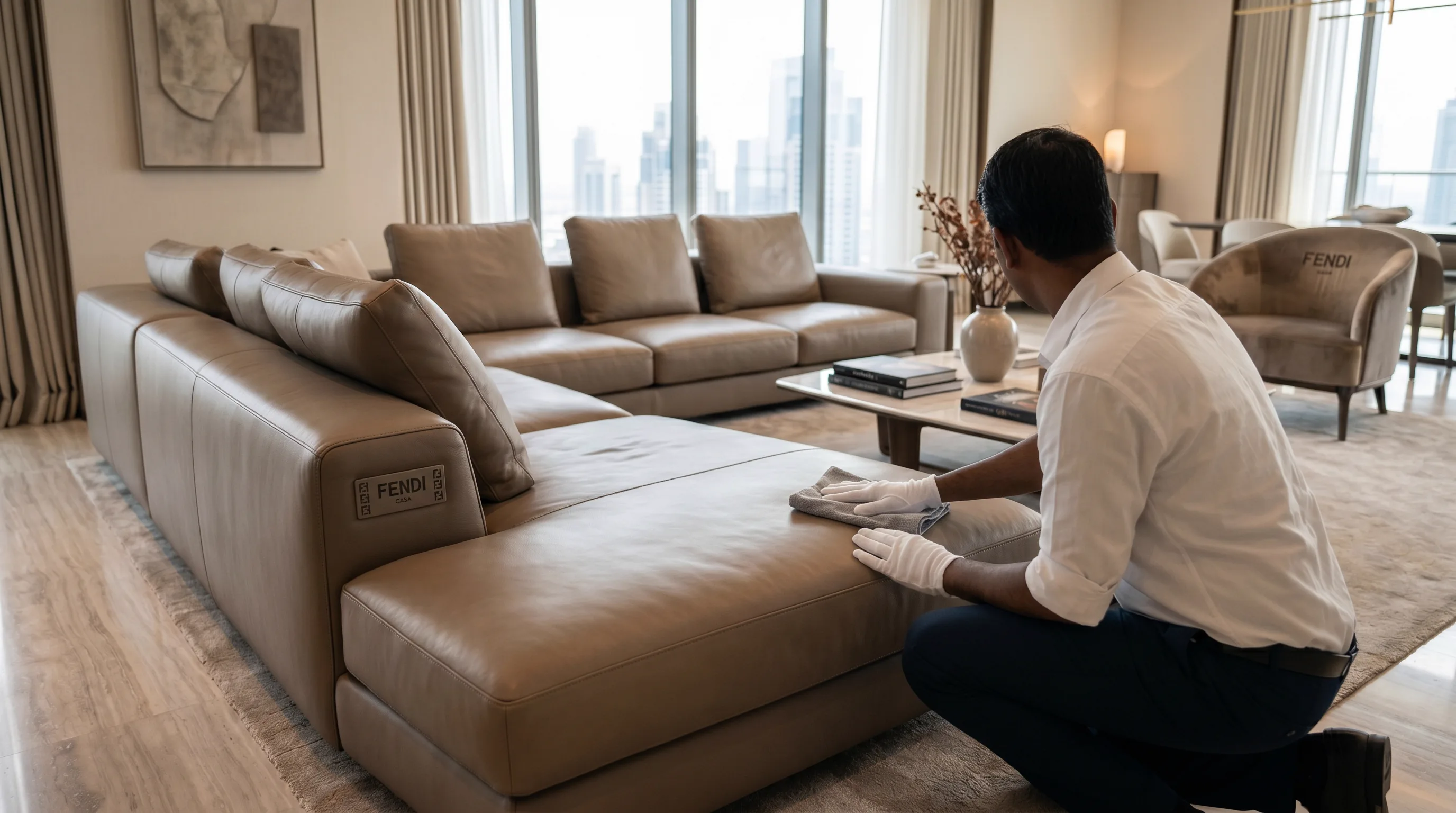
Photographed in studio - The PracticeThe same teaspoon of haldi behaves five different ways across the five common leather finishes. Find your row first. Your odds, and your next step, depend on it more than anything else on this page.
Pick a hidden patch (back of seat-back). Run all three tests, then read the matrix below for your type.
Place a single drop of water on the surface. Soaks in within 30 seconds = aniline. Beads and sits on top = pigmented or bicast. Slow darken with eventual absorb = semi-aniline.
Press a fingernail into the leather for two seconds, release. Mark stays then fades slowly = aniline / semi-aniline. No mark at all = pigmented or bicast (top-coat hides the indent).
Look across the surface at a low angle in daylight. Uneven natural grain, soft matte sheen = aniline. Plastic-like even sheen, perfectly uniform grain = bicast or heavily pigmented PU-leather.
Still unsure? WhatsApp a close-up photograph in daylight to +91 98915 96597 - identification is free.
No topcoat. Curcumin soaks straight into the corium through the lipid layer within fifteen minutes. Halo bleeds 4-8 mm beyond the visible splash. Yellow becomes structural - dyed into the hide's own fibres.
Cornstarch only. Skip every liquid step. Photograph and send to the studio for dye-correction under controlled UV.
The single biggest predictor of haldi-removal success is which row of this matrix your sofa sits in. Most premium furniture made in the last two decades is semi-aniline or pigmented - the two best-case rows. Older European pieces, Italian hides marketed as "natural" or "vintage," and most modern boutique brands lean aniline. A short read on the three finish classes separates them in under three minutes if you are unsure - and on haldi specifically, the difference between aniline and pigmented is the difference between a studio job and a Sunday afternoon recovery.
Bicast and bonded "leather" - common at price points below Rs 60,000 in India - look like leather but behave like plastic. The good news on haldi is that curcumin barely penetrates the polymer skin; the bad news is the skin itself peels in sheets if you scrub. The bicast / bonded explainer covers the failure modes worth knowing before any kitchen splash hits the cushion.
Haldi has a sharper boundary than most stains. Aniline plus haldi plus more than one hour usually means the home protocol is finished. Recognising that line early is the most important call you make.
Most haldi cleanings fail at the same place. People see partial yellow lift, assume a little more pressure or a stronger product will finish it, and cross from lifting curcumin into lifting the leather's own pigment - or, more often, into the alkaline trap with a baking-soda paste that turns the splash brick-red. The vinegar-and-olive-oil "household trick" is the most common version of this story, a folk remedy that has cost more sofas than any actual stain in our log book.
If you have worked through all six steps and a yellow ghost is still visible after twenty-four hours of full-dry rest, you have reached the boundary. Past that point, the answer is studio dye-correction under a calibrated UV lamp - we use the same photodegradation that ruins haldi-on-aniline in raw sunlight, but at controlled wavelength and exposure, away from the leather's own pigment. After UV, a thin pigment touch-up matches the panel back to the surrounding hide. We do this routinely after Indian wedding seasons. Pan-India by photograph - we have shipped touch-up kits to Mumbai, Bengaluru, and Hyderabad after WhatsApp diagnoses.
A red or rust patch where the splash was. That is the alkaline shift, not residual stain - somebody applied baking soda or alkaline soap and the curcumin flipped colour.
A spreading yellow halo bigger than where the splash started. Solvent or water has carried the curcumin sideways through the lipid layer.
The leather feels rough, dry, or stiff where you worked, even after conditioning. The cornstarch-then-alcohol cycle stripped the lipid layer faster than conditioner can rebuild it.
A pale or bleached halo around the original splash. That is pigment lift, not residual curcumin, and pushing harder will make it worse.
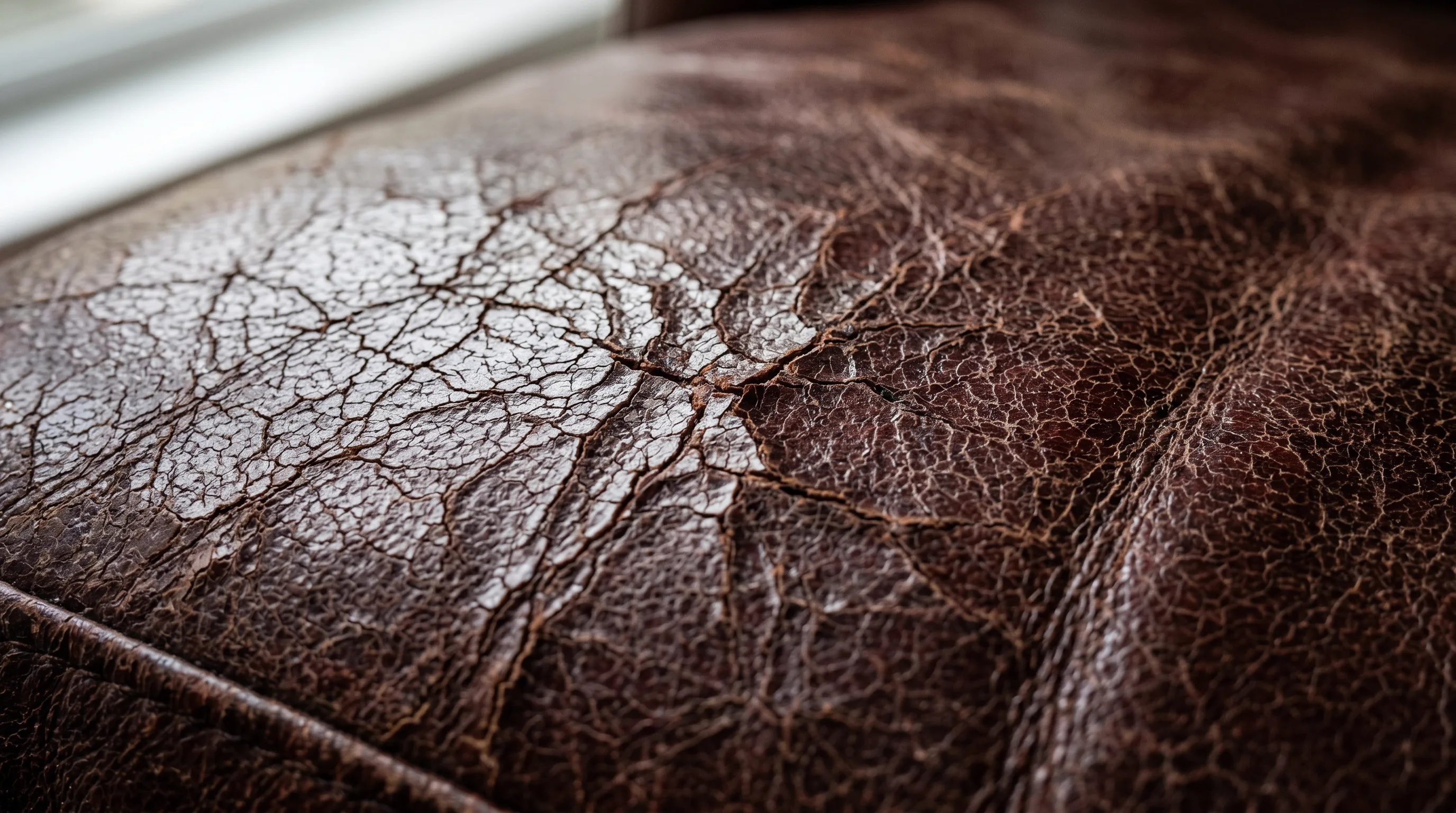
Cracks or fine lines in the finish coat where you swabbed - or colour transfers onto a fresh swab dampened with plain water. Both mean the topcoat is starting to fail.
Haldi is the one stain where the wrong move in minute one decides everything. By the time someone calls us, ninety percent of the damage is from the wet wipe they used in the first thirty seconds, not the dish that spilled.
There is no need to commit to anything yet. Send a daylight photograph on WhatsApp and we will tell you honestly whether it is recoverable, whether home methods can still help, and what we would do if it came to the studio.
For the next two to three weeks, the spot you cleaned is more delicate than the rest of the sofa. A little care now is what keeps a one-time haldi splash from becoming a recurring stain that grows with each new spill.
The cornstarch and alcohol that lifted the curcumin also took a noticeable amount of the natural lipids out of the finish coat - more than any other Atlas protocol takes. For the next twenty-one days, the worked area is meaningfully more porous than the leather around it, meaning a second haldi splash in the same spot will set faster, deeper, and more permanently than the first one did. Treat it as a freshly healed scab.
Routine conditioning every four to six weeks with a pH-neutral product is the simplest insurance you can buy. The full furniture-care guide walks through frequency, product choice, and timing across Indian climate cycles. Condition four to six times a year and patch-test once before any new cleaning product touches a fresh spot, and a hide that has lived through a haldi splash will outlast everyone in the house. The home-cleaning chronicle covers the routine maintenance that prevents the lipid-layer thinning haldi-removal accelerates.
The other half of prevention is unglamorous but cheap. Eat at the table, not the sofa, during haldi-heavy meals - daal tadka, biryani, paneer butter masala, anything where ghee carries spice. During pre-wedding haldi ceremonies, cover leather furniture with a plain cotton sheet for the day; this is what every Punjabi household with a leather sofa already does, and it is the single most effective haldi-prevention measure we have ever recommended. Kids and Holi colours - same rule. The sheet costs Rs 200; the studio bill does not.
The worked area needs two follow-up conditions - one at fourteen days, another at twenty-eight days. This is more aggressive than other stains because cornstarch-plus-alcohol is the lipid-stripping-est combination on the Atlas.
Plain white cotton sheet over leather furniture during pre-wedding haldi events, Holi, and any tadka-heavy cooking marathon. Re-use the sheet for years; one washes off in a normal cycle.
For three weeks after haldi removal, treat the worked area as the patch-test zone for any new cleaner, conditioner, or polish you bring home. The lipid layer is thin, and any new product will tell you what it really does here first.
Four times a year, condition the whole sofa - not just stained spots. Even hydration prevents the patchy aging that makes future haldi-tints stand out as ghosts even after they were professionally lifted.
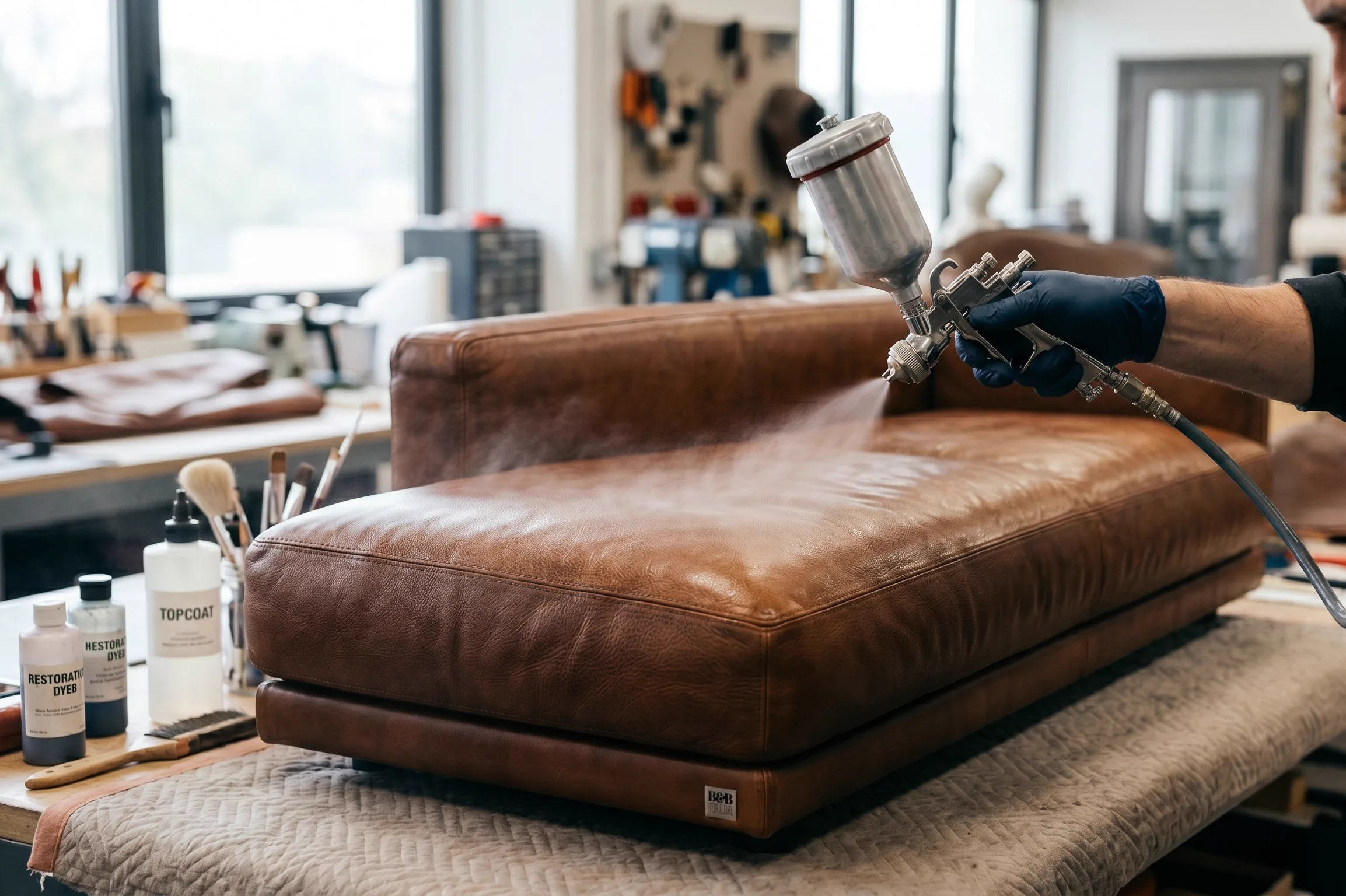
The mark you fix today fades into a decade of evenings. Routine conditioning, a cotton sheet during haldi week, a kitchen kept to the table - small habits keep an heirloom an heirloom.
Photographed in client home - IndiaLemon juice will not meaningfully lift the curcumin, and it softens the leather's topcoat, leaves a sticky citrate residue that attracts dust for months, and on aniline it can cause permanent dulling. Vinegar is a milder version of the same problem. Skip both. The cornstarch-and-isopropyl protocol on this page is what actually works.
Half-true, and dangerous. Curcumin does photodegrade (UV light breaks the molecule into colourless fragments), so direct sun does technically fade the yellow. But it fades the leather's own dye even faster on aniline and semi-aniline, leaving a paler patch where the splash sat - a worse outcome than the original stain. We use UV in the studio under a calibrated lamp away from the leather's own pigment. At home, on a drawing-room sofa, it is the wrong tool.
Because curcumin is pH-reactive. At neutral or acidic pH it sits as a yellow molecule (the diketone tautomer in its enol form). Push the pH past 8 with anything alkaline - baking soda, washing soda, alkaline soap - and the molecule flips into a phenolate form that absorbs light differently and looks brick-red. This is the same chemistry behind the haldi-kumkum reaction at every Indian wedding. To shift it back, do nothing alkaline-related on the spot ever again, and run the cornstarch protocol on whatever yellow is still present underneath. The red ghost may persist; that is studio work.
Yes, helpfully so. The milk fats absorb some of the curcumin before it reaches the leather, so the splash is often less severe than dry haldi powder would be. Run Step 1 (cornstarch) immediately to soak both the milk and the curcumin. Then run the rest of the protocol normally. Haldi-doodh stains are usually the most recoverable variant of this whole family.
No, and it will leave you worse off than before. Toothpaste contains a mild abrasive (calcium carbonate or silica) that scratches the topcoat finish, plus a mild alkaline detergent (sodium lauryl sulfate) that can flip curcumin to red-brown. Two damages in one tube. The internet hack is wrong. Use cornstarch and isopropyl as on this page.
On pigmented leather caught fresh, almost always yes - 85-100 percent if cornstarch reaches the splash within 30 minutes. On semi-aniline, plan for 50-75 percent recovery and a faint buttercup ghost in raking light. On aniline, fully removing curcumin without UV-bench correction is rare. The honest answer is that a faint ghost on aniline is a reasonable best case, and what looks impossible at home is often routine in the studio.
Stains that share a chemistry family, a tool, or a leather-risk profile with haldi. Reach for these next.
PLATE VII
The lipid sibling without the pigment. Same cornstarch first response, then a much quieter middle section.
read entry →
PLATE II
Solvent-bound dye - the polar-solvent cousin of haldi. Different carrier, similar swab discipline.
read entry →
PLATE V
Tannin-pigment combo, India's other kitchen stain. Lower stakes, but the early action window is just as tight.
read entry →
PLATE XII
Lawsone pigments behave like permanent marker. The Indian-context cousin most search engines miss.
read entry →
PLATE III
Tannin-bound, water-soluble while wet - the chemistry-opposite of haldi. Useful contrast for understanding stain families.
read entry →
PLATE IV
Protein-bound. Cold water only, the opposite of haldi - a clean reminder that family decides everything.
read entry →If the cornstarch came off white instead of yellow, if a red patch appeared, if the splash bloomed into a halo, or if the haldi was already there when the sofa came home from a wedding week, send us a daylight photograph on WhatsApp. We will tell you honestly whether it is recoverable, what we would do, and roughly what it would cost. No commitment, no pressure. Faridabad studio, Pan-India by photograph.
Tell us about your sofa. A leather specialist will respond the same day - no obligation.