Before / AfterRecolour & Clean
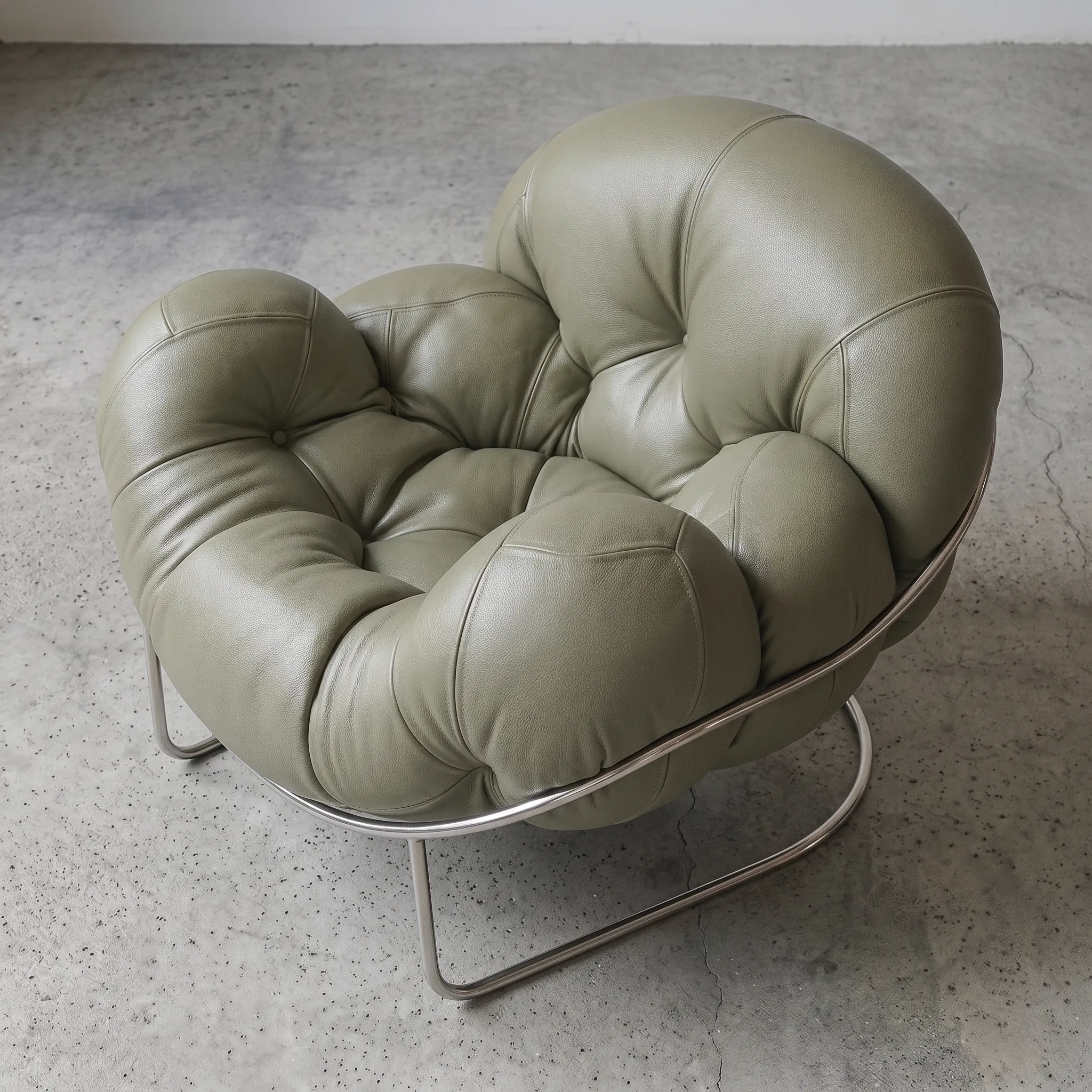
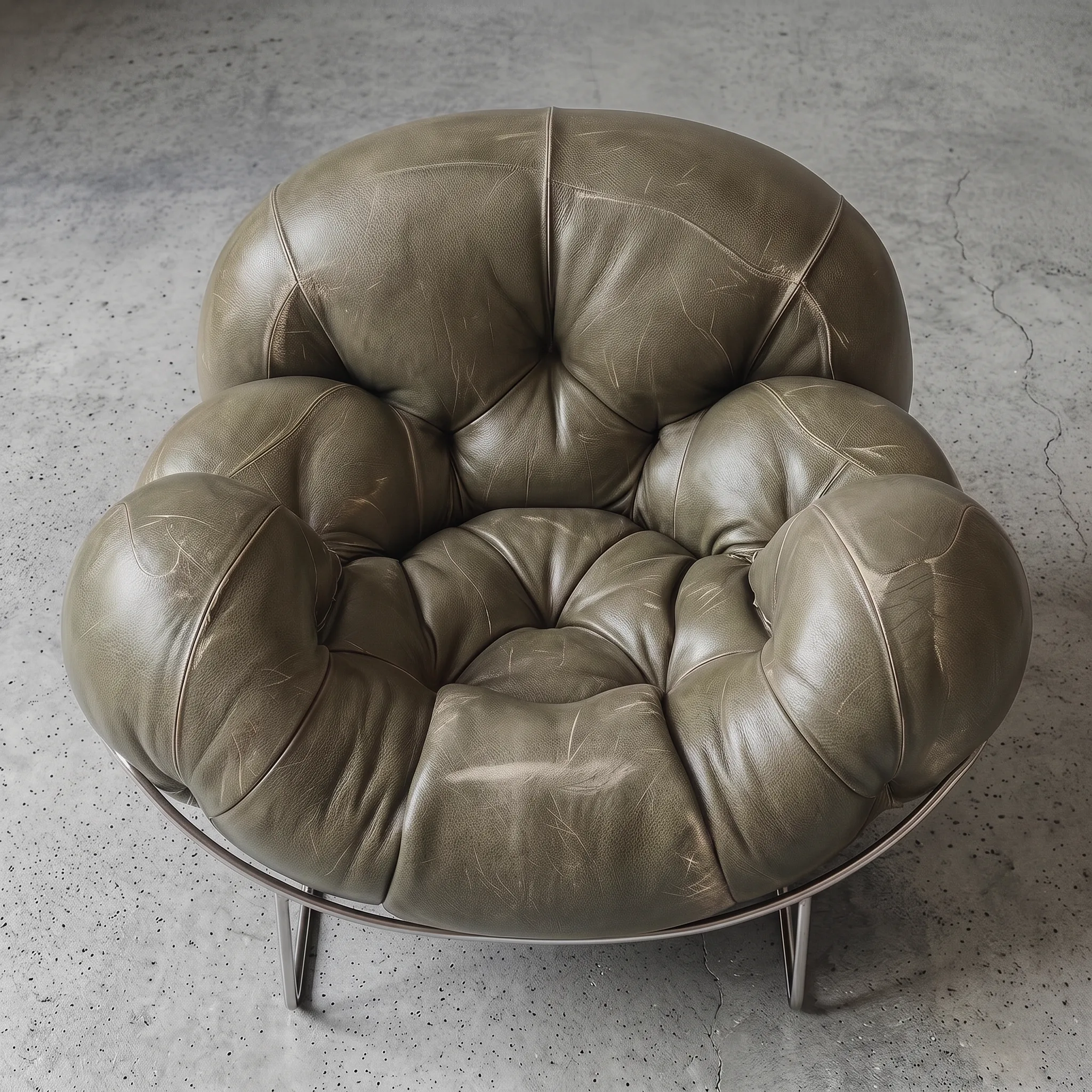
A conservator's cold-water field protocol for fresh and set blood stains, lifted cold - never heat.
Explore
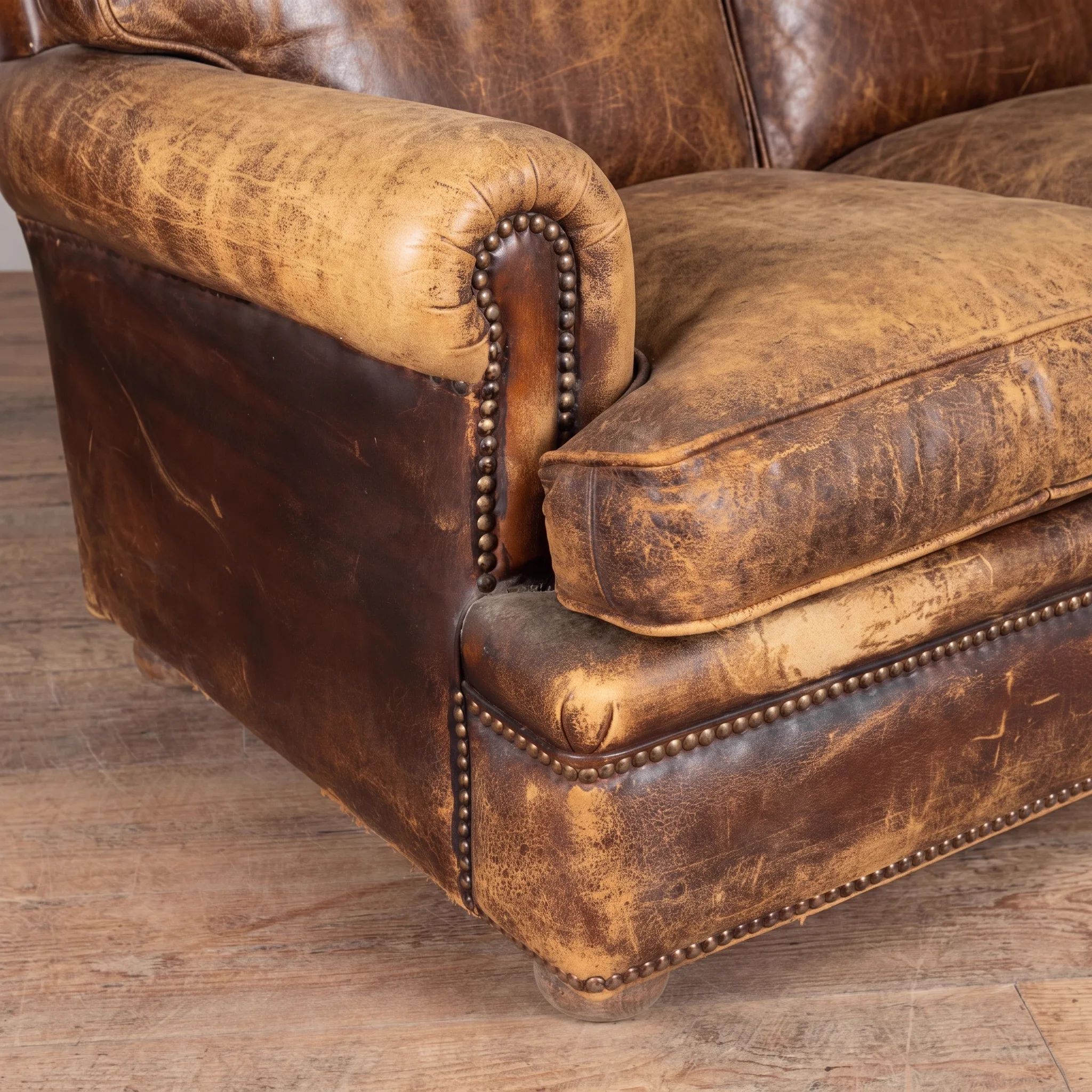
Honest protocols with real chemistry and real success rates - cold water, calm hands, and not a single kitchen myth.
Book a Damage Check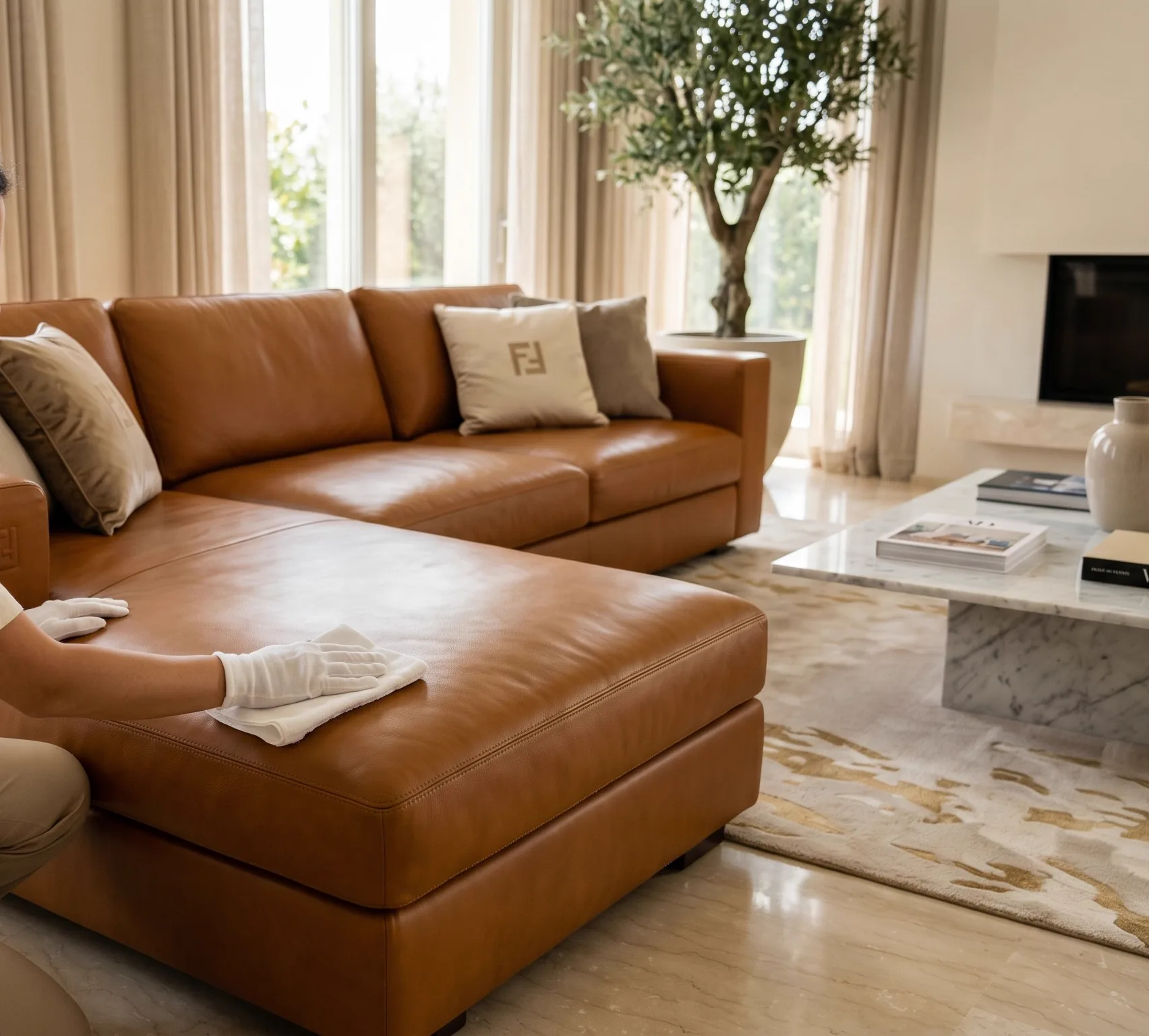 Within 30 min
Press straight down, never rub - plasma sets as it dries.
 Cold saline
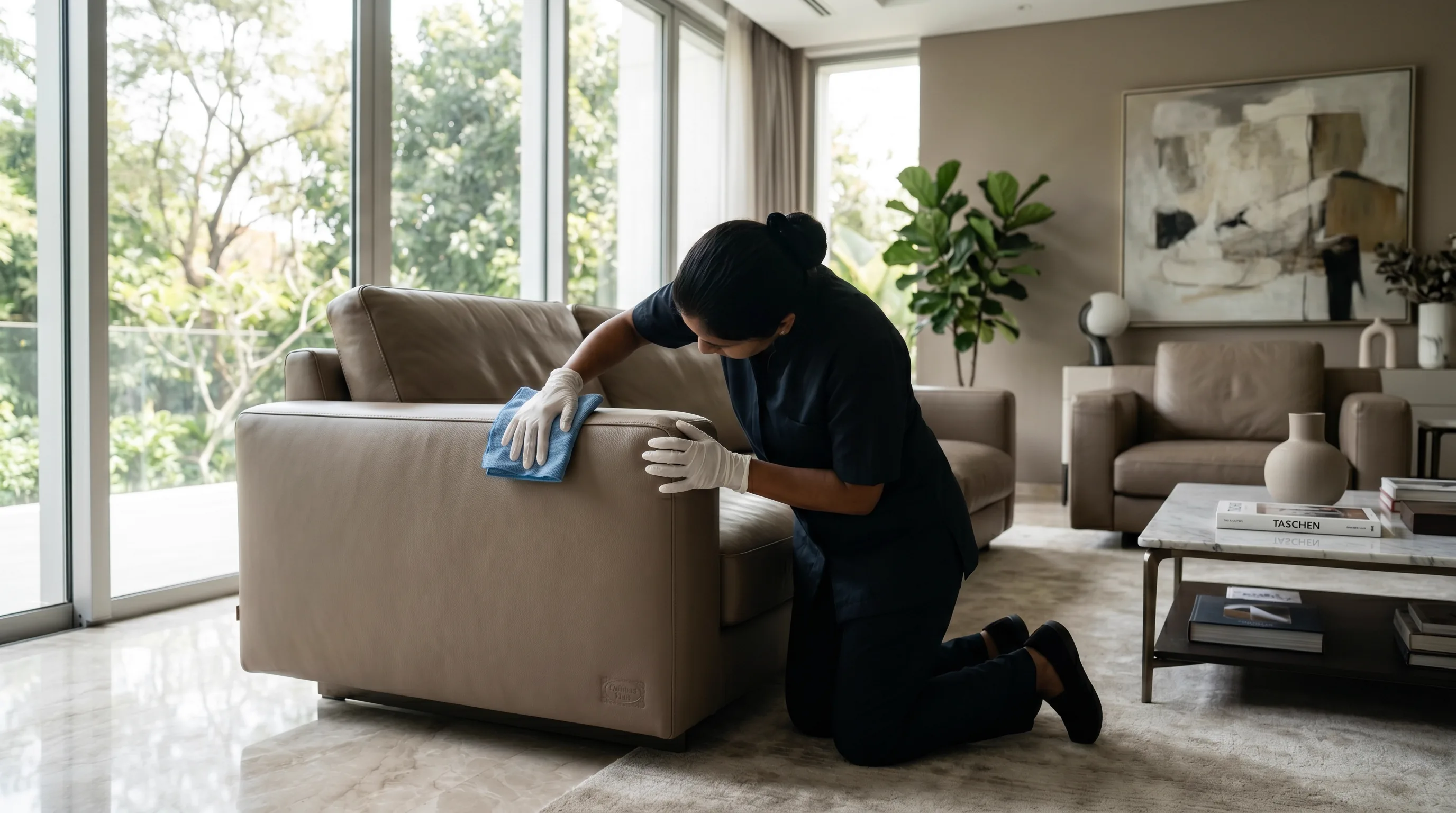
Salt draws blood out by osmosis - the cold keeps it soft.
 Aniline at risk
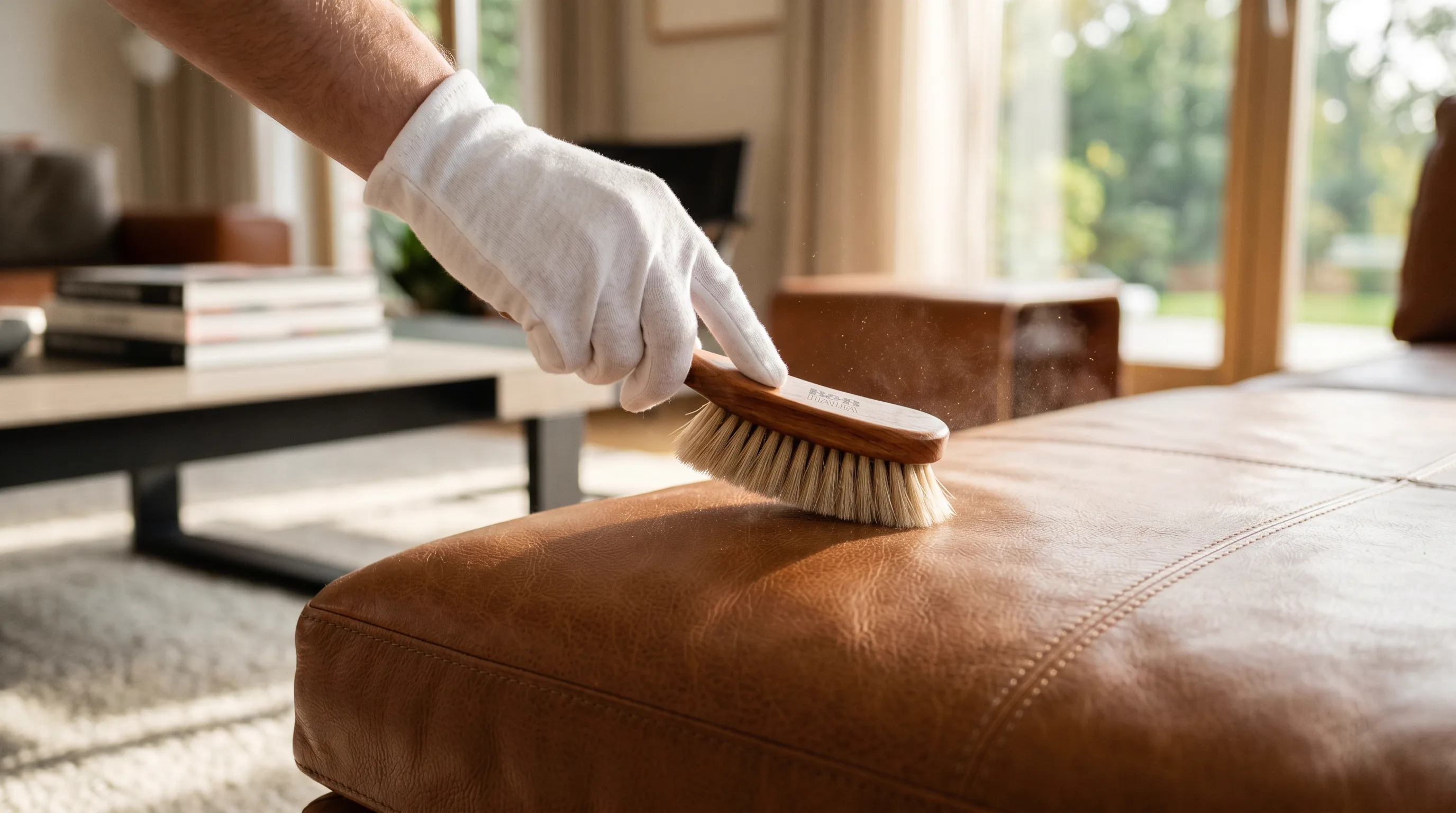
Set blood and aniline hides usually need studio enzymatic work.
 High when fresh
Caught early and kept cold, most marks come fully clean.
The single rule that saves most sofas is the dullest one: cold water only. Heat from a warm cloth, a hairdryer, even a sunny window denatures the blood proteins and sets the mark for good. Stay cold and most stains never reach our bench.
Half the damage we see at the studio came from a warm cloth, not the bleeding. White cotton, cold water, twenty seconds of stillness, and most stains never reach our bench at all.
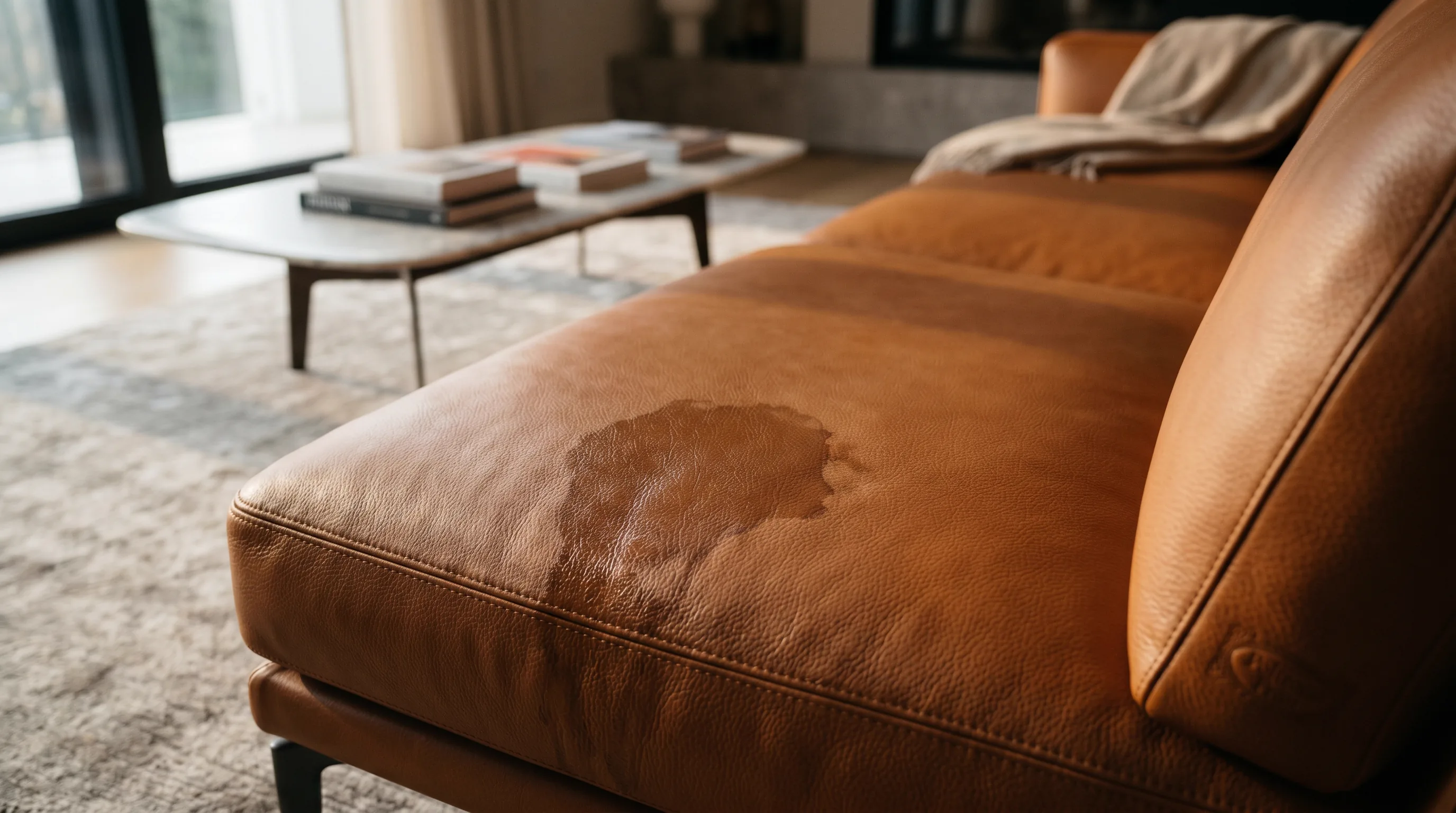
Photographed in studio - FaridabadHalf of what people send us as blood turns out to be paan, pomegranate, or rust from a lifted screw. A thirty-second look before you start saves the wrong protocol from making the wrong stain permanent.
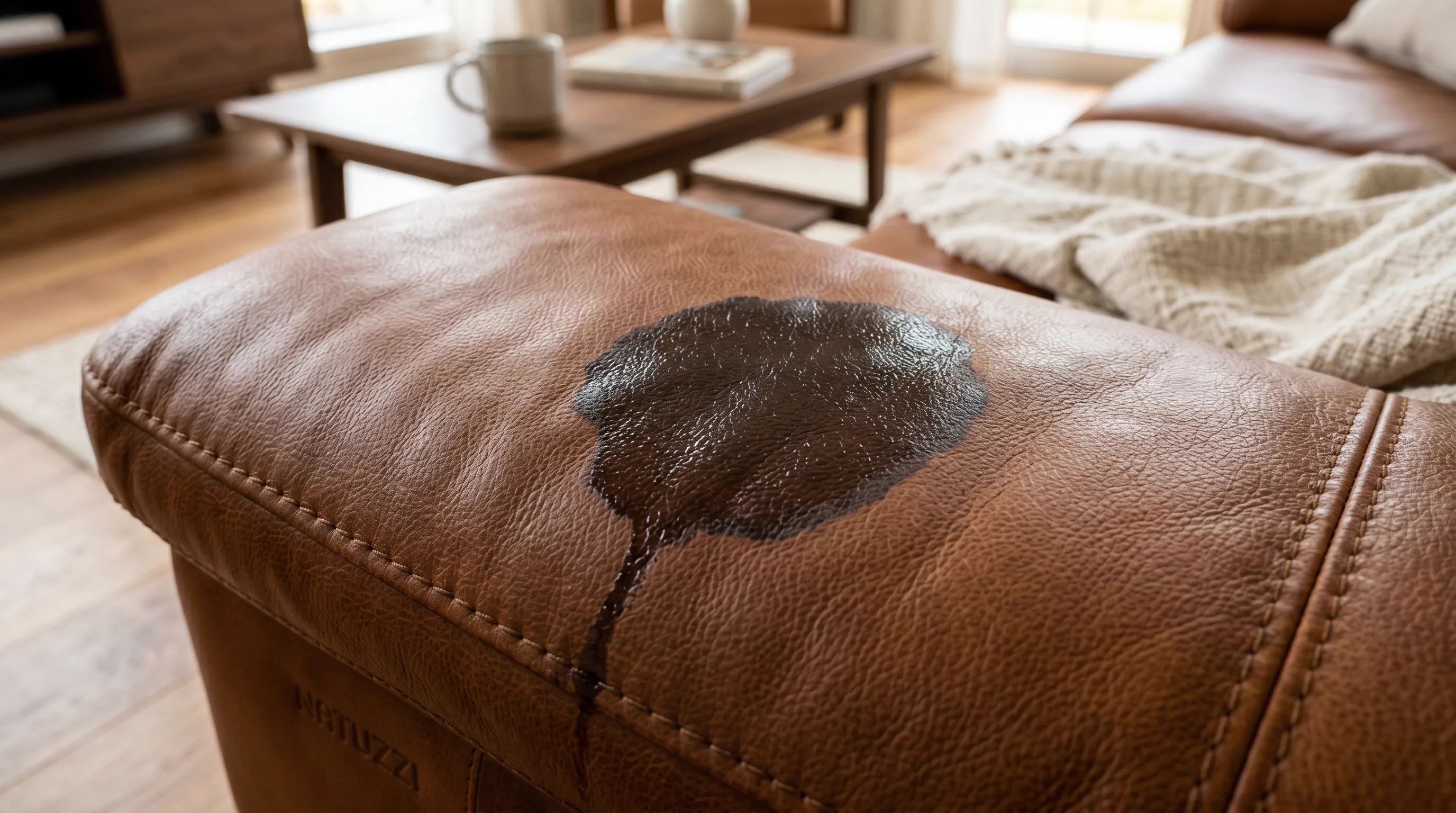
Fresh blood on tan or beige leather sits as a bright red-crimson droplet. Within fifteen to thirty minutes the iron oxidises and the colour shifts to a dull brown. This colour-shift is the most reliable sign you are looking at blood and not a food spill.
Blood holds a sharper edge than ink or wine because plasma is water-based and surface-tension keeps it from creeping outward. A 1-2 mm darker rim where the droplet sat longest is normal. A wide diffuse cloud means it is something else.
Run a clean fingertip lightly across a dried mark. Blood that has been there overnight feels almost imperceptibly raised - a microscopic crust of dried protein. Wine and coffee dry flat. Paan dries gritty.
Fresh blood has a faint metallic smell for ten to twenty minutes and then nothing. Coffee, wine, soy and food spills keep their smell for hours. If you can still smell it the next morning, it is not blood.
Both bleed bright red but stay red even when dry. Blood browns. Pomegranate also leaves a faint sweet smell; paan crusts gritty.
Identical brown to dried blood, but the shape is round or linear-mechanical, not droplet-shaped. Sits on the very surface and lifts cleanly with a leather cleaner alone.
Soft purple-violet when fresh, dull rust-pink when dry, with a wide soft halo. Blood is crimson then brown, with a crisp edge.
Blood is mostly water, with haemoglobin (the iron-carrying red pigment) and a soup of plasma proteins. Leather is collagen, which is also a protein. Two proteins meeting on a porous surface bond easily, and the bond is set permanently the moment heat hits them. Knowing that single rule is most of why this protocol works.
Whole blood is roughly 55 percent plasma (mostly water with dissolved proteins, salts and sugars) and 45 percent cells, of which the red ones carry haemoglobin. Haemoglobin is the molecule that gives blood its colour, and it holds onto iron in a way that fades to brown as the iron oxidises with air. Plasma proteins, meanwhile, are sticky by design - their job in the body is to clot a wound. On leather, they want to do the same thing, binding to the first surface they touch and pulling everything with them.
Heat is the trap. The moment a hot cloth or warm-water rinse touches blood, the proteins denature - which simply means their long, folded chains uncurl and seize up like cooked egg-white. Once a protein has denatured, it does not unfold again. It is now bonded with the finish coat or the grain layer mechanically as well as chemically, and no amount of cold water will pull it out. Every "blood stain that would not come out" we see in the studio started with someone reaching for the hot tap.
Cold water does the opposite. It dilutes the plasma, keeps the proteins soft and folded, and lets surface tension carry the dissolved blood back out of the grain. A pinch of common salt in cold water turns it into a mild saline solution that gently pulls protein out by osmosis - this is the same physics that makes salt water draw moisture from cut vegetables. For set blood, a brief touch of 3% hydrogen peroxide oxidises the iron and lifts the brown stain, but only on patch-test-safe leather, never on aniline (it will bleach the dye).

Plasma proteins stay soluble for thirty minutes after they land, but only if no heat reaches them. The whole protocol is built around protecting that window. Patience is not waiting - it is technique.
Photographed on site - IndiaBlood keeps lifting in cold water for roughly thirty minutes after it lands. The only thing you have to do right now is keep things cold and stop anyone from helpfully reaching for warm water. The actual lifting is the calmer half of the work that follows.
Do not reach for anything warm. Take a daylight photograph from two angles - this is your reference for "before". Then run the thirty-second self-test in Section 06 to find out whether your leather is aniline, semi-aniline, or pigmented. Everything else, including whether peroxide is even an option, depends on this answer.
Press a clean white cotton cloth straight down on the blood. Lift, rotate to a fresh dry section, press again. If you have a dish of cold water nearby, briefly damp the next press, never warm and never soaking. Each press takes roughly fifteen percent of the wet blood away with it. Keep going until the cloth picks up nothing more. Blotting instead of wiping is what most people get wrong in the first thirty seconds.
Mix half a teaspoon of plain table salt into a small bowl of cold water (room-temperature is too warm in May - use a fridge bottle if you have one). Damp a swab and dab the visible mark from the outside edge inward. The salt pulls protein out by osmosis. If colour is still in the cloth after fifteen minutes, patch-test 3% peroxide on a hidden spot before going to Step 4 in the protocol.
Wipe the worked area once with a barely-damp cloth dipped in plain cold distilled water to carry away salt and any peroxide. Pat it dry with fresh cotton. Then walk away for thirty minutes. Do not poke at it, do not condition yet - the leather is still settling and will look darker than it actually is.
These cause permanent damage. The stain may lift; the leather will not recover.
Conservator-grade first response. Buys you the time to do this properly.
These steps assume cold water and cold saline as the main reagents, with 3% peroxide as a controlled fallback only on patch-test-safe leather. If the patch-test fails, and on aniline it usually does, stop at Step 3 and read Section 07. Handing the job over is not a failure - on the wrong hide it is what saves the leather.
Fresh - Run all six steps in order. Fresh blood lifts close to fully on pigmented leather and well on semi-aniline using only cold water and a salt rinse - no peroxide needed.
Dried - Skip Step 1 (the wet blot). Spend longer on Step 3 with cold saline, and only consider Step 4 (3% peroxide) on a passed patch-test. Expect 60-75 percent recovery.
Set - Steps 1-2 will not help; Step 3 may still draw out some iron. Stop and photograph. Set blood (over a week) almost always needs studio enzymatic treatment - send the photograph for a free assessment.
Press a clean white cotton cloth straight down on the blood. Do not rub, smear, or drag - that pushes plasma proteins deeper into the grain. Lift, refold to a dry section, press again. If the bleed is still active, briefly dip the next fold in cold water (never warm) before pressing. Repeat until a fresh press picks up nothing on the cloth. You are removing surface-wet blood before it sets; expect to lift roughly forty to fifty percent of the visible mark this way.
Mix half a teaspoon of plain table salt into 100 ml of cold distilled water - this is your saline. Choose a hidden patch on the back of the seat-back, under a cushion, or behind the skirt. Dab a coin-sized drop of the saline with a cotton swab. Wait ten minutes by the clock. Inspect: if the patch dulls, lifts colour onto the swab, or leaves a darker halo, stop here - your leather is reacting to even mild salt water and the protocol below will damage it. Send a photograph and stop.
Damp a fresh cotton swab in the cold saline - just damp, not dripping. Place the tip at the outer edge of the stain. Roll the swab across the surface in three to four millimetre dabs, working inward toward the centre. The salt pulls protein out by osmosis (the same way it draws water from cut vegetables); the cold keeps the protein from setting. The instant the swab tip picks up red, brown or pink, throw it away and pick up a fresh one. Never re-touch a coloured swab to the leather.
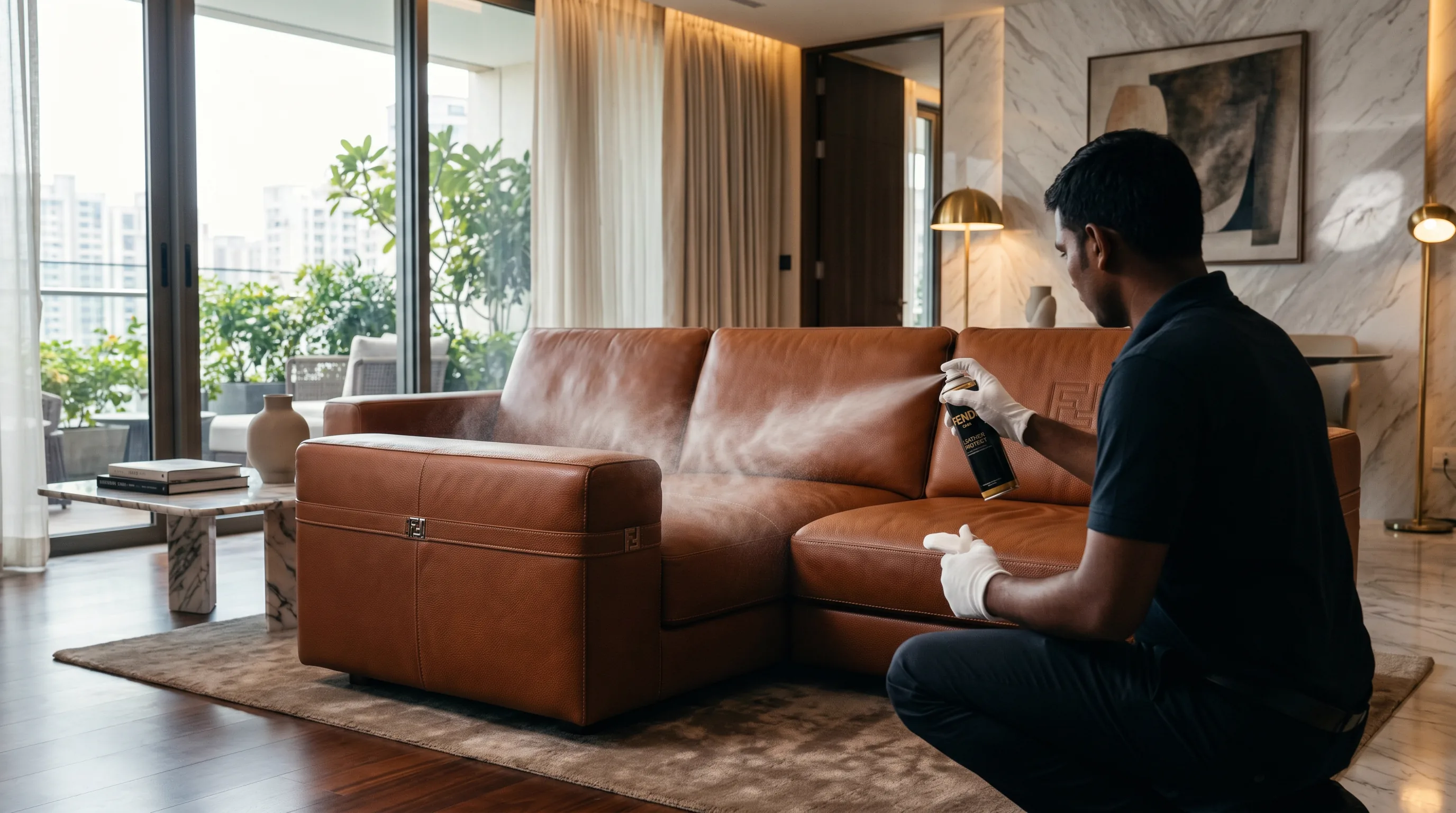
For dried, brown blood that survived saline, 3% hydrogen peroxide (the chemist version, around Rs 30 for 100 ml) is the controlled fallback. First repeat Step 2 with peroxide instead of saline - a separate ten-minute patch-test. If it passes, damp a fresh swab in 3% peroxide and dab once on the visible stain. You should see a brief, soft fizz as the peroxide oxidises the iron. Wait one minute, then blot dry. One application only. Do not repeat - peroxide accumulates in the topcoat and will bleach a patch larger than the stain.
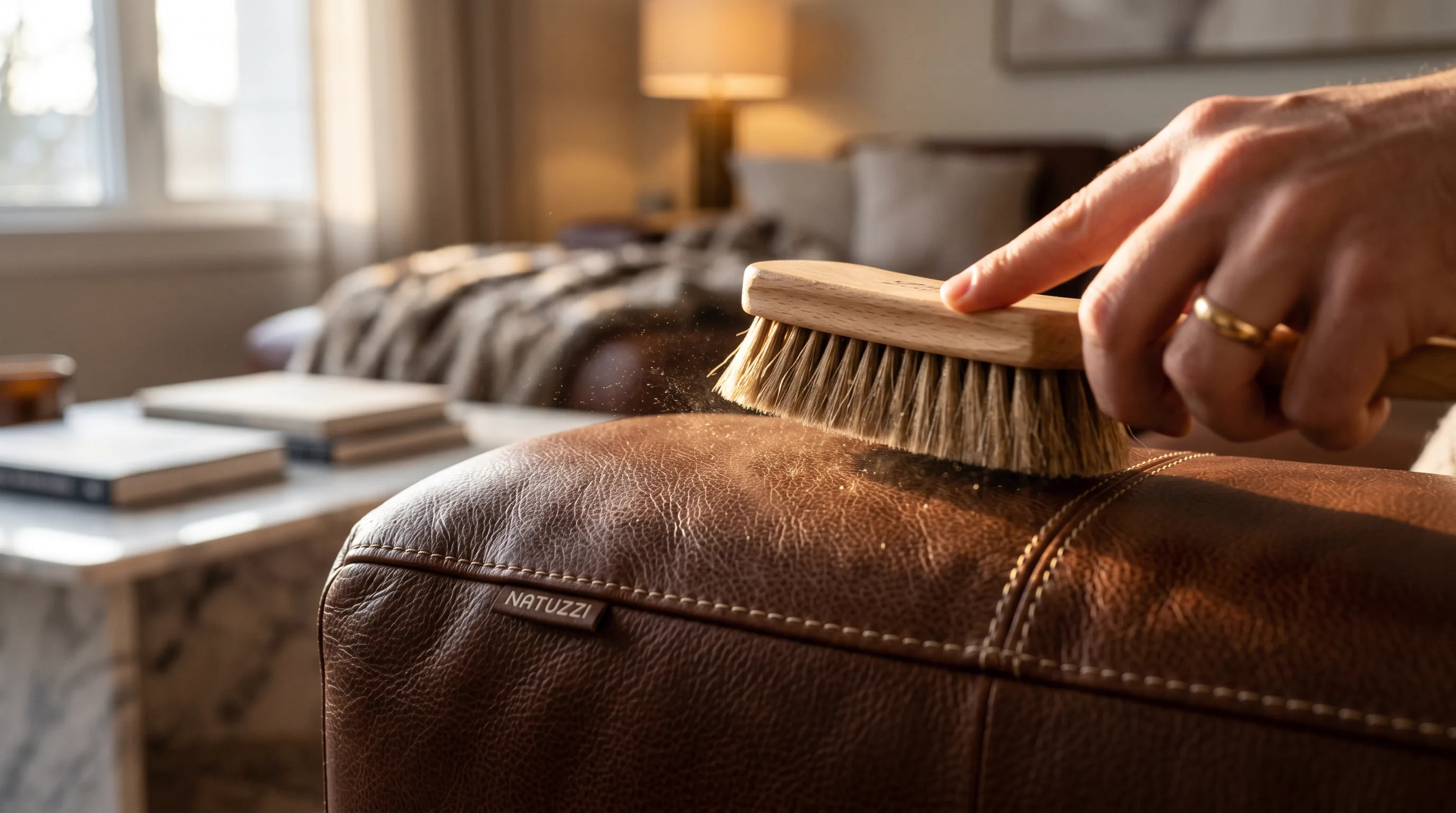
Damp a fresh white cotton cloth with plain cold distilled water - barely damp, not wet. Wipe the worked area once in a single direction. This carries away salt residue and any traces of peroxide before they can dry into the topcoat. Do not flood the leather, and do not wipe back-and-forth - that abrades the now-vulnerable surface.
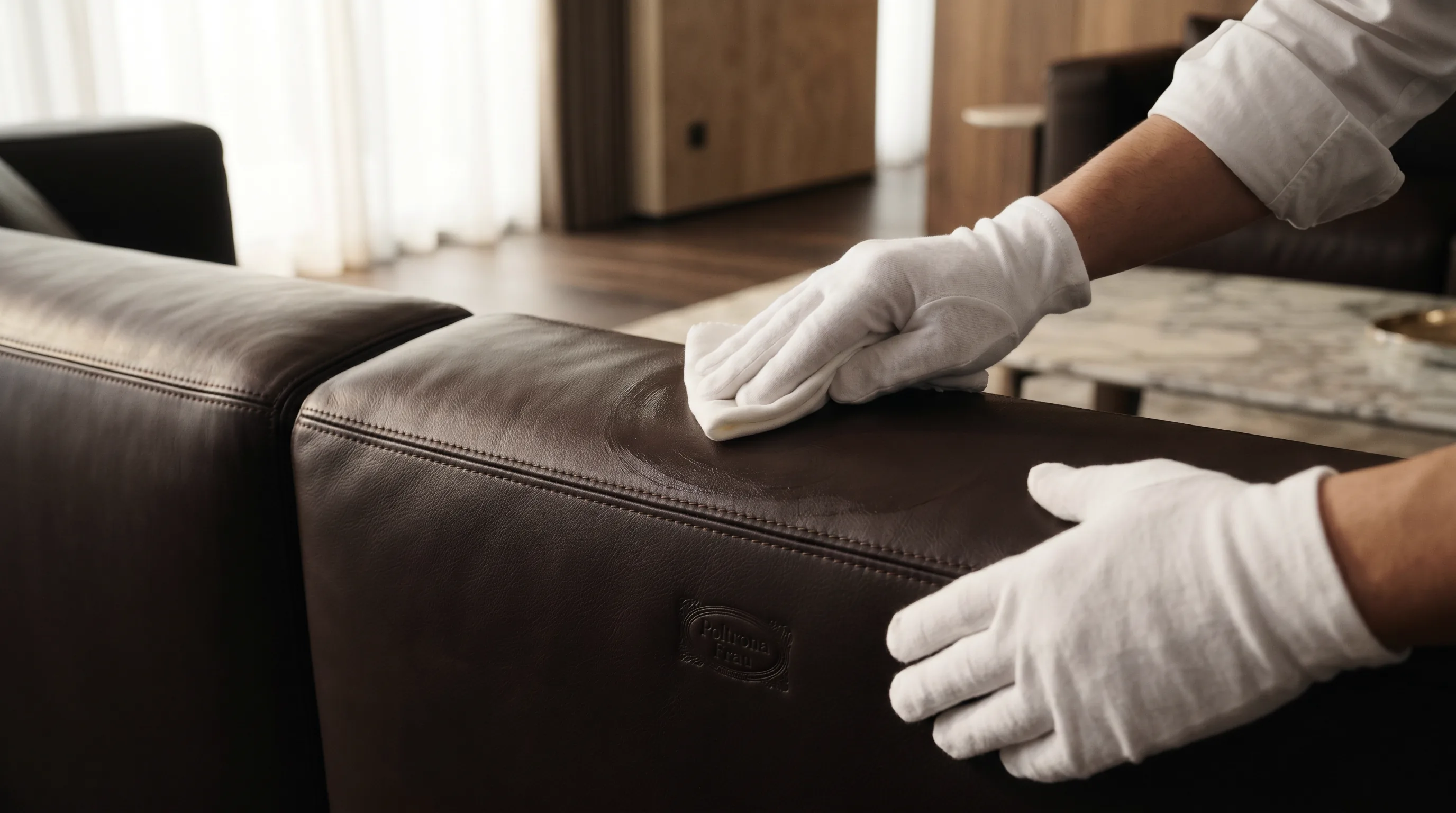
Pat the area dry with a fresh white cotton cloth. Walk away for at least thirty minutes - longer in monsoon humidity, when leather will need an hour or more. Never use a hairdryer, never aim a fan at it, never put it in direct sunlight - the same heat-rule that applied at the start applies at the end. Once fully dry and at room temperature, apply a small bead of pH-neutral leather conditioner with a microfibre cloth, buffing in small overlapping circles and feathering outward into the surrounding leather so there is no visible boundary. The cold water and salt drew a fraction of the natural lipids out; you are restoring them.
No visible mark, no halo, no stiffness. The leather feels and looks identical to the surrounding panel within 24 hours of full drying. Common on pigmented and semi-aniline if caught fresh.
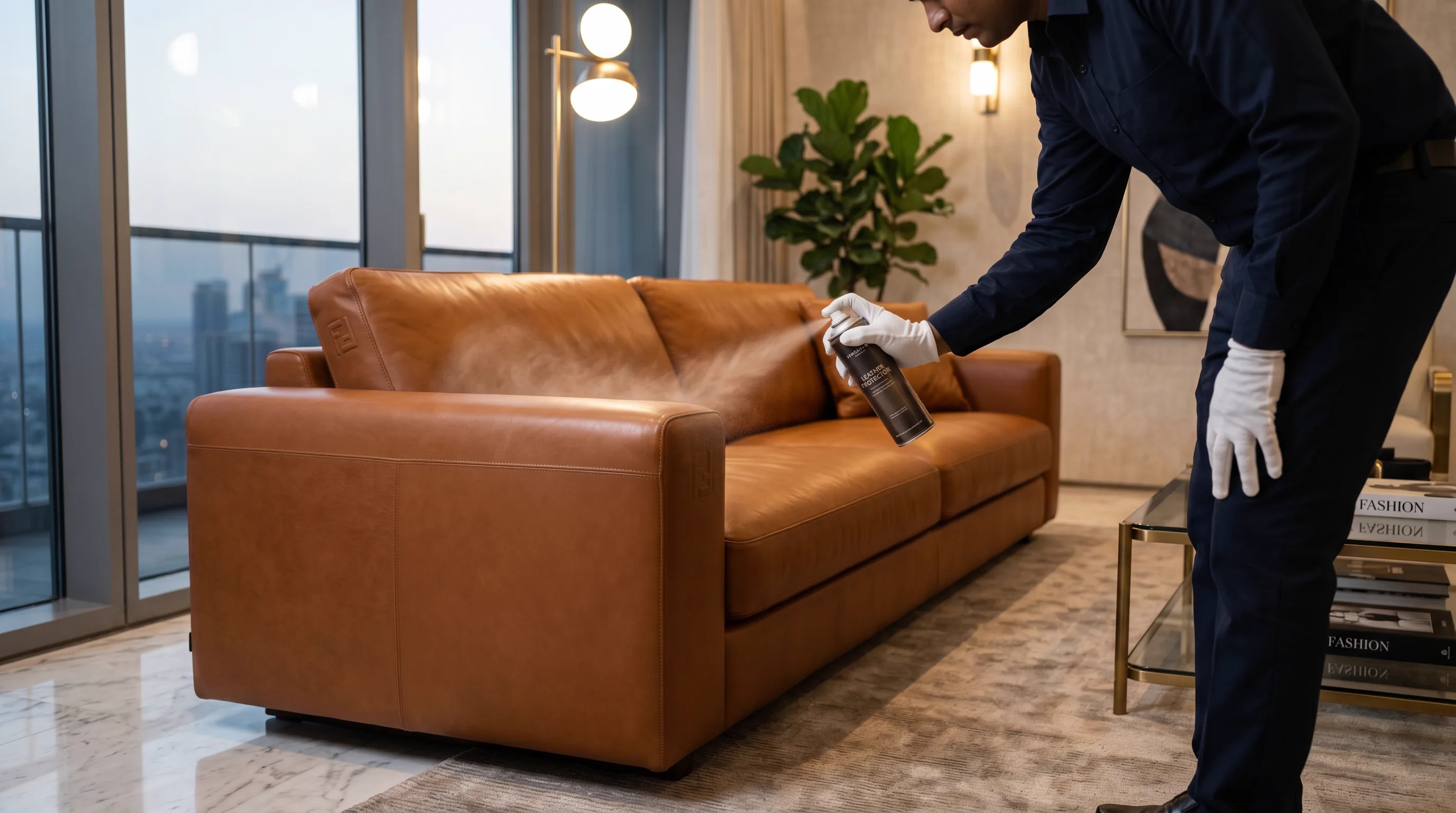
A faint brown shadow remains, visible only in low raking daylight. No halo, no pigment lift, no roughness. This is the realistic best case for blood older than two hours and for most aniline.
A pale halo, a fuzzy spreading edge, or a chalky dry patch where you wiped. Any of these mean you have crossed into pigment territory. Stop, photograph it in daylight, and send it to us. This is fixable in the studio.
Blood removal does not need a specialist kit. Almost everything here is in your kitchen, your medicine cabinet, or a kirana shop within a kilometre. The total bill for a fresh stain is usually under Rs 100.
The single most important reagent on this page. Cold (not warm, not even room-temperature in summer) keeps plasma proteins folded and lifts haemoglobin out by simple dilution. Distilled, not tap, only because tap-water minerals can leave faint scale on dark hides; on tan or beige leather, cooled boiled tap-water is fine.
Half a teaspoon in 100 ml of cold water makes a mild saline that pulls protein out of the grain by osmosis. Plain salt only - rock salt has minerals that can stain pale hides, and iodised is fine but rinse it well at Step 5.
Used for blotting wet blood (Step 1) and the neutralising wipe (Step 5). White only - coloured cloths transfer dye onto already-wet leather, and the panic-grab kitchen napkin is usually printed.
The controlled fallback for dried, brown blood that has survived saline. 3% is the standard chemist concentration; anything stronger is industrial and will bleach leather on contact. Use once, only on patch-test-safe leather, never on aniline. Read the bottle: it must be labelled 3% (not 6%, not "concentrated"), and it must be in date - peroxide loses potency over months.
Biological cleaners contain protease enzymes that digest protein. For blood older than 24 hours that survived saline and peroxide, a tiny dab of pet-stain enzyme cleaner is the home option before sending to a studio. Patch-test the same way as peroxide.
Restores the lipid layer the cold water and salt stripped. The hardest item to source well in India - most cheap "leather conditioners" are silicone polishes that yellow over time. Buy one trusted bottle and it lasts years.

Aniline forgives nothing and bleaches under peroxide. Pigmented forgives almost everything and shrugs at one careful pass. Reading the leather before reaching for an oxidiser is the one habit that has saved more sofas than any product on the shelf.
Photographed in studio - The PracticeThe same droplet behaves five different ways across the five common leather finishes. Find your row first. Your odds, and whether peroxide is even an option, depend on it more than anything else on this page.
Pick a hidden patch (back of seat-back). Run all three tests, then read the matrix below for your type.
Place a single drop of water on the surface. Soaks in within 30 seconds = aniline. Beads and sits on top = pigmented or bicast. Slow darken with eventual absorb = semi-aniline.
Press a fingernail into the leather for two seconds, release. Mark stays then fades slowly = aniline / semi-aniline. No mark at all = pigmented or bicast (top-coat hides the indent).
Look across the surface at a low angle in daylight. Uneven natural grain, soft matte sheen = aniline. Plastic-like even sheen, perfectly uniform grain = bicast or heavily pigmented PU-leather.
Still unsure? WhatsApp a close-up photograph in daylight to +91 98915 96597 - identification is free.
No topcoat. Plasma soaks straight into the corium within minutes; iron from haemoglobin binds to collagen as the stain dries. Saline lifts well; peroxide bleaches the dye on contact.
Cold blot, then cold saline only. Skip peroxide entirely. Photograph and send to the studio if a brown shadow remains.
The single biggest predictor of blood-removal success is which row of this matrix your sofa sits in. Most premium furniture made in the last two decades is semi-aniline or pigmented - the two best-case rows. Older European pieces, Italian hides marketed as "natural" or "vintage," and most modern boutique brands lean aniline. A short read on the three finish classes separates them in under three minutes if you are unsure.
Bicast and bonded "leather" - common at price points below Rs 60,000 in India - look like leather but behave like plastic. The good news is blood rarely penetrates the polymer skin and lifts cleanly with cold water alone; the bad news is the skin itself peels in sheets if treated like real hide. The hide-anatomy explainer covers the failure modes you are trying to avoid here.
There is a point on every blood mark where home methods stop helping and start harming. Recognising that line early is the most important call you make, and there is no shame in stopping - especially with set blood, where one wrong move with peroxide is harder to undo than the stain itself.
Most home blood-cleanings fail at the same place. Someone sees partial progress with cold saline, gets impatient, and reaches for the hot tap "just for the last bit." The proteins denature in seconds and a stain that was 80 percent gone is now 100 percent permanent. The vinegar-and-olive-oil "household trick" is the second-most-common version of this story - acid does to protein what heat does, and we have rebuilt many sofas where the vinegar damage was worse than the bleeding ever was.
If you have worked through Steps 1-3 with cold saline and the brown shadow is still visible after twenty-four hours of full-dry rest, you have reached the boundary. Past that point, the answer is studio enzymatic treatment: a controlled protease application that digests bound protein without bleaching dye, followed by colour-matching and a thin re-finish if needed. We do this every week. It is unglamorous but routine, and it is not a home job - the enzymes need time-and-temperature control no kitchen can give.
A pale halo around the original mark - that is pigment lift from peroxide or salt, not residual blood, and pushing harder will widen it.
The leather feels rough, dry, or stiff where you worked, even after conditioning. Cold-water and salt have over-stripped the lipid layer.
The mark has spread into a fuzzy cloud instead of reducing - plasma proteins have been pushed outward by the wrong technique.
A brown shadow that has not lightened across two cold-saline rounds. Iron has set and home methods are at their limit.
Cracks or fine lines start to show in the finish coat where you swabbed, especially on aniline.
The fix for blood is almost always less aggressive than people think. By the time someone calls us, half the damage came from the warm-water reflex, not the bleeding.
There is no need to commit to anything yet. Send a daylight photograph on WhatsApp and we will tell you honestly whether it is recoverable, whether home methods can still help, and what we would do if it came to the studio.
For the next two weeks, the spot you cleaned is slightly more delicate than the rest of the sofa. A little care now is what keeps a one-time stain from leaving a permanent shadow.
The cold water and salt that lifted the blood also took a small amount of the natural lipids out of the finish coat. For the next fourteen days, the worked area is a little more porous than the leather around it - a second spill in the same spot will set faster, and deeper, than the first one did. Think of it as a freshly healed scab.
Routine conditioning every six to eight weeks with a pH-neutral product is the simplest insurance you can buy. The home cleaning guide walks through frequency and product choice, and the full furniture-care guide covers timing across Indian climate cycles. Condition four times a year, patch-test once before any new product, and the hide will outlast most of the people in the house.
The other half of prevention is unglamorous but cheap. Keep a small first-aid kit with cold water, plain salt and white cotton cloths near the sofa - the kid scrape, the kitchen cut, the period stain, the Eid qurbani spill all share the same cold-and-cotton response. Knowing where the salt is in the dark at midnight is what separates a stain we never see from a stain that becomes a studio job.
The worked area needs a second light condition exactly two weeks after the first. This re-seals the lipid layer fully.
A 500 ml bottle of distilled water in the fridge, a small pinch-pot of salt, and a stack of white cotton squares - kept together so anyone in the house can grab them in the dark.
For two weeks after blood removal, treat the worked area as the patch-test zone for any new cleaner, conditioner, or polish you bring home.
Four times a year, condition the whole sofa - not just stained spots. Even hydration prevents the patchy aging that makes future stains stand out.
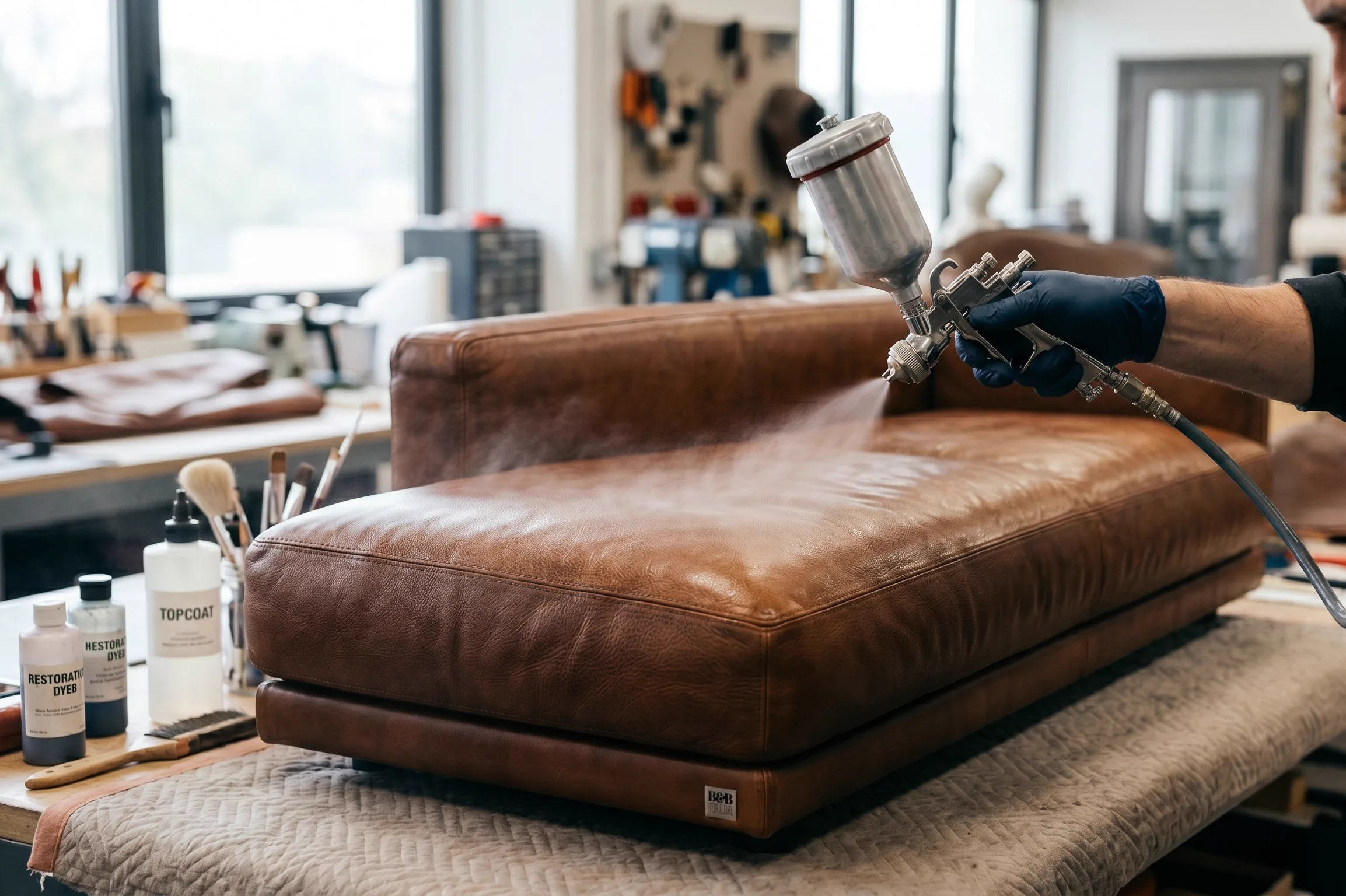
The drop you fix today fades into a decade of evenings - kid scrapes, kitchen cuts, the small cuts of a long life. Cold water, white cotton, a tin of salt within reach: small habits keep an heirloom an heirloom.
Photographed in client home - IndiaProbably partially. Hot water denatures the plasma proteins, which means the bond is now mechanical as well as chemical. Cold saline will still lift some of the residual iron - run Steps 1-3 of the protocol anyway, expecting 30-50 percent recovery instead of 80 percent. If a brown shadow remains after twenty-four hours, send a photograph; studio enzymatic treatment can sometimes recover what home methods cannot.
On pigmented and most semi-aniline tan leather, yes - one single pass of 3% peroxide on a fresh patch-test passes is fine. On aniline or any leather where the patch-test pulled colour, no - peroxide bleaches the dye as readily as it lifts iron. The colour of the leather matters less than the finish class. Run the patch-test in Step 2 of the protocol, with peroxide instead of saline, before going anywhere near the visible mark.
Exactly the same protocol as any other blood. Cold blot in the first ten minutes, cold saline at fifteen, then peroxide only if the leather and patch-test allow. The composition is identical - haemoglobin and plasma proteins - and the same cold-only rule applies. The only practical difference is that period stains are often discovered cold, hours after the event, in which case you start at Step 3 with cold saline and skip the wet blotting entirely.
Sometimes, partially. Set blood is the hardest version of this stain. Run cold saline first (Steps 1-3) - even week-old blood gives up some pink to enough patient swabbing. Then patch-test peroxide and try one single application if the patch passes. If both stall, an enzyme cleaner from a pet-stain shelf is the home final attempt, but the realistic outcome at this age is partial recovery; a brown shadow may remain that needs studio dye-correction. Photograph it before you start so you can see how much progress you actually made.
Amazon India is the most reliable source - search "Captain Zack pet stain remover" or "Bayer Out!" - both are biological enzyme cleaners formulated for pet urine but identical in protein-digesting action. Heads Up For Tails stocks them in India. Expect Rs 350-700 for a 250 ml bottle. The bottle will last years; you only ever use a swab-tip dab on actual leather. Avoid generic "carpet shampoo" - those contain bleach and fragrances that damage leather.
Not at the half-teaspoon-per-100ml concentration the protocol uses. That is roughly the saltiness of a mild stock, far below the threshold where chloride affects pigment. The single time we have seen salt damage on a sofa, the customer had been wiping with neat brine for an hour. Use the dilution given, rinse with cold distilled water at Step 5, and pigmented leather is fine.
Stains that share a chemistry family, a tool, or a leather-risk profile with blood. Reach for these next.
PLATE II
Solvent-bound, the chemistry opposite of blood. Same outside-in swab discipline, but alcohol replaces cold saline.
read entry →
PLATE III
Tannin-bound. Warm water actually helps here - a useful reminder that family decides everything, including the heat rule.
read entry →
PLATE V
Tannin-pigment combo. Lower-stakes than blood, but the early action window is just as tight - and the drying brown looks alarmingly similar.
read entry →
PLATE VI
Curcumin pigment. Stains yellow, not red, but identical patience-over-pressure protocol. India-priority entry.
read entry →
PLATE XI
Salts plus protein, the closest cousin to blood in this Atlas. Same enzyme-cleaner toolkit, different odour problem to solve first.
read entry →
PLATE VIII
Wax-and-pigment hybrid. Same swab discipline, but cooled wax-lifting takes the place of cold saline.
read entry →If the steps stalled, if a brown shadow remains, or if someone reached for warm water before they reached for this page, send us a daylight photograph on WhatsApp. We will tell you honestly whether it is recoverable, what we would do, and roughly what it would cost. No commitment, no pressure. Faridabad studio, Pan-India by photograph.
Tell us about your sofa. A leather specialist will respond the same day - no obligation.