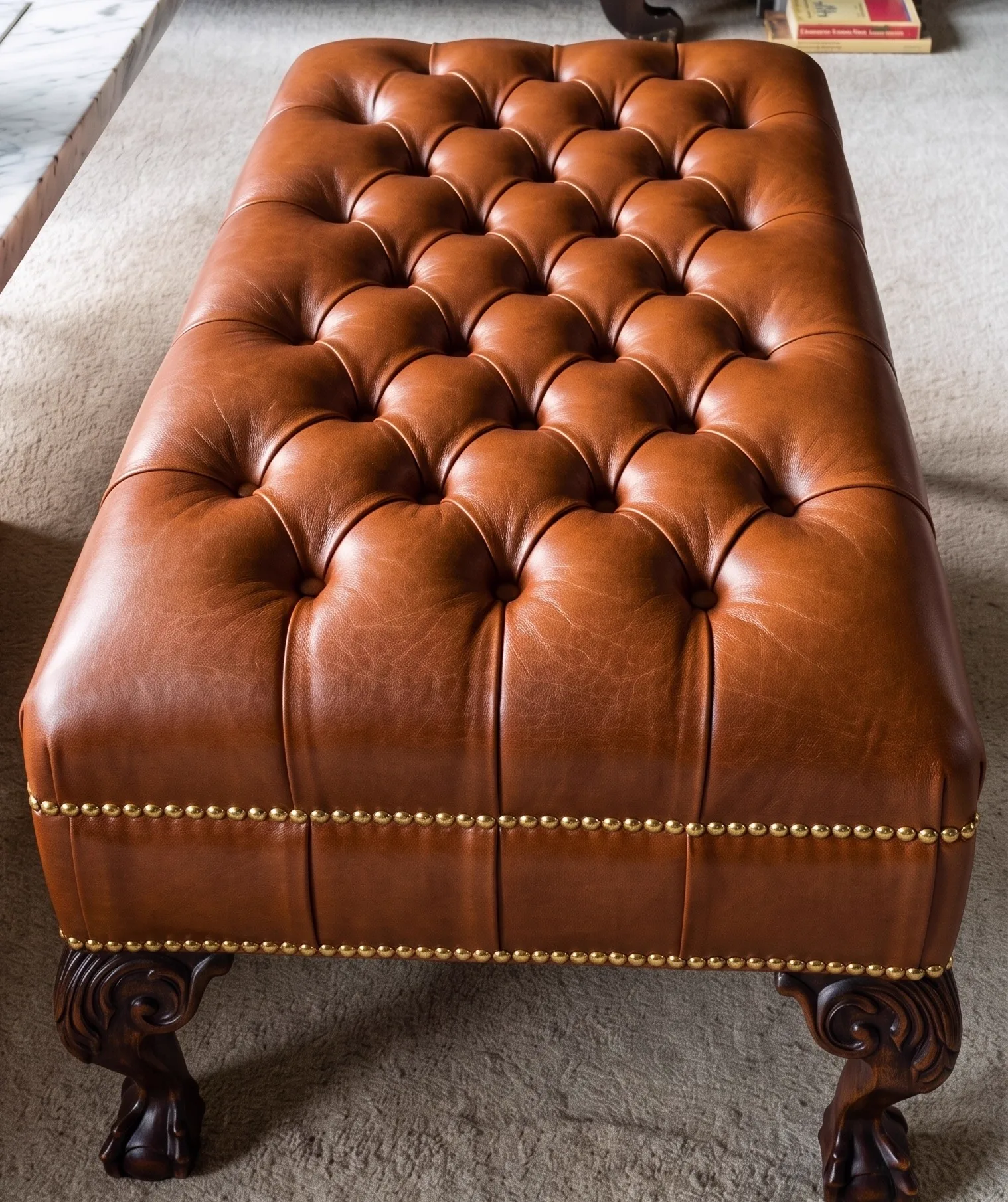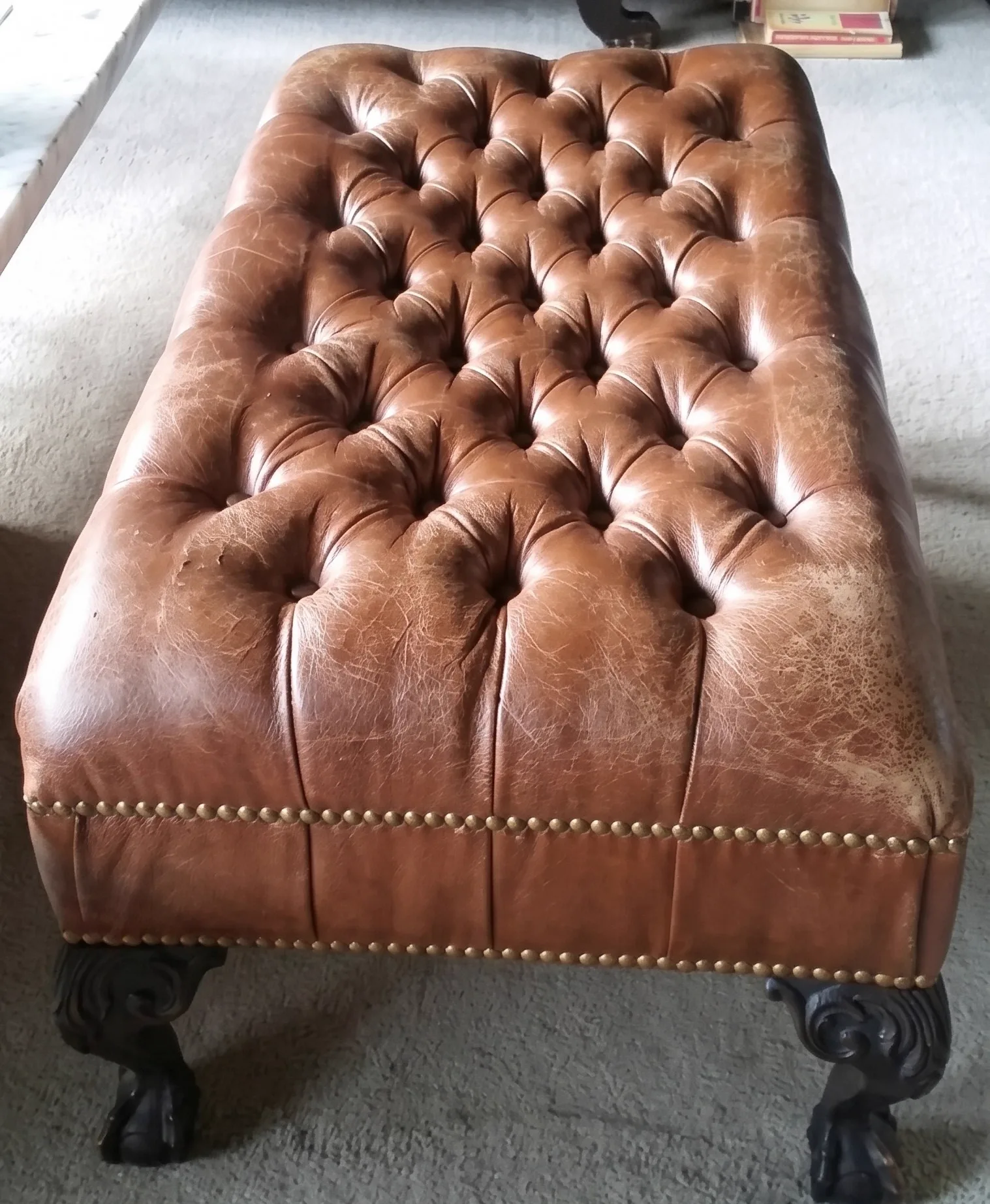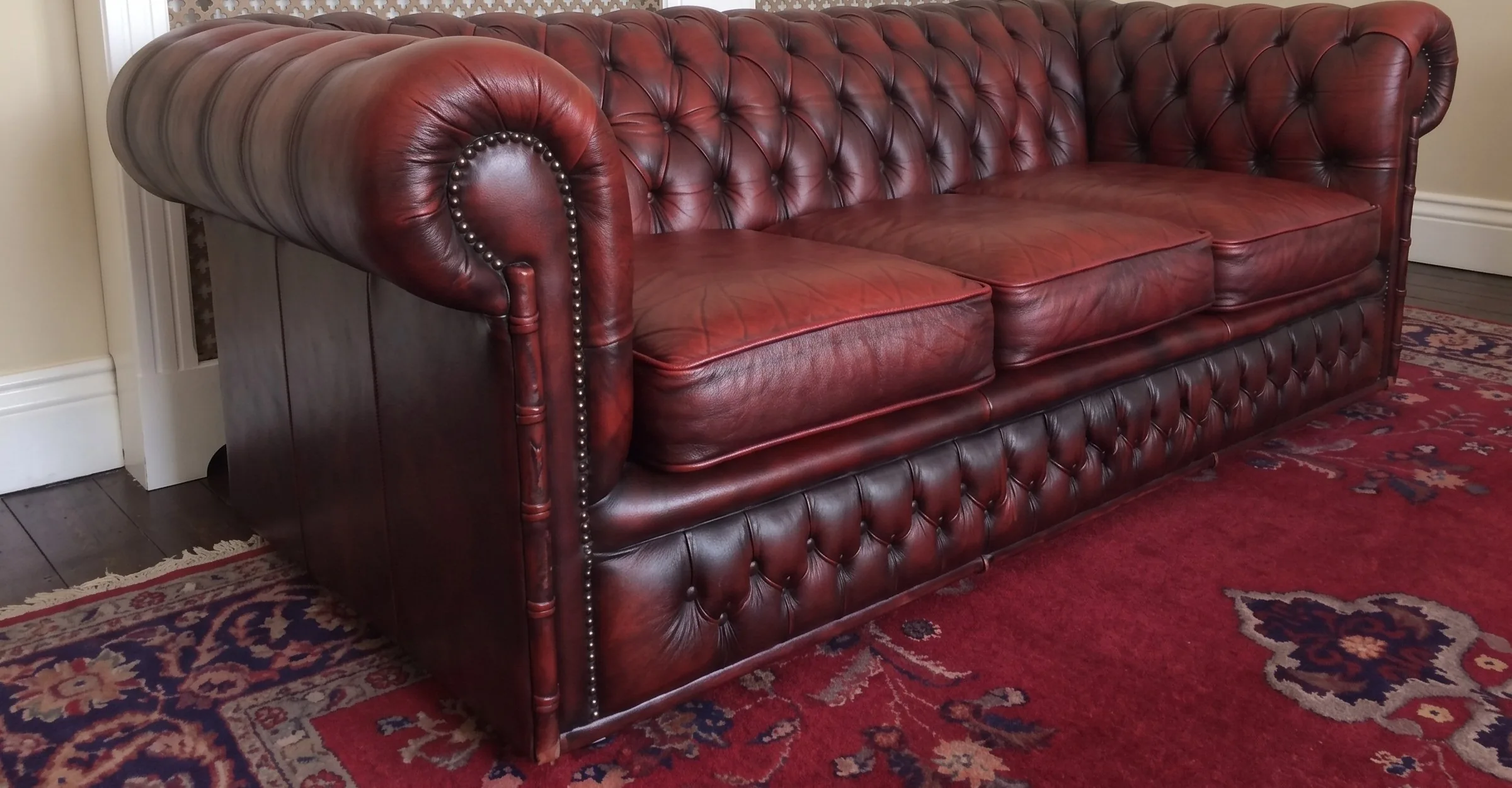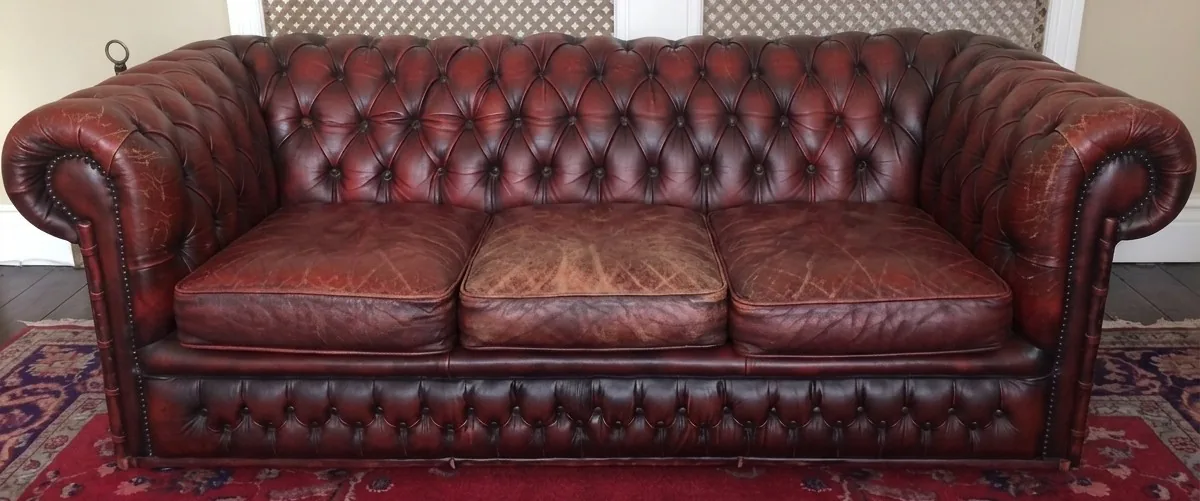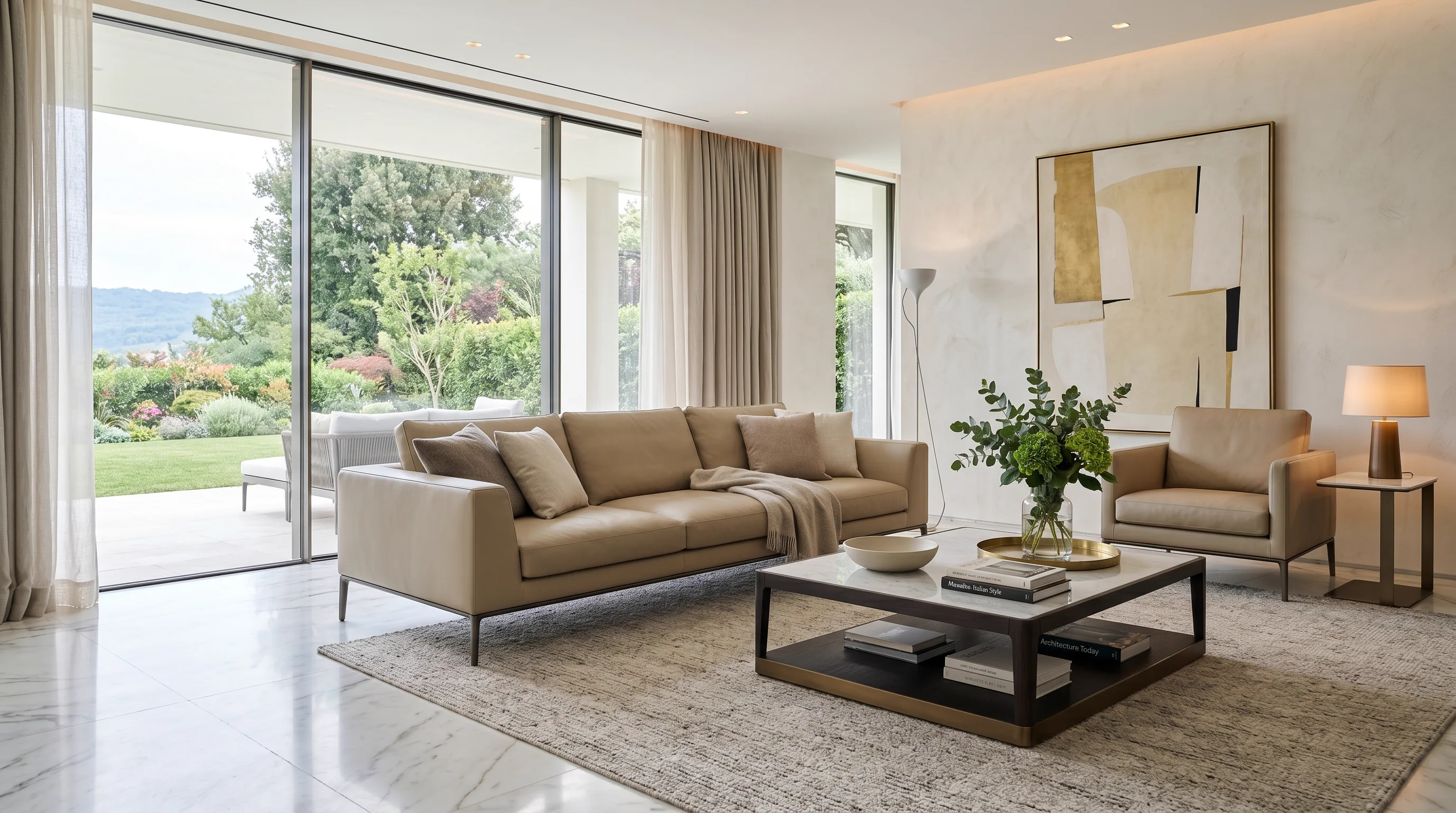
Your south-facing Lutyens drawing room is the hardest place in Delhi to keep leather alive. Original early-twentieth-century glass lets through sustained UV at index eleven and above from April to June. Winter AQI runs between 200 and 400 from October to February. Monsoon humidity pushes past 80 percent for months. No other residential setting in central or northern India stacks this much stress onto a single hide surface. The standard NCR luxury specification was not written for this microclimate. You need to re-engineer from the tannage up, tighten your care calendar to a quarterly cadence, and commit to the protection layers before you buy , not after. This guide covers the full framework: the exposure map, the tannage choice, the finish choice, the protection plan, the care calendar, and the procurement checklist that prevents most restoration costs over the life of the piece. Technical terms are defined in the leather conservation glossary; the broader framework sits in the companion architect leather guide.
Why Does a Lutyens Bungalow Stress Leather So Much?
Edwin Lutyens designed these bungalows for the British Indian capital in the early twentieth century. The architecture was built around a specific climate logic: winter sun, large south-facing reception rooms, glass-walled verandas onto gardens, and high ceilings that managed summer heat through airflow. The design intent and the climate response were one and the same.
The south-facing reception room
The main drawing room opens to the south. From November to February, low winter sun penetrates deep into the room and warms it through the day. That was the design intent, and it is still the room's most valued quality. The same glass that admits welcome winter warmth also lets in summer UV at the highest residential intensities recorded anywhere in north India.
The original glazing
Most Lutyens bungalows still have their original or period-matched replacement glass. Early-twentieth-century glazing was never engineered to filter UV. Modern low-E and UV-blocking glass , the default in new luxury construction , was not available then and would not have been considered appropriate. The result: south-facing rooms in these homes let through far more ultraviolet than an equivalent penthouse with modern coated glazing.
The veranda interface
The glass-walled veranda is a defining feature of the Lutyens bungalow. It adds a second glazed layer through which solar radiation reaches your leather. Many heritage homes have not added modern window film. Heritage preservation rules often prevent it, and owners frequently resist visible changes. Your protection plan must work within that constraint.
The high ceiling and air exchange
Reception rooms typically have five-metre ceilings. Traditional circulation through verandas, courtyards, and stairwells creates constant air exchange with the outside. During the winter smog window, this brings in far more outdoor particulate than a sealed modern building. Your leather care plan must account for this , not ignore it.
What Climate Conditions Does Your Leather Face All Year?
The Lutyens zone runs from Connaught Place south through the central administrative belt to the diplomatic enclave. It gets the full Delhi climate with none of the relief that distance from the urban core gives outer NCR districts. Two stress windows define the year for leather , and they leave no recovery gap between them.
The April-to-June UV envelope
From mid-April through late June, central Delhi UV index peaks above eleven during late morning and early afternoon. Your south-facing drawing room receives this load through original glass that blocks almost none of it. The cumulative annual UV dose at a heritage seating position can be three to four times the dose in a modern penthouse with coated glazing. How that dose damages leather is explained in the guide on UV degradation and India's sun.
The October-to-February smog window
From mid-October through late February, central Delhi air quality holds in the 200–400 AQI band. It goes above 400 after Diwali and again at mid-winter peaks. Acidic particulate binds to the leather finish coat, lowers the local surface pH, and speeds up hydrolytic damage to the fat-liquor [the internal lubricant that keeps leather supple] matrix below. The chemistry and workshop evidence are in the guide on winter smog leather damage in NCR.
The combined annual stress profile
The two stress windows together cover roughly ten months. The June-to-September monsoon adds a third: humidity pushing indoor relative humidity to 75–90 percent for the whole season. Your leather never gets a low-stress recovery period. The care calendar must be built around continuous stress, not occasional damage events.
Which Leather Finish Works in a South-Facing Room?
Choosing leather for a south-facing Lutyens drawing room means balancing three requirements that pull against each other. The hide must handle sustained UV without fading fast. It must hold its tactile depth despite HEPA-filtered air. And it must suit the heritage aesthetic , panelled walls, parquet, antique rugs, curated art. No single finish ticks all three boxes. You are choosing the trade-off that best fits your specific room.
The pigmented option
Pigmented leather has an opaque pigment layer over the hide. It offers the strongest UV resistance and stain resistance in the luxury market. The pigment absorbs and scatters incoming ultraviolet before it reaches the collagen underneath. The trade-off is real: pigmented hide looks more uniform and feels less tactile than aniline. It does not develop the patina a heritage drawing room deserves. For high-traffic family rooms within a Lutyens home, pigmented is the right call. For the formal drawing room, it gives up the patina the space demands.
The aniline option
Aniline finish uses a transparent dye with no opaque pigment layer. It preserves patina capability and tactile depth at the highest level. Your sofa ages visibly across decades , deepening in tone, building surface character. The vulnerability is direct: aniline admits UV straight to the underlying collagen and offers no barrier against atmospheric chemistry. Aniline works in a south-facing Lutyens drawing room only if you commit to maximum protection layers before you buy. The full finish comparison is in the aniline, semi-aniline, and pigmented finishes guide.
The semi-aniline middle ground
Semi-aniline uses an aniline base with a thin pigment top-coat. It sits between the two and is the safer luxury default for most south-facing Lutyens rooms. It keeps far more tactile depth than full pigmented, while adding meaningful UV and stain resistance over pure aniline. If you are not ready to commit to the aniline care routine , or if your heritage protection options are limited , semi-aniline is the standard recommendation.
Which Tannage Should You Choose for a Lutyens Home?
Tannage is the foundational chemistry decision. In the Lutyens microclimate, it carries more consequence than anywhere else in NCR. The wrong tannage fails years earlier here than it would in a modern penthouse. Three categories matter, and one is ruled out for south-facing rooms.
Chrome-tanned aniline , the recommended default
Chrome-tanned aniline is the default recommendation for a Lutyens drawing room. Chrome tannage gives you the dimensional stability this climate demands, the colour palette flexibility the heritage interior often needs, and the patina capability that fits the room's character. Pair it with full-grain hide from a documented Italian atelier and you have the strongest defensible luxury specification for this building type. The chemistry is in the guide on tanning chemistry.
Vegetable-tanned heritage pieces
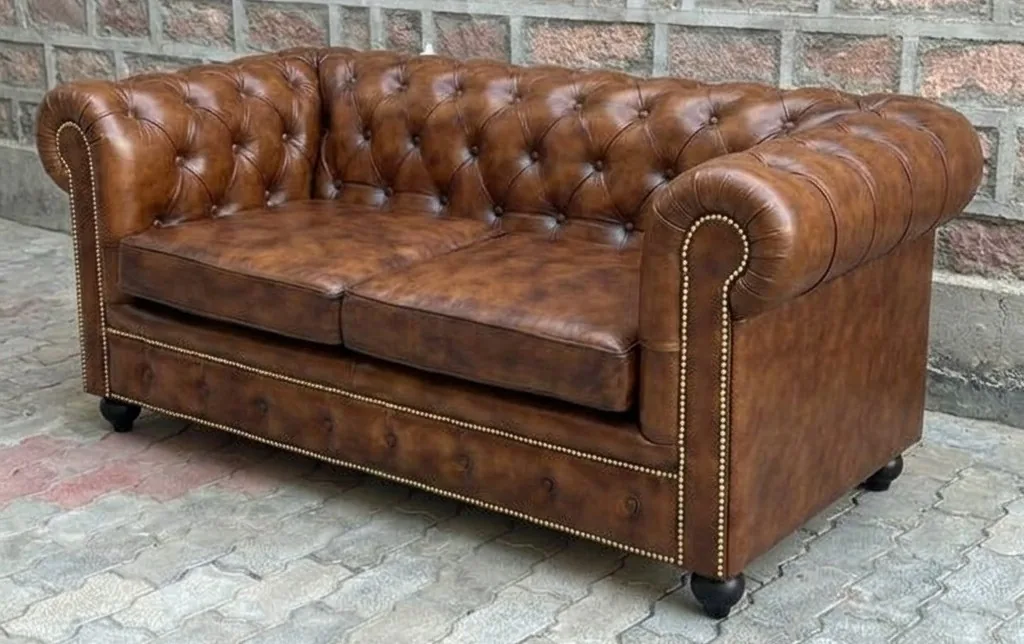
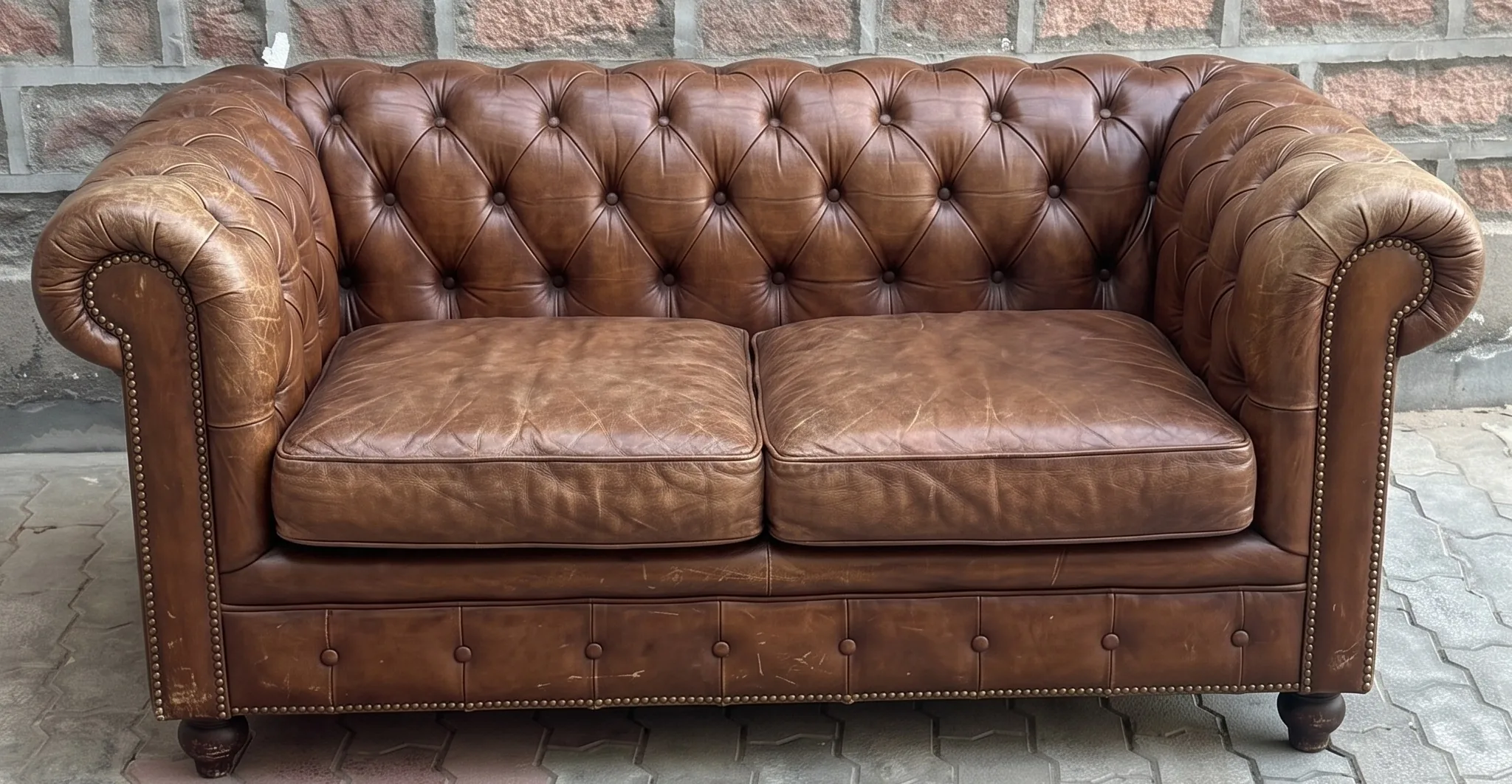
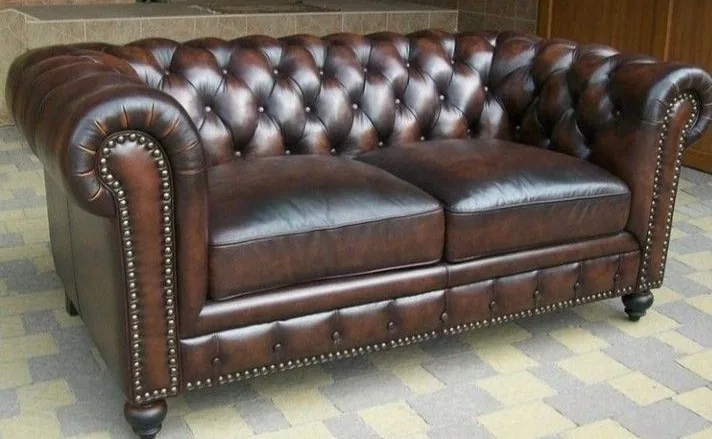
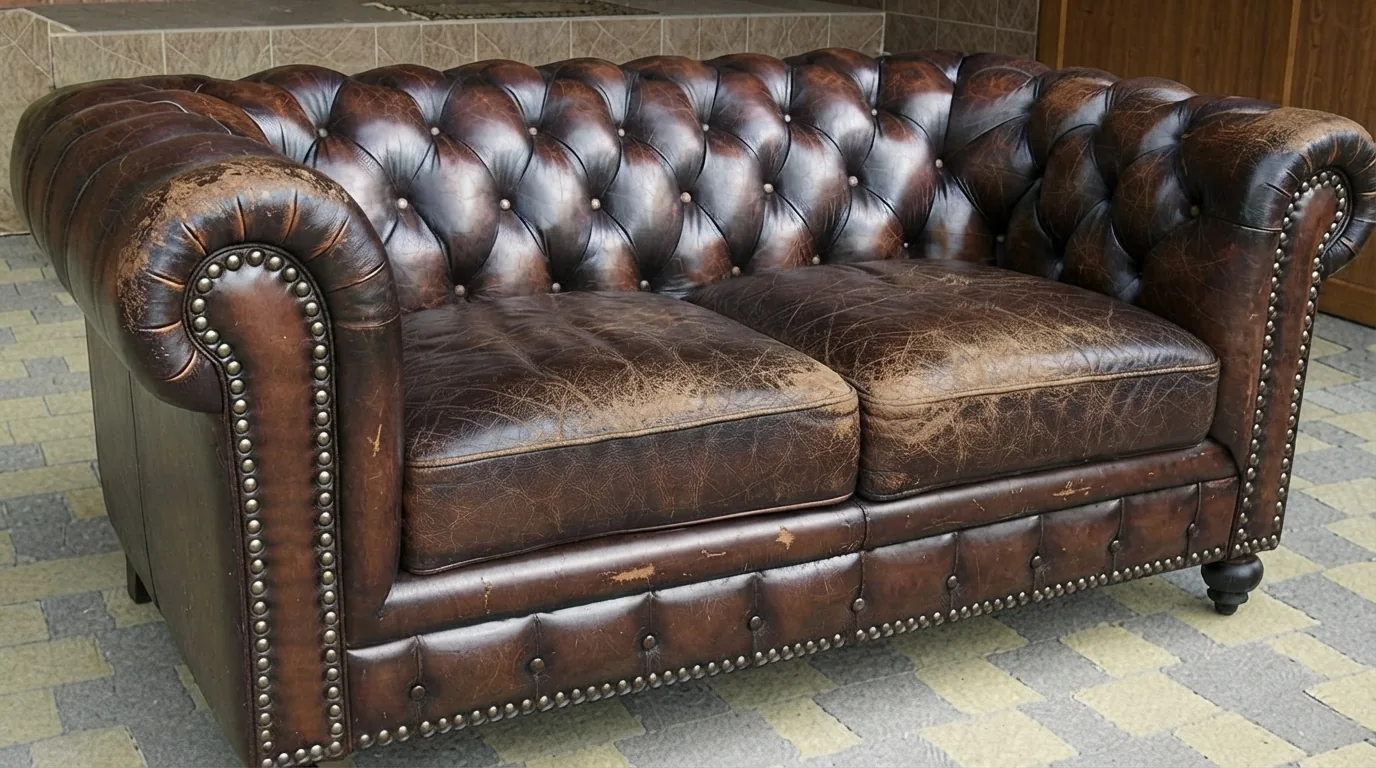
English club chairs, Chesterfield-style sofas, and library wing chairs in vegetable-tanned hide perform well in the Lutyens climate. Pair them with traditional dressings and an annual care calendar. These pieces often pre-date the bungalow's renovation and carry their own aesthetic logic. Vegetable tannage gives the deep brown and cognac tones that suit the heritage interior. The hide takes a traditional saddle-soap and hide-cream routine. For these pieces, the job is conservation , not selection.
Aldehyde tannage , ruled out for south-facing rooms
Aldehyde and aldehyde-hybrid tannages are increasingly popular for ESG reasons, but they are not suitable for south-facing Lutyens rooms. The chemistry is more UV-sensitive than chrome tannage. Cumulative UV dose at a south-facing seat drives early surface degradation in this microclimate. If ESG disclosure is mandatory for your project, place aldehyde-tanned pieces in north-facing or interior rooms. Reserve the south-facing drawing room for chrome-tanned hide. Make this trade-off explicit in the brief , do not leave it to the procurement stage.
Which Brand and Finish Should You Specify?
The finish is your most visible specification choice. It is also the one most likely to get negotiated at the showroom instead of written into the brief. For a Lutyens commission, that is a mistake. Specify the finish in the brief first. Then verify it against your protection plan at the boutique , not the other way round.
Frau Pelle SC and atelier-grade aniline
Frau Pelle SC , the saddle-conditioned chrome-tanned full-grain aniline that defines Poltrona Frau , is the benchmark for a Lutyens heritage drawing room, but only if you have committed to UV protection at the architectural stage. Behind 99 percent UV-blocking film, this hide develops the patina that justifies the price and suits the heritage interior at the highest level. Without that film, the same hide shows visible photo-fade within five to seven years. The brand chemistry is in the Natuzzi and Poltrona Frau care guide.
Natuzzi Iconic full-grain aniline
Natuzzi Italia Iconic and premium-tier full-grain aniline pieces sit in the same broad specification band as Poltrona Frau, but offer wider colour flexibility. If your heritage interior needs a non-traditional palette , slate grey, deep ivory, oxblood with cool undertones , Natuzzi Italia premium often hits the colour brief more precisely. The protection requirements are identical.
Fendi Casa Selleria
Fendi Casa Selleria draws hides from the same European supply chain as Fendi's leather goods atelier. It is the right specification for ultra-luxury Lutyens commissions where the buyer treats furniture as an extension of art collecting. The hand-stitching and hide-grade premium read coherently alongside curated antiques and significant art. The Fendi Casa Selleria care steps document the conservation chemistry. As with all atelier-grade options, viability in a south-facing room depends on your protection plan.
B&B Italia and Maxalto for the family room
For high-traffic family rooms , typically interior or north-facing in a Lutyens plan , B&B Italia and Maxalto modular pigmented and premium semi-aniline pieces give the right balance of contemporary design, durability, and stain resistance. Family rooms in heritage Lutyens homes often see daily use, children, and food-and-beverage exposure that the drawing-room specification was never built for. See the B&B Italia and Maxalto modular care guide for brand specifics. If your commission calls for specialty hides , Nappa-grade for ultra-soft feel or pull-up finishes for character development , specify the surface category alongside the brand and collection. The grain-tier reference is in the full-grain, top-grain, and corrected-grain guide.
What Protection Does Your Leather Actually Need?
Protection is the most important decision you make at the planning stage. Without the right protection, your leather choice is irrelevant. With it, you can use the full luxury palette. Commit to your protection layers in the procurement document , before you visit the boutique.
Architectural UV film
If heritage rules allow architectural intervention, 99 percent UV-blocking film on every south, southwest, and west-facing window in sight of the leather is the primary recommendation. When correctly specified and installed, the film is nearly invisible. The cost is modest relative to the leather commission. The protective effect against photo-fade and fat-liquor depletion is decisive. The numbers are in the guide on UV degradation.
Layered curtain protection
If heritage preservation rules prevent window film, use layered curtain protection instead. Draw heavyweight UV-blocking sheer curtains during peak solar hours. Place furniture at least one metre from the glass. Rotate cushions to spread the residual UV load across the hide surface. This approach asks more of the occupant than window film, but delivers comparable cumulative protection when followed consistently.
HEPA filtration for the smog window
Run HEPA-grade indoor air management to hold PM2.5 below 35 micrograms per cubic metre from November through February. The Lutyens zone sits in central Delhi, downwind of the agricultural-burn corridor after monsoon, surrounded by dense inner-ring traffic. The pollutant load exceeds the broader NCR average. Size your filtration to the worst-case , not the average. The conservation chemistry is in the winter smog leather guide.
HVAC interaction control
Air conditioning discharged directly onto leather accelerates dehydration and surface cracking. Retrofit AC in a Lutyens shell often places vents where the original architecture never intended. Specify a minimum two-metre standoff between vent discharge and leather seating. Add supplementary humidification through dry winter months. Schedule HVAC to avoid overnight low-humidity exposure. The mechanism is in the science of moisturizing leather guide.
When Should You Care for Your Leather Through the Year?
The Lutyens care calendar is tighter than the NCR average. The climate is harsher, and the heritage architecture lets in more environmental load. Four checkpoints anchor the year, each with a distinct purpose.
March pre-summer conditioning
In the first week of March, before the April UV peak arrives, condition the leather. The goal is to restore the fat-liquor reserve, hydrate the collagen matrix, and prepare the surface for the sustained UV load ahead. The conditioning chemistry is in the science of moisturizing guide. Apply it according to the specific finish on your piece.
June pre-monsoon conditioning
In the first week of June, before monsoon humidity arrives, apply a second conditioning treatment. This one has a different goal than the March treatment. Here you focus on surface integrity and finish continuity , preparing the hide to resist humidity-driven mould and finish-coat softening across the monsoon months. The steps are in the guide on monsoon leather care.
September post-monsoon recovery
In the third week of September, as monsoon withdraws, do a recovery treatment. It addresses any humidity-driven changes to the hide and prepares the surface for the smog window starting in October. This includes a deep-clean to remove any biofilm, a re-conditioning stage, and a finish-coat check to spot any softening that needs workshop attention.
October-to-February winter smog steps
Through the smog window, do monthly microfibre dry passes to remove deposited particulate before it binds to the finish coat. If your HEPA filtration is running well, the load is lower and monthly passes are enough. If filtration is limited, tighten to fortnightly. Do not apply conditioning during smog months , the conditioning chemistry can bind particulate into the finish if the surface is already heavily loaded.
The Lutyens calendar rule: the care calendar must be in the procurement document , not left to aftercare advice. Architects who specify the calendar at the brief stage, and who include a year-one handover walkthrough with the master restorator, find that the routine becomes part of the household and survives ownership changes. Calendars introduced after the first restoration crisis are followed for one season, then forgotten.
What Goes in Your Lutyens Leather Brief?
The Lutyens leather brief goes beyond the standard NCR luxury checklist. Every item below has architectural rationale. Every item prevents a specific failure mode. Every item should be in the procurement document before you visit the boutique.
Item 1 , Site UV exposure dossier. Log UV irradiance at every seating position, hour by hour, across a full year. Document it as a foundational annex to the brief.
Item 2 , Tannage. Chrome-tanned for the south-facing drawing room. Reject aldehyde tannage in writing. Inventory vegetable-tanned heritage pieces separately with their own care plan.
Item 3 , Finish. Aniline, semi-aniline, or pigmented , matched to the protection plan you have committed for the room. Document the finish decision as contingent on the protection decision.
Item 4 , Brand and collection. Name the specific atelier and collection , Frau Pelle SC, Natuzzi Iconic, Fendi Casa Selleria, B&B Italia, Maxalto , with reference to the brand's published specification language.
Item 5 , UV protection plan. 99 percent UV-blocking film where heritage rules allow, layered curtain protection where they do not. Document the chosen plan as a formal specification , not occupant advice.
Item 6 , Smog filtration. HEPA capacity set to hold PM2.5 below 35 micrograms per cubic metre during the smog window, with headroom for peak-pollution periods.
Item 7 , HVAC standoff. Two-metre minimum between vent discharge and leather seating. Add supplementary humidification through the dry months.
Item 8 , Care calendar. March, June, September, and the October-to-February monthly steps , documented as a procurement commitment, not an aftercare suggestion.
Item 9 , Annual workshop assessment. Book the master restorator on the same calendar week every year. This builds a long-term record of hide condition.
Item 10 , Restoration provisions. Archive reserve hide samples with the brand. Hand the commission specification to the buyer at delivery. Schedule year-five and year-ten inspections into the household calendar.
"A Lutyens commission is not a luxury furniture purchase. It is a multi-decade care programme attached to a heritage building. Your brief must be one that the bungalow, the leather, the buyer, and the future restorator can all read. Getting the brief right is the whole game."
If you are an architect or interior designer consulting on procurement, expert workshop input on Lutyens-zone specifications is available through leather restoration consultation. Site-visit reviews cover the central Delhi heritage belt, with complementary input available for surface refinement and the broader NCR. Workshop input typically comes in at the protection plan stage, the brand-and-collection stage, and the care calendar stage. For that middle stage in particular, our restoration references by sofa brand record which houses we already hold colour and finish data for. The companion architect leather guide covers the broader specification framework that this Lutyens guide builds on.
Bookmark this page. Before your next Lutyens-zone commission , drawing room, library, family room, or veranda lounge , run it against this framework before the procurement conversation starts. Getting the brief right is your most consequential contribution to a heritage commission.